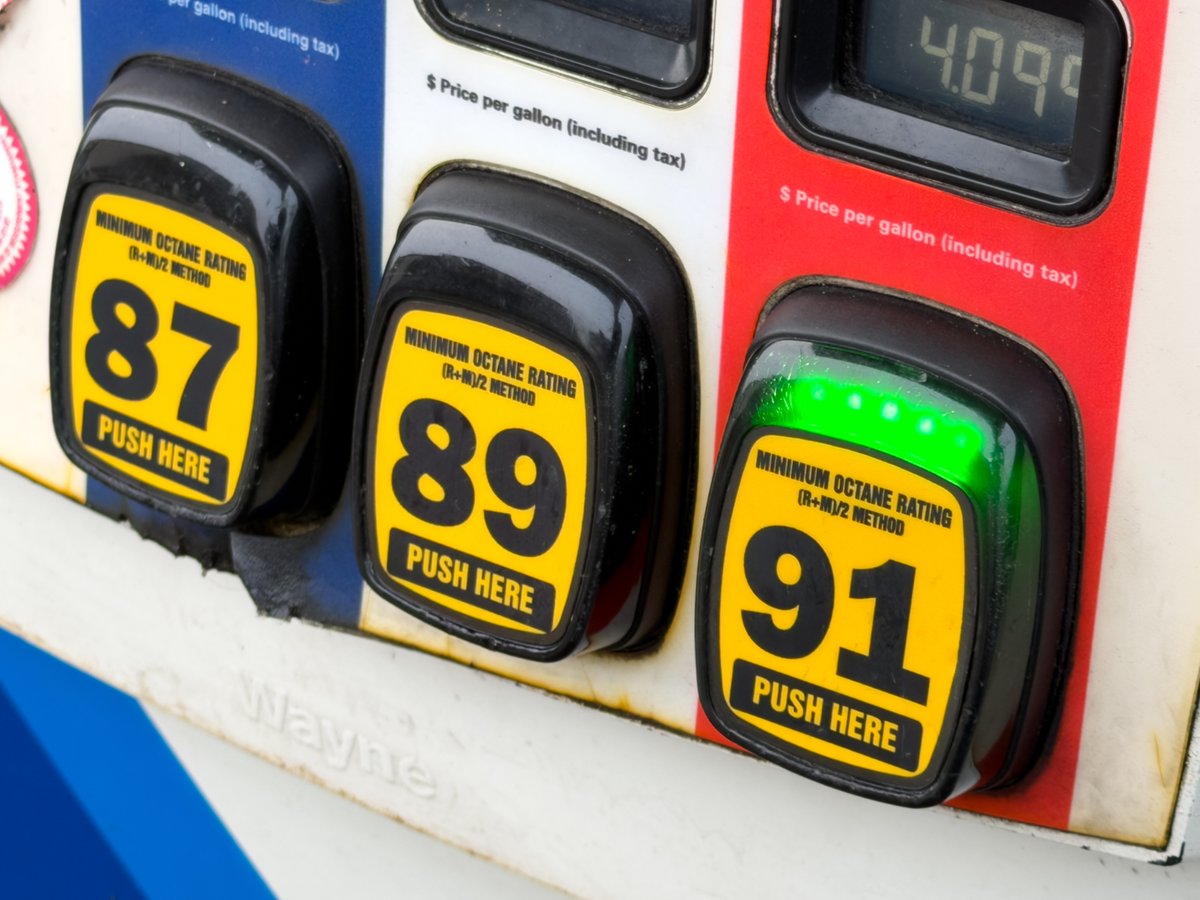
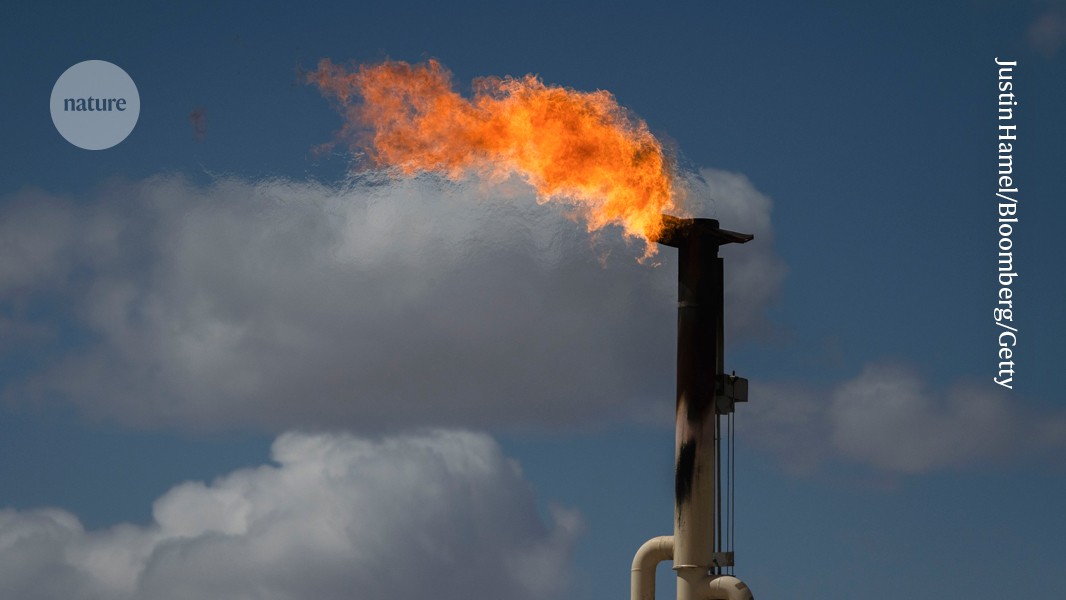
Following the Russian attack on Ukraine in February 2022, energy costs rose sharply and many households and businesses felt the financial burden immediately. Oil and gas companies, however, were making extraordinary profits during this time. As public criticism of high energy costs grew, how did these companies handle their profits? A new study shows that European oil and gas firms likely downplayed their profits between 2022 and 2023. These earnings management practices were particularly prevalent in countries that introduced windfall profit taxes as well as in countries with strong democratic institutions.
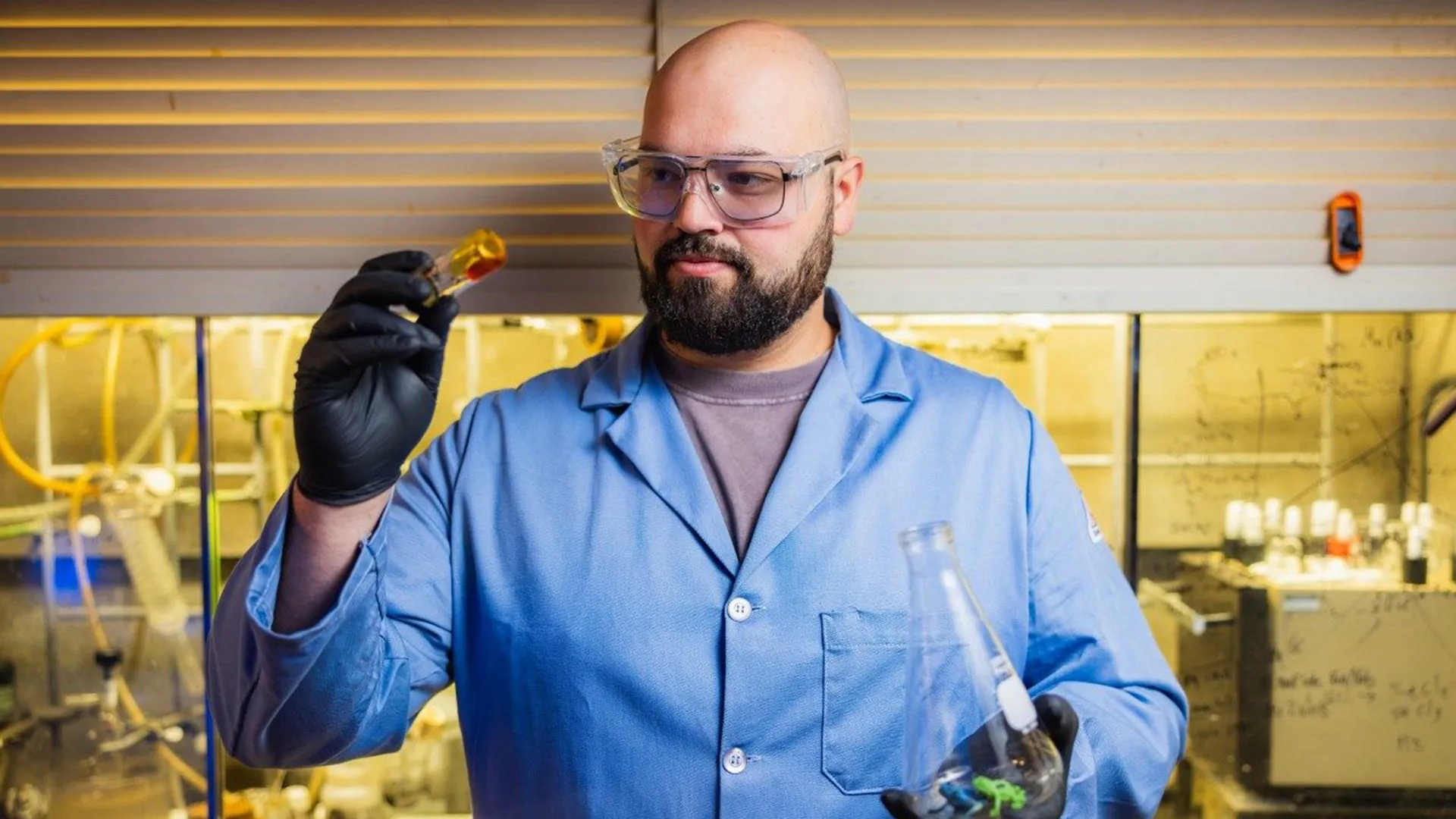
Virginia Tech scientists have discovered how to transform one of the world's hardest-to-recycle plastics into a valuable ingredient for high-performance engine oil. Their innovative process converts discarded PVC into a useful lubricant material in just three hours. The breakthrough could turn a major source of plastic pollution into a valuable industrial resource while making lubricant production more sustainable.
Spanish authorities raced to contain any damage to ecologically valuable Mediterranean waters on Thursday after a tanker carrying up to 7,000 tonnes (7,700 tons) of diesel capsized off Ibiza, leaving one dead.
Peppermint oil may have a surprisingly powerful effect on blood pressure. In a randomized study of 40 adults, researchers found that taking small doses twice daily for 20 days lowered systolic blood pressure by an average of 8.5 mmHg. Those receiving a placebo experienced no significant improvement. The discovery points to a promising, low-cost natural approach to managing mildly elevated blood pressure.
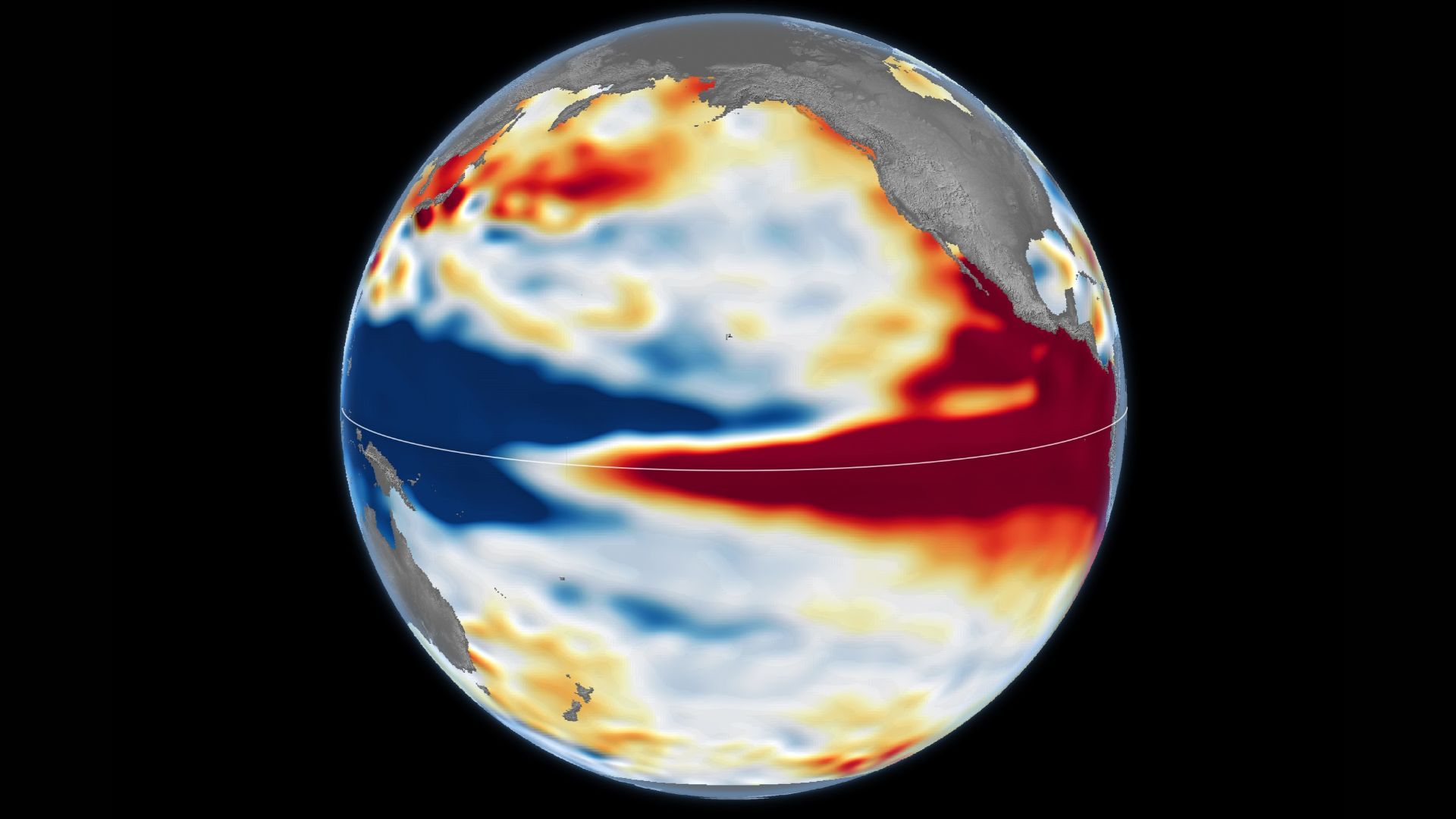
A year after scientists at the Smithsonian Tropical Research Institute (STRI) in Panama reported the first recorded failure of the Gulf of Panama's seasonal upwelling, a follow-up study now documents how that failure moved through the system, from wind to plankton to fish to exports, using records that fishing companies rarely share.
The burning of fossil fuels such as coal, gas and oil is the primary driver of climate change, but clean energy strategies to achieve net-zero greenhouse gas emissions do not systematically alleviate other environmental problems. In fact, some pathways add pressure on natural resources like land, water and minerals.
Extreme weather events are posing significant risks to international oil and natural gas shipping, with the potential to damage critical infrastructure, disrupt major trade routes and threaten energy security, according to a new IEA report.
Father of four Adisorn Lakonburee used to catch fish for his family's dinner, but stopped after floodwaters brought oil slicks and foul chemical smells into his village in eastern Thailand.
The conversion of tropical rainforests into intensively farmed rubber or oil palm plantations threatens global biodiversity. However, this does not necessarily lead to the increasing similarity of the remaining species in every case, as might be expected. An international research team led by the University of Göttingen discovered that organisms react very differently to intensive agriculture. The results are published in the journal Nature.
A year before the Deepwater Horizon spill, a NOAA crew scooped up seawater from the Gulf and froze it. Sixteen years later, FIU biologist Shen Jean Lim tested it only to discover the microbes that devoured much of the oil in 2010 were nowhere to be found in 2009. So where did they come from?
The process of producing essential medicines and fine chemicals has long been powered by reactions involving intense heat, heavy-metal catalysts and hazardous hydrogen gas. Now, a team of Harvard chemists and engineers has demonstrated that these critical transformations can be driven cleanly by electricity, right at the boundary where oil and water meet.
A Korean research team has identified how impurities interfere with the use of waste plastic pyrolysis oil as a petrochemical feedstock through catalytic experiments and artificial intelligence (AI)-based computational chemistry. The findings, published in the journal ACS Catalysis, provide a scientific basis for predicting potential declines in catalytic performance according to the types and concentrations of impurities present.
What do you do when the chemical you want to make is toxic to the microbe making it? It is a problem that limits efforts to replace oil-based manufacturing with biology, and one that researchers in the Sustainable Commodity Chemicals through Enzyme Engineering and Design project are approaching by borrowing a principle from brewing.
NASA's Curiosity Mars rover is sizing up its next dig site on the Red Planet. The Curiosity team will characterize the surface composition of "Nazca" as thoroughly as possible before drilling.
Global carbon pollution dropped this year ever so slightly, but it's more because of oil shocks reverberating from the Iran war than anything the world has done to fight climate change, scientists said in a new study.
In the run-up to the COP31 U.N. climate change conference, scientists have revealed that global carbon emissions from fossil fuels are projected to drop by 0.4% this year, driven by growth in installed wind and solar power capacity, as well as oil price hikes caused by the Iran conflict. But climate goals are still unlikely to be met.
Cannabis is one of the most commonly used psychoactive plants today. However, it is difficult to determine archaeologically how cannabis was used in prehistoric times. Plant parts such as flowers, leaves and resins are perishable and therefore rarely survive. It is known that cannabis served various purposes, such as the production of oil or fiber, and was not used solely as medicine or a drug.
A Dutch family doctor named Tibor Poelmann posted a petition on an online forum for general practitioners (GPs) in 2021. He wanted their pension fund to stop investing in oil and gas. It quickly gathered 1,200 signatures.
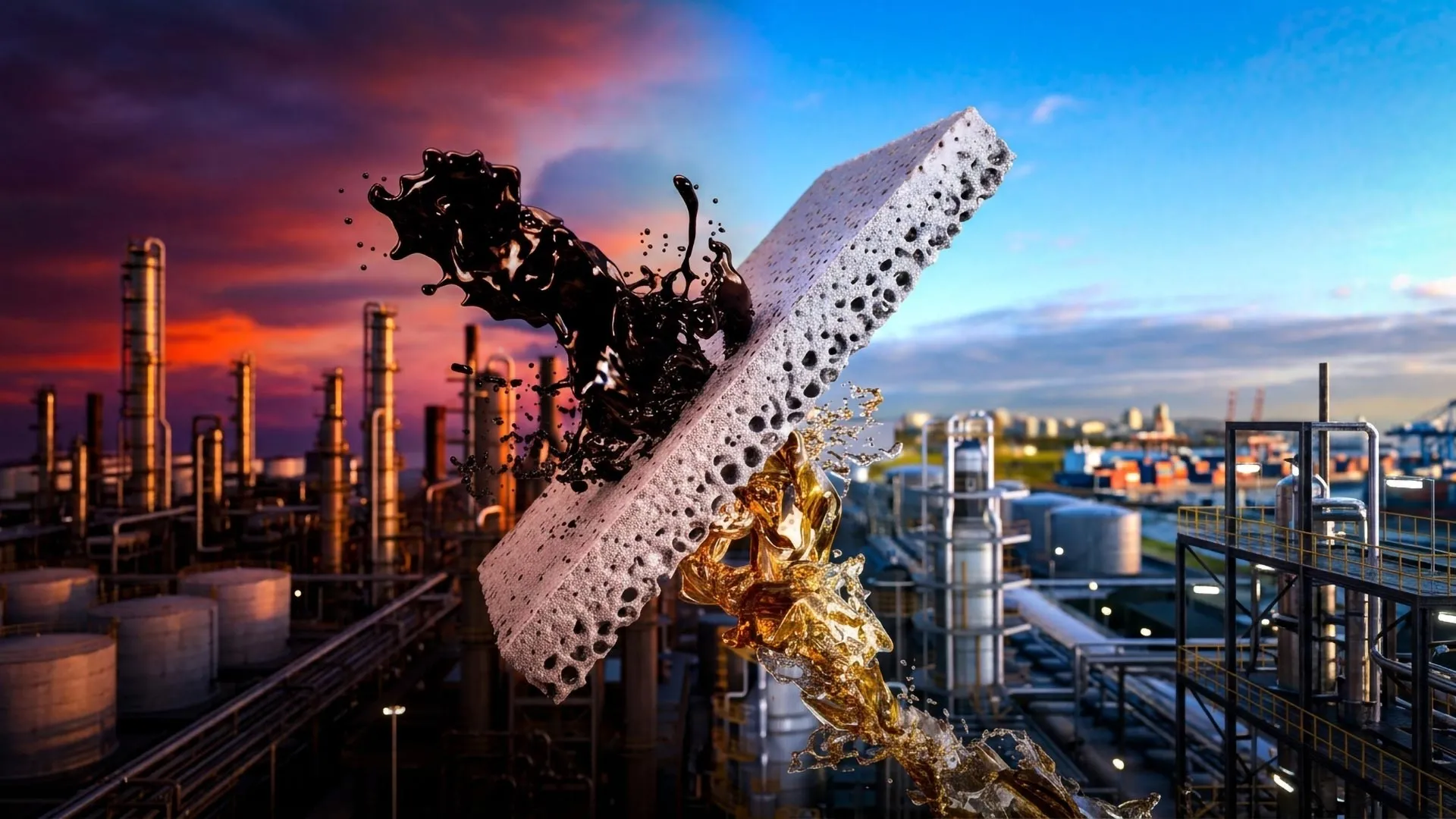
Scientists have developed a remarkable new membrane that separates crude oil at room temperature, using the oil itself to create microscopic filtration channels. The breakthrough could cut refining energy consumption by nearly 32%, carbon emissions by almost 38%, and operating costs by 36%, potentially transforming one of the world's most energy-intensive industries.
A research team led by professors Xu Guowang and Liu Xinyu from the Dalian Institute of Chemical Physics (DICP) of the Chinese Academy of Sciences (CAS), in collaboration with researchers from Dalian University of Technology, has developed a high-coverage lipidomics workflow and integrated it with transcriptomics to investigate lipid accumulation and compositional changes in Rhodosporidium toruloides under nitrogen limitation. The study was recently published in Food Chemistry.
Companies have rushed to supply the drug as a wellness treatment, but patients with serious illnesses aren’t able to get NHS prescriptions In 2022, a prodigiously talented young artist named Louis Petit was preparing to return to the UK, having been effectively exiled in the Netherlands as a teenager so he could access the medical cannabis he needed to control his epilepsy. Six years earlier, Louis, then 12, had been diagnosed with a rare form of the neurological disease when medical cannabis was still illegal in the UK. But in Rotterdam, where it was legal, doctors helped him discover that a medical cannabis oil called Bedrolite, in combination with the right mix of anti-epileptic treatment, could slow and eventually stop his seizures. This was something his neurologists in the UK had previously considered impossible. Dr Kojo Koram is professor of law and political economy at Loughborough University and the author of The Next Fix: The Winners and Losers in the Future of Drugs Continue reading...
Randomised trials of omega-6s do not show an increase in inflammation caused by the fatty acid Read more in the Antiviral series If you’ve been online lately, you’ve probably been bombarded with the discourse about seed oils. Once a completely innocuous food that no one really talked about, they have become the enemy of the moment. Robert F Kennedy Jr, the secretary of health and human services in the US, has called them “toxic” and vowed to act against them. There are countless activewear-clad influencers online saying that nothing harms your health more than these products. Which is odd, because the Australian dietary guidelines say seed oils are basically fine. You should limit them because they’re high in calories but otherwise there’s no major reason – according to the guidelines and most experts – why you should avoid them. As Prof Lauren Ball, director of the University of Queensland’s Centre for Community Health and Wellbeing, says: “There’s no convincing evidence that eating seed oils like canola or sunflower oil in normal dietary amounts harms our health. In fact, these oils contain unsaturated fats, which are generally beneficial for cardiovascular health.” Dr Jason Wu, a professor at the University of New South Wales, agrees: “The evidence base consistently points to health benefits of eating seed oils.” Continue reading...
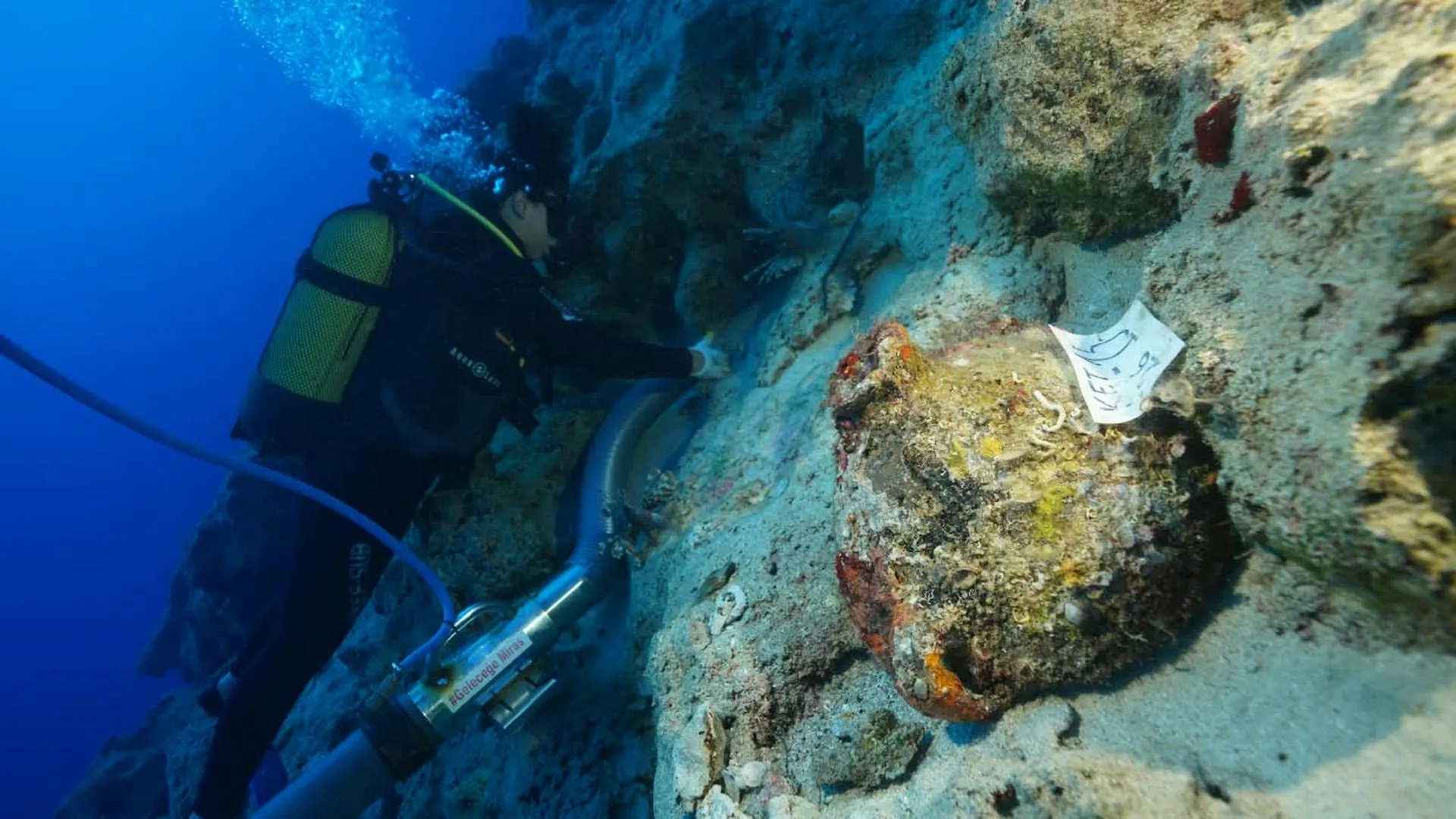
A mysterious shipwreck off Turkey’s coast may be the oldest ever discovered, dating back approximately 4,500 years to the age of the Egyptian pyramids. Although the wooden vessel has disappeared, its surviving pottery cargo reveals clues about an ancient trading network that may have connected distant Mediterranean civilizations. Researchers believe the ship may have crashed against rocks during a storm while transporting valuable goods such as oil, wine, or tree resin.
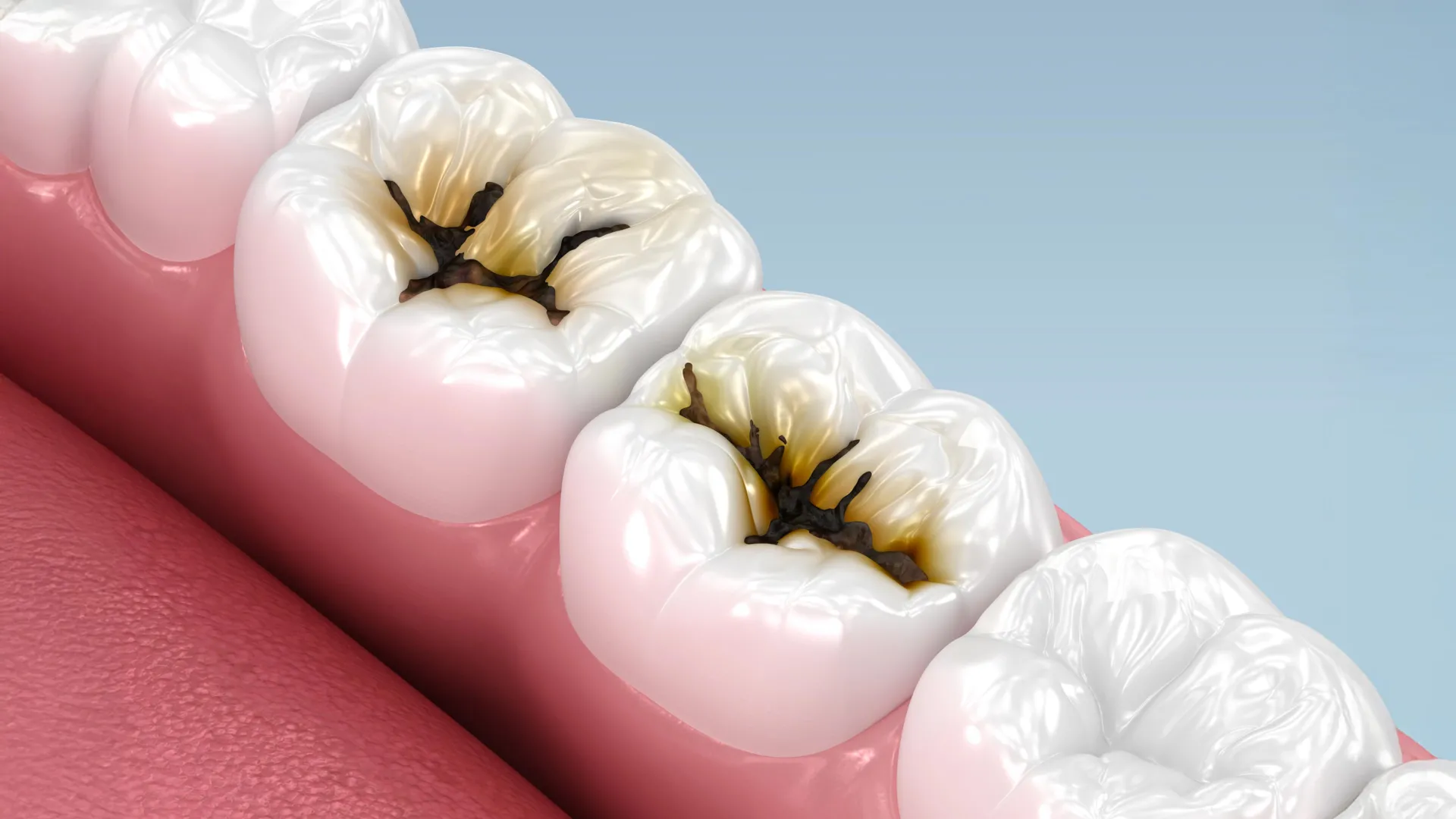
A simple liquid painted onto teeth in seconds can stop cavities without drilling, injections, or anesthesia, according to a major clinical trial involving young children. The inexpensive treatment could spare thousands of children painful dental procedures and surgery while paving the way for broader FDA-approved use.