Birds killed in a blaze at one of the largest foie gras farms in the US
Hundreds of young birds were also rescued from the fire, which comes as foie gras is under renewed scrutiny over animal welfare concerns.
BBC News · 22h ago

Hundreds of young birds were also rescued from the fire, which comes as foie gras is under renewed scrutiny over animal welfare concerns.
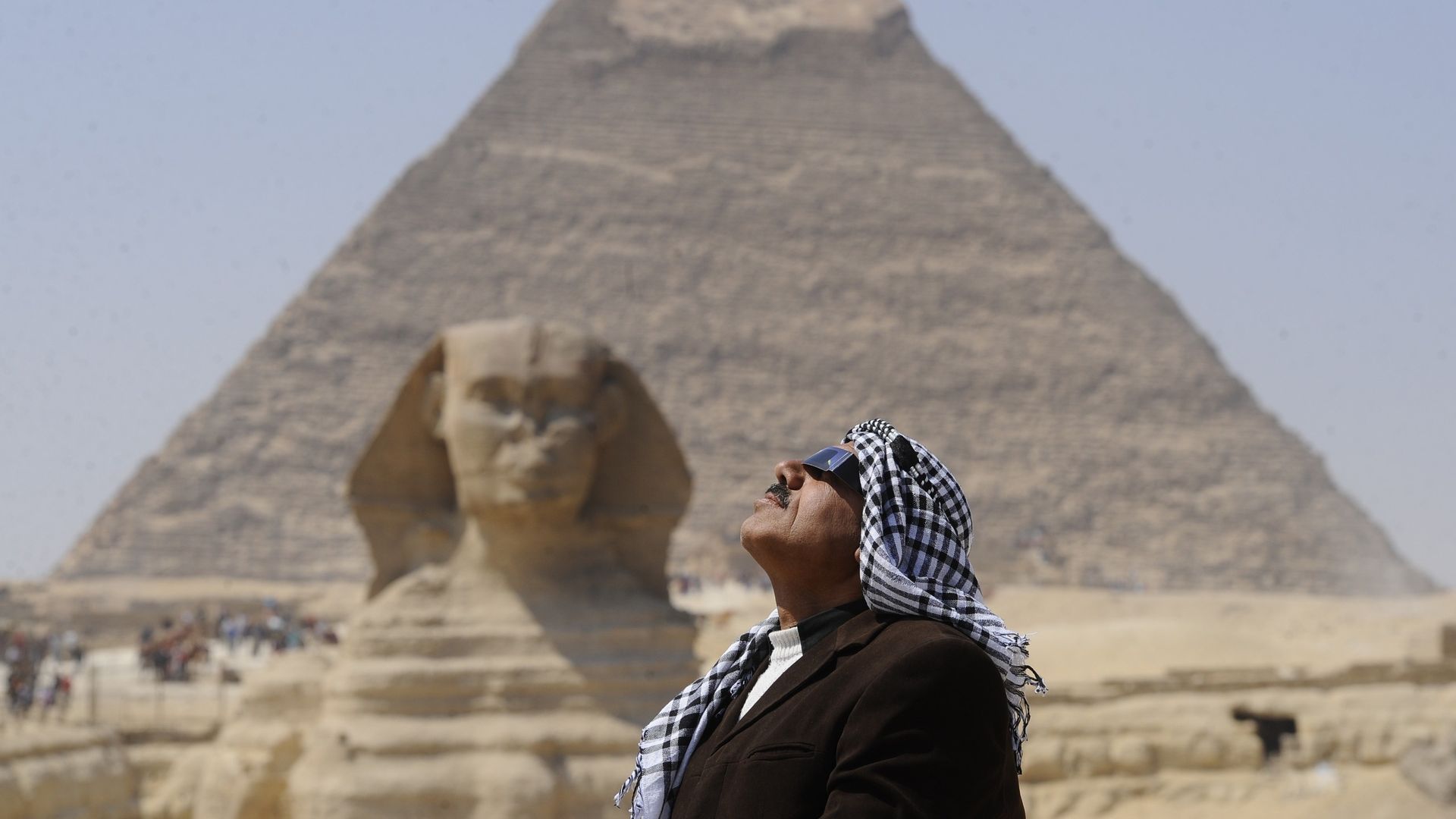
A biblical mystery, an ancient Egyptian inscription and a "ring of fire" solar eclipse 3,200 years ago hold clues to when Ramesses the Great ruled.
BepiColombo double probe will map planet’s surface and study its interior to shed light on its unusually large core After a voyage of more than eight years and 6bn miles, a joint European-Japanese space mission has arrived at Mercury and is preparing to swing into orbit around the tiny, barely explored world. The BepiColombo mission will become only the second in history to circle the first rock from the sun and the smallest planet in the solar system when flight controllers fire the spacecraft’s thrusters on Saturday and send it into orbit. Continue reading...
The incident took place in Llwyneinion in August 1980.
Firefighting aircraft, helicopters, fire departments—when forests across Europe are burning at the same time, the limited firefighting resources have to be allocated efficiently, and ideally before the fires even break out.
Fuel breaks are linear strips of land along which vegetation is cleared or thinned—constructed along ridgelines, roads and other strategic places—to give firefighters a better chance to safely slow or steer a fire. Often described as "speed bumps" for wildfires, fuel breaks rarely stop fire spread on their own, but they do give crews critical anchor points for building firelines, setting backfires or safely applying water and retardant. They have been used since the 1960s across many landscapes.
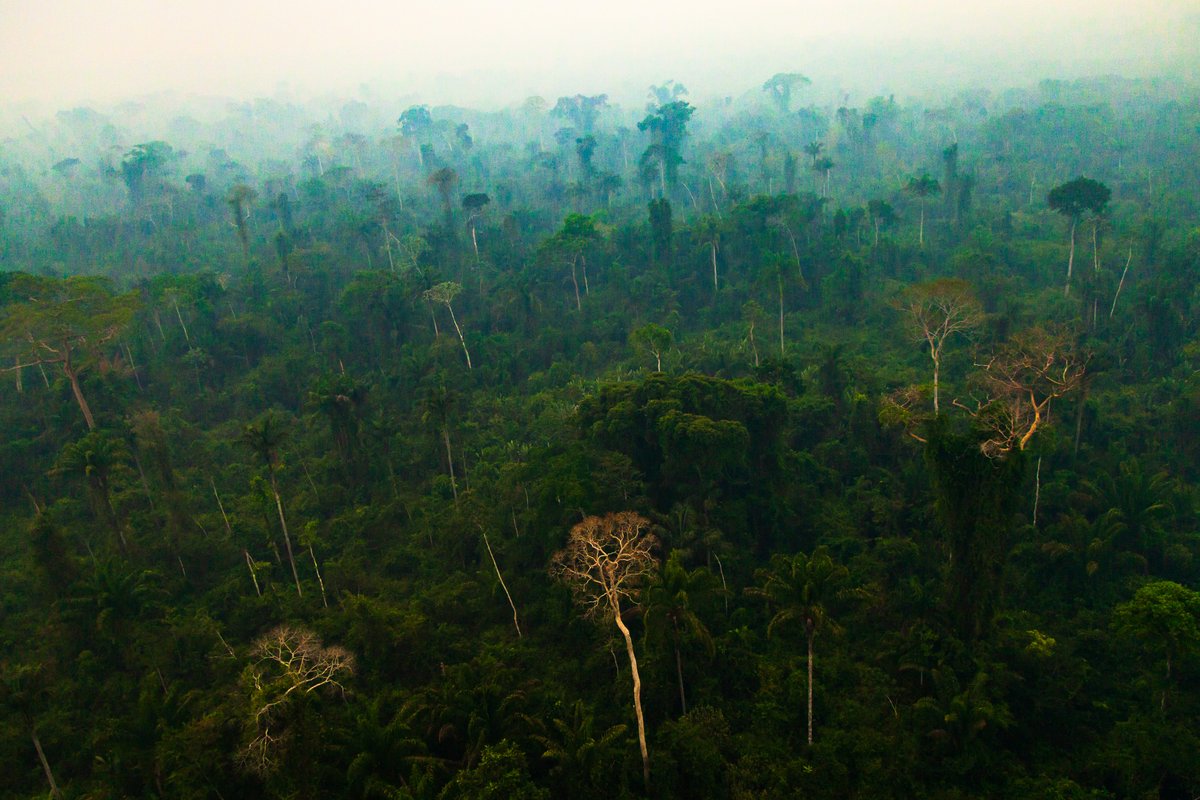
As the strongest El Niño on record drives drought and fire, researchers warn the Amazon rainforest may be approaching a point of no return
Wildfires bring to mind a blazing sea of flames. But what happens to the smoke? Anyone observing a wildfire from a safe distance notices mainly the enormous clouds that tower above the fire. These rise several kilometers and then embark on journeys that can extend across continents and oceans. Pollutants from wildfires in Canada can still be detected, for example, at the Jungfraujoch in the Swiss Alps.
The latest global State of Wildfires report, co-led by the University of East Anglia, shows that the extreme fire-prone weather experienced across Spain and Portugal in 2025 was three times more likely due to human-caused climate change, and the area burned was three times larger. The paper is published in Earth System Science Data.
Colombian farmer Albert Montano razes a beautiful thorny shrub, fearful that its yellow flowers will fuel potent wildfires expected during the El Niño weather pattern.
Even once-widespread innovations have been forgotten, leaving scholars puzzling over the details.
The Trump administration is scaling back or stalling investments that help vulnerable places harden themselves to rising flood and fire threats.
A group of genes may give some fire ants an advantage, increasing their chances of growing larger and potentially becoming queens, according to a new study from the University of Georgia.
Researchers have developed a multifunctional fire-protective coating that not only shields materials from extreme heat but also provides an early warning of fire and can be recycled into new flame-retardant materials at the end of its life. The work, published in Polymer Degradation and Stability, demonstrates a strategy for combining fire safety, sustainability and circularity within a single material system.
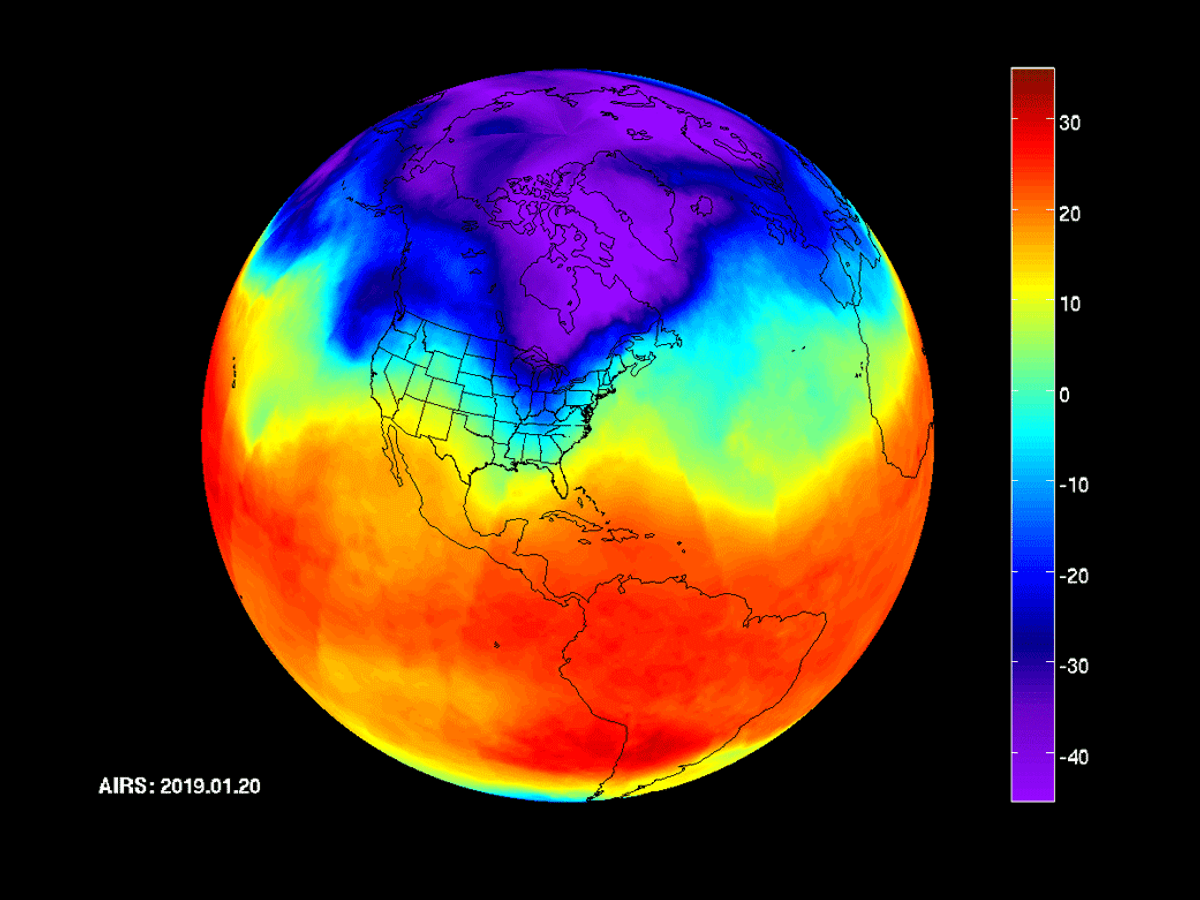
“Everybody’s hair is on fire in the climate or meteorologist community”
Polyfluoroalkyl substances (PFAS) are known as "forever chemicals" because of the impact they make on the environment and human bodies. Much of modern manufacturing relies on these substances for safe packaging, fire protection and waterproof coatings.
Fires in the U.S. are getting faster, larger and more dangerous, but people continue to develop and move into fire-prone regions. New research from the University of Colorado Boulder's Cooperative Institute for Research in Environmental Sciences (CIRES) shows that if we don't act on climate change, which fuels fires, manage vegetation or transform how we build and adapt to fire, the risk to structures in the U.S. will almost triple by midcentury.
Experts say some older Scot pine damaged by fire could die removing an important source of seeds
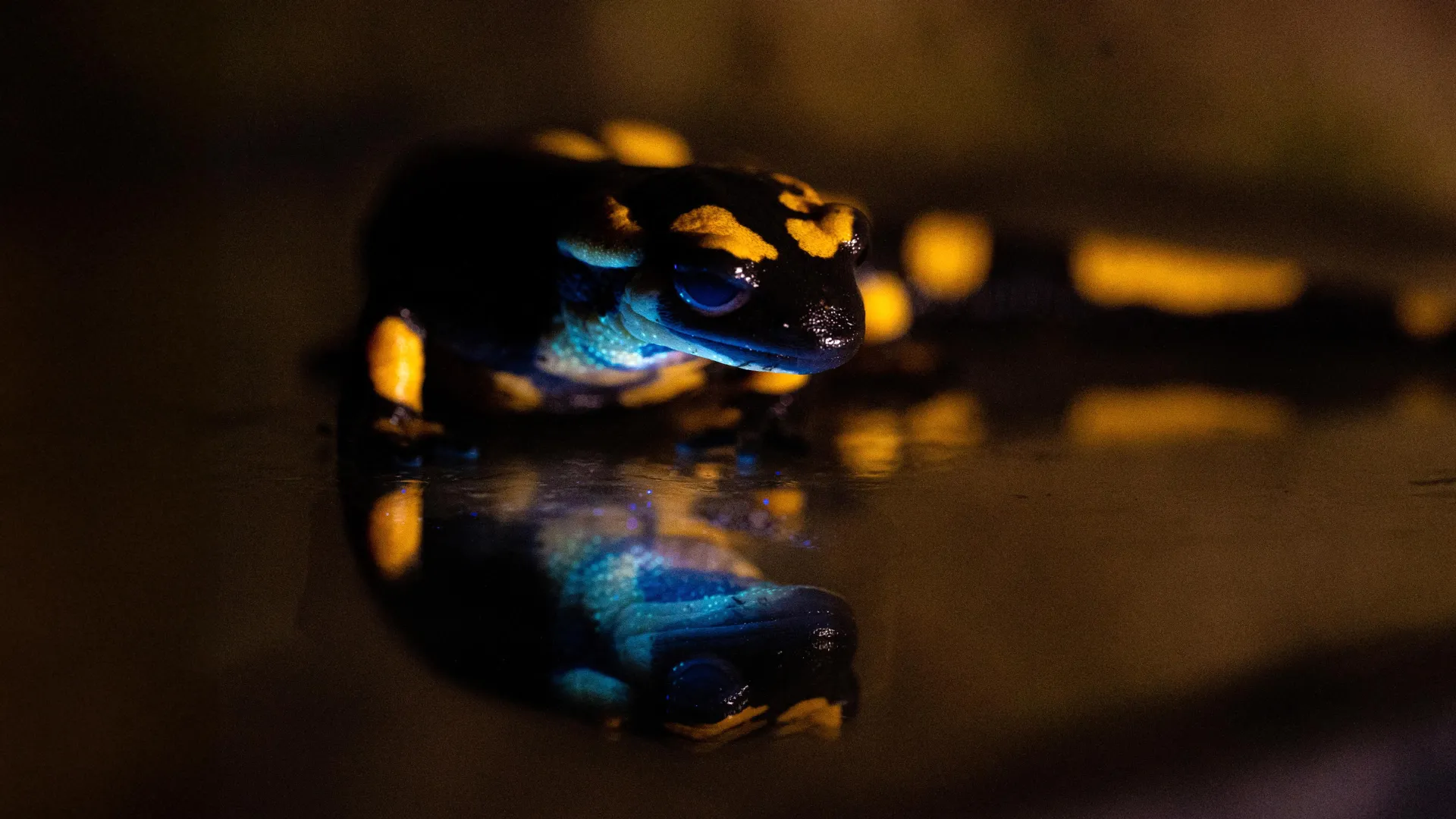
Researchers have discovered a surprising hidden ability in Europe's familiar black-and-yellow fire salamanders: they glow green and cyan under ultraviolet light. The mysterious fluorescence comes mainly from glands in their skin and their toxic secretions, which can continue glowing for more than 24 hours after being released.