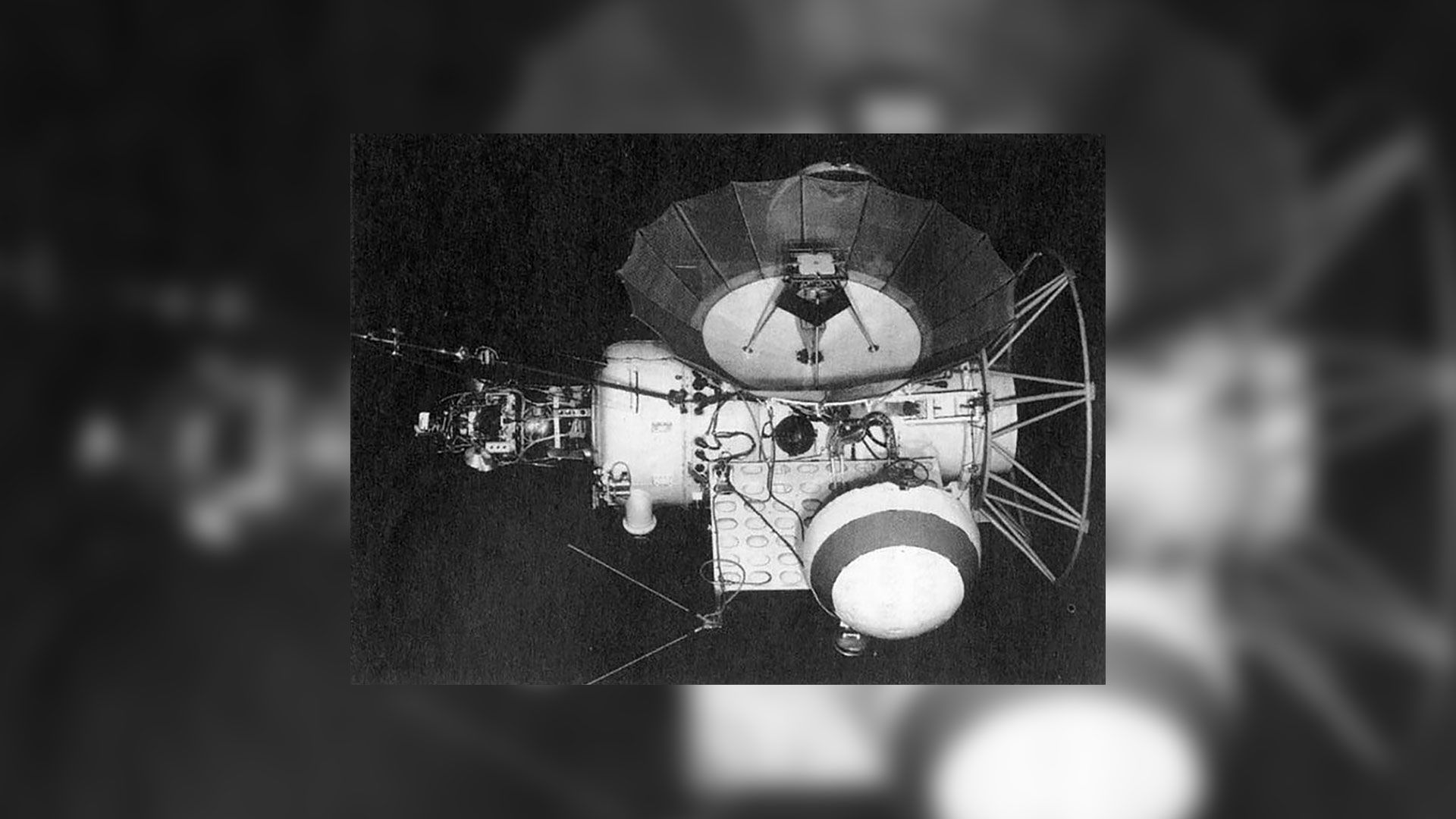
On Nov. 1, 1962, the Soviet Union launched the Mars 1 spacecraft on a mission to fly by the Red Planet. Here's why it mattered.
Results for “peacekeeping mission”
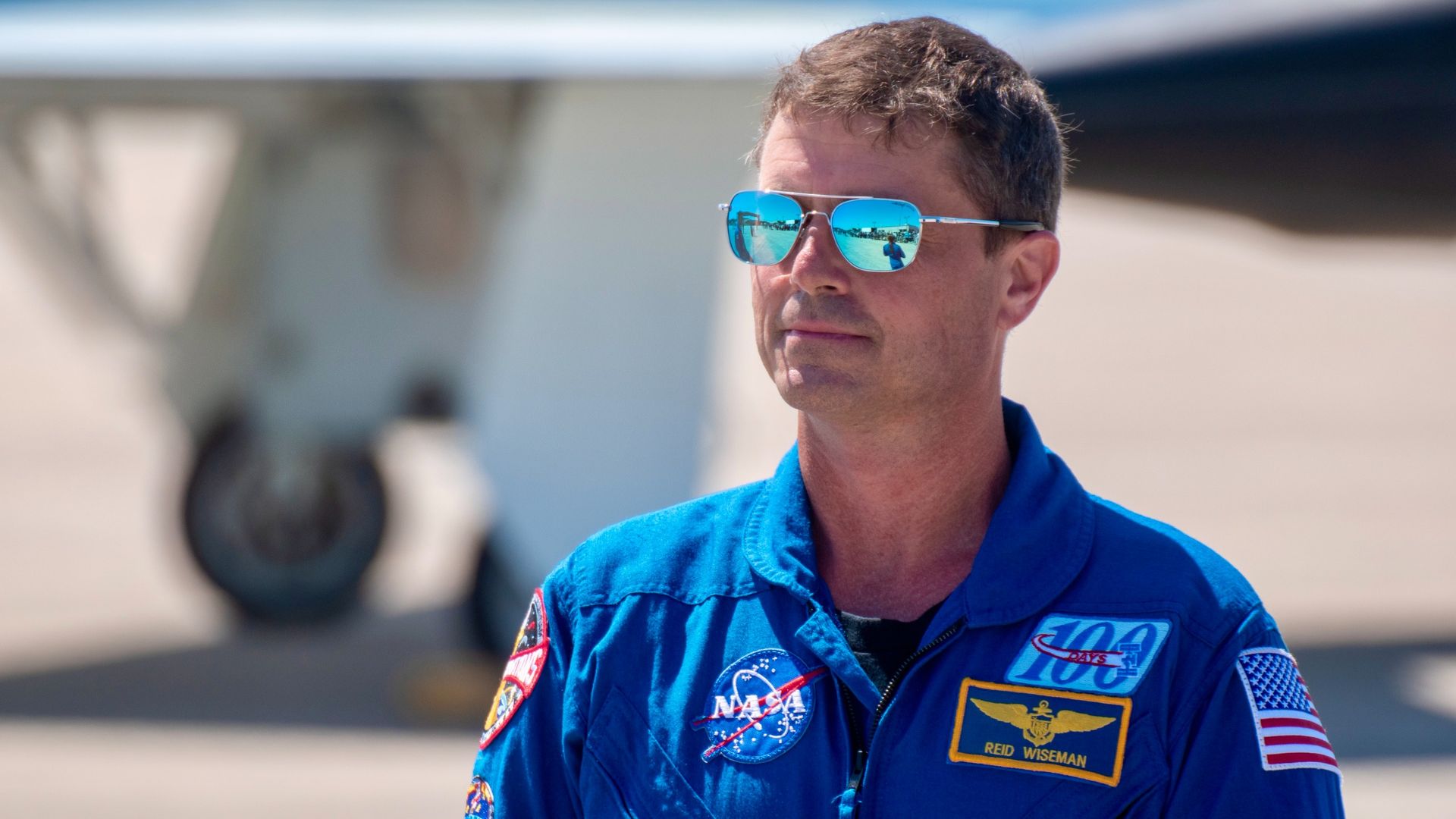
The leader of NASA's first mission around the moon in half a century is the last to announce what's next for him after retiring from active astronaut duty.
The astronauts of NASA's Artemis III mission met with President Trump at the White House on Wednesday (Oct. 28), just as the Artemis II spaceflyers did six months ago.
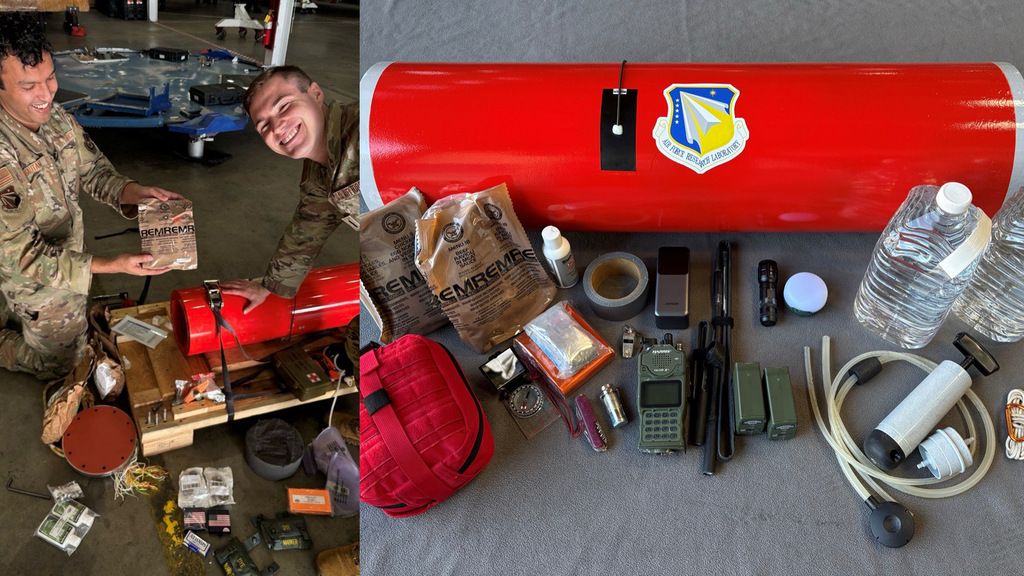
The U.S. Air Force has recovered experimental cargo launched aboard SpaceX's mysterious Starfall capsule, marking a step forward in the effort to assess the viability of rapid, point-to-point deliveries to anywhere on Earth.
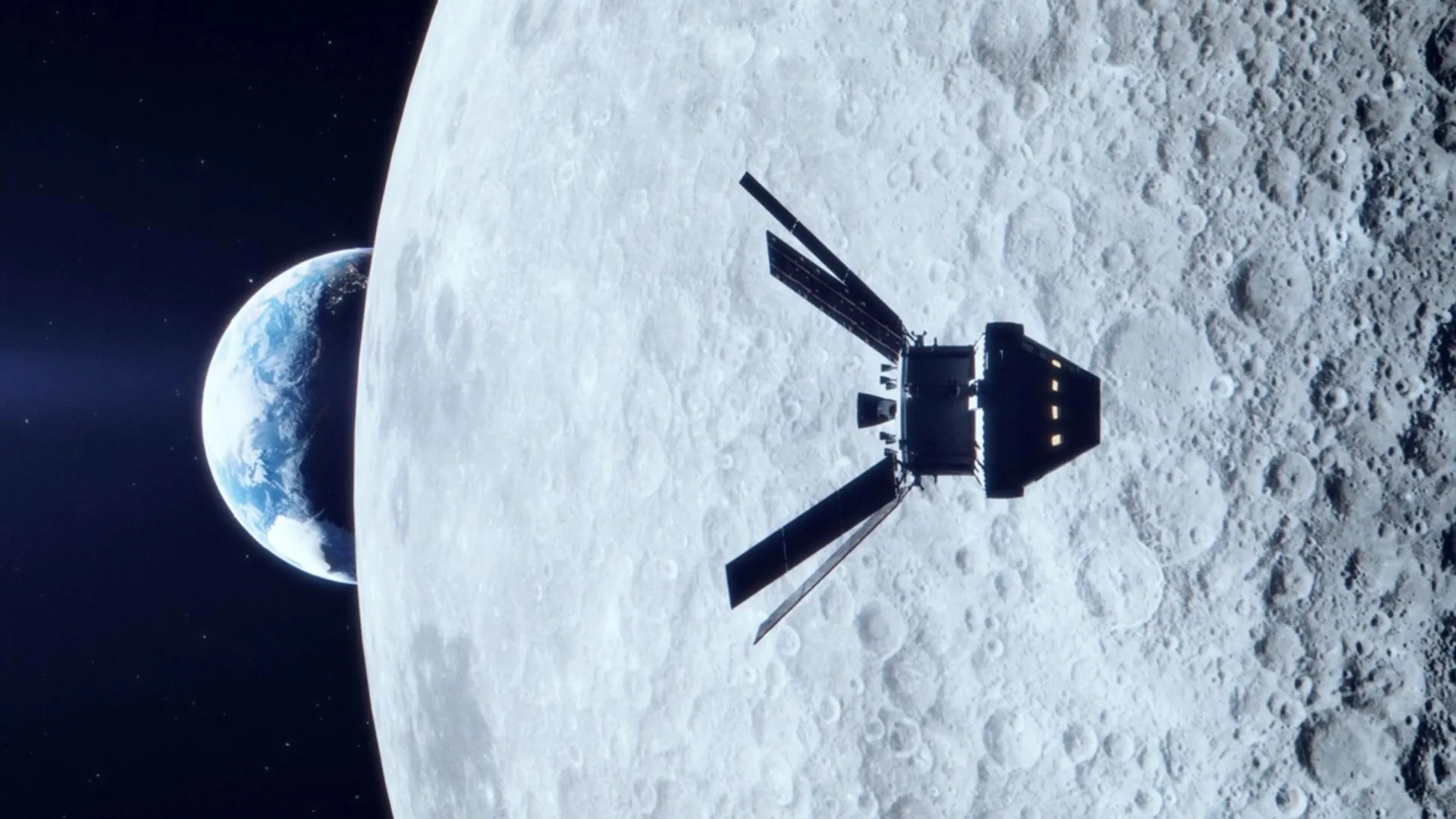
NASA’s Artemis I mission has revealed that cosmic radiation near the Moon is higher than in Earth orbit, but not by as much as scientists might expect. Tiny experimental detectors also uncovered surprising details about how radiation passes through the human body, offering valuable insights for future lunar exploration.
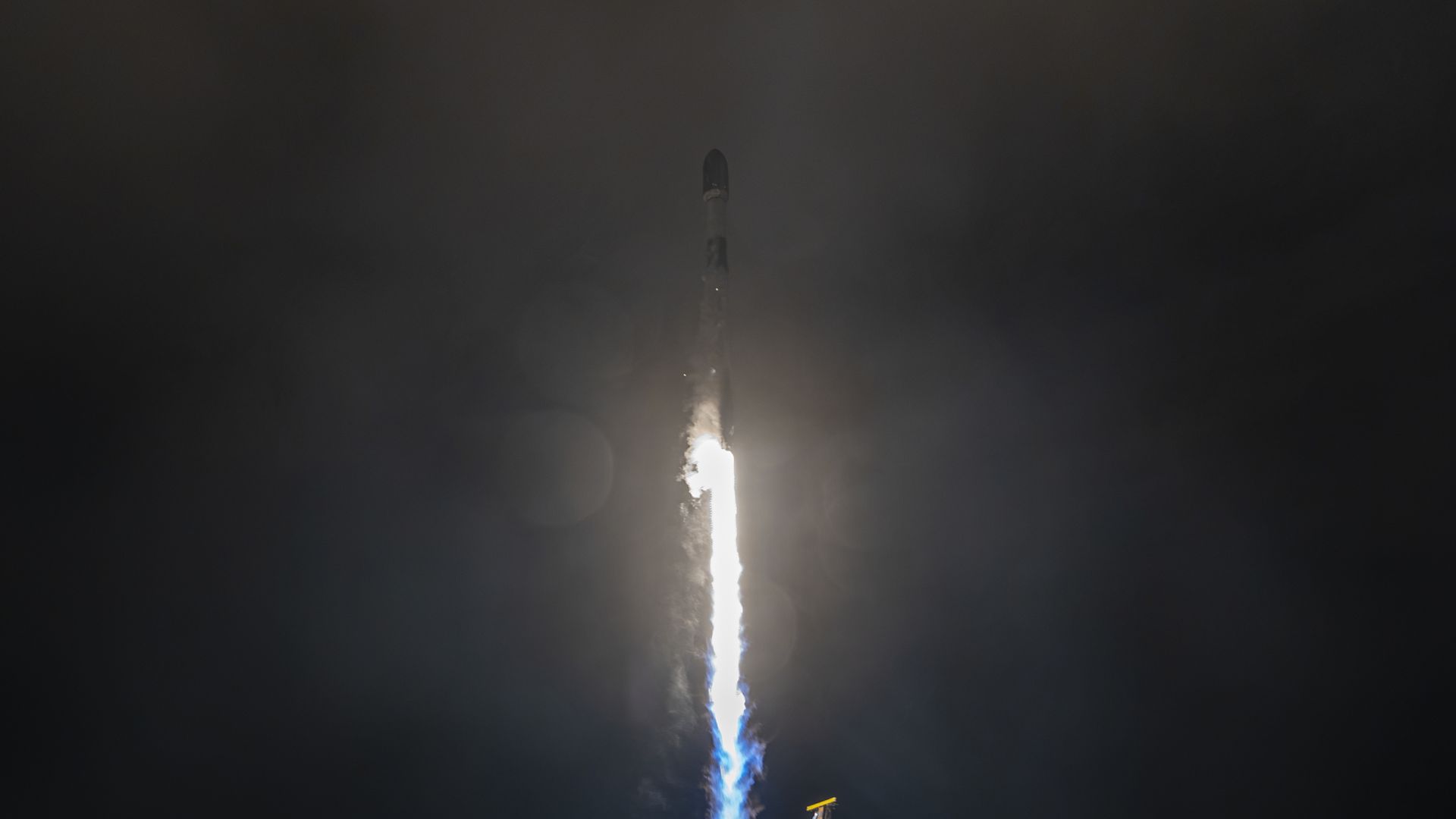
SpaceX launched 27 more Starlink satellites to low Earth orbit overnight (Oct. 27), aboard a Falcon 9 rocket that lifted off from California in the wee hours of darkness.
Artemis III will help test crucial systems needed for the planned Artemis IV Moon landing in 2028.
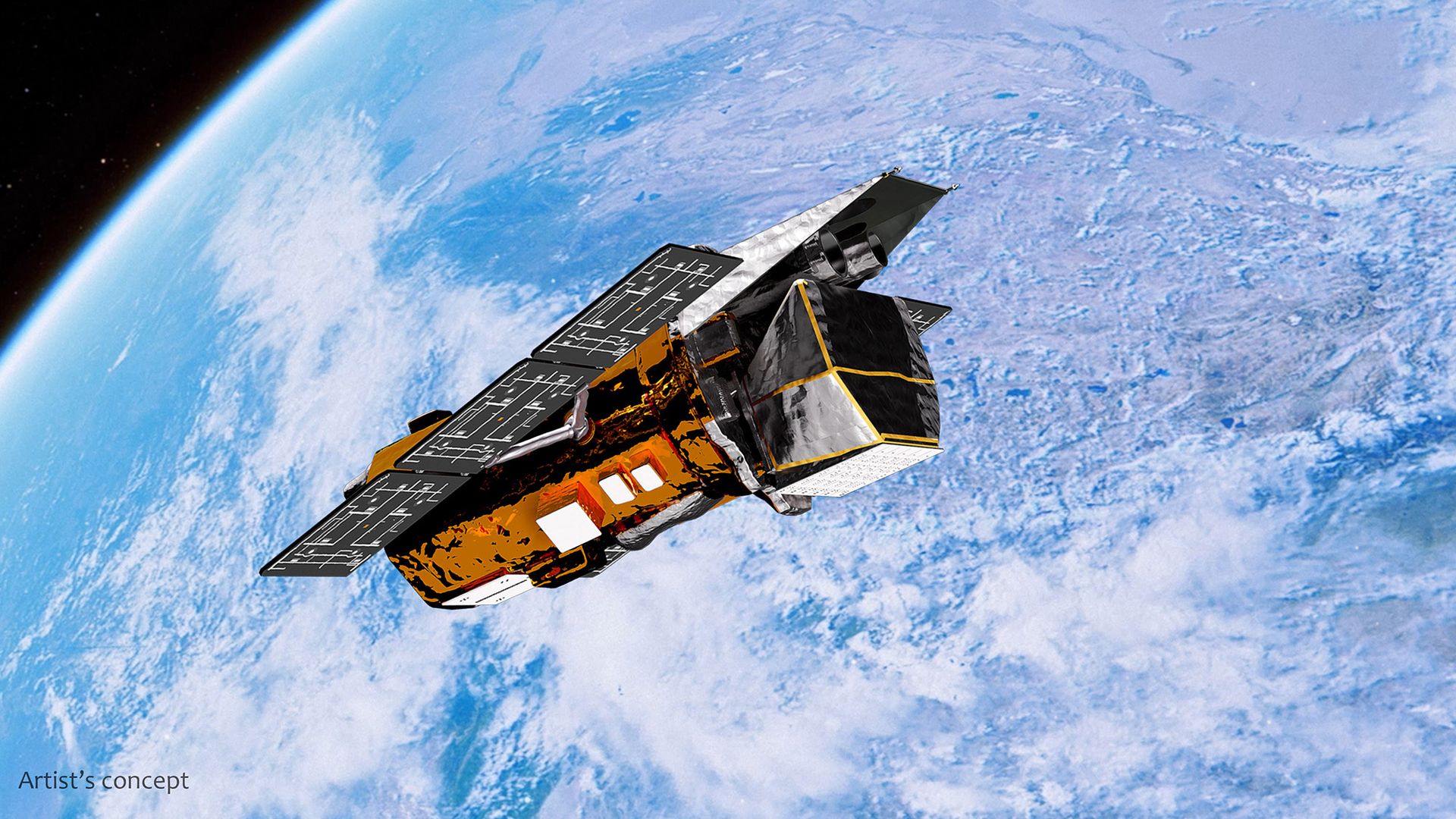
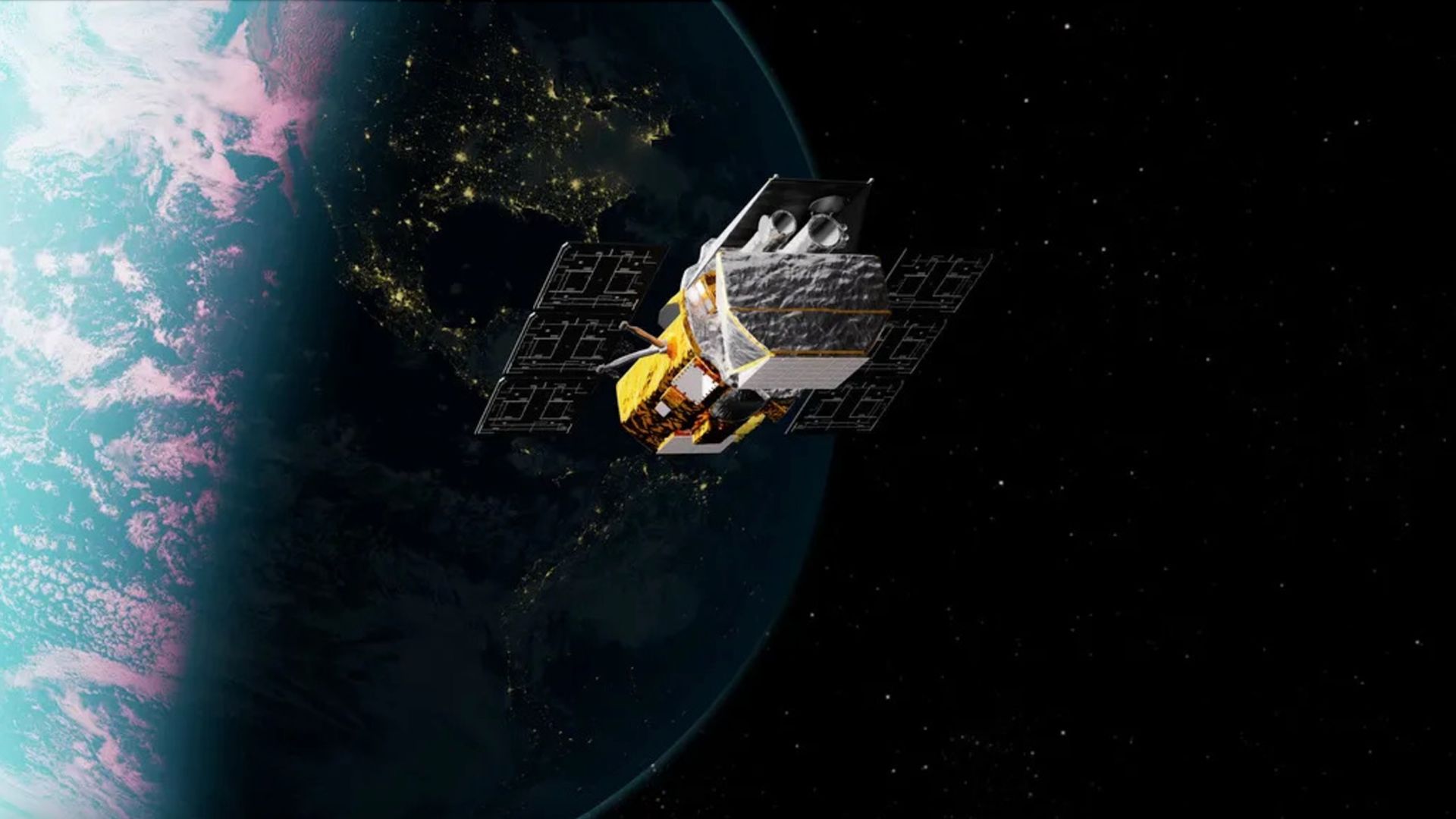
NASA's Neil Gehrels Swift Observatory has officially ended its mission after more than 20 years, as it approaches a fiery reentry through Earth's atmosphere.
NASA has officially ended the mission of its Swift Observatory, after a private satellite failed to meet up with the aging spacecraft in orbit.
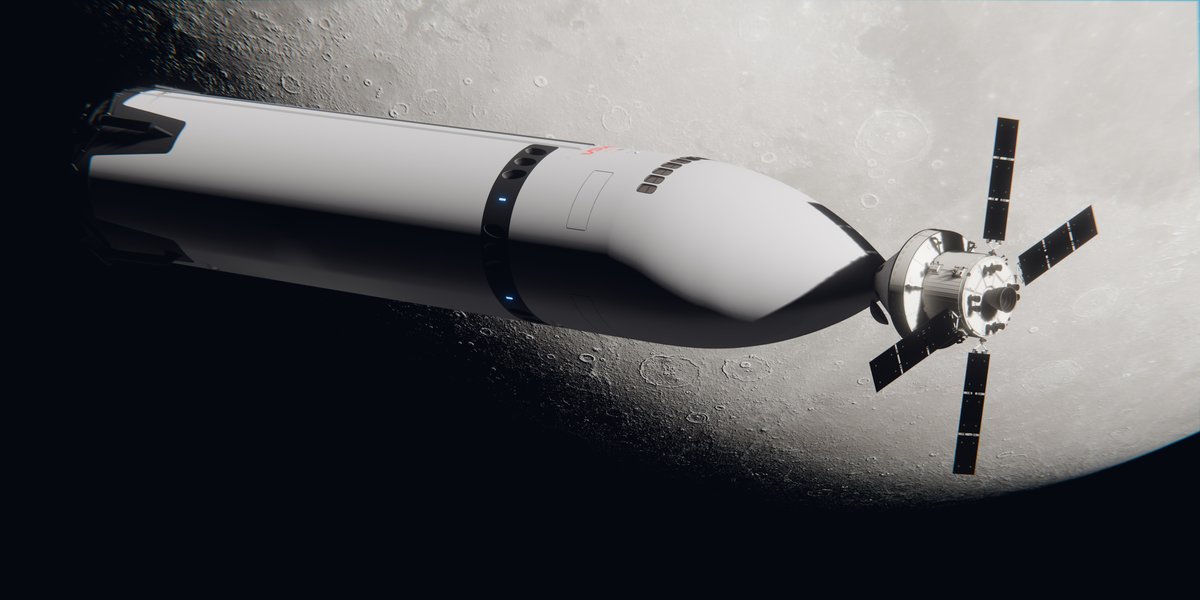
The mission, scheduled for the summer of 2027, will include be pivotal in deciding whether SpaceX or Blue Origin supplies the lunar lander for the first crewed trip to the lunar surface in decades
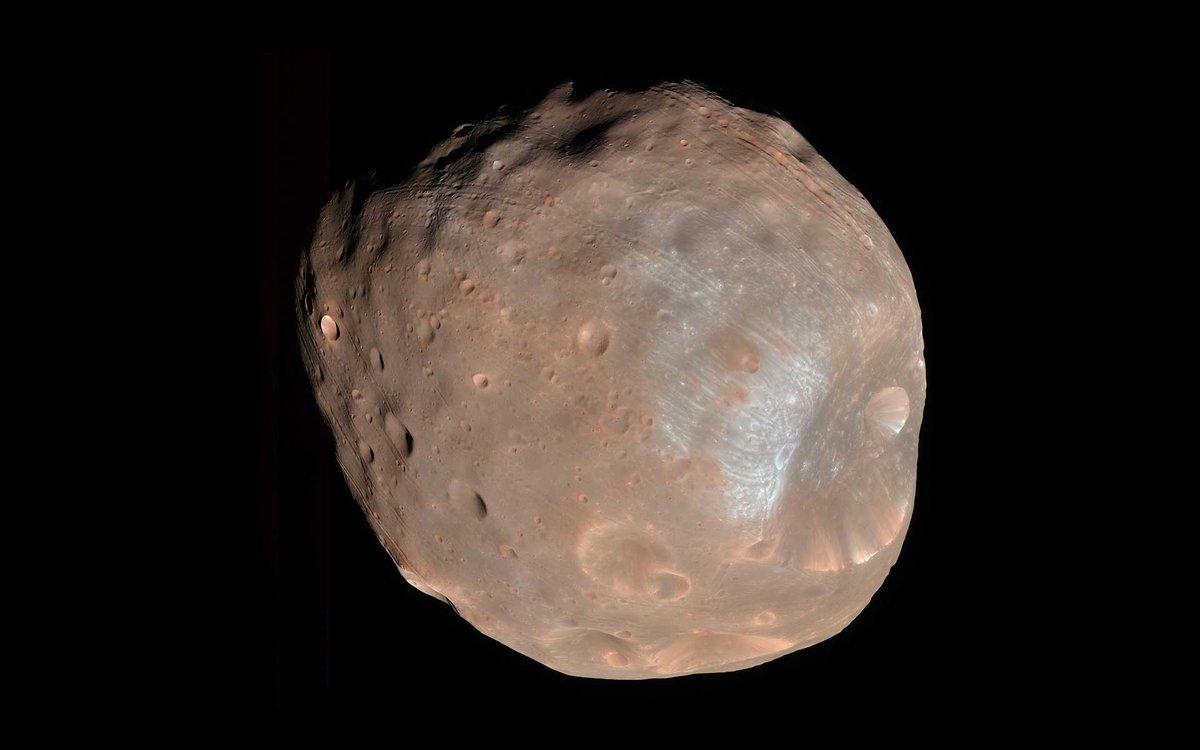
Although Phobos and Deimos may look like lumpy space potatoes, they’re actually moons of Mars. No one knows how they formed, but a newly launched spacecraft should soon offer answers
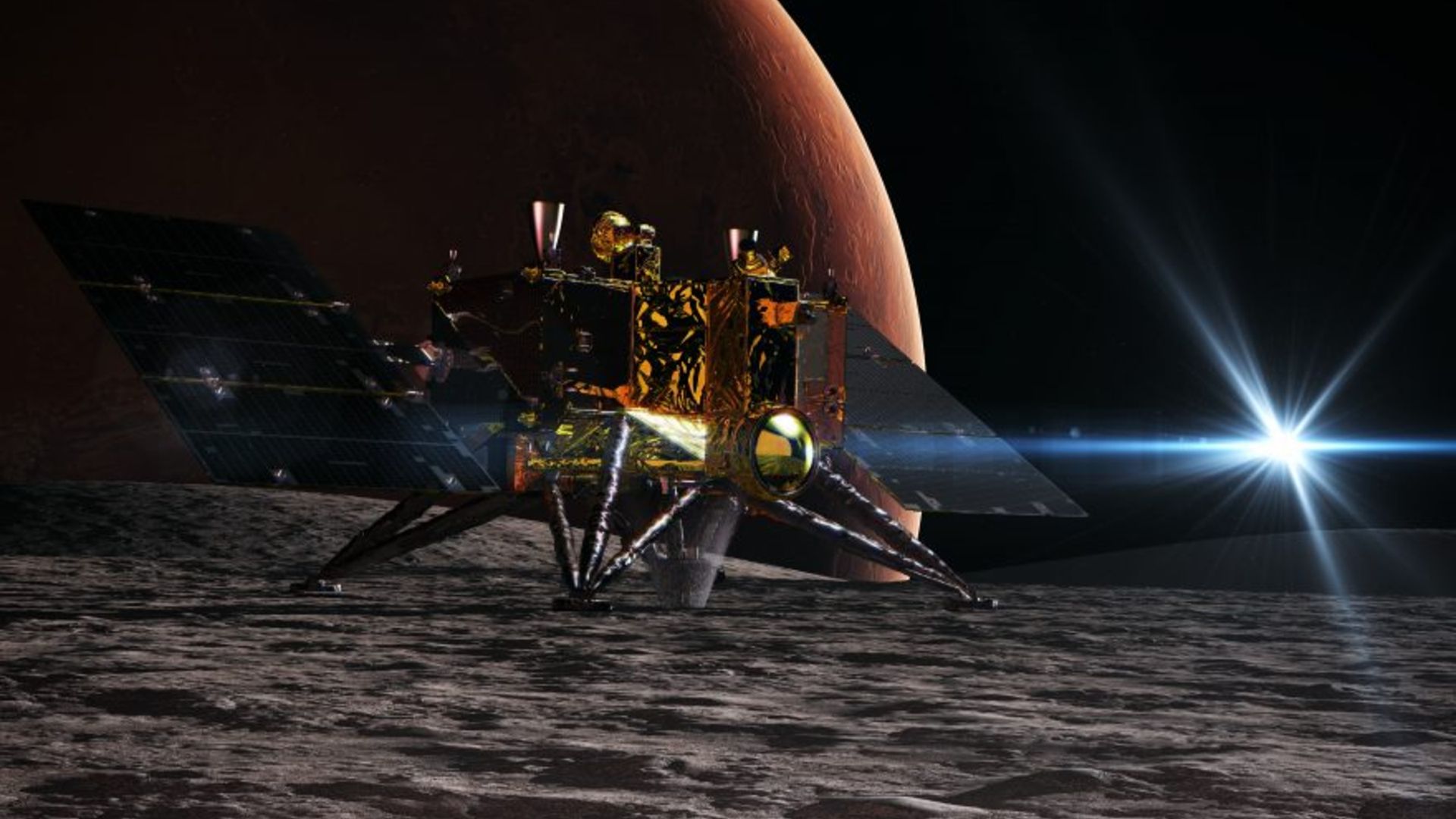
The Martian Moons Exploration (MMX) mission, which launched from Japan on Oct. 19, is on its way to Mars. When it arrives, the probe will attempt to land on one of the Red Planet's twin moons and scoop up rocks to bring back to Earth. Experts tell Live Science what these "transformative" samples could teach us.
A spacecraft is set to launch on an ambitious mission to bring 10g of Martian moon dust back to Earth.