TopNewsOn

Results for “prostate cancer”

Dual-purpose polymer dots could combine bioimaging and light-triggered cell death in one material

A research team led by professor Youhei Takeda at the University of Osaka, in collaboration with professor Zachary M. Hudson at the University of British Columbia (UBC) in Canada, has developed a polymer material that combines fluorescent cell imaging with the potential to kill cancer cells when activated by light. The material could offer a simpler approach to developing "nanotheranostic" technologies, which bring disease imaging and treatment together in a single platform.

Phys.org · 22h ago
How microbes make drug-like chemicals without damaging themselves

University of Michigan researchers have discovered a mechanism that enables microscopic organisms like bacteria and fungi to produce drug-like molecules—compounds that can fight infections or kill cancer cells—without damaging themselves.

Phys.org · 22h ago

How a tiny chemical mark on a protein can be placed to double gene activity

Tiny chemical marks on histones—the proteins that package our DNA—can profoundly influence gene activity without changing the underlying DNA sequence. One such mark, known as histone acetylation, plays a crucial role in regulating gene expression and is frequently disrupted in diseases such as cancer. Researchers, however, wondered how the enzymes responsible for adding these marks know exactly where to place them.

Phys.org · 23h ago
Light-activated nanoparticles may help treat head and neck cancer

For patients with head and neck cancer, treatment can come at a high cost to their quality of life, affecting their ability to speak, swallow and even breathe due to invasive procedures. Now, Penn State researchers have developed a light-activated nanoparticle system with the long-term goal of shrinking tumors while limiting exposure to healthy tissue and improving patients' quality of life after cancer treatment. Penn State has licensed the technology to Illuminate Therapeutics, which is advancing its preclinical development.

Phys.org · 23h ago
Scientists discover a hidden hereditary form of aggressive prostate cancer

Scientists have discovered a rare inherited mutation in the CDK12 gene linked to aggressive prostate cancer, with all five identified carriers developing metastatic disease between ages 44 and 62. The finding could lead to expanded genetic testing, helping families uncover hidden cancer risks and potentially detect the disease while it is still treatable.

Science Daily · Nov 19
Lasers near physical limits of miniaturization open possibilities for tracking life at the nanoscale

From tracking how cancer develops to exploring how the brain works, scientists need ways to observe biological processes at increasingly smaller scales. Beyond tracking how cells move and interact, researchers need to understand how tiny structures within cells, including organelles and molecular complexes, behave and change over time. However, identifying and tracking these microscopic targets individually remains a major challenge.

Phys.org · Nov 17
Two transcription factors reproduce the beneficial side of a 'Jekyll and Hyde' viral protein

LMP1 is an Epstein-Barr virus protein that has a "Mr. Hyde" side that can promote cancer and a "Dr. Jekyll" side that can spur antitumor immune responses. Scientists at Hiroshima University have now traced key antitumor immune effects of LMP1 to two transcription factors, Spi-B and IRF1, and found that expressing the two together made tumor cells easier for the immune system to recognize and better able to activate CD8+ T cells without using the viral protein itself.

Phys.org · Nov 16
Vitamin C could help block cancer-linked chemicals in your stomach, study finds

Scientists have discovered that vitamin C may help prevent potentially cancer-causing chemicals from forming in the stomach after eating foods containing nitrates and nitrites. A new mathematical model suggests that taking vitamin C after meals could reduce these harmful reactions, offering a possible new strategy for lowering cancer risk.

Science Daily · Nov 15
A simple supplement could help your immune system fight cancer and viral infections

A surprising discovery from Rockefeller University suggests that a common amino acid could play a powerful role in protecting against cancer and viral infections. Scientists found that low arginine levels interfere with the immune system's ability to recognize dangerous cells, while increasing arginine intake reduced colon cancer tumors and improved viral infection outcomes in mice. Even more remarkably, giving mice arginine after they contracted influenza helped them recover.

Science Daily · Nov 15
Colorectal cancer is rising again after 20 years, and scientists don't know why

Colorectal cancer is making an alarming comeback in the United States after more than 20 years of declining rates, and the increase is no longer limited to younger adults. A major new study found rising rates across nearly every age group under 70, including older Americans who have historically benefited most from cancer screening.

Science Daily · Nov 12
Scientists discover a common sugar may help cancer cells break free and spread

Scientists have uncovered a surprising way that fructose, a sugar commonly found in sweetened foods and drinks, may help aggressive ovarian cancer spread. Researchers discovered that cancer cells surviving chemotherapy release fructose that weakens the bonds holding neighboring tumor cells together, making it easier for cancer to spread. High dietary fructose levels and cholesterol-lowering statins also produced concerning effects in preclinical experiments.

Science Daily · Nov 12
Beyond food: Bran-based gels show potential for targeted drug delivery

When it comes to colon health, the benefits of wheat and rye bran in whole-grain foods are well known. Now researchers in Sweden have shown how these fibers may have a therapeutic use, too. A new study published in the journal Biomacromolecules demonstrates the potential to use bran fiber for direct delivery of drugs to treat colon diseases like ulcerative colitis, Crohn's disease or colorectal cancer.

Phys.org · Nov 11
Molecular signal in blood helps detect early risk for ovarian cancer, study finds

Researchers discover a potential diagnostic breakthrough for a disease often ⁠discovered after it has already spread A molecular signal in the blood helps identify microscopic changes that precede development of ovarian cancer, researchers have found, ⁠a potential diagnostic breakthrough for a disease often ⁠discovered after it has already spread. For decades, ​efforts to detect ovarian cancer earlier have focused on finding smaller tumors, the researchers noted in their report published on Tuesday in Nature Medicine. Continue reading...

The Guardian · Nov 11
Cancer-fighting chewing gum slashes HPV levels by up to 93%

A surprising new weapon against microbes linked to head and neck cancer could be as simple as chewing gum. Scientists developed a bioengineered gum that reduced HPV levels by up to 93% in oral samples from cancer patients and nearly eliminated two harmful bacterial species after a single dose of its extract. Even more promising, the treatment spared beneficial bacteria in the mouth.

Science Daily · Nov 11
Cancer uses antioxidants to disarm the immune system, scientists discover

Scientists have discovered that tumors release natural antioxidants to shut down the immune cells responsible for destroying cancer, exploiting a surprising weakness in the body's defenses. Blocking this mechanism in mice restored immune activity and improved immunotherapy responses, potentially opening a new path toward more effective cancer treatments.

Science Daily · Nov 10
Protecting the vulnerable Y chromosome at the beginning of development

It's known that the Y chromosome, which confers male sex, plays a big role in development and health, despite its small size. As cells age they frequently lose their Y chromosomes, which is associated with conditions like cancer, Alzheimer's disease and heart disease.

Phys.org · Nov 9
A simple supplement may help clear brain fog after cancer

A surprising new study from UCLA suggests that a naturally occurring molecule could help breast cancer survivors overcome the frustrating brain fog and exhaustion that can linger long after treatment ends. Researchers found that women taking an oxaloacetate supplement for eight weeks experienced substantial improvements in memory, concentration, mental clarity, and fatigue.

Science Daily · Nov 9
Scientists wipe out deadly brain tumors in every mouse tested with new cancer therapy

Scientists at UC San Francisco have developed a powerful new cancer therapy that remains inactive until it reaches the brain, where it switches on to attack deadly tumors. The engineered immune cells, called B-SYNC CAR-T cells, completely eliminated diffuse midline glioma (DMG), an aggressive childhood brain cancer that is almost always fatal within a year, in two mouse models.

Science Daily · Nov 8
A 24-hour fast triggers a surprising repair response in the gut

Scientists have discovered that fasting for just 24 hours increases a beneficial gut bacterium that helps the intestines regenerate after radiation damage. The preclinical findings could pave the way for new treatments that protect healthy tissue during cancer therapy, potentially without requiring patients to fast.

Science Daily · Nov 8
MIT scientists turn immune cells into cancer killers inside the body

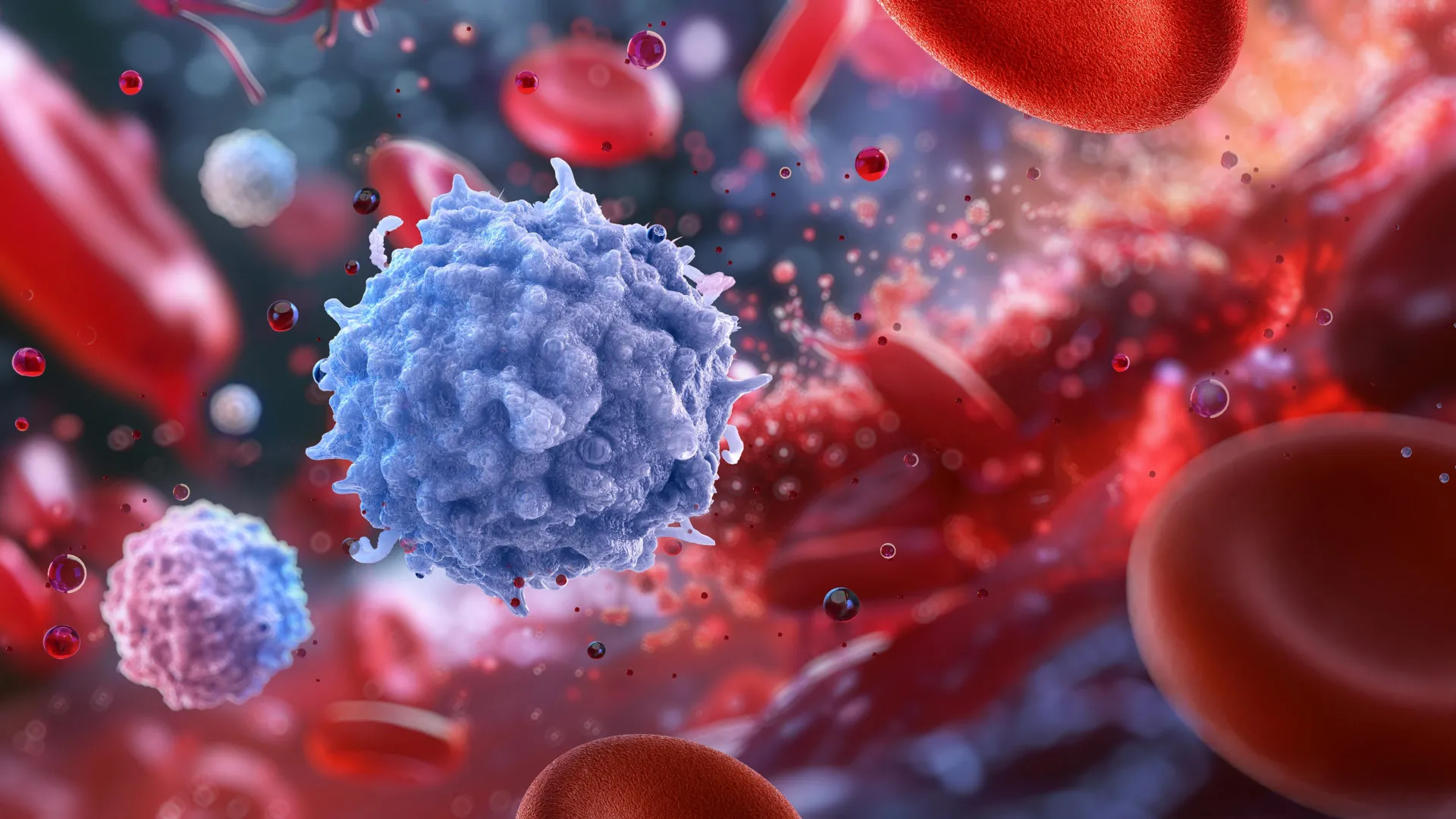
MIT scientists have developed nanoparticles that reprogram immune cells directly inside the body to attack cancer and harmful immune cells, eliminating tumors and reversing liver damage in mouse experiments. The breakthrough could make powerful immune therapies dramatically simpler and less expensive while opening new possibilities for treating cancer and autoimmune diseases.

Science Daily · Nov 8
Low testosterone linked to 18% higher risk of dying from cancer

A major international study tracking more than 26,000 men found that very low testosterone levels were associated with an 18% higher risk of dying from cancer later in life. Surprisingly, testosterone itself showed no clear link to prostate cancer, although two other sex hormones did. Researchers believe low testosterone could be an important early warning sign of future health risks, particularly when levels fall below 8.6 nmol/L.

Science Daily · Nov 8
Cancer-linked gene uses 'shortcut' to trigger cell division

Living cells are one of the few materials that can replicate themselves, and this is crucial for tissue development and recovery from injury or illness. But making sure cell division only happens at the right time is essential; otherwise, unregulated replication can lead to problems like cancer.

Phys.org · Nov 6
Scientists solve 30-year-old mystery and discover a hidden defense against inflammation

Scientists have solved a decades-old mystery and uncovered a hidden immune system defense that protects healthy cells from the very inflammation meant to fight infections. The surprising discovery could lead to new approaches for treating cancer, inflammatory bowel disease, and other conditions involving excessive inflammation.

Science Daily · Nov 5
US prosecutors drop criminal charges against scientist detained over frog embryos

Kseniia Petrova was detained for four months after arrest with research samples, and feared deportation to Russia Federal prosecutors have dropped all criminal charges against a Russian scientist who spent four months in immigration detention after flying into Boston with frog embryos intended for cancer research at Harvard Medical School. Kseniia Petrova, 31, was arrested in March 2025 after returning from a vacation in France, where she had visited a laboratory specializing in cutting extremely thin sections of frog embryos. During her visit, she obtained a package of samples for her research back in the US. Continue reading...

The Guardian · Nov 4
Why pharma firms are going to Earth’s orbit in search of new cancer drugs

A space capsule 300 miles above us is growing the tiny crystals of a potential cancer drug in microgravity Roughly 300 miles above our heads, three washing machine-sized capsules are orbiting the Earth. Inside one of them, tiny crystals of a potential cancer drug are being grown in the weightlessness of space. The others are testing heat protection materials and navigation systems for when the capsules plunge back through Earth’s atmosphere at hypersonic speeds. Together, they represent a small but significant step towards what some hope will become a lucrative new industry: manufacturing drugs and other materials in space. The spacecraft belong to California-based Varda Space Industries. On 1 October, it launched two onboard the same rocket, followed by the third on 20 October. With a record three spacecraft now simultaneously in orbit for the first time, the company is edging closer to its ambition of operating a fleet of orbiting pharmaceutical factories. Continue reading...

The Guardian · Nov 4
Scientists trick cancer cells into making the drugs that kill them

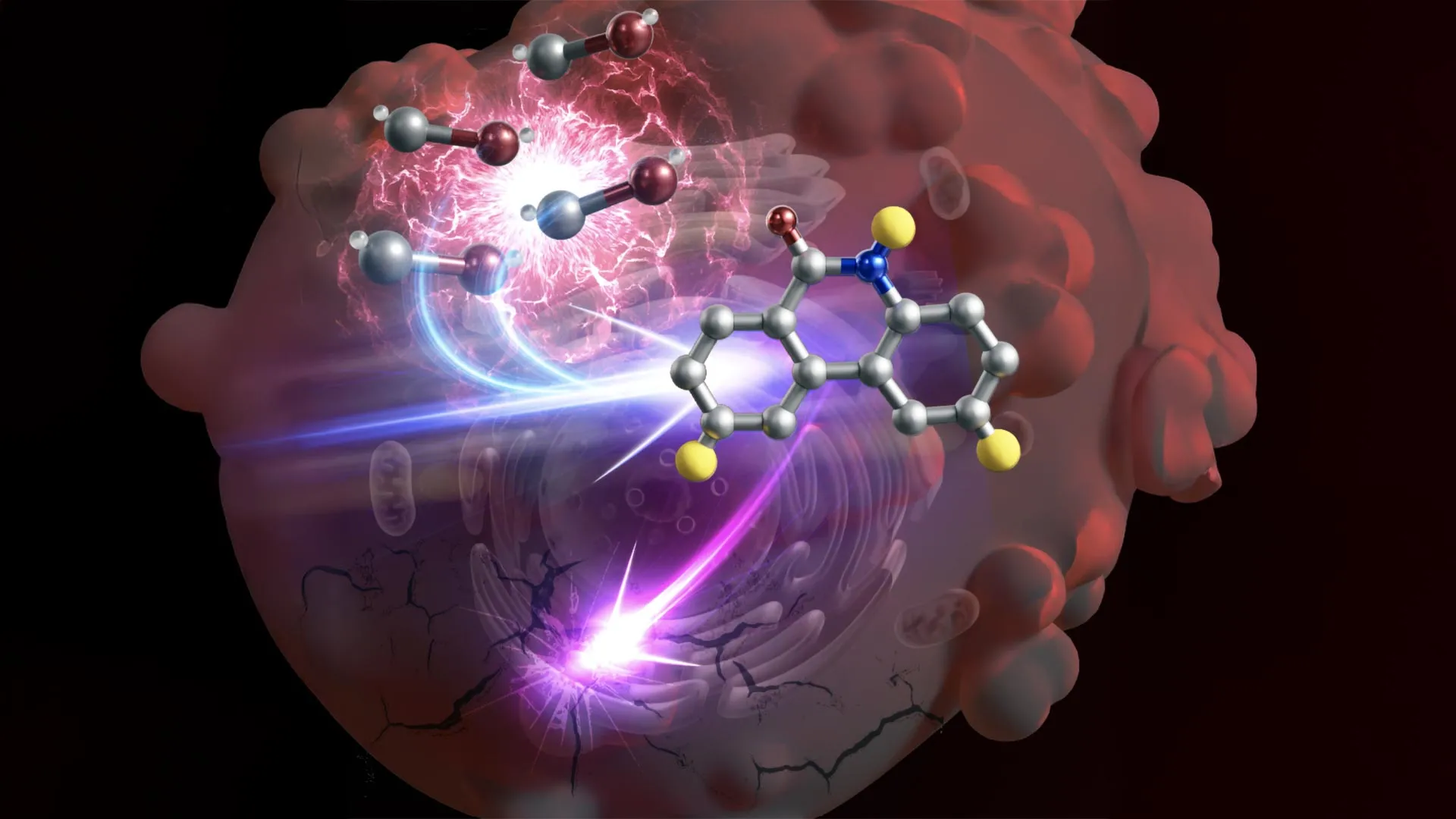
Scientists have developed a promising new cancer-fighting strategy that uses carbon monoxide naturally produced by tumor cells to manufacture powerful drugs inside the cancer cells themselves. Early laboratory experiments suggest the technique could selectively attack cancer while sparing healthy cells, potentially paving the way for safer chemotherapy alternatives.

Science Daily · Nov 4
Iridium catalyst activates chemotherapy drug directly at targeted cancer cells

Conventional chemotherapy treatments often attack not only cancer cells but also healthy tissue, leading to severe side effects such as hair loss or nausea. The team led by Dr. Thomas Ward from the Department of Chemistry and the Swiss Nanoscience Institute (SNI) at the University of Basel is therefore pursuing an approach that uses artificial metal compounds as catalysts that specifically bind to tumor cells and then convert so-called prodrugs into the active ingredient at the tumor site.

Phys.org · Nov 3
Stem cells in deep sleep may point to a secret reserve for lifelong blood renewal

Researchers at the German Cancer Research Center (DKFZ) and the HI-STEM Stem Cell Institute have discovered a group of particularly long-lived blood stem cells in mice. These cells remain in a dormant state for an exceptionally long time while retaining their ability to generate new blood cells. This newly discovered cell population may be responsible for sustaining blood regeneration and immune defense throughout a mouse's entire life.

Phys.org · Nov 2
As cancer treatments become more effective, we must ask: what is life like for the people who receive them? | Ranjana Srivastava

Many treatments are now extending lives, but the measure of progress should not end with a scan or a survival curve Two decades ago, a dear friend called me in a trembling voice. Was there hope for his young nephew , whose cancer had spread to the brain? Sadly, “no”, I said. But today, for such patients, there are options that were unimaginable back then. Recently, researchers at the European Society For Medical Oncology presented the latest chapter results from a randomised controlled trial of a bespoke cancer vaccine for patients with high-risk melanoma. The trial involved 1,137 patients whose melanoma had been surgically removed but remained at high recurrence risk. They received either pembrolizumab, an established immunotherapy, or pembrolizumab combined with an experimental mRNA vaccine, designed to help the immune system recognise and attack targets unique to the patient’s tumour. Continue reading...

The Guardian · Nov 2
Scientists discover that some “unhealthy” diets can boost cancer immunotherapy in mice

In a surprising discovery, scientists found that certain diets associated with obesity can make cancer immunotherapy more effective in mice, challenging traditional assumptions about diet and cancer treatment. The findings suggest that the secret may lie in how food interacts with gut bacteria to strengthen the immune system's response to cancer.

Science Daily · Nov 2
Even moderate drinking linked to cancer and early death, major study finds

A major new study challenges the idea that moderate drinking is safe, finding that even relatively small amounts of alcohol increase the risk of cancer, heart disease, and premature death. Researchers found no overall health benefits from drinking and warn that consuming more than one alcoholic beverage per day can significantly increase long-term health risks.

Science Daily · Nov 2
Scientists use sound waves to deliver a new attack on deadly brain cancer

Scientists at the University of Virginia have developed a promising new strategy to fight glioblastoma, one of the deadliest and most difficult-to-treat forms of brain cancer. Their experimental approach combines focused ultrasound, tiny nanoparticles, and genetic molecules called microRNAs to attack multiple cancer-driving genes simultaneously.

Science Daily · Nov 1
Scientists finally discover how a common gut bacterium can trigger colon cancer

Scientists at Johns Hopkins have uncovered a crucial missing link between a common gut bacterium and colorectal cancer, solving a mystery that has puzzled researchers for nearly two decades. The bacterium, Bacteroides fragilis, produces a toxin that damages the colon’s protective lining, triggers chronic inflammation, and promotes tumor formation.

Science Daily · Oct 31
Why some “lower-risk” childhood cancers turn deadly

Scientists have uncovered hidden aggressive cancer cells in children whose tumors were previously considered lower risk, revealing why some cases of rhabdomyosarcoma become unexpectedly deadly. The discovery could help doctors identify dangerous tumors earlier and develop personalized treatments that improve survival while reducing unnecessary chemotherapy.

Science Daily · Oct 30