With AI blamed for mass layoffs, here's how we can ensure workers get a fairer deal
Is artificial intelligence (AI) finally coming for Australian jobs?
Phys.org · 7h ago

Is artificial intelligence (AI) finally coming for Australian jobs?
The U.N.'s COP31 climate talks enter their endgame Friday, with countries sharply divided over a draft deal lacking any mention of planet-heating fossil fuels, threatening to push the negotiations into overtime.
A park two miles (3.2 kilometers) from home might seem close enough for a Saturday outing. In metropolitan Detroit, though, park visits had already fallen to about half their modeled peak by that distance. In metropolitan Minneapolis, the same drop took nearly five miles (8 kilometers). And in the New York metropolitan area, with its extensive transit network, visitation fell by half at about 2.3 miles (3.7 kilometers). A park's reach, it turns out, depends a great deal on where it is.
Get access to over 200 documentary series on Paramount+ for a bargain price.
Paramount+ memberships are now only $2.99 per month for the first two months for Black Friday 2026. This gets you access to almost every season of Star Trek and a host of great movies. The offer ends Nov. 30.
Coupons promise savings, but not every shopper sees them as clear-cut bargains. For some consumers, such discounts may lead them to ask, "Where's the catch?"
In propulsion system design, engineers have long faced a trade-off between solid and liquid rocket fuels. Each has advantages and disadvantages, and in an effort to try to min/max the efficacy of different types of fuel, researchers have long placed an emphasis on a hybrid between solids and liquids—in other words, they've been working with gels. Unfortunately, gels have their own sets of problems to deal with.
The collective memory of floods and droughts influences where people settle, how they build and how they prepare for the next climatic extreme. Over decades, that memory can fade, and communities may return to places that once proved dangerous. How such memory decayed over centuries is hard to observe because the climate past societies experienced is usually known only from their own records.
Quantum chemistry can be used to calculate the probabilities of which chemical processes will occur. This involves a great deal of programming work. Dr. Michael F. Peintinger from the Mulliken Center for Theoretical Chemistry at the University of Bonn has investigated what happens when artificial intelligence is used for this purpose. His work is published in the Journal of Computational Chemistry.
This Pococo Galaxy Star Projector is user-friendly, delivers bright, high-resolution projections and is 24% off in this limited-time Amazon deal.
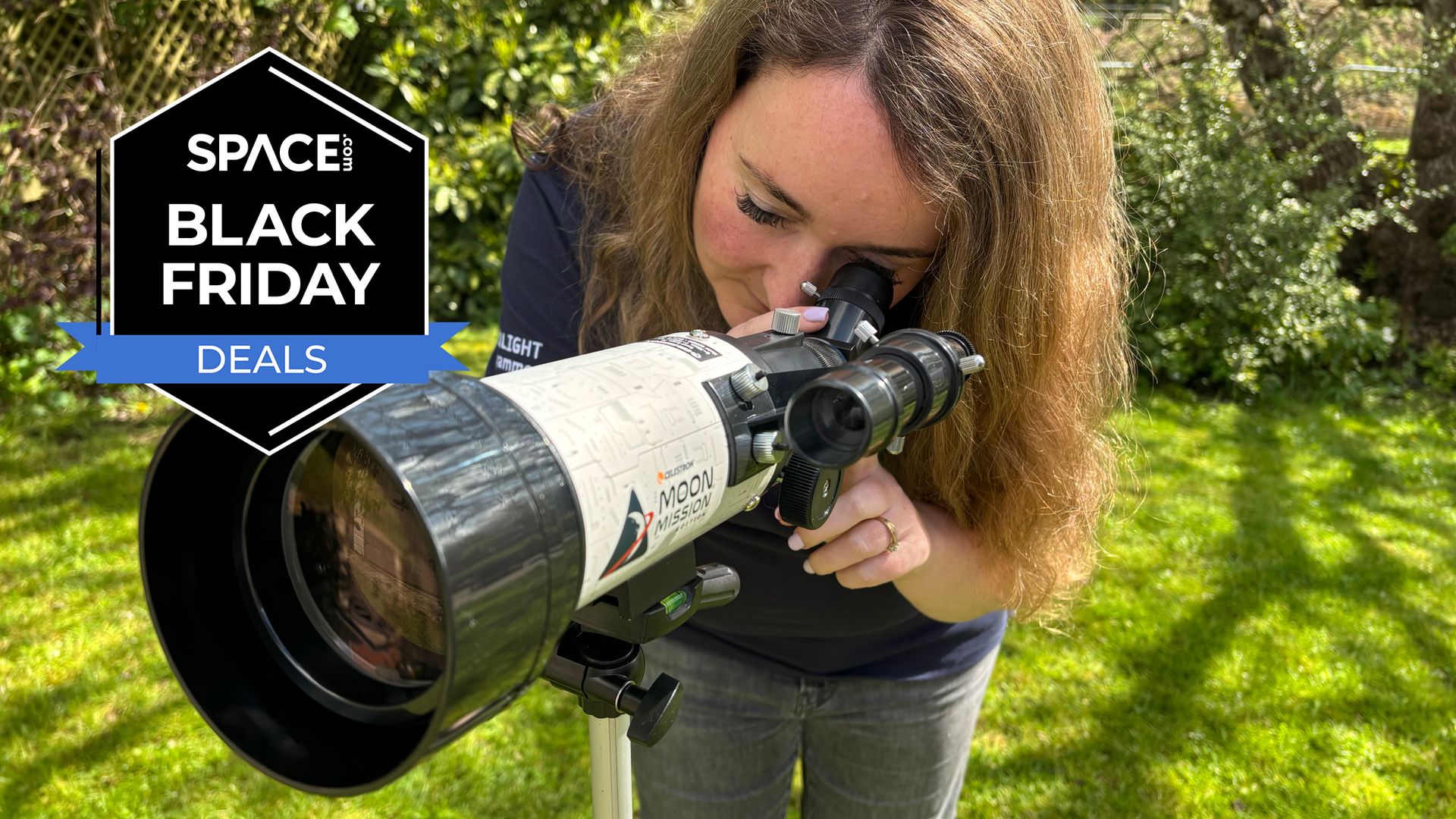
This portable and beginner-friendly telescope is perfect for stargazing newbies or those who want better views but aren't ready to spend thousands.
A team led by Vojtěch Brlík from Charles University in Czechia and the University of Guelph in Canada analyzed data from more than 2,300 birds tracked using miniature devices to find out how closely linked individual stages of the migratory birds' annual cycle are. The scientists were also interested in whether these linkages break down at a certain stage and whether late-departing individuals can make up for their delay.
NordVPN is recommended as one of the best VPN services, offering privacy, online security, and convenience and is now up to 78% cheaper.
A study published in Nature Communications, led by professor Jurriaan Ton and Dr. Adam Hannan Parker at the University of Sheffield, has identified mechanisms by which plants maintain and reset stress memory from past infections. This immune memory enables plants to defend themselves more effectively against harmful bacteria and mildews, which are increasingly threatening our crop and food production.
Countries have been trying to get a global agreement to halt nature decline back on track.