TopNewsOn

Results for “rikers island”

Astronomers reveal the oceanic origin of Europa's sodium cloud

Jupiter's moon Europa is a world of scientific intrigue, with a global ocean believed to lie beneath its icy crust. Now, observations from W. M. Keck Observatory on Maunakea, Hawaiʻi Island, reveal something unexpected: the enormous, diffuse cloud of sodium surrounding Europa has remained remarkably stable across more than two decades of observations, despite the dynamic environment surrounding Jupiter.

Phys.org · 7h ago
More than 1,700 bee species are unique to islands, first global assessment finds

More than 1,700 bee species are found only on islands, the first global checklist of island bees shows. If you like bees and island destinations, the best places to visit are in the Mediterranean. Islands like Sicily and Cyprus are where you find the highest diversity of bee species in the world. Bee connoisseurs will also appreciate large tropical islands like Hawaii and Madagascar, where they'll find unique bee species that live only on that particular island.

Phys.org · Nov 19
Young emperor penguins encounter industrial krill fishing during first year at sea

New research has revealed young emperor penguins encounter industrial krill fishing in their epic first year at sea, strengthening the case for proposed new marine protected areas. The study was co-led by France's CNRS, the Center Scientifique de Monaco and the Woods Hole Oceanographic Institution. The international research team tracked 48 juvenile emperor penguins from three colonies around the Weddell Sea: Snow Hill Island, Jason Peninsula and Atka Bay.

Phys.org · Nov 18
How woodcocks evolved to be the weird cousins of their family

A woodcock is an odd little bird with a long, skinny bill and a plump, chunky body that's shaped like an American football. It mostly hangs out near the ground, but it does a mating display in which it makes a buzzy, tweeting call and then takes off zigzagging across the sky. The woodcock stands out from most of the members of its family, the sandpipers. The majority of sandpiper species are champion migrators that traverse thousands of miles every year, but many woodcock species and their closest cousins, the snipes, have evolved to migrate shorter distances. Some island-dwelling species of woodcocks and snipes don't migrate at all.

Phys.org · Nov 16
Milk and wine used in Menorcan funerary rituals over 2,000 years ago

In the Late Iron Age, or post-Talayotic period, over 2,000 years ago, Menorca and the other Balearic Islands experienced increasing connectivity with the wider Mediterranean. However, they also maintained distinctive local funerary traditions, such as burying their loved ones in rock-cut tombs, or artificial caves. Some of these caves contained external courtyards located in front of the burial chambers where animal offerings might have been made. Archaeologists even suspect that perishable foods or liquids were offered in characteristic island containers, such as high-bottomed vessels. Until now, however, the contents of these ceramic containers had never been identified.

Phys.org · Nov 16
Fiji petrel eludes 10-day search as communities aim to protect bird's habitat

A new study details scientists' search for one of the planet's rarest birds in the waters off Fiji's Gau Island. Spanning 10 days, the expedition yielded no verified sightings of the critically endangered Fiji petrel, one of the world's most elusive birds. Fewer than 50 individuals are believed to remain on Earth.

Phys.org · Nov 13
The space rocket I could have been aboard explodes: Rhiannon Adam’s best photograph

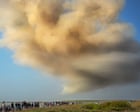
‘I was chosen to go around the Moon on a SpaceX starship. Preparations took over my life. Then, four minutes into watching a rocket on a test flight, it broke apart. And that was the end of my adventure’ This photograph was taken on 20 April 2023 from the VIP section of SpaceX’s launch viewing area, looking out from South Padre Island, Texas, towards Boca Chica, a nature reserve near the Mexican border which is home to SpaceX’s Starbase launchpad. In 2021, I and seven other civilians were selected from an open call to go around the Moon on a free SpaceX Starship flight funded by the Japanese billionaire Yusaku Maezawa. The dearMoon Project included myself and another photographer. For me, the story also became about being plucked from obscurity and planted in this very surreal world I could never have imagined being a part of in a million years. At the time, only 24 white American men had orbited or landed on the moon. Being selected for something like that changes your life and your perception of your worth in the world. The flight, originally scheduled for 2023, completely took over my life. It took the air out of every room – I couldn’t talk about anything else. People stopped commissioning me because they assumed I was busy going to space; every conversation I had was about it. This was going to be the rest of my life. That day in April was pivotal. We were there to watch SpaceX’s Integrated Flight Test 1. After four minutes, following a relatively successful liftoff, the vehicle experienced what they call in space terms an “RUD” – Rapid Unscheduled Disassembly – and broke apart in the air. We put on a brave face but secretly I was thinking: “Wow, the risks are no longer theoretical. I could have been on that.” The dust cloud in the image emerged from the concrete launchpad and tower – obliterated by the power of the raptor engines. The debris ended up all over the local houses and SpaceX closed the launch facility for reconstruction for four months while they c

The Guardian · Nov 11

Coyotes are likely a permanent fixture on the Outer Banks of North Carolina

A new study reveals that coyote populations on the Outer Banks persist despite ongoing removal programs, posing a continued threat to shore-nesting birds and protected sea turtles. The study is the first in-depth assessment of coyote populations on barrier islands and has ramifications for understanding how coyotes may impact these and other barrier island ecosystems.

Phys.org · Nov 11
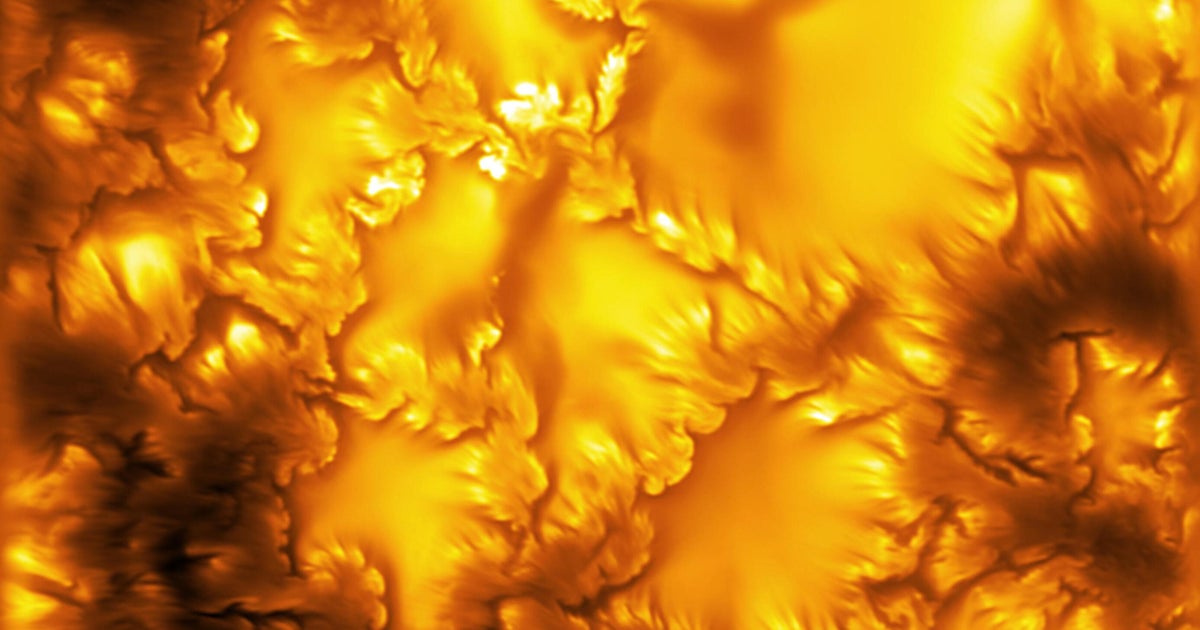
The night-sky image so incredible the NZ man behind it has been accused of using AI

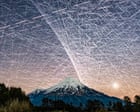
Brendan Larsen spent hours taking hundreds of photographs of the sky over a mountain in New Zealand A photograph showing thousands of satellites cross-hatching the night sky over New Zealand appeared so extraordinary the astrophotographer who captured it is fighting accusations it was created by AI. To create his spectacular image – now viewed millions of times online – Brendan Larsen spent two hours in September snapping hundreds of photographs of the night sky over Mount Taranaki in the North Island. Continue reading...

The Guardian · Nov 4
NASA reveals a haunting skull hidden in Antarctica’s ice

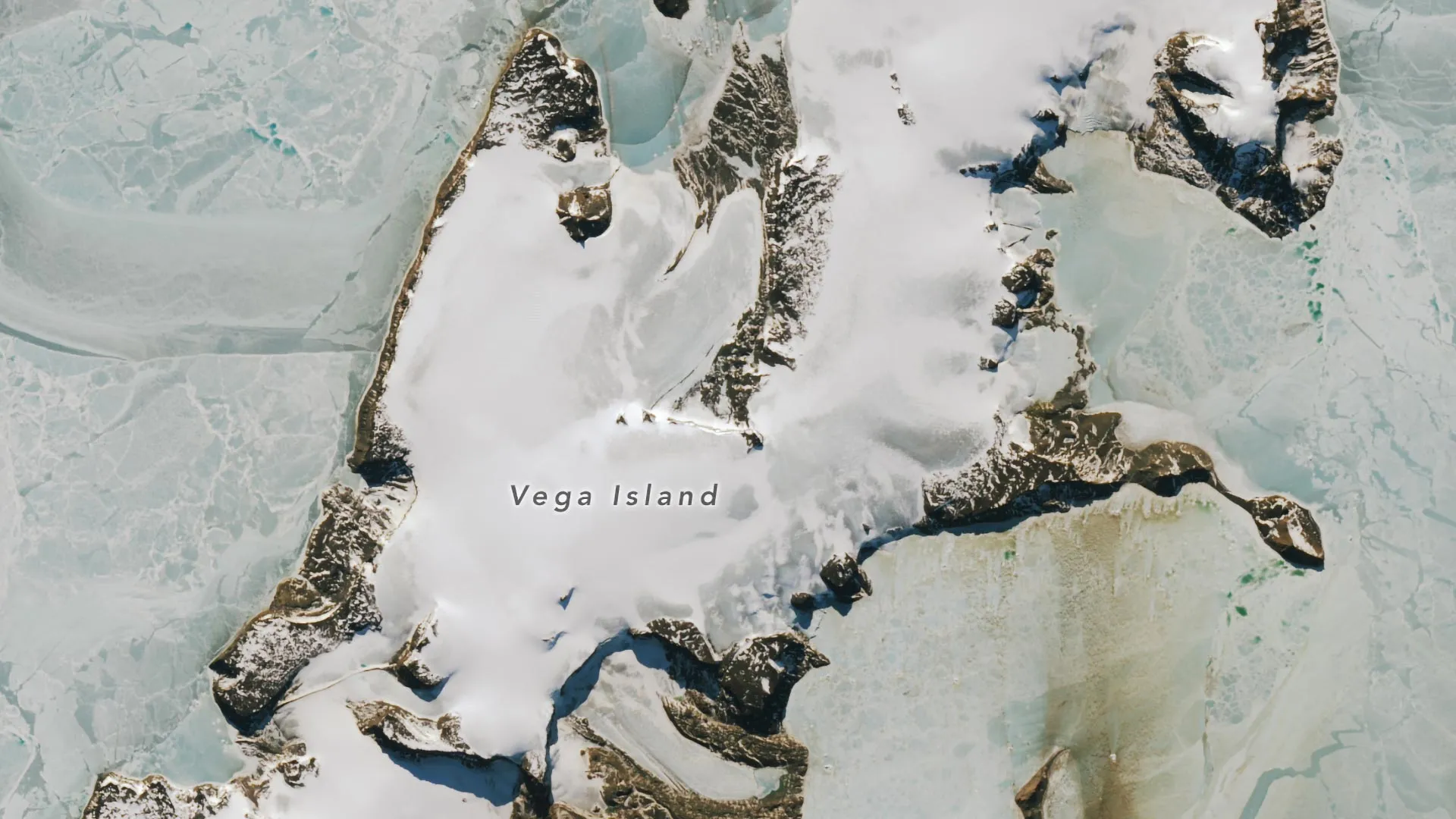
NASA satellites have captured an eerie, skull-shaped formation on a remote Antarctic island, but its haunting appearance conceals a troubling warning about melting glaciers. Unusually warm winter temperatures have exposed large areas of dark ice, potentially accelerating future melting and gradually transforming the skull's ghostly features.

Science Daily · Nov 2