Electric battery-powered ferries use electricity from the shore to charge batteries on board. These batteries supply electric motors that propel the ship. On suitable routes, low-carbon electricity could make sea travel substantially cleaner and strengthen its potential as an alternative to flying.
Results for “russian ship”
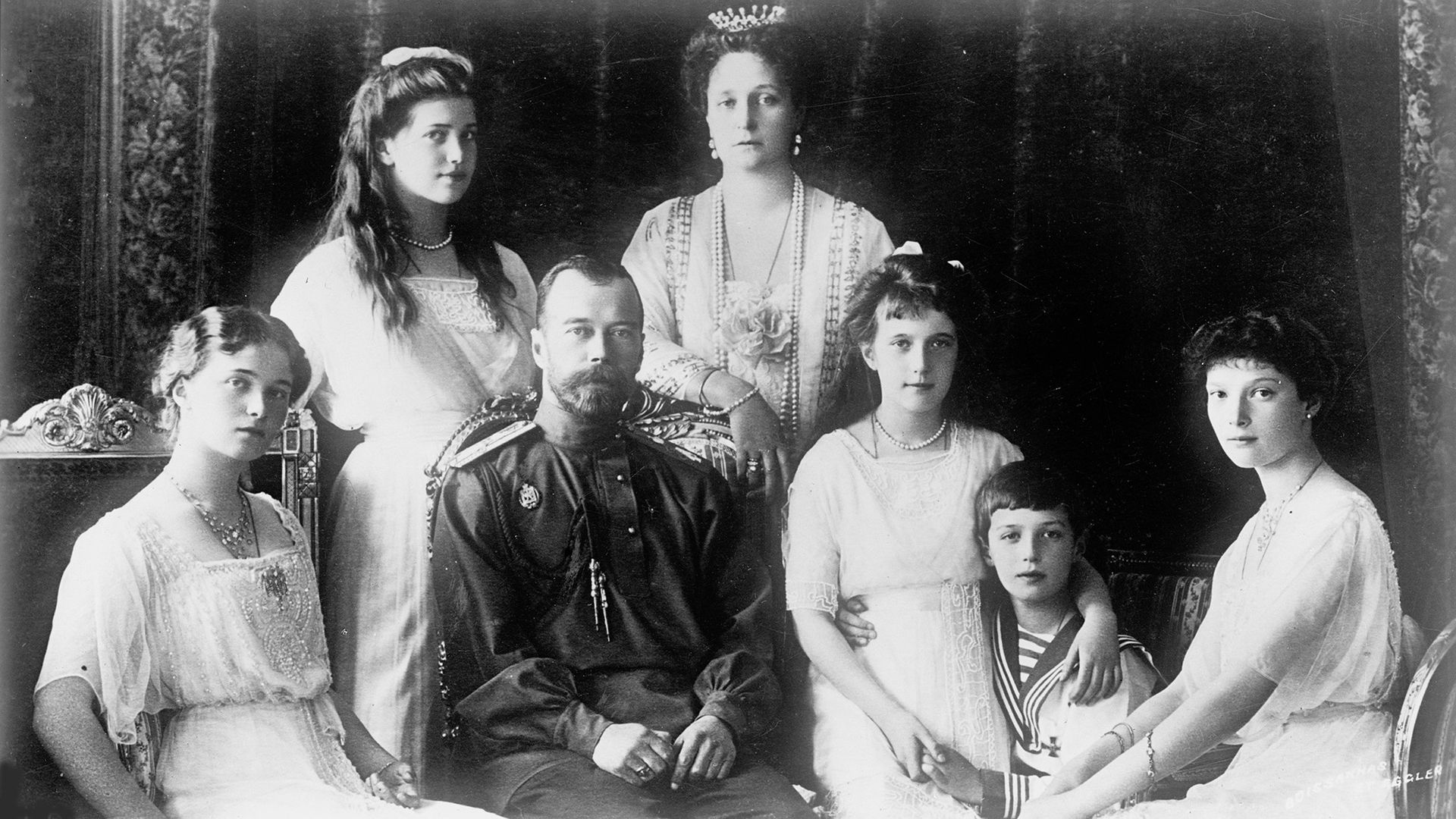
In this excerpt from "The Secrets of our DNA," geneticist Turi King examines how DNA was used to reveal the ultimate fate of the last members of the House of Romanov.
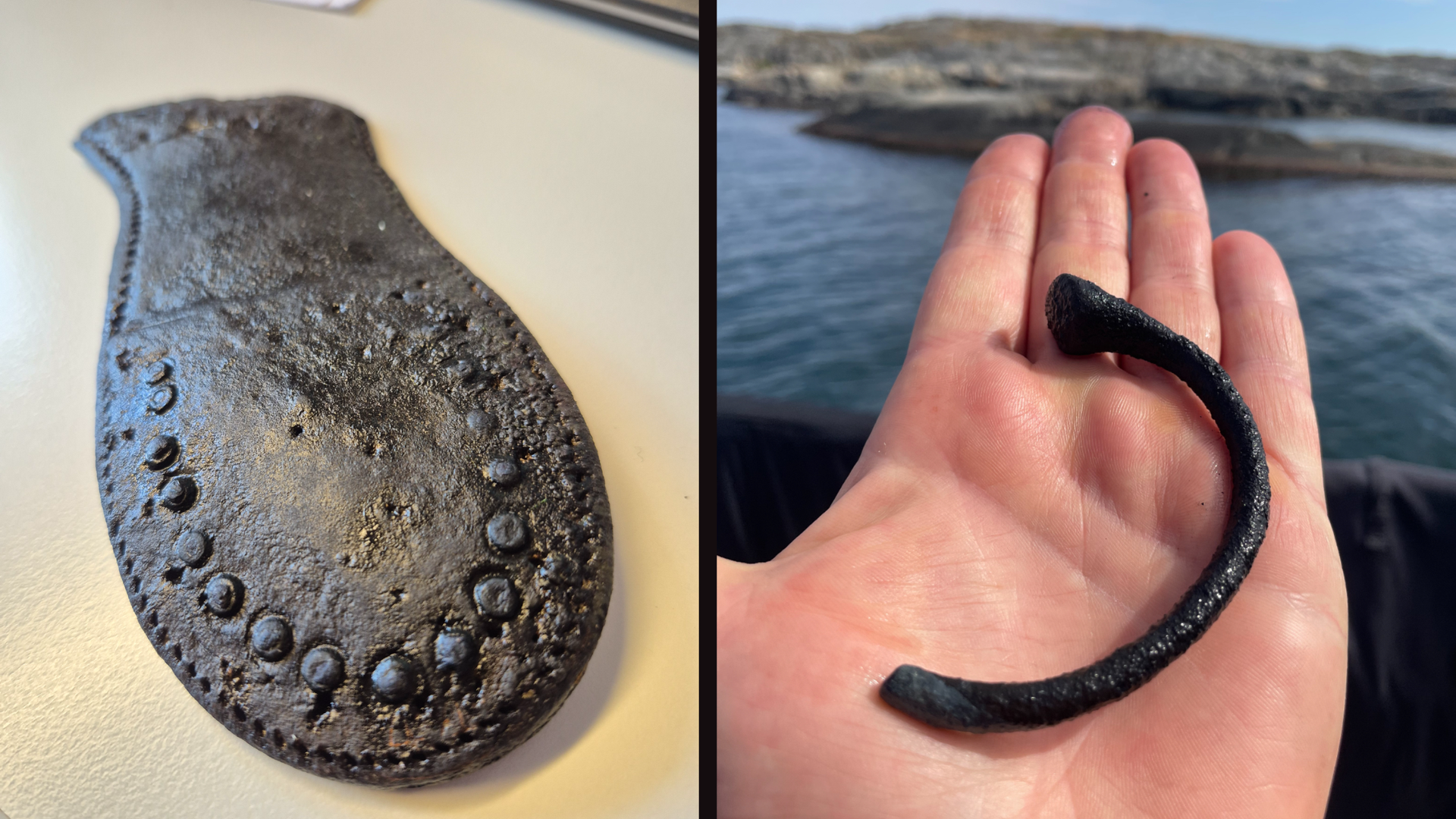
Archaeologists have discovered the shoe of the first governor of the Danish West Indies, recovered from a 17th-century ship that was wrecked after one of the most violent mutinies in Denmark’s history.
Vladimir Uglev, a lead developer of a Cold War-era chemical weapon used on the dissident Alexei Navalny, later turned against the government. He was 80.
Researchers from the Skoltech AI Center, together with colleagues from the Zelinsky Institute of Organic Chemistry of the Russian Academy of Sciences, ITMO University and other institutions, have published a paper in Chemical Society Reviews that examines where AI produces measurable value in a chemical research workflow, how to assess its reliability and why a strong benchmark result does not necessarily translate into laboratory performance.
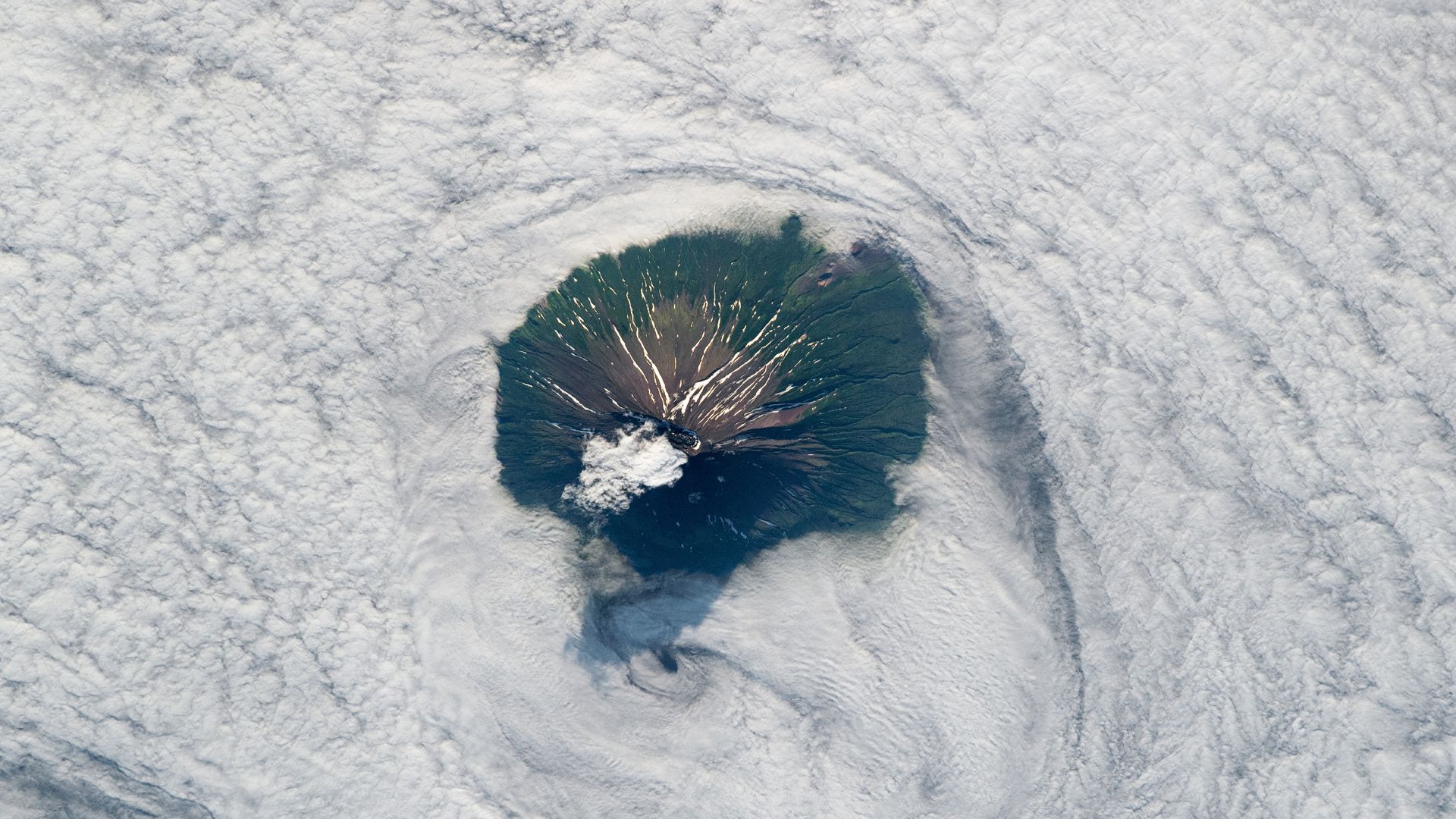
A 2019 astronaut photo shows the near-perfect cone of a highly active volcano poking its heavily scarred and partially snow-covered head above a thick bank of low-lying clouds over the Kuril Islands.
In a war driven by drones and battlefield sensors, access to space is essential. After Starlink speed restrictions and Russian Oreshnik missile strikes, Kyiv is racing to develop its own space capabilities For people in the Russian industrial city of Samara on the banks of the Volga, the first they knew of the Ukrainian attack were detonations that sent a column of smoke into the air. If the Kremlin was vague about the target, video footage on social media soon made it clear what had been hit in the early hours of 15 August: the Progress Rocket and Space Centre, manufacturer of Russia’s Soyuz-2 rockets. Continue reading...
Using data from a 1950s Russian experiment, researchers are getting “to the heart of brain programming” in foxes
Kseniia Petrova was detained for four months after arrest with research samples, and feared deportation to Russia Federal prosecutors have dropped all criminal charges against a Russian scientist who spent four months in immigration detention after flying into Boston with frog embryos intended for cancer research at Harvard Medical School. Kseniia Petrova, 31, was arrested in March 2025 after returning from a vacation in France, where she had visited a laboratory specializing in cutting extremely thin sections of frog embryos. During her visit, she obtained a package of samples for her research back in the US. Continue reading...
Kseniia Petrova, a researcher at Harvard, has argued that she was vindictively prosecuted after her arrest in 2025.
Scientists from Skoltech, together with colleagues from the Kharkevich Institute for Information Transmission Problems of the Russian Academy of Sciences, Lomonosov Moscow State University and other organizations, conducted a comparative study of the 3D genome organization in neurons derived from induced pluripotent stem cells and in neurons of the adult human brain. The authors collected and processed more than 300 3D genome maps covering 62 human samples and 34 mouse samples, including data on embryonic stem cells, induced pluripotent stem cells, neural progenitors, fetal and postmortem neurons, as well as neurons differentiated in vitro.
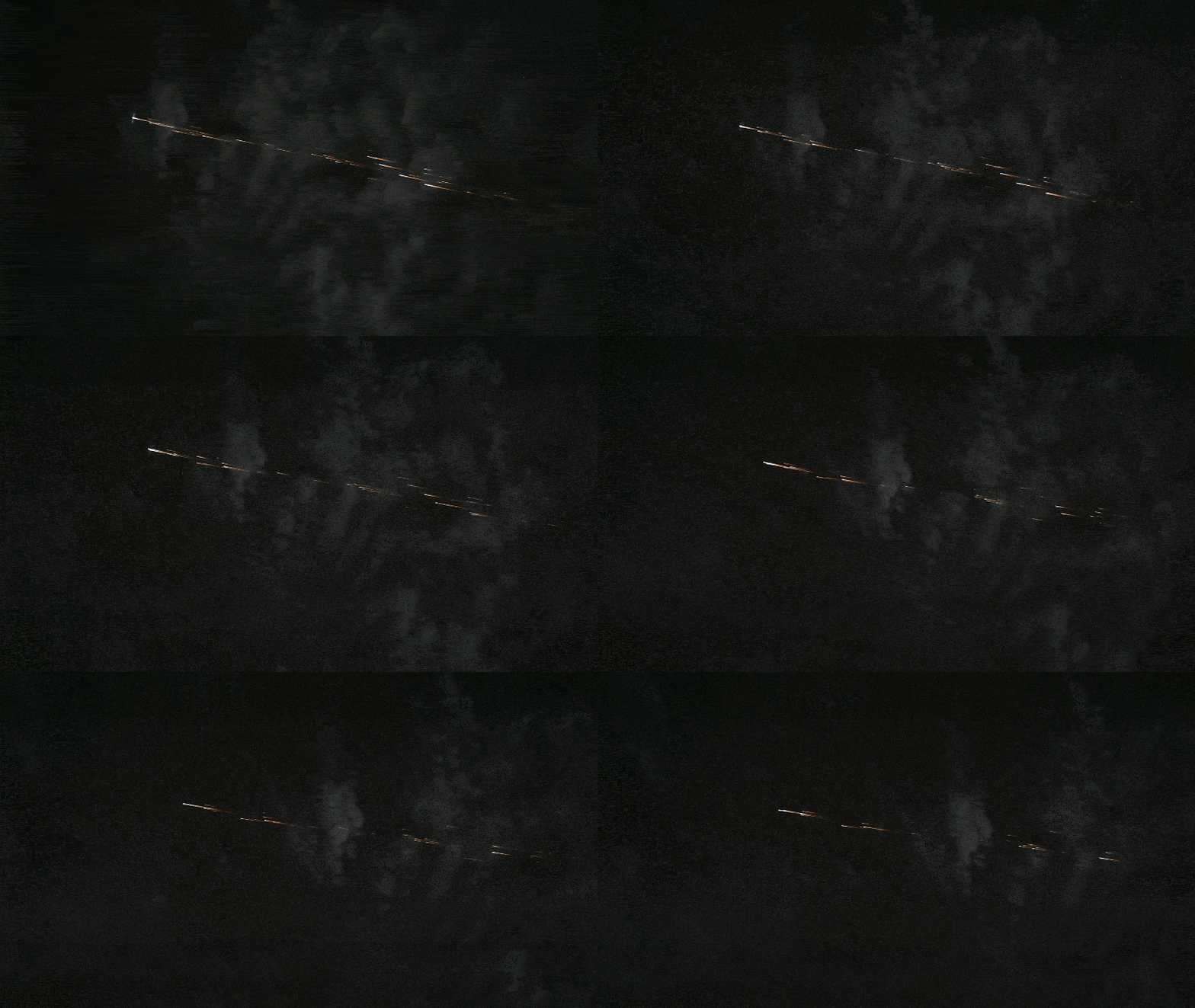
An American astronaut on board the ISS recently snapped a spectacular "fireball" streaking across the nighttime sky over West Africa. The striking "light show" shows a Russian rocket being vaporized as it reenters the upper atmosphere.
Calls are being made for the defence of the Shetland Isles to be strengthened after increased sightings of Russian trawlers off the coast of Scotland.
Russia plans to build own version of US billionaire’s satellite communications to help attack Ukraine Vladimir Putin praised Elon Musk’s genius and said he was in touch with Starlink’s controlling shareholder as Russia develops its own satellite communications for its military to use against Ukraine. The Russian president, speaking at a summit with African leaders in Moscow, was comparing the Earth-orbiting network built by Musk’s SpaceX with Russia’s gradual efforts to build its own Rassvet constellation. Continue reading...
The death of a worker at a Russian plague lab was alarming, but the disease is extremely unlikely to become a worldwide problem as it has in the past
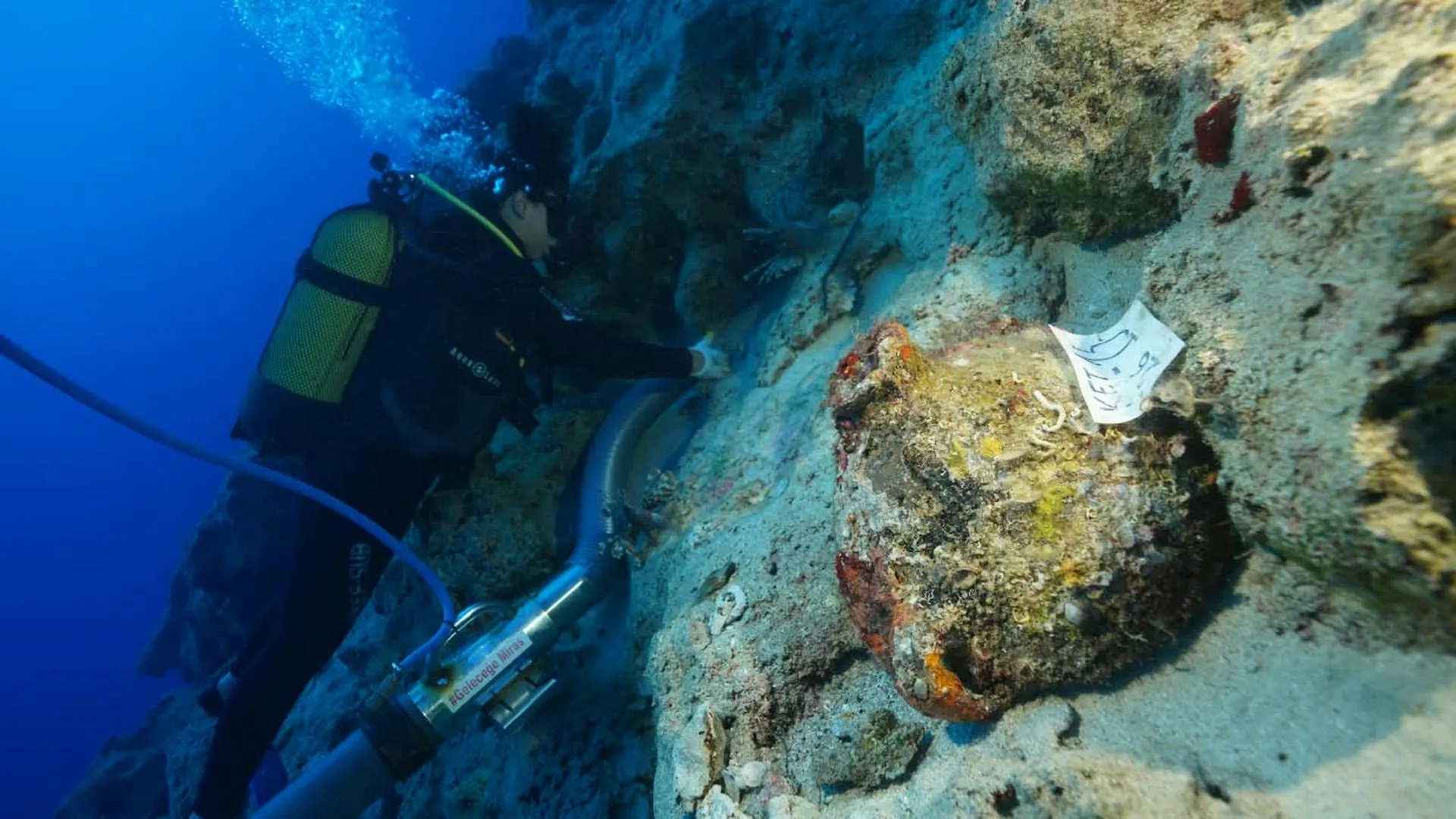
A mysterious shipwreck off Turkey’s coast may be the oldest ever discovered, dating back approximately 4,500 years to the age of the Egyptian pyramids. Although the wooden vessel has disappeared, its surviving pottery cargo reveals clues about an ancient trading network that may have connected distant Mediterranean civilizations. Researchers believe the ship may have crashed against rocks during a storm while transporting valuable goods such as oil, wine, or tree resin.