Glacial lakes can accelerate the retreat of glaciers. If glaciers border a lake, the water can melt the ice from underneath; furthermore, chunks of ice can break off and fall into the lake. The extent to which these processes influence the situation, compared with other factors, had not been sufficiently clarified at a global level until now.
Results for “shares fall”
A week before Hurricane Melissa slammed into Jamaica last fall, the forecast models couldn't agree on where it was headed or how strong it would get. One got it right—an AI model from Google DeepMind, which called both the storm's path and its Category 5 strength.
A China–Italy joint research team has reconstructed the time-resolved spectrum of GRB 221009A, the brightest gamma-ray burst (GRB) ever observed, and proposed that the burst may have produced a magnetically dominated jet with a hollow core. This is presented as a possible interpretation of the emission line's rise-then-fall evolution rather than a direct detection.
International climate conferences like the COP31 climate summit, now in its second week, tend to focus on the role of individual countries.
A study in the International Journal of Innovation and Sustainable Development of teachers' behavior during outdoor play at kindergarten has identified a gap between the support children need and the help educators provide, particularly in emotional and social development.
As cities worldwide adapt to extreme weather, climate adaptation must prevent people from wading through flooded streets in the future. But the costs are not equally shared. A study from the University of Copenhagen shows that climate adaptation policies may even make social inequality worse. In Copenhagen, stormwater costs fall disproportionately on not-for-profit housing residents, as these neighborhoods are often located near climate adaptation projects.
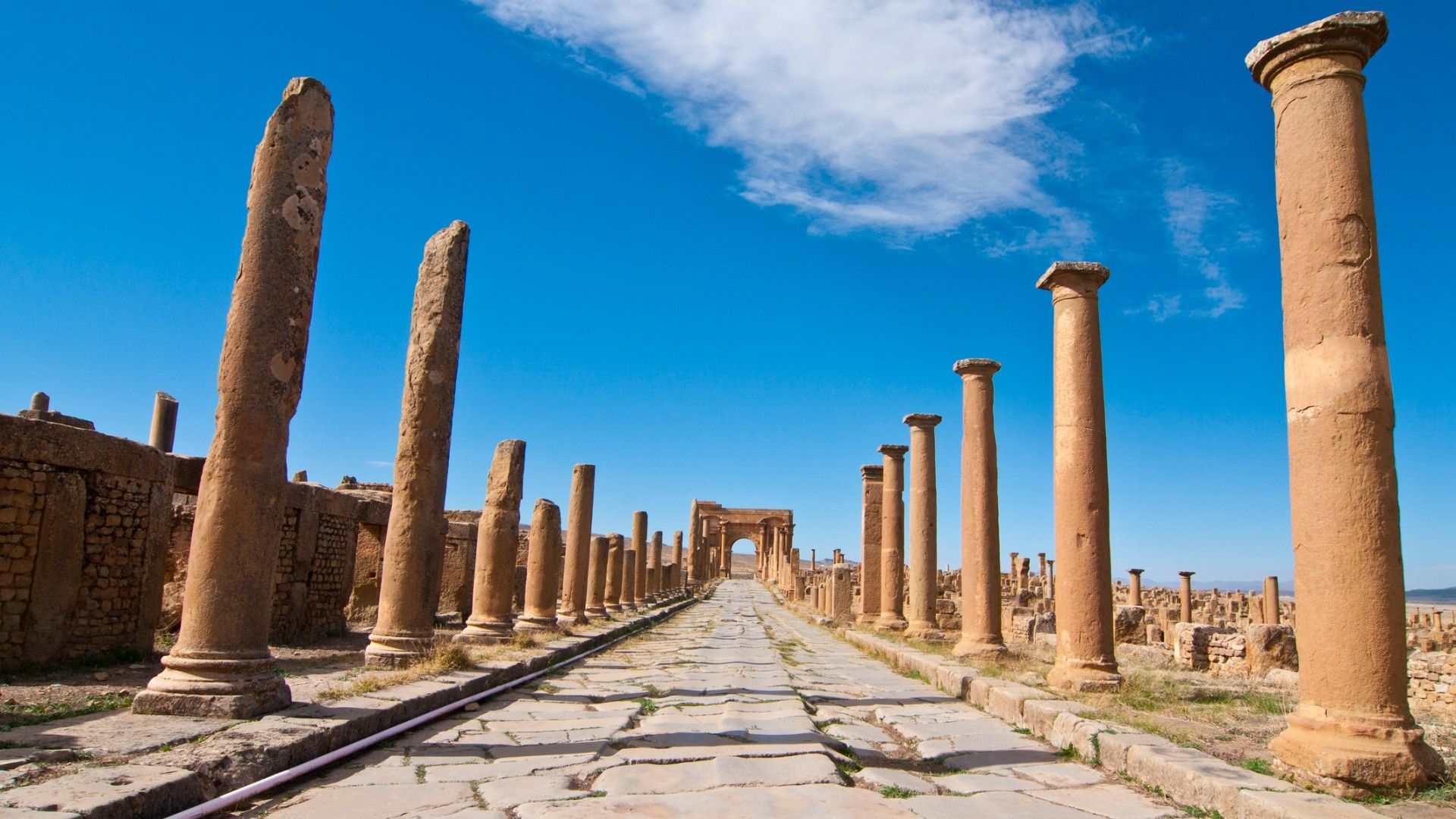
Ancient Roman cities, temples and amphitheaters across the Mediterranean will fall into the moon's shadow during the total solar eclipse on Aug. 2, 2027.
An interdisciplinary team of students from the Vrije Universiteit Brussel (VUB) is taking part in iGEM, the international synthetic biology competition in Paris (Nov. 13–16), this fall. Using a clever combination of artificial intelligence, a mechanical trap and protein nanofibers, they are presenting a targeted method to efficiently control populations of the Asian hornet.
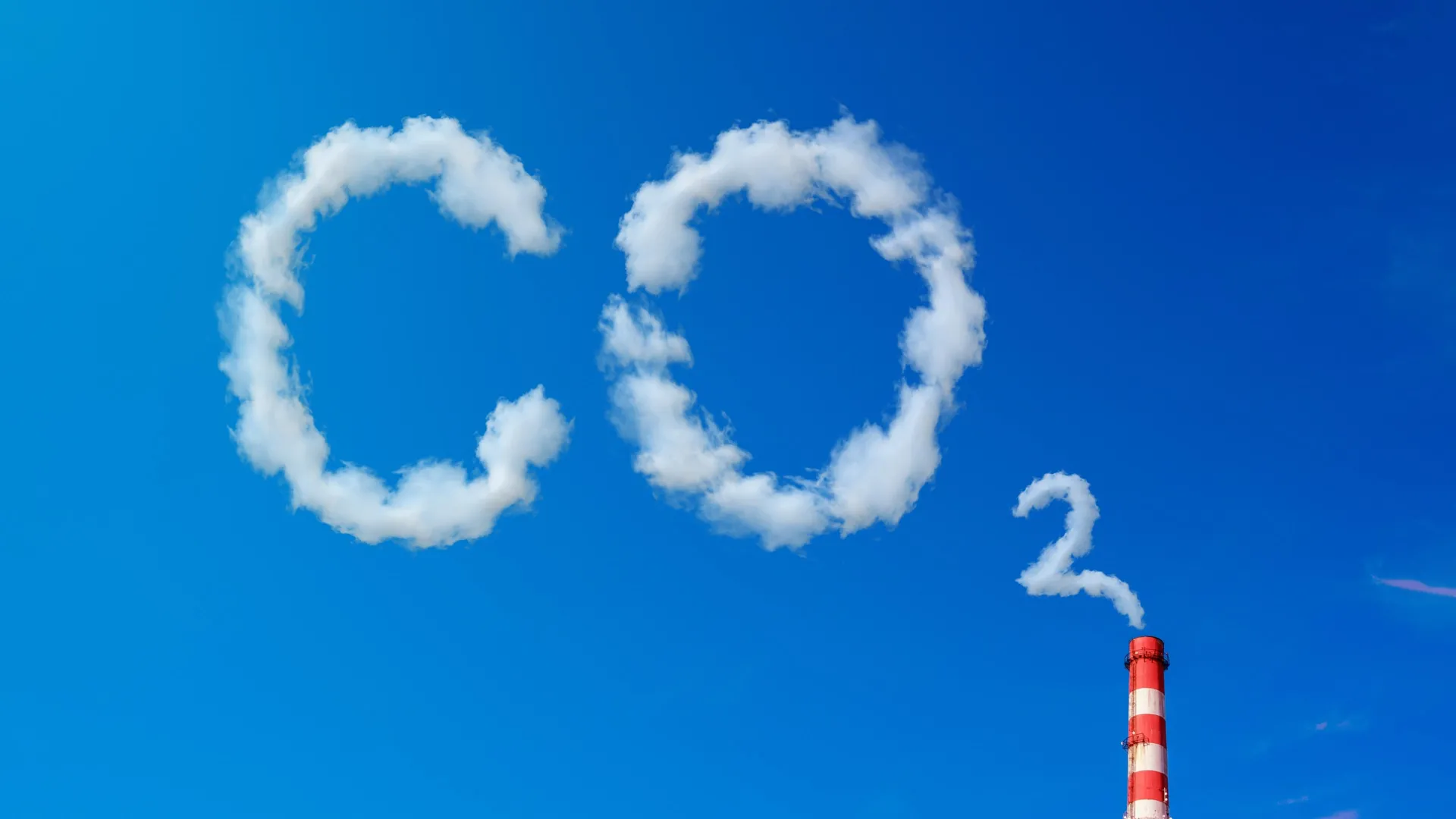
Global fossil fuel emissions are projected to fall in 2026 as renewable energy and electric vehicles gain ground, but rising emissions from deforestation threaten to push total CO2 emissions to a new record. Scientists warn that the world's remaining carbon budget for limiting warming to 1.5°C could be exhausted in less than four years, even as a lasting decline in emissions appears increasingly within reach.
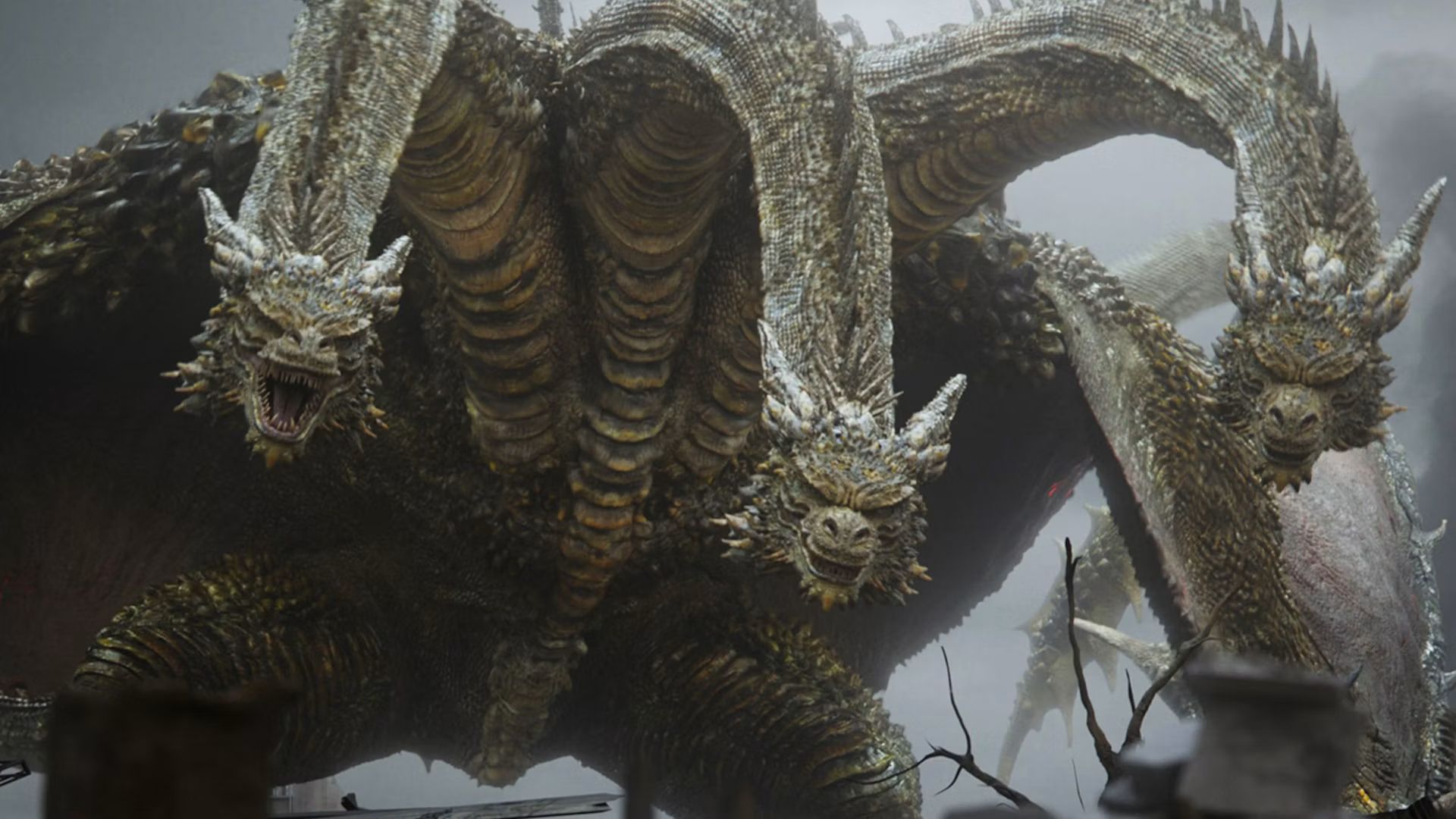
Godzilla will go toe-to-toe with long-time foe King Ghidorah in Godzilla Minus Zero. This three-headed Kaiju's origins aren't just space-based; one of the largest structures in the universe shares its name.
A major international study tracking more than 26,000 men found that very low testosterone levels were associated with an 18% higher risk of dying from cancer later in life. Surprisingly, testosterone itself showed no clear link to prostate cancer, although two other sex hormones did. Researchers believe low testosterone could be an important early warning sign of future health risks, particularly when levels fall below 8.6 nmol/L.
NASA will host a first-of-its-kind air show and aerospace expo on Florida's Space Coast this weekend —an event that shares its name with one of Homer Simpson's aliases.
For devout leaf peepers, timing is everything. A new study led by researchers from Duke University's Nicholas School of the Environment shows that leaf nutrient levels affect the onset of fall color. The findings, published in Nature Communications, could improve leaf drop forecasts and carbon cycle tracking.
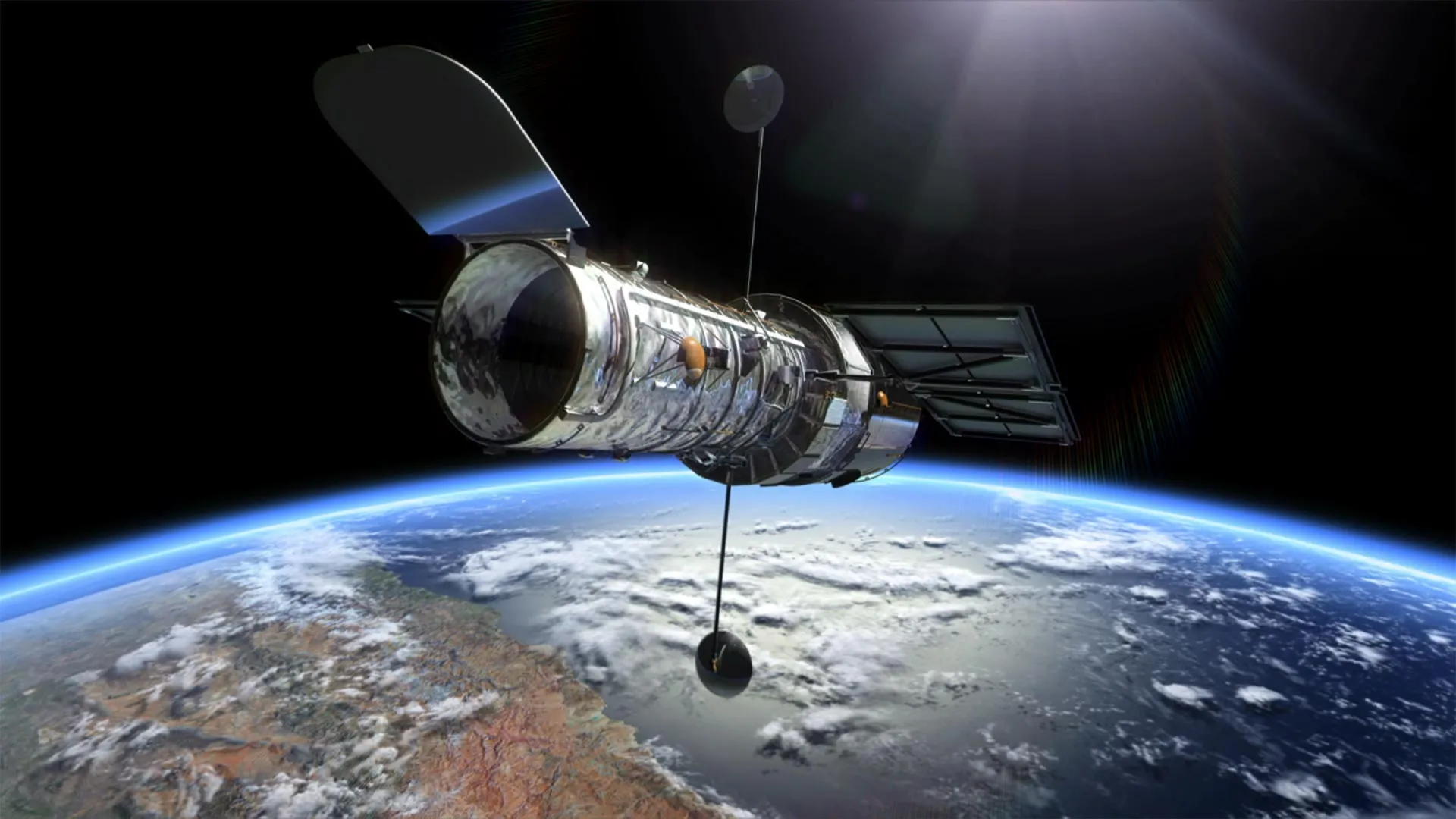
NASA is exploring a daring plan to save the legendary Hubble Space Telescope from its eventual fiery plunge into Earth's atmosphere. After more than 35 years of groundbreaking discoveries, Hubble is slowly losing altitude, and without intervention, it could fall back to Earth as early as 2033 or 2034. To keep the iconic observatory operating, NASA is asking private space companies to propose innovative ways to boost Hubble into a higher orbit, upgrade its capabilities, or safely dispose of it when its mission finally ends.
Tiny skeletal plates recovered beside fossil whale bones in southern Denmark offer a rare glimpse of life around a whale carcass approximately 9.5 million years ago. Researchers have identified a new species of brittle star, Ophiura huebnerjenseni, from the Gram Clay Pit and suggest it represents the first fossil record of brittle stars associated with a whale fall.
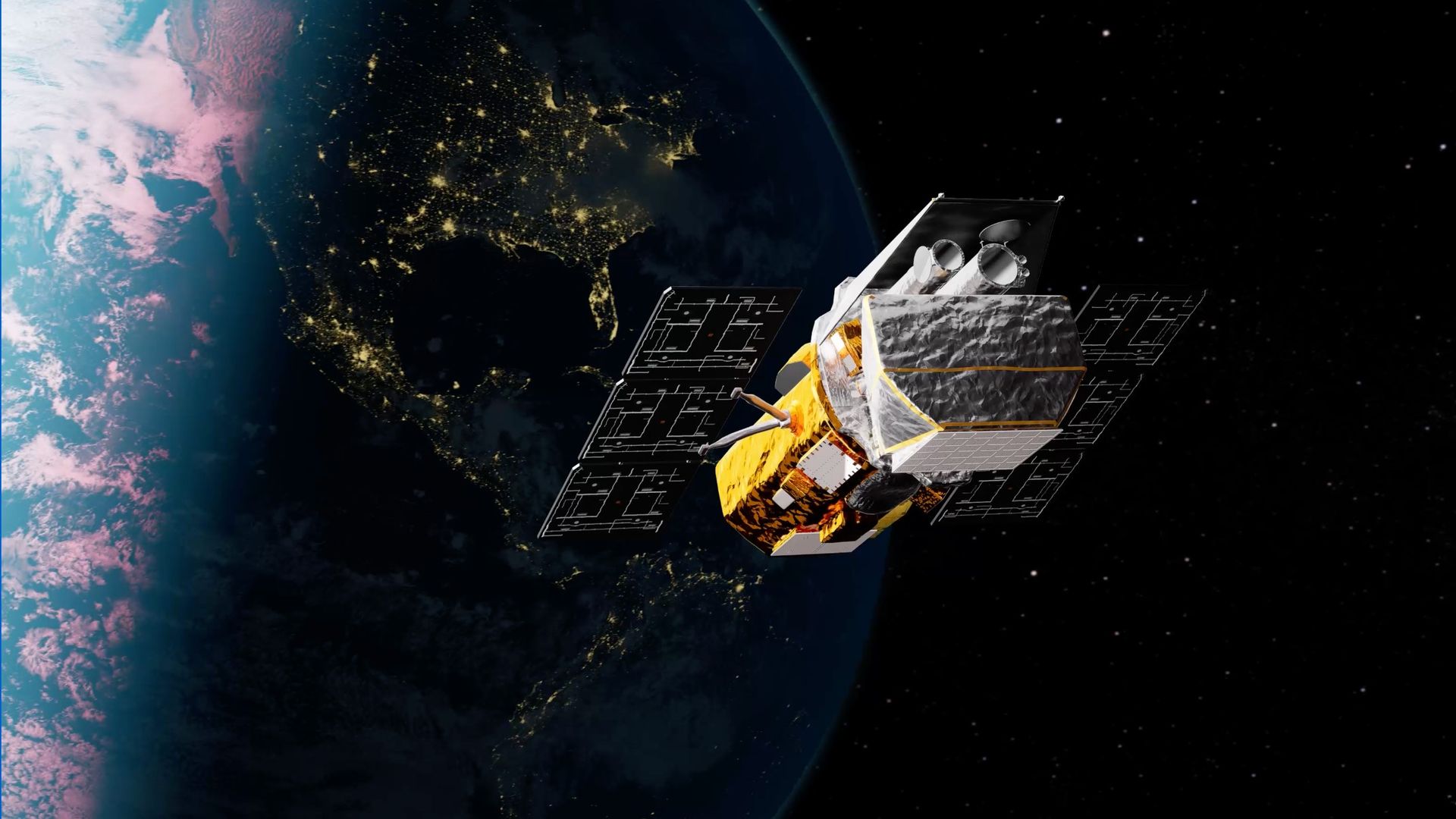
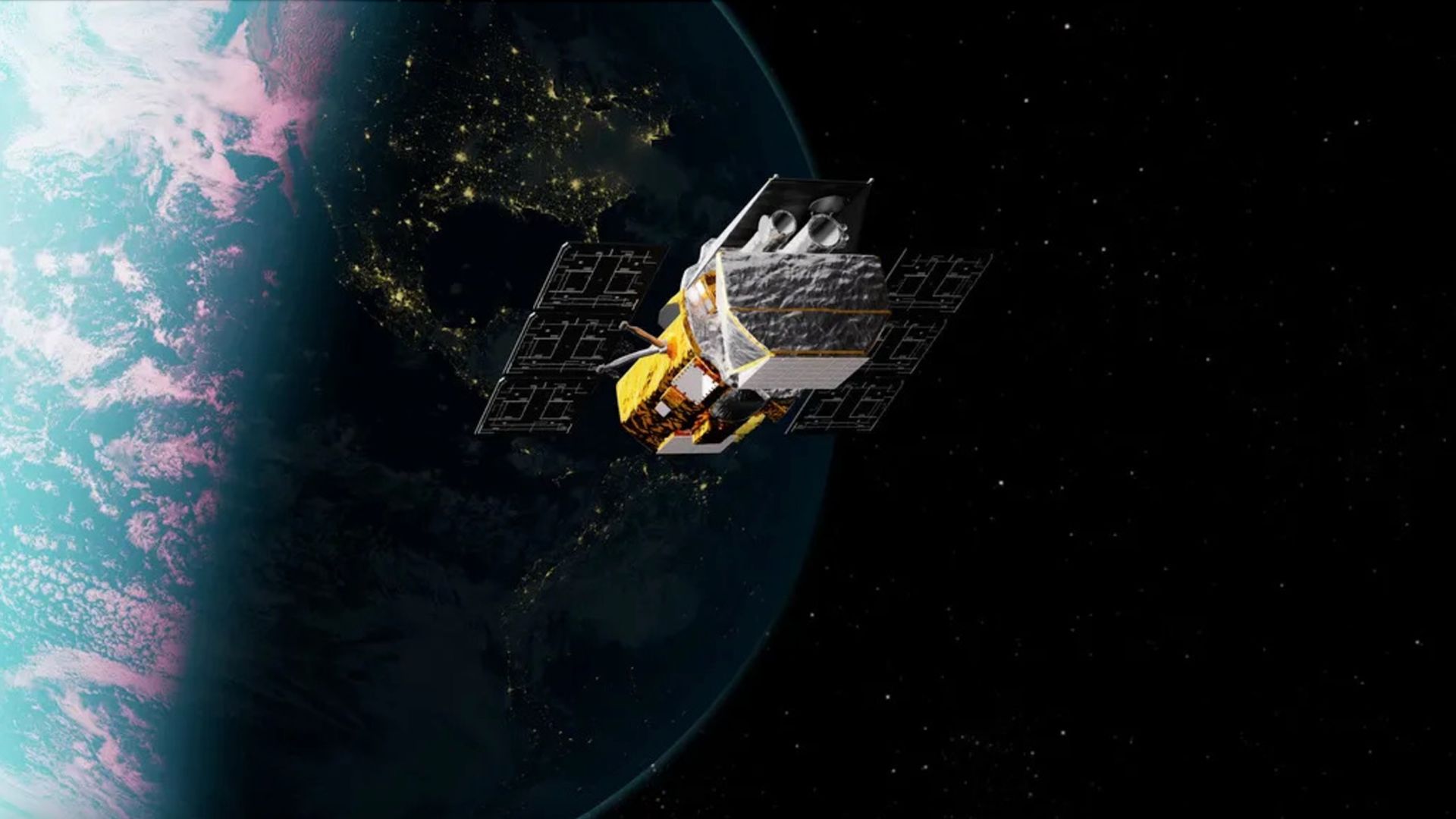
NASA's Swift Observatory is about to make a fiery reentry through Earth's atmosphere after a private mission to save it failed. Most of the spacecraft will burn up in orbit.
Mars shares many landforms and weather patterns with Earth, including changing seasons, volcanoes, canyons, dust storms, dust devils and water ice. Another feature that Earth and Mars share is polar ice caps. These are among each planet's striking features, but the major difference is that Earth's polar ice caps are both composed of water, while Mars' north polar ice cap is composed only of water and its southern polar ice cap is carbon dioxide.
It's unclear at the moment exactly when and where the Swift observatory will plunge to Earth. But researchers definitely have their eyes peeled.
Time changes are more disruptive to our health than you might think. Here are some tips for a smooth transition
About 40% of the plants and animals in protected sites across Northern Ireland fall short of meeting the standard for "favourable condition".
In this edition of Spacing Out, the team from Short Wave shares the latest developments in space science, including the theory on why the universe is made of matter