TopNewsOn

Results for “system outage”

Chiral electronics: Researchers discover a disruptive interlayer in a promising material system

Antiferromagnets are regarded as important materials for next-generation electronics. It is difficult, however, to accurately measure some of their properties. A new study by a team of researchers from Martin Luther University Halle-Wittenberg (MLU) and the Max Planck Institute for Microstructure Physics, working as part of the Cluster of Excellence Center for Chiral Electronics, explains why this is the case.

Phys.org · 3h ago
Two transcription factors reproduce the beneficial side of a 'Jekyll and Hyde' viral protein

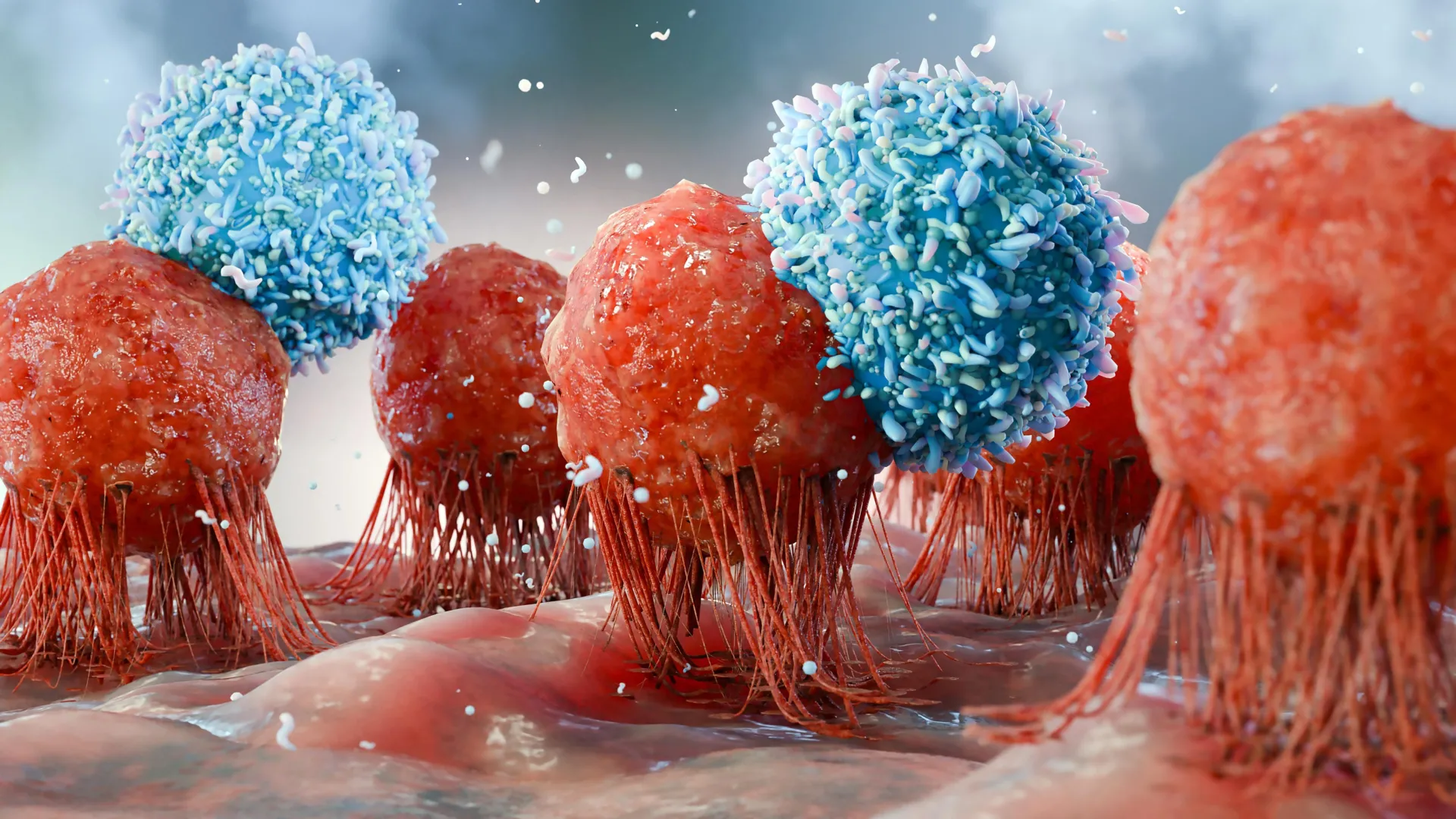
LMP1 is an Epstein-Barr virus protein that has a "Mr. Hyde" side that can promote cancer and a "Dr. Jekyll" side that can spur antitumor immune responses. Scientists at Hiroshima University have now traced key antitumor immune effects of LMP1 to two transcription factors, Spi-B and IRF1, and found that expressing the two together made tumor cells easier for the immune system to recognize and better able to activate CD8+ T cells without using the viral protein itself.

Phys.org · 4h ago
Written in sand: How dunes reveal the secrets of planetary winds

Stanford University researchers have shown that the median sand grain size in dunes on Earth and Mars reveals the speed of the winds that formed those dunes. The finding enables scientists to use sand as a wind speedometer for both modern and ancient dunes found across the solar system.

Phys.org · 4h ago
Dirty ice around young star Beta Pictoris suggests frequent collisions and sheds light on the system's formation

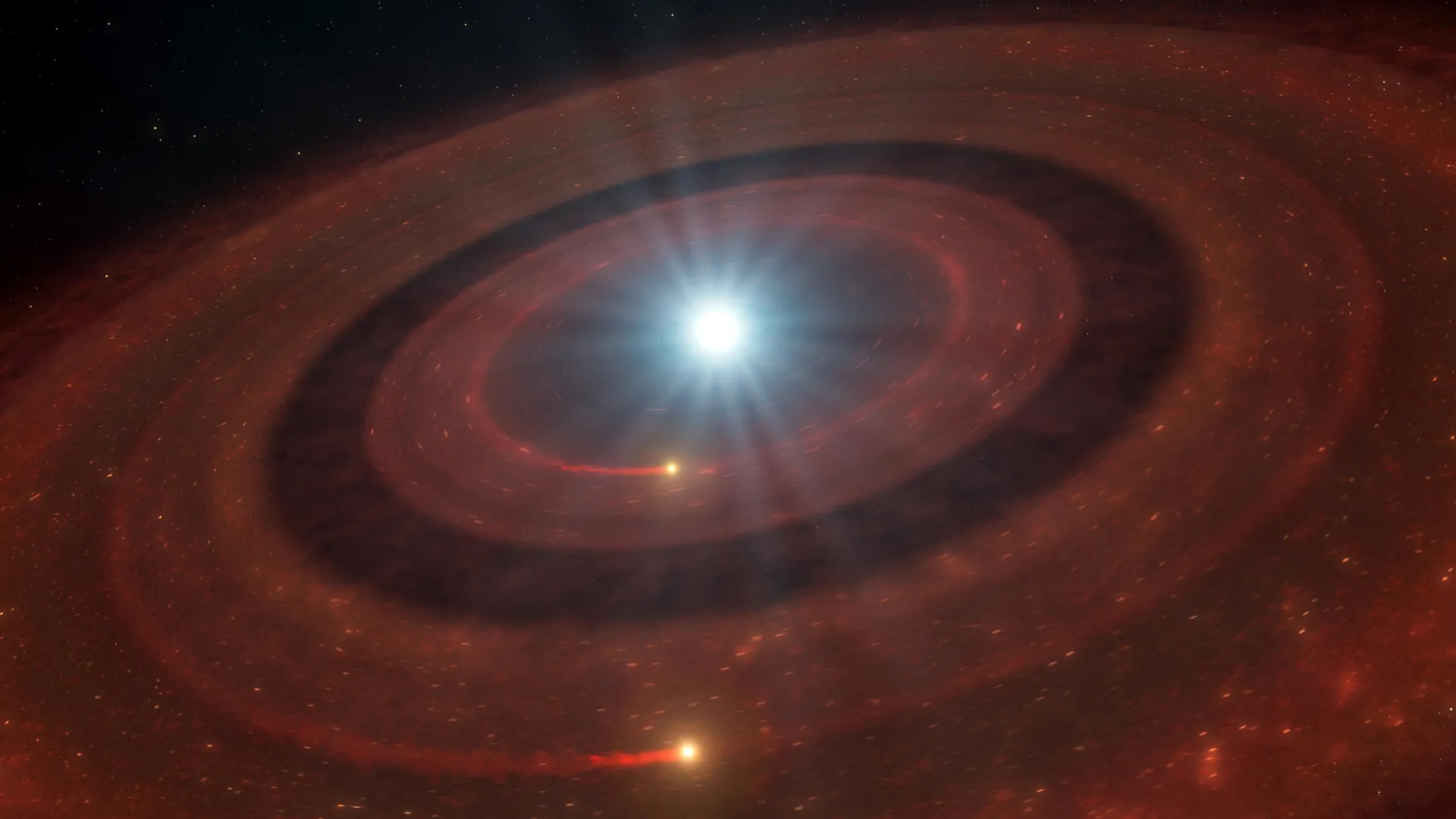
In a recent study of infrared light collected by the James Webb Space Telescope (JWST), a group of astronomers detected ice for the first time around the young star Beta Pictoris. Researchers had expected ice around Beta Pictoris, but previous searches had not directly detected it. The study, published in Science, found that the ice is mostly noncrystalline and mixed with carbon dioxide. The team says these new details provide clues about the early formation of the Beta Pictoris system and collisions that may still be occurring.

Phys.org · 7h ago
Microsoft outage shows that big tech can't be treated as too big to fail

When a massive outage hit Microsoft late last week, much of the digital world ground to a halt. The outage wiped out key Microsoft services including Outlook, Teams and Copilot, which are used by more than 430 million people around the world. As email and internal communications froze, the operations of governments and businesses went dark alongside them, triggering an economic paralysis that could cost billions of dollars.

Phys.org · 11h ago
Quantum teleportation method uses weaker entanglement to transfer encoded information

Over the past several decades, researchers have demonstrated quantum teleportation, the transfer of one quantum system's state to another, in a range of systems. However, many quantum computers encode logical qubits (units of quantum information) across groups of physical qubits, which makes teleporting the encoded state without losing information more challenging.

Phys.org · 12h ago
MIT scientists discover a surprising way to boost the brain’s nighttime cleaning system

MIT scientists discovered that carefully timed bursts of gentle pink noise during sleep can strengthen the brain’s natural cleaning waves, which help flush away potentially harmful waste. The breakthrough could pave the way for new treatments aimed at improving sleep and memory while potentially reducing the buildup of proteins linked to Alzheimer’s disease.

Science Daily · 23h ago
A simple supplement could help your immune system fight cancer and viral infections

A surprising discovery from Rockefeller University suggests that a common amino acid could play a powerful role in protecting against cancer and viral infections. Scientists found that low arginine levels interfere with the immune system's ability to recognize dangerous cells, while increasing arginine intake reduced colon cancer tumors and improved viral infection outcomes in mice. Even more remarkably, giving mice arginine after they contracted influenza helped them recover.

Science Daily · Nov 15
A common food emulsifier could solve one of rocketry's oldest fuel problems

In propulsion system design, engineers have long faced a trade-off between solid and liquid rocket fuels. Each has advantages and disadvantages, and in an effort to try to min/max the efficacy of different types of fuel, researchers have long placed an emphasis on a hybrid between solids and liquids—in other words, they've been working with gels. Unfortunately, gels have their own sets of problems to deal with.

Phys.org · Nov 14
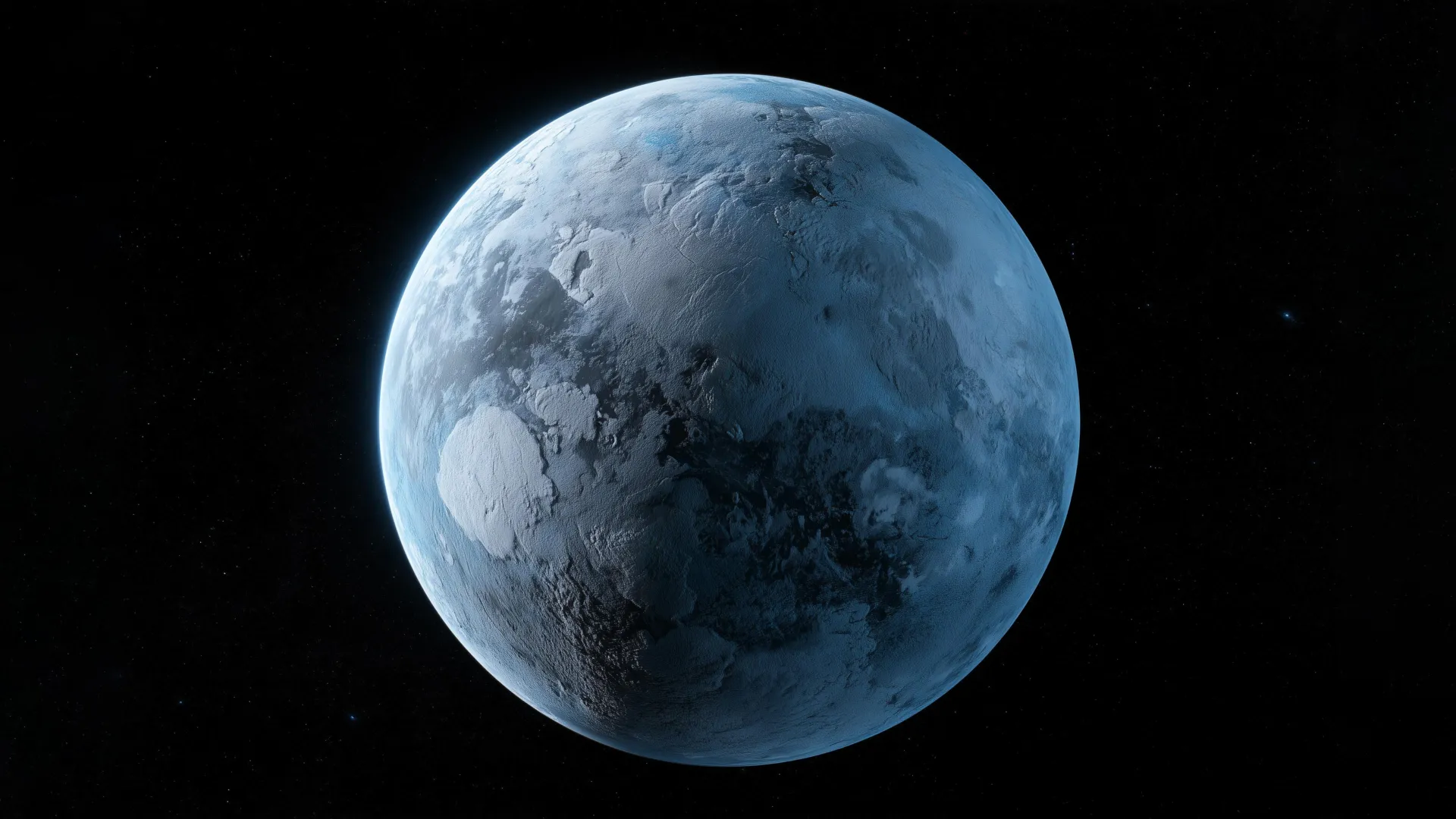
A giant icy world hiding beyond Pluto could be our sixth dwarf planet

Astronomers have uncovered a potentially enormous new dwarf planet beyond Pluto, hidden for years in one of the most crowded regions of the night sky. The discovery of 2026 ED138 could expand the solar system's official dwarf planet family and hints that more mysterious worlds may be lurking far beyond Neptune.

Science Daily · Nov 14
AI supercharges laser physics with a stunning 250x speed boost

Researchers at Stanford, UCLA, and SLAC have developed an AI system that simulates complex laser interactions thousands of times faster than conventional methods. The breakthrough allows scientists to predict how laser pulses behave inside special crystals in just milliseconds, without sacrificing much accuracy. This could dramatically improve the precision and efficiency of powerful X-ray lasers used in cutting-edge scientific research.

Science Daily · Nov 13
Cryosphere decline beyond safe planetary limits, putting conditions for human society at risk

New research published at COP31 issues a stark warning about the health of the frozen parts of the planet—ice sheets, mountain glaciers, sea ice, permafrost and snow cover—known as the cryosphere. The study, published in Science, finds that human-driven climate change is degrading these landscapes beyond safe environmental limits, systematically threatening the Earth system conditions on which humanity fundamentally depends.

Phys.org · Nov 13
Optical system maps multiple infrared fields onto one small detector

Researchers from the Changchun Institute of Optics, Fine Mechanics and Physics of the Chinese Academy of Sciences have developed an optical system that focuses light from several subfields onto a single small-format detector. By analyzing field-dependent spot shapes, the system identifies which subfield an isolated infrared target comes from. In sequence-level tests, it identified the correct field in about 89% of cases. The study is published in Optics and Laser Technology.

Phys.org · Nov 13
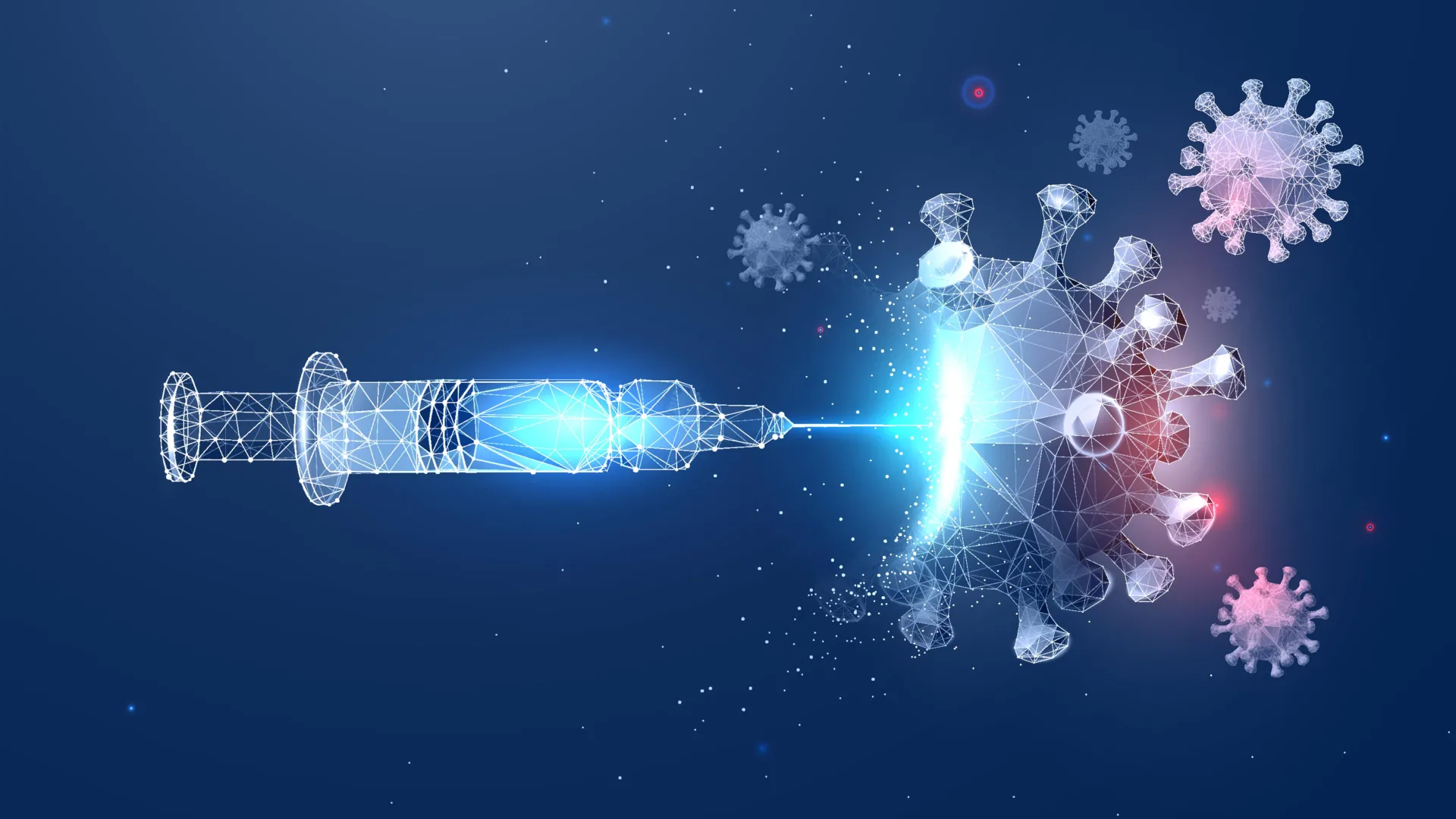
Scientists discover a hidden danger of viral infections that vaccines may prevent

A new study reveals that viral infections may leave behind hidden damage to the immune system long after symptoms disappear. Researchers found that mice recovering from an acute infection experienced lasting changes to their spleens and weakened immune responses, potentially leaving them more vulnerable to future threats. Surprisingly, prior vaccination completely prevented these harmful changes in the mouse model.

Science Daily · Nov 13
Ancient climate records reveal how East Asian monsoon shifted abruptly into cold and drought

How does climate change affect the East Asian monsoon? Researchers from Utrecht University's Faculty of Geosciences, together with colleagues at research institutes in China and Belgium, are investigating this question by looking back 250,000 years. They found that, over long timescales, the monsoon system tracks changes in incoming solar radiation caused by variations in Earth's orbit and tilt. But when radiation falls below a certain threshold, abrupt periods of extreme cold and drought occur, particularly when atmospheric CO₂ concentrations are low. The study was published in Communications Earth & Environment.

Phys.org · Nov 12
Space dust particles point to ancient heavy-oxygen water reservoir in the Kuiper belt

Way out past the asteroid belt, another belt encircles the planets in our solar system. The Kuiper belt, beyond Neptune, preserves icy bodies that escaped much of the processing experienced by objects closer to the sun. Unlike the rocky and metallic asteroid belt, Kuiper belt objects are composed mostly of frozen water, methane and ammonia, mixed with rock and dust.

Phys.org · Nov 12
A rare star system emits radio signals every 8 minutes

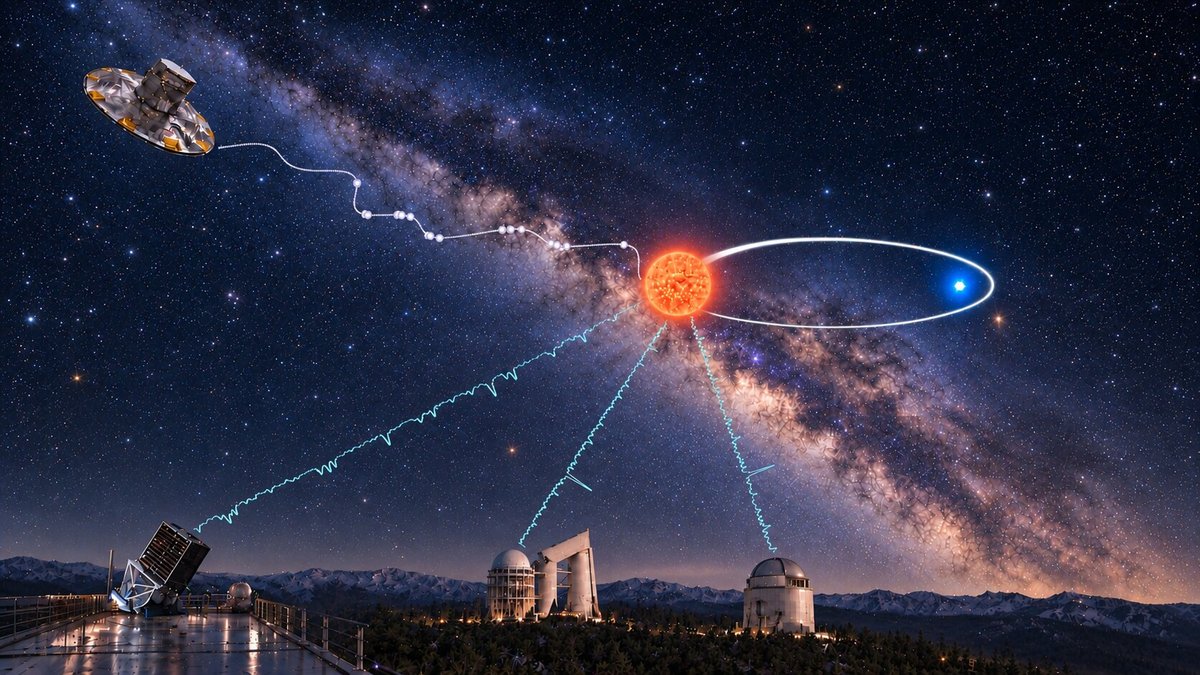
Scientists at the Curtin University node at the International Center for Radio Astronomy Research (ICRAR) have linked mysterious radio pulses to an unusual pairing of stars—a dead star that spins every eight minutes and a star similar to our own sun.

Phys.org · Nov 12
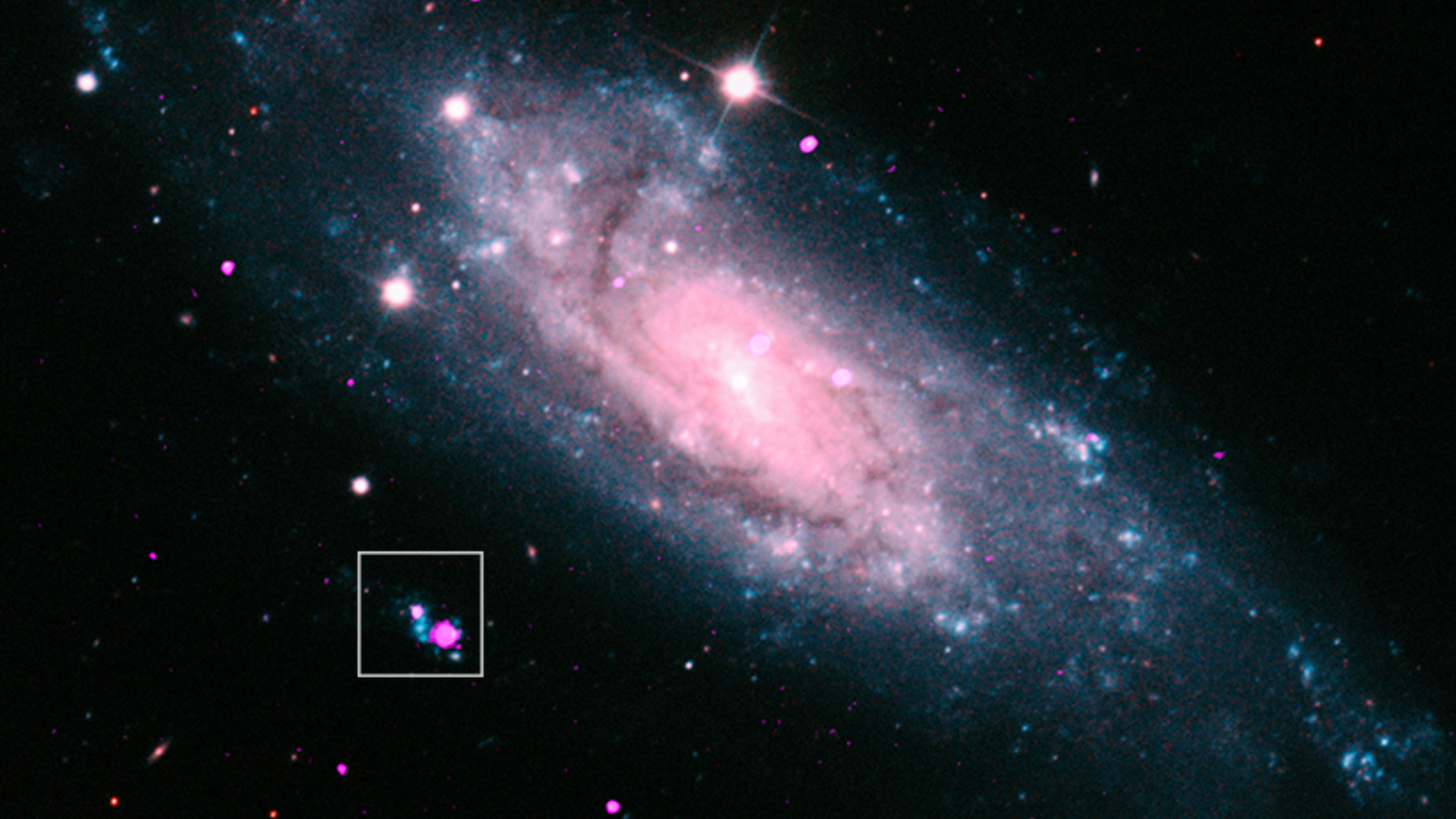
A suspected black hole turns out to be a rapidly spinning star

Sometimes massive stars can mimic the behavior of a black hole and trick astronomers into misinterpreting their nature. Such is the case with a strange pair of stars in the Large Magellanic Cloud (LMC) cluster NGC 1850. The system was initially thought to contain a star about five times the mass of the sun orbiting a stellar-mass black hole. Now, a new study led by Rhys Seeburger of Liverpool John Moores University demonstrates that this is a black hole "impostor" system. The research paper was posted to the arXiv preprint server on Oct. 27.

Phys.org · Nov 12
Asteroid mining will crash the platinum market, but that's good news for Earth

Science fiction authors have been dreaming of robotic spacecraft harvesting fortunes from asteroids for decades. Humanity is slowly getting closer to that reality. But if you ask asteroid mining skeptics, they will usually ask one specific question—what happens to the prices of all those rare materials once someone actually brings them back? A pair of system dynamicists from MIT directly tackled that question with a new paper titled Will AstroForge Collapse the PGM Market?

Phys.org · Nov 11
Record-breaking 2025 Iberian fire season was three times larger due to climate change

The latest global State of Wildfires report, co-led by the University of East Anglia, shows that the extreme fire-prone weather experienced across Spain and Portugal in 2025 was three times more likely due to human-caused climate change, and the area burned was three times larger. The paper is published in Earth System Science Data.

Phys.org · Nov 11
Argon on Uranus and Neptune may reveal more about their origins than their interiors

Measurements of an argon isotope could help scientists understand whether the interiors of Uranus and Neptune, our solar system's so-called ice giants, are dominated by ice or rock. New research led by Southwest Research Institute (SwRI) and published in The Planetary Science Journal measured the planets' atmospheric argon-40 to estimate the amount of rock found beneath their surfaces and search for clues about the planets' origins, including where and how they formed.

Phys.org · Nov 11
Bennu asteroid analysis suggests unexpected origins for organics in space

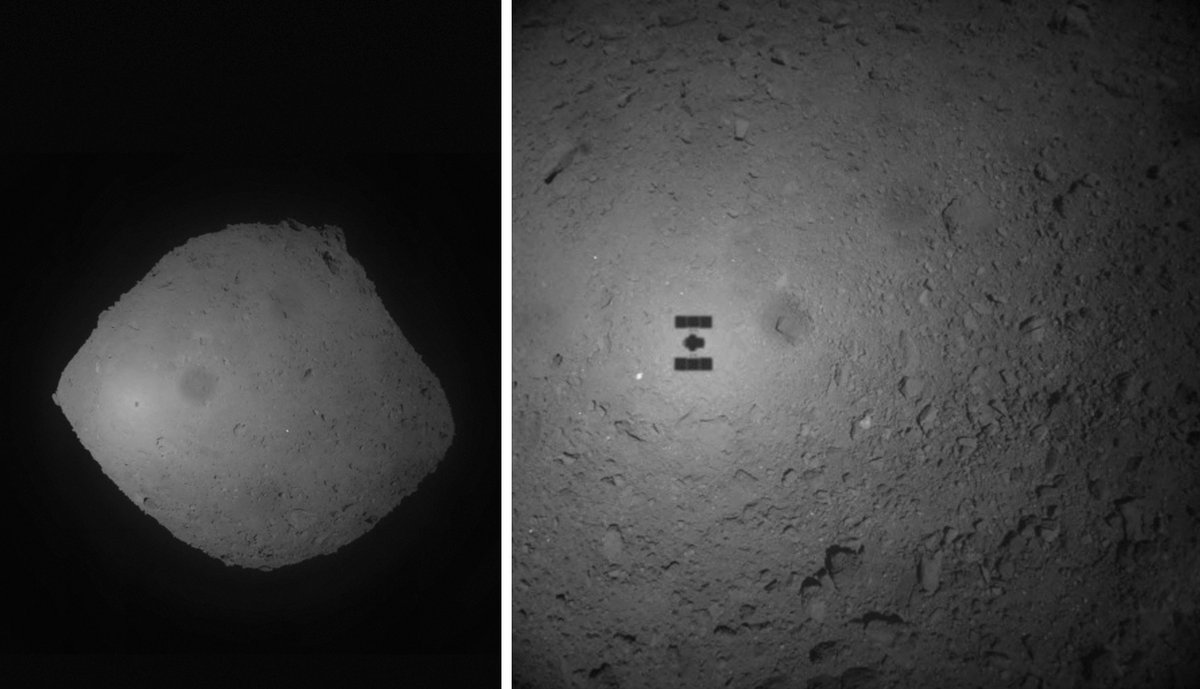
Samples from the Bennu asteroid, which is currently more than 200 million miles (322 million kilometers) from Earth, and the Murchison meteorite, which fell to Earth in 1969, both contain molecules that build proteins necessary for life. New research has found that the molecules may have formed through the same process but originated far from one another in the solar system.

Phys.org · Nov 11
How ripples in space-time can reveal new exoplanets

The LISA (Laser Interferometer Space Antenna) observatory, now in development, will detect gravitational waves, the tiny ripples in space-time caused by orbiting masses. Now two studies led by NASA astrophysicists show in new detail how LISA could reveal a new and unique population of exoplanets—worlds beyond our solar system—throughout our galaxy.

Phys.org · Nov 11
Scientists anchor first scientific animal name to a modern-day spider

Scientists led by the Smithsonian's National Museum of Natural History have restored the physical reference of one of the most historically significant names in biology. In a paper published in Taxonomy, researchers designated a new type specimen, or neotype, for Araneus angulatus, the first animal species described using binomial nomenclature, the two-part naming system that scientists use today to identify and classify living organisms. The designation reconnects the name to a physical specimen decades after the original name-bearing spiders disappeared.

Phys.org · Nov 10
Earth's 'core carbon' may have come from the far reaches of the solar system

A new study suggests that most of Earth's carbon originated in the outer solar system and didn't arrive here until the late stages of planetary development. The study, led by researchers at Yale and Columbia, is based upon an analysis of magma droplets called "melt inclusions" from historic volcano eruptions in Hawaii, including the Keanakākoʻi eruptions from 1500 to 1840 and the Kīlauea Iki eruption in 1959.

Phys.org · Nov 10
Protein-building RNA molecules reveal possible remnants of an ancestral genetic code

The genetic code determines the correspondence between genetic instructions and amino acids—the building blocks that form proteins. How this correspondence arose is one of the major open questions in evolutionary biology. A study led by Dr. Lluís Ribas de Pouplana, ICREA researcher at IRB Barcelona, and Dr. Paul Schimmel, with the participation of researchers from MIT and Scripps Research, has identified conserved signals in transfer RNAs that could help reconstruct the early stages of this system.

Phys.org · Nov 10
Cancer uses antioxidants to disarm the immune system, scientists discover

Scientists have discovered that tumors release natural antioxidants to shut down the immune cells responsible for destroying cancer, exploiting a surprising weakness in the body's defenses. Blocking this mechanism in mice restored immune activity and improved immunotherapy responses, potentially opening a new path toward more effective cancer treatments.

Science Daily · Nov 10
New perovskite system extends room-temperature spin polarization via successive quantum wells

A research team led by Lu Haipeng, a professor in the Department of Chemistry at The Hong Kong University of Science and Technology (HKUST), has achieved a breakthrough in preserving spin information for optoelectronic technologies. The team has developed a perovskite chiral multiple quantum-well system that maintains spin polarization approximately 300 times longer at room temperature. The study opens new possibilities for future quantum technologies and next-generation spin-based applications. The study was published in the journal Nature Photonics.

Phys.org · Nov 9
Smart use of trees and crops brings best yield

Cultivating crops—such as wheat, barley and rye—alongside rows of trees is a system of agroforestry that is known as "alley-cropping." It serves many functions: in addition to enhancing ecosystems and biodiversity, it can also counteract the negative effects of growing crops in treeless open land. The advantages of alley-cropping come from the interaction between trees and crops, resulting in improved soil quality, reduced wind erosion, enhanced nutrient cycling, and climate change mitigation through increased carbon capture.

Phys.org · Nov 9
Medical breakthrough offers hope to people with same stiff person syndrome as Céline Dion

Some patients with autoimmune condition, taking part in trial, have been able to return to work and resume hobbies Doctors have made a potentially significant breakthrough in the hunt for a treatment for stiff person syndrome, the autoimmune condition which affects the singer Céline Dion. Stiff person syndrome (SPS) is a rare disease that attacks the central nervous system and can cause devastating rigidity throughout the body and painful muscle spasms. Despite decades of research, there is no cure. Continue reading...

The Guardian · Nov 9
A compound hidden in broccoli could help fight a devastating genetic disease

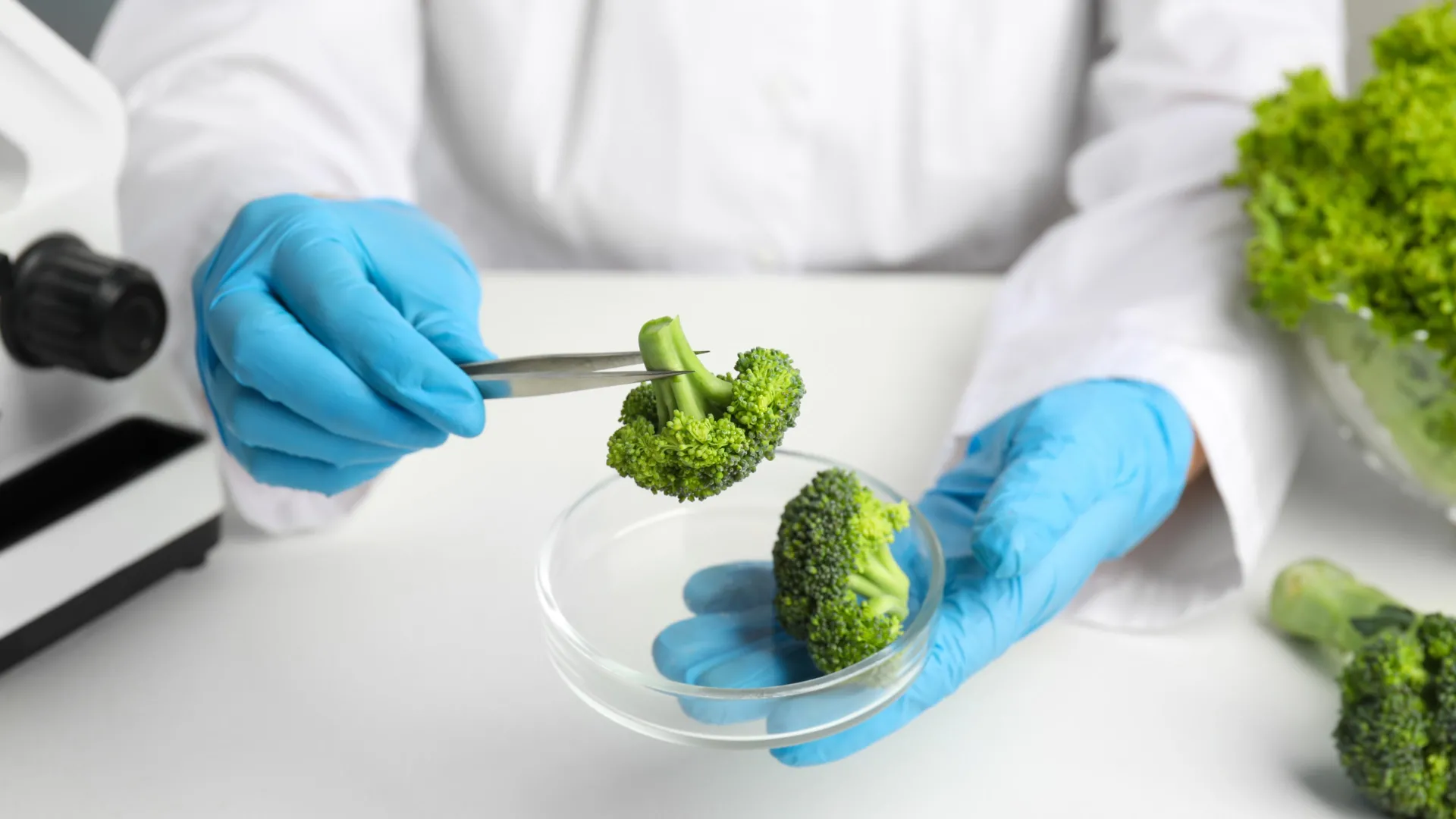
A compound naturally found in broccoli could help fight Friedreich ataxia, a devastating genetic disease that progressively damages the nervous system, by boosting a vital protein and protecting nerve cells. Scientists hope the discovery could lead to an affordable treatment, although clinical trials are still needed to establish its effectiveness in patients.

Science Daily · Nov 6
A dead star's mysterious rings reveal what could happen when our Sun dies

Astronomers have discovered a strange double ring of planetary wreckage around a dead star, revealing a possible preview of our Solar System's distant future. The two rings are separated by a mysterious gap that researchers believe is maintained by surviving planetary bodies, including one potentially as large as Pluto or the Moon. Their different chemical compositions suggest they may contain the remains of separate destroyed planets.

Science Daily · Nov 6
New method measures microplastics in the air using an uncrewed aerial system

Microplastics have been found in our bodies and the food we eat—and even in remote environments around the world, including seawater and ice in the Arctic. Despite their prevalence, little is known about how they move through the atmosphere. New CIRES-led research, which demonstrates a new method for sampling microplastics in the atmosphere using an uncrewed aerial system (UAS), aims to change that. The findings are published in the journal Scientific Reports.

Phys.org · Nov 6
Quantum gas microscope reveals individual atoms in first tunable three-component Hubbard system

For the first time, an international team of researchers from Germany, Thailand, India, China and the United States has created a three-component Hubbard system with tunable interactions in the laboratory. In doing so, the team used a quantum gas microscope to make the individual atoms visible. The study, published in Science, provides an important foundation for future quantum simulations of nuclear physics and materials science.

Phys.org · Nov 6
New 3D microscope packs many imaging tools into one system

An international team of researchers led by UT Southwestern Medical Center has developed a versatile light-sheet microscope that captures 3D views of biological samples, from activity inside living cells to larger tissues. Designed to make detailed imaging much simpler and faster, the approach could help laboratories stretch equipment budgets and expand research that may ultimately inform patient care.

Phys.org · Nov 6