Reparations can work when claims are grounded in solid evidence (opens Phys.org in a new tab)
At the Commonwealth summit in Antigua in November 2026, Britain's King Charles expressed sorrow for Britain's role in the slave trade.
Phys.org · Nov 23

At the Commonwealth summit in Antigua in November 2026, Britain's King Charles expressed sorrow for Britain's role in the slave trade.
A year after scientists at the Smithsonian Tropical Research Institute (STRI) in Panama reported the first recorded failure of the Gulf of Panama's seasonal upwelling, a follow-up study now documents how that failure moved through the system, from wind to plankton to fish to exports, using records that fishing companies rarely share.
Despite all the hype about a new space economy, humanity has yet to reap much benefit from off-world mining, manufacturing or space tourism.
At an astonishing 194 years old, Jonathan the giant tortoise is the world's oldest living land animal, and scientists may have finally uncovered the secrets behind his extraordinary lifespan. Researchers identified 287 unique genetic variants linked to processes that help repair damaged DNA, control inflammation, regulate insulin, and suppress cancer.
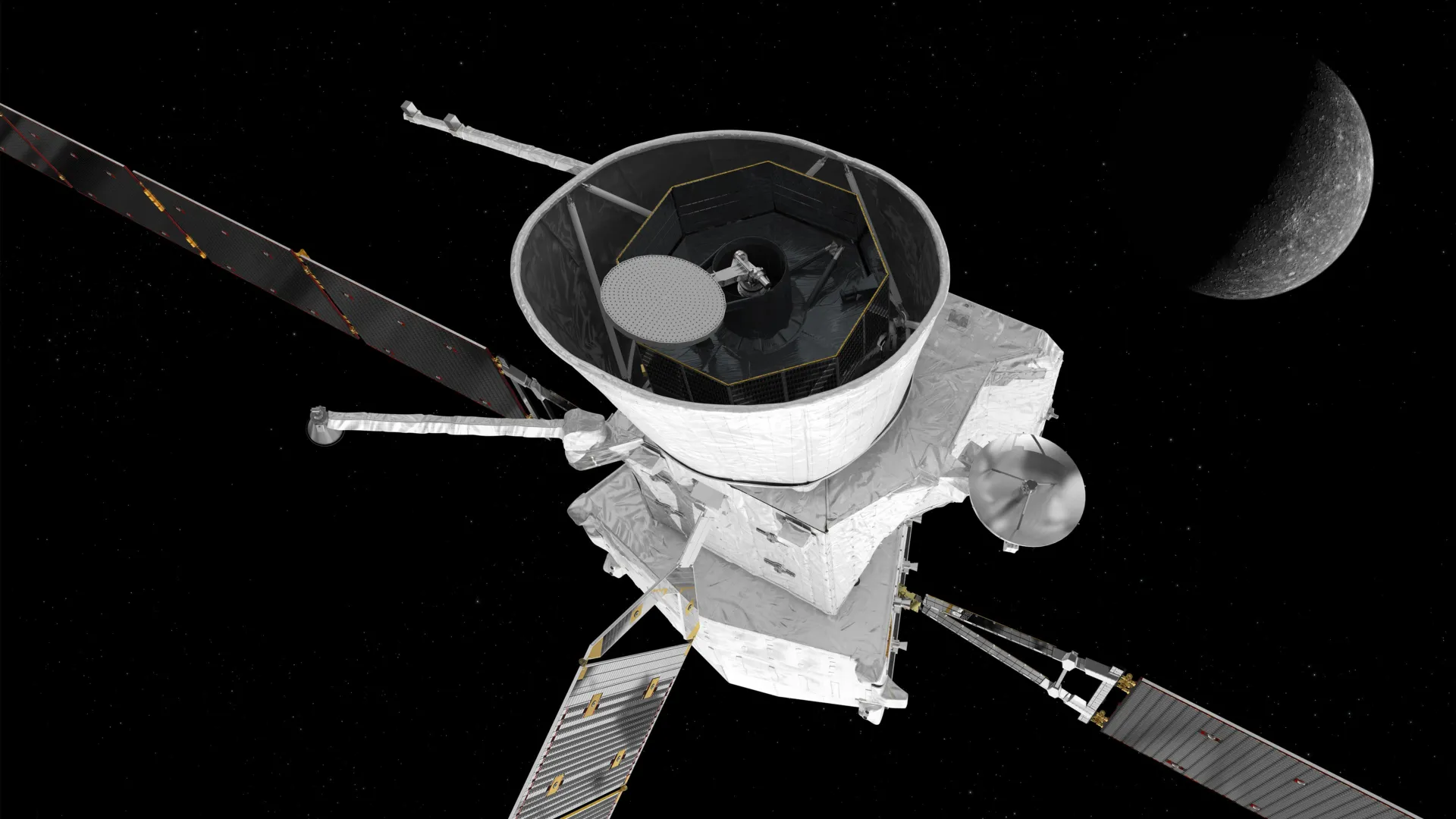
After eight years and 10 billion kilometers in space, a groundbreaking X-ray telescope heading to Mercury has captured its first cosmic observations and is performing even better than scientists expected. The instrument could soon reveal Mercury's hidden chemical secrets and transform our understanding of how the solar system's smallest planet formed.
Researchers recently used multispectral imaging technology to try to uncover hidden information from medieval manuscripts at the Rare Book and Manuscript Library at the University of Illinois Urbana-Champaign. The library hosted a digital imaging workshop in early October that served as a pilot study for how the technology can help analyze fragile, centuries-old documents.
Extreme weather events are posing significant risks to international oil and natural gas shipping, with the potential to damage critical infrastructure, disrupt major trade routes and threaten energy security, according to a new IEA report.
Chronically lonely people are less likely to buy products that benefit others, such as fair-trade or child-labor-free goods, according to a new study by researchers at Concordia and the University of the Fraser Valley. The team ran four studies involving more than 1,400 participants across North America. Each person completed a standard loneliness questionnaire, then chose between ordinary products and versions that cost 15% to 20% more but carried an ethical or environmental label. Items included toothpaste, chocolate bars, jackets and backpacks.
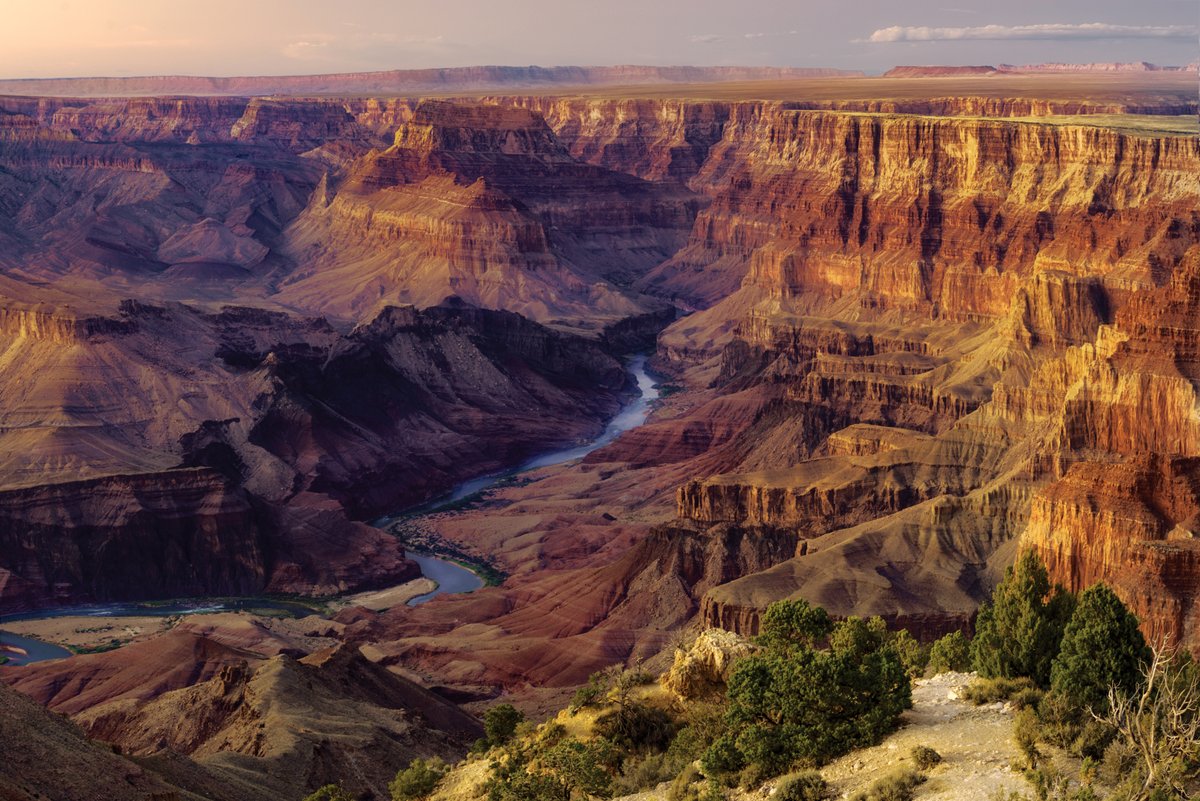
After six million years, the Grand Canyon is finally giving up its secrets
Stanford University researchers have shown that the median sand grain size in dunes on Earth and Mars reveals the speed of the winds that formed those dunes. The finding enables scientists to use sand as a wind speedometer for both modern and ancient dunes found across the solar system.
In propulsion system design, engineers have long faced a trade-off between solid and liquid rocket fuels. Each has advantages and disadvantages, and in an effort to try to min/max the efficacy of different types of fuel, researchers have long placed an emphasis on a hybrid between solids and liquids—in other words, they've been working with gels. Unfortunately, gels have their own sets of problems to deal with.
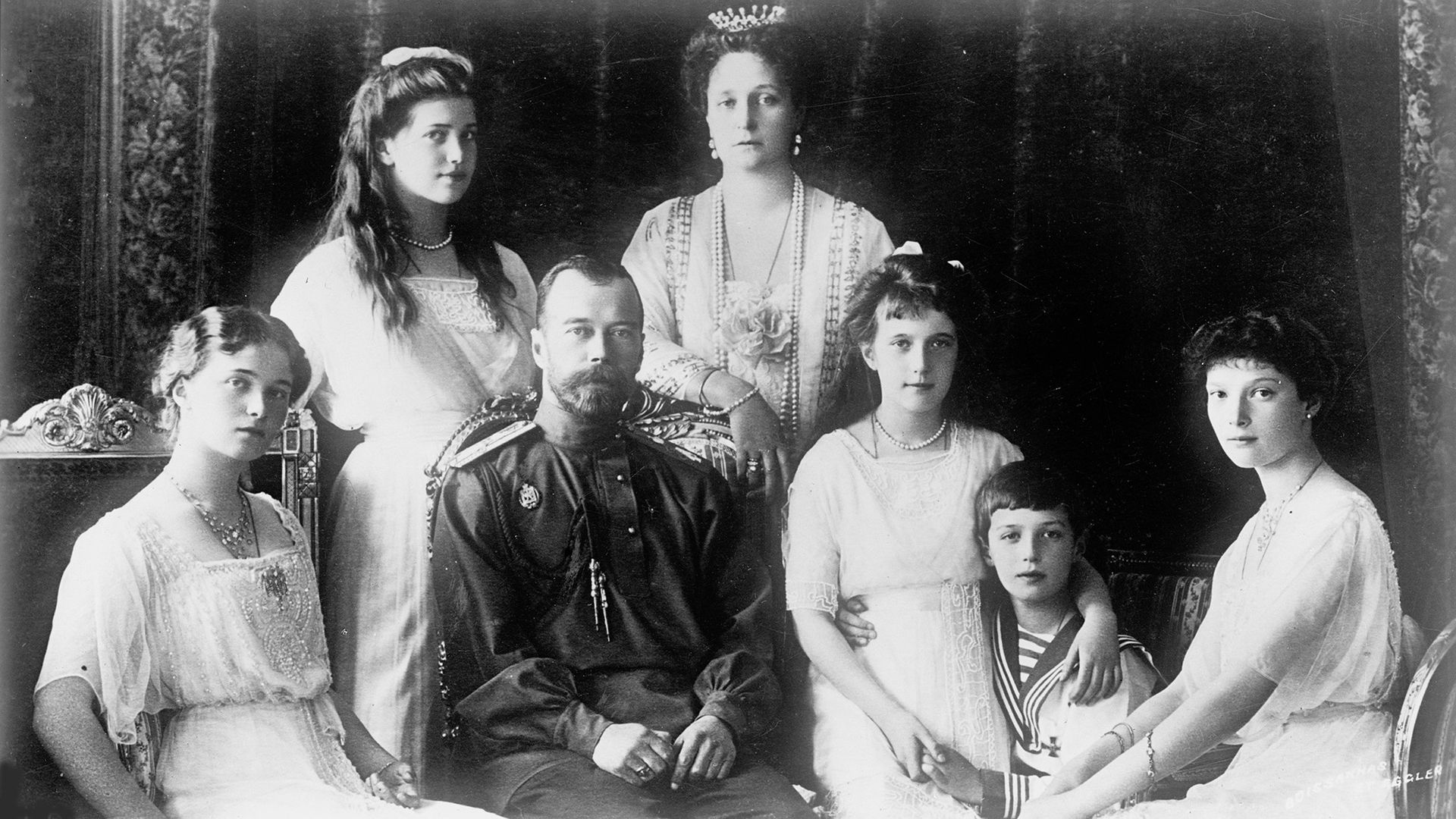
In this excerpt from "The Secrets of our DNA," geneticist Turi King examines how DNA was used to reveal the ultimate fate of the last members of the House of Romanov.
'This city has corruption, secrets and murder. It's my job to discover the truth'
Every few years, an unusual warming of surface waters across the central and eastern tropical Pacific—known as El Niño—reorganizes atmospheric circulation worldwide, bringing severe droughts to some continents and torrential rainfall to others. For decades, oceanographers and meteorologists have mapped the intricate internal machinery behind the El Niño–Southern Oscillation (ENSO), from shifting trade winds to subsurface ocean waves.
Researchers have discovered that a familiar tropical butterfly actually belongs to three nearly identical species, including one previously unknown to science. Hidden ultraviolet wing patterns and DNA differences revealed the truth, leaving scientists puzzled about how the butterflies remain genetically separate despite living side by side.
A fresh look at Einstein's equations suggests that gravity can sometimes snap and reconnect, similar to magnetic field lines on the sun. The findings hint at a new way that gravity and matter can trade energy.
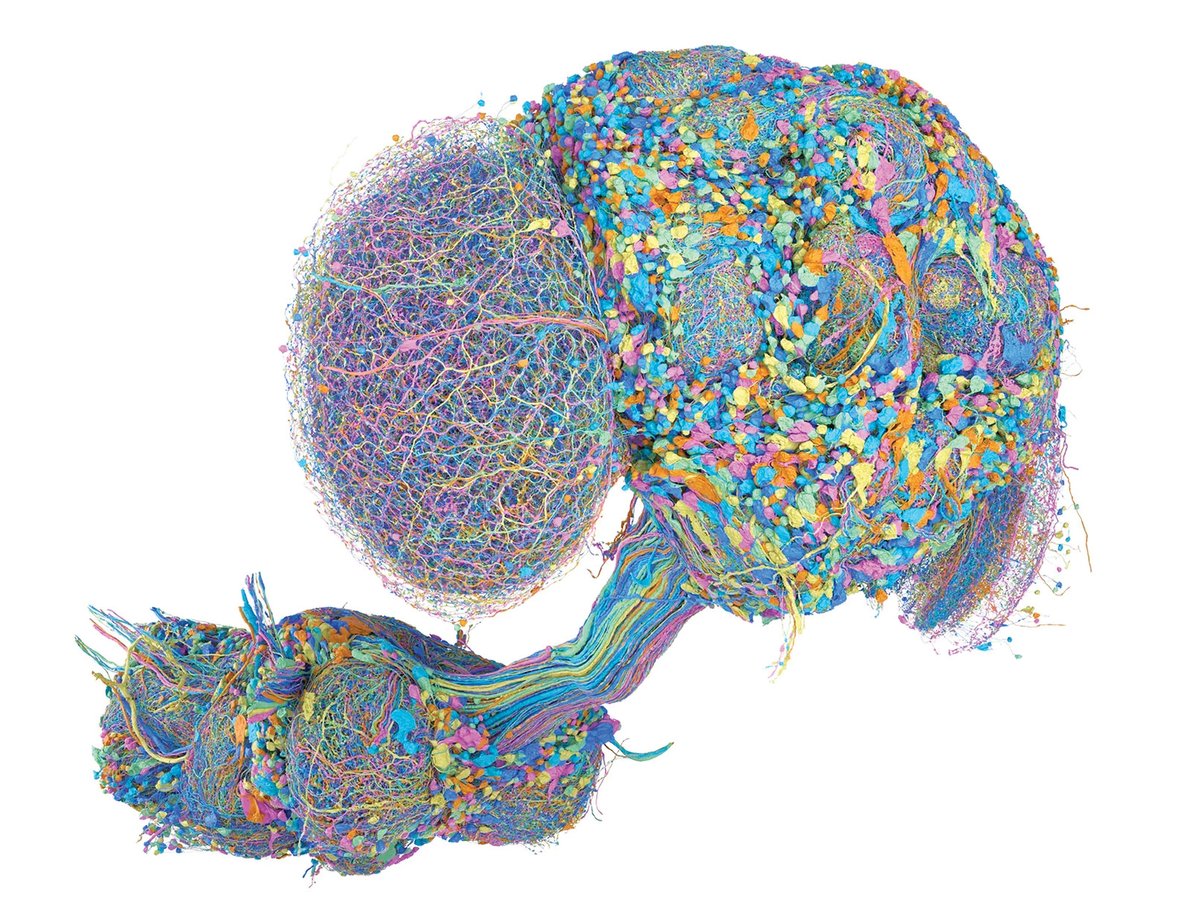
Researchers created a new map of the fruit fly brain. Then the Internet found it
When the U.S. Federal Reserve announces a change in its interest rate, consumers expect shifts in borrowing costs elsewhere and potential price adjustments for things like housing and some consumer goods. New research, however, shows that stock market analysts generally give a collective "meh" around the time of Fed meetings when it comes to forecasting how much stocks will trade for in the future, called a price target.
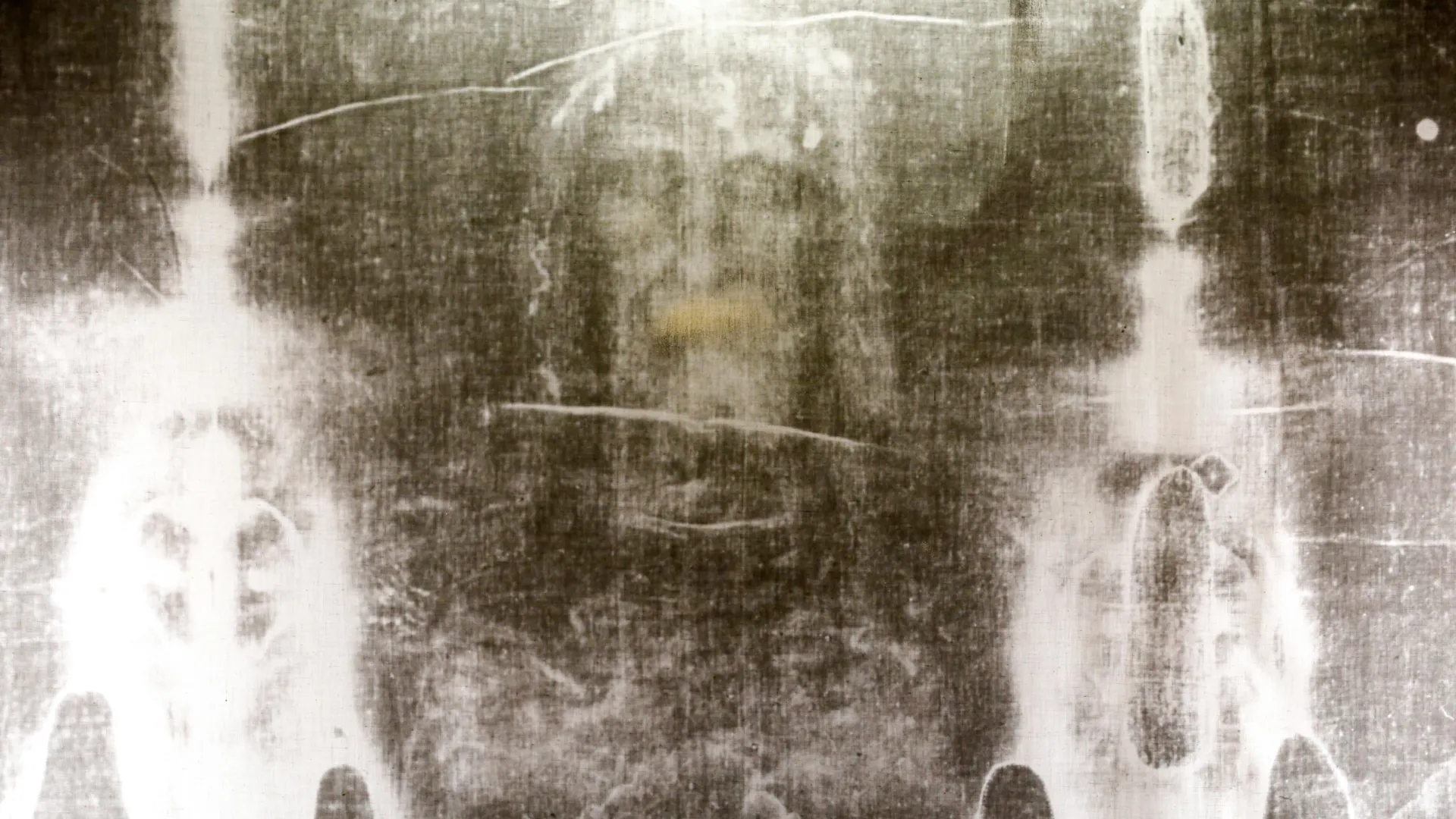
The Shroud of Turin, one of history's most mysterious religious artifacts, is yielding surprising new clues through DNA analysis. Scientists have uncovered a complex mixture of biological traces that may reveal more about the cloth's past and the environments it encountered. The findings offer a fresh scientific perspective on a centuries-old mystery that continues to spark fascination and debate.
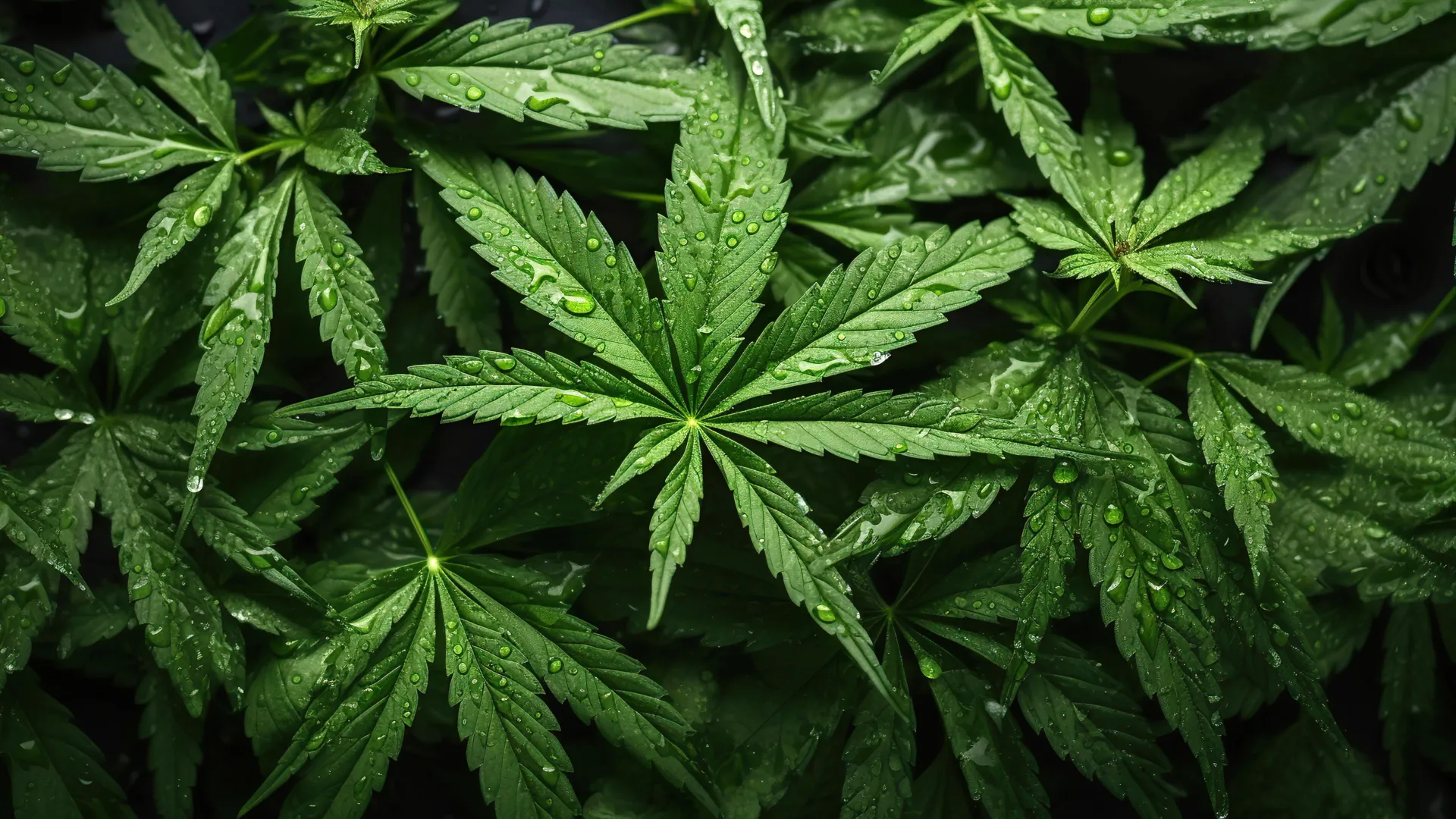
Scientists investigating a 2,800-year-old Siberian tomb discovered roughly 1,000 cannabis seeds and chemical evidence suggesting ancient Scythians used the plant for its intoxicating effects. The remarkable find, surrounded by evidence of elaborate burial rituals and animal sacrifices, offers the oldest directly dated archaeological evidence of psychoactive cannabis use.
During four days on Washington's Olympic Peninsula, I saw an Olympic marmot, a species found nowhere else on Earth; four bumblebee species working the same lavender plant; three western hermit crab species new to me; and five orcas slicing through the dark water off Ediz Hook. Any one of them could have been the trip's highlight.
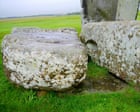
Geologists say they are getting closer to solving mystery as tests suggest stone may have come from elsewhere in Scotland, northern England or even Ireland They spent countless hours on weather-battered Scottish hills, a hardy band of geologists searching for the origin of one of Stonehenge’s most intriguing features. But the prehistoric monument tends to yield its secrets reluctantly, and a new scientific report reveals that the origin of Stonehenge’s altar stone remains elusive – and the wind-whipped geologists may very well have been looking in the wrong spot anyway. Continue reading...
A team led by Vojtěch Brlík from Charles University in Czechia and the University of Guelph in Canada analyzed data from more than 2,300 birds tracked using miniature devices to find out how closely linked individual stages of the migratory birds' annual cycle are. The scientists were also interested in whether these linkages break down at a certain stage and whether late-departing individuals can make up for their delay.
To guard proprietary know-how, many firms separate their inventors into independent groups so that no single employee sees too much of the organization's knowledge. New research published in Strategic Management Journal finds that when U.S. states strengthened trade secret law, high-tech firms relied less on this kind of compartmentalization and connected their inventors more broadly—and the inventions that followed had greater technological impact.
Female mandrills are more likely to experience pregnancy loss when they are simultaneously nursing an infant, which may reflect a physiological trade-off between current and future offspring, according to a study by Nikolaos Smit at the Max Planck Institute for Evolutionary Anthropology, Germany, and the University of Turku, Finland, and colleagues, published in PLOS Biology.
The demand for donkey hides has grown exponentially over the past 15 years, driven mainly by demand from China. Lauren Johnston is a specialist on China trade with Africa. She has spent several years looking into the donkey trade, and has just published a book, "China, Africa and the Market for Donkeys." She answers questions about what she found.
Hydrothermal vents lie in perpetual darkness in the depths of the ocean, yet the cells of the vent mussel Bathymodiolus azoricus, which lives 1,700 meters (5,600 feet) below the surface, follow a 24-hour rhythm in the laboratory.
To escape predators, dwarf reed snakes trade slithering for rolling to safety.
A mile beneath the Black Hills, scientists are building giant detectors to analyse neutrino particles – and possibly find the answer to existence For more than a century, the mining town of Lead, in the Black Hills of South Dakota, attracted workers with a taste for gold. Now, a flagship experiment being built in the old mine is drawing scientists in search of more intriguing riches: answers to the deepest mysteries of the universe. Construction of the Deep Underground Neutrino Experiment (Dune) in the former Homestake mine is due to start on Monday. Engineers will begin assembling four giant detectors inside caverns blasted from rock a mile underground. Continue reading...
More than 107,000 species are used and traded worldwide, more than double previous estimates, according to new research that suggests the true scale may be far greater due to major gaps in trade and wildlife collection data.
Copper is essential for making bronze, which shaped tools, weapons and ornaments across Bronze Age Europe. While many Bronze Age mines have been identified throughout Europe, researchers are still trying to pin down which of them were most active at different times and how far their copper traveled. New research, published in the journal Antiquity, suggests that a series of mines in modern-day Spain and Portugal may have been an important source of copper in the Late Bronze Age, with some of that copper ending up as far away as Scandinavia.
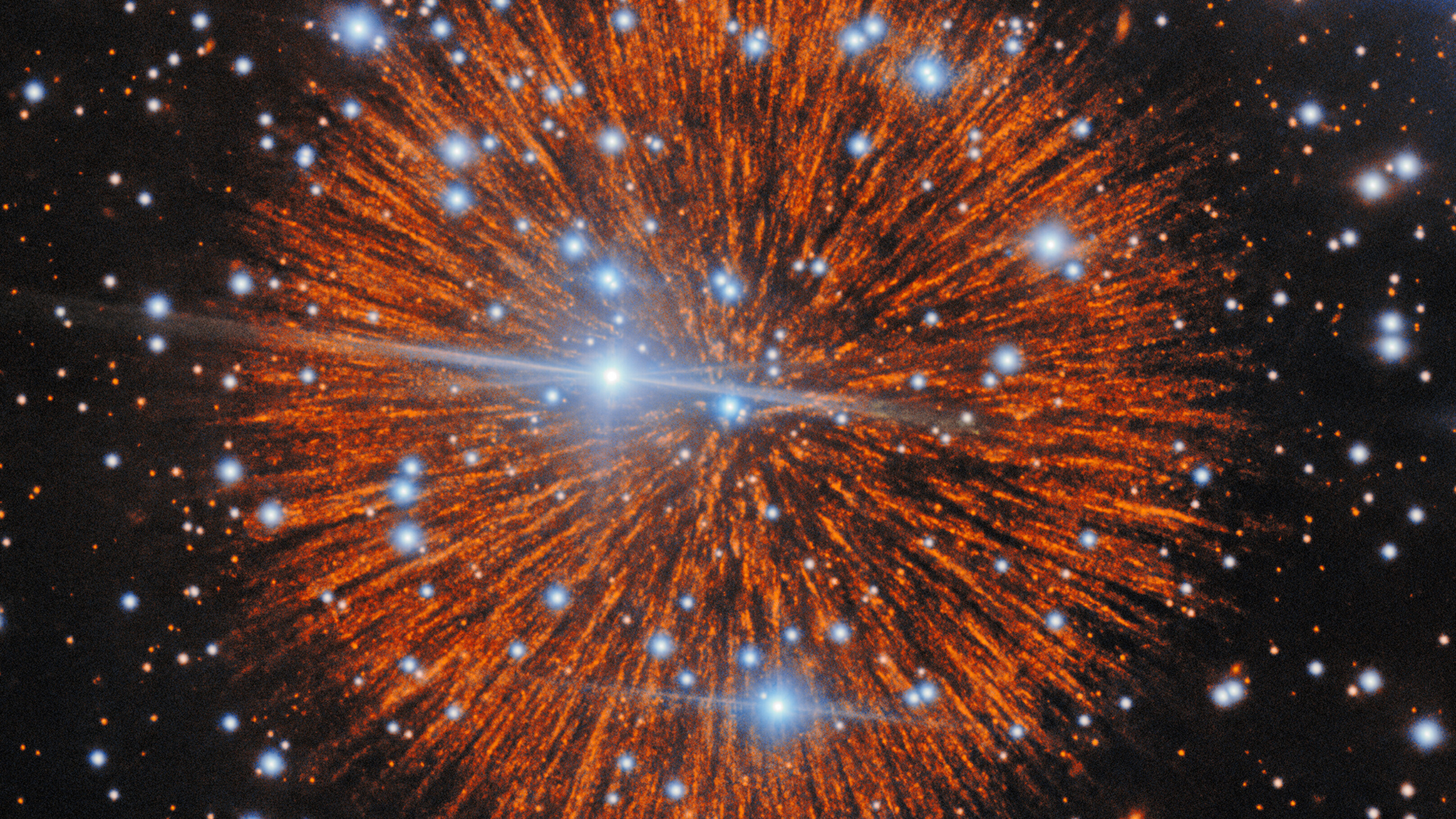
Scientists are still learning about a cosmic 'string of pearls,' a unique celestial relic left by a supernova witnessed by humanity around 850 years ago, which has a zombie star at its heart.
A solar eclipse recorded more than 2,700 years ago is revealing surprising secrets about Earth's rotation and the Sun's ancient behavior. By correcting an eight-kilometer error in the location of an ancient Chinese capital, scientists were able to reconstruct a total solar eclipse that occurred in 709 BCE and obtain more accurate measurements of how fast Earth was spinning at the time.