TopNewsOn

Results for “united fidelity”

RNA discovery reveals how gut bacterium adapts to life in intestinal mucus (opens Phys.org in a new tab)

The mucus layer in the human gut is a tough place for bacteria: nutrients are scarce, and conditions are harsh. How do bacteria adapt to such extreme environments? Researchers at the Helmholtz Institute for RNA-based Infection Research (HIRI) and the Chair of Microbiology of the Julius-Maximilians-Universität (JMU) in Würzburg, working with scientists at Vanderbilt Health in the United States, have identified a key regulator.

Phys.org · Nov 28
Without marine life, atmospheric CO₂ would shoot up by up to 65% by the end of the century (opens Phys.org in a new tab)

Without marine organisms transporting carbon into the deep ocean, the accumulation of carbon dioxide in the atmosphere would be drastically higher in the year 2100, reaching levels between 35% and 65% higher than projected. This is one of the main conclusions of the new policy brief developed within the framework of the European OceanICU project, which was presented at the United Nations Climate Change Conference (COP31) in Türkiye.

Phys.org · Nov 25
Weak oversight and financial incentives may fuel health care corruption, review finds (opens Phys.org in a new tab)

Corruption in health systems may arise when governance failures offer opportunities and systemic vulnerabilities provide incentives for private gain, according to an umbrella review published in the open-access journal PLOS Global Public Health by Michele Coleman and Petra Varkonyi from the London School of Hygiene and Tropical Medicine, United Kingdom, and colleagues.

Phys.org · Nov 25
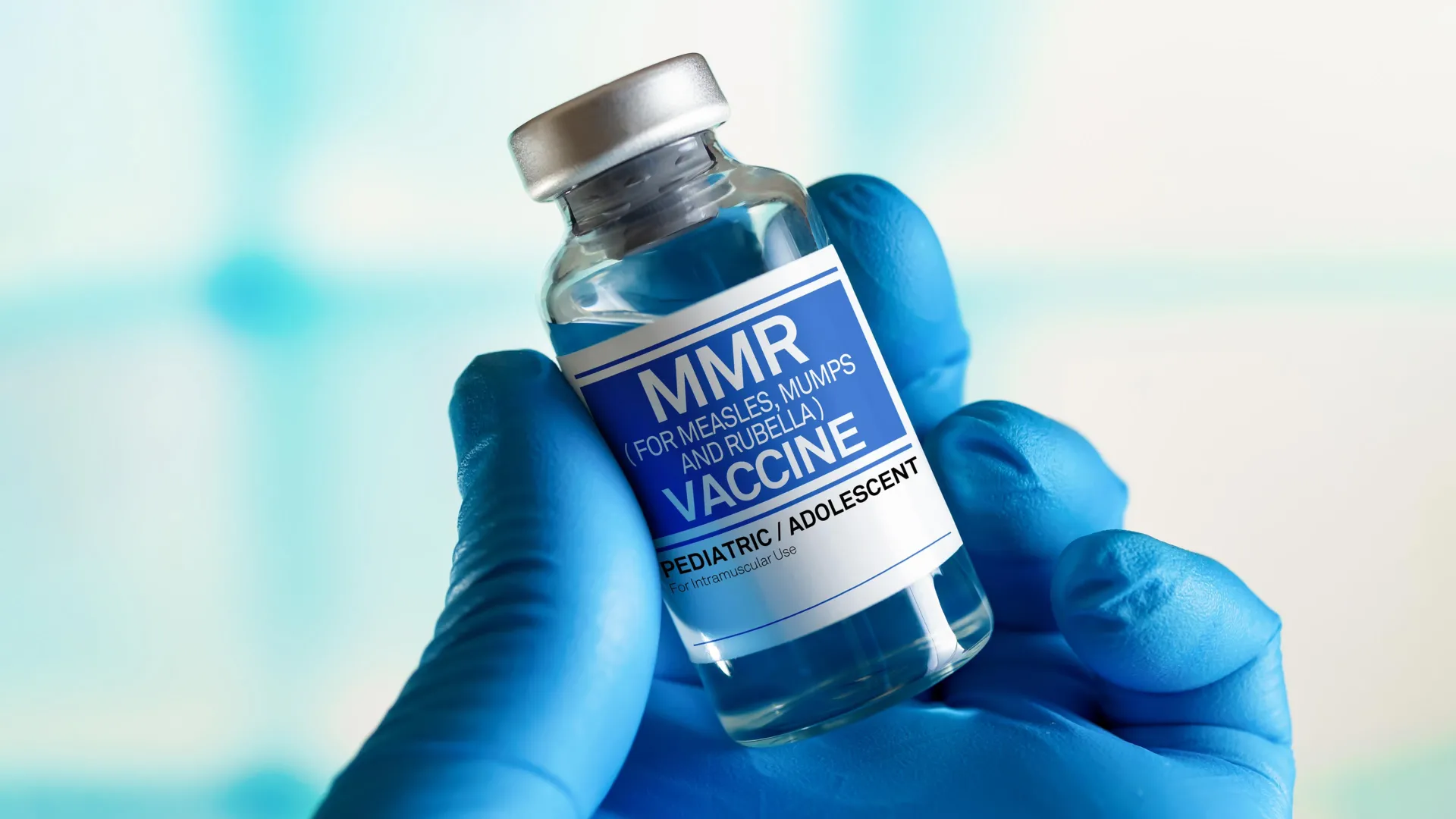
U.S. loses measles elimination status after 25 years as vaccine myths persist (opens Science Daily in a new tab)

The United States has lost its measles elimination status after more than 25 years, and a new survey reveals widespread misconceptions about the deadly disease and its vaccine. With measles cases surging, more than one-third of Americans still believe or are uncertain about the debunked vaccine-autism link, while most don't know the disease's risks or how many vaccine doses children need.

Science Daily · Nov 23
Spiders, beetles and one garage alligator: Largest study to date reveals wildlife sharing our indoor spaces (opens Phys.org in a new tab)

An international team of researchers is revealing the largest study to date detailing the wide range of insects, arachnids and other organisms that live in homes and other indoor environments across the United States and Canada. The researchers have compiled a database with more than 20,000 entries spanning more than 2,000 species found in these indoor ecosystems.

Phys.org · Nov 20
World's largest freshwater lake is recovering after decades of decline (opens Phys.org in a new tab)

Lake Baikal in Siberia holds around 20% of the world's surface freshwater, making it the most voluminous freshwater lake (Lake Superior on the United States–Canada border is the largest by surface area). This makes the lake one of the most important environments for biodiversity—in fact, it was designated a UNESCO World Heritage site in 1996 because of this. Yet it has shown considerable decline over the last century, with aridification spreading across East Asia.

Phys.org · Nov 14
From remedy to prevention: Researchers call for proactive approach to protect the human right to water (opens Phys.org in a new tab)

More than 2 billion people, or approximately one-quarter of the world's population, lack access to safe water, sanitation and hygiene, according to the United Nations Children's Fund. Today, 16 years after the U.N. General Assembly recognized this access as a fundamental human right, its legal protection is well established, but the reality on the ground lags behind.

Phys.org · Nov 11
Quantum gas microscope reveals individual atoms in first tunable three-component Hubbard system (opens Phys.org in a new tab)

For the first time, an international team of researchers from Germany, Thailand, India, China and the United States has created a three-component Hubbard system with tunable interactions in the laboratory. In doing so, the team used a quantum gas microscope to make the individual atoms visible. The study, published in Science, provides an important foundation for future quantum simulations of nuclear physics and materials science.

Phys.org · Nov 6