TopNewsOn

Results for “unknown soldier”

Looping DNA may help flowers grow nectar-producing organs

Nectaries are specialized floral tissues that secrete nectar to attract pollinators. Although the protein CRABS CLAW (CRC) is established as essential for nectary formation, the exact molecular mechanisms governing how it drives organ growth and secretion have remained unknown.

Phys.org · 1h ago
Deep-sea mollusk houses bacteria in tiny 'dragon balls,' revealing a new symbiotic structure

Researchers at The Hong Kong University of Science and Technology (HKUST) have discovered a previously unknown specialized organelle structure in a deep-sea mollusk living at cold seeps in the South China Sea. Dedicated to maintaining bacterial symbiosis, this newly identified survival mechanism provides new insights into how deep-sea organisms adapt to nearly oxygen-free environments and opens new directions for research on chemosymbiosis, organelle evolution and deep-sea ecosystems.

Phys.org · 3h ago
Protein tails help shape mosquito cell-to-cell channels

Cells share small molecules with their neighbors through tiny tunnels made of proteins arranged in a ring. Research at Nagoya University suggests that the tails of the proteins must link up to form an inner ring for the tunnel to become evenly round—a previously unknown step in how these cell-to-cell connections are built.

Phys.org · Nov 10
Radiocarbon analysis uncovers possible traces of hidden earthquakes off Japan's coast

Researchers at the University of Tokyo have used a new type of radiocarbon analysis to study a sediment core taken from the Kumano Sea off the coast of Japan. This has revealed multiple "hidden" traces of previously unknown earthquakes in the Nankai Trough, where the country's next megaquake is expected to occur. Reconstructing a more accurate picture of the past will help predict future geophysical events and prepare for potential disasters. The work is published in Radiocarbon.

Phys.org · Nov 9
Scientists discover new jellyfish species in waters off Alicante in Spain

The Mediterranean Sea still holds species unknown to science. One of them is Copula lucentia, a tiny jellyfish measuring just a few millimeters. Discovered off El Campello, in Alicante, it was formally described in 2024 by a research team at the University of Alicante (UA) Marine Laboratory in Dénia, which forms part of the university's Ramón Margalef Multidisciplinary Institute for Environmental Research.

Phys.org · Nov 7
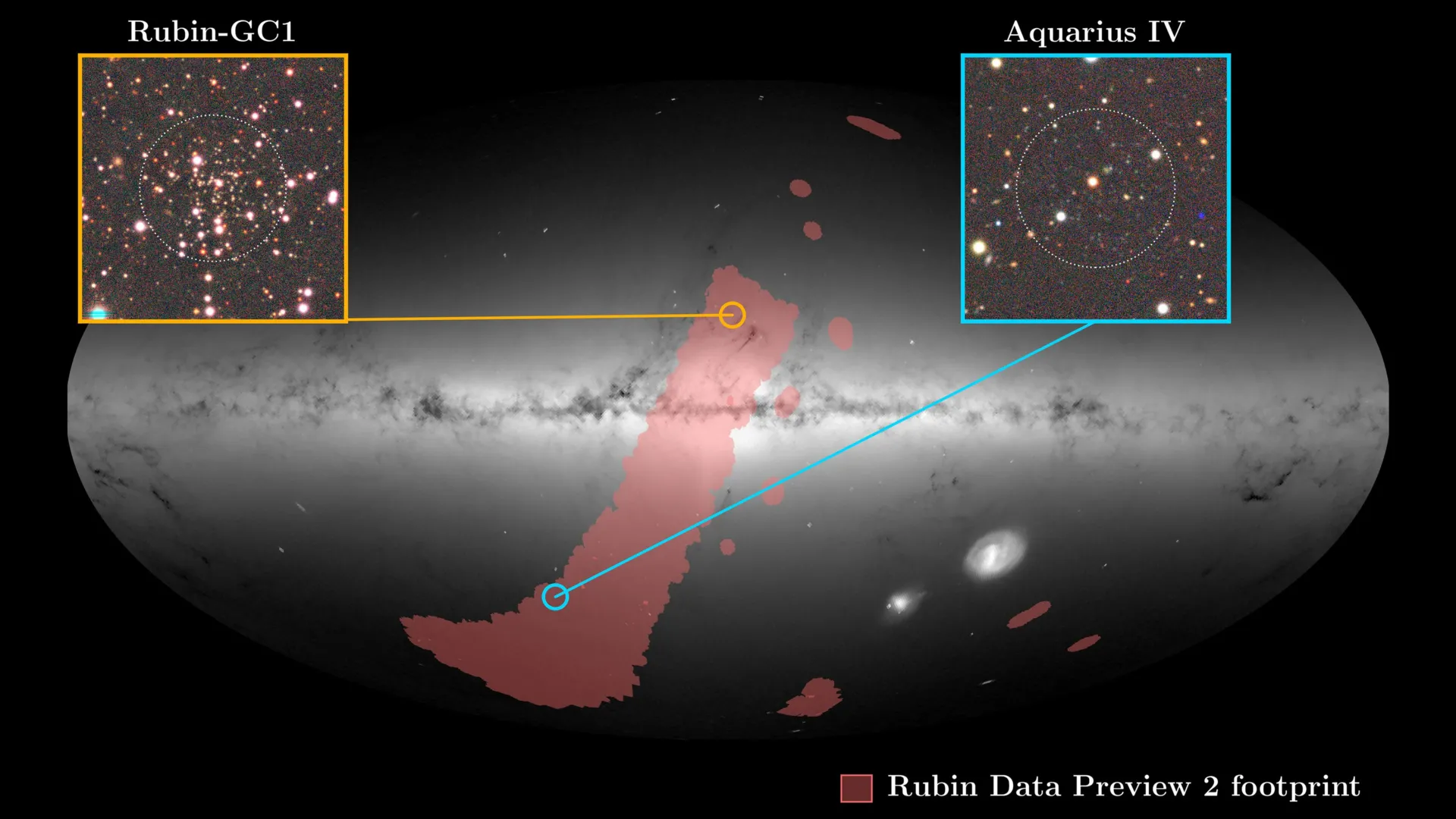
Rubin Observatory discovers two hidden companions of the Milky Way. Hundreds more may be waiting

The Vera C. Rubin Observatory has already uncovered two previously unknown companions of the Milky Way using preliminary observations covering just 7% of the night sky. The discoveries include an extremely faint galaxy 355,000 light-years away and a star cluster hidden behind cosmic dust. Scientists suspect hundreds of additional satellite galaxies remain undiscovered, and Rubin's powerful telescope could finally bring them into view.

Science Daily · Nov 7
Newly identified protein mechanism helps explain how cells respond to physical forces

A newly published study is changing our understanding of how the protein talin functions at sites where cells attach to their surroundings. The findings uncover a previously unknown mechanism by which mechanical force regulates talin, a key protein controlling cell adhesion and mechanosensing. The paper is published in the journal Proceedings of the National Academy of Sciences.

Phys.org · Nov 5
How do octopuses remember? Scientists uncover a surprising secret

How does an octopus remember what it has learned? A new study led by Dr. Ana Luiza Turchetti-Maia, Dr. Tal Shomrat and professor Binyamin (Benny) Hochner—researchers from the Hebrew University of Jerusalem and Ruppin Academic Center—has uncovered a previously unknown molecular mechanism that may help explain how these remarkably intelligent animals form and maintain memories.

Phys.org · Nov 5
Genetic interaction map could lead to better antibiotic pairings for tuberculosis

Rockefeller scientists have created the most comprehensive map to date of how essential genes interact in Mycobacterium tuberculosis (Mtb), the bacterium responsible for tuberculosis (TB). The unprecedented map reveals thousands of previously unknown genetic relationships, offering a new window into the inner workings of one of the world's deadliest pathogens.

Phys.org · Nov 4
Scientists reverse liver cell aging and cut Alzheimer’s-linked protein in half

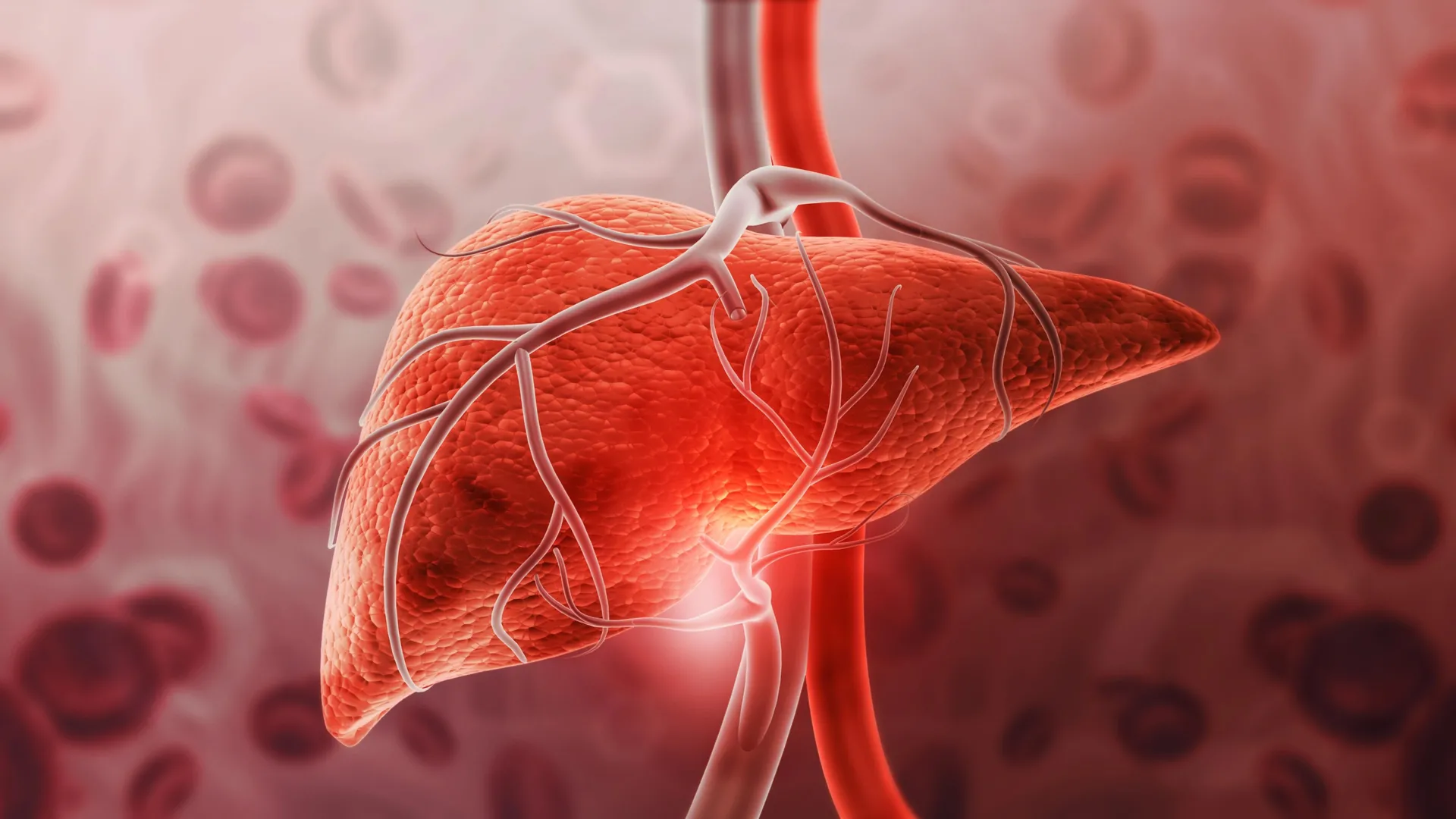
A surprising discovery suggests that rejuvenating the liver could help protect against Alzheimer’s disease and heart disease. USC researchers found that an experimental drug restored aging liver cells in rats, cutting levels of an Alzheimer’s-linked protein in half and bringing bad cholesterol down to youthful levels. The treatment also revived a previously unknown communication system that helps liver cells remove harmful substances from the bloodstream.

Science Daily · Nov 3