TopNewsOn

Results for “unknown substance”

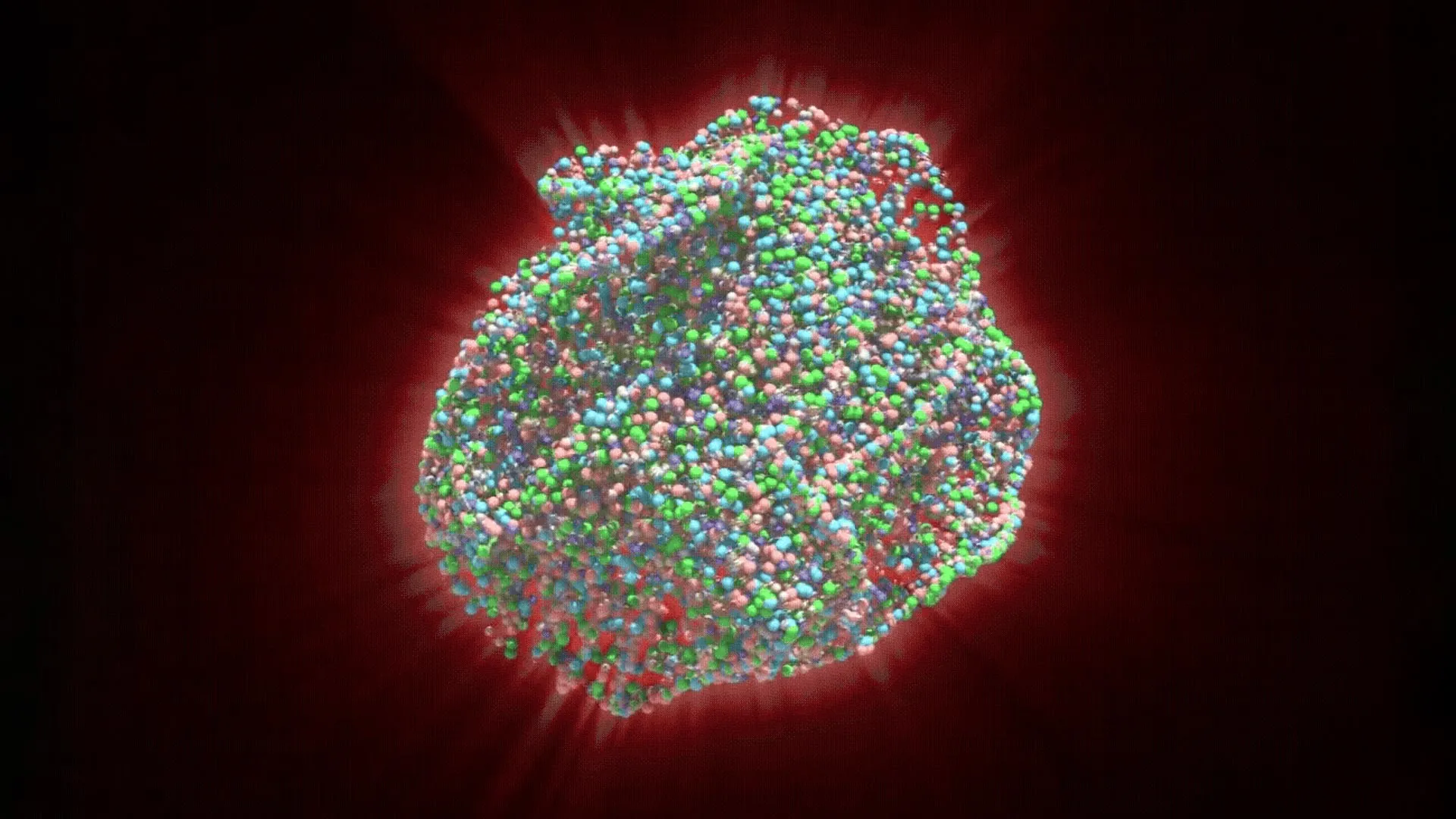
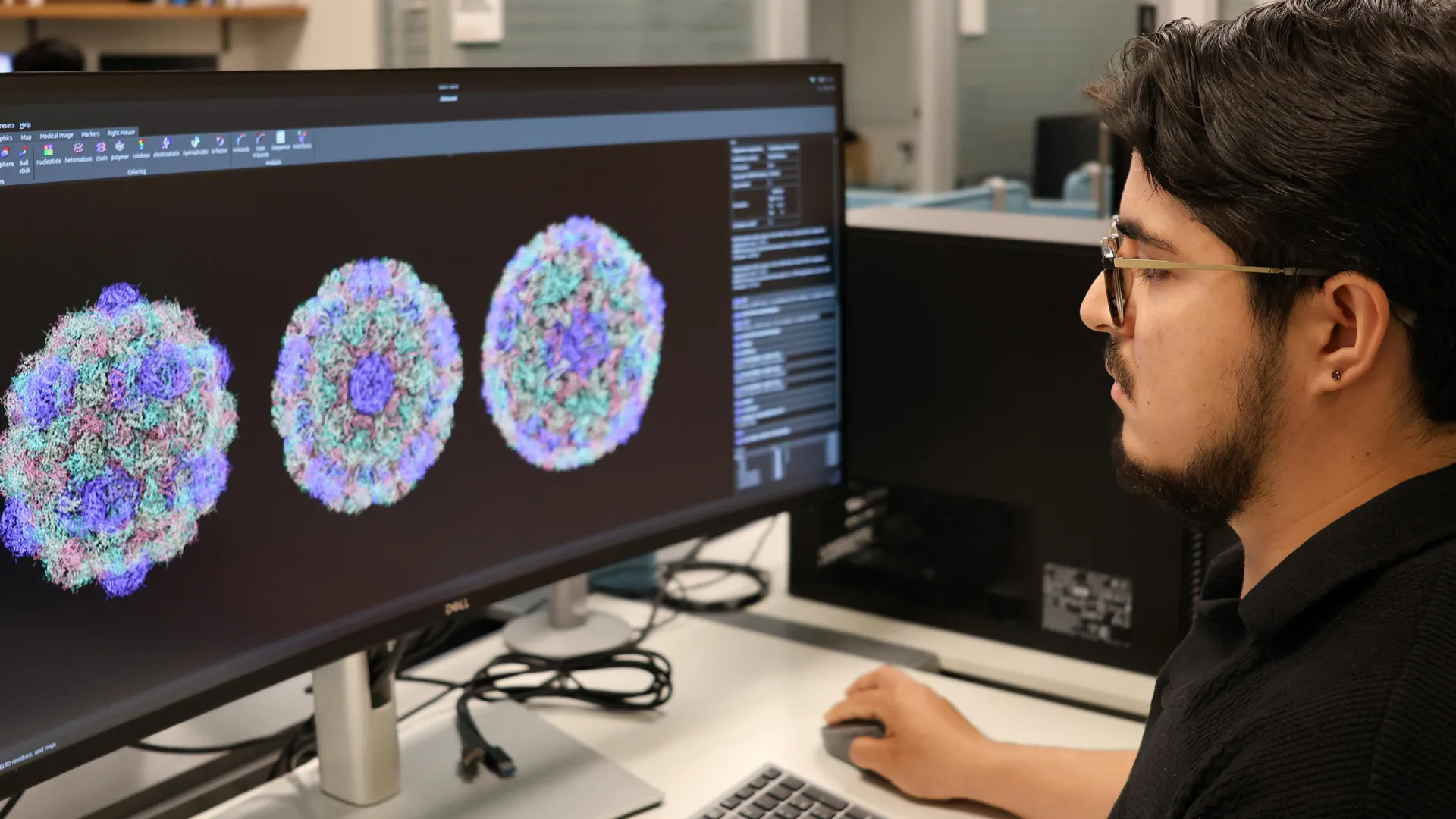
Mysterious new viruses reveal a missing link in evolution

Scientists have discovered previously unknown viruses that could help explain how some of life’s earliest biological structures evolved. The surprising findings challenge a longstanding evolutionary theory and suggest that viruses may have hidden capabilities far beyond simply infecting cells.

Science Daily · 8h ago
EU regulations could hold back innovation in living materials

Engineered living materials (ELMs) are materials that incorporate living organisms, such as bacteria, fungi or yeast, to perform specific functions. These organisms can produce substances, respond to signals from their surroundings or help repair damage to the material itself. Some organisms naturally possess properties that researchers can put to use. For example, certain bacteria produce cellulose, a substance that can be used to make clothing and textiles.

Phys.org · Nov 20
Powerful new weight-loss drug helps patients cut knee pain in half

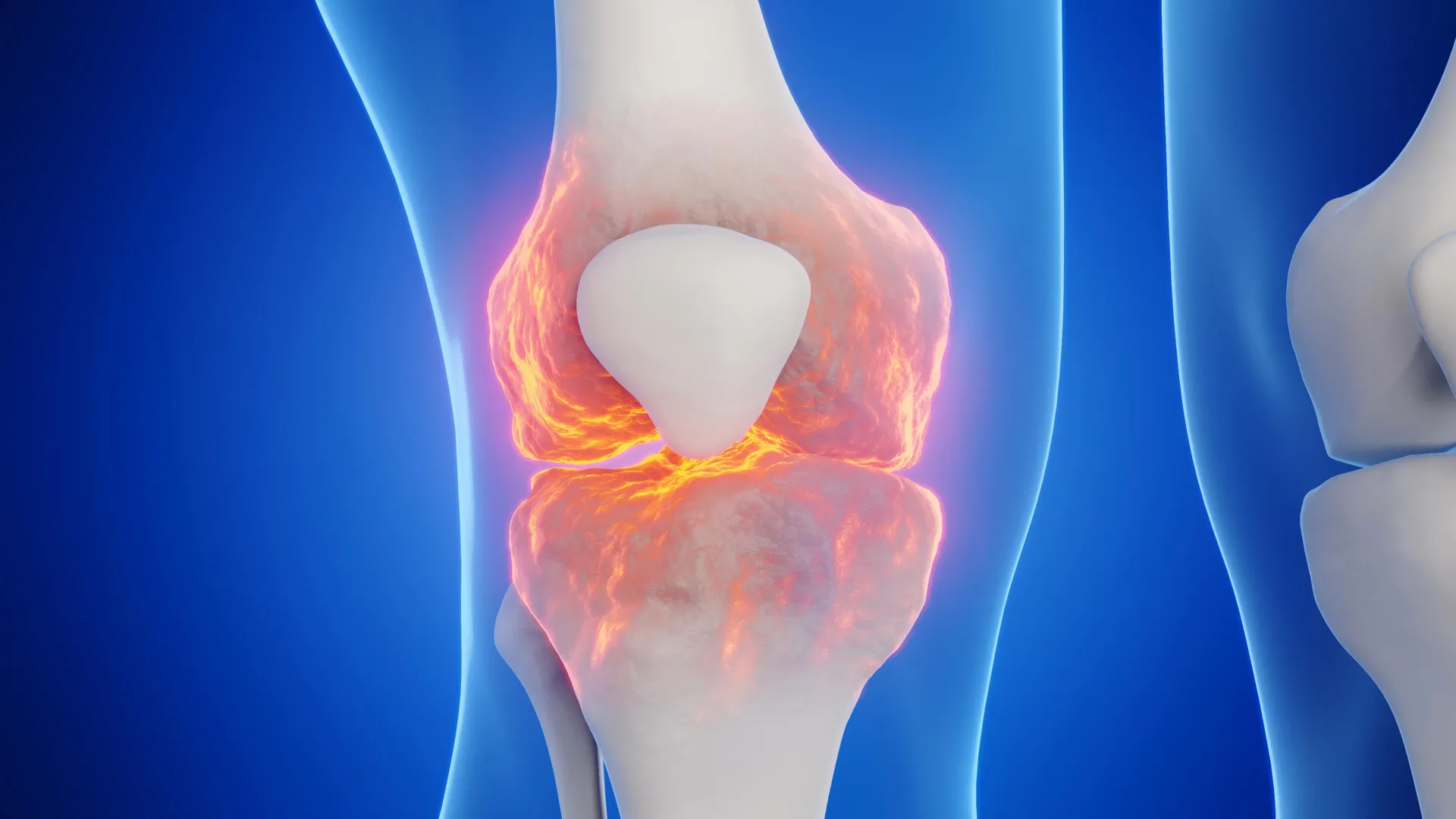
A powerful experimental weight-loss drug helped people with knee osteoarthritis lose about 25% of their body weight at the highest dose, while roughly two-thirds experienced at least a 50% reduction in knee pain. The findings suggest retatrutide could transform treatment for millions suffering from painful arthritis, although its ability to prevent further joint damage remains unknown.

Science Daily · Nov 20
If tiny 'primordial' black holes exist, here's how we might find them

Scientists have hypothesized that, in the fraction of a second following the Big Bang, minute black holes may have been forged within tiny, dense pockets that collapsed under their own gravity. If these primordial black holes are ever found, they could represent a significant component of dark matter—the invisible substance that makes up most of the universe's matter.

Phys.org · Nov 19
Matter–antimatter asymmetry still provides no evidence of new physics

The universe's dominance by ordinary matter is compelling evidence that matter and antimatter are not perfect reflections of each other. However, known differences do not explain the scale of this imbalance, leaving open the possibility that unknown physics is responsible. A new analysis of meson decays, conducted by the LHCb collaboration, has narrowed the scope of the search for such a scenario while paving the way for more precise measurements in the future.

Phys.org · Nov 12
A new treasure map reveals where Earth's lost prehistoric life may be hiding

A sweeping analysis of 540 million years of marine fossils has revealed surprising gaps in our understanding of Earth's ancient life. Scientists discovered that some of the greatest opportunities for finding previously unknown species lie in relatively recent geological periods, rather than the distant past. By mapping unexplored fossil-rich regions around the world, researchers have created a powerful tool to guide future excavations.

Science Daily · Nov 12
A butterfly that fooled scientists for 200 years finally reveals its secrets

Researchers have discovered that a familiar tropical butterfly actually belongs to three nearly identical species, including one previously unknown to science. Hidden ultraviolet wing patterns and DNA differences revealed the truth, leaving scientists puzzled about how the butterflies remain genetically separate despite living side by side.

Science Daily · Nov 12
Looping DNA may help flowers grow nectar-producing organs

Nectaries are specialized floral tissues that secrete nectar to attract pollinators. Although the protein CRABS CLAW (CRC) is established as essential for nectary formation, the exact molecular mechanisms governing how it drives organ growth and secretion have remained unknown.

Phys.org · Nov 11
Deep-sea mollusk houses bacteria in tiny 'dragon balls,' revealing a new symbiotic structure

Researchers at The Hong Kong University of Science and Technology (HKUST) have discovered a previously unknown specialized organelle structure in a deep-sea mollusk living at cold seeps in the South China Sea. Dedicated to maintaining bacterial symbiosis, this newly identified survival mechanism provides new insights into how deep-sea organisms adapt to nearly oxygen-free environments and opens new directions for research on chemosymbiosis, organelle evolution and deep-sea ecosystems.

Phys.org · Nov 11
Protein tails help shape mosquito cell-to-cell channels

Cells share small molecules with their neighbors through tiny tunnels made of proteins arranged in a ring. Research at Nagoya University suggests that the tails of the proteins must link up to form an inner ring for the tunnel to become evenly round—a previously unknown step in how these cell-to-cell connections are built.

Phys.org · Nov 10
Radiocarbon analysis uncovers possible traces of hidden earthquakes off Japan's coast

Researchers at the University of Tokyo have used a new type of radiocarbon analysis to study a sediment core taken from the Kumano Sea off the coast of Japan. This has revealed multiple "hidden" traces of previously unknown earthquakes in the Nankai Trough, where the country's next megaquake is expected to occur. Reconstructing a more accurate picture of the past will help predict future geophysical events and prepare for potential disasters. The work is published in Radiocarbon.

Phys.org · Nov 9
Scientists discover new jellyfish species in waters off Alicante in Spain

The Mediterranean Sea still holds species unknown to science. One of them is Copula lucentia, a tiny jellyfish measuring just a few millimeters. Discovered off El Campello, in Alicante, it was formally described in 2024 by a research team at the University of Alicante (UA) Marine Laboratory in Dénia, which forms part of the university's Ramón Margalef Multidisciplinary Institute for Environmental Research.

Phys.org · Nov 7
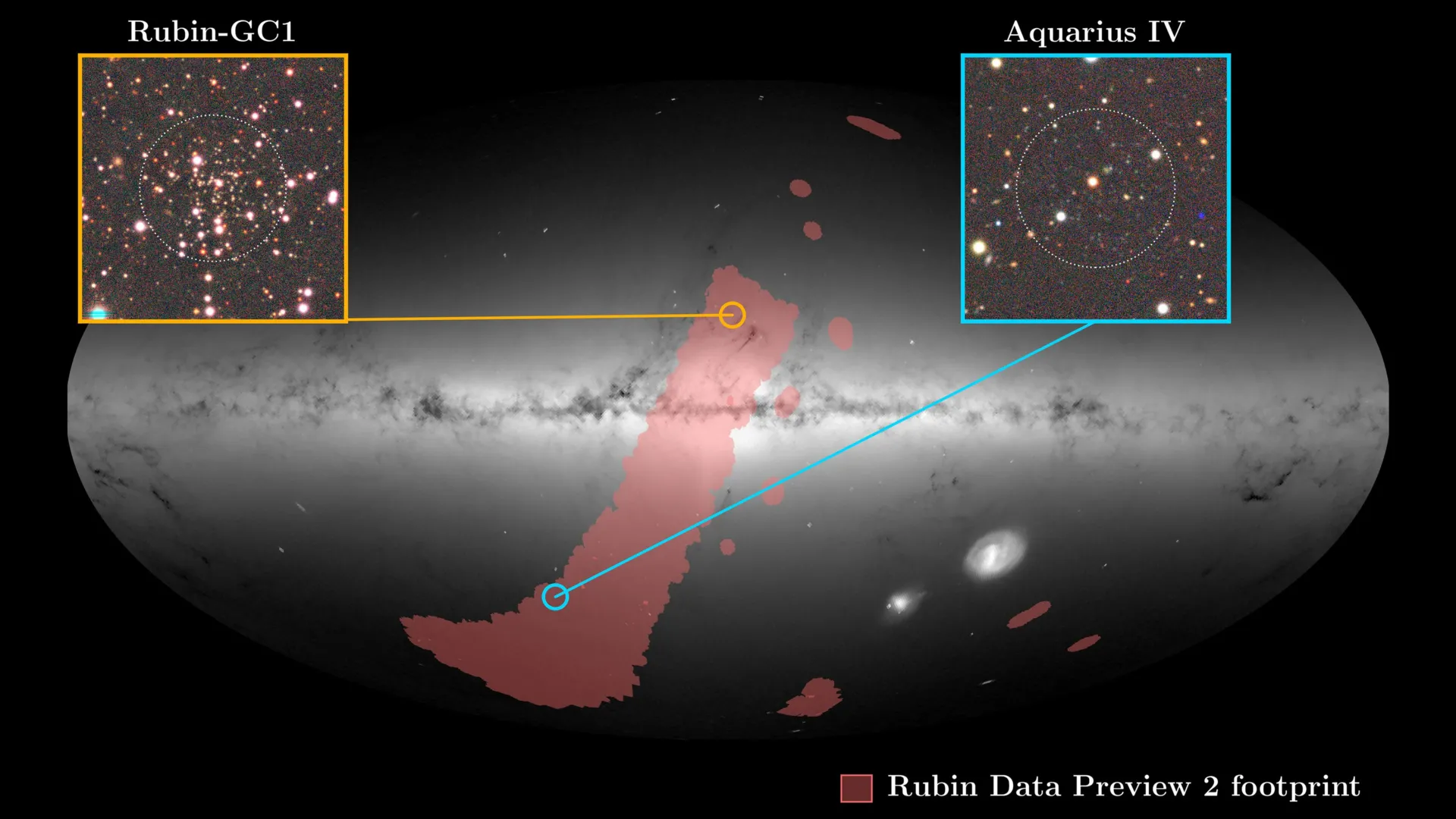
Rubin Observatory discovers two hidden companions of the Milky Way. Hundreds more may be waiting

The Vera C. Rubin Observatory has already uncovered two previously unknown companions of the Milky Way using preliminary observations covering just 7% of the night sky. The discoveries include an extremely faint galaxy 355,000 light-years away and a star cluster hidden behind cosmic dust. Scientists suspect hundreds of additional satellite galaxies remain undiscovered, and Rubin's powerful telescope could finally bring them into view.

Science Daily · Nov 7
Newly identified protein mechanism helps explain how cells respond to physical forces

A newly published study is changing our understanding of how the protein talin functions at sites where cells attach to their surroundings. The findings uncover a previously unknown mechanism by which mechanical force regulates talin, a key protein controlling cell adhesion and mechanosensing. The paper is published in the journal Proceedings of the National Academy of Sciences.

Phys.org · Nov 5
How do octopuses remember? Scientists uncover a surprising secret

How does an octopus remember what it has learned? A new study led by Dr. Ana Luiza Turchetti-Maia, Dr. Tal Shomrat and professor Binyamin (Benny) Hochner—researchers from the Hebrew University of Jerusalem and Ruppin Academic Center—has uncovered a previously unknown molecular mechanism that may help explain how these remarkably intelligent animals form and maintain memories.

Phys.org · Nov 5
Genetic interaction map could lead to better antibiotic pairings for tuberculosis

Rockefeller scientists have created the most comprehensive map to date of how essential genes interact in Mycobacterium tuberculosis (Mtb), the bacterium responsible for tuberculosis (TB). The unprecedented map reveals thousands of previously unknown genetic relationships, offering a new window into the inner workings of one of the world's deadliest pathogens.

Phys.org · Nov 4
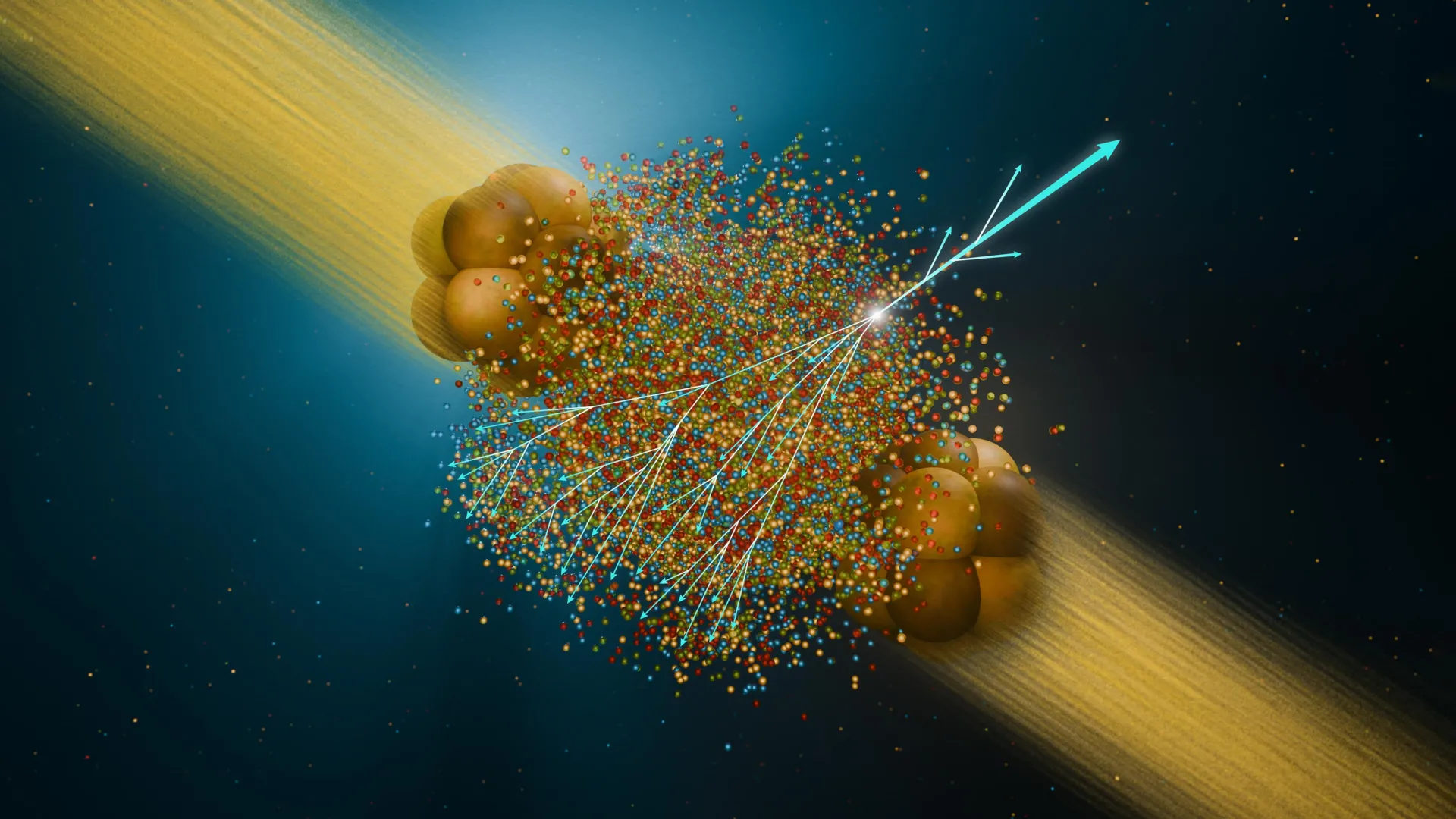
Large Hadron Collider reveals evidence of Big Bang matter in surprisingly small collisions

Scientists at CERN's Large Hadron Collider have uncovered compelling new evidence that even relatively small atomic collisions can recreate the extraordinary state of matter that filled the universe moments after the Big Bang. Known as quark-gluon plasma, this exotic substance forms at temperatures more than 100,000 times hotter than the center of the Sun, causing ordinary particles to break apart into their fundamental building blocks.

Science Daily · Nov 3
Scientists reverse liver cell aging and cut Alzheimer’s-linked protein in half

A surprising discovery suggests that rejuvenating the liver could help protect against Alzheimer’s disease and heart disease. USC researchers found that an experimental drug restored aging liver cells in rats, cutting levels of an Alzheimer’s-linked protein in half and bringing bad cholesterol down to youthful levels. The treatment also revived a previously unknown communication system that helps liver cells remove harmful substances from the bloodstream.

Science Daily · Nov 3
The desire to be remembered may be linked to better mental health

Most people, at some point, wonder what will remain of them after they are gone. Will their family remember them? Will something they created, taught or contributed continue to matter? A new study suggests that this deeply human desire may be connected to mental health. Researchers found that people who more strongly believed they would be remembered after death also tended to report better mental health and lower levels of problematic substance use and addictive behaviors.

Phys.org · Nov 2
New diabetes implant uses electricity to lower blood sugar and promote weight loss

Researchers have developed a remarkable new electronic implant that could transform type 2 diabetes treatment by lowering blood sugar without insulin or traditional drugs. The device uses a special electrically powered catalyst to convert excess glucose into a substance that the body eliminates through urine, potentially preventing unwanted energy from being stored as fat. In diabetic mice, the implant precisely controlled blood sugar and promoted weight loss.

Science Daily · Nov 2
Scientists smash oxygen nuclei to recreate matter from the Big Bang

Scientists have recreated a primordial state of matter from the dawn of the universe by colliding oxygen nuclei at nearly the speed of light. The surprising results show that this exotic substance can form in smaller, lower-energy collisions than previously demonstrated, challenging the known boundaries of early-universe physics.

Science Daily · Oct 31