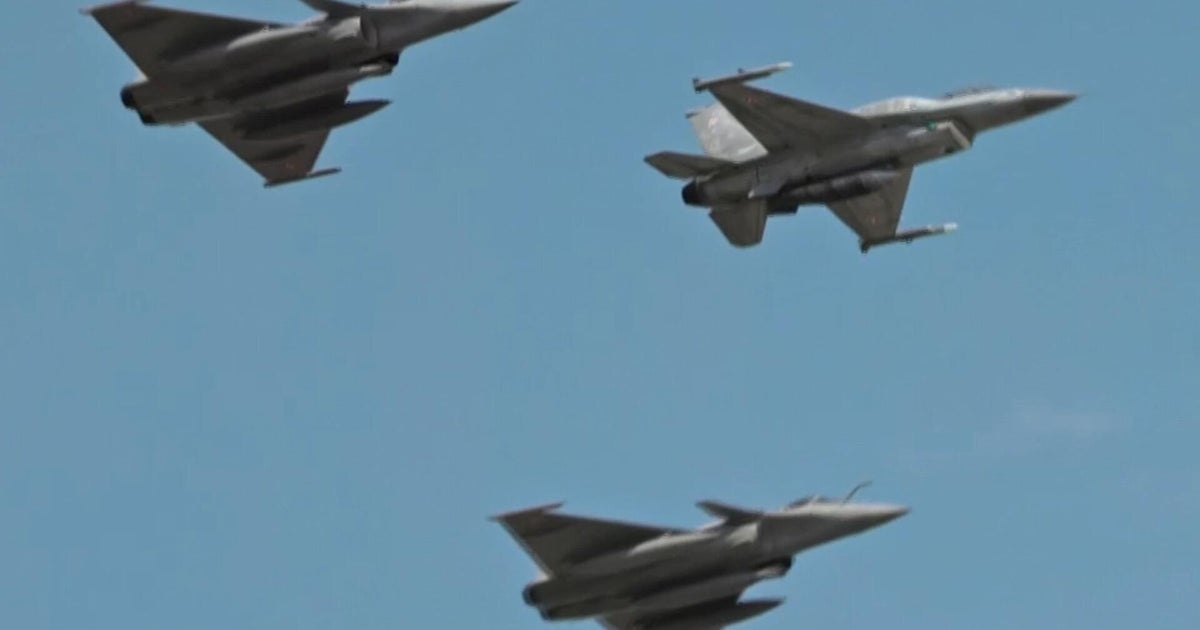
The U.S. Air Force's cloud platform was breached by hackers, possibly exposing sensitive military and personnel information, according to a Reuters report. The Air Force did not confirm or deny the breach. Nicole Sganga has more.
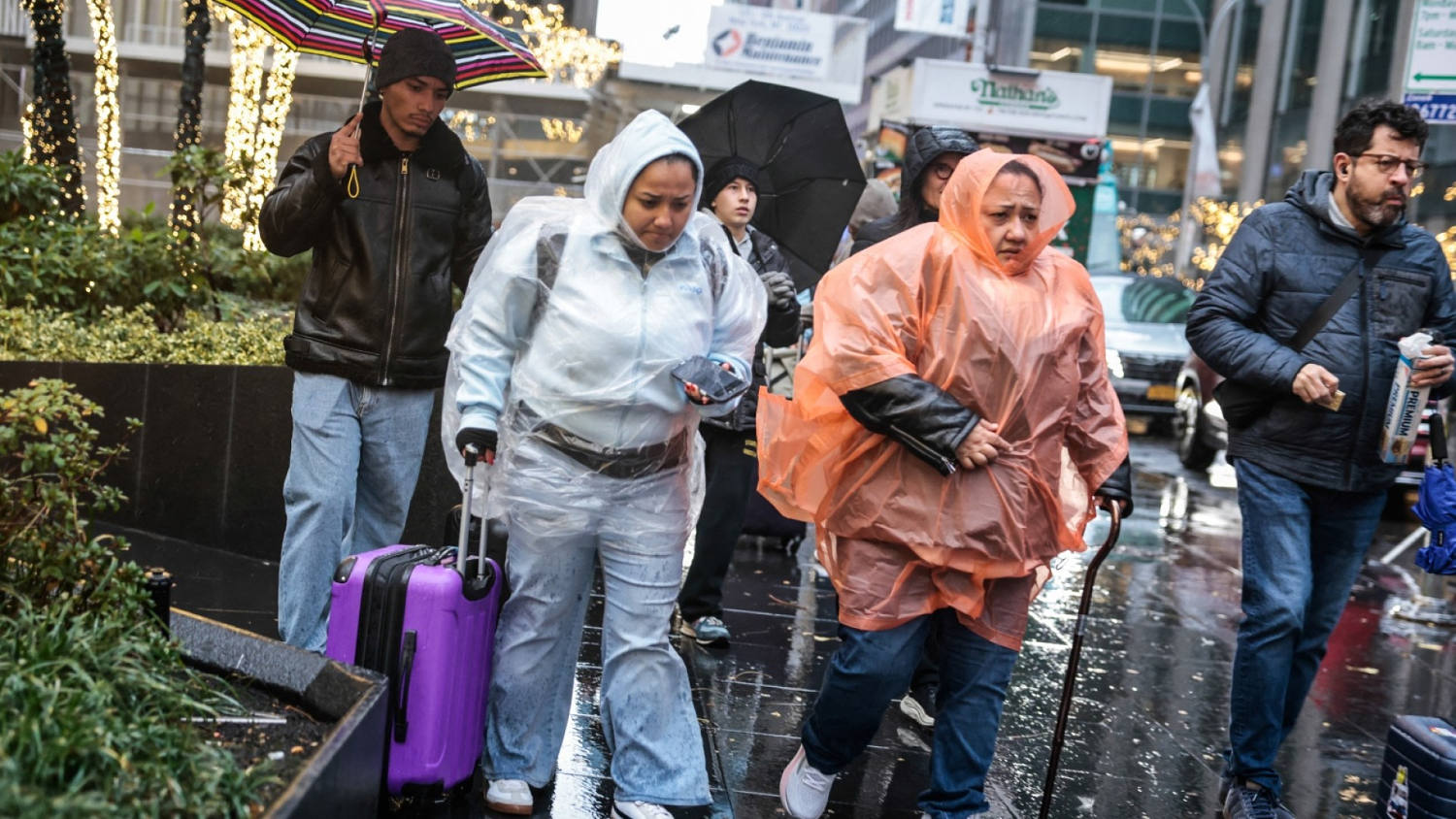
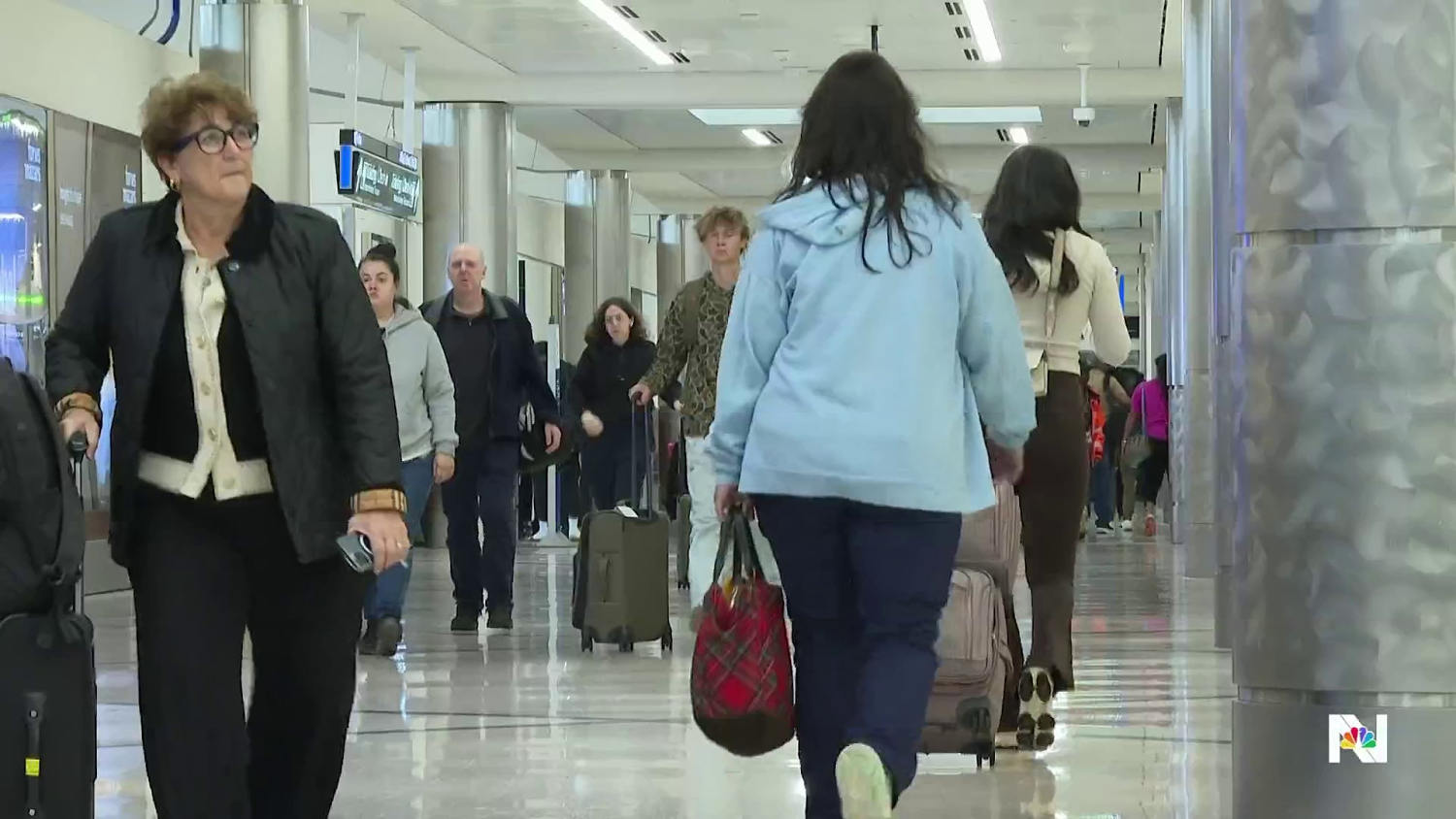
Record-setting rain, unprecedented flooding and near-hurricane force winds wreaked havoc on holiday plans from coast to coast and leaving nearly a million people dealing with power outages. Meanwhile, airports are scrambling to get back on track after thousands of delayed flights and cancellations. NBC’s Erin McLaughlin reports and Weekend TODAY meteorologist Angie Lassman tracks the forecast.
JD Vance and Marco Rubio are the Republicans most likely to run to succeed President Trump . But the past few weeks have shown how saddled each would be by decisions he made against their advice. Why it matters: Trump's unpopularity cost Republicans their congressional majorities. The Iran war and now the Jensen Huang imbroglio show how hard it'd be for Vance or Rubio to run on their own terms. The big picture: The problem isn't just that Vance and Rubio disagreed with Trump — it's that the two episodes cut to the core of their political identities. Vice President Vance has cast himself as a new-generation, anti-interventionist Republican who's wary of trying to solve the world's problems and has broken with GOP orthodoxy of unequivocal support for Israel. He made the case against going to war with Iran and blamed the war for the GOP's midterm shellacking. Secretary of State Rubio came up in the Senate as a foreign policy hawk and fierce critic of Russia and China, which sanctioned him in 2020. In May, aboard Air Force One en route to China, he warned Trump about Huang's relationship with a suspected Chinese spy. What they're saying: In recent weeks, Vance and Rubio have had to confront the tradeoffs of serving under Trump in painfully public ways. Vance's post-election critique pinning the GOP's losses on the war reportedly frustrated Trump. Though the president agreed with Vance that voters chafed at high prices caused by the war, he pointedly noted his VP didn't say that going to war was the right decision. Asked last week, with Trump standing beside him, whether the war was worth the GOP's election losses, Vance declined to say. "I think the president is the one who makes the decision, and the president has said he would do it again. And my view is that my goal is and my job is to support the president of the United States," he said . When a reporter shouted a question to Rubio about Huang's reinstatement as Nvidia's president and CEO, the secretary of state tur
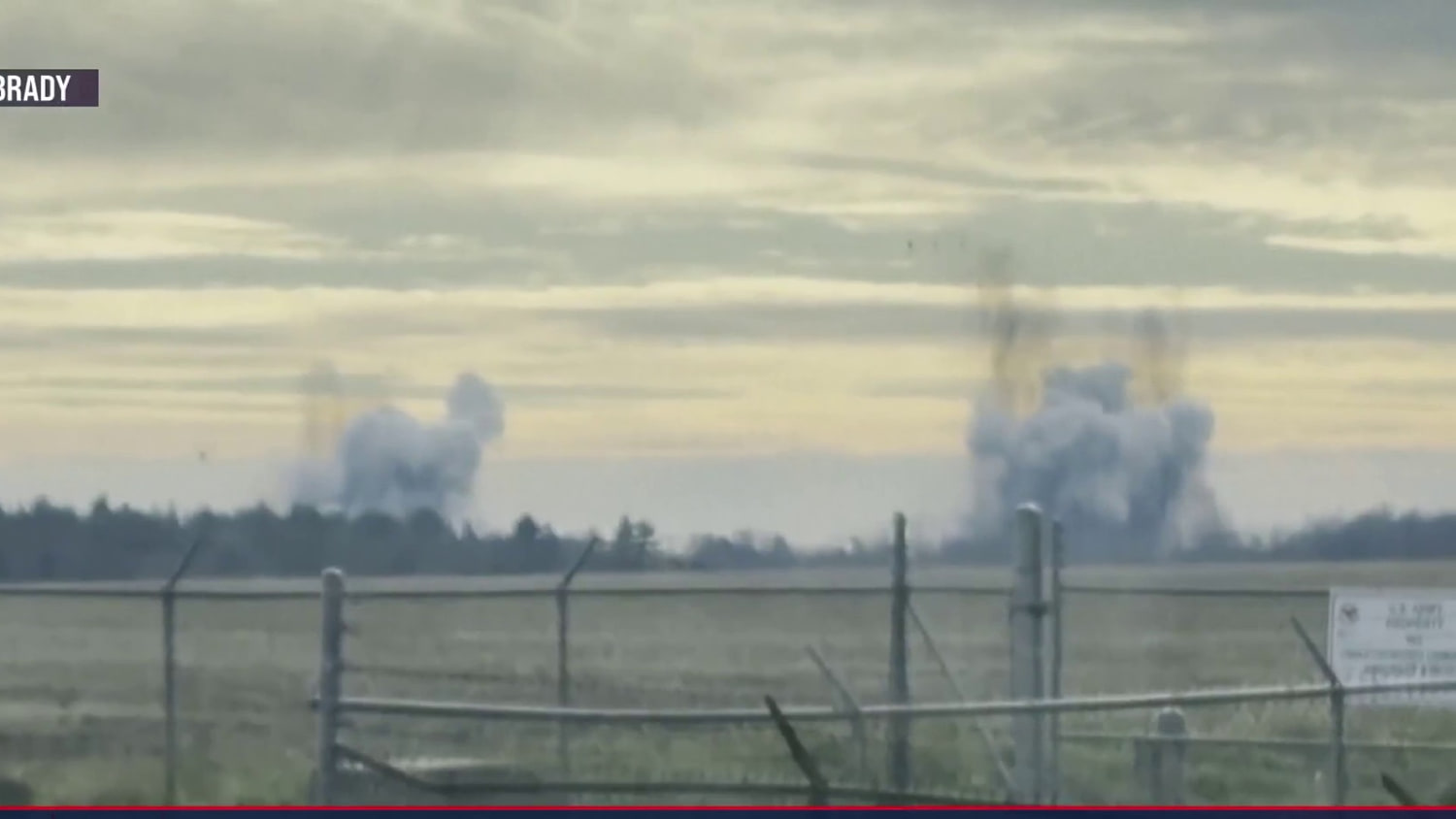
No lead has been detected in the air near the Army's controlled blast site in Iowa, where they detonated nearly five tons of lead explosives on Wednesday, according to the Environmental Protection Agency. Some locals remain concerned. Ian Lee reports.
With the Macy’s Thanksgiving Day Parade postponed until Saturday, members of the Na Koa Ali’i Hawai’i All-State Marching Band join TODAY to discuss having their dream of playing now up in the air after months of fundraising and practice.
The boldest idea in health care comes down to one massive tradeoff: Guaranteed coverage for everyone in exchange for an eye-popping price tag and an ultra-messy transition. Why it matters: Talk of Medicare for All is growing now that Democrats will control Congress next year with huge majorities in both chambers — so it's time to take a clinical look at the pros and cons, based on what we're hearing from policy experts who have studied it. Driving the news: The idea is getting a fresh round of attention after Sen.-elect Abdul El-Sayed (D-Mich.) — a major supporter of Medicare for All who wrote a book about it — offered to name the plan "TrumpCare," complete with gold insurance cards, if President Trump helps pass it. Trump reposted his offer and has offered to meet with El-Sayed, telling the New York Post : "Maybe there's some place in the middle that we could go." Reality check: They will probably meet, and it could end with mutual praise and hopeful vibes (with echoes of Trump's meetings with New York Mayor Zohran Mamdani). El-Sayed likes to flatter Trump. Trump likes to be flattered. But don't take that as a sign that a deal is imminent. There's pretty much zero common ground, other than calling it TrumpCare. Trump hates Medicare for All . Trump is all about cutting more drug price deals and sending people money to buy their own coverage — hardly a big government takeover of the health system. But Democrats can certainly try to force votes on Medicare for All when they're in power, although they're likely to find that not everyone in the party is on board. Medicare for All backers are wagering that enough people are fed up with the existing health system that they'll accept a bigger federal role providing coverage to more Americans, warts and all. "It's no longer [enough] from a political policy point of view to tinker around the edges," Sen. Bernie Sanders (I-Vt.) told reporters last week. "Increasingly, elected officials understand the current health care syste
The Army went through with blowing up five tons of an old bomb-making chemical at a plant in Iowa on Wednesday, hoping to control the potential for a cloud of lead dust. Ian Lee reports.
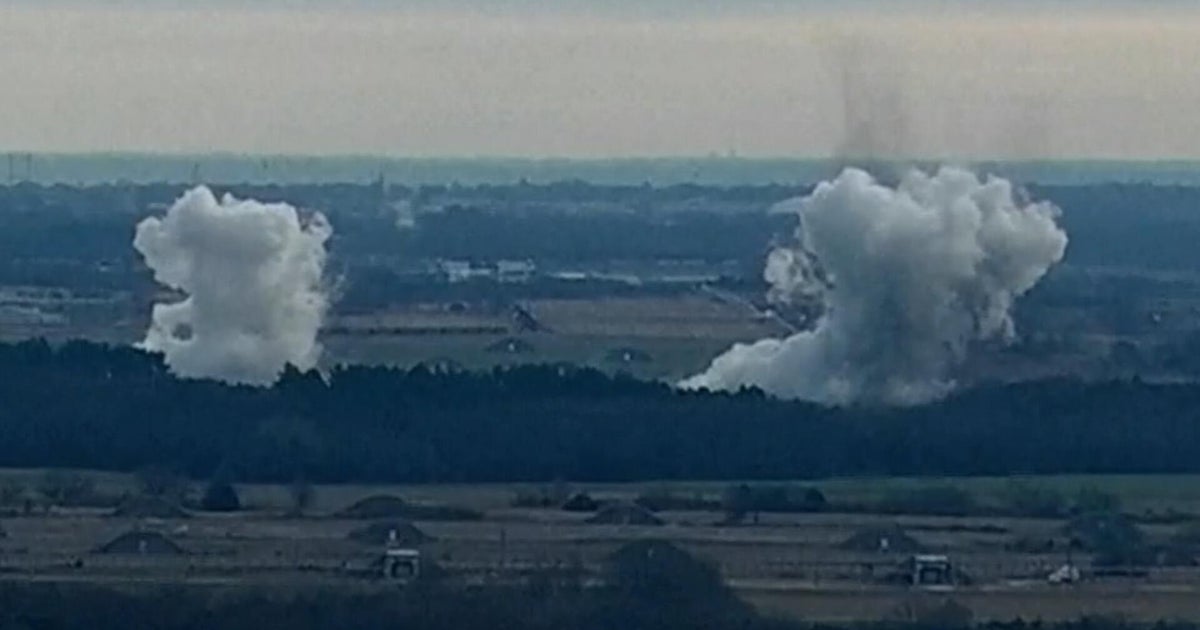
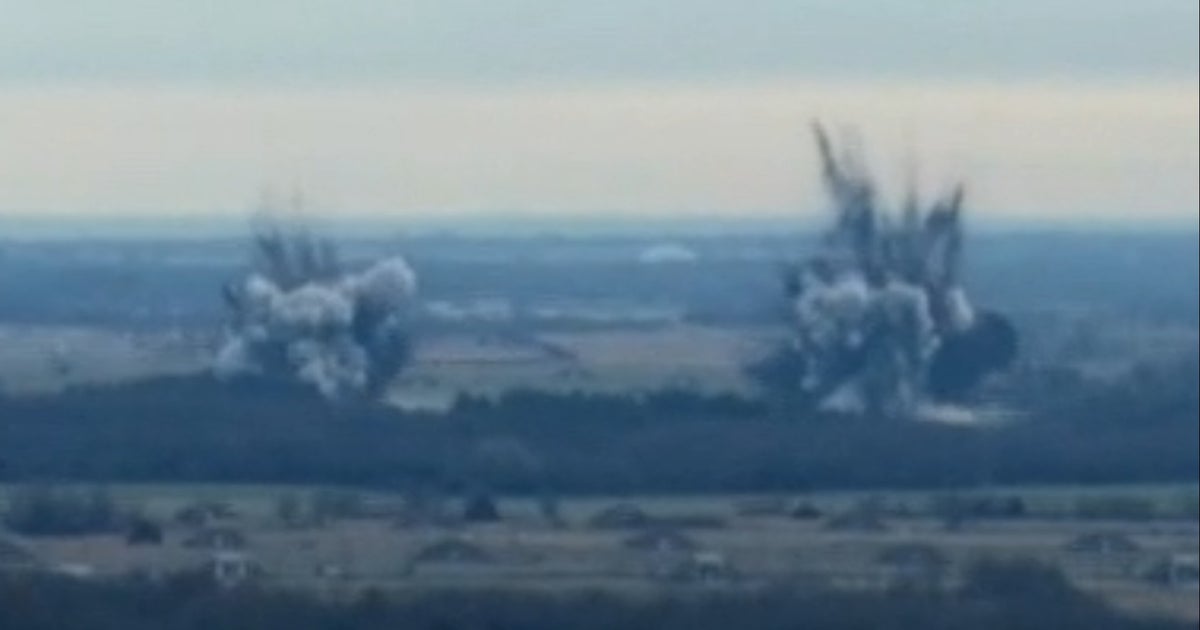
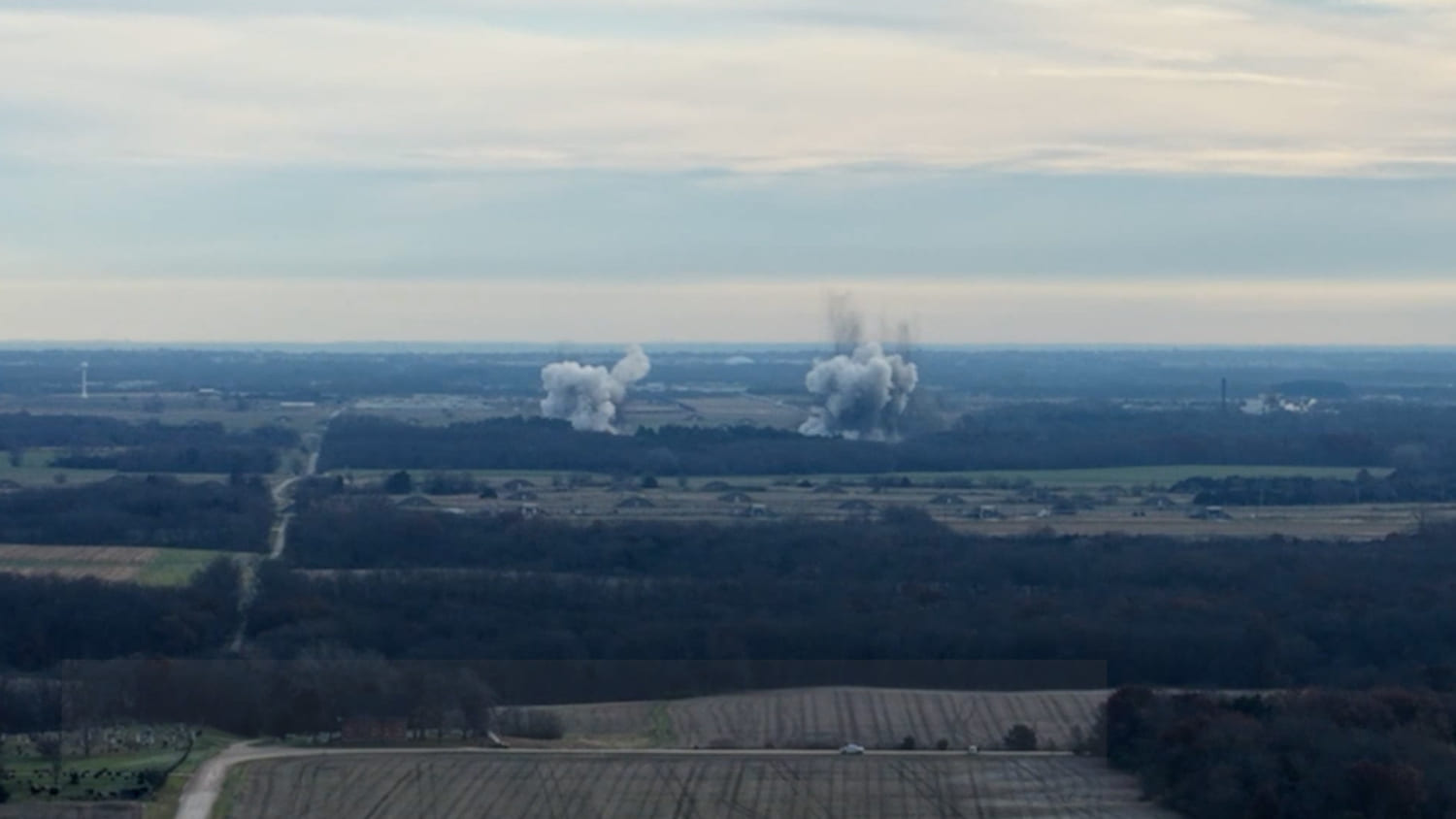
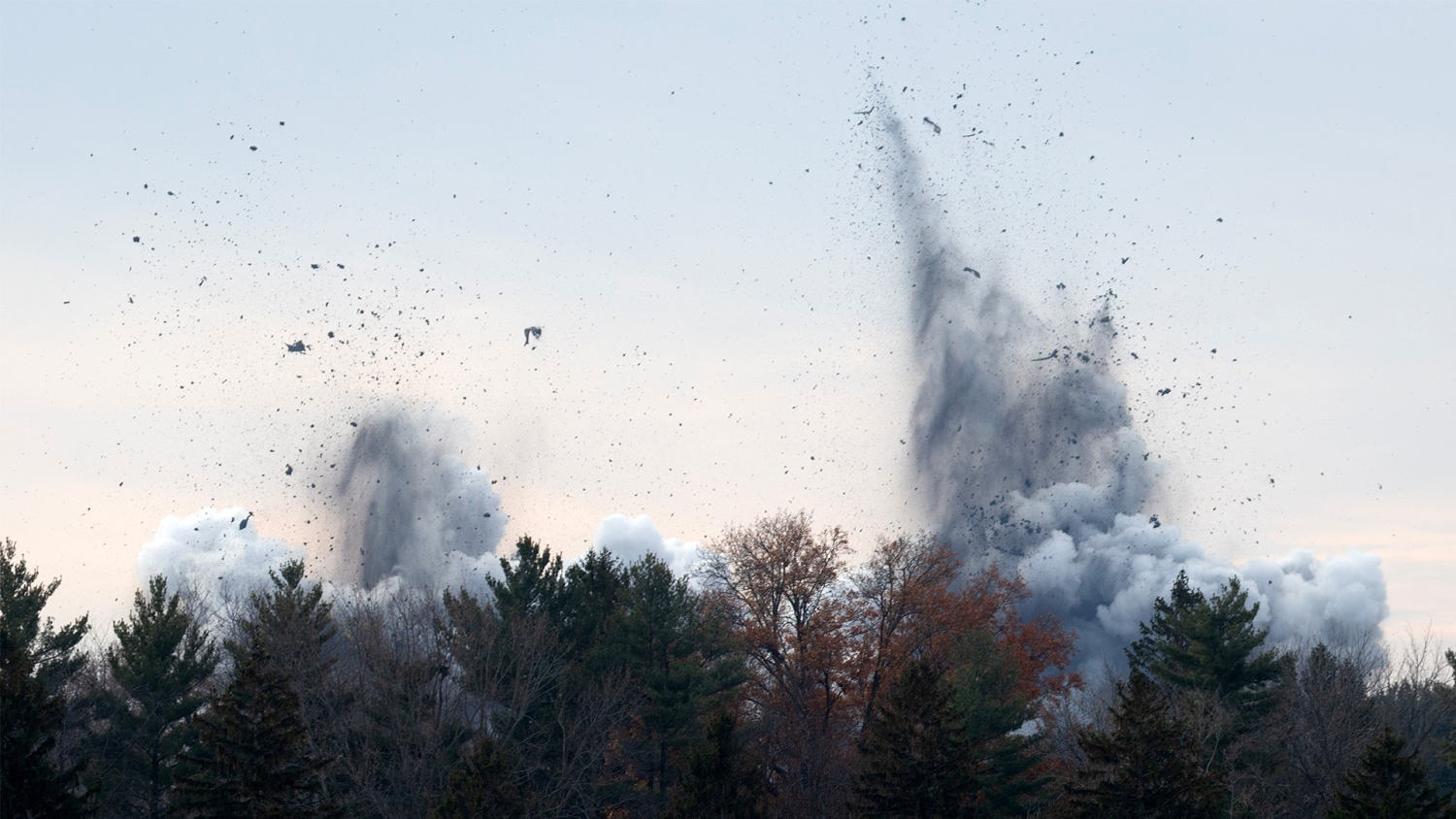
Two plumes filled the sky after the Army detonated nearly five tons of bomb-making material. The blast could be felt for miles. There’s no airborne lead detected throughout the region and the EPA says they’ll continue to test the air, soil and water. NBC News’ Shaquille Brewster has the story.
How did commercial airports get those three-letter codes — and why is Dulles known as IAD? An International Air Transport Association spokesperson helps explain.
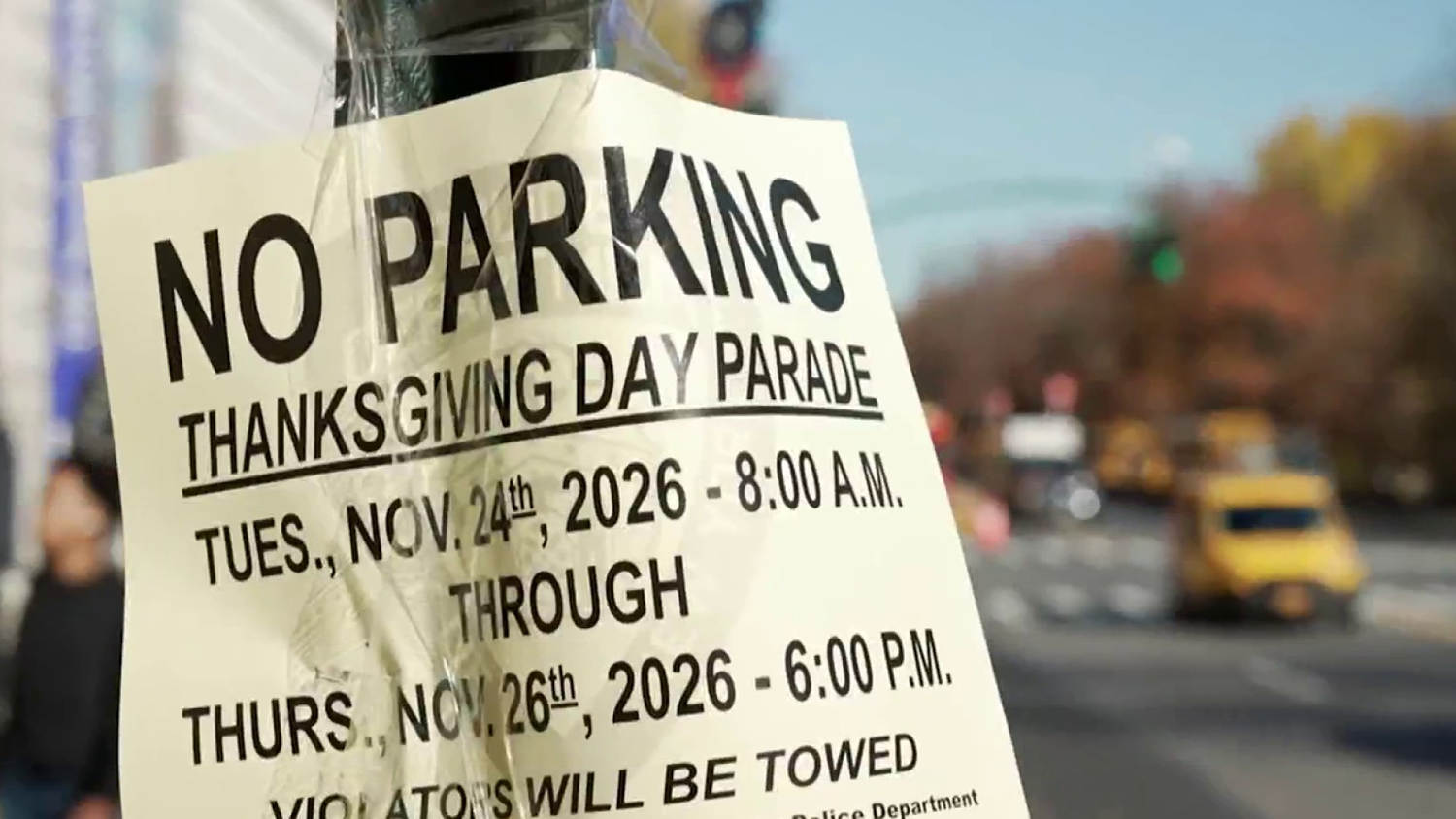
Macy’s 100th Thanksgiving Day parade will be pushed back to Saturday because of severe weather, officials said. NBC News' Jesse Kirsch and Tom Winter discuss how public safety was "top priority" in Macy's decision. Telemundo's Gabriela Dellan has Saturday's weather for the parade.
A drone captures the moment a plume of smoke rose into the air after the U.S. Army carried out a controlled detonation of a cache of lead explosives in Middletown, Iowa.
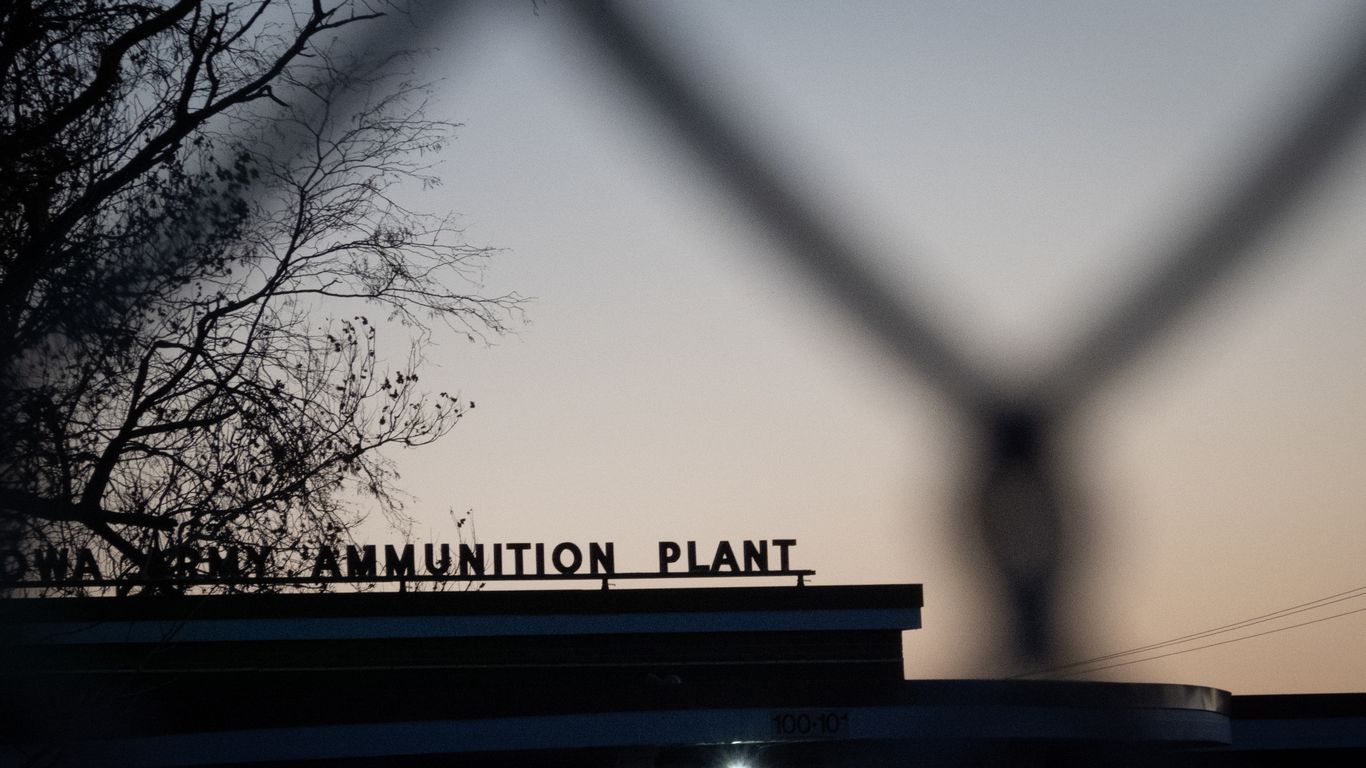
The Army detonated 68 drums of unstable lead azide on an Iowa plant Wednesday after multiple delays, a court challenge and presidential intervention . The big picture: Elected officials slammed the military over communication shortfalls ahead of the detonation, which triggered evacuations, closures and fears about exposure to toxic lead dust in surrounding communities and states . Federal officials have repeatedly stressed that detonating the unstable lead is safer than risking it exploding spontaneously. Driving the news: Environmental Protection Agency administrator Lee Zeldin told CNN that, based on initial feedback from the Department of Defense, mitigation efforts "exceeded expectations." Missouri Gov. Mike Kehoe also said early analysis from federal partners indicates the detonation was "well-contained." The Army has not yet released a statement on the status of the operation. Reporters near the plant witnessed large clouds of smoke rising following the detonation. Context: The evacuation zone is a 5-mile cone extending southwest of the ammunition plant, per the Army's public safety notice . Evacuees are set to receive notice by phone when it's safe to return. Those outside of the evacuation zone should still shelter in place by closing all windows and doors, recirculating heating and turning off fans that pull in outside air, among other protective measures for children and livestock, per the Army. State of play: President Trump ordered the Army to pause plans to detonate the explosives on Monday, saying the blast couldn't proceed without approval from a court and Democratic Gov.-elect Rob Sand . But Trump warned he would hold Sand responsible for "any and all death or destruction" if the governor-elect refuses to approve the detonation. The court initially granted an administrative stay but lifted it Monday, allowing the plan to proceed. Sand said in a statement that the administration should decide "based on the information they have from the people they br
The detonation of an Army stockpile of unstable lead azide explosives in Iowa has raised fears of a potential toxic cloud that could travel hundreds of miles southwest and into northeastern Missouri. NBC News correspondent Shaquille Brewster and military analyst Col. Steve Warren discuss how long the lead debris will travel for.
Voters are demanding action on the issue. We need to make AI work for the American public, not the tech oligarchs This month’s elections demonstrated the American public’s urgent demand for change. But they also revealed a glaring problem for the Democrats’ policy agenda: they haven’t presented a compelling plan around AI. This is important, because AI isn’t just a political issue in itself: it’s also a primary force behind both the economic disruption and political corruption that drove so many voters to the polls. Continue reading...
Maryland Gov. Wes Moore (D), a potential 2028 presidential contender, asserted in an interview with "The Axios Show" that Washington is leaving Americans vulnerable to AI because of billionaire greed and clout. He said voters hate the technology because they fear losing control. Moore, chair of the National Governors Association, told Mike Allen this week that after an " AI earthquake " helped propel Democrats to huge midterm gains, Congress must treat oversight of the technology as an "emergency" for the first 100 hours of Democratic control. Why it matters: Moore, 48, focused on AI early, with an executive order in 2024 . He has used his NGA leadership roles to work across the aisle on AI protections, arguing that Marylanders can't afford to wait for Washington and shouldn't have to wait for a disaster . Moore, Maryland's first Black governor , is a former Army paratrooper who deployed to combat in Afghanistan with the 82nd Airborne Division, and was a Rhodes Scholar and White House fellow. What they're saying: Moore, speaking at the Maryland State House in Annapolis, makes it clear in this episode of "The Axios Show" that AI will be a huge focus of the 2028 presidential race after becoming a flashpoint in November's midterms. Among the governor's key points: On the pace of regulation: "We are watching a fast-moving technology that is being protected at a snail's pace." On why people hate AI: "Genesis 1 talks about how God gave humanity dominion over all land, air and sea. And that dominion was given to humanity, not to robots." On whether regulating AI lets China win: "This is not a question of U.S. versus China. This is a question of man versus machine." On a bubble: "We are in a bubble because you cannot have that much influence by such a small group of companies." On Nvidia and Trump: "It seems like it's rules for me, but not for thee. ... We are talking about not just millionaires, but billionaires who are sitting in a quiet room by themselves making this dec
The Trump administration is facing the first of possibly hundreds of lawsuits testing whether it can be held liable for how immigration officers acted during the ICE crackdowns . Why it matters: These cases could force the administration to defend the conduct of officers operating under former Homeland Security Secretary Kristi Noem and now-retired Border Patrol Commander-at-large Greg Bovino. Driving the news: Democracy Forward, an advocacy litigation nonprofit, filed its first Federal Tort Claims Act (FTCA) case on Monday on behalf of Dayanne Figueroa. Figueroa, a U.S. citizen, was arrested during Operation Midway Blitz in Chicago in October 2025. Video footage of Figueroa's arrest, after dropping her son off at school, shows officers driving into her vehicle and dragging her out of her car by her legs in a chaotic scene with multiple witnesses. Under FTCA, she could file for monetary compensation. And if the case goes to trial, discovery could reveal more information about the directives to make arrests during Operation Midway Blitz. What they're saying: "I anticipated that I was going to be met with silence. I'm not surprised, but again, I still expect accountability, so I'm not gonna let that define the outcome of all this," Figueroa said in an exclusive interview with Axios. "I want my experience to be a catalyst for meaningful change." Figueroa has also testified before Congress and filed a police report over her experience. She is now asking for no more than $1 million, according to the FTCA filing, which alleges unlawful arrest, battery and failure to provide medical care. Zoom in: Figueroa's claim comes after filing an administrative complaint against DHS over its officers' conduct both during her arrest and while she was detained. The administration had six months to respond, but didn't, opening her path to an FTCA case. "This is really a sort of tip of the spear of this type of case," Jeff Dubner, an attorney leading the effort for Democracy Forward, sai
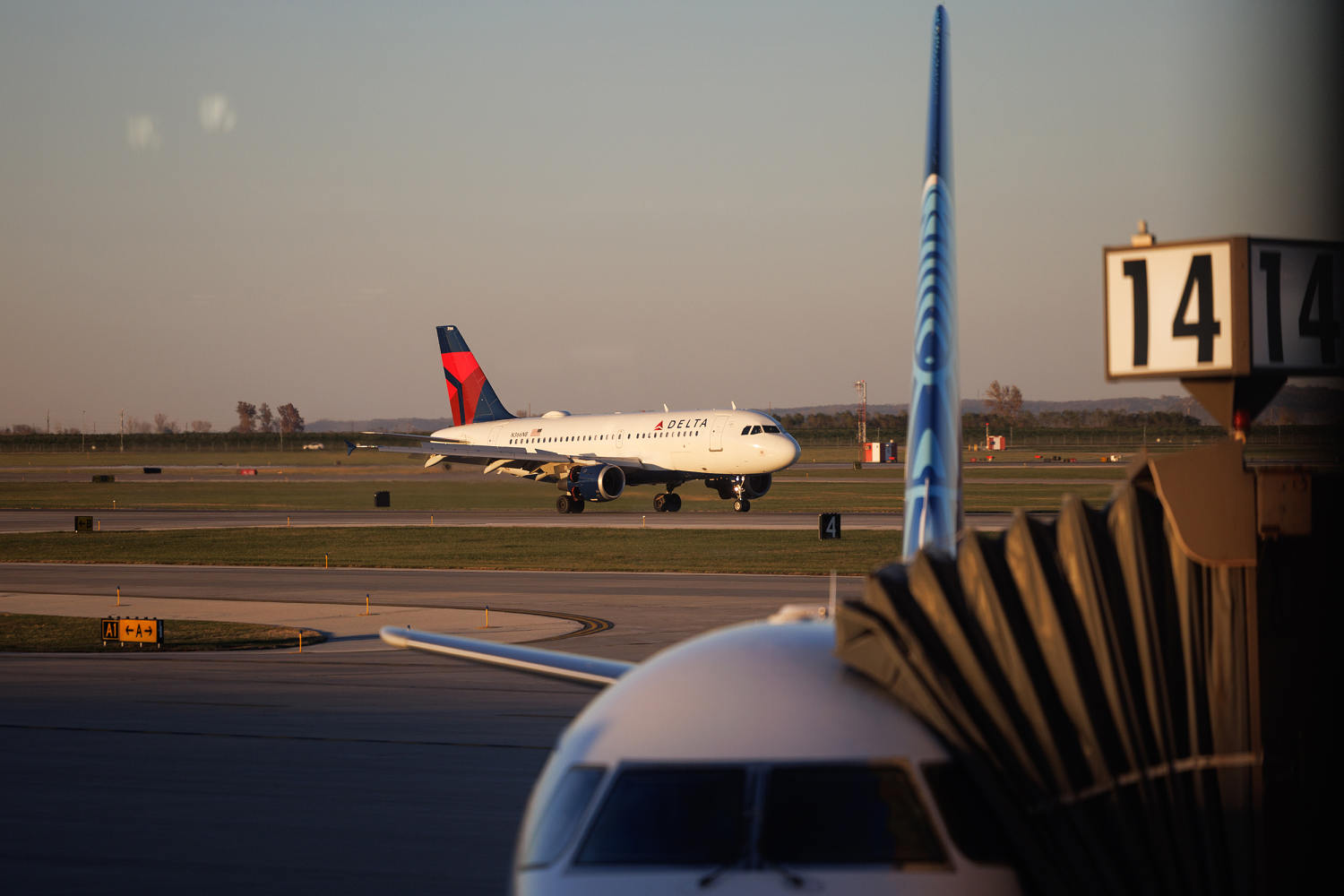
Delta Air Lines flights resumed on Monday after a systemwide outage caused massive delays on Sunday. Meanwhile, authorities in San Francisco expressed concern about severe flooding that could impact airports and roads. Kris Van Cleave reports and Rob Marciano has the forecast.
Data: FAA; Note: The numbers cover the Monday before Thanksgiving through the Tuesday after. The data includes flights tracked by air traffic control under instrument flight rules.; Chart: Noah Bressner/Axios Thanksgiving week air travel is expected to reach a 16-year high, with 417,775 flights forecast over the nine-day holiday period from Nov. 23 through Dec. 1, according to FAA figures obtained by Axios. Why it matters: The surge comes on the heels of a historic ground stop that disrupted flights nationwide this month and put a spotlight on potential outages in the nation's aging air traffic control system, which the the FAA is working to modernize. The Thanksgiving rush will be a major test of the Trump administration's push to improve the system's reliability and minimize flight delays and cancellations. By the numbers: The FAA is projecting a 2.2% increase in flights over Thanksgiving week last year and a 7.5% increase over pre-pandemic levels in 2019. Tuesday is expected to be the busiest day, with more than 52,000 flights. Behind the scenes: A newly assembled team tasked with improving the air traffic control system's reliability has been meeting daily for the past week, a White House official said. The FAA is exploring ways to remove vulnerable components from the system and bolster its monitoring capability to detect and quickly address any technical problems before they cause widespread disruptions. The agency also is monitoring potential stormy weather that could disrupt holiday travel, particularly in the East and Midwest. What they're saying: "From standing up a 'Tiger Team' to ensure a seamless travel experience for fliers to using a successful new platform to predict and address congestion in the airspace, we've taken unprecedented action to limit flight delays and cancellations," Transportation Secretary Sean Duffy told Axios. "The American people can rest assured we will continue to work around the clock 24/7 to get families where they need to go."
Travelers in the air and on the ground are bracing for bad weather later this week. In San Francisco, a powerful storm is expected to bring king tides and heavy flooding. In New York, there’s concern that rain and high winds could ground the Thanksgiving Day Parade balloons. Meanwhile, on this busy travel week, airlines have been managing a ground stop in Chicago and the residual effect from Delta’s computer outage this weekend. NBC News’ Tom Costello has the story.
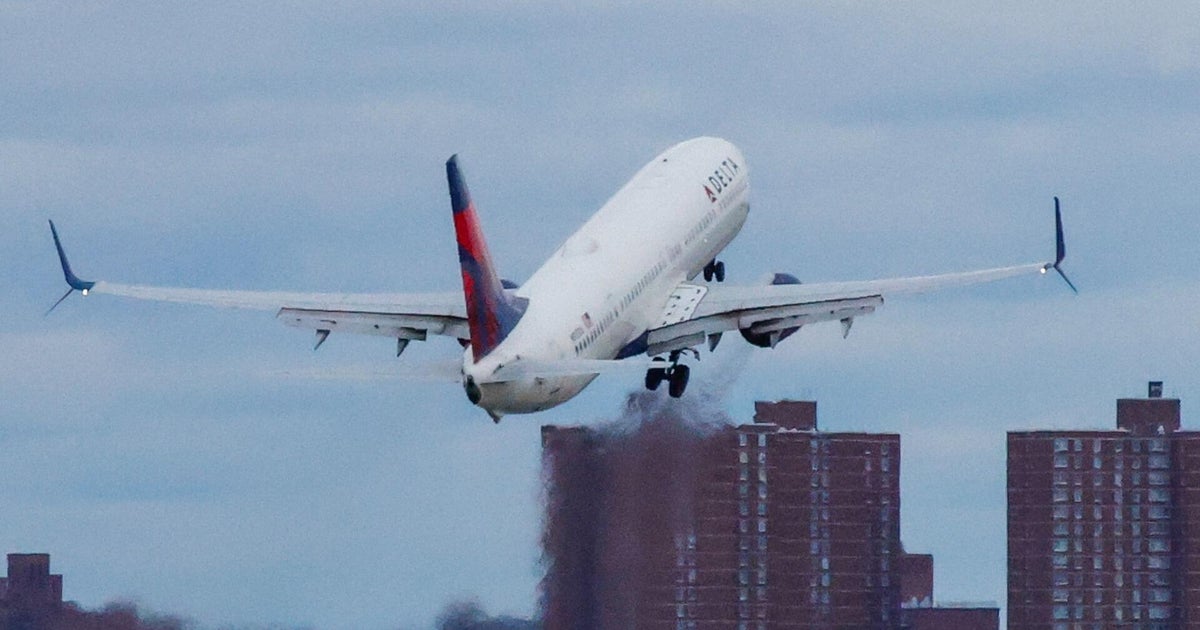
Thanksgiving week is off to a messy start with weather and air travel issues impacting hundreds of flights. The FAA had to briefly shut down Delta flights to Atlanta’s Hartsfield-Jackson Airport on Sunday morning after an outage involving one of the airline’s calculation systems, coming on the heels of November’s nationwide ground stop. NBC’s Stephanie Gosk reports for TODAY.
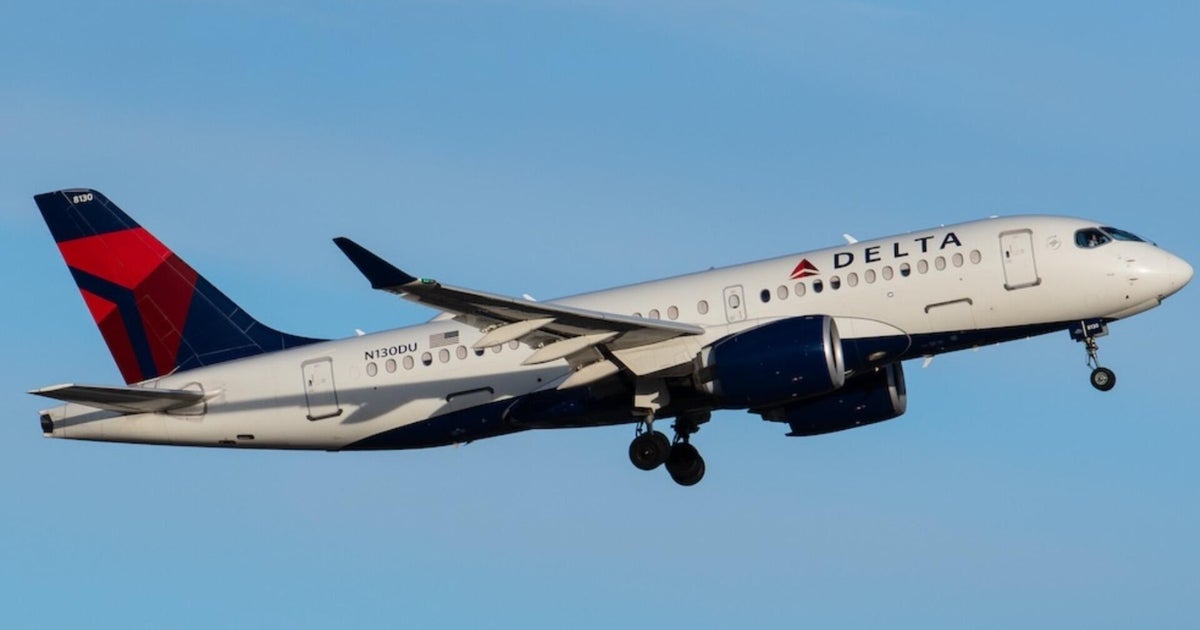
Delta Air Lines said it resolved an automation outage that disrupted half of all flights, but the weather is creating another speed bump for the Thanksgiving travel rush. Shanelle Kaul reports and Andrew Kozak has the forecast.
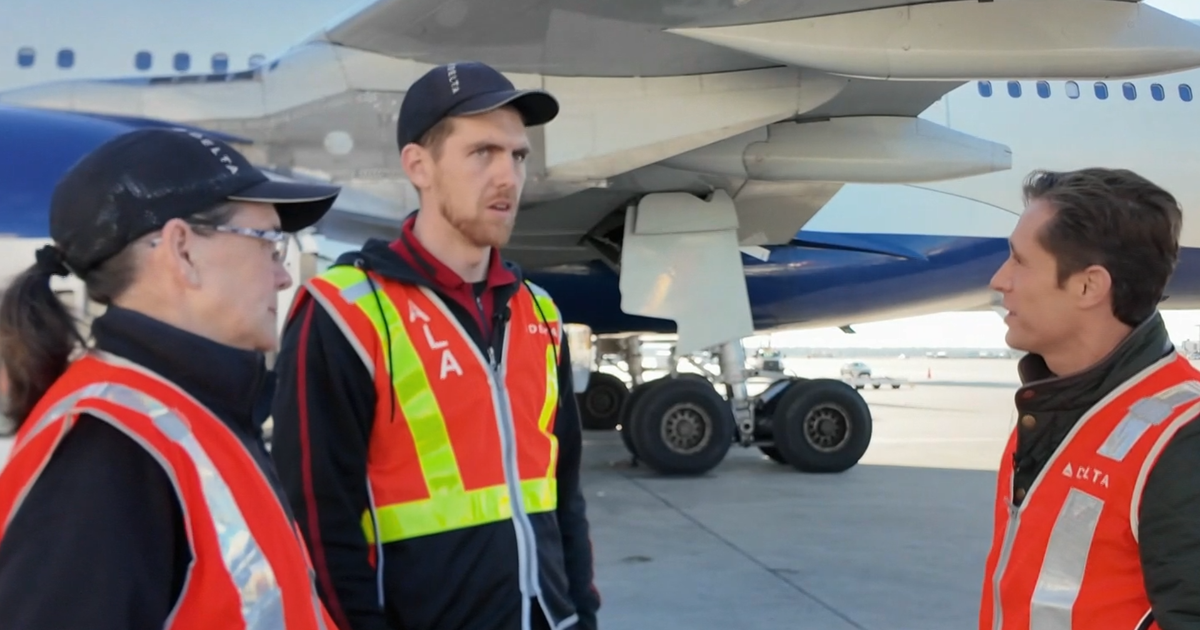
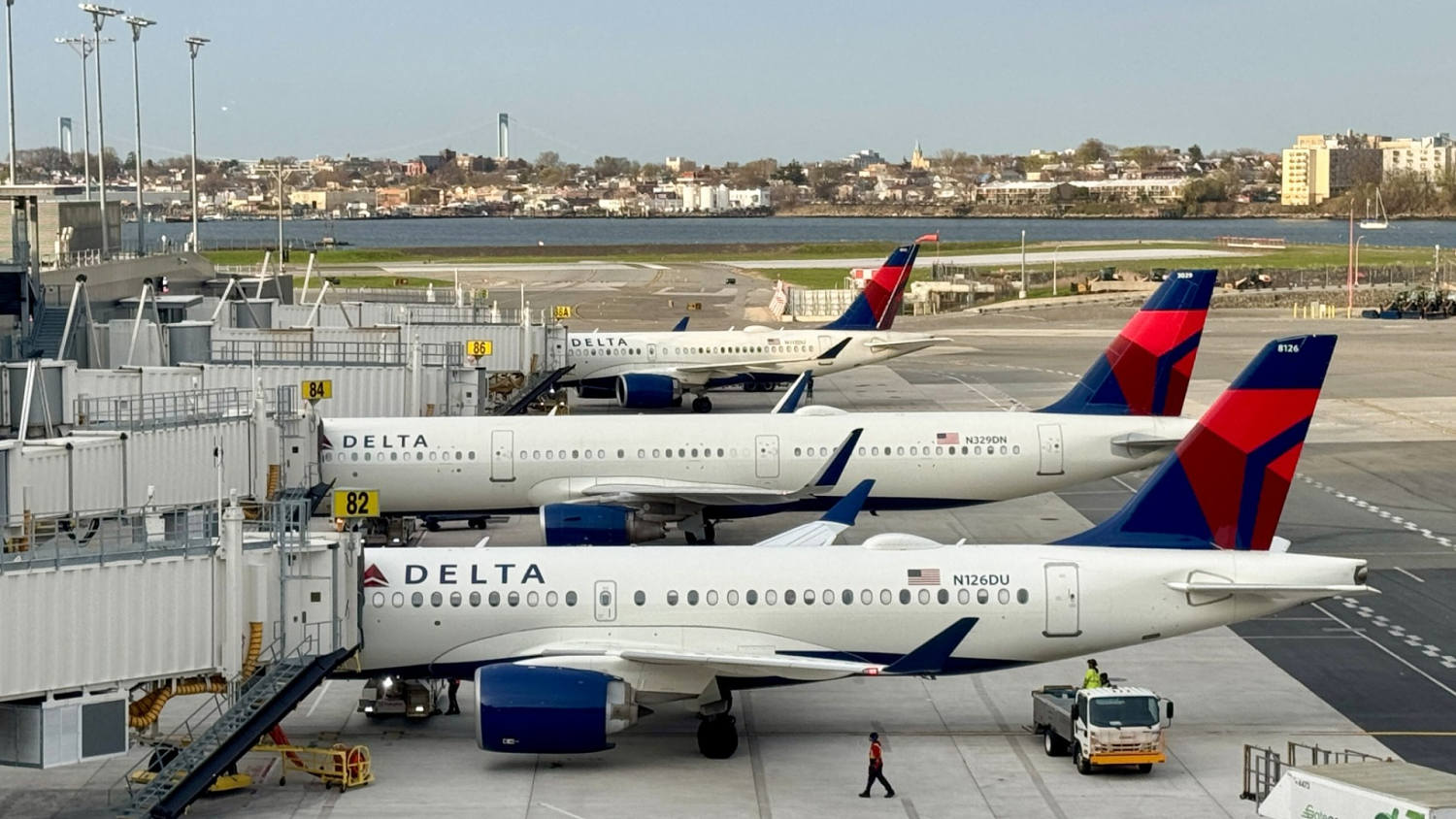
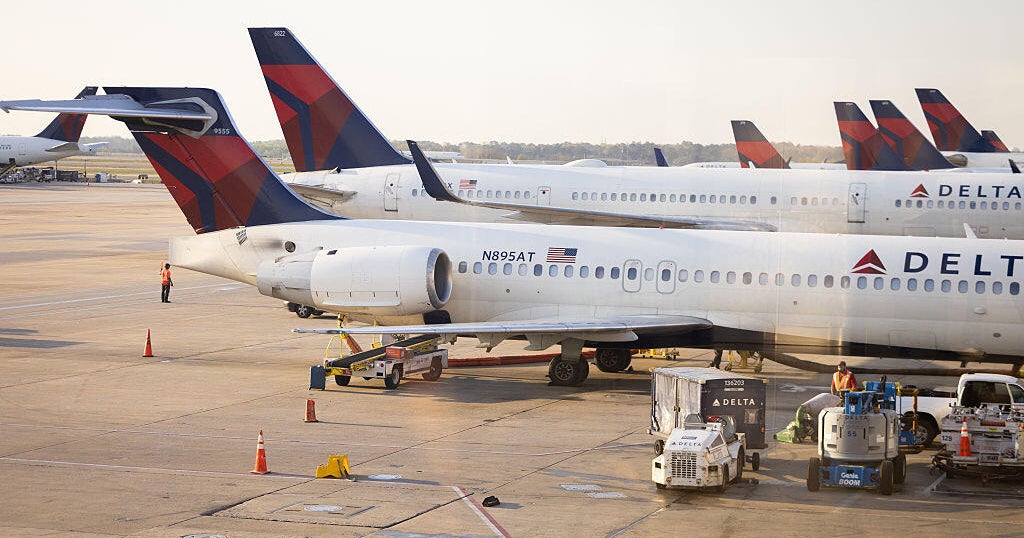
A problem with the system Delta Air Lines uses to calculate aircraft weight and balance delayed flights at the nation’s busiest airport Sunday as Thanksgiving travel got underway. NBC News’ Valerie Castro reports.
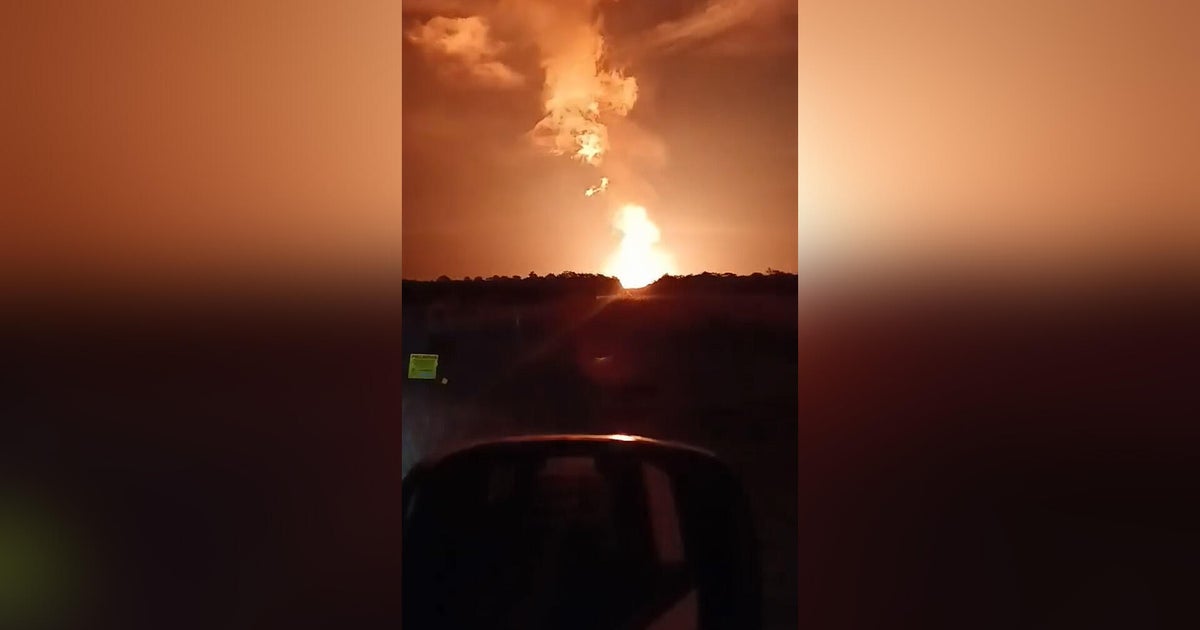
Photos and videos posted on social media appeared to show flames rising dozens of yards above the trees near Ward, Alabama, with smoke billowing into the air.
A problem with the system Delta Air Lines used to calculate aircraft weight and balance delayed flights into its Atlanta hub Sunday, as travelers headed out ahead of Thanksgiving.
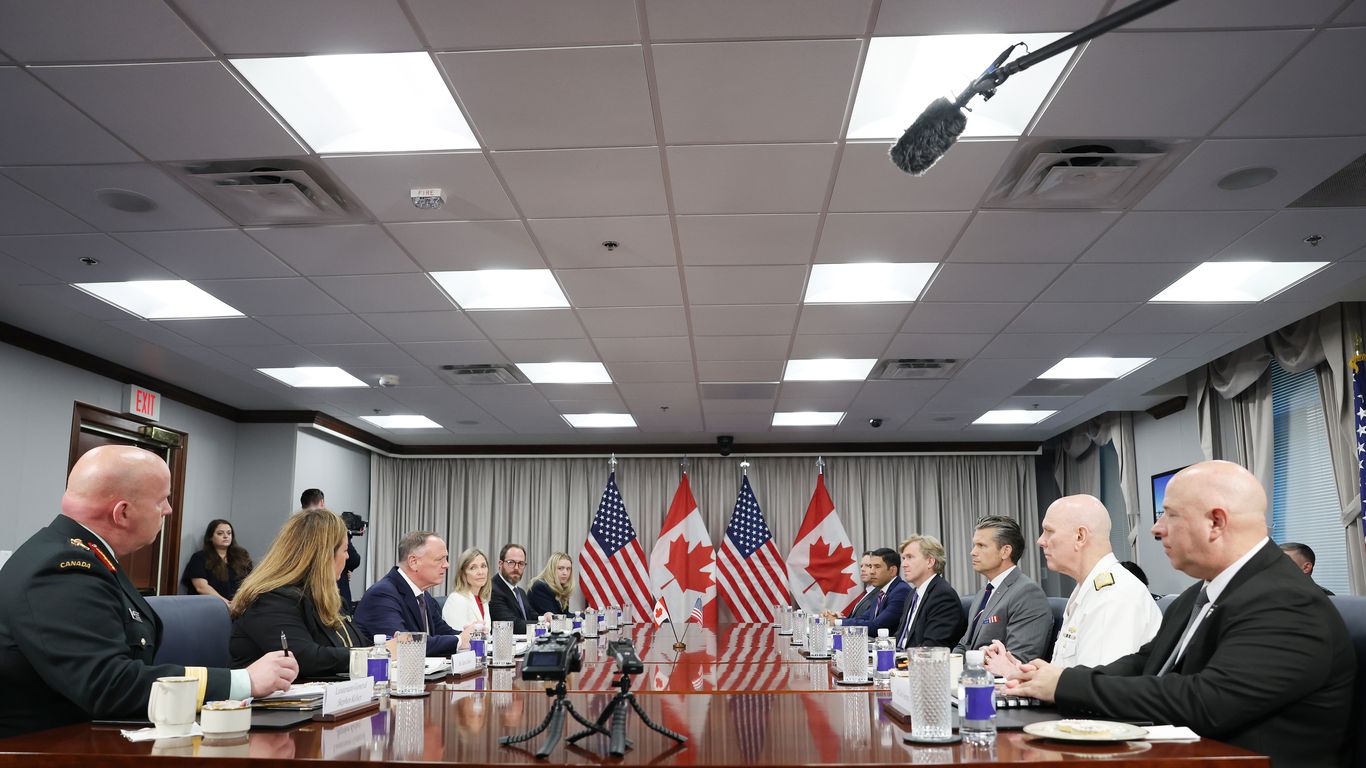
The Pentagon accused Canada of failing to become a "credible partner" due to its faltering military readiness and low defense spending, according to a sharply worded fact sheet issued by the Pentagon to justify new restrictions on America's northern neighbor. Why it matters: The restrictions deepen tensions between the U.S. and Canada over trade and defense, as Ottawa reconsiders billions of dollars in purchases of American weapons. The new restraints — which do not affect defense or intelligence sharing— limit U.S. military personnel from fraternizing with their Canadian counterparts at official events without prior authorization from the Pentagon, an official told Axios. The Pentagon fact sheet has not been reported. But the Washington Post first reported the restrictions, followed by the New York Times . Zoom in: At the heart of the dispute are NATO defense spending goals and military readiness under the bilateral North American Aerospace Defense Command where, the memo says, Canada falls short in three ways: 🛩️ Air: Only 41.9% of the Royal Canadian Air Force fleet "was serviceable from 2025-2026, largely due to ageing equipment and personnel shortages," the Pentagon fact sheet says. The shortfall limits Canada's "ability to meaningfully contribute to air defense commitments … to defend our North American airspace against all threats." Canada relies on the U.S. and NATO for airborne early-warning aircraft but is negotiating to buy its own from Sweden's Saab. ⚓️ Sea: Just 53.9% of Canada's naval fleet was "serviceable" from 2025-2026, limiting its "ability to monitor maritime approaches to North America," the fact sheet says. Only one of Canada's "four ageing Victoria-class submarines" is "seaworthy at any given time." Canada has a new fleet of conventional submarines, manufactured by ThyssenKrupp Marine Systems, coming on line, but until then, its undersea "capability will be limited." 🪖 Land: The Canadian Army had an operational readiness rate of 48% from 2025
We've talked to more than 50 leaders in government, AI, business and cyber — from let-'er-rip AI accelerationists to shut-'er-down critics — and they were unanimous on one chilling assessment: Cyberattacks on business and critical infrastructure will be constant, increasingly sophisticated and highly disruptive over the next 18 months. These leaders describe 2027 as the year cyber becomes like weather: Outages will be frequent, disruptive, occasionally scary, and something people and companies must learn to navigate and live with daily. The chances of widespread disruption or real damage are rising fast. Why it matters: We write this neither to forecast nor frighten. Rather, we're sharing what government and AI leaders say privately but won't say publicly. The big picture: The disruptions of the past two weeks — from a global Microsoft outage to the FAA grounding air travel to a consumer banking glitch at Chase — were a mild preview of what experts expect is coming. Bridgewater Associates, the world's largest hedge fund , put it bluntly in an assessment this month: "[We] are managing money based on a one-in-three chance of an economically destabilizing attack within the next year." Horacio Rozanski , chairman and CEO of Booz Allen, calls this the "fog before the war" — a foretaste of greater chaos to come, when agentic invaders reach their full potential and can attack "at the speed of thought." "Now is the time to take as many precautions as you can," Rozanski said. "Recognize that this is coming." Most of these malfunctions appear to have resulted from companies and government trying to secure their computer and infrastructure systems against future large-scale cyberattacks. This pattern will persist. Many future ones will be actual cyberattacks, carried out by U.S. rivals or smaller bad actors, using increasingly powerful AI to spot and exploit security vulnerabilities across society and our daily lives. Most top AI and government leaders expect at least small-sc
Iran war stretching fleet’s capacity, navy chief admits, as CBO finds estimated cost of new ships ‘unrealistically low’ The US navy’s commitment to the new Trump-class battleships has blown out the cost of its new fleet by billions of dollars, a report to the US Congress has found, as the acting secretary of the navy conceded this week the Iran war was “stretching” the fleet’s capacity. The challenges facing the world’s biggest naval force were highlighted this week, when the return of the USS George Washington from the Middle East on Wednesday ended a rare three-month period when the US had no aircraft carrier across all of the Pacific. Deployments have been regularly running beyond 300 days, with the maintenance and repair of ships deferred so they can stay at sea longer. Continue reading...
SMET CEO Danny Cooper says ruling out a cyberattack too fast risks missing hackers after the JPMorgan Chase, Microsoft outages and air travel ground stop.
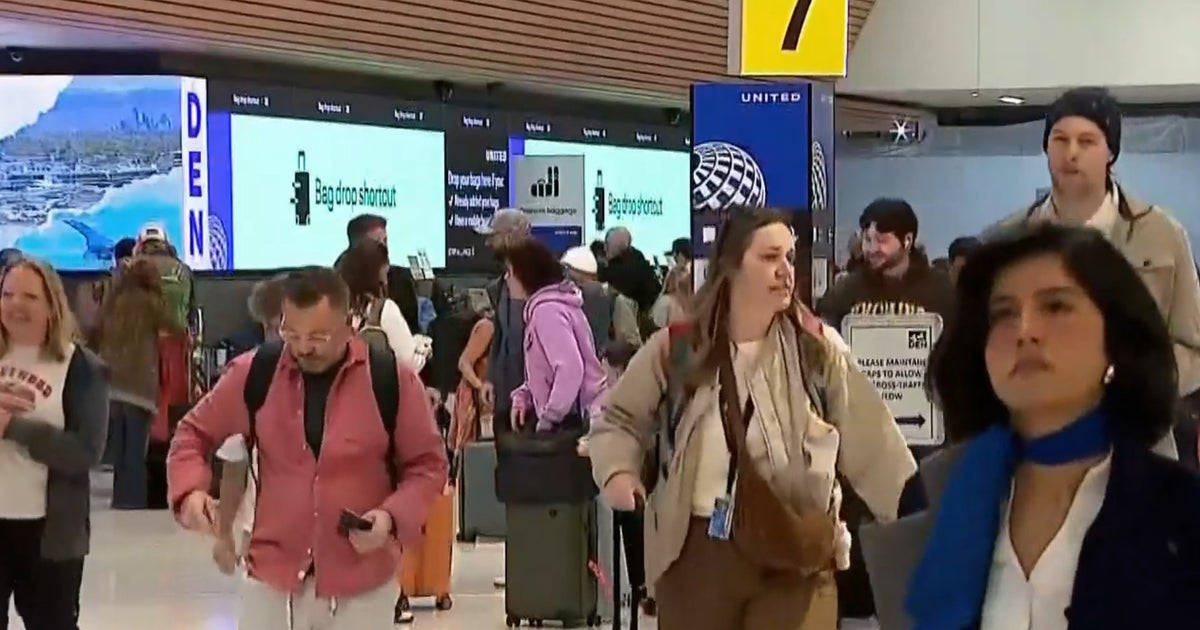
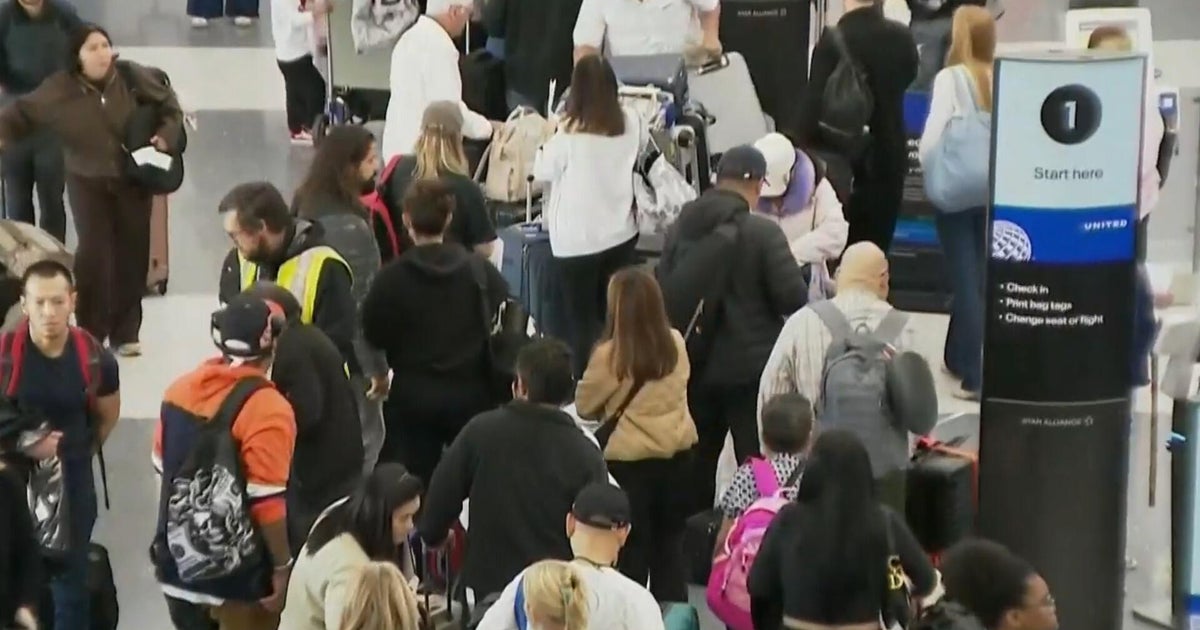
Millions of passengers are expected to fly over Thanksgiving as the air travel industry recovers from the FAA's national ground stop. Storms may also bring complications. Kris Van Cleave has the story.
The giant steel plant in Middletown, Ohio planned to switch away from using coke, a refined form of coal. The switch would have cut hazardous air pollution -- and greenhouse gas emissions. But that plan has changed under President Trump
Speaker Mike Johnson (R-La.) is warning House Republicans that their jobs aren't over yet after so many skipped town this week that GOP leaders had to call it quits. Why it matters: Republicans still have a month-plus left in the majority, but Johnson is struggling to get enough members to show up to make last-minute headway on the GOP's legislative agenda. GOP leaders were forced to cut the week short after 14 Republicans missed votes, leaving Johnson without the headcount needed to advance party-line legislation. Eleven of those 14 won't be returning next Congress. Driving the news: "To state the obvious, barring any serious medical issue, we need every Republican to be here to faithfully complete our full two-year term," Johnson wrote in a Friday letter to his colleagues . "The Twentieth Amendment to the U.S. Constitution specifies that our clock doesn't run out until noon on January 3rd," he added. Zoom in: The outgoing speaker pointed to government funding, the annual defense authorization bill and permitting reform as priorities for the final weeks of the Republican majority. He also said he wants to pass "every meaningful Republican bill that can garner 218 votes" and force Democrats to take politically difficult votes. "LET'S SCORE EVERY POINT WE CAN AND LEAVE IT ALL ON THE FIELD!" Johnson wrote.
The Senate has approved bipartisan legislation aimed at speeding up permitting reviews to build power plants, transmission lines and other energy infrastructure as lawmakers seek to increase the nation’s energy supplies to meet surging demand and lower...
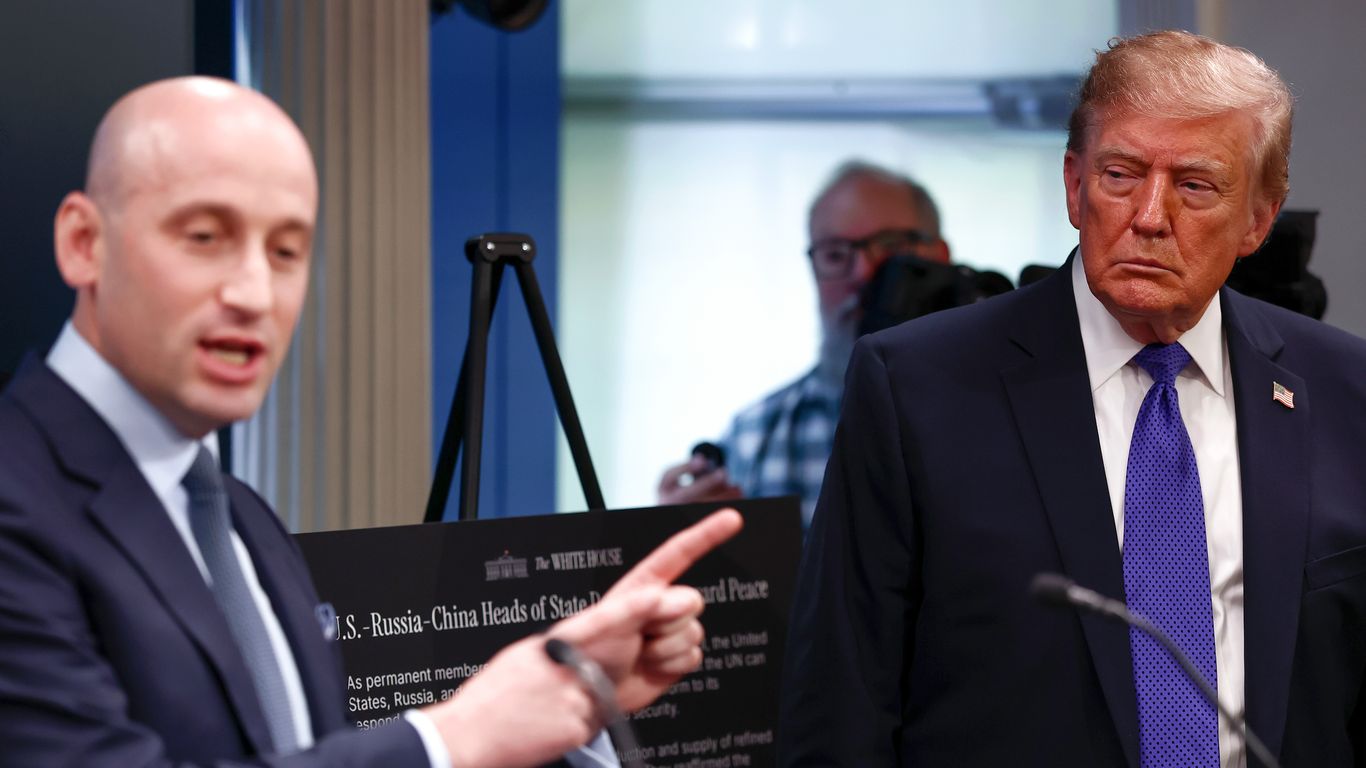
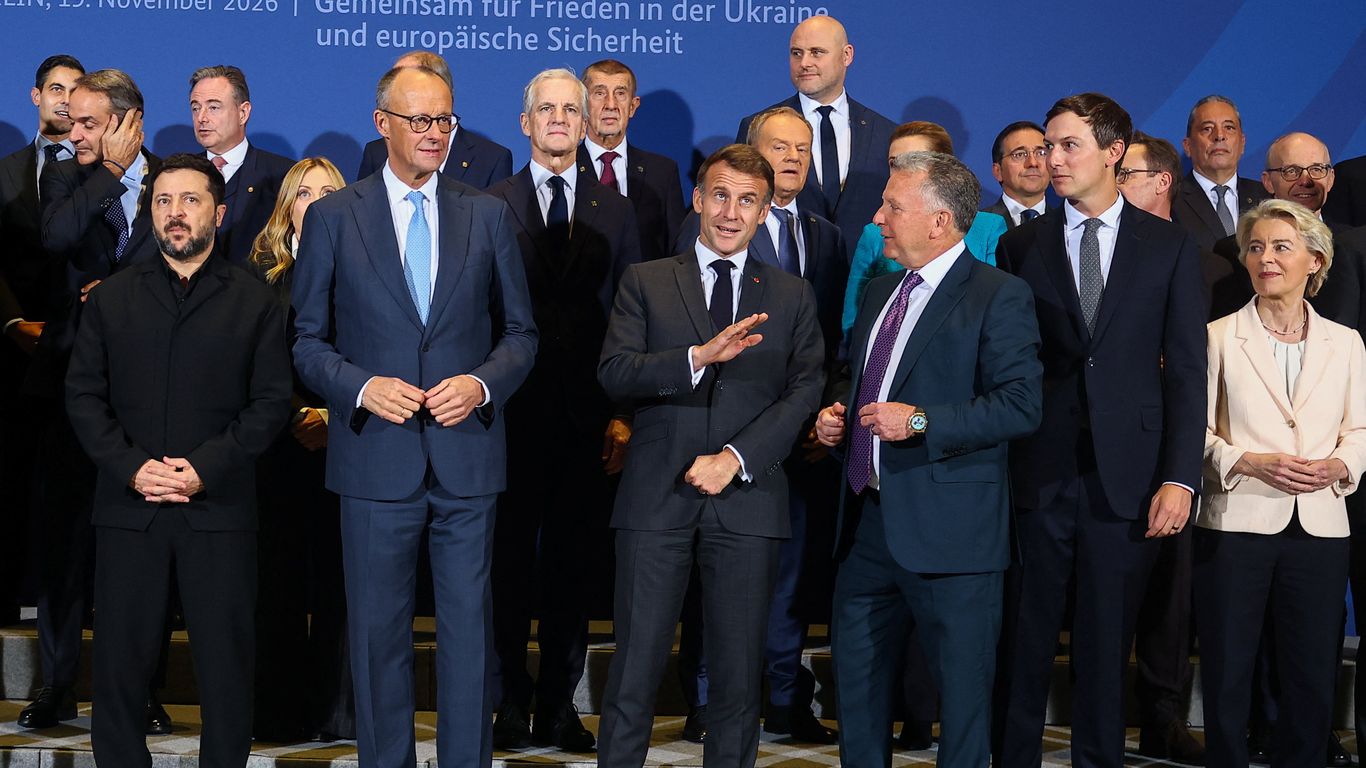
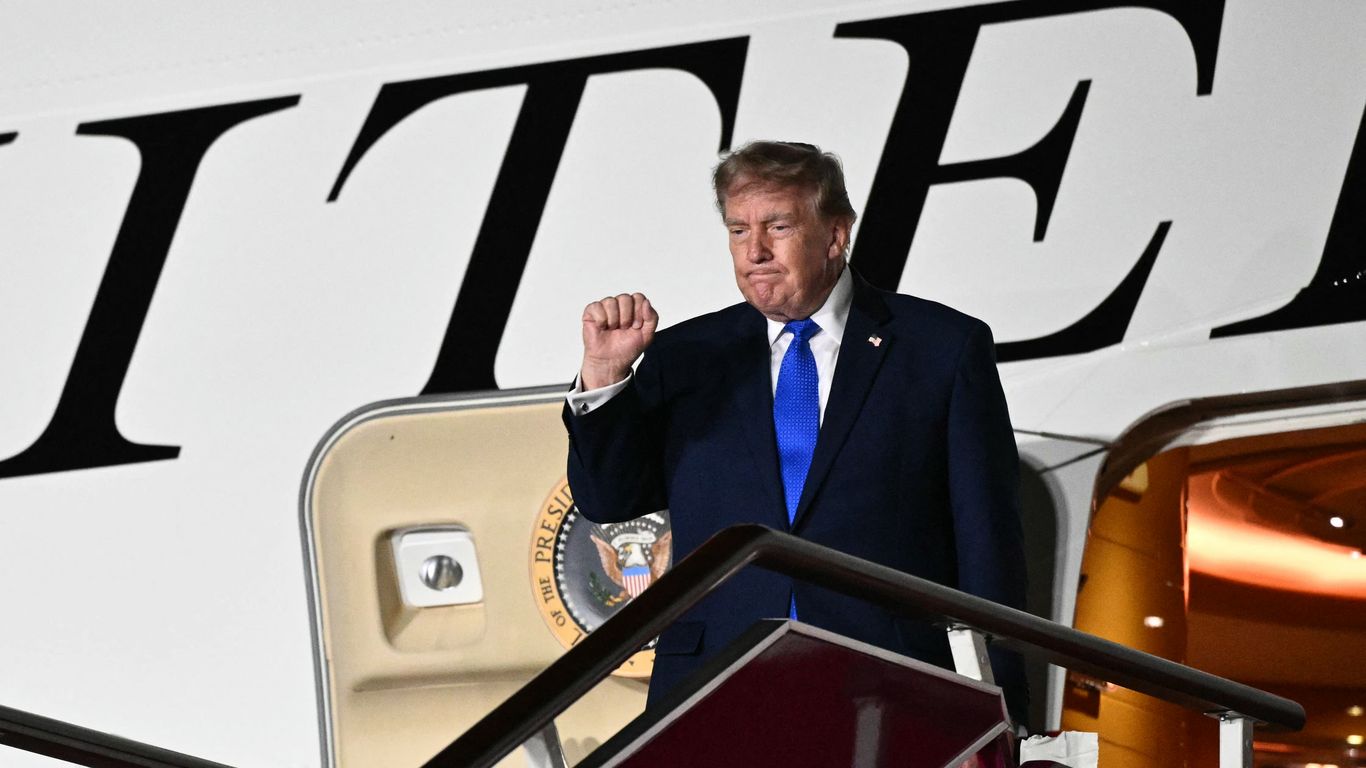
On his way back from China Thursday aboard Air Force One, President Trump called in to a meeting his envoys Steve Witkoff and Jared Kushner were holding in Berlin with a group of European leaders and Ukrainian President Volodymyr Zelensky. "Putin wants to end the war, he wants the deal done, he is getting tired of this," Trump said, according to people in the room. Why it matters: Instead of turning his historic trilateral summit with Chinese President Xi Jinping and Russian President Vladimir Putin into a modern-day Yalta Conference, as some European and Ukrainian officials feared , Trump tried to use it to propel his push for peace in Europe. Driving the news: Trump met Putin Thursday on the sidelines of the summit in Shenzhen. Their meeting wasn't originally on the schedule, but Trump wanted to discuss diplomatic efforts to end the war in Ukraine directly with the Russian president, a U.S. official said. "Who is he? He's my friend," Trump said when he entered the meeting room where Putin was waiting. Later in the day, Witkoff and Kushner told European leaders in Berlin that Trump pressed Putin to move on the peace talks, telling the Russian leader that now is the time to get a deal, according to a European official. Trump also asked Xi for his help in ending the war during their bilateral meeting. "He sent a very strong message to both of them [Putin and Xi] on the desire for peace, and would like to engage both of them very aggressively to get there," Kushner said at a press conference on Thursday. Behind the scenes: As Trump wrapped up his meetings in China and headed back to Washington, his envoys started their talks with German Chancellor Friedrich Merz, French President Emmanuel Macron, British Prime Minister Andy Burnham, Zelensky and other European leaders. Kushner and Witkoff tried to reassure the group that Trump doesn't intend to cut a deal with Putin over their heads. "President Trump wants to make a deal with Europe by his side. He's not looking to im
Friday's nationwide ground stop was a stark reminder that the U.S.'s air traffic control systems are old and fragile. How did things get so bad, and why is it so hard to replace outdated equipment?
The FAA says the telecom outage that led to Friday's nationwide ground stop began with an upgrade to fiber-optic cables. Industry experts say the work is long overdue.
President Trump said in a brief phone interview Thursday that he won't make a determination on his next step in the Iran war until the new year. "I am not rushing into any decision [on Iran]. We will see what happens after the beginning of the year," Trump told Axios from Air Force One, on his way back to the U.S. from China. Why it matters: The president's comments come as he faces heavy pressure from Israeli Prime Minister Benjamin Netanyahu to unleash a decisive bombing campaign soon. Yes, but: Trump could change his mind at any moment. And he wouldn't telegraph plans for an imminent attack even if that's what he was intending to do. A day before the war began in February, Trump said he hadn't made a decision, when in fact he had already ordered strikes. Between the lines: Trump's stated timing could mean he's giving more time for the naval blockade and the economic pressure campaign to play out, as many of his advisers and leaders of Gulf countries are urging. But it could also indicate that if Iran doesn't make concessions by the end of the year, Trump wants to leave himself enough time for military action before the new Democratic-controlled Congress settles in. Driving the news: While stating last week that a major new round of strikes on Iran was " quite unlikely ," Trump is still considering a joint attack with Israel, Axios reported on Wednesday. The president's deliberations are likely to pick up when he returns from Asia. Any U.S. operation would involve Israel and could include strikes on suspected Iranian nuclear facilities such as Pickaxe Mountain. Bridges and power plants could also be targeted, as well as Iranian military and civilian leaders. Behind the scenes: The White House has asked the Pentagon and intelligence experts for their assessments of how Iran would respond to each of the strike scenarios the U.S. military has prepared, according to two sources with knowledge of the matter. The White House has asked whether any of the options would av
Democratic Sen. Tim Kaine of Virginia says he will force a vote on the Senate floor to require President Donald Trump's administration to calculate the human rights consequences of its policies in Russia
The former NFL quarterback was widely derided when he starter his job in the Fox booth. But he has shown a human side and explains the game beautifully I have accidentally force-fed myself Tom Brady’s commentary as my primary means of watching the NFL this season. When my favorite team, the Steelers, hired Mike McCarthy as head coach , I lodged a silent protest by declining to spend the several hundred dollars needed to get NFL Sunday Ticket. I didn’t even splurge for RedZone. That means I’ve found myself watching Fox’s NFL broadcasts on a Sunday – often an underwhelming Cowboys game – where Brady is the color commentator in the network’s No 1 booth, alongside play-by-play man Kevin Burkhardt. This two-and-a-half-month experiment has led me to an alarming conclusion, one I’d seen others reaching gradually over the last year but never taken too seriously myself. Recently, though, the truth has become unavoidable: Tom Brady is pretty good at his job. Gone are the days of the best quarterback of all time being hopelessly outmatched on TV. What has changed is that Brady now sounds like an actual human being. Continue reading...