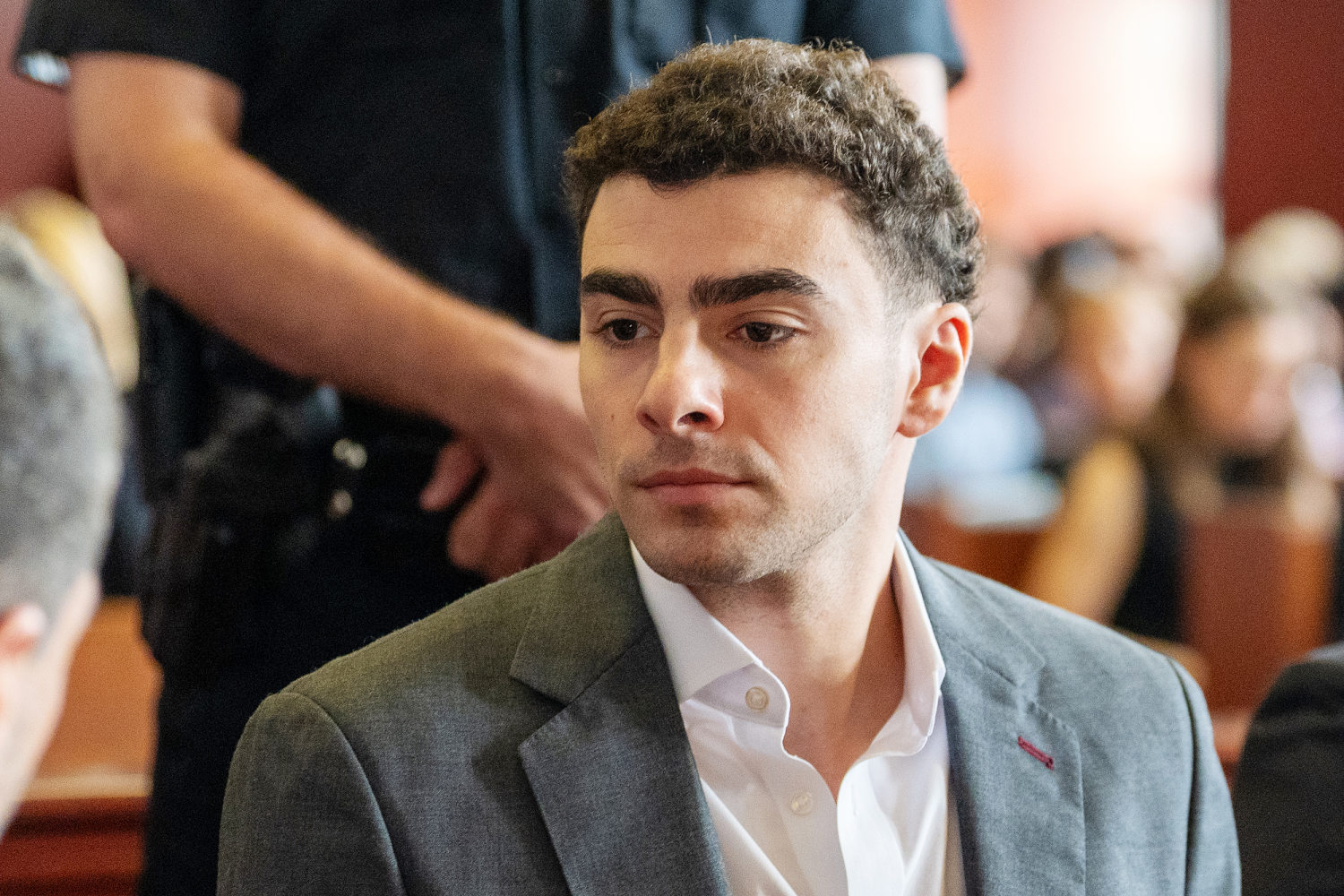
Lawyers for Luigi Mangione on Friday continued to push for the dismissal of his state court murder and weapons case, arguing that his guilty plea to federal stalking charges two months ago bars a separate trial.
Results for “appeals court”
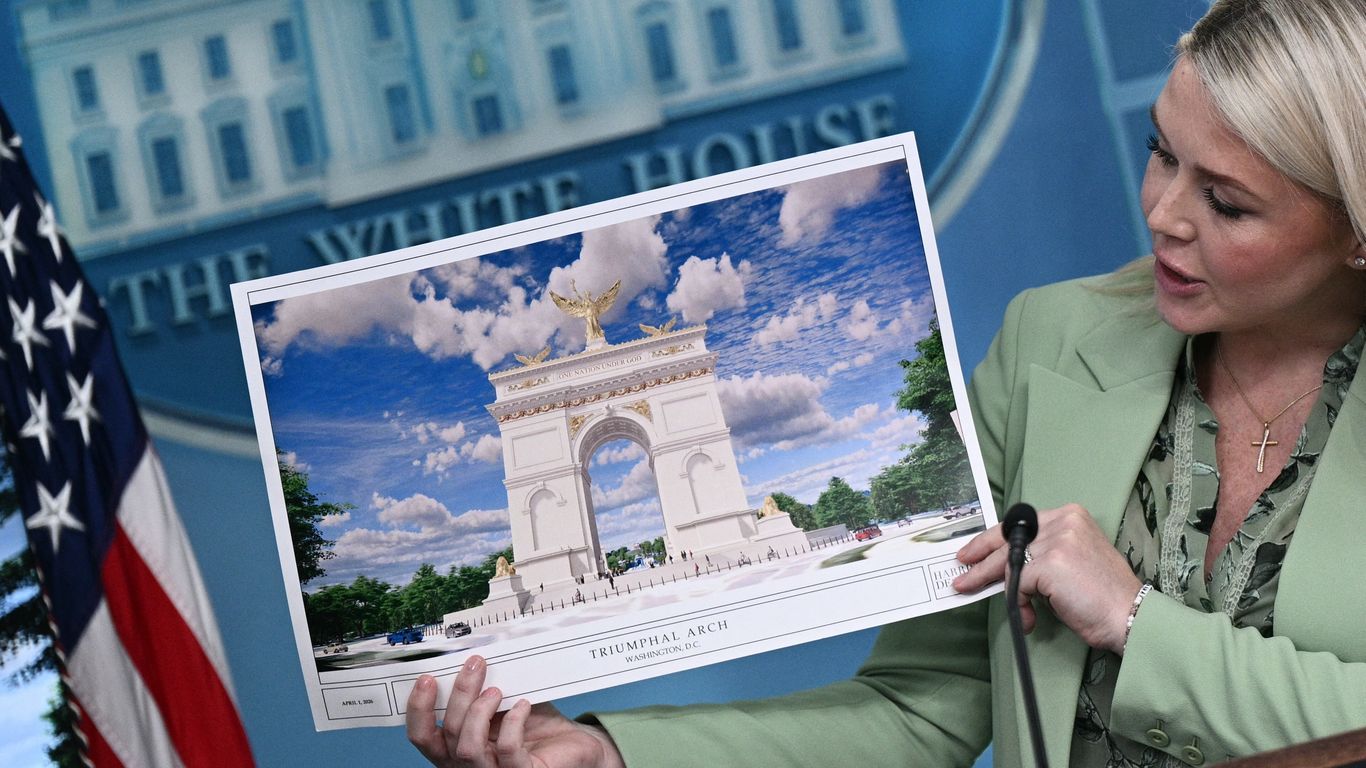
The governments of Washington D.C. and Virginia asked a federal court to block construction of President Trump's planned " triumphal arch ," claiming it's unlawfully tall and would snarl traffic for years. Why it matters: It's a last-minute gambit to stop construction before the multi-year project begins, potentially as soon as this coming week. What they're saying: " This project is flagrantly unlawful," the two governments said in a Saturday filing in D.C. federal court, first reported by the Washington Post. "During the three-year period of construction, the Arch project will inevitably snarl traffic between the jurisdictions, produce pollution and stormwater runoff in the Potomac, interfere with emergency services, and pose numerous other challenges," they argue. They further claim that the defendants — the National Park Service and the Interior Department — have rushed the project without the proper consultations. The city and state are asking a judge to issue injunctions to stop any site preparation or construction on the project. Zoom out: The proposed 250-foot arch would be one of the largest such monuments in the world, sparking concerns that it could interfere with other national symbols, block views and even complicate landings for pilots at nearby airports. (The FAA found otherwise.) The Park Service's own August report indicated the construction of the arch would have adverse effects on nearby monuments and landmarks. The other side: The administration has argued it will be a major tourist attraction — but also vital to national security, serving as a base for snipers and drones. The White House was not immediately available to comment Saturday on the D.C. / Virginia petition. What's next: A federal judge held a hearing Friday on a separate challenge to the arch, and indicated she may block construction at least temporarily.
The administration’s efforts have raised concerns among experts about potential disruptions after election day Donald Trump is waging a brazen effort to interfere with voting in this year’s midterm elections, escalating concerns that the federal government will try to slow down certification of election results – a strategy that could create chaos when the new Congress is seated next year. Experts are certain the administration’s efforts to subvert America’s elections will not work. And some have bemoaned “fearmongering” about far-fetched scenarios that are unlikely to go anywhere in court. Continue reading...
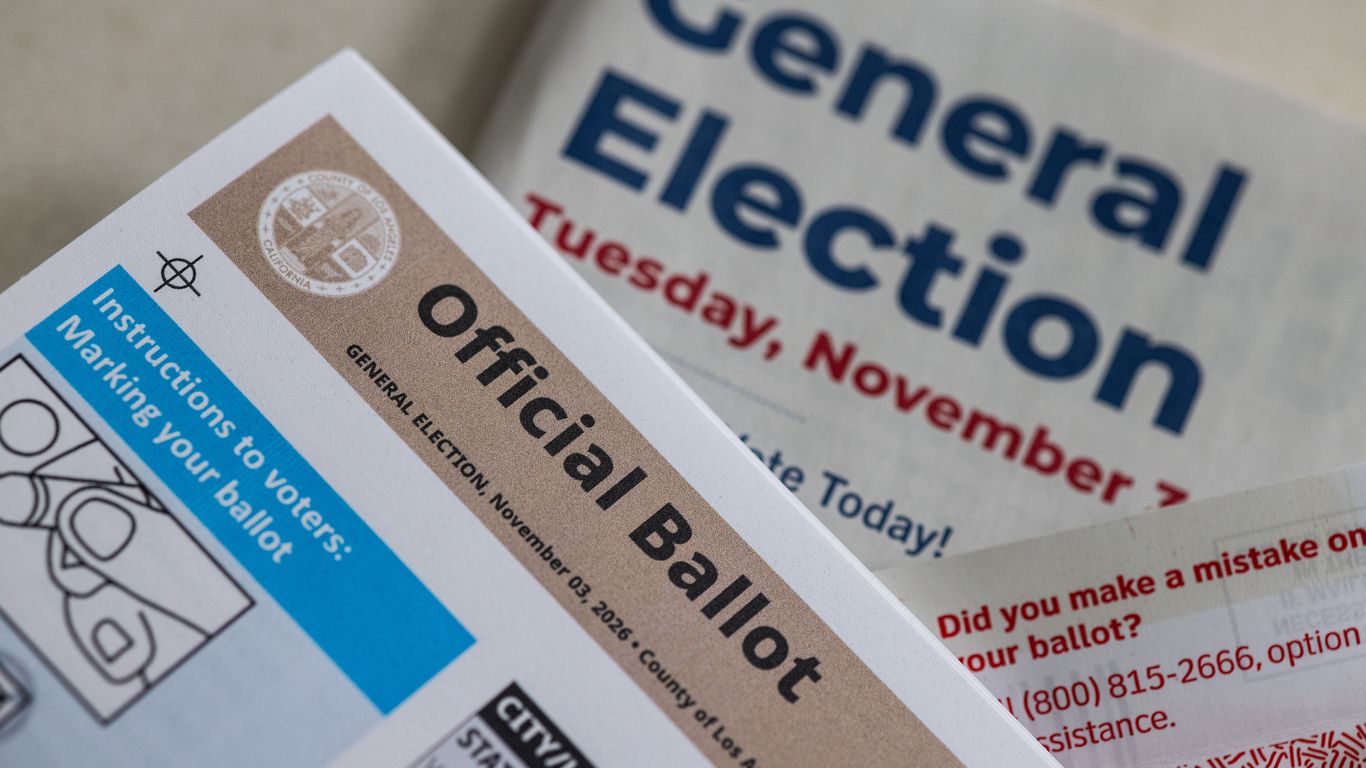
A federal appeals court rejected the Justice Department's emergency bid to set aside mail ballots tied to more than 20,000 California voters the Trump administration suspects are noncitizens. Why it matters: The 2–1 ruling leaves California's election procedures intact just days before the midterms, with the judges citing doubts about the DOJ's voter list and the risk of disenfranchising eligible voters. The ruling is a major setback for a DOJ that has doubled down on unsubstantiated claims of widespread voter fraud in the Golden State. What they're saying: The majority cited the lower court's finding that the DOJ's process for identifying suspected noncitizens was "not credible," undermining its claims. "Granting [the United States]'s request would provoke catastrophic change, upending the administration of the election," it wrote, quoting the district court's finding. "There is a material risk that granting the United States its requested relief would result in disenfranchisement and could jeopardize [Los Angeles] County's entire election." The other side: Ninth U.S. Circuit Judge Patrick Bumatay dissented, arguing that counting votes from noncitizens dilutes the power of citizens. "The federal government proposes a modest remedy—stopping California from mixing the ballots of citizens and suspected noncitizens. This solution would not cancel any vote but would allow time to verify the eligibility of suspected noncitizens." The White House and the Justice Department did not immediately respond to Axios' request for comment. Catch up quick: The DOJ sued California in mid October for refusing to segregate the ballots it asserted were sent to noncitizens. A district court denied the request for an injunction, deciding that the federal law the DOJ was relying on to bring the suit did not supersede existing state law. The Trump administration appealed, leading to Friday's decision. The administration can now appeal again to the Supreme Court. Zoom out: Trump has continu
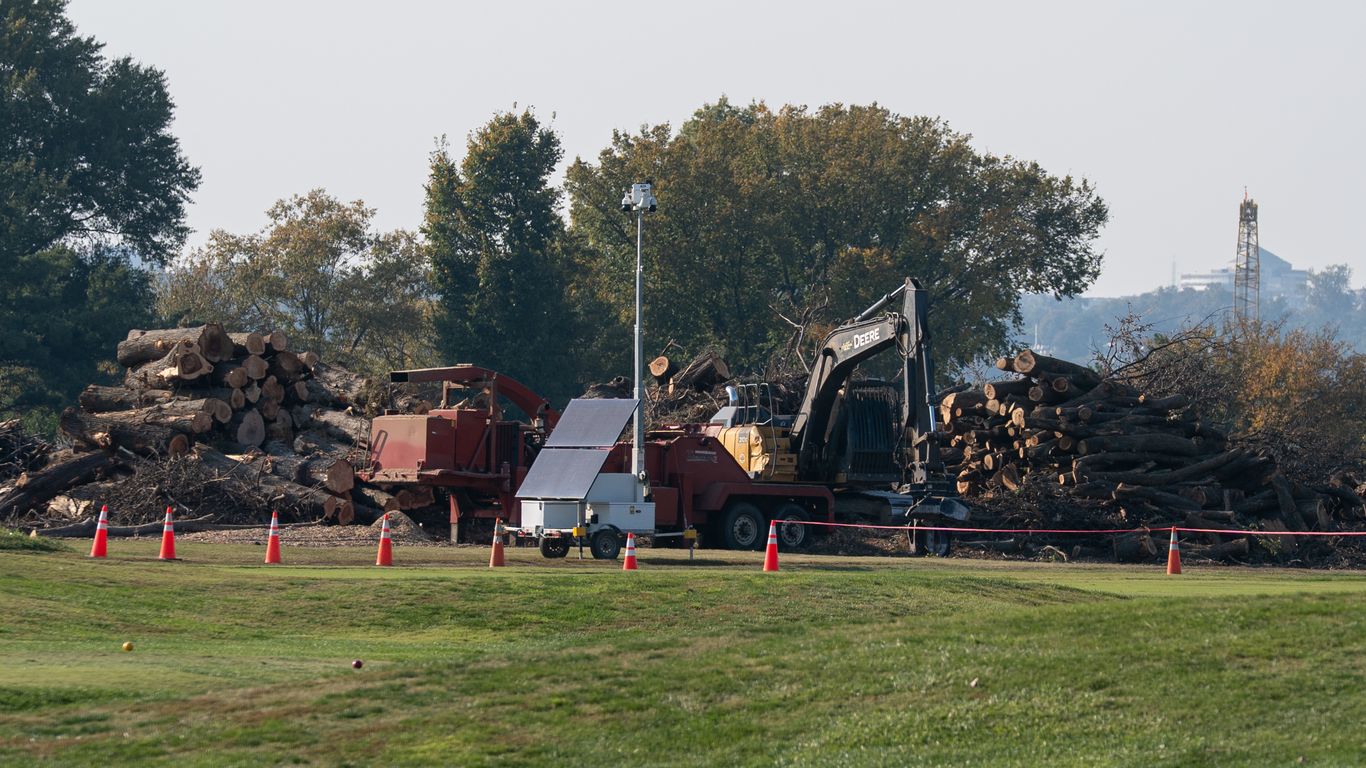
A federal judge said Friday she plans to appoint a special master to investigate whether Justice and Interior Department officials misled the court about the Trump administration's plans to renovate a D.C. golf course, according to news reports . Why it matters: The investigation could lead to professional sanctions, contempt proceedings or criminal referrals against administration officials over allegations government lawyers misled the judge. Driving the news: U.S. District Judge Ana Reyes opened a hearing Friday by reading ethics rules requiring attorneys to be truthful with courts, then questioned Associate Attorney General Stanley Woodward Jr. about the administration's conflicting accounts, according to news reports. Trump announced Oct. 18 the golf course would close Nov. 15 for roughly 15 months of renovations. Woodward told the court the next day there was "no plan to close the course." On Oct. 28, the Justice Department acknowledged Trump had directed the closure. Catch up quick: A preservation group and two golfers are suing the administration over what they say is President Trump's illegal plan to convert the historic, public East Potomac Golf Links into a championship-level golf course. After government crews cut down more than 400 trees, Reyes barred further tree removal without court approval and required 10 business days' notice before closing the park or making irreversible changes. The administration has appealed. What they're saying: "The Department of Justice will not be deterred from executing on the President's agenda," a spokesperson said in an emailed statement. The White House and DOI didn't immediately respond to Axios' request for comment. What's next: Reyes said she intends to appoint a special master who could review documents, question witnesses under oath and hold hearings. The government would have five business days to object after a special master is selected, the Washington Post reported . This is a breaking news story and will be
Meta on Friday reached a settlement with a teen plaintiff, identified in court documents as K.D.B., who claimed the company’s platforms, Instagram and Facebook, were addictive and caused her mental health problems, attorneys for the plaintiff said.
‘Even though economists warned that tariffs would be inflationary, Trump has enthusiastically embraced them’ Donald Trump successfully campaigned for his second term two years ago promising to reduce prices on day one , but ever since he returned to the White House, he has done little to fight inflation or reduce prices. Instead, some of his most important policy decisions – most notably his war against Iran and his tariff wars – have increased inflation instead of reducing it. This helps explain why more than one in five Americans who voted for Trump now disapprove of the job he’s doing. Even though economists warned that tariffs would be inflationary, Trump has enthusiastically embraced them during his second term. Indeed, the “ liberation day ” tariffs he imposed soon after returning to office increased the price of hundreds of goods, including citrus fruits , steel, bananas, beef and auto parts. When the supreme court overturned those tariffs as illegal, Trump immediately imposed new 10% across-the-board tariffs that again helped push up prices (a lower court found those tariffs unlawful, too ). Time and again, Trump has slapped on new tariffs even though they inherently push up prices because tariffs are a tax on imported goods. Little wonder that a Fox News poll this month found that 77% of Americans disapprove of how Trump has handled tariffs. Continue reading...
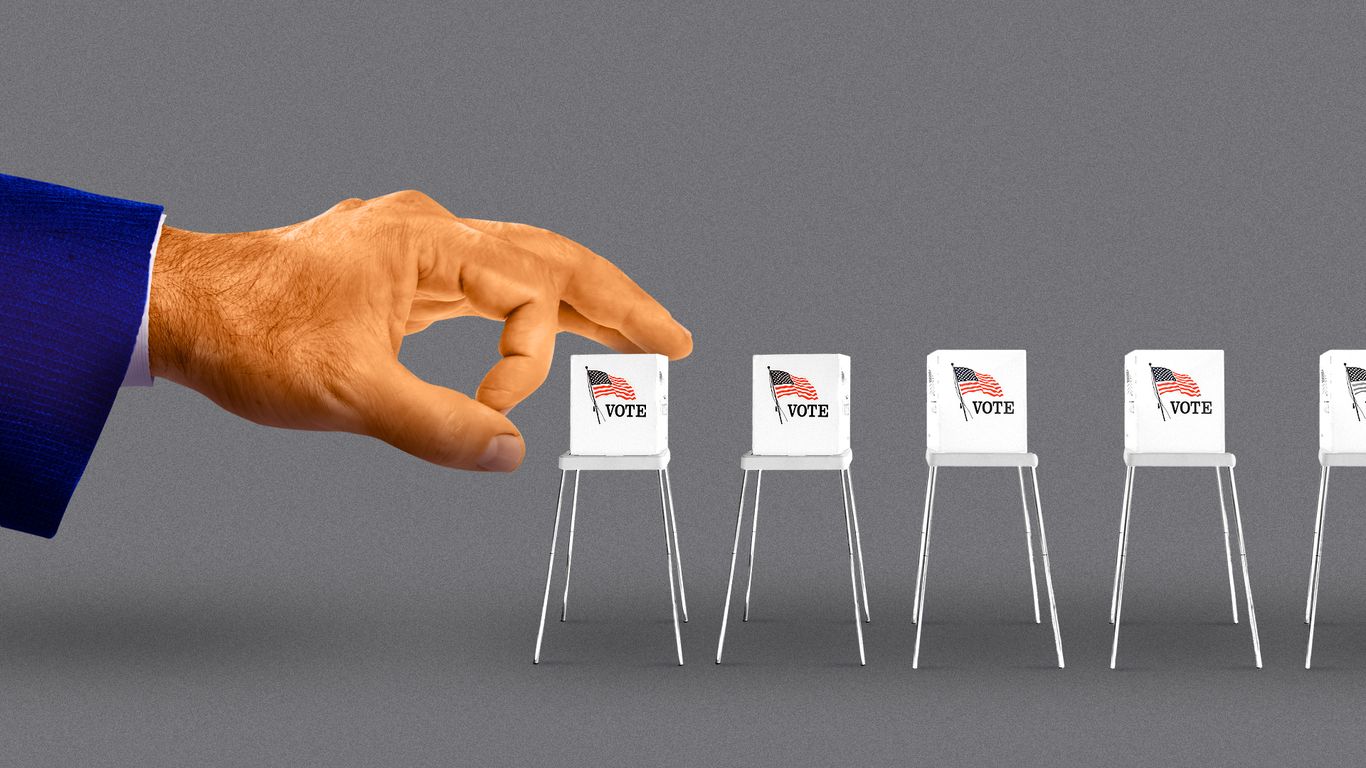
The 2026 midterms already face a messy pileup of lawsuits and ballot battles, raising fears about election confidence before voters even finish casting ballots . Why it matters: Election challenges aren't unusual, but as the Trump administration continues to make false claims about widespread voter fraud, officials are juggling fights over voter lists, mail-ballot rules and election certification challenges. What they're saying: "The types of challenges that we are seeing pre-election, this close to election day, are very unusual, and mostly because they are coming from the federal government," Jonathan Diaz of the Campaign Legal Center told Axios. "These lawsuits are frivolous," Diaz said, adding they could "create doubt in the minds of the public about the legitimacy of the election process." The other side: The White House referred Axios to comments President Trump made to the media. The Department of Justice did not respond to Axios' request for comment. Here's some of the ways chaos and uncertainty have shaped the 2026 midterms: California In the Golden State, the Trump administration asked state election officials to set aside ballots from roughly 20,000 registered voters whom the DOJ suspects are noncitizens. A federal judge rejected that push Wednesday night, warning that the administration lacked sufficient evidence to justify potentially disenfranchising eligible voters. The judge noted that the DOJ had made similar claims in neighboring Nevada, where election officials determined that 185 voters the DOJ had flagged as noncitizens were actually U.S. citizens. Diaz told Axios that, from his perspective as a voting-rights advocate, the California battle is "not a real lawsuit. It's a political press release that they just happened to submit to the court." The other side: The White House directed questions about the ruling to remarks Trump made Thursday, in which he said "California is very corrupt," and the state's elections are "extremely corrupt." He did n
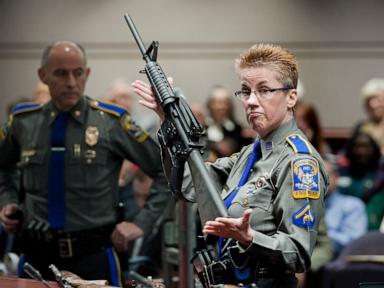
Relatives whose loved ones were killed in the Sandy Hook Elementary School shooting are urging the U.S. Supreme Court to uphold bans on certain semiautomatic rifles
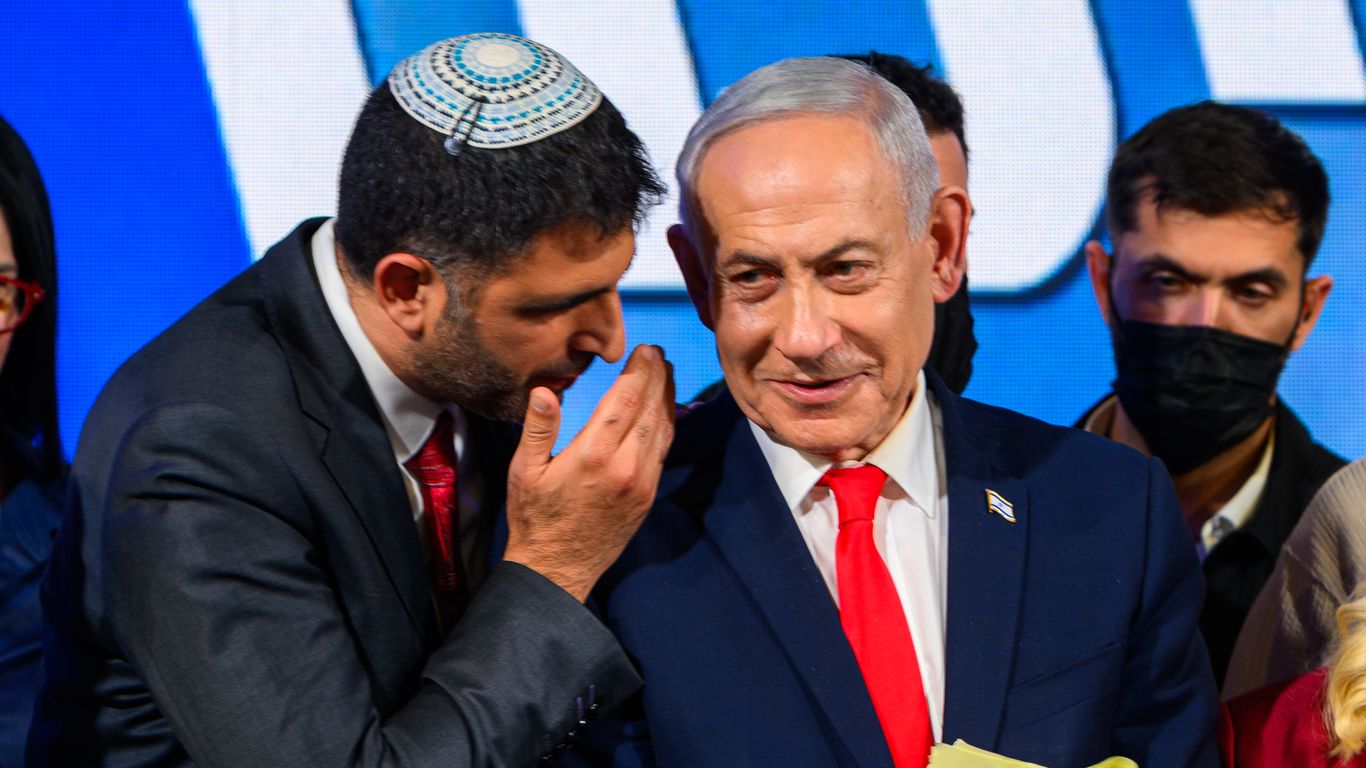
After his far-right coalition lost 11 seats in the election, Israeli Prime Minister Benjamin Netanyahu is trying to discredit the results by claiming there was mass voting fraud in Arab communities. Why it matters: Netanyahu appears to be trying to spook the opposition bloc out of cooperating with Arab parties to form a new government. But the opposition is concerned he has an even more ambitious goal: To prevent the results from being certified at all. That would block the swearing in of a new parliament, in which he would lose his majority. Driving the news: Netanyahu and his Likud party started the campaign to delegitimize the Arab vote days before the elections. Half of Netanyahu's social media posts on Election Day cast suspicion on the unprecedented turnout in Arab communities, an apparent attempt to drive his supporters to the polls. Arab voters cast ballots in historic numbers, winning 19 seats between their two parties. On Wednesday, Netanyahu's Likud party issued a statement claiming the "elections were stolen" by the Arab parties through bribes and fraud. Its claims were based on the arrest of three activists from the Arab Ra'am party who were suspected of paying a small number of voters in one of the Arab cities. The Israeli police said there was no evidence to support Likud's claims of a "stolen" election. Behind the scenes: The situation escalated dramatically on Thursday when a letter sent to the director of the Shin Bet domestic security agency was leaked to Israel's Channel 12. It was written by the supreme court judge who heads the Central Elections Committee. The judge ordered the Shin Bet director to immediately investigate suspicions of election interference by foreign countries and submit conclusions within a week. Shortly after the letter leaked, Israeli media outlets identified Qatar as the country in question. The allegation is that it funneled money to one of the Arab parties to propel turnout in their communities. Over the past year, sever
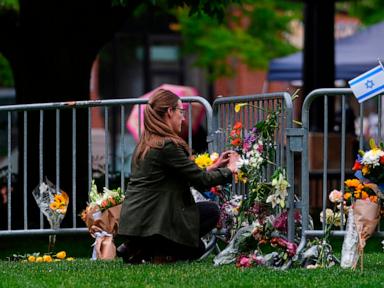
An Egyptian man returns to court Thursday to change his not guilty plea to federal hate crime and other charges for a deadly firebombing attack on demonstrators in Colorado last year
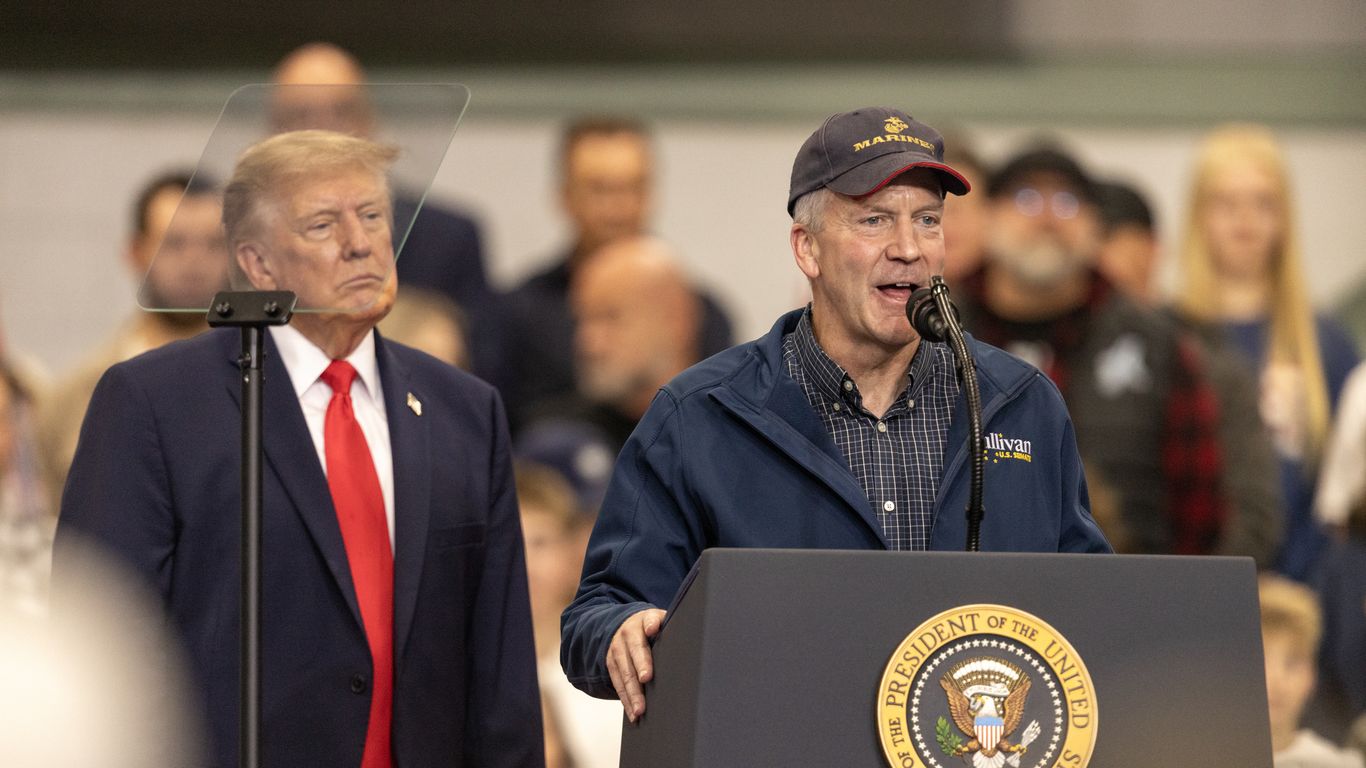
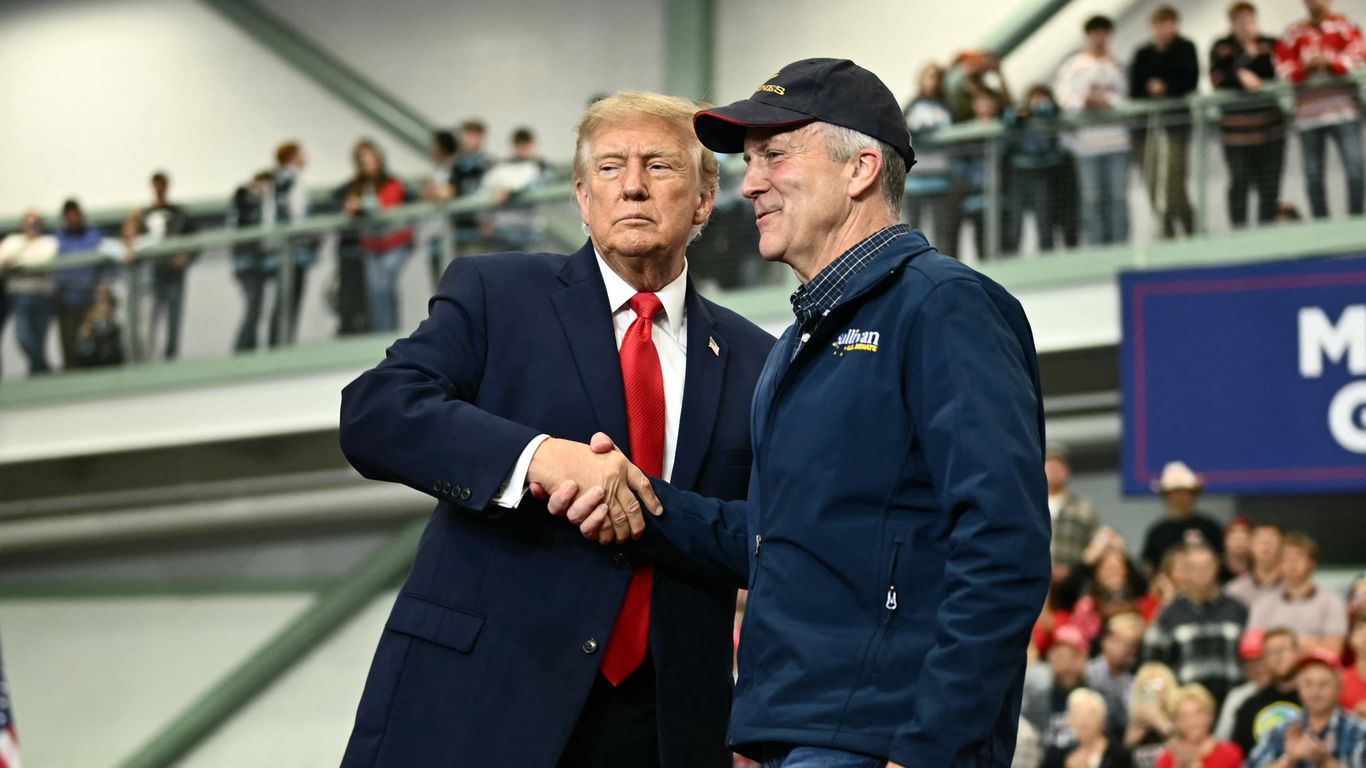
President Trump accused Democrats and Mary Peltola's campaign of fraud and perjury Wednesday after the New York Times reported that Peltola aides helped recruit another candidate named Dan Sullivan. Why it matters: The revelations add a new twist to Alaska's tight Senate race, where a second Dan Sullivan on the ballot could complicate the Republican incumbent's reelection bid. Zoom out: "Mary got in this race because Alaskans deserve a champion who is fighting to lower their costs and put Alaska first, and no tweet or threat from any DC politician will keep her away from that fight," an "Alaskans for Mary" spokesperson said in a Wednesday night email. "The Alaskans for Mary campaign has no involvement with either Sullivan campaign." The campaign confirmed no assertions have been made in federal court about how Dan J. Sullivan's candidacy came to be or who was involved in his decision to run. Driving the news: The New York Times reported Wednesday that Peltola campaign aides worked with a veteran Democratic operative named Jerid Kurtz, whom the Times described as experienced in ballot-related political tactics. A Peltola staffer was reportedly told to search for every Dan Sullivan in the state. The effort ultimately located Dan J. Sullivan, a retired teacher who registered as a Republican shortly before filing to run for office, per the Times. Dan J. Sullivan previously said he voted for Democrats in the last three presidential elections. He later changed his party registration to undeclared and will appear on November's ballot without a political party label. The latest: Alaska Gov. Mike Dunleavy ordered an investigation into Peltola's campaign Wednesday as a result of the Times report, posting on X that: "Alaskans have a fundamental right to vote for the candidate they actually intend to support." "Deliberately tricking voters into casting their ballots for someone else strikes at the integrity of our elections," he said. Peltola called the Times report a distracti
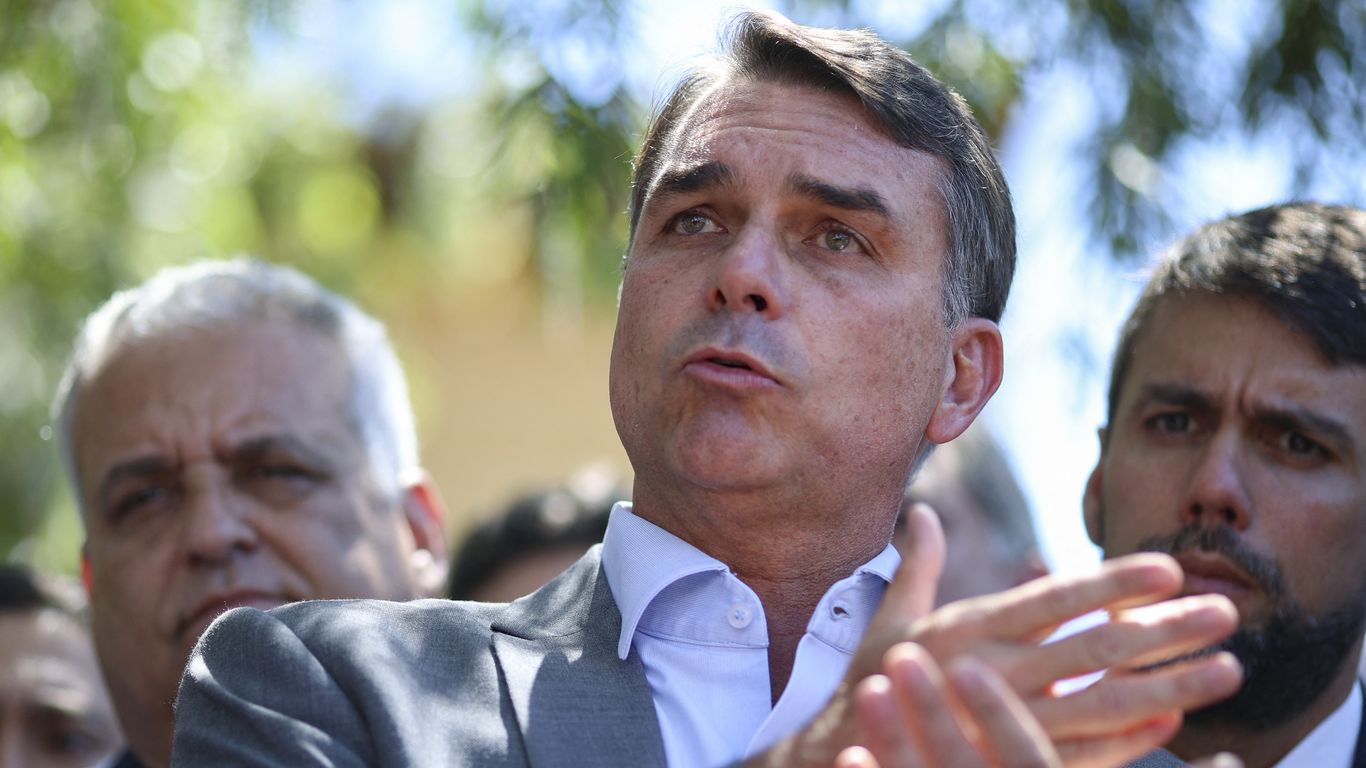
The U.S. government is granting visas to Flávio Bolsonaro and his family following his defeat in Brazil's presidential election , a senior Trump administration official tells Axios. Why it matters: The move comes days after Brazilian President Luiz Inácio Lula da Silva defeated Bolsonaro, the son of former President Jair Bolsonaro , in a closely watched election. The latest: Bolsonaro has arrived in Florida after leaving Brazil despite a court order requiring him to surrender his passports, according to multiple media reports . Driving the news: Following the election , Brazil's Supreme Court ordered Bolsonaro on Monday to surrender his passports and barred him from leaving the country. The order relates to an ongoing investigation into alleged money laundering. Bolsonaro has denied any wrongdoing. Trump administration officials said they would not comment further until the Bolsonaro family is safely in the U.S. The big picture: President Trump and his administration have repeatedly backed the Bolsonaro family, with the president denouncing the prosecution of the elder Bolsonaro as a " witch hunt ." Jair Bolsonaro was convicted last year by Brazil's Supreme Court of plotting a coup to overturn the 2022 election and was sentenced to 27 years in prison , though he remains under house arrest due to health problems. Trump's administration has targeted Brazilian Supreme Court Justice Alexandre de Moraes , who oversaw the prosecution, with visa restrictions and, separately, sanctions that were later lifted. The Trump administration also imposed steep tariffs on Brazilian imports in 2025, escalating tensions between Washington and Brasília. Go deeper: Brazil's election ignites MAGA's midterm warnings Editor's note: This story has been updated with additional information throughout.
Four Senate Democrats are pressing Trump officials to begin restoring billions of dollars in clean energy grants before a key vote on the permitting deal. Why it matters: The path for the bipartisan bill in the lame duck session just got steeper. The big picture: Before the first vote, the senators — Tammy Duckworth (Ill.), Ron Wyden (Ore.), Ed Markey (Mass.), and Jeff Merkley (Ore.) — want Trump aides to tell the Energy Department to: Begin reinstating grants terminated in October 2025 that have not already been restored with a clear timeline for completion, and allow recipients to draw on the funds under the original terms. Pledge in writing not to cancel grants based on the political hue of a state or its officials. Driving the news: Their new letter to the bill's authors stops shy of an ultimatum, but says it would be "compelling" if these steps occurred. It shows deep misgivings about the bill, arguing it could provide new tools for Trump to favor fossil fuels. "[T]he promise of BAAJA will only succeed if President Trump takes care that it is faithfully executed. The Trump administration's record gives us no basis to assume that he will," the letter states, calling the bill by its acronym. Catch up quick: The letter recounts the scuttling of Biden-era grants, and White House budget chief Russ Vought listing states that did not vote for President Trump in 2024. The Energy Department has acknowledged , in a court filing , that selections of grants for termination in October 2025 were based on politics. Restoring "unlawfully terminated DOE clean energy awards would be a small but important first step" toward fairness in permitting, it states. Friction point: Co-authors Sens. Sheldon Whitehouse (D-R.I.) and Martin Heinrich (D-N.M.) want to see more federal approvals of stalled renewables projects. They've called some recent administration moves a step in the right direction. But the new letter shows that other lawmakers have separate asks of the administration. Alr
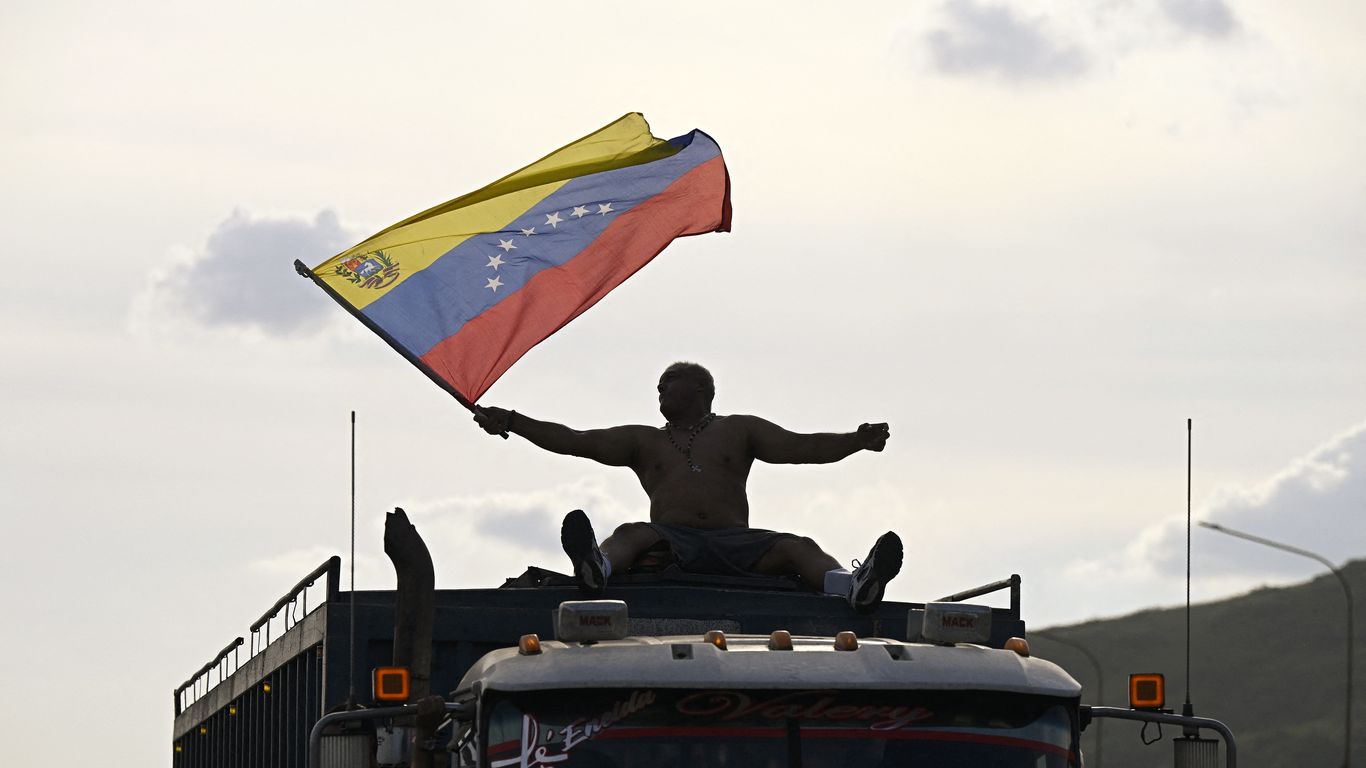
A day after Venezuela's exiled opposition leader returned to Caracas with great fanfare, U.S. Secretary of State Marco Rubio issued a veiled warning against interfering with the country's fragile democratic transition pushed by the Trump administration. "You're not going to street-protest your way into a democracy," Rubio told reporters Monday without explicitly mentioning María Corina Machado . Why it matters: Machado's demands for elections next year — and her criticism of a massive U.S. oil deal struck with the current Caracas regime — have put administration officials on edge after her surprise return. "Rubio is on a political edge," said a White House source familiar with his thinking. "Venezuela is the top foreign policy achievement of this administration, and if the progress we made gets undone and Machado is a spoiler, nobody wins." A Machado spokesperson didn't return messages seeking comment. Zoom in: Machado and U.S. officials agree that Venezuela needs to hold elections. But she has demanded they be held in 2027, while U.S. officials aren't sure. They want three things to happen first: Reform Venezuela's Supreme Court. It's stocked with loyalists of Nicolás Maduro , who was seized Jan. 3 by the U.S. and spirited to New York City to face narcotrafficking charges. The State Department hopes a new court is picked by year's end. Reform Venezuela's National Electoral Council. It's also filled with Maduro's people, and with the Supreme Court it helped him steal his last two elections as president. The State Department hopes a new council will be in place by early next year. Fix Venezuela's debt. Venezuela has one of the world's largest sovereign debt problems — $300 billion, more than its gross domestic product. The hoped-for timeline regarding this hurdle is less clear, and Rubio didn't explicitly discuss it Monday. Between the lines: As Axios first reported in September, Trump discussed all three of those issues with Rodriguez when he also told her privately
President Trump and MAGA-world influencers are echoing Brazilian presidential candidate Flávio Bolsonaro's claims of a rigged election after the Trump-aligned populist fell to the incumbent president in Sunday's election. The big picture: President Luiz Inácio Lula da Silva's runoff victory has been widely seen as a counterweight to the global right's surge in Latin America. But Bolsonaro, like his father , isn't accepting defeat. What they're saying: "It looked like another rigged election, frankly," Trump told reporters Monday. He added, "Elections have to be indisputable, and it looked very bad to me." The White House did not respond to Axios' request for comment. Friction point: Bolsonaro told reporters it was "impossible to recognize the result of this election in the context of how these things have happened," according to a translation . He also vowed to ask for the results to be annulled. Brazilian Supreme Court Justice Cristiano Zanin's two-hour extension to Sunday's voting has fueled Bolsonaro's claims. Zanin previously served as Lula's lawyer. But both Bolsonaro and Lula's camps requested more time for voters. Lula's team requested the extension because of public transit issues, while Bolsonaro sought additional time in certain states because of weather, Bloomberg reported . The extension was reportedly given as many polling stations were already wrapping up. Multiple outlets noted that the decision risked setting the stage for candidates to dispute the results, despite Brazil's voting system being widely recognized for its reliability. Zoom out: Several prominent voices in the online MAGA movement backed Bolsonaro's refusal to accept the election results, and some urged the Trump administration to act. "The math just ain't mathin'," podcaster Benny Johnson said in a Monday edition of his show where he criticized the election results. He was joined by Florida Attorney General James Uthmeier, who argued Brazil looked like "a banana republic." Former Trump
The 2026 midterms have taken a deeply personal turn as campaigns use other people's family tragedies as political ammunition — sometimes over the objections of the families themselves. Why it matters: Some attack ads feature photographs of murdered children and anguished 911 calls, forcing grieving families to relive their worst moments. Georgia governor race: Republican gubernatorial nominee Rick Jackson used images of murdered 8-year-old Secoriea Turner and her mother's anguished 911 call to attack Democratic rival Keisha Lance Bottoms, Atlanta's former mayor. Turner's family demanded the ads come down, accusing the campaign of exploiting their grief without permission. Jackson said he would keep airing them . Ohio governor race: Ohio Republican gubernatorial nominee Vivek Ramaswamy's campaign is spending $4 million on an ad featuring the estranged mother of his Democratic opponent, Amy Acton. In the ad, Donna Arthur calls her daughter a liar and disputes her account of childhood homelessness. Acton says her late stepfather — who was married to her mother until his death — sexually abused her as a child, and she hasn't spoken to her mother in decades. Acton's brother corroborated her account , while court records and contemporary news reports support key details. President Trump urged Ramaswamy to keep running his attack on Acton, despite objections from some fellow Republicans. Between the lines: Ramaswamy's campaign said the ad tested well with persuadable voters , even as critics warned it could backfire. Ohio Senate race: A Republican attack ad against former Democratic Sen. Sherrod Brown featured images of a couple and their 1-year-old son killed in a highway crash to blame Brown's immigration policies. The victims' family demanded its removal , saying nobody sought permission to use their relatives' images or tragedy. North Carolina Senate race: A Republican super PAC featured a grieving father in an attack ad linking the murder of his 23-year-old son to for
A tidal wave of litigation is catching up to Meta, leading to $42 billion in recent penalties and settlements , a powerful reminder to AI companies that they could face a court reckoning even when regulation lags. Why it matters : AI companies are racing to build better models and autonomous agents, but they don't enjoy the same legal protections that shielded web platforms for decades. The scale of the penalties Meta is facing offers a preview of potential legal exposure . The big picture : For years, Facebook's parent company navigated a seemingly endless string of scandals — weathering allegations of election interference, privacy lapses and platform harms — and was largely protected from severe litigation penalties due to Section 230. The provision — from a historic 1996 law passed as the internet was just beginning to change modern life — protects tech platforms from being sued over content created by their users. Legal experts say that law doesn't apply to AI. Models create their own content, so companies could face traditional product liability and negligence claims. Catch up quick : The two massive rulings highlight how legal risk for tech giants can extend by a decade, or proceed much faster. Meta was just hit with a $25 billion penalty over the Cambridge Analytica scandal after a jury found the company misled users about Facebook's privacy practices. Many details about that event surfaced nearly 10 years ago. The company said it believes it will win an appeal, and legal experts have said the penalty will likely be reduced. In August, the company agreed to a $17 billion settlement with states related to the impact of Meta products such as Instagram on teen mental health. State of play : A key cog in the Trump administration's regulatory efforts is the threat of litigation. Liability is sure to feature prominently in the risks AI giants such as Anthropic and OpenAI spell out to shareholders as they prepare for massive public listings. Anthropic's IPO is expe
With just nine days until the midterms, the Trump administration is escalating its assault on two of the Department of Justice's most sacred guardrails: Independence from the White House. Restraint before elections. Why it matters: President Trump's DOJ has shattered the traditional calm of a pre-election period with a barrage of politically sensitive investigations, prosecutions and eleventh-hour efforts to influence the vote. Zoom in: The Justice Department's most aggressive election intervention yet came this week in Alaska, where a preemptive lawsuit seeks to delay certification of the state's U.S. Senate results — if the Democrat wins. The DOJ argues that a second candidate, Dan J. Sullivan Jr., could confuse voters and siphon support from the Republican incumbent, Sen. Dan S. Sullivan. The administration wants certification halted if Sen. Sullivan loses to Democrat Mary Peltola but could have won with votes cast for the other Sullivan, pending an investigation into voter intent. Between the lines: Alaska's Supreme Court already ruled that the second Sullivan belongs on the ballot, and the state's ranked-choice system allows voters to rank both candidates. Legal experts question the DOJ's authority to block certification of a state-run election, or how officials could determine voters' intentions without compromising ballot secrecy. Peltola's campaign and national Democrats have moved to intervene in the lawsuit, challenging the administration's preemptive attempt to halt certification. Zoom out: Alaska is just one front in an October offensive aimed at rooting out alleged election fraud, investigating prominent Democrats and relitigating Trump's oldest political grievances. On Oct. 7, Trump established a White House committee to investigate alleged mortgage fraud by Federal Reserve governor Lisa Cook , authorizing DOJ personnel to participate in proceedings that could lead to her removal. Cook denies wrongdoing. On Oct. 12, federal agents searched Rep. Ilhan O
The Trump administration sued Alaska on Thursday to delay certification of election results if incumbent Republican Sen. Dan Sullivan loses. Why it matters: The race between incumbent Sullivan, Democrat Mary Peltola , and retired teacher Dan Sullivan has been marked by controversy, with Republicans accusing Democrats of trying to confuse voters by planting a candidate with the same name. Alaska's use of ranked-choice voting, which eliminates candidates in rounds if no one gets 50% of the initial vote, complicates matters. "An election result may be impacted by voter confusion if: (1) Senator Sullivan does not win the election; and (2) had all votes cast for Daniel J. Sullivan been cast instead for Senator Sullivan and Alaska's rank-choice process played out accordingly, Senator Sullivan would have won the election," the lawsuit , filed in Alaska District Court, states. Zoom in: Because of a previous Alaska Supreme Court decision and Sullivan's name already being on the ballot, the administration contended in the lawsuit that the only means to ensure that the winner of the race is voters' choice "is to ensure that the certification is not impacted" by his candidacy. The lawsuit requests a delay in certification until after an investigation determines "whether votes cast for Daniel J. Sullivan were meant to be cast for Senator Sullivan." What they're saying: "Alaska's Division of Elections determined that Mr. Daniel J. Sullivan's candidacy was intended to mislead voters and compromise the fairness of the ballot," a DOJ spokesperson said in a statement. "Therefore, the Justice Department, consistent with the National Voter Registration Act enacted by Congress, is taking the necessary steps to ensure that this frivolous candidacy does not undermine the integrity of Alaska's election or the will of its voters." The White House referred Axios to the DOJ. President Trump told reporters Friday that he told the DOJ to file the suit against Alaska. He then explained the situa
A federal judge restricted Department of Homeland Security investigations into suspected noncitizen voting in nine states, citing concerns that the agency's tactics could intimidate eligible voters. Why it matters: With the midterms less than two weeks away, the ruling curtails a central part of the Trump administration's efforts to investigate suspected noncitizen voting. Driving the news: The ruling, issued late Wednesday, blocks election-related field operations and interviews under the government's Unlawful Voter Initiative that involve or are likely to involve U.S. citizens. California-based U.S. District Judge Araceli Martínez-Olguín also blocked the administration from conducting operations against likely citizens in states relying on records generated by its voter-matching policy. Zoom in: Martínez-Olguín wrote in her order that the groups that sued provided "substantial evidence" that the government's "intimidating conduct" was "directly interfering with their members' right to encourage voters to participate in the 2026 midterm elections." Her order stated that DHS had compiled a "target list" of individuals from a variety of sources, including state voter rolls and commercial data. But Martínez-Olguín cast doubt on the accuracy of the administration's data, warning of a "high likelihood of error in review because there is no federal database containing citizenship status of U.S. residents." Court filings indicated that officers were ordered to prioritize probes in California, Connecticut, Georgia, Missouri, Nevada, New York, Pennsylvania, Washington and Wisconsin. Catch up quick: Democratic Sens. Chuck Schumer (N.Y.) and Alex Padilla (Calif.) released a whistleblower report last month alleging that officials had diverted fraud and national security personnel to the Unlawful Voter Initiative using "highly questionable data" and methods. The whistleblower disclosure alleged that officers were directed, in violation of state law, to access sensitive voter in