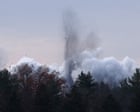
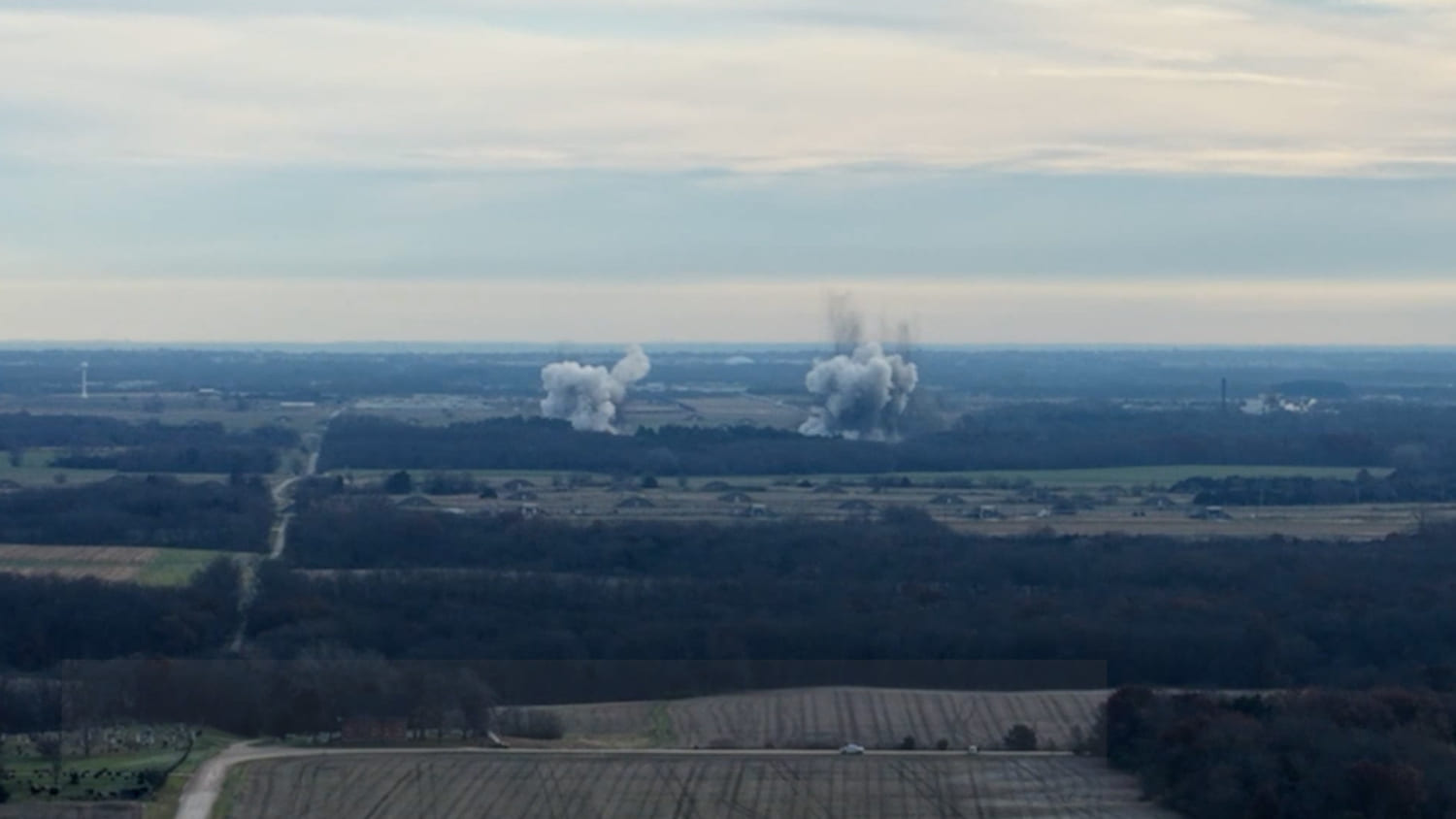
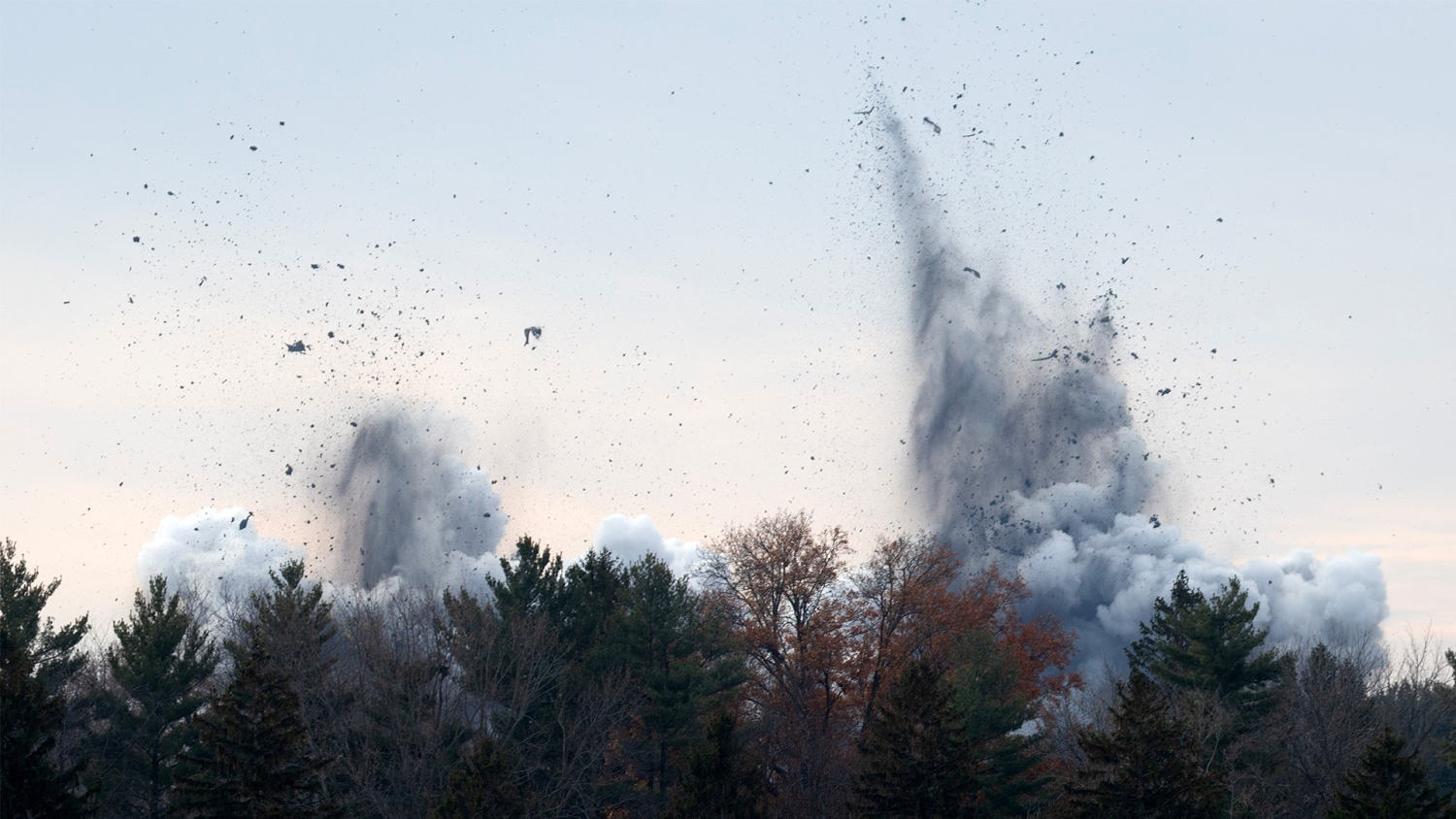
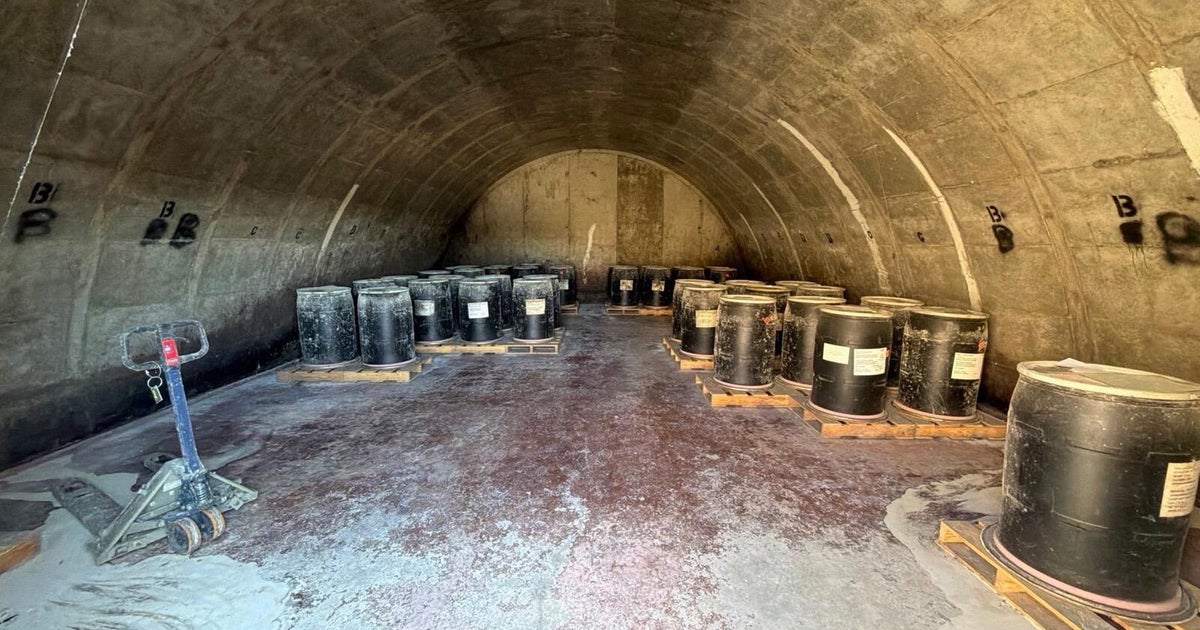
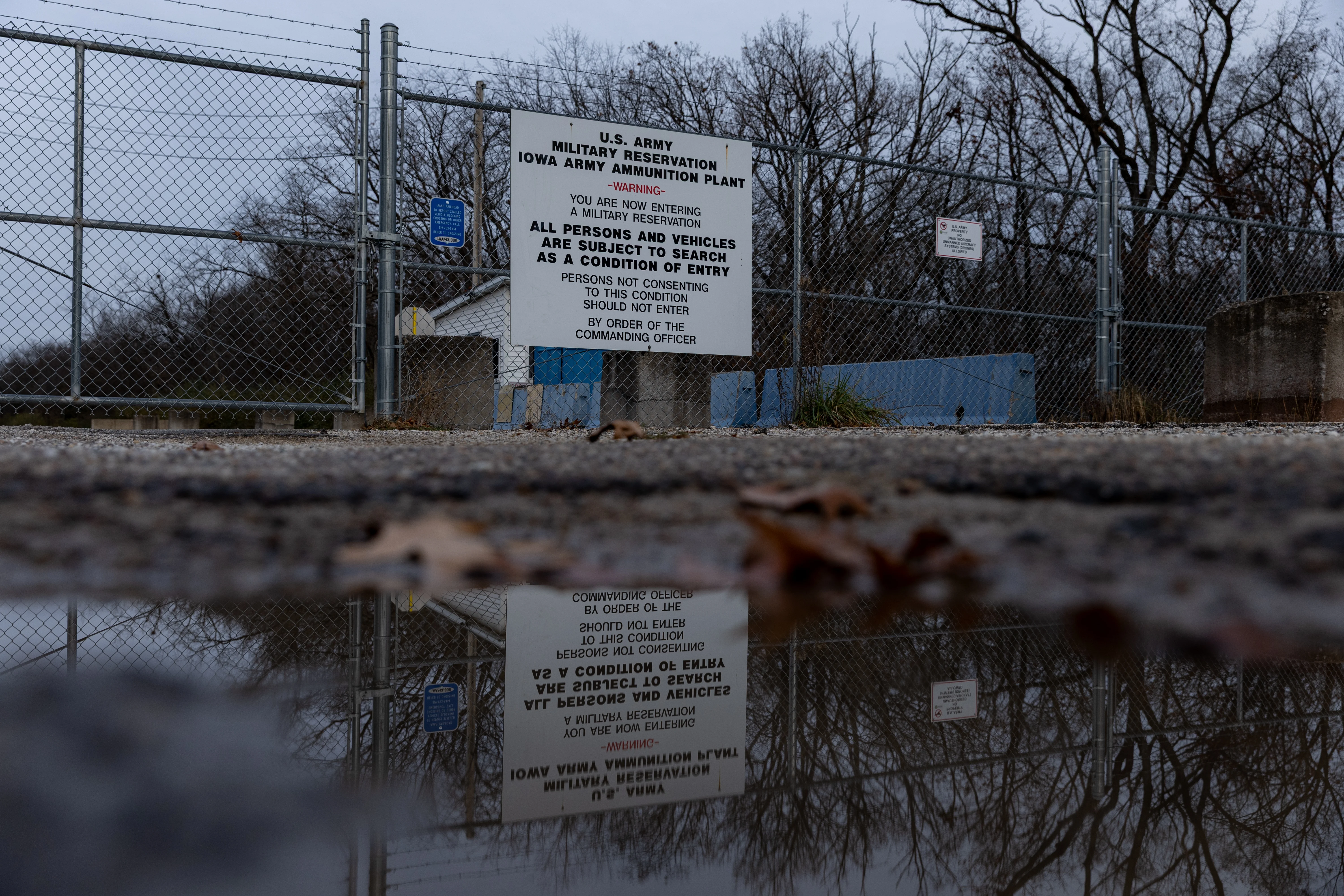
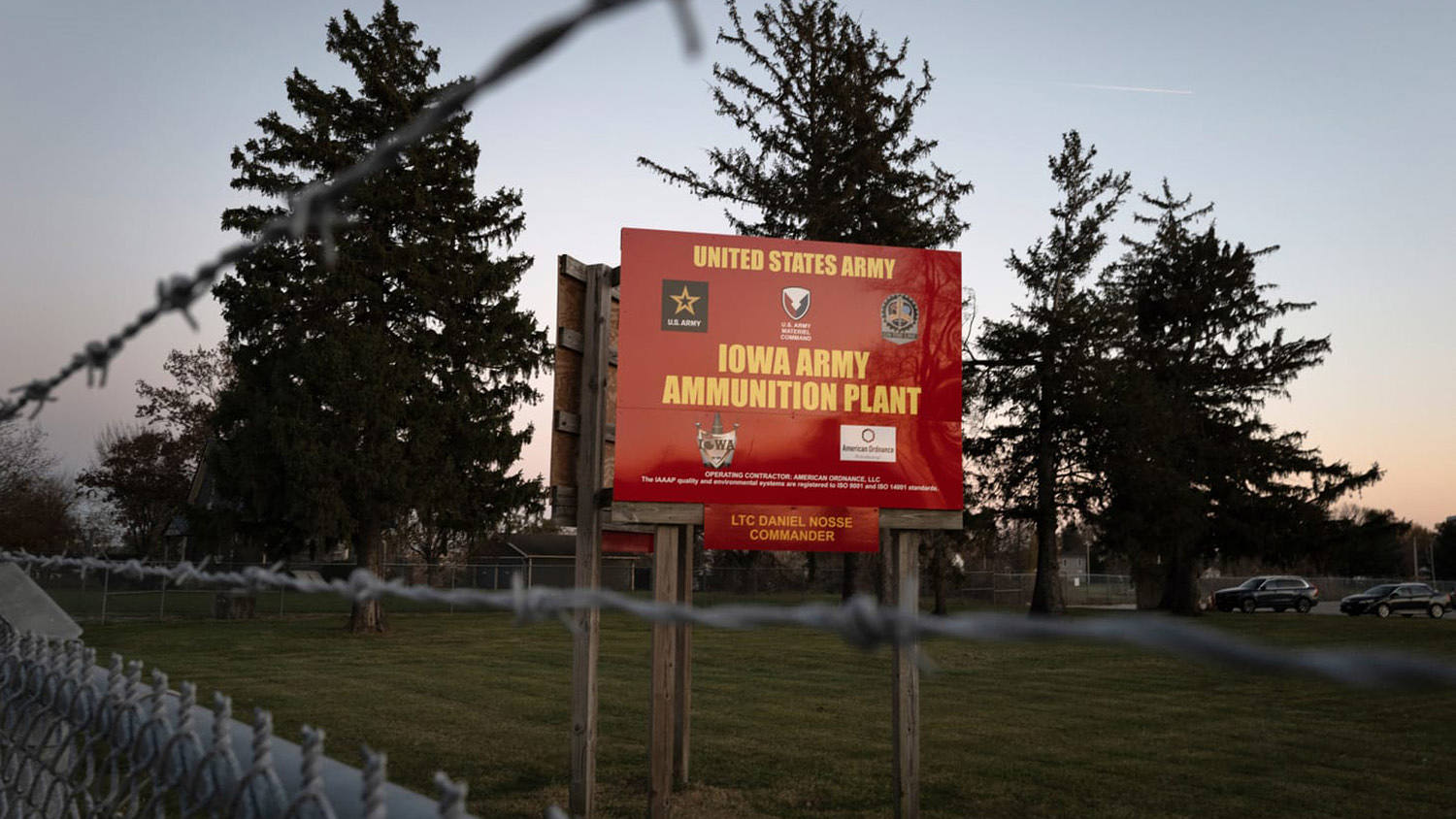
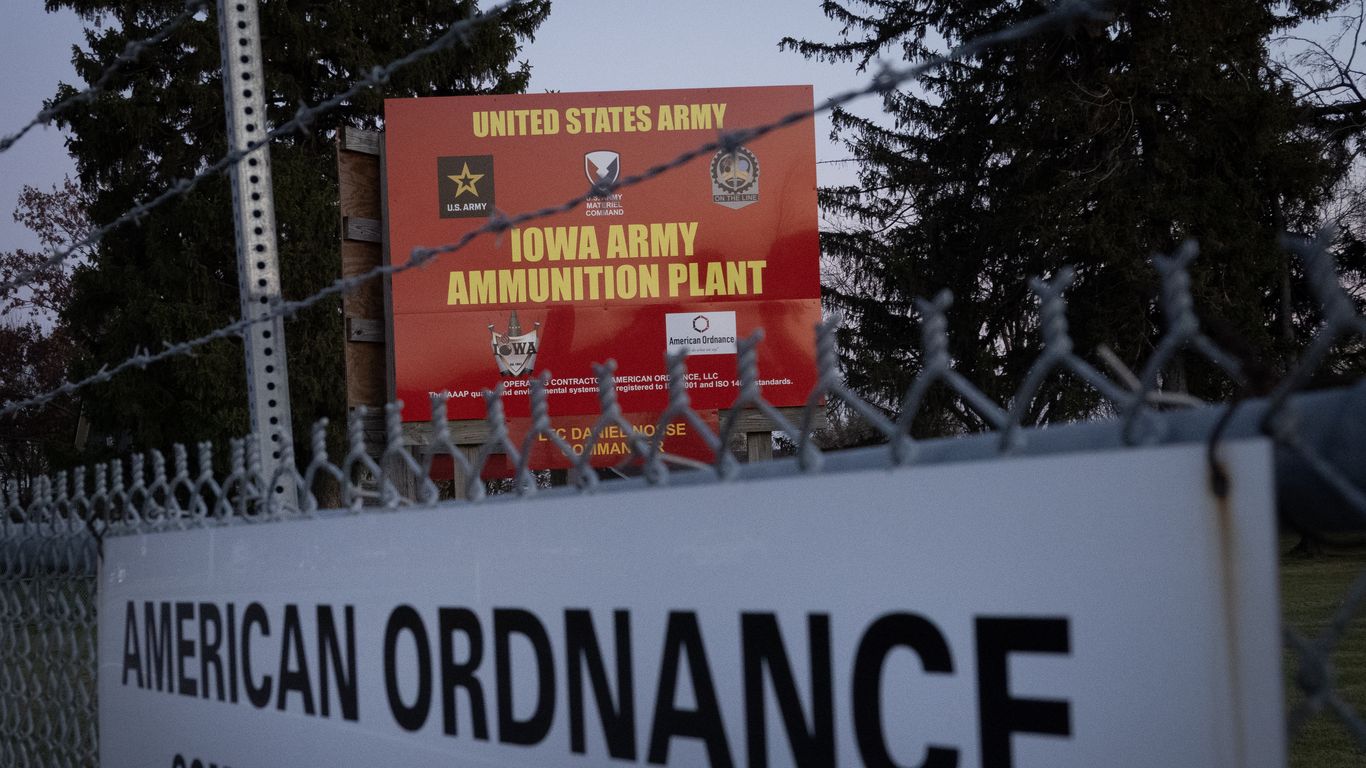
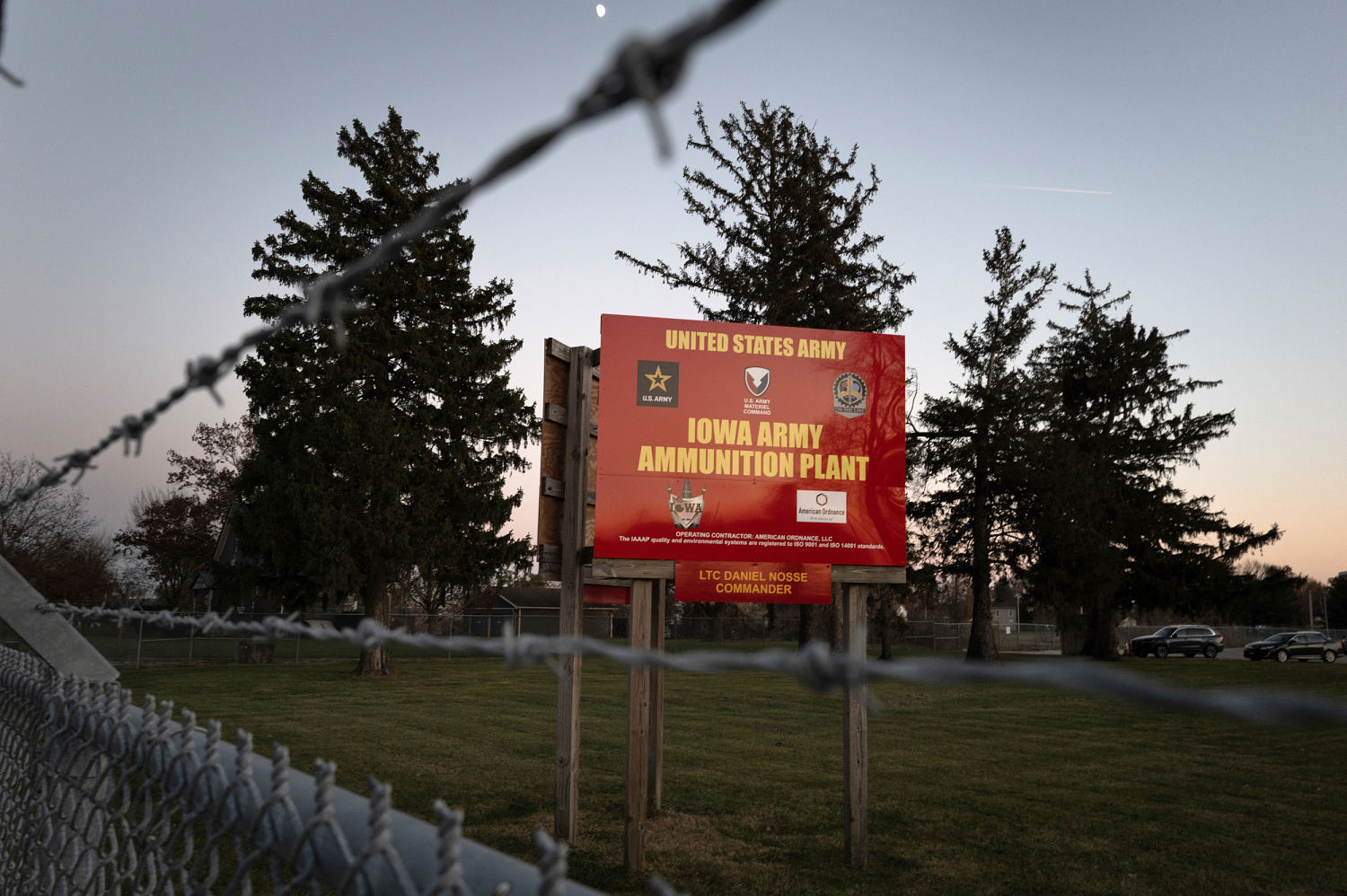
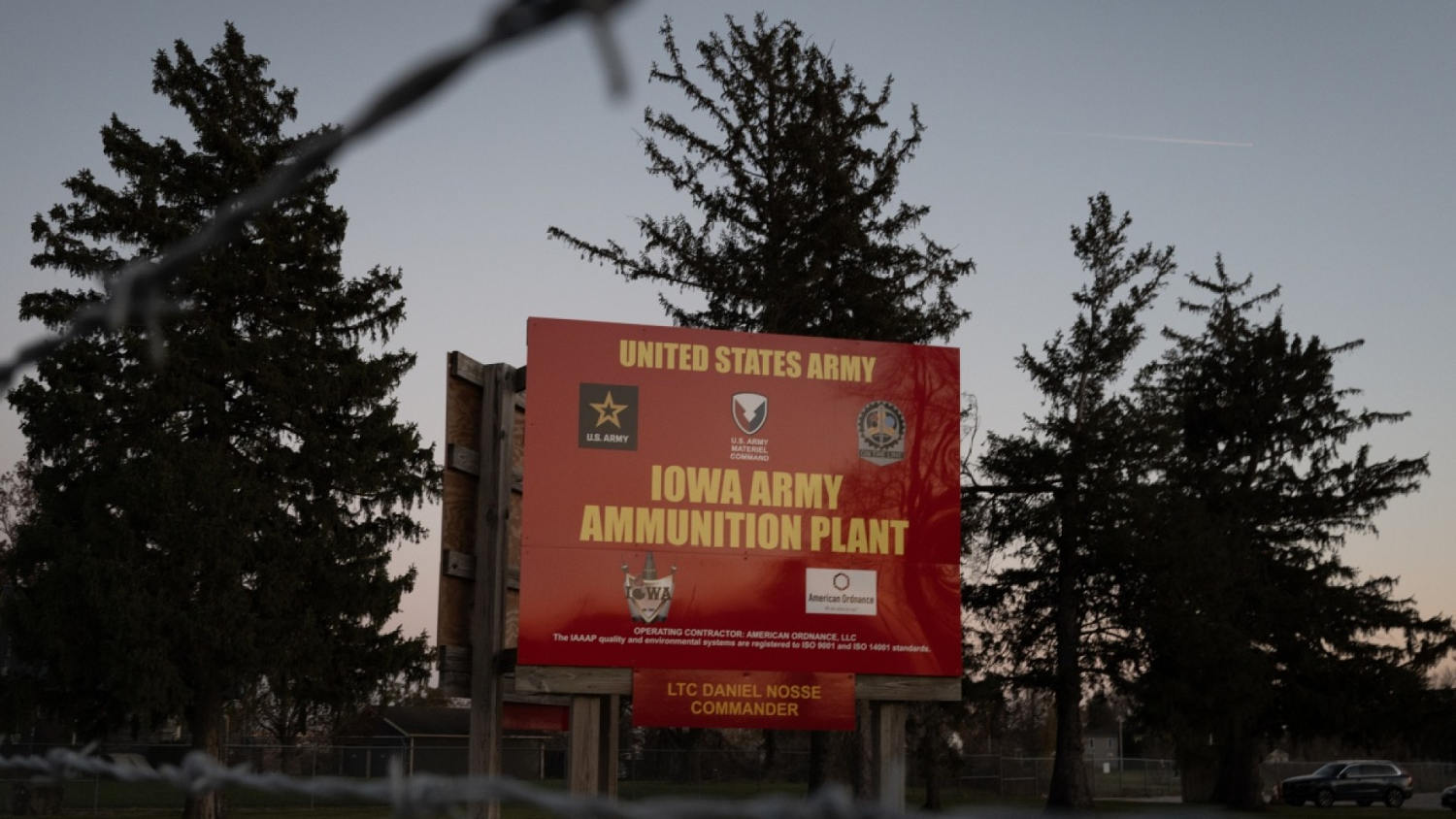
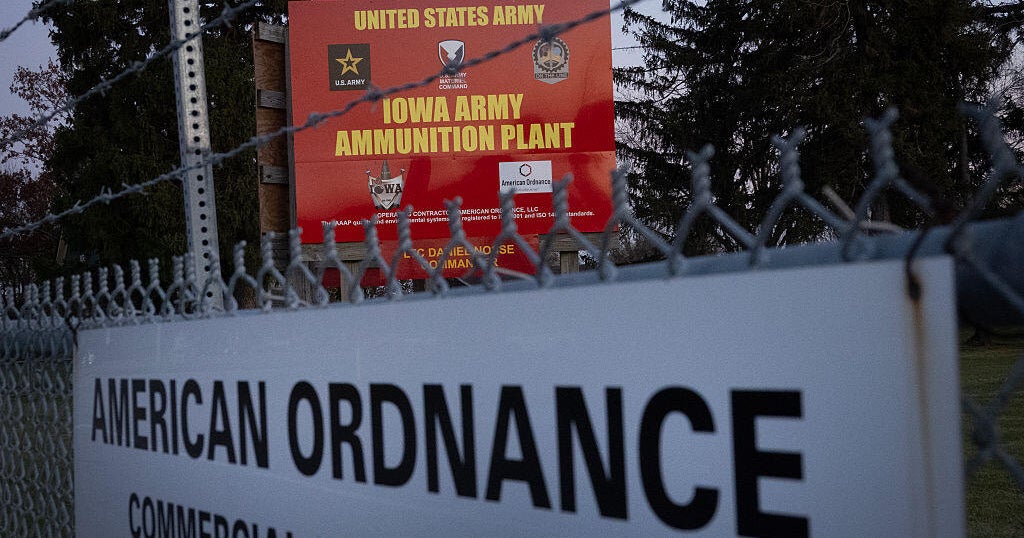
A large cloud of smoke was seen in Middleton, Iowa, after the army detonated the nation’s entire stockpile of lead azide used for making bombs on Wednesday morning, despite an outpouring of public concern about potential health and environmental effects Smoke seen from a mile away as army detonates US stockpile of bomb-making chemicals in Iowa Continue reading...
Nidal Malik Hasan, who killed 13 people at the Army base in 2009, said he wanted to challenge his conviction and death sentence, which is to be carried out next week.
A drone captures the moment a plume of smoke rose into the air after the U.S. Army carried out a controlled detonation of a cache of lead explosives in Middletown, Iowa.
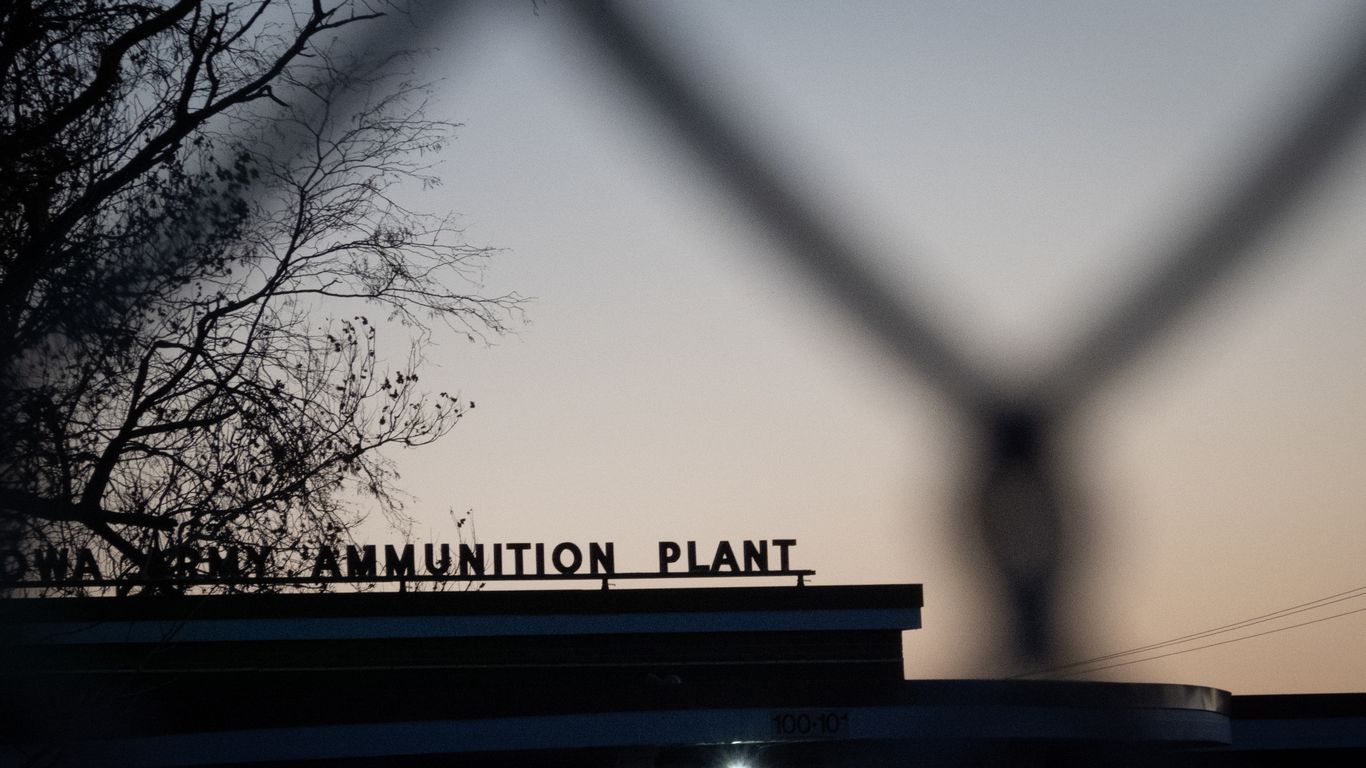
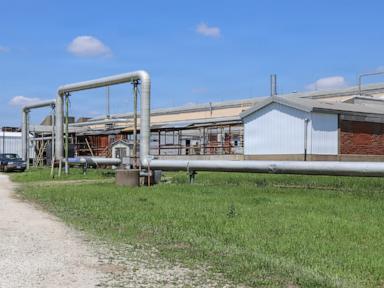
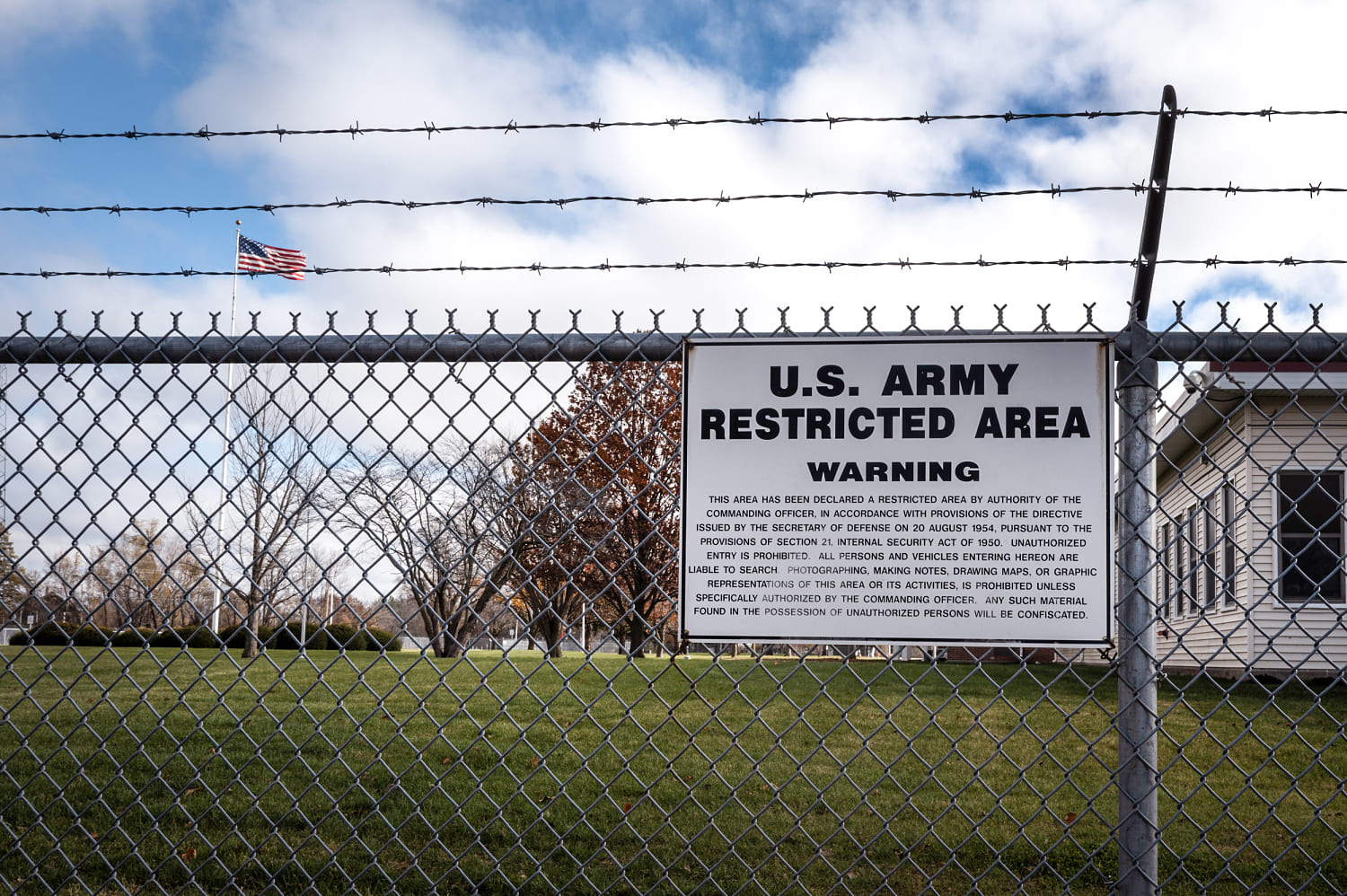
The Army detonated 68 drums of unstable lead azide on an Iowa plant Wednesday after multiple delays, a court challenge and presidential intervention . The big picture: Elected officials slammed the military over communication shortfalls ahead of the detonation, which triggered evacuations, closures and fears about exposure to toxic lead dust in surrounding communities and states . Federal officials have repeatedly stressed that detonating the unstable lead is safer than risking it exploding spontaneously. Driving the news: Environmental Protection Agency administrator Lee Zeldin told CNN that, based on initial feedback from the Department of Defense, mitigation efforts "exceeded expectations." Missouri Gov. Mike Kehoe also said early analysis from federal partners indicates the detonation was "well-contained." The Army has not yet released a statement on the status of the operation. Reporters near the plant witnessed large clouds of smoke rising following the detonation. Context: The evacuation zone is a 5-mile cone extending southwest of the ammunition plant, per the Army's public safety notice . Evacuees are set to receive notice by phone when it's safe to return. Those outside of the evacuation zone should still shelter in place by closing all windows and doors, recirculating heating and turning off fans that pull in outside air, among other protective measures for children and livestock, per the Army. State of play: President Trump ordered the Army to pause plans to detonate the explosives on Monday, saying the blast couldn't proceed without approval from a court and Democratic Gov.-elect Rob Sand . But Trump warned he would hold Sand responsible for "any and all death or destruction" if the governor-elect refuses to approve the detonation. The court initially granted an administrative stay but lifted it Monday, allowing the plan to proceed. Sand said in a statement that the administration should decide "based on the information they have from the people they br
The detonation of an Army stockpile of unstable lead azide explosives in Iowa has raised fears of a potential toxic cloud that could travel hundreds of miles southwest and into northeastern Missouri. NBC News correspondent Shaquille Brewster and military analyst Col. Steve Warren discuss how long the lead debris will travel for.
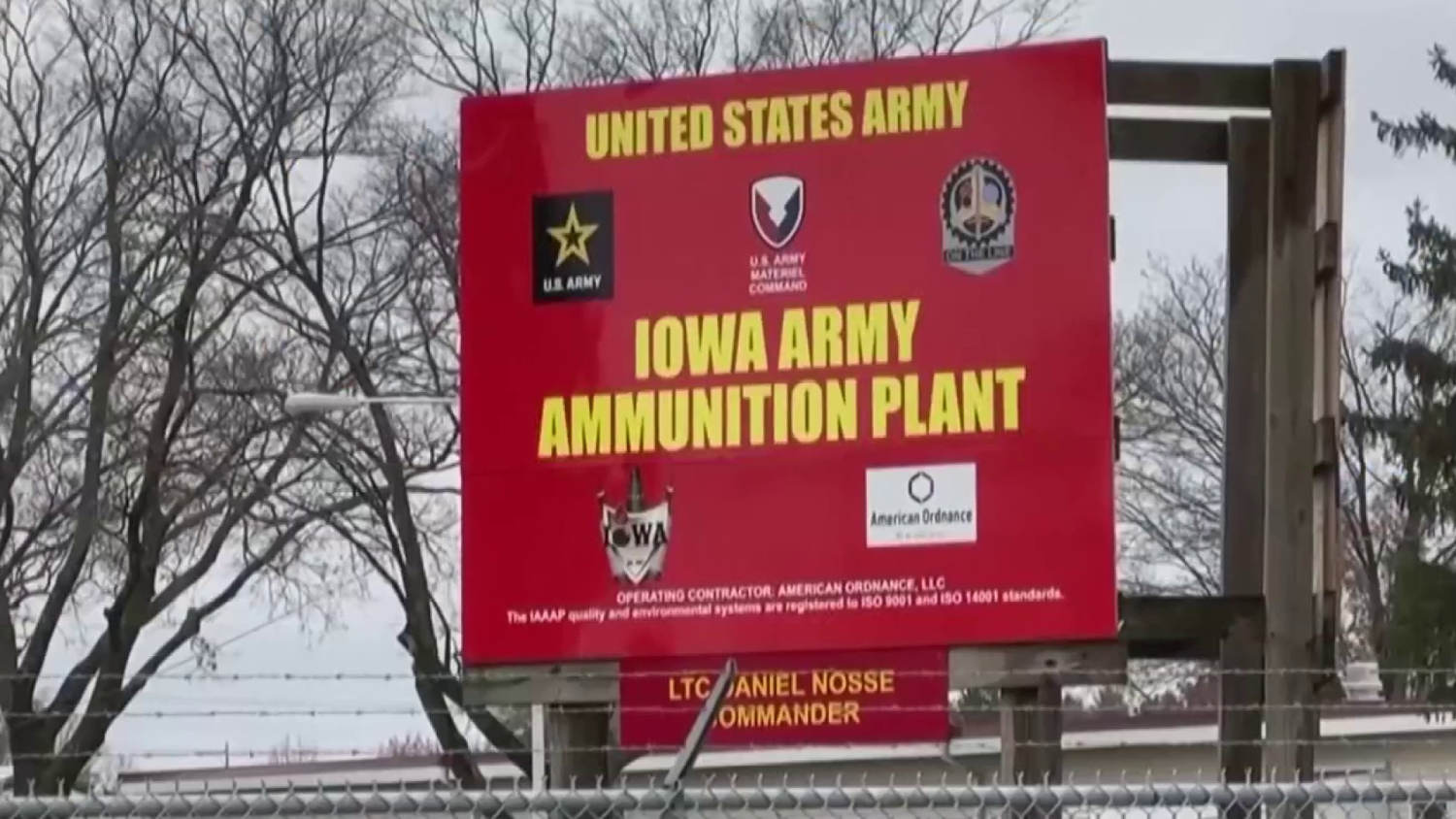
Two explosions were heard near the Iowa Army Ammunition Plant on Wednesday as the U.S. Army detonated 68 barrels of degraded lead azide — a move officials said was necessary to prevent a spontaneous blast.
Nervous residents near an Army ammunition plant in Iowa are preparing for a controlled detonation of nearly 10,000 pounds of potentially toxic chemicals, just one day before Thanksgiving. The state’s National Guard is now on the ground to help impacted residents temporarily evacuate the area before Wednesday morning’s blast. NBC’s Shaquille Brewster reports for TODAY.
The Army plans to detonate a stockpile of unstable lead azide explosives in Iowa on Wednesday morning. The toxic dust plume is expected to travel for miles.
Maryland Gov. Wes Moore (D), a potential 2028 presidential contender, asserted in an interview with "The Axios Show" that Washington is leaving Americans vulnerable to AI because of billionaire greed and clout. He said voters hate the technology because they fear losing control. Moore, chair of the National Governors Association, told Mike Allen this week that after an " AI earthquake " helped propel Democrats to huge midterm gains, Congress must treat oversight of the technology as an "emergency" for the first 100 hours of Democratic control. Why it matters: Moore, 48, focused on AI early, with an executive order in 2024 . He has used his NGA leadership roles to work across the aisle on AI protections, arguing that Marylanders can't afford to wait for Washington and shouldn't have to wait for a disaster . Moore, Maryland's first Black governor , is a former Army paratrooper who deployed to combat in Afghanistan with the 82nd Airborne Division, and was a Rhodes Scholar and White House fellow. What they're saying: Moore, speaking at the Maryland State House in Annapolis, makes it clear in this episode of "The Axios Show" that AI will be a huge focus of the 2028 presidential race after becoming a flashpoint in November's midterms. Among the governor's key points: On the pace of regulation: "We are watching a fast-moving technology that is being protected at a snail's pace." On why people hate AI: "Genesis 1 talks about how God gave humanity dominion over all land, air and sea. And that dominion was given to humanity, not to robots." On whether regulating AI lets China win: "This is not a question of U.S. versus China. This is a question of man versus machine." On a bubble: "We are in a bubble because you cannot have that much influence by such a small group of companies." On Nvidia and Trump: "It seems like it's rules for me, but not for thee. ... We are talking about not just millionaires, but billionaires who are sitting in a quiet room by themselves making this dec
The U.S. Army will detonate a stockpile of degrading explosives at a munitions plant in Iowa on Wednesday, after days of back-and-forth between politicians and the courts.
The Army plans to destroy nearly five tons of lead-based explosives in Iowa, Kilmar Ábrego García has voluntarily left the U.S., Lawmakers raise concerns as Jensen Huang returns as Nvidia's CEO.
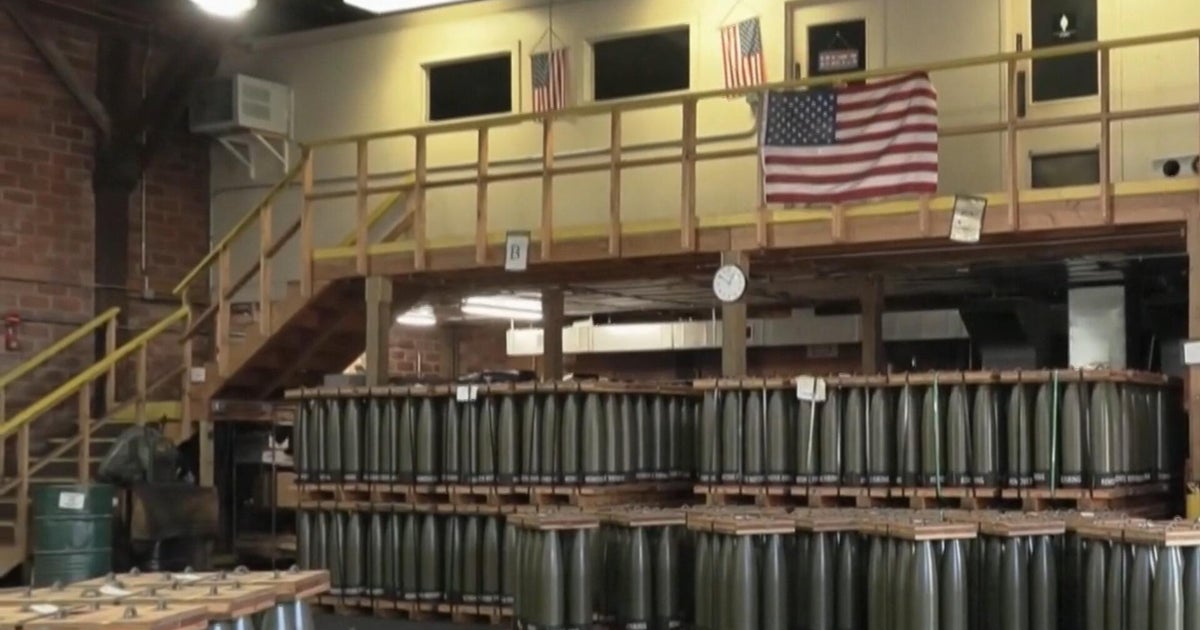
Army officials say they will destroy thousands of pounds of ordinance that otherwise might spontaneously blow up in a bunker in Middletown, Iowa. Local residents are concerned about toxic fallout.
Former U.S. Army Maj. Nidal Hasan filed a federal court motion Tuesday seeking to delay next week's scheduled execution at Fort Hood while he challenges his sentence.
The U.S. Army plans to blow up five tons of lead bomb-making material on Wednesday, saying the wind is in their favor and they have no other choice. Residents in southeast Iowa are bracing for the toxic cloud of lead dust. Ian Lee reports.
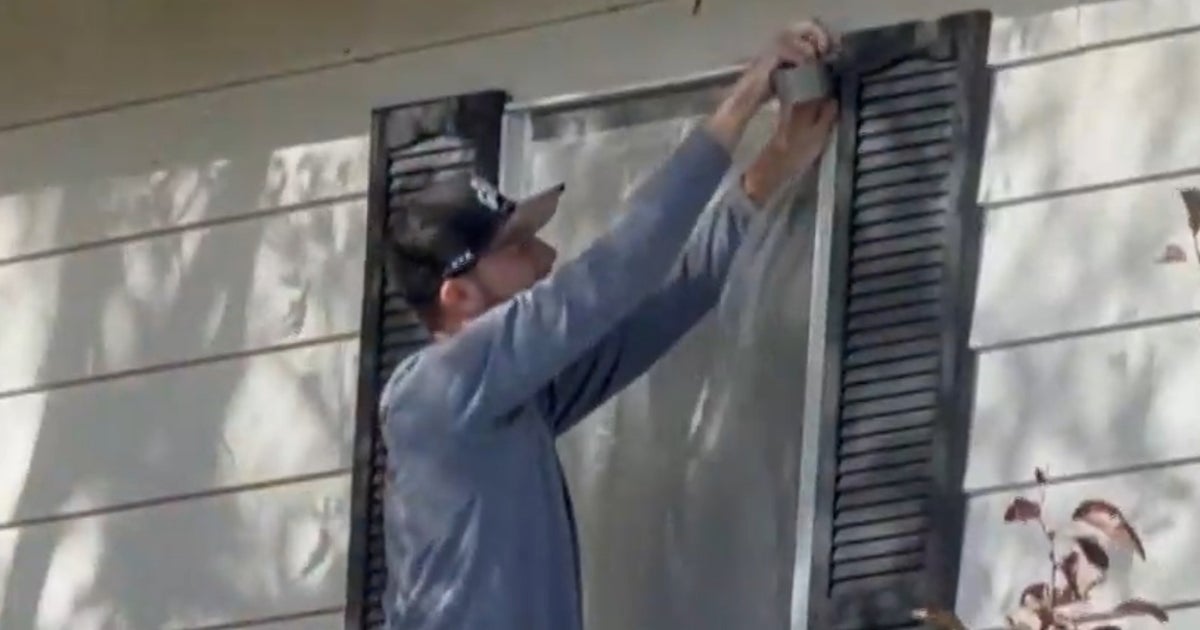
Residents of Middletown, which adjoins an Army facility where dangerous chemicals will be detonated Wednesday, are taping up their doors and getting ready to flee.
The U.S. Army says it has taken precautions and there's no reason to panic about its' plan to detonate unusable bomb making material at its ammunition plant in Iowa, scheduled for Wednesday morning.
Acting Army Secretary Adam R. Telle held a press conference in Iowa to discuss plans for the controlled detonation of toxic materials. He stressed that a "controlled, mitigated detonation" is "preferable for public health and safety."
It's been an on-off-and-on again schedule for the Army's plan to detonate tons of unusable bomb-making material in Iowa with even President Trump weighing in on what should happen.
Sgt. Jian Zhao faces up to 10 years in prison after pleading guilty to selling national defense information from Joint Base Lewis-McChord, prosecutors say.
A U.S. appeals court said it would allow the Trump Administration and the Army to move forward with a detonation of lead azide in Iowa, denying an emergency request by environmental groups to halt the Army’s permit. NBC News' Courtney Kube discusses how the materials ended up in a small town in Iowa.
President Trump ordered the Army to pause plans to detonate unstable explosives at an Iowa ammunition plant, saying the blast cannot proceed without approval from an appeals court and Democratic Gov.-elect Rob Sand . The big picture: State officials said last week they only recently learned of the plan to detonate tons of lead azide at the Iowa Army Ammunition Plant, sparking frustration about a perceived lack of transparency from federal officials. The Army, which had delayed the detonation until Wednesday, advised people who live or work nearby to avoid the area, stay indoors and clean surfaces once the branch declares the airborne exposure risk over. But the threat also sparked warnings in neighboring Illinois, with the American Lung Association saying that residents of eastern Iowa and western Illinois could be exposed to lead. Driving the news: Trump warned Monday that he would hold Sand responsible for "any and all death or destruction" if the governor-elect refuses to approve the detonation. " If he or the Courts do not agree, we will have no choice but to not proceed with the controlled removal of these hazardous materials, and be forced to hold the incoming Governor responsible for any and all death or destruction caused by this very unfortunate, and longterm, situation," he wrote in a pointed Monday Truth Social post . State of play: The Middletown, Iowa, blast was initially set for Friday, then delayed to Monday and then to Wednesday. In a Friday letter to Gov. Kim Reynolds, regional EPA administrator Jim Macy said the Army had documented recrystallization of the lead azide, raising the risk of an accidental explosion. The lead azide "is now so sensitive to temperature, friction and shock that it cannot be safely moved, opened, or treated without a significant risk of explosion," per an administration court filing . Friction point: Earthjustice sued last week to halt the detonation on behalf of the Iowa Environmental Council and the Sierra Club's Iowa cha
President Donald Trump said Monday he had ordered the Army not to go forward with the planned detonation of a Iowa bunker filled with drums of lead azide until the courts weigh in.
The U.S. Army is moving forward with a controversial plan to detonate 10,000 pounds of explosives at an Iowa ammunition plant after invoking emergency powers to bypass a court order that had temporarily halted the operation. NBC News’ Misty Marris breaks down the legal battle and the potential health and environmental concerns surrounding the detonation.
The U.S. Army has rescheduled the detonation of about five tons of bomb-making material in Iowa to Wednesday to accommodate weather and "mitigation measures."
The Army warned that freezing temperatures could risk an accidental toxic explosion at a munitions plant in Middletown, Iowa. The Trump administration declared an emergency and is moving ahead with a plan to blow up the unstable explosives despite a federal court order. Ian Lee has more on the controversial plan.
The Pentagon accused Canada of failing to become a "credible partner" due to its faltering military readiness and low defense spending, according to a sharply worded fact sheet issued by the Pentagon to justify new restrictions on America's northern neighbor. Why it matters: The restrictions deepen tensions between the U.S. and Canada over trade and defense, as Ottawa reconsiders billions of dollars in purchases of American weapons. The new restraints — which do not affect defense or intelligence sharing— limit U.S. military personnel from fraternizing with their Canadian counterparts at official events without prior authorization from the Pentagon, an official told Axios. The Pentagon fact sheet has not been reported. But the Washington Post first reported the restrictions, followed by the New York Times . Zoom in: At the heart of the dispute are NATO defense spending goals and military readiness under the bilateral North American Aerospace Defense Command where, the memo says, Canada falls short in three ways: 🛩️ Air: Only 41.9% of the Royal Canadian Air Force fleet "was serviceable from 2025-2026, largely due to ageing equipment and personnel shortages," the Pentagon fact sheet says. The shortfall limits Canada's "ability to meaningfully contribute to air defense commitments … to defend our North American airspace against all threats." Canada relies on the U.S. and NATO for airborne early-warning aircraft but is negotiating to buy its own from Sweden's Saab. ⚓️ Sea: Just 53.9% of Canada's naval fleet was "serviceable" from 2025-2026, limiting its "ability to monitor maritime approaches to North America," the fact sheet says. Only one of Canada's "four ageing Victoria-class submarines" is "seaworthy at any given time." Canada has a new fleet of conventional submarines, manufactured by ThyssenKrupp Marine Systems, coming on line, but until then, its undersea "capability will be limited." 🪖 Land: The Canadian Army had an operational readiness rate of 48% from 2025