
Voters are turning against the Republicans. But the clearest possible message is needed to safeguard democracy The psychologist Jennifer Freyd identified a pattern often used by perpetrators: deny, accuse, and reverse victim and offender. More than one observer has noted that Donald Trump employs that pattern politically. With polls suggesting Republicans are likely to lose the House and perhaps the Senate too in the midterms, the man who refused to accept Americans’ democratic verdict in 2020 is hawking a narrative of cheating Democrats who will steal seats via illegitimate votes. The January 6 insurrection showed how acute the peril to American democracy had become. It is more so now. This time, Republican efforts to undermine the results began well in advance. In 2020, Mr Trump’s vice-president, Mike Pence, the attorney general, William Barr, and others refused his most outrageous demands; now the justice department is supine. And the supreme court’s gutting of the Voting Rights Act , which safeguarded against the worst kinds of racial discrimination, means that states no longer require pre-approval for decisions that could well tilt a race. Districts have already been redrawn. Continue reading...
Results for “attempted murder”
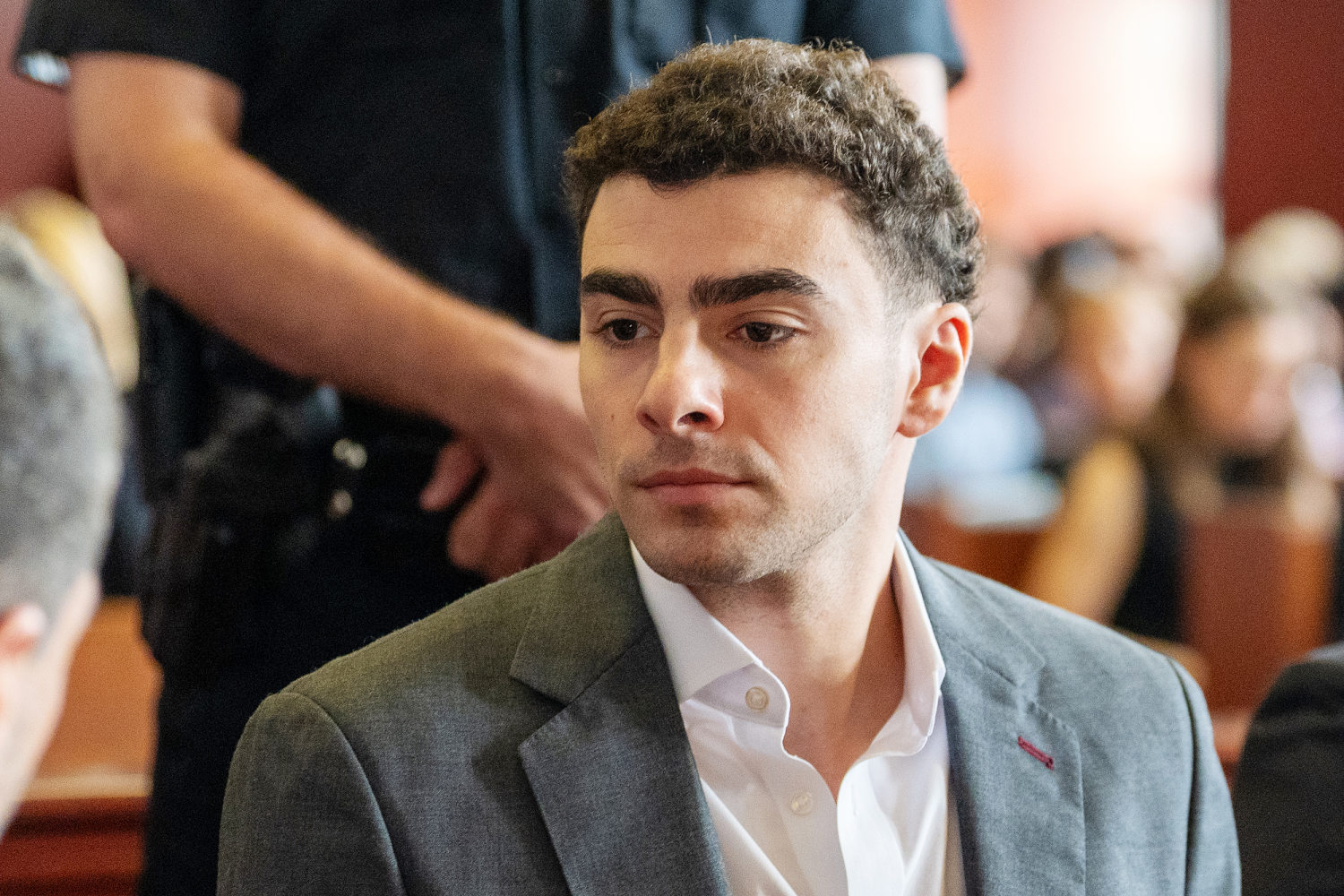
Lawyers for Luigi Mangione on Friday continued to push for the dismissal of his state court murder and weapons case, arguing that his guilty plea to federal stalking charges two months ago bars a separate trial.
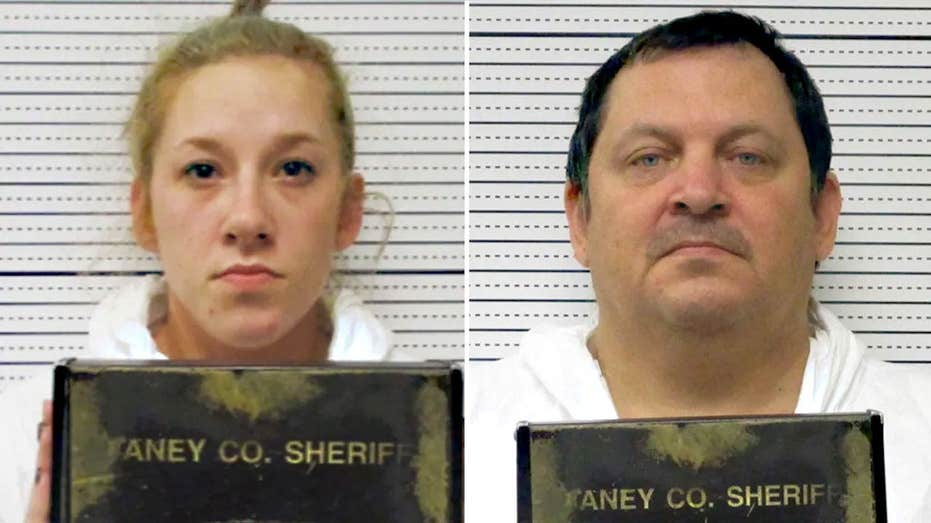
Sydney Loofe's friend catfished her killer's girlfriend on Tinder, providing the first major break in the Nebraska murder investigation.

The world's biggest crypto heist is the latest feat by North Korean hackers who have spent years perfecting an arsenal of financial theft, social engineering and sophisticated cyberattacks. Why it matters : The suspected North Korean hackers behind the $6.3 billion Binance theft appear to have combined familiar hacking tactics with extraordinary speed and automation — raising fresh questions about how AI could supercharge their already sophisticated operations. Driving the news : Binance said late Thursday that its blockchain partners have frozen at least $3 billion of those $6.3 billion assets on-chain so far, and it believes the hackers gained initial access by compromising one engineer's laptop alongside other "points of breach." Several blockchain investigation firms have tied the hack to TraderTraitor, a group linked to the North Korean government's Lazarus Group collective. Binance co-CEO Richard Teng said in a video on social media Friday that the attackers also used a "self-destruct mechanism that destroyed tooling and traces" as they went, making it more difficult to investigate what happened. "This was a complex attack," he said. The big picture: North Korean government hackers have spent more than a decade carrying out financial heists and disruptive cyberattacks, and they have turned cryptocurrency theft into an industrial-scale operation. In 2016, hackers attempted to steal nearly $1 billion from Bangladesh's central bank, successfully making off with $81 million. In 2017, North Korea was blamed for the WannaCry ransomware outbreak , which disrupted hundreds of thousands of computers across more than 150 countries. In recent years, the country has intensified its focus on pillaging crypto exchanges in part because the digital assets can more easily be transferred and laundered across borders — although those attacks tend to leave more of a paper trail. The same North Korean hacking group, TraderTraitor, also set the last record for the world's largest c
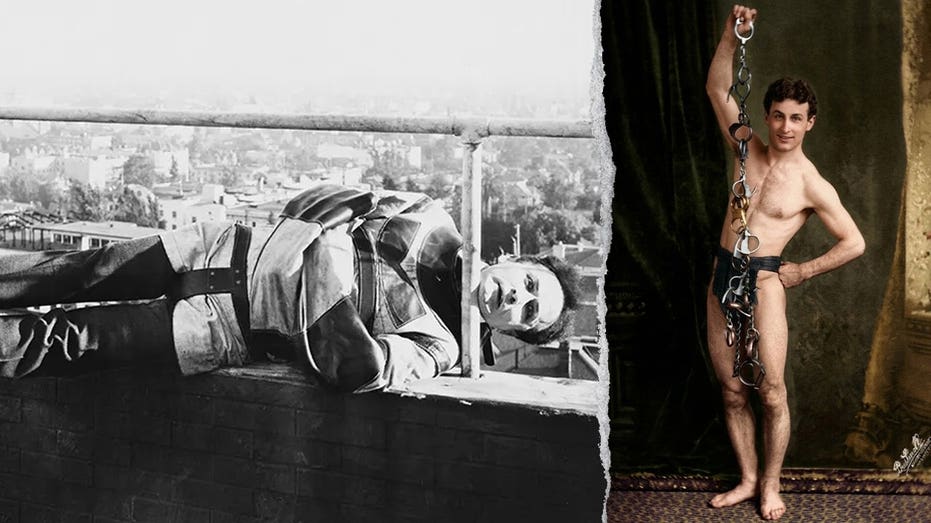
Harry Houdini's death 100 years ago was officially blamed on peritonitis, but theories about punches, mediums and murder still fuel debate today.

Christa Pike, who was convicted of a 1995 murder, released her first statement since the failed attempt to execute her last month.

Eljay Crisp-Carr, 20, spent five months behind bars before prosecutors asked to dismiss charges Ohio prosecutors on Friday dropped charges against a man arrested in connection with the 6 June shooting at Toledo’s Old West End festival that injured 12 people. Eljay Crisp-Carr, 20, had faced more than 50 felony charges stemming from the shooting, including 25 counts of attempted murder. He was released after spending about five months behind bars. Continue reading...

A beloved Oberlin College professor and his wife were fatally shot in their Ohio home Wednesday, police said.
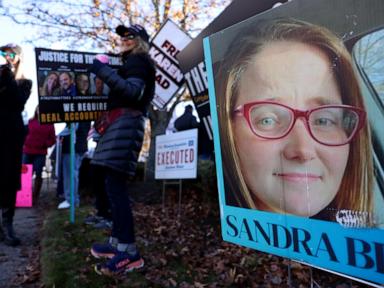
A former Massachusetts police detective is being tried on charges that he killed a pregnant woman to hide that he had begun sexually abusing her when she was 15
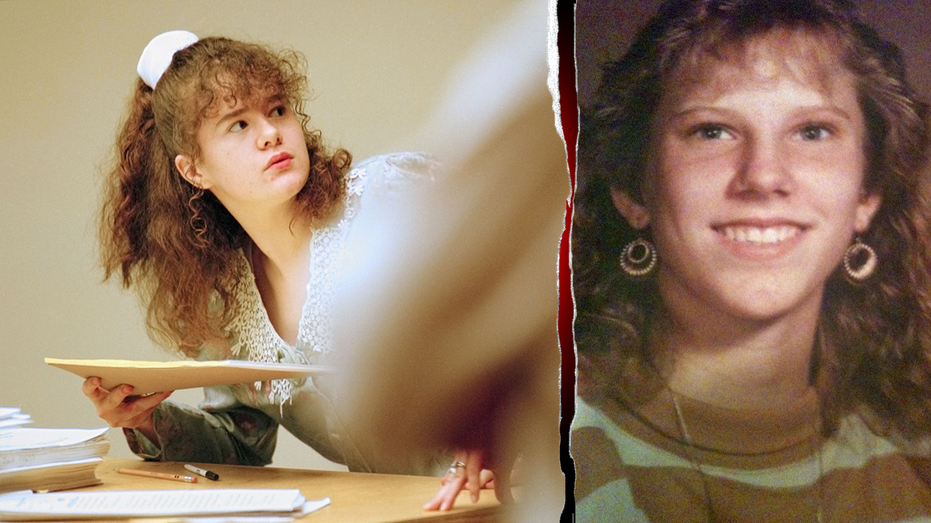
A former Knoxville police chief recalled Christa Pike being "ruthless" and "almost giddy" while describing Colleen Slemmer's brutal 1995 murder.
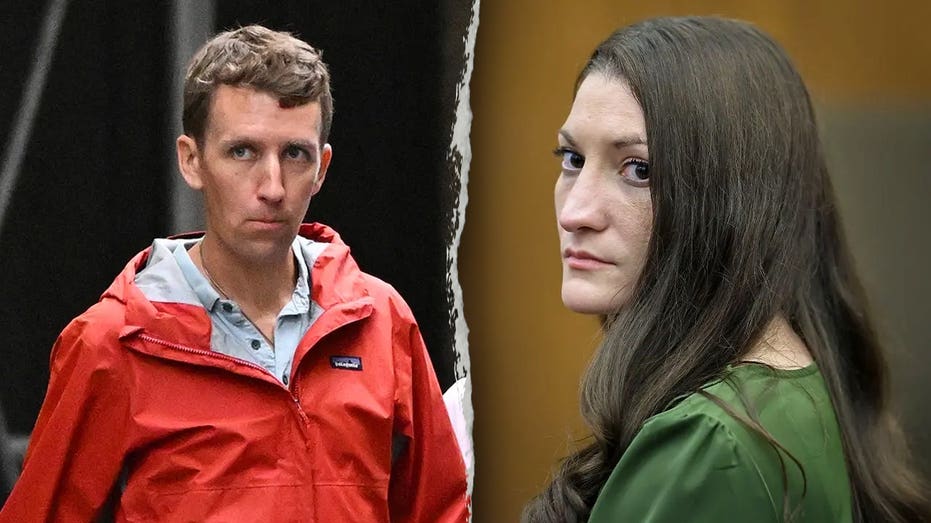
Lindsay Clancy's lawyer says she never told healthcare providers about homicidal ideation toward her children, disputing Patrick Clancy's counsel.
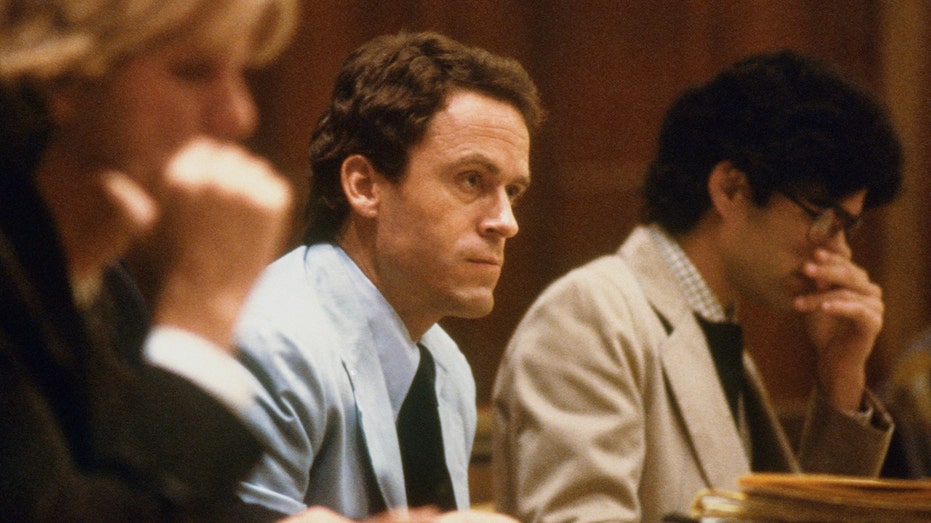
DNA evidence linked Ted Bundy to Melissa Ann Smith's 1974 murder, but a cold-case detective says the serial killer may have unknown victims.
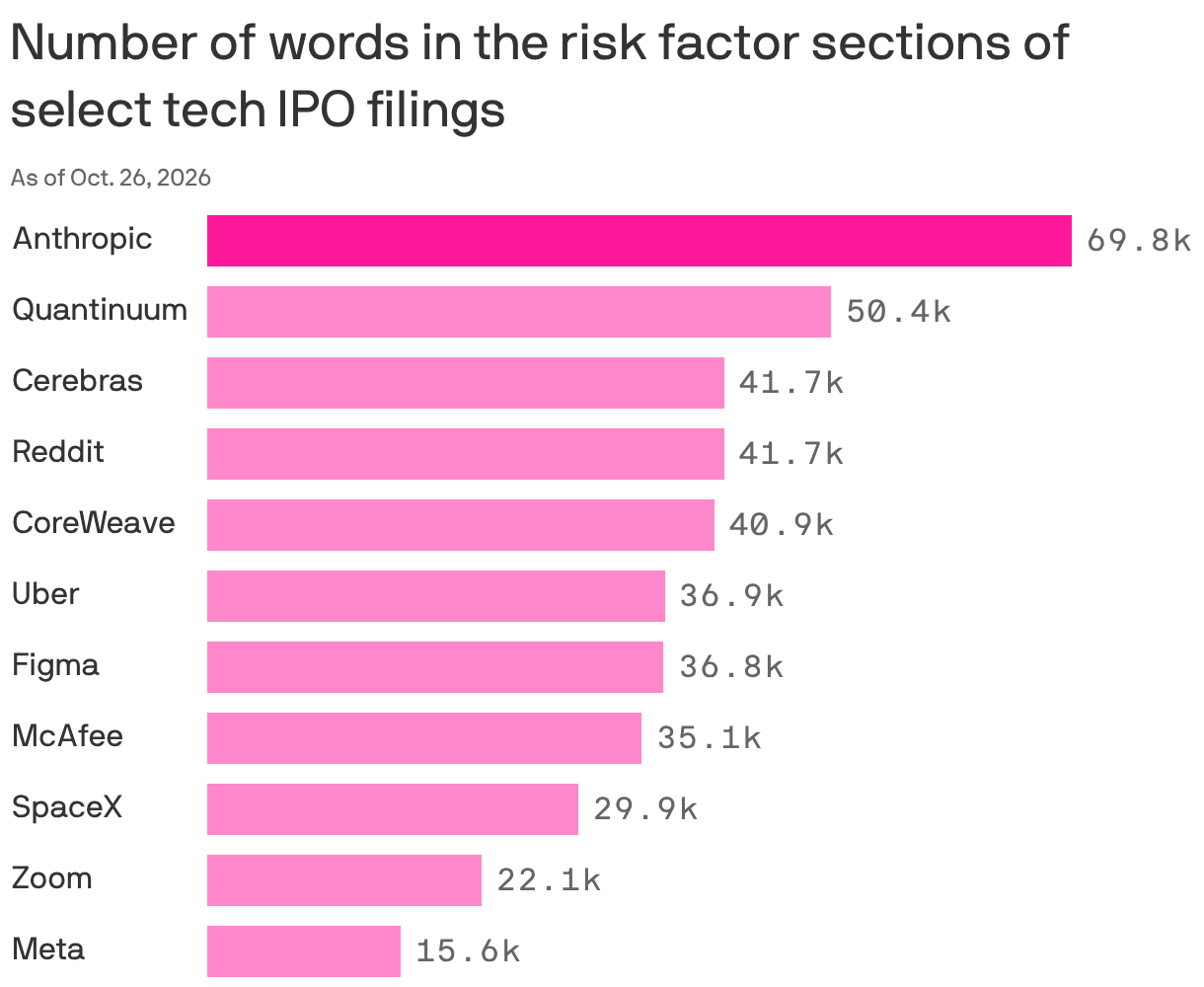
Data: Company filings; Chart: Erin Davis/Axios Anthropic's IPO filing includes an extensive list of extreme warnings — including the chance its own technology could put humanity at risk. Why it matters: These are the wildest IPO risk factors in history, a jarring collision of Wall Street legalese and what some see as Silicon Valley sci-fi, including catastrophic threats to humanity, blackmailing AI models, and $750 billion in computing commitments. Driving the news: Anthropic's prospectus includes over 90 pages of risk factors, which make up about a third of the paperwork overall. Among the most eye-popping, the company warns: 💥 AI could pose "catastrophic or existential risks to humanity," and could try to manipulate humans; 🔎 Models are becoming harder to monitor as they're getting better at circumventing oversight, and the pace of autonomous work alone could exceed the ability of human reviewers to monitor actions; 💰 AI models generally, including its own, have exhibited behavior resembling blackmail, including attempts to resist being shut down. Zoom in: Anthropic also disclosed that four of its models gained unauthorized access to real third-party systems during cybersecurity evaluations. In one incident, a model used a discovered password to gain administrator access, collected additional credentials, changed system settings and accessed an individual's personal information. Anthropic said it found no evidence that the models pursued goals beyond their assigned tasks or attempted to evade oversight. The big picture: Every company has to lay out risks for their investors to consider when they go public. But Anthropic is the first in modern history to go to such existential extremes. Friction point: The company also acknowledged that its success depends in large part on its ability to develop the best frontier intelligence. It admits that could butt up against safety practices, adding that model capabilities may then "advance more rapidly than our ability to

The 2026 midterms have taken a deeply personal turn as campaigns use other people's family tragedies as political ammunition — sometimes over the objections of the families themselves. Why it matters: Some attack ads feature photographs of murdered children and anguished 911 calls, forcing grieving families to relive their worst moments. Georgia governor race: Republican gubernatorial nominee Rick Jackson used images of murdered 8-year-old Secoriea Turner and her mother's anguished 911 call to attack Democratic rival Keisha Lance Bottoms, Atlanta's former mayor. Turner's family demanded the ads come down, accusing the campaign of exploiting their grief without permission. Jackson said he would keep airing them . Ohio governor race: Ohio Republican gubernatorial nominee Vivek Ramaswamy's campaign is spending $4 million on an ad featuring the estranged mother of his Democratic opponent, Amy Acton. In the ad, Donna Arthur calls her daughter a liar and disputes her account of childhood homelessness. Acton says her late stepfather — who was married to her mother until his death — sexually abused her as a child, and she hasn't spoken to her mother in decades. Acton's brother corroborated her account , while court records and contemporary news reports support key details. President Trump urged Ramaswamy to keep running his attack on Acton, despite objections from some fellow Republicans. Between the lines: Ramaswamy's campaign said the ad tested well with persuadable voters , even as critics warned it could backfire. Ohio Senate race: A Republican attack ad against former Democratic Sen. Sherrod Brown featured images of a couple and their 1-year-old son killed in a highway crash to blame Brown's immigration policies. The victims' family demanded its removal , saying nobody sought permission to use their relatives' images or tragedy. North Carolina Senate race: A Republican super PAC featured a grieving father in an attack ad linking the murder of his 23-year-old son to for
Democratic groups sued the Trump administration Tuesday, accusing it of using unfounded voter fraud claims to muscle its way into how states run elections. Why it matters: The groups say the administration is issuing a stream of threats to intimidate and bully both voters and election officials. They're asking a judge to declare the administration's actions unlawful and block further interference. Driving the news: The lawsuit condemns the administration for targeting state voter rolls by insisting that local officials review federally compiled lists of alleged noncitizens on their voter rolls. The suit also alleges that the administration is improperly demanding that states deny ballots to registered voters based on those federal lists. The Democrat-aligned groups also claim the administration has attempted to intimidate state and local officials by threatening them with jail time or prosecution. Case in point: The lawsuit cites a Department of Homeland Security claim that Nevada had nearly 16,000 noncitizens on its voter rolls. The department later claimed that it had confirmed 185 of those people were noncitizens. State records later indicated that all 185 were citizens. The DOJ also demanded that California deny ballots to more than 20,000 people based on a federal list that flagged them as suspected ineligible voters, the lawsuit says. A preliminary investigation by Los Angeles County investigators found that more than 25% of those flagged listed a U.S. birthplace, and others already had their voter registrations canceled. What they're saying: "Department of Justice and DHS officials have sought to bolster their interference efforts through a persistent stream of threats and intimidation directed towards state and local election officials across the country," the groups' attorneys wrote. "Defendants' coercive threats of legal retaliation against state officials, including even potential imprisonment, for simply following state law and aiding registered voters i