
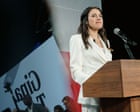
Tuesday was a victory for equity and inclusivity and a rejection of hate and fear. The biggest losers? Megadonors and Super Pacs Rather than regurgitate the particular wins and losses that occurred on Tuesday, I thought it more useful, at this point, to look at the big picture and identify the largest overall winners and losers for the country as a whole. Biggest winner: a diverse, equitable and inclusive America. It’s Donald Trump’s DEI nightmare. Georgia voters elected Keisha Lance Bottoms, the first Black female governor in the country. Texas chose Gina Hinojosa, the state’s first Latina governor and first Democratic governor in more than 30 years. California elected Xavier Becerra, the state’s first Latino governor. New Mexico chose Deb Haaland, the country’s first female Native American governor. Florida elected Byron Donalds, the first Black governor in Florida’s history (a Republican). Continue reading...
Results for “deb fischer”

Deb Haaland of New Mexico will be the nation’s first woman Native American governor, while Peggy Flanagan, Minnesota’s next senator, is the first Native American woman to win election to the chamber.

The former congresswoman and interior secretary pledged to resist the Trump administration. She will be the nation’s first female Native American governor.
Right after Tuesday's midterms, OpenAI will unleash a policy and PR blitz to try to get in sync with the new Washington, including an effort to rebrand data centers as "AI compute campuses." Why it matters: After two years of a friendly White House, AI companies will face a harsher Washington after Tuesday, when Democrats will likely win the House. OpenAI also aims to help frame the AI debate for the big field of 2028 presidential contenders that'll start forming on Wednesday. "You can try to chase the moment, or seek to inform the moment via the power of ideas," OpenAI chief global affairs officer Chris Lehane tells us, calling Tuesday an "electoral portal from one era to the next." Since August, Lehane and his team have been stockpiling policy proposals, some new and some repackaged, to drive urgency and steer the AI debate. It'll all start during the lame-duck session of Congress — the awkward but often consequential weeks between the election and the swearing-in of new members and senators on Jan. 3. This year's lame duck opens Nov. 9. The big picture: Other tech companies are also positioning themselves for a potential blue wave. Meta is taking steps to strengthen its ties with Democrats, Axios' Sara Fischer scooped Saturday . Other big AI and tech players can be expected to do the same. Tech titans who enjoy close relationships with President Trump will be top targets for Democrats, who are eager to ramp up scrutiny and regulatory pressure on the industry. OpenAI's plans, being revealed here for the first time, all involve control — trying to send the message that AI is being built for people, not to displace people. The proposals include: Speed limits: Building on earlier proposals , OpenAI plans to unveil new ideas for mandatory safeguards for the most powerful AI systems — speed limits for AI that will allow humans to keep their hands on the wheel. This'll include a more aggressive congressional drive. "You're going to see us talk more and more about the co