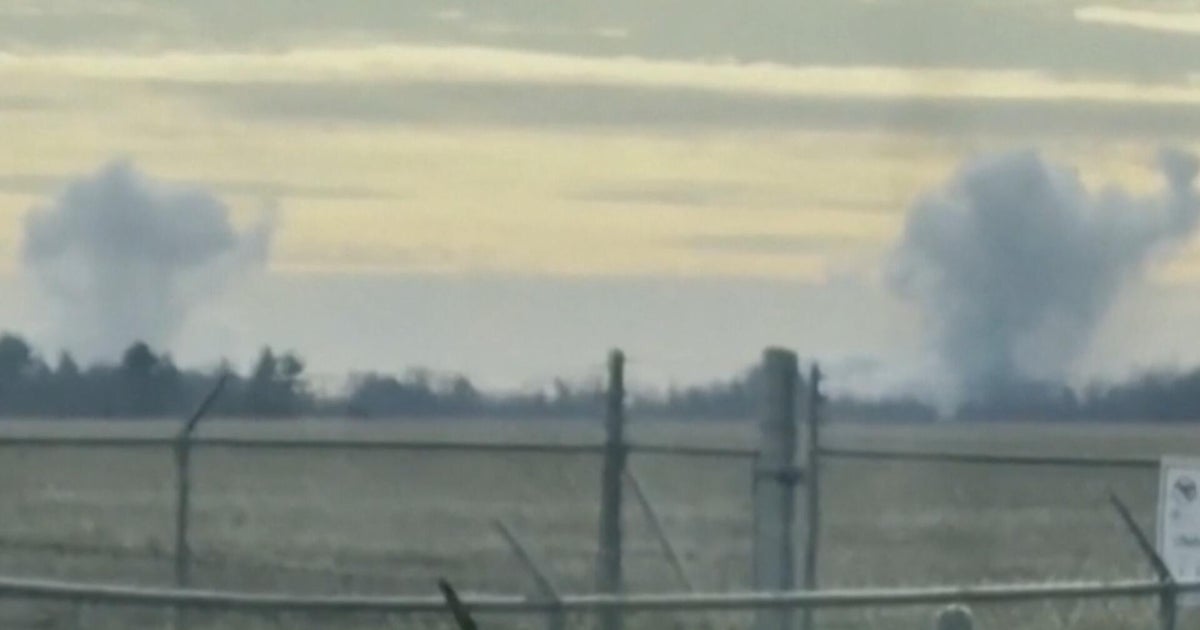
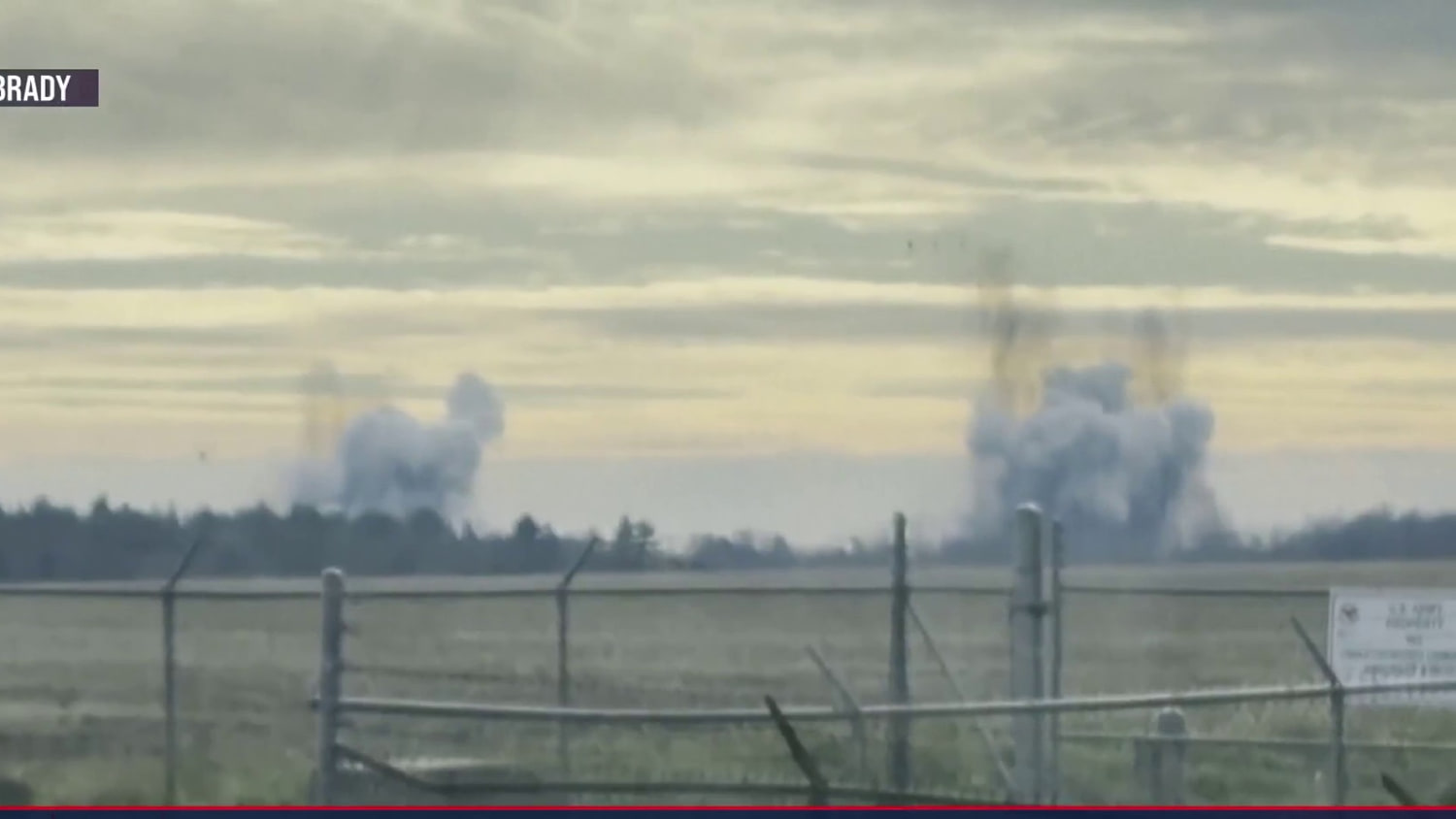
Lab results collected from bodies of water in the area surrounding the military's controlled detonation of degrading explosives at an Army plant in Iowa showed no trace of lead, federal officials said Saturday.
Initial laboratory results indicate the controlled detonation of five tons of dangerous lead azide in southeastern Iowa has not caused a rise in the heavy metal in the bodies of water that supply drinking water to the area, the U.S. environmental agenc...
An explosion of degraded chemicals has left people in Iowa wondering how safe their air, land, and water is now. NPR's Scott Simon talks with farmer Sue Dyer.
The days of coming to blows over a Furby before dawn are over. It was scary, but at least it was real Congratulations. You’re alive. And for that, I applaud you. You didn’t choke on a particularly large piece of pie or fall into a ditch on your post-Thanksgiving-meal walk. Thanksgiving is one of the more hazardous holidays on the American calendar, with all the binge eating, binge drinking and binge shopping. Continue reading...
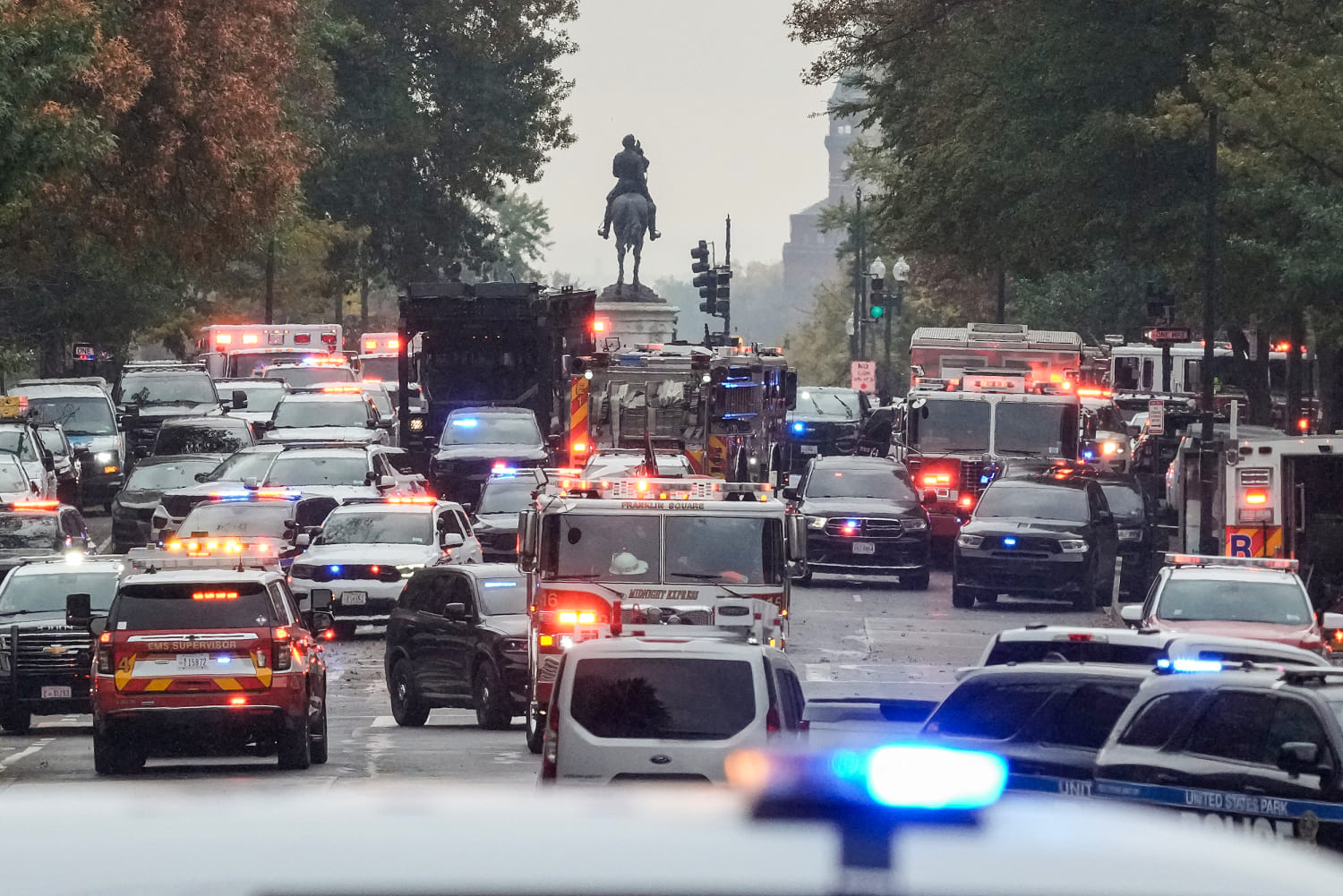
Two plumes filled the sky after the Army detonated nearly five tons of bomb-making material. The blast could be felt for miles. There’s no airborne lead detected throughout the region and the EPA says they’ll continue to test the air, soil and water. NBC News’ Shaquille Brewster has the story.
Is Laneige worth it? Our editors tested the Lip Sleeping Mask, Water Bank Cream, Cream Skin toner and more for at least a month. Here’s what’s worth buying.
Freeze-dried and dehydrated foods have become popular with hikers for their outdoor adventures. Correspondent Conor Knighton witnesses the processes used to turn entire meals – from beef stroganoff to chicken cashew curry – into backpackable bags.
Phoenix Mayor Kate Gallego wants more tech investment in her city — but on her terms, as data centers strain resources and frustrate residents. Why it matters: Phoenix has become a bellwether for the AI industry's growing demands on electricity and water in an increasingly hot, resource-constrained world. As the mayor, Gallego is navigating an outsized dilemma facing communities nationwide: How to embrace the AI boom while protecting residents and resources in an increasingly hot world. "I do want us to lead in technology, and I want us to be a tech-forward community," Gallego said at a recent event co-hosted by the University of Chicago's Institute of Politics and Energy Policy Institute, and moderated by Axios. But she added: "I want companies who care about our community and will give back to it, and not just a race to see who can get the deepest incentives and the cheapest" power. "We're open for business, but we're not for sale," she said. Zoom out: Arizona's Democratic sweep could give Gallego more allies in her efforts to strike the balance she wants. Democrats flipped both legislative chambers and Gov. Katie Hobbs won reelection, giving the state full Democratic control for the first time since 1966. Affordability dominated the election, with data center subsidies and community impacts part of that debate, Gallego said. Catch up fast: Phoenix ranks fourth among major U.S. data center markets by operational capacity. Now the debate is expanding from how much development the region can accommodate to what communities should demand in return. State of play: Gallego, the longest-serving current mayor of America's 10 largest cities, has spent recent years trying to balance that. She helped push to eliminate Arizona's generous data center sales tax exemptions. The state enacted a three-year pause on new applications this summer. She opposes a blanket construction moratorium, favoring more local control over where facilities are built, particularly near homes. Phoe
The Senate passed a sweeping, bipartisan bill Thursday night that's designed to cut permitting timelines for energy and infrastructure projects. Why it matters: The eyes of the entire energy industry are on this bill. If it becomes law, it could transform how America builds energy infrastructure, with major implications for everything from electricity costs to data centers. Getting rid of bureaucratic hurdles and creating a more predictable process for energy projects is a top priority for the fossil fuels and renewables sectors. But critics argue the plan, which has White House support, would unacceptably weaken environmental protections and the rights of Native American tribes. Driving the news: The vote was 62-33. The bill would still have to pass the House before the end of the year, and any differences would have to be worked out by both chambers before President Trump could sign it into law. Catch up quick: It would make significant changes to federal permitting, including: New limits on the duration of lawsuits, and the scope and length of reviews under the Clean Water Act and National Environmental Policy Act. Language that would make it more difficult to revoke permits once they're issued, a priority for renewables groups and Democrats upset with Trump administration barriers. State of play: There are also provisions to ensure that data centers pay for needed grid upgrades, and expand federal authority over the siting and approval of certain interstate transmission projects. Friction point: Many environmental advocates argue that the bill would dangerously erode safeguards in the National Environmental Policy Act and other laws. Multiple tribal groups still oppose it despite changes aimed at easing concerns about consultation on historic preservation. Energy and business groups, ranging from renewables developers to manufacturers to the oil and gas industry, are lobbying for the measure. The AFL-CIO and many individual unions back it, too. What's next: The
Residents and local groups band together after severe flooding submerged a New Mexico town in toxic water On the night of 23 October, Jimmie Goodman was trying to get some rest when his sister, who was recovering from back surgery and having trouble sleeping, woke him. Authorities in their home town of Shiprock, New Mexico , had warned that the nearby San Juan River was at risk of flooding as unprecedented rain fell across the Four Corners region of the south-west US – and so Goodman peeked outside. “That surge shot directly at us,” said Goodman, 67, describing how the river takes a sharp 90-degree turn near his and his sister’s house in one of the Navajo housing authority’s residential neighborhoods. It just missed the house by about 50ft, he said. Continue reading...
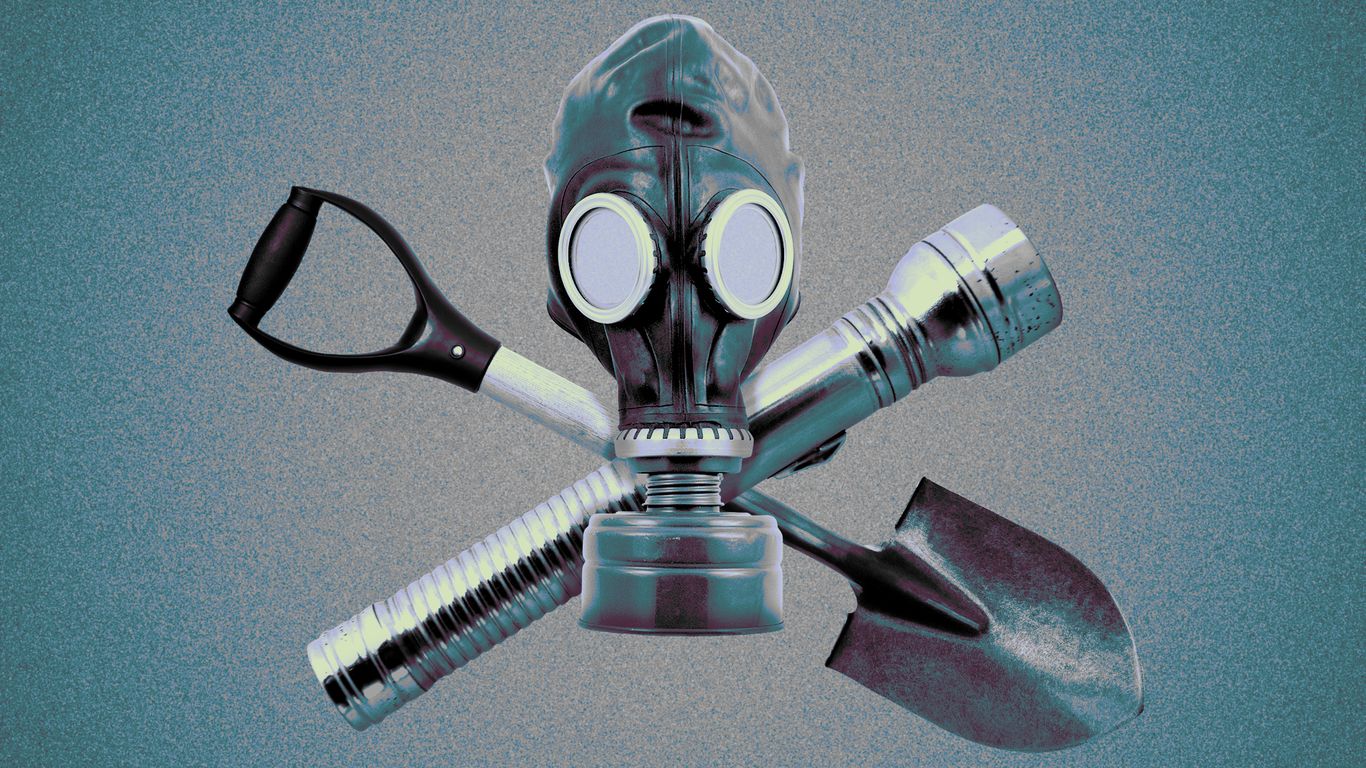
The internet has caught the emergency preparation bug , fueled by fears of AI-led cyberattacks , power grid vulnerabilities, transportation standstills and international threats . The big picture: The "prepper" mindset is resonating with larger slices of society — who are packing emergency bags, stocking up on water and taking inventory of non-perishables. Michael Mills, a University of Greenwich senior lecturer who studies doomsday preparation, says some people are turning to "lightweight versions" of traditional prepping amid doubts about global stability. By the numbers: Sales at Survival Frog, a survival retailer that sells gear like emergency food and radios, saw sales jump 450% between Oct. 27 and Nov. 16, compared to prior weeks, CEO and founder Byron Walker tells Axios. Competitors saw similar trends, he says. And most recent buyers at Survival Frog were new customers. Food, including canned meats, leads demand, Walker says, followed by products like radios, solar generators, battery packs and water filters. State of play: Systems the world relies on for travel , communications , business , food, health care and more have been disrupted in recent weeks — whether because of tech shortfalls or malicious acts. While officials assure the incidents aren't broadly connected, fears of critical infrastructure failing are growing, and more people considering how to prepare for crises. "It does seem much more mainstream now," Walker says of preppers. "You can't turn on the news without hearing about a new cyber attack or a tech meltdown." Many of the emergency preparation skills people are using have long been observed in disaster-prone areas. And as many Americans learned during COVID, supply chain disruptions mean having extra water, radios and shelf-stable foods around the house isn't a bad thing. Krystal, known online as the "Queen of Doomsday," spends about five hours daily coaching new preppers and told Axios that recent online engagement with her content, which
Most Americans are baffled and alarmed by the daily, if not hourly, explosion of technical glitches hitting air travel, banks and work products like Microsoft Outlook. The outages seem genuinely scary and related. So what the hell is going on? The most likely answer : This is the first true wave of unintended consequences of increasingly powerful artificial intelligence hitting us at once. The big picture: In short, AI is exceptionally good at building software, and therefore exceptionally good at spotting and exploiting bugs in large technical, software-based systems. The glitches come from a mix of sources — some innocuous, some scary, including: routine updates to aging infrastructure; humans scrambling to patch vulnerabilities discovered by AI; hackers exploiting existing weaknesses; and bad actors using swarms of AI agents to launch increasingly sophisticated cyberattacks. That's the new reality that government officials and AI experts believe we're entering. They expect this period of disruption and heightened vulnerability to persist for months, as powerful new AI tools expose weaknesses buried in decades-old systems. The catchphrase gaining currency : " Software Beirut " — a period of cascading failures, many of our own making, that could grow worse before things get better. What this means for YOU : Understand the different causes, detailed below, and resist the temptation to panic every time something goes haywire. It's easy to hop on social media and let the algorithm drag you into doomsday thinking. You should also prepare : Reset and protect your passwords . Keep more cash on hand if possible, in case your bank is down for a day or two. Buy some basic emergency supplies in case power or water do go out. Sadly, we believe this season of glitches and possible cyberattacks will persist. Better to be prepared. Here's a more detailed look at the different causes of these glitches or breakdowns: 1. Updates to old systems: The government says last Friday's na
Officials at Grand Canyon National Park are easing water restrictions, meaning hotels on the South Rim will once again be able to accommodate overnight guests
Scientists and fishers study how these ‘reefs’ and the creatures living on them are transforming the ocean floor – and what it means for the fishing industry A few years ago, Tony DiLernia, a New York-based charter boat captain, heard rumors of prime fishing near the Block Island windfarm, off the tip of Long Island. So he went with his family to see for himself. Almost immediately after motoring up to one of the project’s five turbines, black sea bass and summer flounder started nibbling at his rod and reel. DiLernia, who has fished for 50 years, wasn’t surprised: he knew about the reef effect, where certain species cluster around structures like the turbines. “It’s what we call ‘stupid fishing’,” he joked. “You’ve got this thousand-foot [sign post] sticking up out of the water saying: ‘Fish here.’” Continue reading...
Transportation Secretary Sean Duffy's $50 billion request to overhaul the nation's air traffic control system is getting a chilly reception from Senate Republicans, who are balking at the hefty price tag. Why it matters: The pushback from within President Trump's own party casts doubt on the administration's ability to secure the full $50 billion, even after Friday's historic nationwide groundstop . Sen. John Kennedy (R-La.) told reporters that Duffy "made a huge mistake" by originally requesting $30 billion for air traffic modernization, then later upping the ask to $50 billion following the groundstop. "Maybe he was taking orders, but he's smart enough to know better than to say, 'I need 30 billion. We have a catastrophe. I need 50 billion now.'" Kennedy said, adding, "We're not going to give them $50 billion." Both Duffy and Trump have urged Congress to move quickly on the funding, which the administration formally requested Tuesday. Driving the news: Duffy, along with FAA Administrator Bryan Bedford, pitched the funding — which include $10 billion specifically for air traffic equipment modernization — to Senate Republicans at their weekly lunch. "I don't think the full $50 billion will be funded. Some of that is not safety related," Commerce Chairman Ted Cruz (R-Texas) told reporters. Cruz floated using the fast-track reconciliation process to secure additional funding for upgrading the air traffic control system, but said the administration needs to show it can effectively spend the $12.5 billion Congress already provided in the " Big, Beautiful Bill " last year. "Demonstrate that you can actually modernize, and come back to Congress when you need additional funds," Cruz said. Zoom in: Senate Majority Leader John Thune (R-S.D.) has also raised concerns about the unspent funds. "There's some explanations that have to be given as to why that number is where it is," Thune told reporters Monday. Thune poured cold water on using reconciliation to pass the additional
Landfill owner’s data show lithium above groundwater standards near the drinking water source for millions Down winding roads and past quiet homesteads, all that can be heard in the otherwise bucolic air of rural Clermont county, Ohio , is the roar of dump trucks. The speeding vehicles are headed for a massive, 1,400-acre landfill filled with coal ash and other hazardous materials and owned by Dynegy Zimmer LLC, a subsidiary of Vistra Corp The Zimmer landfill has been a dumping ground for dangerous waste from coal-powered plants dotted around the Cincinnati region for decades. Continue reading...
So many government problems, like last week's nationwide aviation meltdown , are foreseeable ... and foreseen. Why it matters: Again and again, we choose to do nothing until a crisis hits. A big reason: These are huge, tedious, complex, unsexy, antiquated systems that require persistence and competence to fix. A big new problem: These systems are deeply intertwined with our daily lives, and highly susceptible to malfunctions, mishaps and AI-enhanced cyberattacks. They're boring until they're vital. The big picture: We have federal agencies and congressional committees designed explicitly to monitor, protect and improve these complex systems. But they've atrophied as power has been centralized in the presidency and congressional leadership, where daily political warfare rarely includes sober discussion of competence and essential interconnected systems. Here are a few of the foreseeable (and foreseen) crises that have been staring at us, many for literally decades: The skies: We've known for years that the air-traffic system relies on copper wire and floppy disks . We've seen and known the vulnerabilities through Democratic and Republican administrations. We've known the fix is expensive: $31.5 billion, Transportation Secretary Sean Duffy told lawmakers last year. At Friday night's briefing at the White House, Duffy said: "I want $50 billion ." The grid: We've known for a long time that our electricity is delivered through an aging patchwork system vulnerable to accidents or attacks. The nonprofit power authority NERC (North American Electric Reliability Corp.) warned this spring that the system is so strained by rising energy needs from AI and humans that it could jam up or break. The water: Drinking and wastewater systems are old and in dangerous disrepair — a huge risk to hospitals, in particular. In July , cyberattacks hit over 30 municipal water systems in Minnesota, with Iran as a likely culprit . The government's computers: Washington spends over $100 billion
A husband and wife in Virginia are facing charges over a wild house party for their teenagers that police say involved underage drinking and fireworks. The couple said it was crashed by hundreds of teens. Jericka Duncan has the body camera footage.
DENVER — Thousands of Democrats gathered here this weekend for a giddy postelection summit, reveling in their party's historic midterm victories and touting the center-left strategy they say powered them. But some progressives saw the event as a lavish, out-of-touch affair bankrolled by billionaires — exactly what Democrats just campaigned against. "I'm all for celebration, but perhaps a fancy retreat does not exactly meet the tenor of the moment," said Josh Orton, president of the liberal group Demand Justice and a veteran of Bernie Sanders' 2020 campaign. Why it matters: The competing views of What's Next, the buzzy confab held by the influential centrist organization Majority Democrats, offer an early glimpse of the ideological battles over health care, money in politics and other issues that will define the party's 2028 presidential primary. Zoom in: Democrats in the Mile High City were practically vibrating with happiness, still not quite able to believe they'd won back both chambers of Congress and flipped deep-red states such as Mississippi and South Carolina. "The vibes are excellent," Delaware Rep. Sarah McBride, a member of the Majority Democrats, said in an interview. "The last high-water mark, we were all in our houses on Zooms," she added, referring to the 2020 presidential election. "This is the first time there's been an undeniable capacity to celebrate widespread wins in the last decade." Free drinks flowed. Political operatives sported bomber jackets embroidered with the phrase "Majority Democrats." Speakers were immortalized in rock concert–style posters on the walls. For a brief moment in Denver's Mission Ballroom, the often-in-disarray Democratic Party looked united. Several presidential hopefuls downplayed the party's divides in speeches. Pennsylvania Gov. Josh Shapiro said onstage that ordinary people don't give "a damn" about "where we fall on some imaginary political spectrum." Michigan Sen. Elissa Slotkin quipped in her address that elected
Fairfax County police charged Lisa and Aubrey Vaughan after their 13-year-old sons' small backyard party spiraled into a massive gathering with fireworks and crowds.
Questions remain about reason for leak, safety of drinking water and where salt can be sourced for roads during winter When water last month began gushing through a crack in the ceiling of a Morton Salt mine in Ohio, the company had only one option: shut the mine down for good. For locals in and around Fairport Harbor, it means the loss of 77 jobs; but for the wider region, which depends on its salt reserves to keep roads ice- and snow-free every winter, it could mean travel chaos. Continue reading...
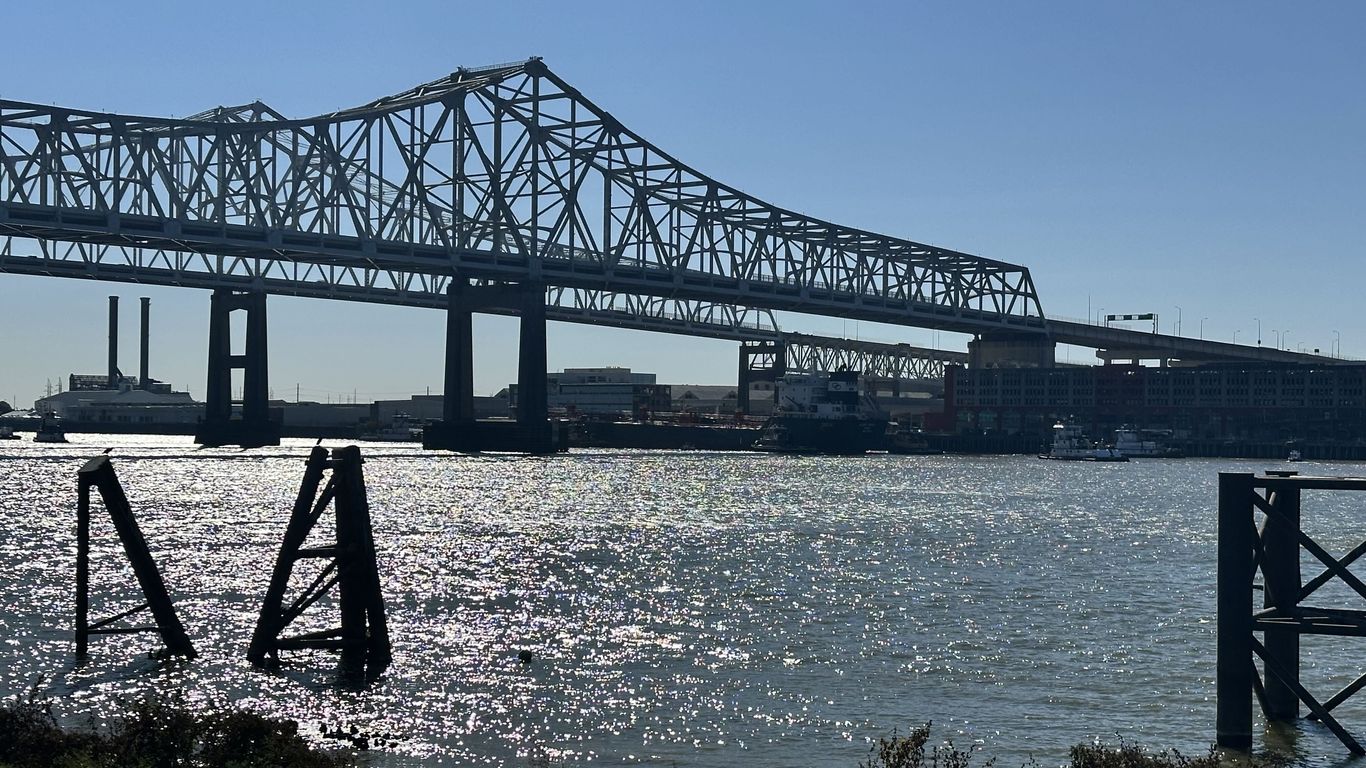
More than 129 people were onboard a Mississippi River cruise ship Friday when the Atlantic Asphalt tanker collided with it, according to a press release from the Port of New Orleans. The big picture: Search-and-rescue operations were ongoing Friday afternoon, but no reports of injuries were immediately available. Driving the news: The American Heritage, a vessel operated by American Cruise Lines, had docked for passengers to disembark at the port about two hours before it was hit, the press release says. At the time of the collision, about 129 passengers plus crew were on board. An NOPD officer responding to the scene said he believed the riverboat rolled into the water, which social media videos appear to corroborate. Zoom in: The tanker was immobilized on the river Friday at about 2pm CT, with two tugs positioned on either side. Another dozen vessels were in the water nearby as a helicopter roamed overhead and sirens rang out over the water. Louisiana Gov. Jeff Landry posted on X that he was aware of the incident and en route to New Orleans. Editor's note: This is a breaking news story and will be updated.
The river boat appeared to have capsized and taken on water after being struck by a ship. The river boat was set to begin an eight-day excursion starting on Friday.
The U.S. Coast Guard launched an investigation into a so-called "magic pipe" case, in which a ship transfers its oil discharge into its gray water system.
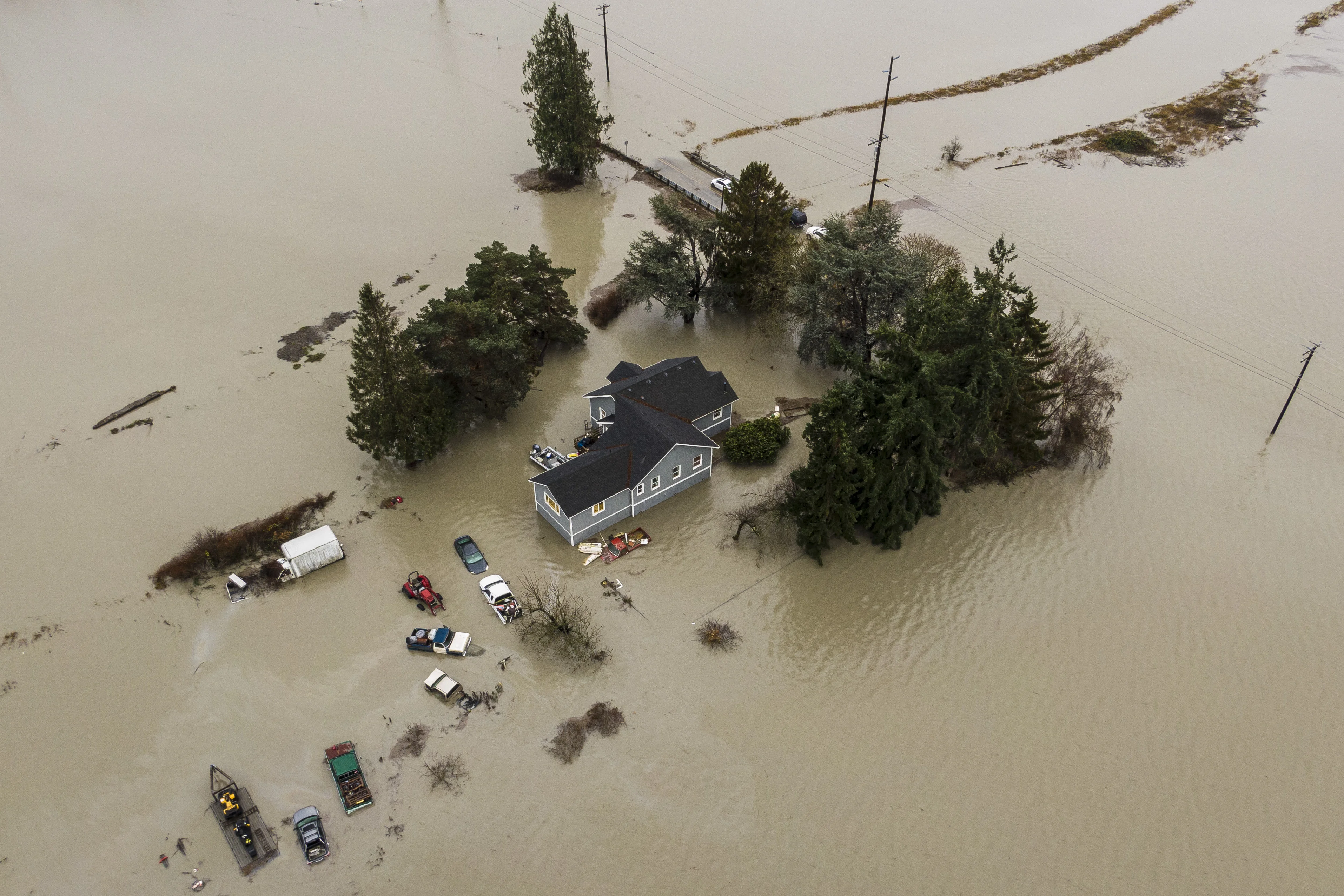
Atmospheric rivers are large bands of water vapor in the sky. They are dumping trillions of gallons of water on Washington and Oregon, just as high tides and winds batter shorelines.
A doctor who was locked in a lengthy legal dispute with his condominium association after alleging his penthouse suffered mold and water damage costing him hundreds of thousands of dollars is suspected of opening fire Thursday morning at a Washington, D.C., gym.
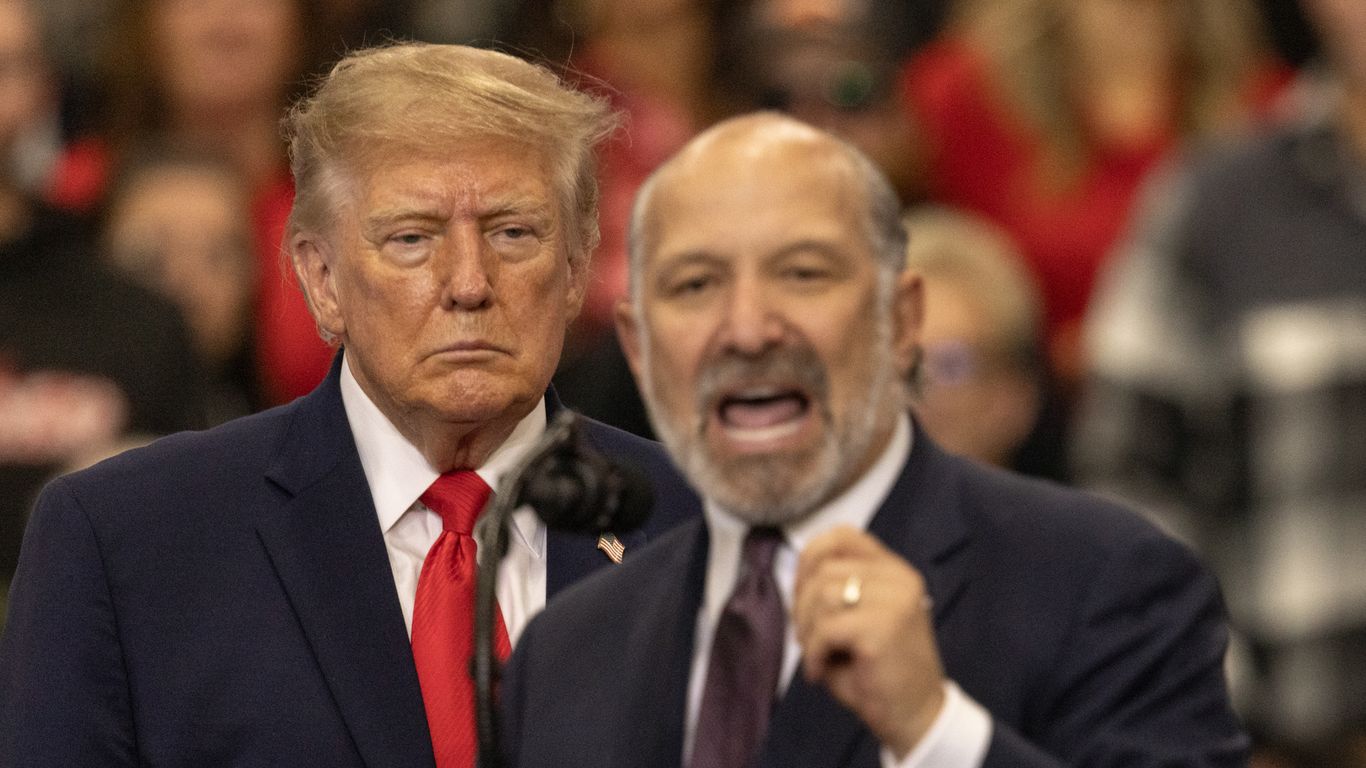
The White House is standing by Commerce Secretary Howard Lutnick despite a view within the administration that Lutnick delayed action to address concerns over chip smuggling to China. Why it matters: Congress smells blood in the water following bombshell reports that U.S. national security may have been jeopardized by former Nvidia CEO Jensen Huang's relationship with a suspected Chinese spy. Lawmakers want to know what the Trump administration did or did not do in response to that intelligence — and Lutnick, the official in charge of the department at the center of export control policy, is squarely in their field of view. President Trump, however, is not distancing himself from the secretary. "Secretary Lutnick is a champion of President Trump's America First trade and tariff policies, which have secured almost 20 fair trade deals and trillions in manufacturing investments," a White House official tells Axios. "President Trump maintains complete confidence in the secretary and his ability to carry out the position as the most transformative Commerce Secretary in modern history." Catch up quick: Lutnick was sent intelligence about Jensen Huang's relationship with an alleged Chinese spy and repeatedly did not take export control action — despite pressure from the broader administration and the president himself, Axios first reported. Lutnick's role is prompting scrutiny on the Hill from members on both sides of the aisle. "Secretary Howard Lutnick and Under Secretary Jeffrey Kessler must explain why they have not closed export control loopholes and act today to ensure our advanced technology is not fueling China's military," Senate Banking Committee Chair Elizabeth Warren (D-Mass.) said in a statement. "The obvious question is why did he choose to sell advanced chips?," Sen. John Kennedy (R-La.) told Politico. "Secretary Lutnick needs to answer that in front of God and country," Kennedy added. "I mean, there will be a congressional investigation. But I don't think h
The French government has blamed an Iranian military hacking unit for cyberattacks that disrupted refrigeration systems at roughly 700 grocery stores and other retail locations last month, causing food losses and at least 15 fires. Why it matters: The attacks underscore how Iranian government hackers are moving beyond stealing data and disrupting websites to manipulating the physical equipment that keeps essential services running. Driving the news: France's Ministry for Europe and Foreign Affairs attributed the Oct. 11–12 attacks to Iran on Monday, calling them the country's first cyberattack campaign conducted purely for sabotage on French territory. The government's Cyber Crisis Coordination Center specifically attributed the attacks to Shahid Kaveh, a hacking unit within Iran's Islamic Revolutionary Guard Corps. Hackers manipulated refrigeration equipment to raise temperatures, causing tens of millions of euros in food losses and at least 15 fires, according to French officials. The same operation also targeted equipment at small hydroelectric facilities in France, with limited effects, according to an intelligence report. Yes, but: The French government has not publicly attributed a separate wave of refrigeration attacks that occurred last week to the same hackers. Zoom in: French intelligence linked Shahid Kaveh to several online hacktivist personas, including CyberAveng3rs and Soldiers of Solomon, that publicly claim responsibility for the unit's operations. Investigators found that infrastructure used in the refrigeration attacks was also used to scan industrial equipment using techniques previously associated with Shahid Kaveh. They also found traces of Farsi in the attack infrastructure and identified a propaganda outlet linked to the unit that publicized the attack. The big picture: Iran has a history of targeting industrial equipment in cyber operations, including American water systems and Israeli refrigeration equipment. French intelligence linked Shah
Navajo Nation voters made history this week by choosing their first woman president, handing Crystalyne Curley a groundbreaking victory — and a political fight before she even takes office. Why it matters: Curley's victory breaks a barrier in the Navajo Nation, where women hold deep cultural influence, but men have long dominated the presidency. Driving the news: Curley, 40, and running mate Chris Deschene defeated Justin Jones and Emily Ellison in the Nov. 3 election, according to unofficial Navajo Election Administration results . Curley won 50.88% to Jones' 49.12% — a margin of just 1,115 votes across the Nation's 110 chapters. She will succeed President Buu Nygren, whose turbulent bid for a second term ended with a third-place finish in July's primary. Her running mate, former Arizona legislator and energy attorney Chris Deschene, returns to tribal leadership politics 12 years after a Navajo-language qualification dispute derailed his presidential campaign. The Navajo Nation, the country's largest Native American reservation, spans more than 27,000 square miles across Arizona, New Mexico and Utah and has nearly 430,000 enrolled members , according to June 2026 tribal figures. Yes, but: Jones refuses to concede and has threatened a legal challenge, alleging irregularities in the vote count. The Navajo Times reported he initially offered no specific discrepancies. Tribal election law prevents certification until at least 10 days after the election, leaving time for challenges, according to the site . Zoom in: Curley now faces a tougher challenge: tackling poverty, delivering basic services and healing a government fractured by years of infighting. About 35.2% of residents of the Navajo Nation Reservation live below the poverty line, compared with 12.5% nationally, according to 2024 American Community Survey five-year estimates . Between 30% and 40% of Navajo families lack running water at home, according to an April 2026 statement from the outgoing administration.
New York City Mayor Zohran Mamdani has met with nonprofits in Puerto Rico as officials announced a $280,000 partnership to help the U.S. territory confront emergencies
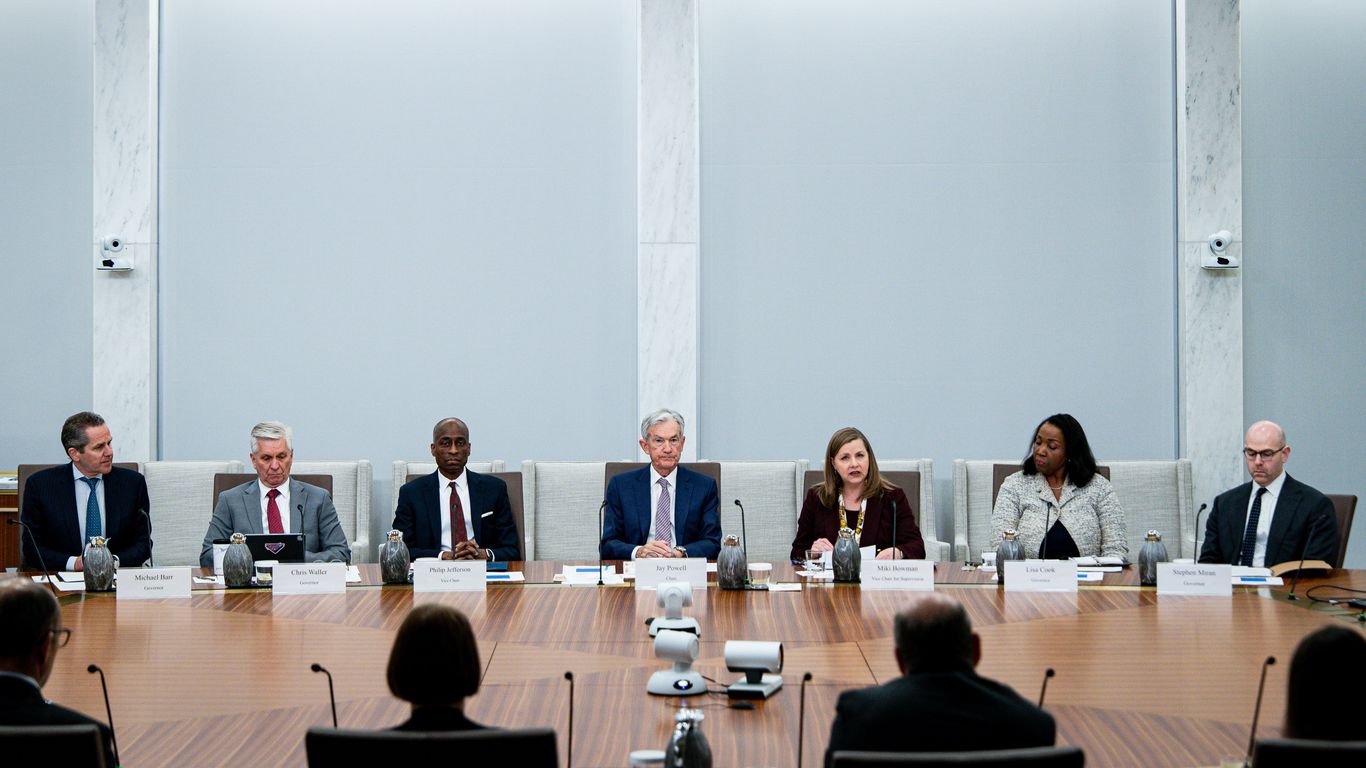
A recurring subplot of President Trump's term has been a desire to replace Biden appointees to the powerful Federal Reserve Board of Governors — even ahead of their terms ending — with allies. That effort now looks dead in the water. Why it matters: Even if Trump succeeds in his efforts to fire governor Lisa Cook , or to oust any of the other three Biden-era holdovers on the seven-member board, a Democratic Senate will likely block any replacements it views as insufficiently independent from the administration. State of play: The president seeks to fire Cook — whose term runs through 2038 — for alleged mortgage fraud, an effort that has been blocked so far by the courts. The White House plans a hearing over the allegations next month. Former chair Jerome Powell has remained on the board as a governor, a term that ends in January 2028. Michael Barr, whom Biden appointed as top financial regulator, has remained in place as a governor in a term that extends to 2032. Philip Jefferson's term as vice chair ends this coming September, though his term as a governor extends to 2036. Between the lines: It would break with current precedent for those officials to stick around to the end of their terms. In recent decades, Fed governor spots have turned over much more regularly, particularly after their time as chair or vice chair ends. Powell, Barr and Jefferson may feel greater comfort relinquishing their roles as governors before the end of their terms if they are confident the Senate will block any replacements who don't respect the tradition of central bank independence. Of note: Sen. Elizabeth Warren is set to chair the Senate Banking Committee that must advance Fed governor nominees, and she has assailed chairman Kevin Warsh for being a "sock puppet" of the administration. Only one Senate Democrat, John Fetterman, voted to confirm Warsh.
Voters showed deep distrust of the AI race Tuesday, approving dozens of data center moratoriums and electing a raft of candidates who favor slowing a $10 trillion buildout, including in Texas — the epicenter of the boom. Why it matters : In an election that hinged on an affordability crisis for many Americans, voters made it clear they view Silicon Valley's AI ambitions not as a technological miracle, but as a resource-draining threat to their wallets and communities. The results were a warning shot to some of the nation's wealthiest and most powerful executives, many of whom are already working on ways to build a more palatable version of the revolution they are dead-set on winning. "What we just witnessed was an AI earthquake," Brad Carson, co-founder of Americans for Responsible Innovation, told Axios. "Voters just sent a clear message that they want rules for AI and data centers." Driving the news: Democratic challenger Gina Hinojosa's surprise victory in the Texas governor's race fundamentally scrambles the math for the AI buildout. Hinojosa campaigned on keeping a moratorium on data center construction in place until the state passes legislation tackling impacts on water, electricity, air and property rights in the legislative session that ends in mid-2027. While most 2027 U.S. data centers expected are already under construction, a hold for more than six months would bring extended delays to Texas, which accounts for 41% of new U.S. capacity in 2028, according to the research firm SemiAnalysis. Democrats won all three of the states that follow Texas for new data center capacity, including Ohio, Georgia and Arizona. The winners in Ohio and Georgia favor restrictive policies, although it's not yet clear how those will take shape. Between the lines: All told, nearly two-thirds of 2028 data center capacity could face delays, although most political analysts don't see Democrats permanently blocking construction. What they're saying: A host of candidates and politi
These resource-guzzling centres drive up utility bills and are hated across the political spectrum. Cue a clunky, but potentially influential, new name for them Jesus may have turned water into wine, but Donald Trump has done one better: he turned Lake Ontario into Lake America and the Gulf of Mexico into the Gulf of America. And then, for his next trick, he insisted we all stop talking about artificial intelligence (AI) and call it superintelligence (SI) instead. Those, of course, are only a few of the name changes the president has ushered in. When he’s not golfing or commenting on senators’ buttocks , president Trump loves a rebranding project. Which makes sense: coming up with a new name is far easier than making meaningful improvements to people’s lives. Continue reading...
The world seems convinced the end is near — and social media is amplifying that belief, convincing people to stock up on food, water, generators and other items. Why it matters: Online chatter is fueling viral predictions of societal collapse amid growing unease about the future. But you're probably not going to die tomorrow. What they're saying: Michael Mills, a researcher at the University of Kent who has studied doomsday prepping for more than a decade, told Axios that modern doomsday fears aren't necessarily about a specific apocalyptic scenario. "It's an overall reaction to uncertainty in most cases," Mills said. He noted that whereas Cold War-era survivalists were often focused on nuclear conflict, modern preppers worry about terrorism, climate disasters, geopolitical threats and emerging technologies. He described the modern mindset as a "multifaceted concern with uncertainty." State of play: Viral posts have repeatedly urged people around the world to stock up on food and water, following similar recommendations from various governments and warnings from former FBI Deputy Director Dan Bongino. The situation has gotten so buzzy that President Trump was asked about it in an interview Monday. He said Americans don't need to stock up because the U.S. is "in good shape. We're strong. We have a great military and we will not have those kind of problems." Separately, conservative commentator Tucker Carlson — a man with 17.9 million followers on X alone — published a lengthy post Sunday evening alleging that Israeli Prime Minister Benjamin Netanyahu is pressuring Trump to launch renewed attacks on Iran after the midterms, potentially with a nuclear weapon. For what it's worth, Carlson has been predicting similar doomsday scenarios for a while, and he's been wrong before. And the Pentagon's newly reported plan calls for U.S. military bases to prepare to operate without outside support for at least 90 days, terrifying some people into asking , "What's the government k