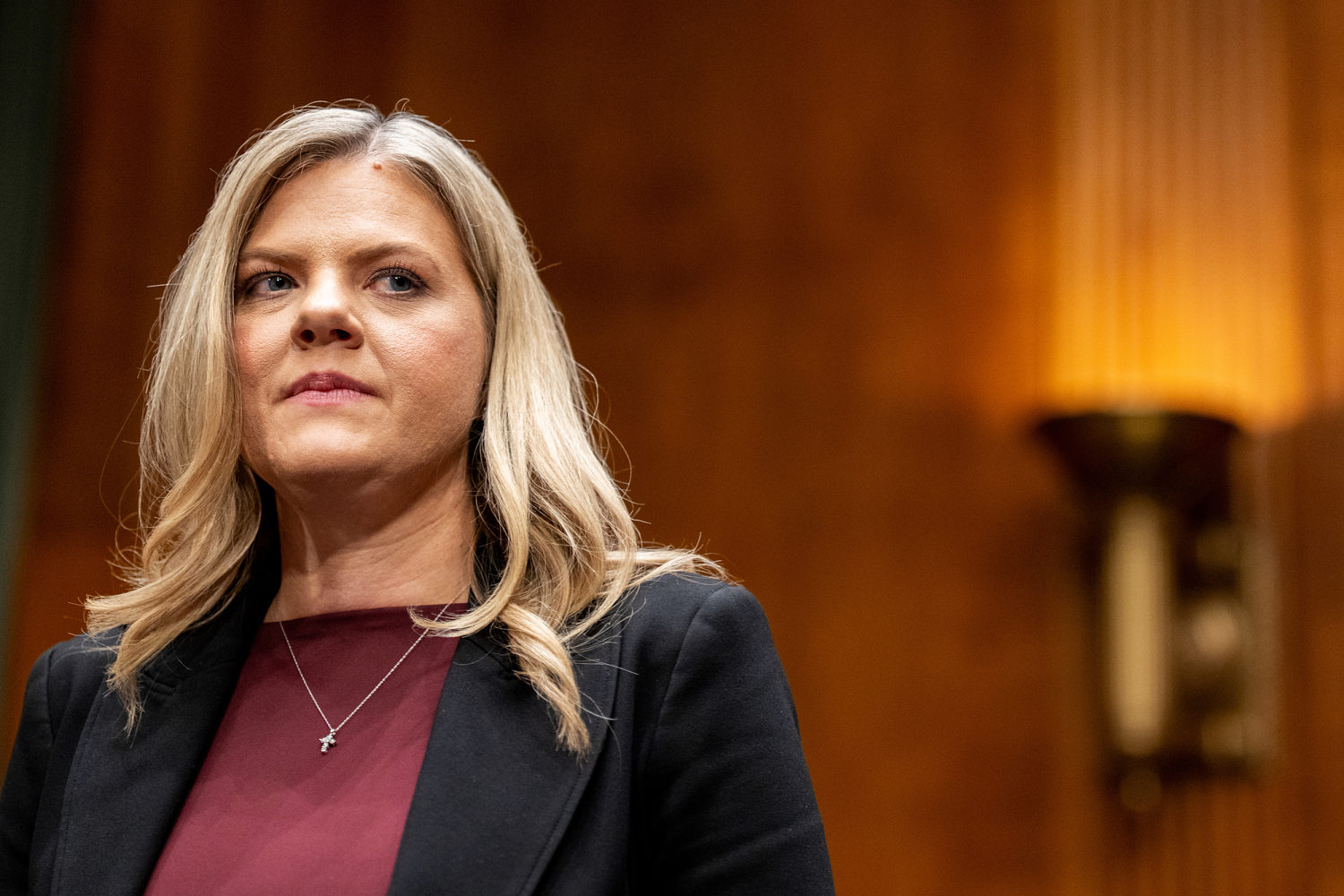
White House drops Heidi Overton’s FDA nomination
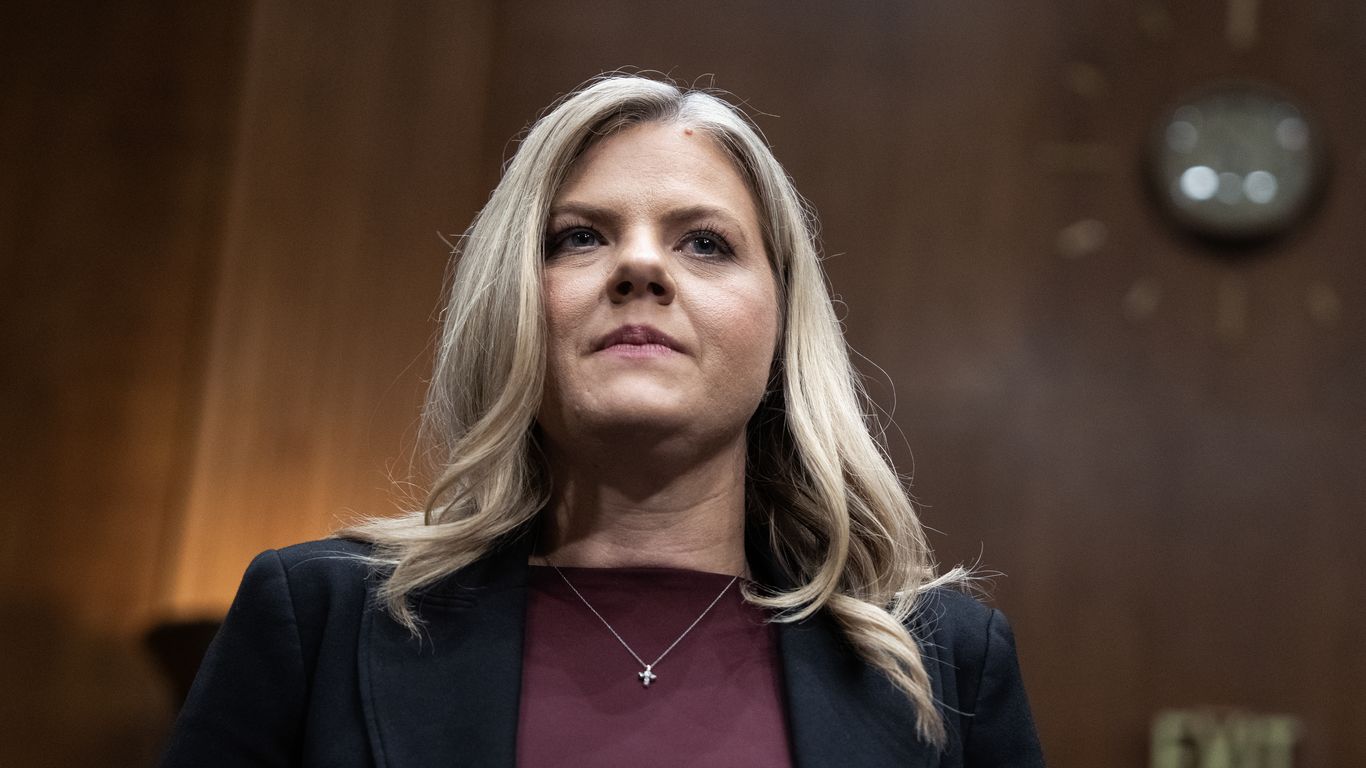
The White House is dropping Dr. Heidi Overton’s nomination to lead the Food and Drug Administration, a White House official confirmed Tuesday.
NBC News · 18h ago

The White House is dropping Dr. Heidi Overton’s nomination to lead the Food and Drug Administration, a White House official confirmed Tuesday.
The White House is dropping Heidi Overton 's nomination to lead the Food and Drug Administration because of a lack of congressional support, Axios has learned. Why it matters: The decision means the Trump administration will have to find a new candidate to lead the FDA as HHS Secretary Robert F. Kennedy Jr. looks to advance his Make America Healthy Again agenda. "FDA nominee Heidi Overton lacks the support on the Hill to move forward with her confirmation," a senior administration official told Axios late Tuesday. The backstory: Overton, a physician and deputy director of the White House Domestic Policy Council, was nominated by Trump in August. Her nomination faced opposition from Democrats and skepticism from some Republican senators, including Sen. Bill Cassidy (R-La.), chair of the Senate's Health, Education, Labor and Pensions (HELP) Committee. Cassidy said he had "strong concerns" about Overton's role in the administration's efforts to change childhood vaccine recommendations, which he called "almost disqualifying." What they're saying: "We need to go in a new direction at FDA, and everybody fully supports Secretary Kennedy's vision to Make America Healthy Again and get back to a more populist and common-sense approach to health in America," the senior administration official said. What's next: The HELP committee had been scheduled to vote on Overton's nomination on Wednesday. The FDA has been led by acting Commissioner Kyle Diamantas since Marty Makary resigned in May. This is a breaking story and will be updated.
Filmmaker Ray Tintori, the boyfriend of former “Saturday Night Live” cast member Heidi Gardner, has died, the New York City medical examiner’s office confirmed Tuesday.
Mississippi, a state with the largest share of Black residents in the country, has elected its first Black U.S. senator in nearly 150 years. Why it matters: For generations, Black Mississippians left the state to escape Jim Crow and pursue economic and political opportunities elsewhere. Now, Mississippi faces a new question: Was Scott Colom's victory a once-in-a-generation breakthrough, or the beginning of an era of Black political power? Driving the news: Colom's defeat of incumbent Sen. Cindy Hyde-Smith broke a barrier that had stood since Reconstruction. Mississippi was the first state to send Black senators to Congress, before violence and disenfranchisement stripped Black residents of their political power. In Colom's race, Democrats gained ground in 75 of the state's 82 counties, Marvin King, an associate professor of political science and African American studies at the University of Mississippi, told Axios. "It wasn't just a fluke of super high turnout in one particular region," he said. "Scott Colom's victory can signal that maybe Mississippi is ready to govern differently." The big picture: During the Great Migration , roughly 6 million Black Americans left the South to escape discrimination and seek better opportunities. Many Black Mississippians built political power in Northern cities such as Chicago, said Keneshia Grant, a Great Migration expert at Howard University. For many, the question became, "should we go and try for a better life in these other places ... or should we stay and fight where we are?" Grant said. "It was about economic opportunity, but I also think it was about terrorism too," Cassandra Overton Welchlin, executive director of the Mississippi Black Women's Roundtable, told Axios, pointing to the lynchings that drove families away. Welchlin left Mississippi for graduate school and considered staying away. "I did not want to come back to Mississippi because it is hard here," she told Axios. Mentors encouraged her to return. She did, ev
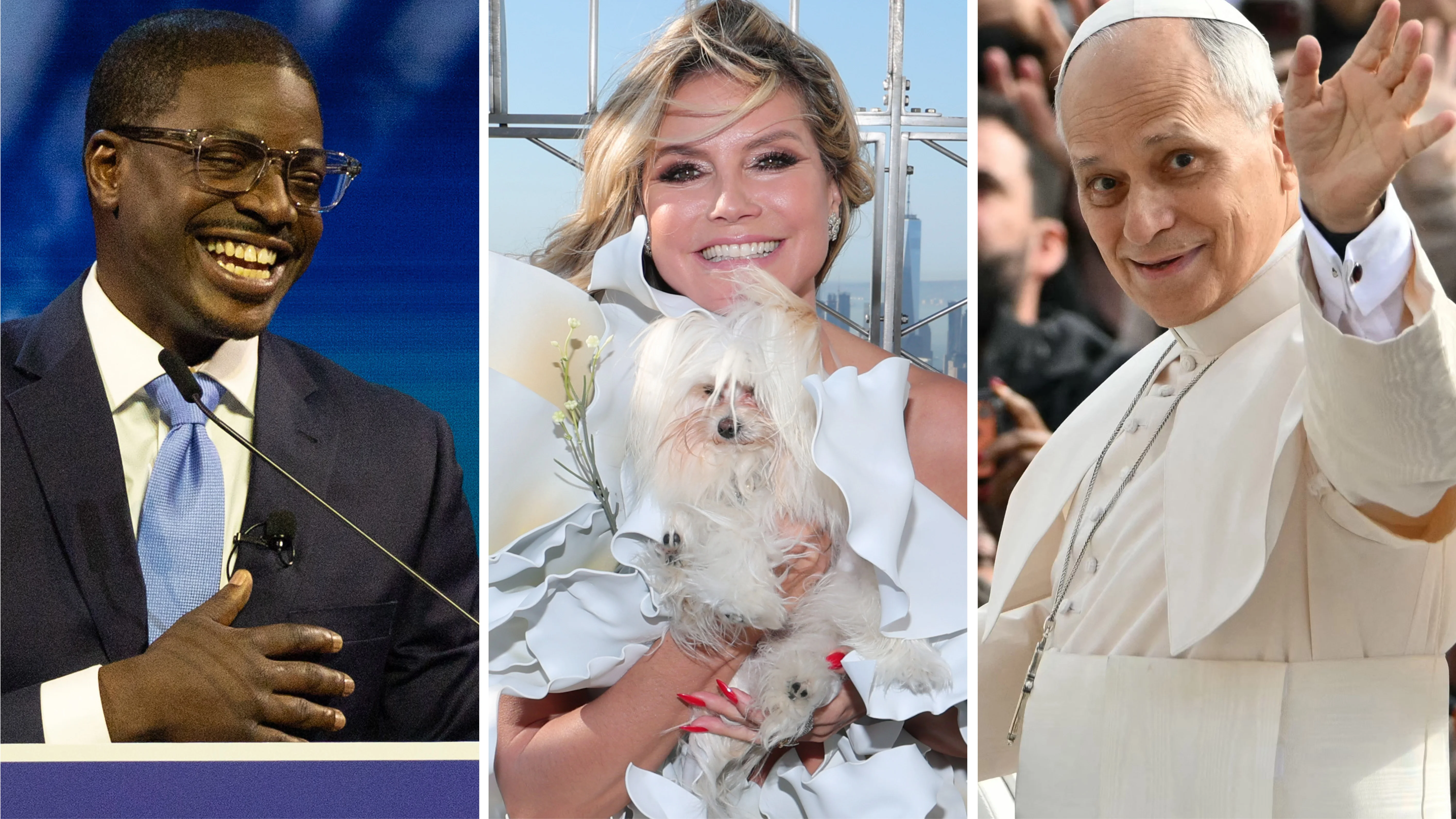
Plus: Heidi Klum's hand, hackers and the pope's visitor!