
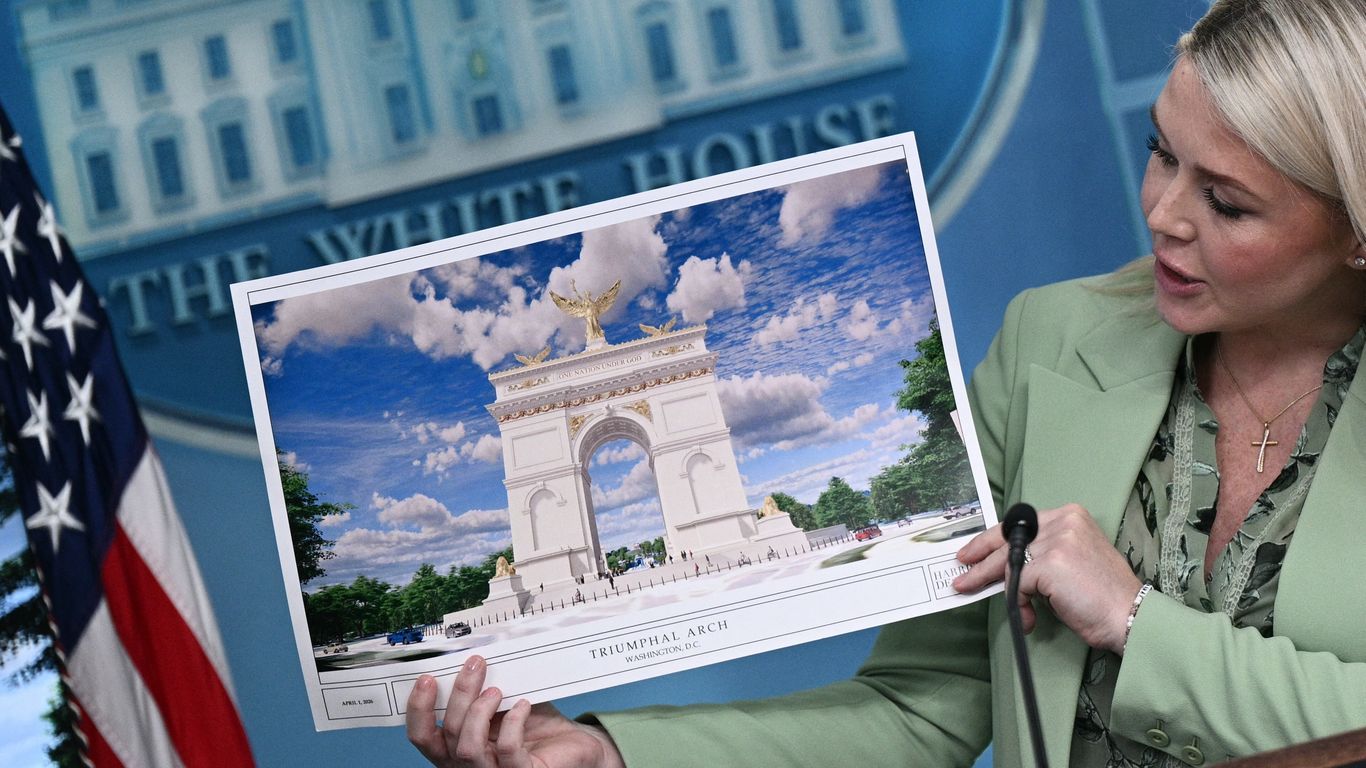
The governments of Washington D.C. and Virginia asked a federal court to block construction of President Trump's planned " triumphal arch ," claiming it's unlawfully tall and would snarl traffic for years. Why it matters: It's a last-minute gambit to stop construction before the multi-year project begins, potentially as soon as this coming week. What they're saying: " This project is flagrantly unlawful," the two governments said in a Saturday filing in D.C. federal court, first reported by the Washington Post. "During the three-year period of construction, the Arch project will inevitably snarl traffic between the jurisdictions, produce pollution and stormwater runoff in the Potomac, interfere with emergency services, and pose numerous other challenges," they argue. They further claim that the defendants — the National Park Service and the Interior Department — have rushed the project without the proper consultations. The city and state are asking a judge to issue injunctions to stop any site preparation or construction on the project. Zoom out: The proposed 250-foot arch would be one of the largest such monuments in the world, sparking concerns that it could interfere with other national symbols, block views and even complicate landings for pilots at nearby airports. (The FAA found otherwise.) The Park Service's own August report indicated the construction of the arch would have adverse effects on nearby monuments and landmarks. The other side: The administration has argued it will be a major tourist attraction — but also vital to national security, serving as a base for snipers and drones. The White House was not immediately available to comment Saturday on the D.C. / Virginia petition. What's next: A federal judge held a hearing Friday on a separate challenge to the arch, and indicated she may block construction at least temporarily.
Results for “medical emergency”

A federal judge Friday blocked the Trump administration from threatening election workers with criminal prosecution for counting ballots cast by registered voters the administration claims are ineligible. Why it matters: The emergency order, issued four days before the midterms , prohibits federal pressure to sideline ballots based solely on allegations of ineligibility and forces the Justice Department to walk back threats it already sent to election officials. The big picture: The ruling adds to a series of courtroom losses for the administration, as federal officials intensify election-related investigations and challenges across the country. Judges are warning that federal threats and investigations are driving citizens out of elections and putting lawful votes at risk. Driving the news: U.S. District Judge Trina Thompson found that the Justice and Homeland Security departments likely violated the Voting Rights Act's prohibition on voter intimidation and exceeded their constitutional authority over elections. Her temporary restraining order prohibits demands that states remove registered voters, withhold their ballots or stop counting votes solely because the administration claims the voters are ineligible. It also bars threats of criminal prosecution against election workers who refuse those demands or process ballots in accordance with election laws. The judge ordered prosecutors to disclose pending search warrant applications, grand jury subpoenas and other demands related to its lists of allegedly ineligible voters. What she's saying: Thompson found the administration's actions forced election workers to choose between complying with "Defendants' unlawful demands" or risk criminal prosecution for performing their jobs. "In the lead-up to the election," she wrote, "high-ranking DOJ and DHS officials have engaged in a campaign to intimidate, threaten, and coerce state and local officials and employees who are engaged in administering the ongoing midterm 2026 e
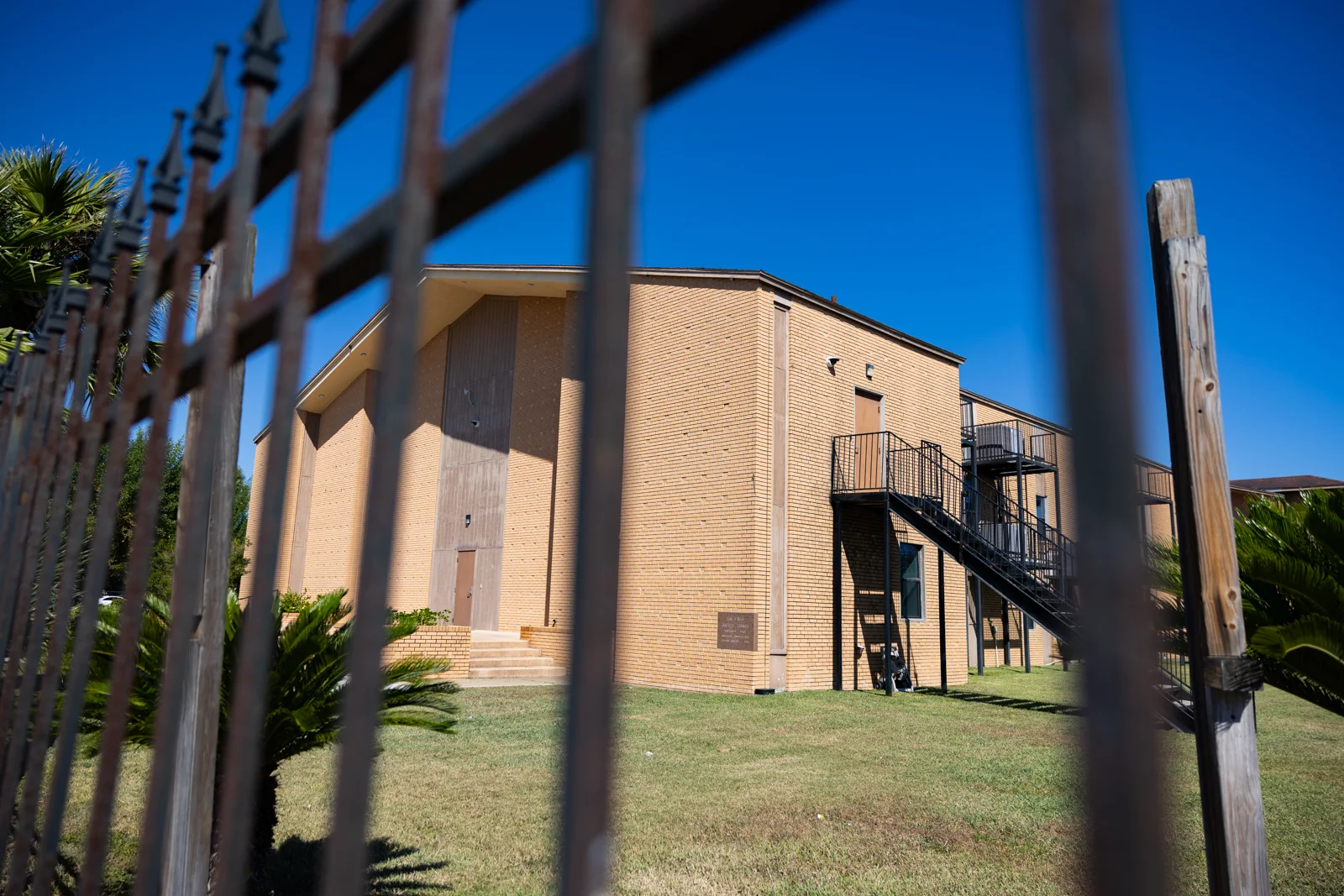
Several children have had to leave the state to receive medical care, including abortions, that is unavailable in Texas.
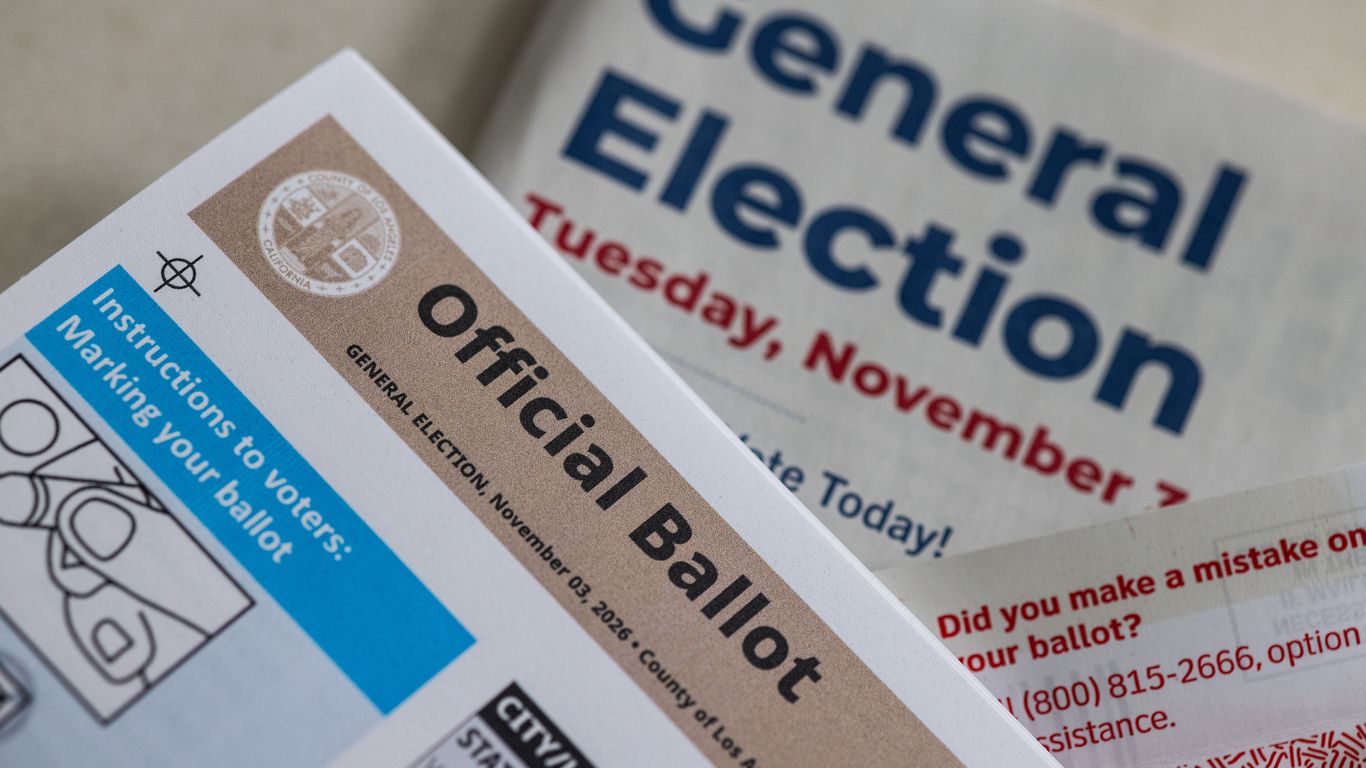
A federal appeals court rejected the Justice Department's emergency bid to set aside mail ballots tied to more than 20,000 California voters the Trump administration suspects are noncitizens. Why it matters: The 2–1 ruling leaves California's election procedures intact just days before the midterms, with the judges citing doubts about the DOJ's voter list and the risk of disenfranchising eligible voters. The ruling is a major setback for a DOJ that has doubled down on unsubstantiated claims of widespread voter fraud in the Golden State. What they're saying: The majority cited the lower court's finding that the DOJ's process for identifying suspected noncitizens was "not credible," undermining its claims. "Granting [the United States]'s request would provoke catastrophic change, upending the administration of the election," it wrote, quoting the district court's finding. "There is a material risk that granting the United States its requested relief would result in disenfranchisement and could jeopardize [Los Angeles] County's entire election." The other side: Ninth U.S. Circuit Judge Patrick Bumatay dissented, arguing that counting votes from noncitizens dilutes the power of citizens. "The federal government proposes a modest remedy—stopping California from mixing the ballots of citizens and suspected noncitizens. This solution would not cancel any vote but would allow time to verify the eligibility of suspected noncitizens." The White House and the Justice Department did not immediately respond to Axios' request for comment. Catch up quick: The DOJ sued California in mid October for refusing to segregate the ballots it asserted were sent to noncitizens. A district court denied the request for an injunction, deciding that the federal law the DOJ was relying on to bring the suit did not supersede existing state law. The Trump administration appealed, leading to Friday's decision. The administration can now appeal again to the Supreme Court. Zoom out: Trump has continu

The medical equipment supplier's motorized beds can overheat and cause fires, regulators said in an urgent alert to consumers.
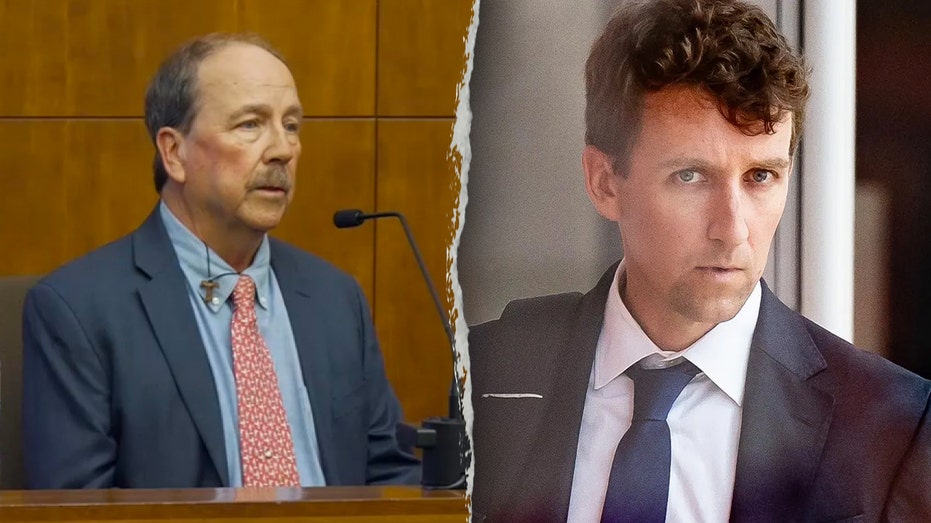
Shawna Gramkow faces felony wiretapping charges after allegedly posting a recording of a call with Patrick Clancy's father that police say was made without his consent.

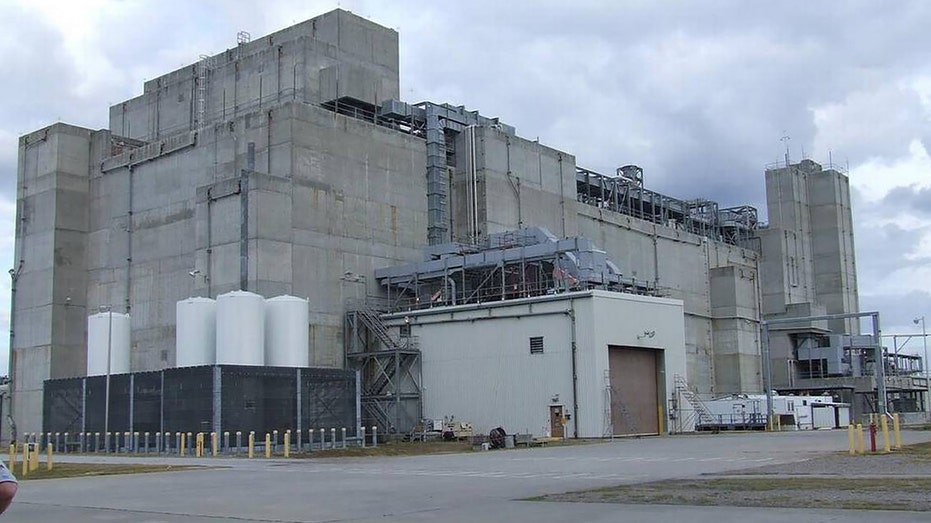
A fire at a massive Department of Energy nuclear site triggered emergency measures, though officials reported no contamination outside the facility.
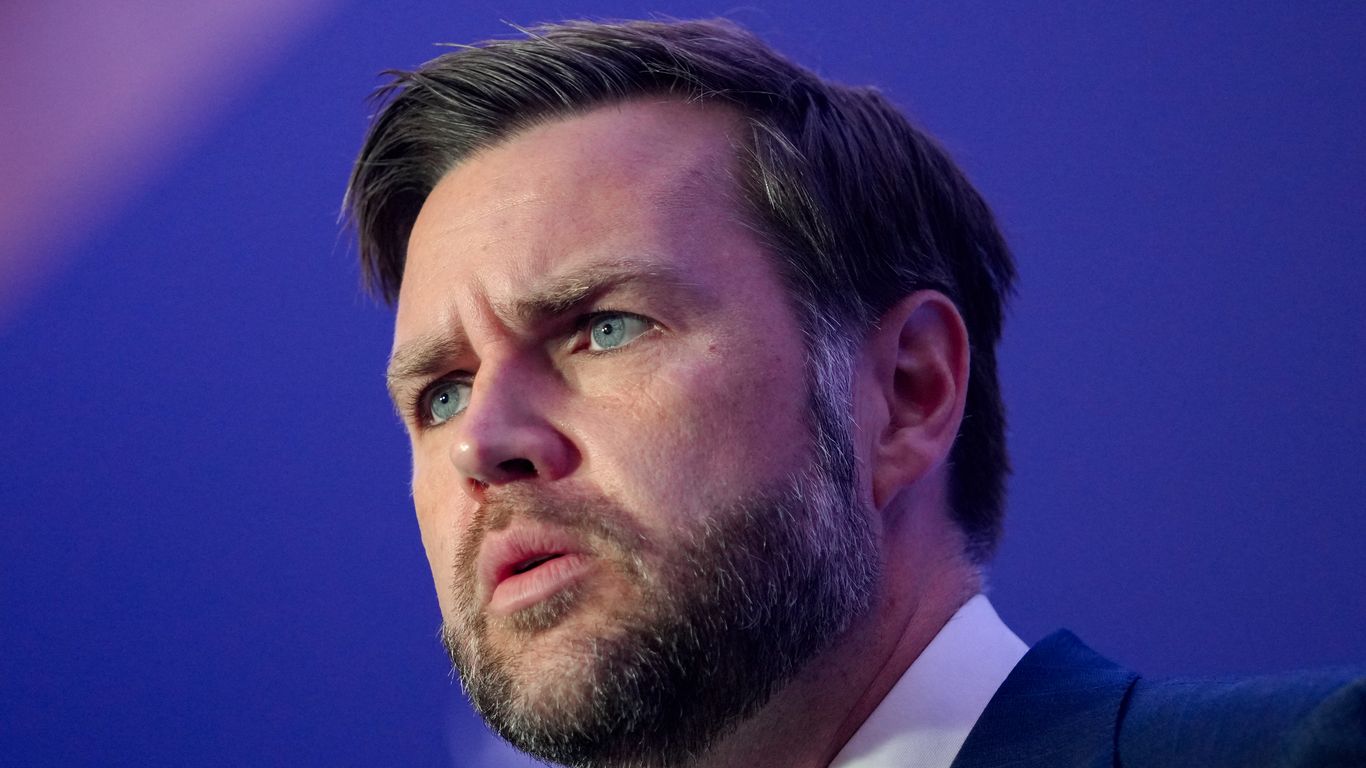
Vice President Vance sent a letter to Iran's national security chief stressing that any negotiations to head off U.S. military strikes "require discussions on the nuclear issue," a U.S. official said. Why it matters: The letter to Mohsen Rezaei, which focused on the possibility of restarting negotiations between the U.S. and Iran, is the most senior-level outreach by the U.S. to Iran in several months. It comes as President Trump considers resuming major combat operations in Iran after the midterm elections. Behind the scenes: Vance suggested sending the letter to Rezaei, who is one of the top national security officials in Iran and has a direct line to Supreme Leader Mojtaba Khamenei. "The President was enthusiastic about the letter," said the U.S. official, who declined to say when it was sent. The Wall Street Journal first reported the letter. Zoom out: One of the key sticking points in efforts to relaunch negotiations is Iran's demand that the U.S. first lift its naval blockade, release frozen funds, and allow oil sales. The U.S. wants Iran to restart nuclear negotiations before receiving any sanctions relief. What he's saying: Trump told reporters Wednesday that Vance's letter was about helping Iran obtain needed medical supplies. "Basically, it's getting supplies in to help people that are not well," he said.
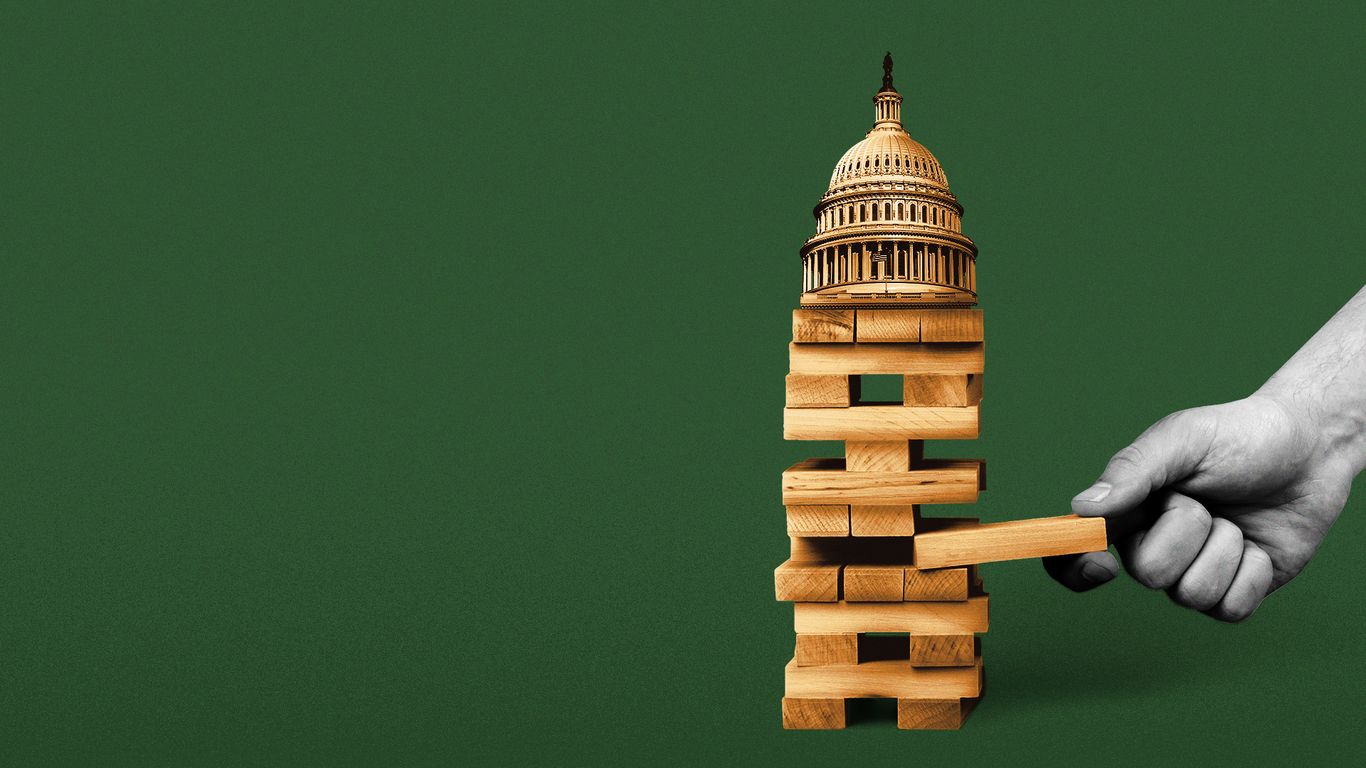
Senate leaders could be guessing who will control the chamber well into November, thanks to a slew of tight races and state-specific voting rules. Why it matters: A GOP majority would ease the pressure on Senate Majority Leader John Thune to move quickly on nominations, while a Democratic majority would give Senate Minority Leader Chuck Schumer more leverage in the lame-duck session. If the chamber splits 50/50, leaders will have to start negotiating their power-sharing agreement. Zoom in: Four states could leave the majority in limbo. Alaska: Sen. Dan Sullivan (R) is trying to fend off former Rep. Mary Peltola (D). Alaska election results have taken weeks to finalize because of the vast state's transportation challenges, mail ballots and ranked-choice tabulation. The Trump Justice Department is preemptively trying to block results from being finalized if Sullivan narrowly loses. Maine's ranked-choice voting could lengthen the vote tallying if neither Sen. Susan Collins (R-Maine) nor Democratic nominee Troy Jackson gets more than 50% in the first round. Kansas' three-day grace period for mail-in ballots could delay results in the race between Democratic nominee Adam Hamilton and Sen. Roger Marshall (R-Kan.). It is far closer than expected. In Texas, a dragged-out recount could be coming. A candidate can request one if the margin is less than 10% of the winner's vote total — which is likely to happen between state Attorney General Ken Paxton (R) and state Rep. James Talarico (D). The candidate who requests it has to pay. The clock: Congress currently plans to leave for the holidays on Dec. 18. But if Republicans lose both the House and Senate , Sen. Bernie Moreno (R-Ohio) wants senators to stay in town through the holidays (yes, Thanksgiving and Christmas) to work on a massive GOP reconciliation package they can pass without Democratic support. The big picture: Congress has a long to-do list either way, including funding the government past Dec. 11, passing emergency

The websites you use every day may have been vulnerable to hackers for years because of hidden flaws in their code that AI only recently discovered. Why it matters: The code, called PHP, powers millions of websites, and the vulnerabilities could allow hackers to steal sensitive data like your passwords or take control of affected servers. Driving the news: A potential attack exploiting flaws in PHP emerged on Wednesday, which prompted governments and companies to temporarily take their websites offline while they installed security patches. Dozens of websites in the U.S., U.K., and around the world were briefly taken offline to make the fix. The disruption put the National Security Agency and Europe's cybersecurity agency on alert. State of play: Security patches were released to fix the issues on Oct. 21, 2026. Cybersecurity firms urged anyone using PHP to install the security updates immediately. What they're saying: OpenAI's technology helped find the bugs, and the company called the discovery "one of the most impactful security issues in recent memory." "To our knowledge, frontier AI found these vulnerabilities before attackers did," OpenAI said. The cybersecurity firm Wiz wrote in a blog post : "These findings rank among the most severe vulnerabilities discovered in PHP, and arguably in software history." Read more below. What is PHP? You've probably never heard of PHP, even though you've interacted with it for decades. PHP, which stands for Hypertext Preprocessor , is a programming language used by roughly 70% of websites whose server-side language is known. It has been around since the 1990s to help build websites, taking data and generating content sent to a browser. It's still used today for a variety of websites, including Wikipedia, WordPress blogs and shopping websites. How it works: HTML determines what a website displays. PHP works behind the scenes to collect information and generate content. What was the PHP vulnerability, exactly? AI researchers dis