2 planes collide on the ground in Miami, only minor injuries reported
Federal aviation safety officials are investigating a minor collision between two planes at a taxiway intersection at Miami International Airport
ABC News · 6h ago

Federal aviation safety officials are investigating a minor collision between two planes at a taxiway intersection at Miami International Airport
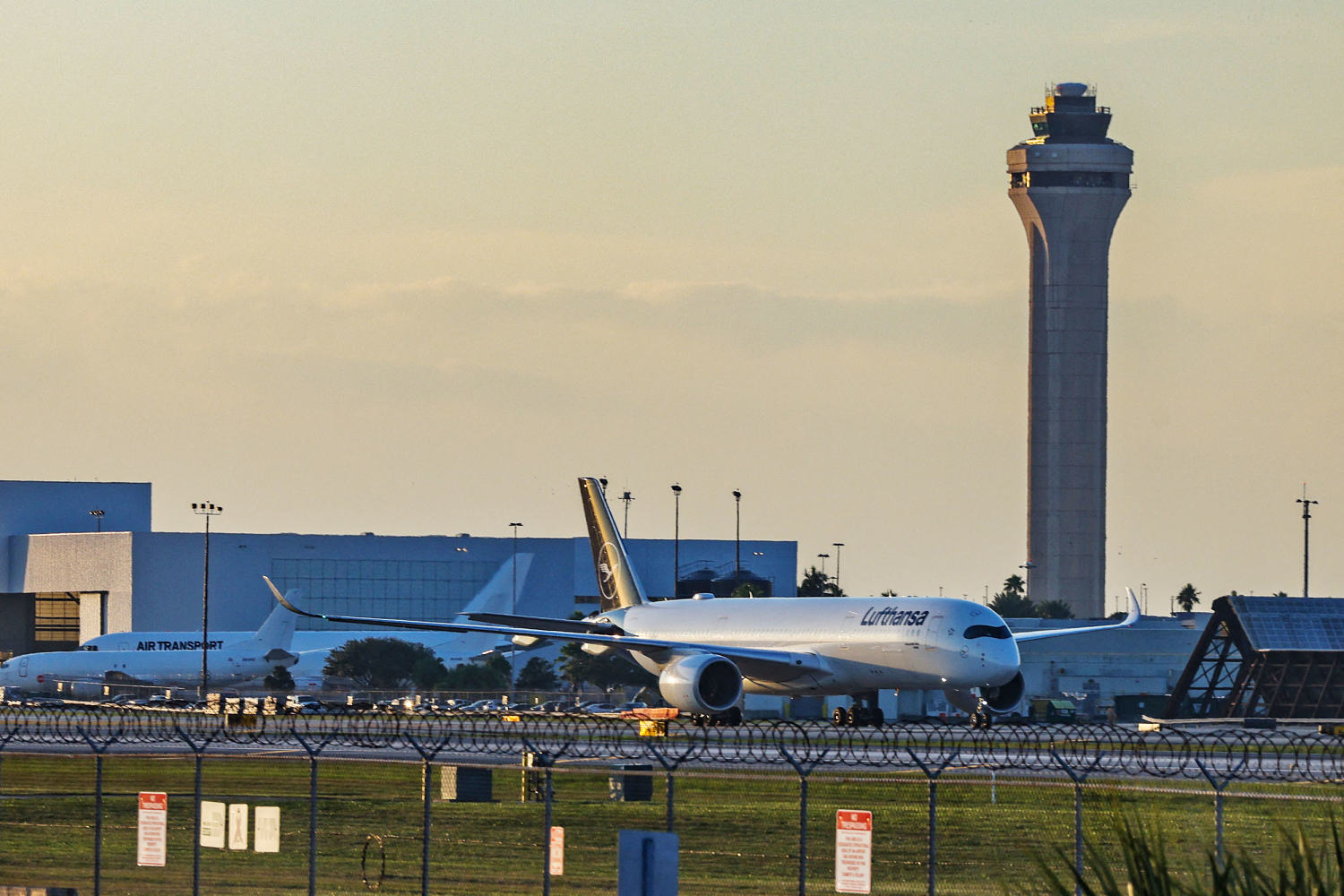
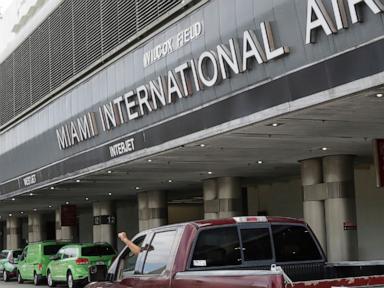
Two taxiing planes collided at Miami International Airport on Saturday night, officials said, a day after a nationwide ground stop disrupted flights across the country.
A UPS Airlines cargo plane and a Copa Airlines passenger jet collided on the ground at Miami International Airport on Saturday night, leaving two people with minor injuries.
The wingtip of a Copa Airlines Boeing 737 struck the nose of a UPS Boeing 767, a day after a nationwide ground stop disrupted air travel.
People trying to find new ways to get to their destinations still encountered obstacles at the rental car counter and on Amtrak’s booking system.
With hundreds of planes out of position and crews out of hours, restarting the nation’s flight system is no easy task.
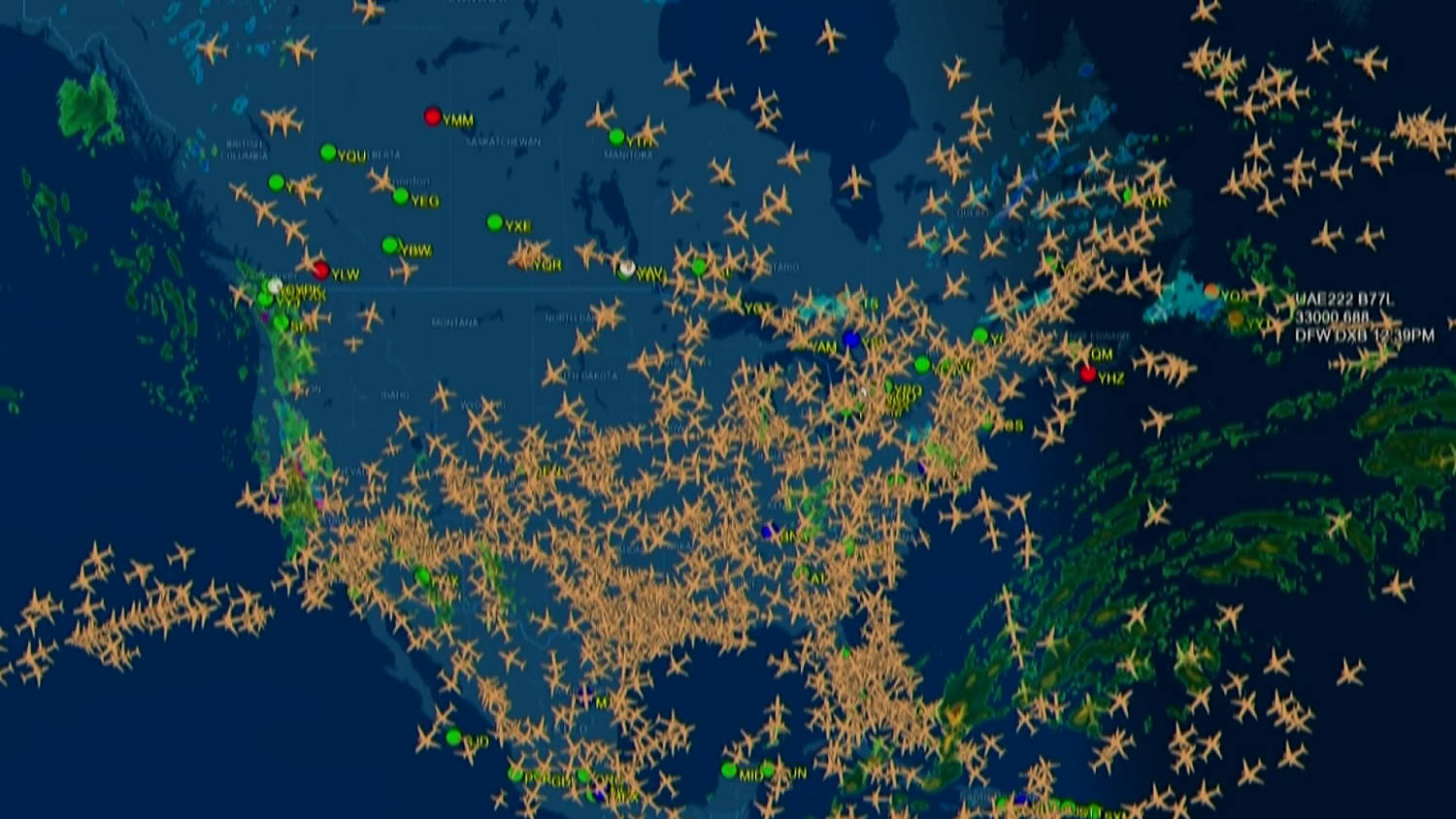
The FAA lifted its nationwide ground stop Friday night after hours of chaos and thousands of delays and cancellations. Why it matters: The effects of the rare and extreme move will likely ripple through the weekend, with travelers stranded and airlines' planes and crews out of position. Catch up quick: The FAA issued the nationwide ground stop Friday afternoon due to "extraordinary circumstances" and "reasons of safety." "The FAA issued a nationwide ground stop for all U.S. airports following communication issues impacting multiple Air Route Traffic Control Centers," the agency said in an earlier statement after the ground stop was issued. "FAA technicians are investigating the issue. We will provide updates." Homeland Security Secretary Markwayne Mullin told reporters at the White House Friday evening that there was no indication of a "nefarious attack" on aviation systems. The FBI is probing whether the problems were caused by a software update gone bad, Bloomberg reports . How it works: Air Route Traffic Control Centers, often simply called "centers," mostly handle high-altitude en route airspace between airports. Between the lines: The FAA has been rolling out a new AI tool designed to help manage airspace congestion, but it's unclear if that system has any connection to Friday's communication issues. The developer of that tool denied any connection. 💭 Our thought bubble, from Axios aviation expert and pilot Alex Fitzpatrick : With no planes departing anywhere, airports nationwide may quickly run out of gates and room for the thousands of flights navigating the crisis while already airborne. By the numbers: As of 7:15 p.m. ET, FlightAware reported more than 10,000 domestic delays and 4,000 cancellations over the course of the day Friday. The bottom line: It's likely going to be a messy night — and the effects could easily spill over into the weekend. This is a breaking news story and will be updated.
Travelers and crew feeling ‘pissed’ or ‘lucky’ depending on level of upset amid nationwide ground stop The US Federal Aviation Administration’s decision to ground all flights on Friday threw airports and travel plans into chaos across the country, as passengers on planes and in airport terminals were suddenly thrust into limbo. At New York’s John F Kennedy airport, passengers found their travel plans abruptly cancelled – some even after they’d boarded. Continue reading...
A source with knowledge of the situation told NBC News that Reagan National Airport is at capacity and that Chicago O’Hare is nearing capacity, meaning there is no place for planes to park and that some of the planes may have to divert to other airports.
The Federal Aviation Administration took an extraordinary step Friday afternoon by issuing a nationwide ground stop. No planes are taking off at any airport and millions of passengers are stranded.
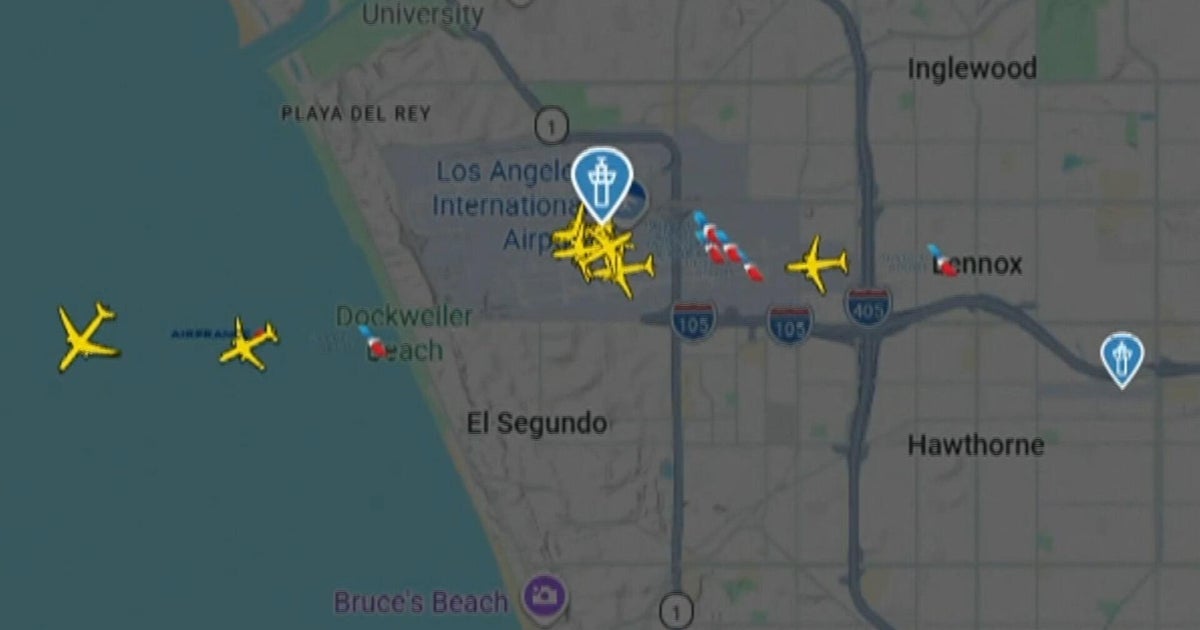
Officials say two planes taking off from Los Angeles early Saturday morning almost collided. Kris Van Cleave has more details.
Efforts to fight climate change, conserve nature and build clean energy have long unfolded on competing tracks. Now, they're colliding — and exposing tough trade-offs for environmentalists. Why it matters: Congress' sweeping permitting debate is forcing those competing priorities into the same conversation, with major consequences for climate action and conservation. Driving the news: The Senate is set to hold an initial procedural vote Monday on a sprawling bipartisan bill that would make it easier to build power lines and energy projects of all kinds, including clean energy and fossil fuels. At the heart of the debate is how much public scrutiny projects should face before they're approved — and how much protection those approvals should receive afterward. Supporters say the current system takes too long, delaying clean energy and other infrastructure. Opponents warn that speeding things up could come at the expense of wildlife, public lands and tribal rights. Between the lines: The dilemma reflects a fundamental tension within the environmental movement: Building the infrastructure needed to combat climate change can threaten nature, while protecting nature can complicate efforts to build that infrastructure. Wind and solar farms, for example, can require large expanses of land, potentially disrupting wildlife habitats even as they help reduce greenhouse gas emissions. "The part of my organization that cares about climate sees great opportunity and the part that cares about nature sees some dangers," said a leader of one organization that focuses on both causes, speaking anonymously to discuss the proposal candidly. The big picture: Both parties broadly agree Washington needs to overhaul federal permitting, a perennial goal that has eluded Congress for years. The question is what reforms can attract enough support to pass both chambers. The bill's bipartisan sponsors and the White House want action before year's end. But some Democrats, emboldened by their midter
Americans made it very clear on Tuesday that health care is too expensive. The challenge for Democrats is to agree on the quickest way to deliver some relief. Why it matters: Voters can't wait until 2029 for life to get cheaper — but any short-term action to meaningfully lower health costs will require Democrats to make deals with President Trump. The big picture: There's already speculation about what a Democratic unity health care agenda would look like, and what progressives' midterms success means for Medicare for All. But that's largely geared toward the 2028 presidential race or a possible Democratic administration. The short-term reality is that any ambitious policies that significantly expand the government's role in health care are almost certain to collide with Trump's veto pen. Strategists say the Democrats' most realistic option is to find piecemeal affordability fixes next year and play the long game when it comes to reshaping the health system. "If you read history, people make the biggest mistakes when they win. That's when they take their eye off the ball and they don't do the right thing," said Zeke Emanuel, an adviser in the Obama White House and a professor of medical ethics and health policy at the University of Pennsylvania. "This is an affordability election. We need to do affordability, but I do agree with the idea that this is a two-step process," he added. "There's going to have to be longer-term reforms." "For those debating whether the new Congress should consider big and bold reforms or pass practical help for people right away, the answer is yes. Voters can and should expect action on multiple fronts," Families USA executive director Anthony Wright said in a statement. Between the lines: Democrats' top priorities for the next Congress are restoring enhanced Affordable Care Act subsidies and reversing the Medicaid funding cuts in last year's GOP reconciliation law. Their unexpectedly large majorities in each chamber will give them leverag
A student pilot and a flight instructor were killed, along with the person in the second helicopter, officials said. The cause has not been determined.
Authorities say two helicopters collided near a small airport southwest of Portland, Oregon