

The latest wave of hyperscaler earnings is spooking Wall Street. Bulls and bears alike have evidence to validate their wildest dreams — or their worst nightmares. Why it matters : The market's AI obsession has entered its Jekyll and Hyde era, with the latest earnings from tech giants offering contrary signals about the AI boom. Driving the news : The tech-heavy Nasdaq briefly sank into correction territory, falling 10% from its prior peak, losing $1.2 trillion in value for the month of October, after a slew of earnings reports pointed to AI's big risks. But it wasn't all horror: within the earnings statements, some investors found proof that the AI bet is going exactly as it should. Here are three examples of the AI trade's deepest contradictions — the good and the scary — from the earnings releases and calls of the Big Tech hyperscalers. Google: The scary: AI overviews are cannibalizing Google's core business: ad revenue from search. Yes, search queries are up, but results in AI mode have lower margins. The company has lost more than $500 billion in market value post-earnings, bringing the broader tech sector along with it. The good: Google Cloud is closing in on Microsoft's Azure cloud revenue, a stunning development given that Google was an also-ran in the cloud game only a few years ago. Much of Google's success is tied to demand for its TPU chips, which analysts expect to see massive growth in coming quarters. The takeaway: Google's predicament mirrors the problems of many tech giants, where AI represents a true threat to the golden goose but presents new opportunities if they can move fast enough. Microsoft and Amazon: The good: Both companies had explosive cloud growth, though the market was disappointed Amazon's wasn't higher. Microsoft touted its OpenAI investment and Amazon its Anthropic holdings. The iffy: Those private AI investments can help or hurt: Amazon's net income fell despite soaring operating profits, as it didn't repeat the pretax gain from its
Results for “slave trade”

Disappointing earnings reports from Alphabet, Amazon and Intel renewed fears on Friday that the AI trade could unravel.
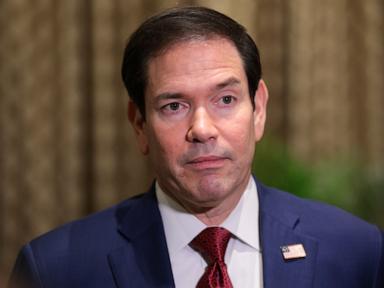
Top diplomats from the G20, the group of the world's largest economies, are meeting in Atlanta as they face deep rifts over global crises that threaten international security and trade

After a brief bidding war, the manuscript map that helped divide the United States into North and South, free and slave states, sold for $950,000
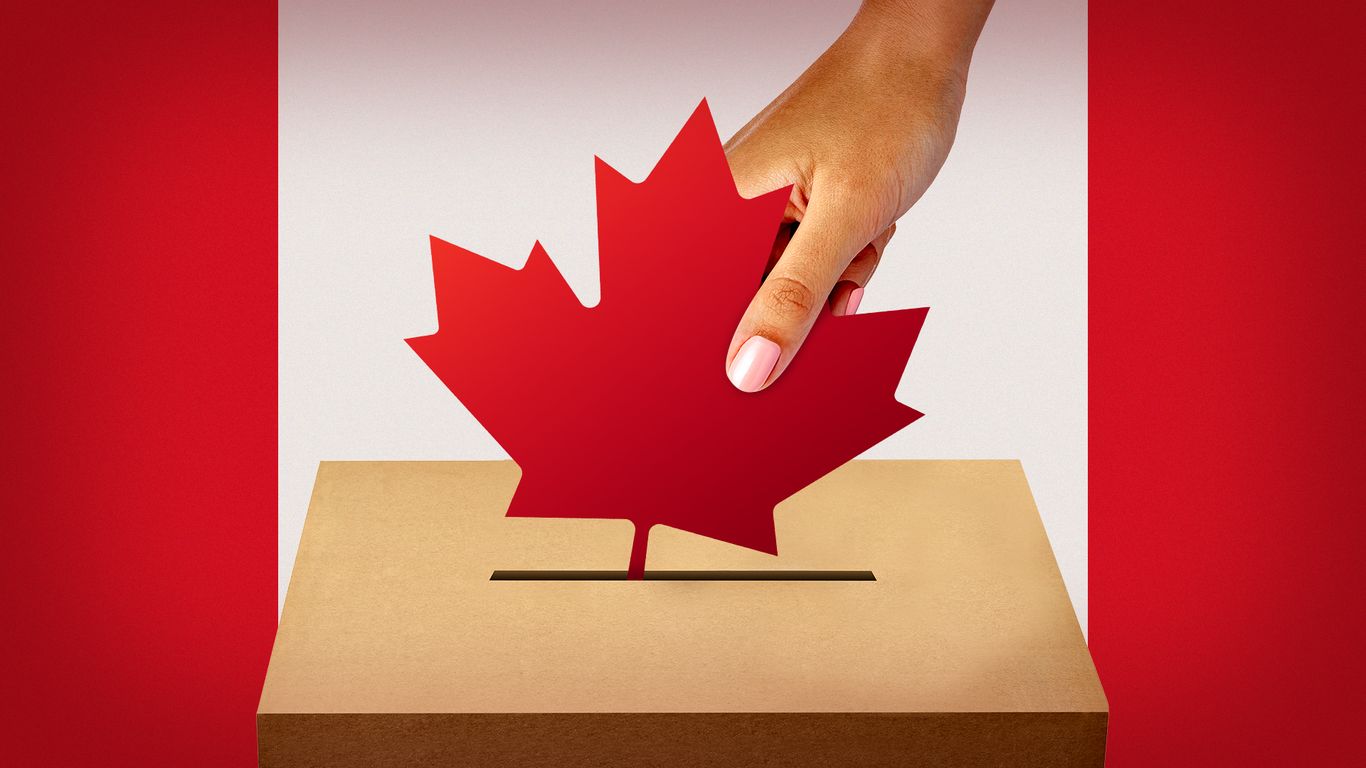
President Trump applauded Quebec's new separatist premier Tuesday, continuing to jab at Ottawa despite fragile trade talks that seemed to be gaining momentum. The big picture: Even as Trump's top economic adviser suggested a deal to ease the ongoing trade war is possible, the president has continue to antagonize Canada. The U.S. recently accused Canada of trying to influence American elections through retaliatory tariffs, which Canadian officials have denied. Meanwhile, Trump's continued to antagonize Canada from the campaign trail, saying at a Mississippi stop Monday that it was "charging us massive tariffs" and has "treated us badly." Driving the news: In a brief shoutout Tuesday, the president congratulated Paul St-Pierre Plamondon for his win some three weeks ago. While a recent vote stymied an Albertan separatist push , St-Pierre Plamondon has vowed to hold Quebec's third referendum on independence, though he's said it wouldn't happen until after Trump leaves office. St-Pierre Plamondon's center-left Parti Québécois won 60 of 127 seats, leaving it four short of a majority. It would likely need support from a fellow separatist party to advance a referendum. Prime Minister Mark Carney has emphasized the importance of Canadian unity as the nation faces unprecedented hostility from the American president. Trump shared an Irish Times article that framed the Quebec vote as a "blow to Mark Carney" that could "hamper" his "efforts to maintain national unity against Trump." Zoom out: Trump on Tuesday also congratulated British Columbia's premier-designate, Lorne Doerkson, after his Conservatives swung the province rightward. "Conservatives are moving strong in Canada!" the president wrote . Doerkson, however, has rejected suggestions that he's aligned with the president, similar to St-Pierre Plamondon. Friction point: The U.S. Embassy in Canada last week accused Canadian leaders of trying to influence American politics with reciprocal tariffs on politically important pr

Harvard economist Jason Furman told Axios that if he were to return to his old job as chairman of the White House Council of Economic Advisers today, he would rely on AI tools over staff economists for much of the council's day-to-day analytical work. The big picture: Unsurprisingly, this made some waves in the online discourse, particularly the loose-knit community formerly known as Econ Twitter. Many veterans of the economic policy trenches see real risks in future policymakers becoming overly reliant on AI — or at a minimum think that Furman is underestimating the importance of human economists in advising the nation's leaders. What they're saying: "CEA work, at least in my experience, is highly bespoke as you're explaining the data flow (and much else) to very busy people who don't want only market-shop analysis," Jared Bernstein, the CEA chair under President Biden, wrote on Substack . "Yes, they want and need that — what will the markets make of this CPI, jobs, GDP, etc. report — but more so they want to know how this report fits into our narrative, our agenda, the president's trip today to Iowa." He adds that within a White House, "the human skill of reading-the-room is paramount. I'm far from an AI expert, but my sense is it sucks at that and probably always will, a conclusion that derives in no small part from listening to its creators!" Zoom in: Claudia Sahm, a former Federal Reserve economist, raised an issue that we've often heard from senior people in fields like consulting and investment banking: If you get rid of junior positions, where will future senior leaders come from? Furman's staff "went on to found the Yale Budget Lab, run Treasury economic policy and a Fed institute, serve in later [administrations], and publish research on trade, environment, and taxes. That's what '20 staff' become," she wrote on X . "No model does that." Bloomberg chief U.S. economist Anna Wong argues that the "ability to now not depend on anyone, as a senior person, is ve
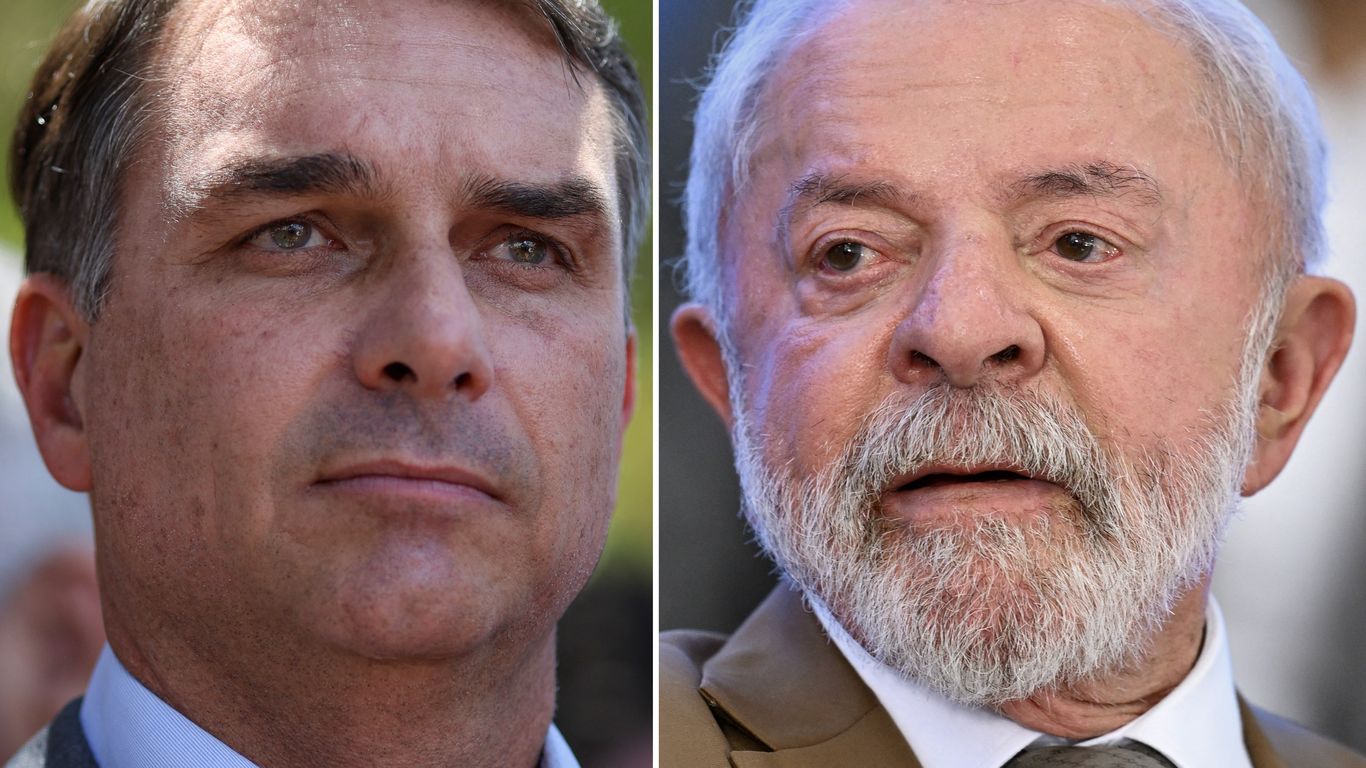
Brazil President Luiz Inácio Lula da Silva was elected to a fourth, nonconsecutive term in the nation's presidential election , according to early results released Sunday evening. Why it matters: Lula's victory deals a setback to Brazil's right-wing populist movement and preserves a major counterweight to President Trump 's influence in Latin America, with tensions over trade and tariffs threatening to persist. Lula, the incumbent candidate, was facing Flávio Bolsonaro, the son of former Brazilian President Jair Bolsonaro . Flávio was widely seen as the heir to the nation's right-wing populist movement. The latest: Lula thanked the Brazilian people after his election win, but Bolsonaro told reporters he would not accept the results and said they should be annulled, according to translations . The big picture: The election has been shaped by the impact of U.S. tariffs, climate change and the Amazon rainforest, 60% of which is in Brazil. Bolsonaro campaigned on public security and tackling corruption, presenting himself as a continuation of his father's political legacy, while Lula emphasized defending Brazilian sovereignty against U.S. pressure. Yet substantive policy debate was limited, with both candidates focusing instead on corruption allegations levied against the opposing camp, wrote Matthew Taylor, a Brazil politics expert at American University. Zoom in: After the U.S. imposed additional 25% tariffs on some Brazilian goods this summer, Lula accused Bolsonaro of being "Trump's candidate" and the U.S. president of wanting to "colonize" Brazil. Lula has enacted climate policies aimed at reversing environmental deregulation under the previous administration, while Bolsonaro denied climate change and pledged to continue his father's political legacy. Amazon deforestation has fallen 71% since 2022, the year before Lula returned to office, reaching its lowest annual level on record in 2026. Yet Lula's environmental record is complicated by his support for expanded o

The quickest and most affordable response to historically high diesel prices is also the simplest: Use less of it. Why it matters: Diesel is so entrenched in farming, trucking and other industries that even soaring prices aren't enough — at least not yet — to prompt a wholesale shift to alternatives from electric semi trucks to manure-powered tractors. Catch up fast: Diesel prices have climbed to record highs since the U.S. war with Iran began in February, rising faster than gasoline amid global oil supply disruptions . Diesel averaged $6.31 a gallon Thursday, up 74% from a year ago, according to AAA . Regular gasoline averaged $4.27, up 39%. The big picture: Gasoline gets the attention, but diesel is the workhorse of the American economy. It powers grocery trucks, tractors, freight trains, construction equipment, hospital backup generators and even school buses . Driving the news: The price spike is hitting farmers during the fall harvest. "Farmers buy diesel by the truckload, so we're talking about hundreds of thousands of dollars in diesel, and when it goes up the way it has spiked, that's the difference between profit and loss in a year," said Curt Blades, senior vice president at the Association of Equipment Manufacturers, a trade group representing tractor makers and other heavy-equipment manufacturers. The financial pain varies: Trucking companies can often pass higher fuel costs to customers through surcharges. Farmers, who have little control over crop prices, generally can't. The economic pressure has become political ahead of the midterm elections. President Trump announced $8 billion in one-time aid for farmers at a campaign rally in Kansas on Monday, where Republicans face a competitive Senate race. "It's a bit too soon to tell the impact," Blades said of the aid package, though he welcomed support during harvest. State of play: Trucking and agricultural equipment experts say the most immediate savings come from using existing diesel engines more effici
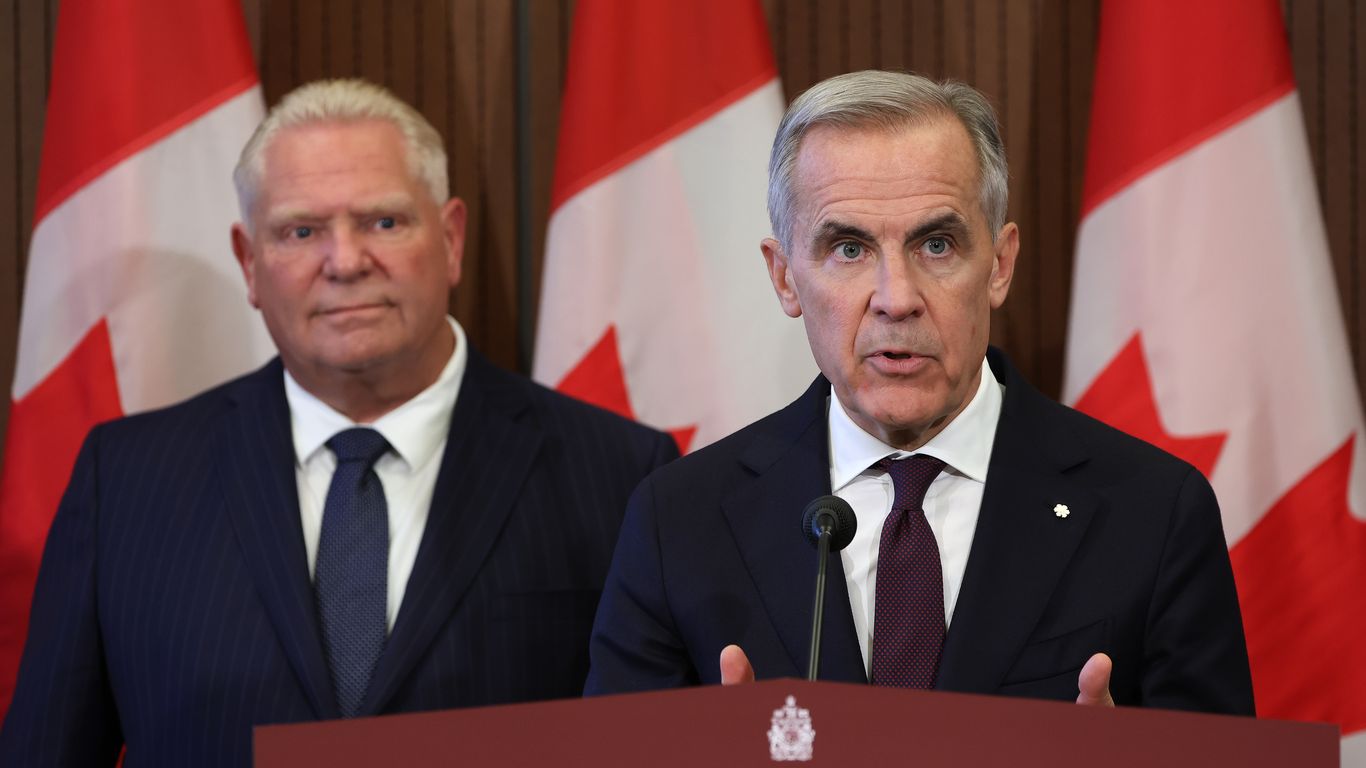
The U.S. Embassy in Canada accused Canadian leaders of "openly" describing plans to "influence American politics," doubling down on Ambassador Pete Hoekstra's claims of potential election interference. Why it matters: The accusation further deteriorates Washington's relationship with its northern neighbor under President Trump's costly trade war that's put political pressure on Republicans. Canada targeted its retaliatory tariffs on politically salient states and products ahead of the U.S. midterms. Driving the news: The embassy cited Canada's targeted tariffs as part of the influence accusations laid out in a Wednesday fact sheet . It cited remarks from Industry Minister Mélanie Joly, including an August press conference where she said Canada was "targeting products that will target states in the U.S." She added, "we're being wise and strategic to put political pressure." Joly has echoed that message throughout the trade tensions. The fact sheet also cited Joly's meeting with Democrats. She recently huddled with Illinois Gov. JB Pritzker. What they're saying: Asked about the accusations during a news conference, Prime Minister Mark Carney said "all of our actions are in the interest of Canadian workers, Canadian families and the future of this economy." Zoom out: The fact sheet also singled out conservative Ontario Premier Doug Ford over a 2025 anti-tariff ad campaign featuring excerpts from a Ronald Reagan speech . It also cited Liberal MP Anthony Housefather's campaigning for Florida Democrat Rep. Debbie Wasserman Schultz. The memo read, "The Canadian government brushes off concerns about potential interference in U.S. elections, even as its ministers and premiers openly describe plans to influence American politics in official documents and public appearances." Catch up quick: Hoekstra said in a recent podcast interview that American officials were "closely watching" Canada for potential election interference. Joly said last week it was "absolutely not" fair to
The fragile Senate permitting deal is a major priority across the energy industry, per newly filed lobbying disclosures. Why it matters: The filings reveal behind-the-scenes efforts by powerful interests and companies representing oil and gas, mining, renewables, environmentalists and plenty in between to shape the legislation. The big picture: The bill title (Bipartisan American Affordability and Jobs Act), its acronym (BAAJA) and its bill number appear throughout third-quarter lobbying disclosures. The bill was introduced Sept. 30, the last day of the third quarter. The disclosures, due Oct. 20, offer a window into efforts to influence the legislation during its drafting and negotiations. The lobbying extends beyond groups that specifically named the bill in their filings. Many others with a stake in the bill — like the U.S. Chamber of Commerce and the National Association of Manufacturers — list permitting legislation in other ways. Driving the news: Here's just a small subset of the parties in the arena. Industry groups like the American Petroleum Institute, the Edison Electric Institute, the American Forest & Paper Association, the National Mining Association, and the Data Center Coalition. Green groups including Earthjustice, the Nature Conservancy, and Defenders of Wildlife. Low-carbon power trade groups such as the Solar Energy Industries Association. State of play: The lobbying goes far beyond trade associations, with many individual companies also involved. They range from Chevron and BP to power giants like Duke Energy and Southern Company to geothermal startup Fervo. Industrial and equipment heavyweights like Caterpillar, Schneider Electric and Cummins are there, too. Zoom in: The disclosures also offer clues about which provisions attracted lobbying attention. For example: The National Mining Association identified BAAJA provisions that would change Clean Water Act permitting, including state water quality reviews and limits on lawsuits challenging perm

Data: Harvard Youth Poll, Fall 2026; Chart: Emily Peck/Axios Nearly two in three U.S. adults younger than 30 who plan to vote in next month's congressional midterm elections say their main motivation is to oppose President Trump and his policies, according to a newly released Harvard Youth Poll . The big picture: Seventy-seven percent of respondents disapprove of the president's handling of the economy, including about half of young Republicans. And just 9% say the U.S. is headed in the right direction — the lowest in the survey's history. Why it matters: Economic populism is driving emotions, along with concerns about war, AI, billionaires, deportation tactics, social policies and corruption. Majorities of respondents support Medicare for All, a wealth tax and bans on congressional stock trading. What we're watching: Just one in three Americans ages 18-29 say they'll definitely vote — a substantial drop from 40% who said so in 2022. Notably, most of that drop is driven by Republicans. Only 34% of Republican respondents said they'll definitely vote, down from 46%; 50% of young Democrats say they'll definitely vote, essentially unchanged. Just 22% of independents they'll definitely vote, down from 26%. Data: Harvard Youth Poll; Chart: Emily Peck/Axios Zoom in: Topping the list of what young people consider serious threats to their long-term financial security: rising prices and the cost of living (79%), followed by the power of large corporations (68%) and trade wars (68%). Nearly half said their household is struggling to make ends meet or getting by with limited financial security. By the numbers: 63% say their votes for U.S. House or Senate will be cast in opposition to Trump, while 14% say they're motivated by support of the president and 17% say he's not a factor. Two-thirds disapprove of the job Democrats are doing in Congress; 74% disapprove of congressional Republicans' performance. Stunning stats: For the first time in the poll's history, the share of young