
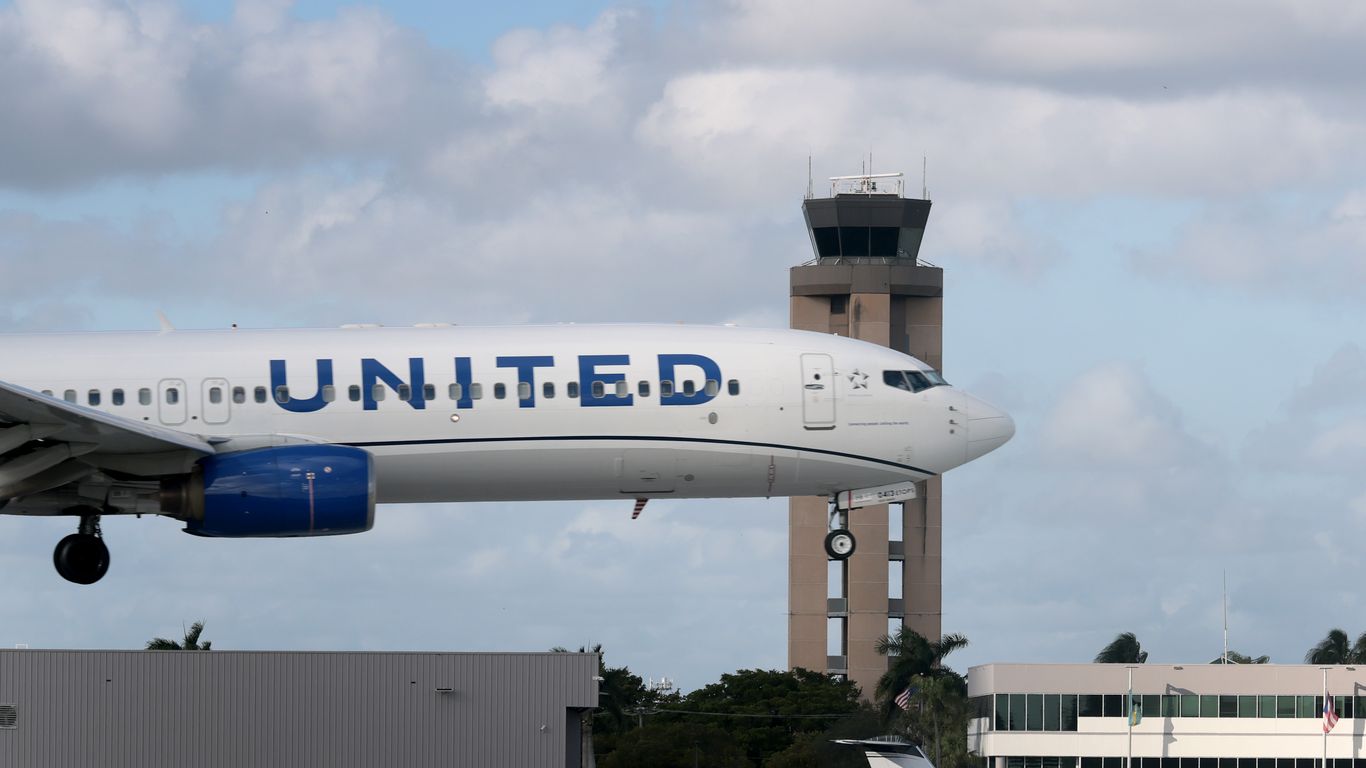
United Airlines said Monday that it is experiencing a "widespread system outage" just days after a nationwide ground stop halted air traffic across the U.S. Why it matters: It's another blow to the U.S.' beleaguered airspace, which was just digging itself out of thousands of flight delays and cancellations following Friday's hourslong ground stop . What they're saying: "We sincerely apologize for the inconvenience. We're aware of the widespread system outage, and our teams are working hard to get things back up and running as soon as possible," United Airlines wrote on X in reply to a customer. "We appreciate your patience while we work through this. Please check back with us for updates, and keep an eye on your flight status through the United app or at http://united.com . Thanks for bearing with us!" The customer said the issue stemmed from planes being unable to determine weight limits, though United did not confirm that was the problem. Editor's note: This is a breaking news story and will be updated.
Results for “system outage”
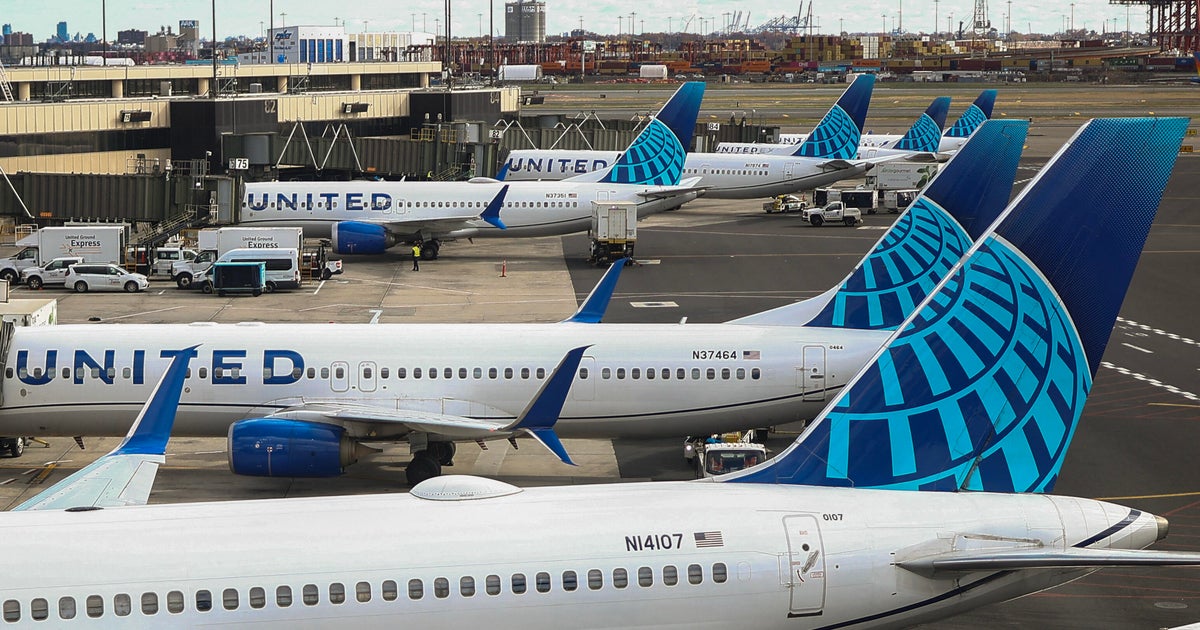
It wasn't immediately clear what parts of the airline's systems were affected, but United apologized to customers for the inconvenience on social media.
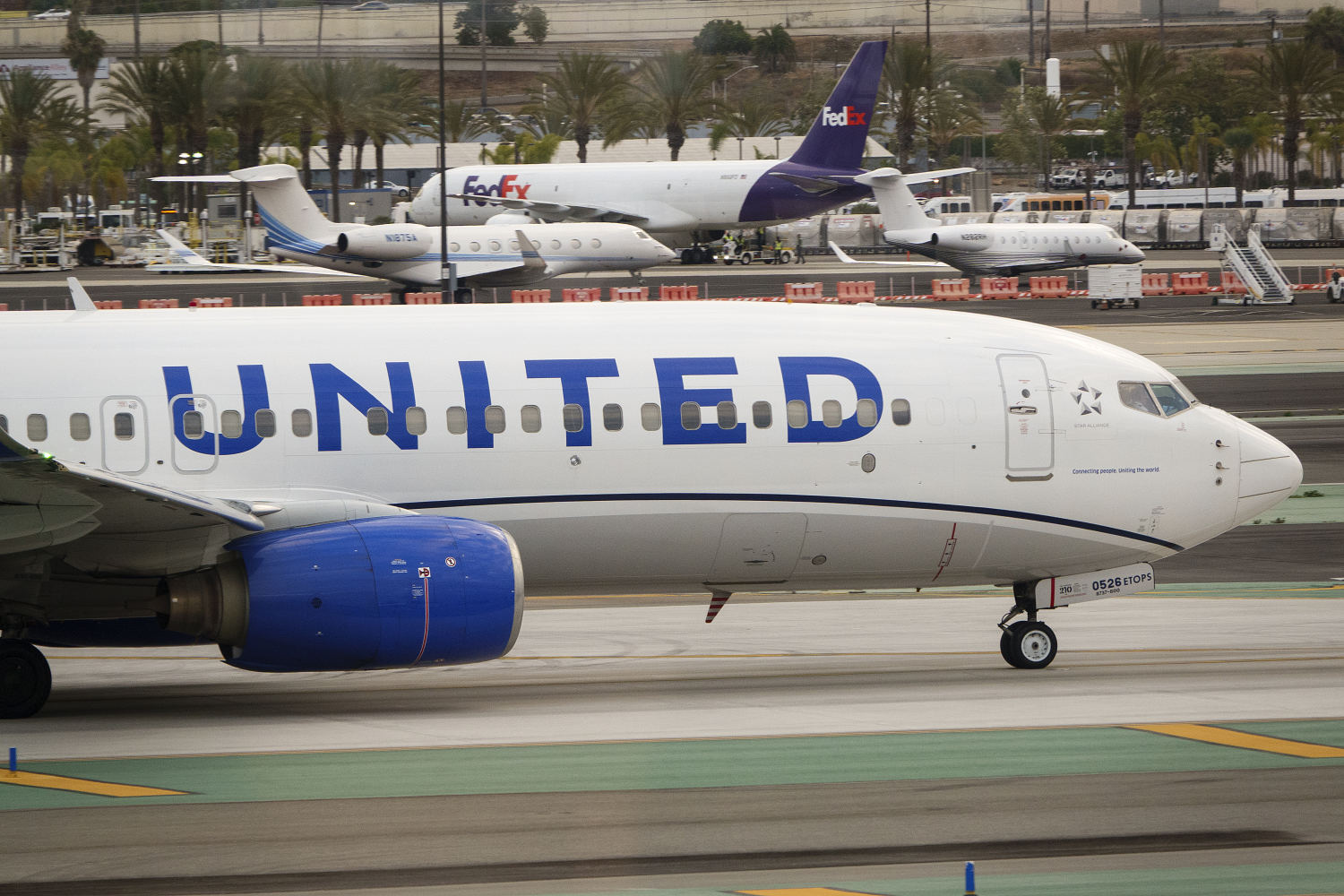
United Airlines on Monday afternoon said it was dealing with a “widespread system outage,” which comes on the heels of a nationwide FAA ground stop.

United Airlines flights were stuck on tarmacs as pilots reported a companywide IT issue preventing takeoff data, days after the nationwide FAA ground stop.
United Airlines flights were stuck on tarmacs as pilots reported a companywide IT issue preventing takeoff data, days after the nationwide FAA ground stop.


A wave of tech failures hit Chase, Bank of America and Wells Fargo online banking Monday, days after a Microsoft 365 outage and FAA ground stop.

A newly installed router is at the center of the investigation into the Federal Aviation Administration's nationwide ground stop last Friday, which disrupted thousands of flights nationwide. Why it matters: The technical failure exposes vulnerabilities in the FAA's aging telecommunications network, raising questions about how a technical failure could trigger a nationwide ground stop and disrupt air travel. Catch up quick: More than 12,000 flights were canceled Friday after the telecommunications failure, the FAA said , with thousands more delayed. "I do think the worst is behind us, but we still do have a significant amount of recovery work to do," FAA Administrator Bryan Bedford said Sunday. Read more below. What caused the nationwide groundstop? What they're saying: The FAA says its network was flooded with data "at a rate of 1,000 connection attempts every 4 to 5 seconds," causing "instability with aircraft communications and radar feeds." Investigators tracked the data traffic surge to two possible locations — a radio communications facility in El Dorado, Arkansas, and a radar site in Amarillo, Texas, per the Wall Street Journal . The FAA says its network service provider, L3Harris , has been deploying a new router at the Arkansas facility, which is why it's under investigation for potentially disrupting flights nationwide. After L3Harris blocked network traffic from both facilities, the system stabilized, allowing normal flight operations to eventually resume, per the FAA. "L3Harris takes the nationwide ground stop and its impact on travelers, airlines and air traffic operations seriously," the company said in a statement. How did a router disrupt flights nationwide? How it works: Air traffic controllers speak with pilots over radio frequencies and receive radar information used to track aircraft. The network connects air traffic control facilities and carries communications and radar information that controllers need to safely manage aircraft. A router direct

It was random, but related, that we were hit with a tectonic election result, an epic AI-and-spy scandal , and the dramatic FAA shutdown in just over one week. This is our new reality: constant shock and awe, igniting chain reactions across politics, media, AI, business and culture. Why it matters: This month's three shocks hit separately. But their speed and spread are our new reality. Politics, AI, media and business are now one wired system: A jolt in one sets off the other three, instantly. We call this post-processable velocity : Change is moving faster than any person, company, market or government can absorb. People's fears about AI are now mushrooming into jitteriness about civilization's connective tissue. An AP story on Sunday asked: "Could everything be broken?" Images of empty European supermarket refrigerators , cleared of spoiled food after a spate of mysterious cyberattacks, added to the sense that our connections are crumbling, with the simplest conveniences in danger. What makes all this so disorienting for all of us is how interconnected politics, AI, business and media have become. The Nvidia spy scandal is a vivid example: Media, last weekend: The New York Times reports that Secretary of State Marco Rubio warned President Trump that Nvidia founder and CEO Jensen Huang was tied to a suspected Chinese spy. Social media erupts. Business, Monday: Nvidia stock falls more than 4% at the open and keeps sliding. Fears of economy-wide AI fallout follow. Politics, all week: Trump's top team gets dragged into a "what did they know and when" frenzy. Democrats demand hearings. Policy, now: Lawmakers are scrambling to untangle the web of spies, lies and AI, and are racing to tighten China's access to Nvidia chips that gave Huang the power he's now surrendered. Tech, going forward: AI companies are rethinking their reliance on Nvidia chips and exploring financing options beyond Nvidia. ⏱️ Huang's resignation was announced just 14 days after last month's New Yor

The San Francisco 49ers quarterback was long seen as the beneficiary of the tools at his disposal. This season, he’s setting fire to that narrative The Cowboys entered this week having given up the second-most points in the NFC, but there was a particular elegance to the beating Brock Purdy put on them as the 49ers moved to 8-1 with a 46-40 shootout win in front of a sullen Jerry Jones in north Texas. Purdy has presided over lots of routs since he took over the offense in 2022, but this particular defeat of the Cowboys had a unique feel to it. Purdy, who is often dismissed as benefiting from a hospitable 49ers system, was a wrecking crew. That was true in the statistical sense, as Purdy closed with 389 yards and three touchdowns on 22-of-28 passing. Later in the game, it became true in the literal sense as Purdy ended one of his greatest games in style. Continue reading...
The airline ground stop that has wreaked havoc on travel since Friday was not related to the FAA’s new, $875 million AI-powered system the agency is rolling out to help predict problems in the sky

Aviation experts and federal officials said the network outage began after a new piece of networking equipment began flooding the rest of the system with data. The underlying cause is unclear.
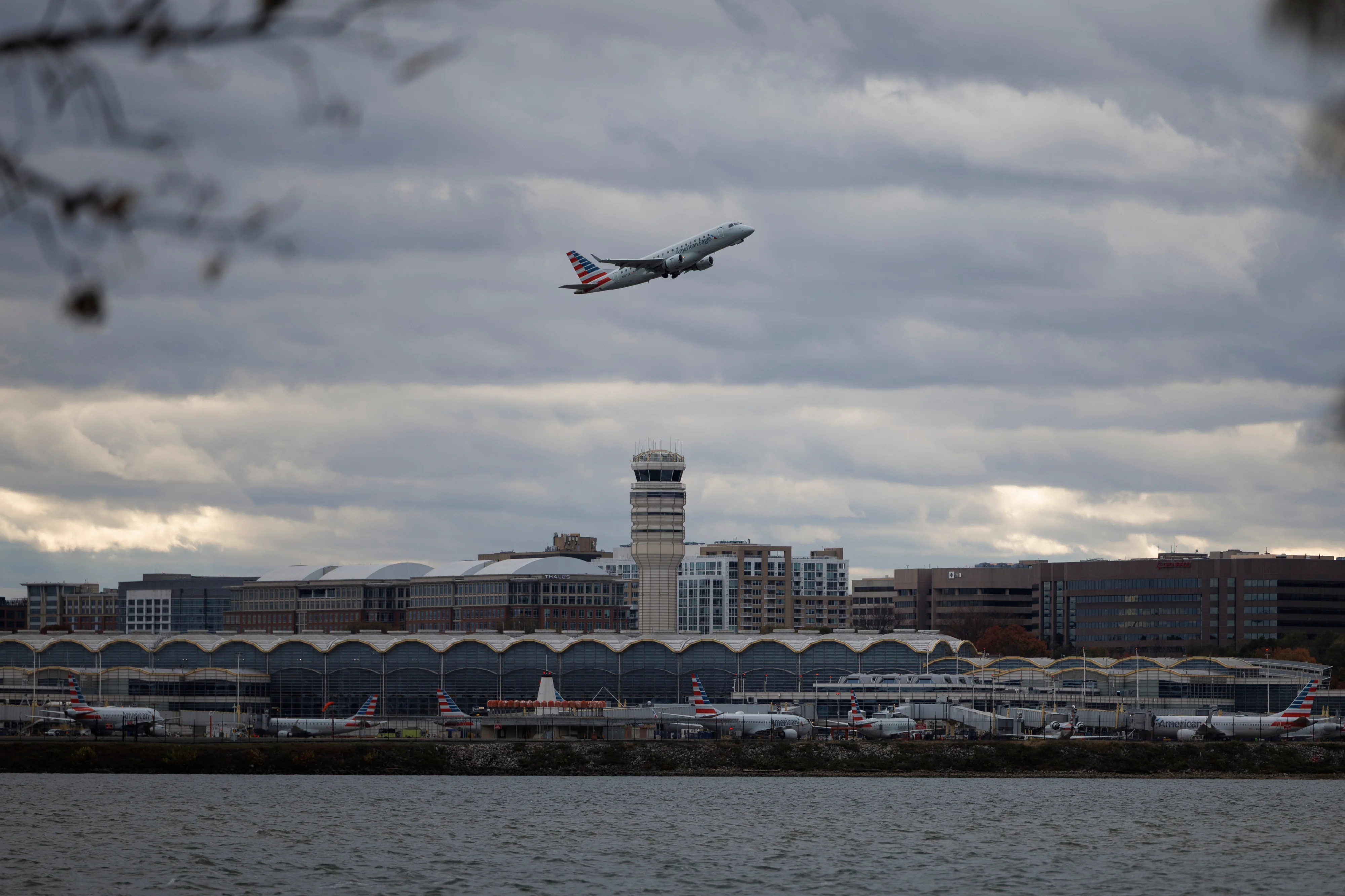
Congress recently gave the Department of Transportation $12.5 billion to upgrade the aging air traffic control system. President Trump wants more.

U.S. government safety officials say a preliminary finding indicates a tanker's steering system failed, keeping its rudder in a position that sent it crashing into a cruise ship docked in New Orleans last week

Operations are returning to normal after air traffic was shut down for more than 4 hours on Friday following a maintenance upgrade that crippled communications.
After the Silicon Valley chaos spurred by reports of an AI billionaire's affair with a suspected Chinese spy and the Microsoft outage that upended millions of workers' days, Friday's air travel ground stop across the U.S. had many people feeling that s...

People trying to find new ways to get to their destinations still encountered obstacles at the rental car counter and on Amtrak’s booking system.

Officials said that the upgrade to antiquated communications equipment at a remote facility overloaded other parts of the national air traffic system.

With hundreds of planes out of position and crews out of hours, restarting the nation’s flight system is no easy task.
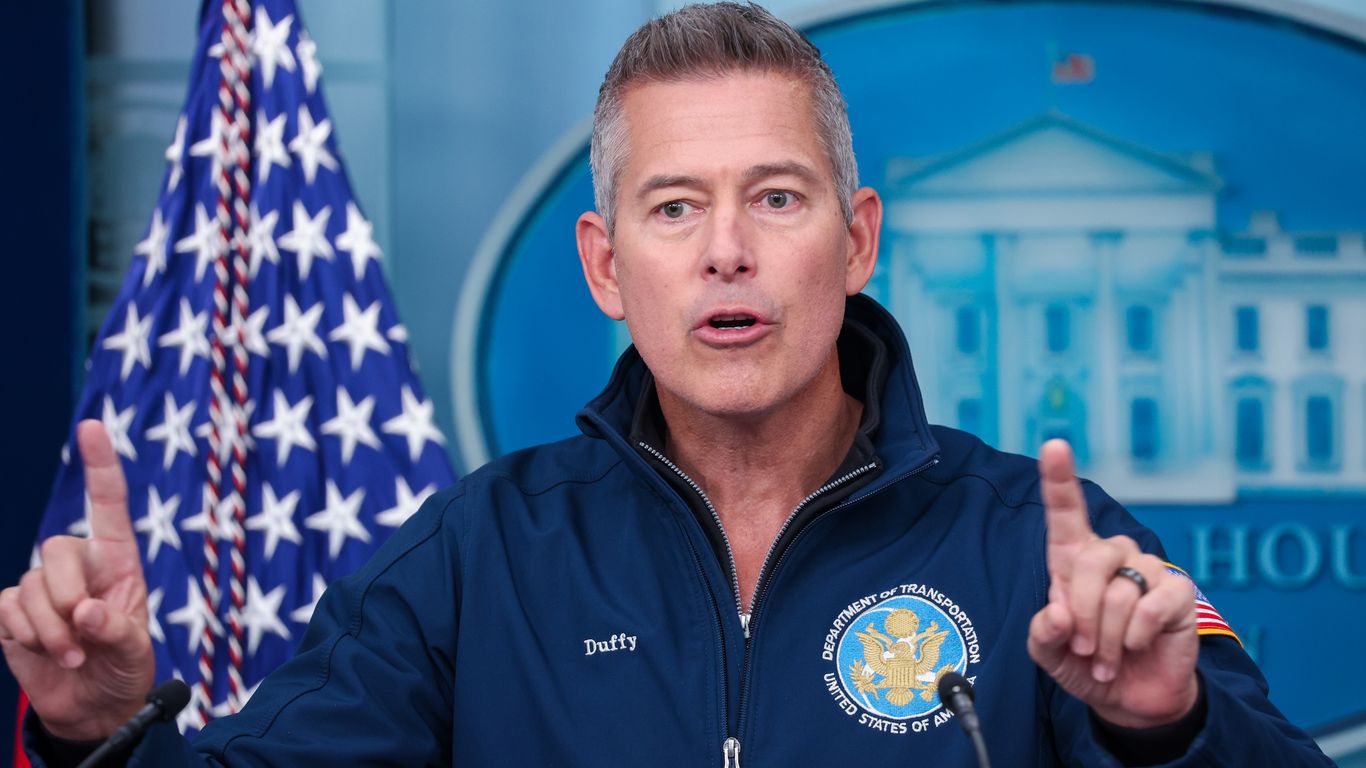
Transportation Secretary Sean Duffy said Saturday that all FAA systems are back to "full operations" after an hours-long outage Friday evening that grounded all air traffic across the U.S. The big picture: Duffy reiterated his plea to Congress to fund upgrades to the nation's air traffic control equipment, explaining that proper upgrades could have prevented the ground stop. Driving the news: Duffy explained that the outage was caused when a contractor performed routine maintenance on a telecommunications line to upgrade a copper wire to fiber-optic cable and install a new router. "It was such an old wire that it was being discontinued, meaning that line was going to get shut down. So we had to switch it over from old copper," Duffy said. Duffy said it's unclear whether the outage occurred because of contractor error or faulty equipment, but they are working to figure that out. FAA Administrator Bryan Bedford warned that up to 5,000 flight cancellations will remain throughout today, but airlines have assured the agency that they should return to normal operations by the end of the day Sunday. "I do think the worst is behind us, but we still do have a significant amount of recovery work to do," Bedford said. According to numbers from FlightAware , over 4,600 international and domestic flights have been canceled, and over 13,000 delayed, as of 11:30 am ET. Zoom out: Bedford and Duffy both said the ground stop was ordered out of an abundance of caution for the safety of passengers and airplane crews. Bedford added that they have no reason to believe a cyberattack or an AI issue prompted the outage. "We see zero evidence of anything nefarious," Bedford said. Zoom in: Duffy used the press conference to again plead with Congress to fund upgrades for the aging air traffic control system. Duffy has previously said the FAA needs $30 billion to update airports and air traffic control. Congress had previously awarded $12.5 billion in July 2025 for upgrades into 2030. After Fri

The US Federal Aviation Administration (FAA) issued a rare nationwide ground stop on Friday, halting all departures and landings across US airports for just over four hours. The stop marked the longest nationwide shutdown, and only the second nationwide ground stop of all departures, since the 9/11 terrorist attacks. The US homeland security secretary, Markwayne Mullin, and the US transportation secretary, Sean Duffy, appeared to suggest that the cause of the outage was older technology becoming overwhelmed with data after new technology was introduced. What to know about the rare nationwide ground stop issued by the FAA Continue reading...
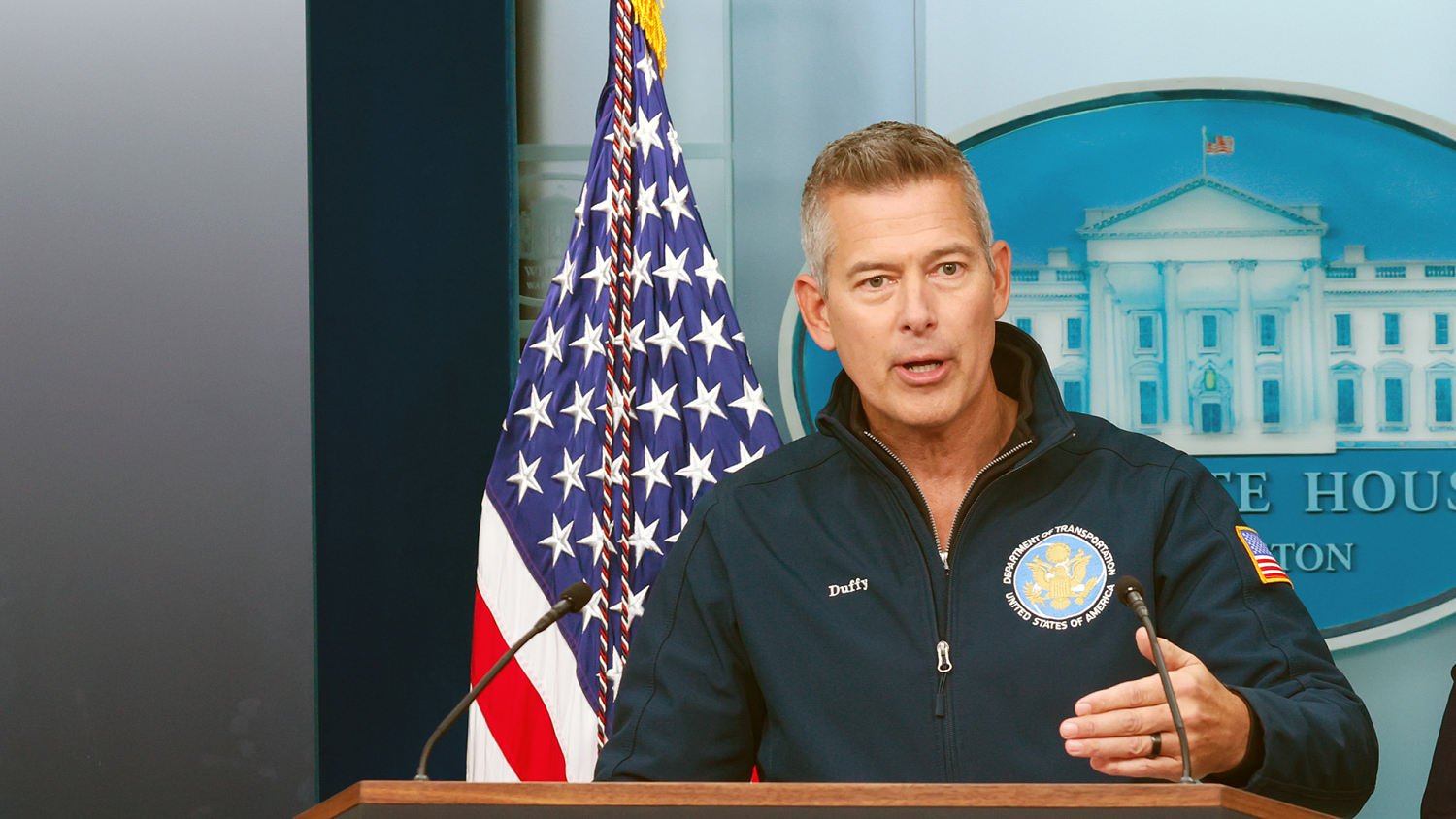
Watch live coverage as Transportation Secretary Sean Duffy holds a press conference on the FAA outage that brought U.S. air traffic to a standstill after the Federal Aviation Administration ordered a nationwide ground stop for departing flights that lasted more than four hours.

An international health organization has determined that the United States has lost its measles elimination status, according to multiple news reports. Why it matters: It's an official recognition of how much the country's public health has deteriorated due to a rolling series of outbreaks since early last year. Increased public skepticism about the safety and effectiveness of vaccines, a barrage of distrust from federal officials like Health Secretary Robert F. Kennedy Jr. and funding cuts for response efforts have all factored in the surge of cases, according to public health experts. The big picture: The Pan American Health Organization concluded there has been sustained transmission of the highly contagious virus for longer than 12 months, bringing the U.S. case count to its highest level in 35 years. The measles elimination status hinges on whether the same strain of measles stays in circulation for 12 months or longer without a break. The overwhelming majority of cases are in unvaccinated people. While overall measles vaccination rates remain relatively high, public health officials say they have to remain above 95% to maintain herd immunity. Driving the news: An expert panel convened by the Pan American Health Organization made the widely expected decision following a three-day meeting in Washington, D.C. What they're saying: "It is no surprise that the resurgence of measles has coincided with an administration that has inflicted significant damage to our health care system while spreading false claims about vaccines," said Richard Besser, president and CEO of the Robert Wood Johnson Foundation and a former acting director of the Centers for Disease Control. "It is unthinkable that people in the United States should be dying from measles in 2026," the Infectious Diseases Society said in comments prior to the decision. The group cited the potential long-term toll on infants infected this year, some of whom could develop serious neurologic disease years after t
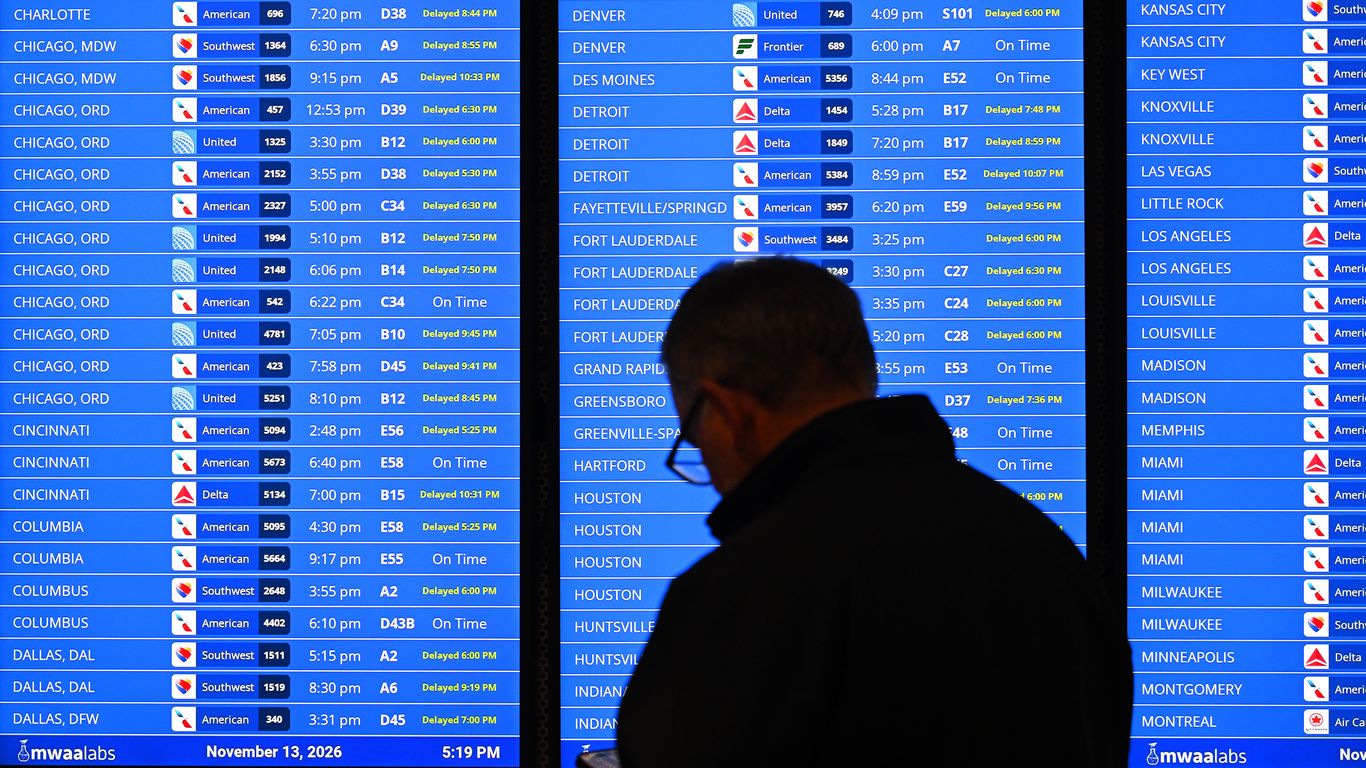
The chaos from the FAA's nationwide ground stop lingered into early Saturday morning, with thousands of flights cancelled as airlines played catch-up. Why it matters: Millions of travelers will find themselves inconvenienced over what the government says was simply old technology that couldn't keep up with modern upgrades. Driving the news: As of 5:15 a.m. ET Saturday, nearly 3,300 flights into, out of, or within the United States were already cancelled for the day, per FlightAware . Nearly 1,000 flights already had delays. Between the lines: The most heavily impacted airports were Atlanta's Hartsfield-Jackson, New York's JFK and Boston Logan. Among the major airlines, FlightAware's data showed Delta more affected than United or American. Zoom in : The ground stop wreaked havoc on college football in particular, with many schools unable to travel to their game locations. ESPN reported a number of high-profile match-ups were postponed to either late Saturday or Sunday as a result. What to watch: Whether Congress responds to Transportation Secretary Sean Duffy's request for $50 billion in emergency funding to modernize the nation's air traffic control system. This is a developing story. Check back for updates.

The air traffic control system’s overloaded, antiquated telecommunications equipment sustained its latest widespread failure, prompting a call for more money to fuel faster upgrades.

Transportation Secretary Sean Duffy said during the intermittent outage, controllers could still reach pilots.
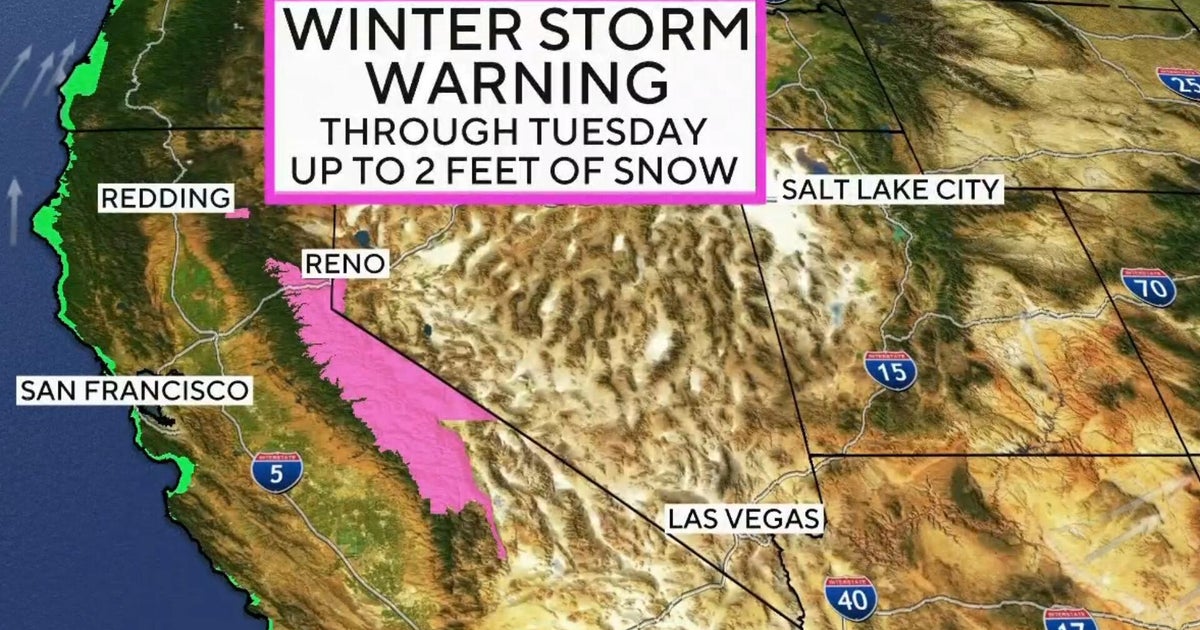
The West Coast is bracing for severe weather over the weekend after the East Coast saw tornadoes this week. Rob Marciano has more.

The FAA lifted its nationwide ground stop Friday night after hours of chaos and thousands of delays and cancellations. Why it matters: The effects of the rare and extreme move will likely ripple through the weekend, with travelers stranded and airlines' planes and crews out of position. Catch up quick: The FAA issued the nationwide ground stop Friday afternoon due to "extraordinary circumstances" and "reasons of safety." "The FAA issued a nationwide ground stop for all U.S. airports following communication issues impacting multiple Air Route Traffic Control Centers," the agency said in an earlier statement after the ground stop was issued. "FAA technicians are investigating the issue. We will provide updates." Homeland Security Secretary Markwayne Mullin told reporters at the White House Friday evening that there was no indication of a "nefarious attack" on aviation systems. The FBI is probing whether the problems were caused by a software update gone bad, Bloomberg reports . How it works: Air Route Traffic Control Centers, often simply called "centers," mostly handle high-altitude en route airspace between airports. Between the lines: The FAA has been rolling out a new AI tool designed to help manage airspace congestion, but it's unclear if that system has any connection to Friday's communication issues. The developer of that tool denied any connection. 💭 Our thought bubble, from Axios aviation expert and pilot Alex Fitzpatrick : With no planes departing anywhere, airports nationwide may quickly run out of gates and room for the thousands of flights navigating the crisis while already airborne. By the numbers: As of 7:15 p.m. ET, FlightAware reported more than 10,000 domestic delays and 4,000 cancellations over the course of the day Friday. The bottom line: It's likely going to be a messy night — and the effects could easily spill over into the weekend. This is a breaking news story and will be updated.

The homeland security secretary said he did not know what caused the outage.

The outage that year lasted around 90 minutes.
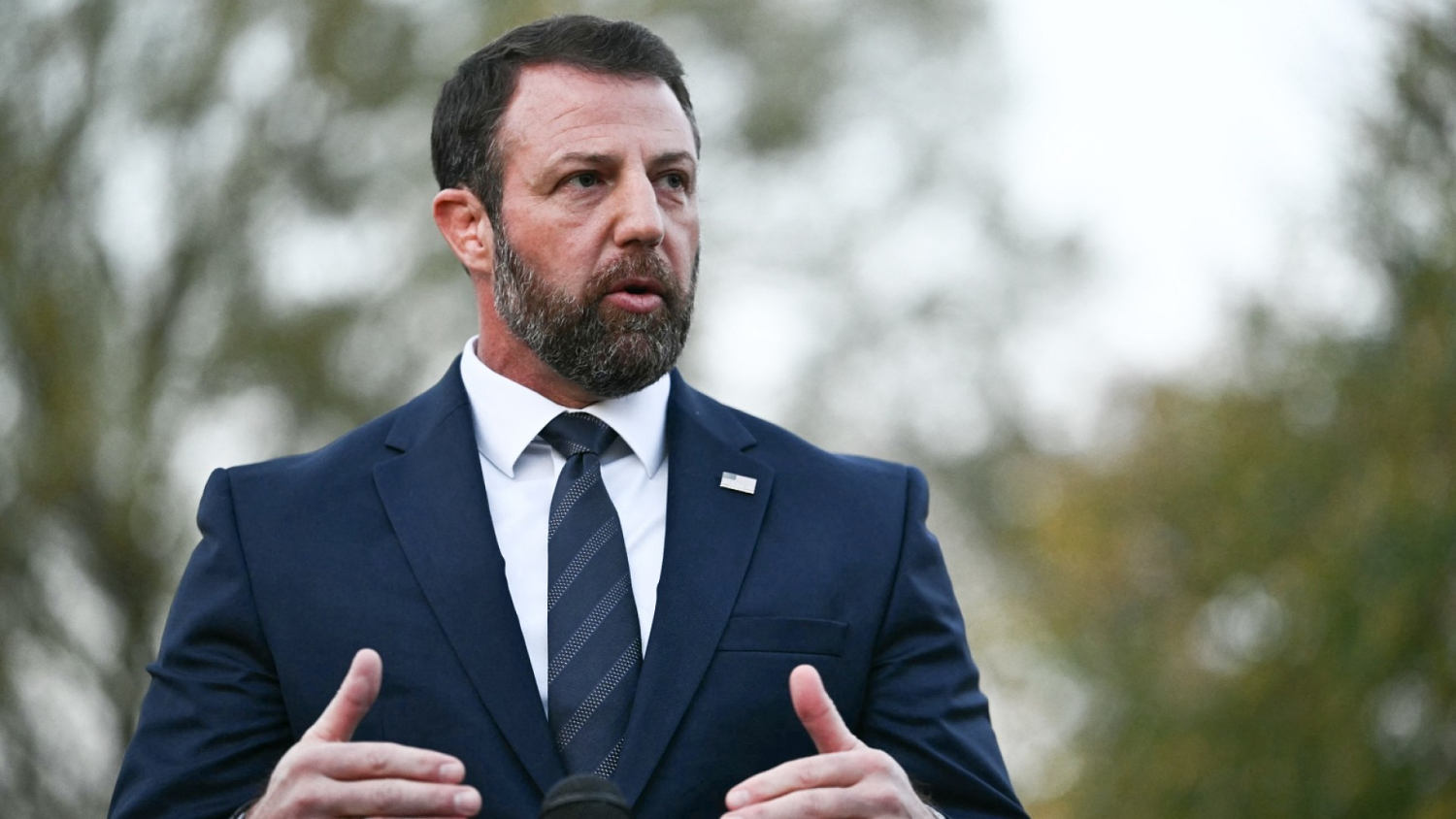
Homeland Security Secretary Markwayne Mullin told reporters the nationwide ground stop issued by the Federal Aviation Administration was the result of a telecommunication outage. He also assured that the issue was the result of some for of attack or hack.

Courts and governments worldwide felt the impact of this week's Microsoft outage, which sidelined work and stymied communication. Why it matters: When Microsoft's popular workplace software went offline Thursday, it meant an extended lunch break for some offices — but for the courts and governments, it raised questions about the vulnerabilities of the technology underpinning justice and governance. Case in point: The state of Maine's judicial branch warned in a Thursday alert that requests for protection orders filed by email — urgent requests to keep parties safe from harm — may not have been received. Multiple court documents reviewed by Axios show lawyers requesting deadline extensions or alerting judges to the outage impacting their work. That includes DOJ lawyers: Government attorneys asked for an extension in the case brought by Rep. Joyce Beatty (D-Ohio) over President Trump 's Kennedy Center takeover , saying the outage prevented them from "completing the necessary coordination." In a separate filing, Beatty's team acknowledged they were impacted as well. Zoom out: The impacts were also felt in courtrooms and offices internationally. The AP reported that a U.K. criminal trial was delayed as a result, with a Manchester judge saying, per BBC's reporting , "We are learning of the dangers of relying on computers and data systems." U.K.-based police forces also urged the public Friday to call first responders for aid, rather than using online forms. The Supreme Court of the Philippines said it, too, was affected by the outage. What they're saying: "We obviously need backup methods to keep the wheels of justice turning," says Gissou Nia, the founder and director of the Atlantic Council's Strategic Litigation Project. She pointed to a prior incident that previewed international reliance on U.S. tech: Though not exposed by an outage, the Trump administration's sanctions on the International Criminal Court prompted the Netherlands-based court to move off of Microsoft
The case involving President Trump's directives suspending access to the asylum system is the latest involving the president's second-term immigration agenda.

The U.S. Coast Guard launched an investigation into a so-called "magic pipe" case, in which a ship transfers its oil discharge into its gray water system.

A defining story of this decade has been a series of global economic shocks: pandemic, war and geopolitical shifts. New research quantifies a rising set of vulnerabilities for the global trade system . The big picture: Many crucial global goods are built on supply chains that have one or more Achilles' heels, a report from the consulting firm McKinsey finds — a critical input, concentrated suppliers and geopolitical strain. That manifests partly in physical chokepoints. The Strait of Hormuz is the one most in the news, but the McKinsey researchers identify a couple dozen others globally, through which 80% of maritime trade passes (although with varying levels of difficulty for shippers to route around). In effect, as the global economy has become more integrated over the last few decades, these vulnerabilities have become more pronounced — which in turn helps explain why the 2020s have brought an ongoing series of disruptive supply shocks. By the numbers: They find that the share of global imports that face at least two of three major vulnerabilities has risen to 23% in 2024 from 15% in 2000. The list of items with overlapping vulnerabilities includes basic materials like iron ore and more advanced items like lithium-ion batteries, smartphones and memory chips. What they're saying: "It's not necessarily that trade has gotten less reliable," Tiago Devesa, a co-author of the report, tells Axios. "I think it's more that we have the realization that we actually want to understand what are the potential points of failure, so we can anticipate them." "I think you could make a case that throughout all of these shocks, trade has continued to increase, and trade was actually a very important balancing mechanism," he adds. "It's been increasing precisely in part because we've integrated the fabric of the global economy much more, and in particular, we've led a specialization effort that led to more concentration around the world," says Devesa, a senior fellow at the McKinsey

Commerce Secretary Howard Lutnick agreed to testify before a Senate committee about Nvidia.

Workplaces, government agencies and schools around the globe were thrown into chaos after Microsoft’s servers went down Thursday afternoon. The massive outage is impacting the entire Microsoft suite of products including Outlook, Teams, Copilot and SharePoint. NBC’s Christine Romans reports for TODAY on the tech giant’s struggle to find a fix.

The rapid deployment of artificial intelligence in hospitals and clinics is leading the nation's biggest physicians group to lobby for new legal protections if AI harms patients. Why it matters: The use of increasingly sophisticated AI tools and recommendations is blurring the lines around negligence in health care, raising questions about whether doctors should be held responsible for decisions that rely on software. There's added urgency as autonomous AI takes on more and more important medical tasks with less direct oversight. The question is who's responsible when something goes wrong. Driving the news: The American Medical Association this week called for federal and state legislation to protect physicians from liability when AI products injure patients, despite physicians using the tools as intended. The group also is pressing for new laws mandating that AI companies carry adequate liability insurance and disclose product limitations and performance data. Hospitals, health systems, insurers and health tech vendors should be responsible if the required use of specific AI products results in harmful errors, the AMA policy states. Between the lines: The group's push comes as AI clinical tools are flooding the health system, unlocking new efficiencies but giving algorithms increasing power to make decisions like whether to order a diagnostic test or prescribe an expensive drug. Legal and medical experts point to the possibility of triage errors, in which AI systems that process clinical histories, vital signs and imaging can misjudge the severity of a case without the attending doctor's knowledge. The AMA also raises the possibility of an AI system making a plausible recommendation for treatment, but with incomplete laboratory results or an outdated diagnoses. In such cases, a physician may be unable to verify the inputs. In cases where a patient is harmed, responsibility should fall on AI manufacturers and vendors — and possibly on health systems that require the

The Ukrainian government has asked the Pentagon and SpaceX to explain new restrictions it says are disrupting the satellite system its military uses to intercept Russian drones. Why it matters: This is the second time in recent weeks that Ukraine reported that Starshield, made by Elon Musk's SpaceX, was impeded. The Ukrainian military uses Starshield — the military version of SpaceX's Starlink satellite communications system — to control and operate its reconnaissance and to intercept drones. Driving the news: Ukrainian President Zelensky said Thursday he was briefed by the minister of defense and the commander of the Ukrainian military that "units have been recording significant disruptions to Starshield's operations" along the entire front line and in the parts of Ukraine occupied by Russia. "The Ukrainian military have already investigated the circumstances, and these are not random errors but systematic speed restrictions," he wrote on X. "We are trying to establish all the circumstances with the American side." Zoom in: A Ukrainian official said the restrictions have been happening for three days. "On the first day there were 10% limitations, on the second day 50%, and today 100% of the missions fail because of restrictions," the official said. Ukraine's charge d'affaires to the U.S., Denys Sienik, said the Starshield system shuts down when drones fly at more than 100 miles per hour. "We don't have clarification from SpaceX or Pentagon at the moment," he said. State of play: Zelensky said the new restrictions began shortly before President Trump's envoys Jared Kushner and Steve Witkoff met at the Kremlin with Russian President Vladimir Putin on Thursday. Kushner and Witkoff are expected to meet Zelensky later on Thursday in Dublin. Catch up quick: Ukraine relies on two SpaceX satellite services. Starlink, the commercial service, supports battlefield communications and logistics. Starshield is designed for government and military customers. Ukraine accesses it t

Data: Major Cities Chiefs Association (MCCA) ; Note: Tulsa Police changed crime-reporting systems, which may affect year-over-year comparisons.; Chart: Russell Contreras/Axios Homicides fell 15.2% across major U.S. police jurisdictions through the first nine months of 2026, extending a retreat from pandemic-era violence that began under President Biden and continues under President Trump . The big picture: A new Major Cities Chiefs Association report found declines in all four major violent-crime categories among 66 reporting U.S. large law enforcement agencies from January through September, compared with the same period last year. Homicides dropped 15.2%. Robberies fell 9.1%. Rapes declined 3.5%. Aggravated assaults decreased 3.4%. State of play: Combined, the four categories fell 4.9% — or 13,822 fewer reported offenses. Fifty-one of the 66 agencies reported overall declines. Homicides dropped in 49 jurisdictions, increased in 15 and remained unchanged in two. Zoom in: Some of the nation's largest cities recorded striking homicide declines. Memphis: Homicides plunged 36.5%, from 156 to 99. San Antonio was down 36.5%, Indianapolis down 33.6%, Philadelphia down 21.2%, Aurora, Colorado down 65.2% and Newark, New Jersey down 59.1%. The other side: New York City was a major outlier and reported more violent crime in all four categories, including 24.5% more homicides and 14.2% more robberies. Its combined violent crime total was up 5.1%. San Diego reported 45.2% more homicides and Las Vegas recorded a 23.4% jump. Washington, D.C., saw homicides fall 29.9%, but robberies surged 41.1%, pushing its combined violent-crime total up 9.7%. The caveat: The figures remain preliminary. Houston reported no data because of a records-system transition, and Tulsa recently transitioned to a new crime reporting system, the report notes.
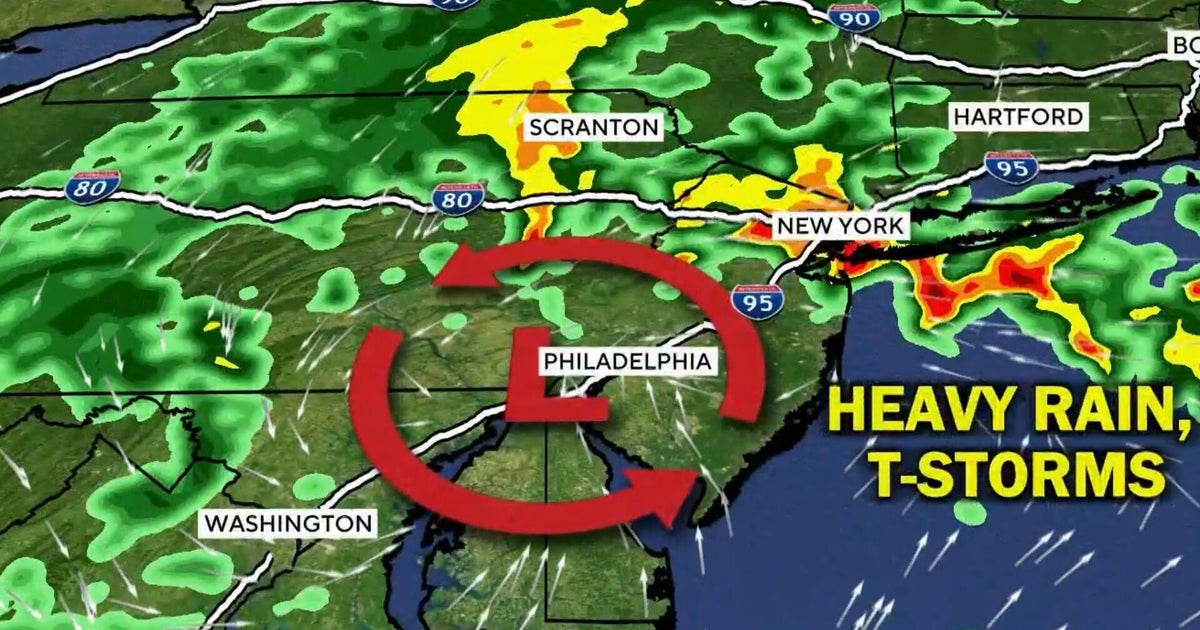
An outbreak of dangerous storms hit the Midwest on Wednesday, including possible tornadoes, ahead of what will be the first blast of winter weather in the East. The storm system could dump up to 10 inches of snow in some places, bringing sub-freezing temperatures to millions. Rob Marciano has the forecast.

More money in the political system is coming from shadowy nonprofits that appear out of nowhere and start spending big with little disclosure.

Efforts to fight climate change, conserve nature and build clean energy have long unfolded on competing tracks. Now, they're colliding — and exposing tough trade-offs for environmentalists. Why it matters: Congress' sweeping permitting debate is forcing those competing priorities into the same conversation, with major consequences for climate action and conservation. Driving the news: The Senate is set to hold an initial procedural vote Monday on a sprawling bipartisan bill that would make it easier to build power lines and energy projects of all kinds, including clean energy and fossil fuels. At the heart of the debate is how much public scrutiny projects should face before they're approved — and how much protection those approvals should receive afterward. Supporters say the current system takes too long, delaying clean energy and other infrastructure. Opponents warn that speeding things up could come at the expense of wildlife, public lands and tribal rights. Between the lines: The dilemma reflects a fundamental tension within the environmental movement: Building the infrastructure needed to combat climate change can threaten nature, while protecting nature can complicate efforts to build that infrastructure. Wind and solar farms, for example, can require large expanses of land, potentially disrupting wildlife habitats even as they help reduce greenhouse gas emissions. "The part of my organization that cares about climate sees great opportunity and the part that cares about nature sees some dangers," said a leader of one organization that focuses on both causes, speaking anonymously to discuss the proposal candidly. The big picture: Both parties broadly agree Washington needs to overhaul federal permitting, a perennial goal that has eluded Congress for years. The question is what reforms can attract enough support to pass both chambers. The bill's bipartisan sponsors and the White House want action before year's end. But some Democrats, emboldened by their midter

Voters approved two measures to save the region’s financially distressed public transit agencies Voters in the San Francisco Bay Area overwhelmingly approved two transit measures this week that advocates hope will save the region’s financially distressed public transit agencies from a potential death spiral that could have had massive repercussions for the area’s residents and its economy. The Regional Transit Measure (RTM), a 0.5% sales tax across four Bay Area counties and a 1% sales tax in San Francisco, will generate approximately $1bn annually to fund the region’s four largest transit operators. It received a strong 62.2% support across all five counties that voted on the measure, winning with a landslide of 78.6% in San Francisco. Continue reading...

Refrigerator hacks. $6.3 billion crypto heists . 14-country espionage campaigns carried out in just 11 days. All in the span of a week. Why it matters: State-backed hackers are finding new ways to launch cyberattacks at remarkable speed and scale, with AI and automation threatening to widen the gap between attackers and defenders. Driving the news: Hackers tampered with refrigeration system s at dozens of European grocery stores in one night earlier this week — raising temperatures and spoiling food in a sweeping attack some linked to Russia. "It's hard to imagine this is not the work of a nation state pretending to be a criminal actor," Cynthia Kaiser, former deputy director of the FBI's cyber division, told Axios. "Given the concentration around Europe, Russia is a reasonable first suspect." French blood banks were also affected in the attacks on European refrigeration systems, authorities said Wednesday. SentinelOne researchers reported Tuesday that Russian-aligned hackers have previously claimed attacks on European refrigeration systems. Meanwhile, the Pentagon has also been investigating a series of suspected hacks of refrigeration systems on its military bases over the summer. Nextgov reported that investigators suspect Iran was behind those attacks. Others have suggested potential Iran ties in Europe as well. The big picture: No clear evidence has yet linked the attack on food supply through smart refrigeration to AI or automation, but nation-state hackers have used those tools in other breaches to speed up their operations. Google researchers said Friday that multiple hacking groups have used automated security testing tools in recent attacks. One China-linked group gained deep access to a victim's network in as little as 15 minutes. North Korean hackers behind last week's record-setting Binance heist also likely used automation to move stolen cryptocurrency and cover their tracks, according to Chainalysis. Case in point: China-linked hackers used an AI-powe

Democrats won over rural voters from Maga in the midterms by focusing more on working people and less on culture wars Long before Jamie Ager entered politics, he was making a name for himself in a very different place: the meat counter of a grocery store in Boone, North Carolina. It was the early 2000s, and Ager owned and operated Hickory Nut Gap, a regenerative farm near Asheville. Over the next 20 years, he helped build a regional food system that delivered healthier food to thousands of people, improved land stewardship and made farming a bit more profitable. Continue reading...

Yes, the Republicans suffered humiliating defeat. But the fact that a Trump presidency was even possible means something like it could happen again He’s down, but not quite out. Barring divine or other intervention, Donald Trump will remain in the Oval Office for a further two years and 10 weeks. Or, as the White House put it in a plaintive social media post brimming with neediness: “PSA [Public Service Announcement]: Trump is still your president.” But that’s not the only reason why the global celebrations that greeted the Democratic tidal wave that swept Republicans out of even their deepest heartlands should be tempered, if only a tad. Don’t get me wrong, the results of Tuesday’s midterm elections are cause for genuine international jubilation. The defeats of Trump allies in Serbia and Brazil were delicious appetisers, but this was the feast. No mere electoral setback in line with midterm tradition, this was a thorough repudiation of the second Trump presidency and of Trumpism. The 16% swing to Democrats in the popular vote for the House of Representatives was greater even than the 11.2% swing recorded in the Watergate midterms of November 1974, following the resignation in disgrace of Richard Nixon. Trump had worked hard for many months to undermine these elections , either by gerrymandering districts in his favour or preparing the ground for a later claim the vote was rigged, but to no avail: the democratic system proved too resilient, and the American public too determined to have their say. And have it they did, in a voice loud and clear. Jonathan Freedland is a Guardian columnist Continue reading...

Voters were unambiguous on Tuesday: Don't B.S. us. Don't say you'll lower prices and end wars and corruption, then do the opposite. It's really that simple. This isn't so different from when Americans told Democrats not to B.S. them about Joe Biden's health, or about the words they should use, or social behaviors they should adopt. Why it matters: Most Americans agree broadly on most things, most of the time. They want competent politicians to focus on issues that meaningfully impact their lives. Like clockwork, every two years, Americans feel the party in power fails to deliver this — so they punish the incumbents at the polls. Politicians and some journalists tend to treat the American people as dopes and dupes who don't get what's happening in front of their faces. Tuesday's midterms, which will live in history as a Watergate-level reset for democracy, show that voters were paying attention and hit a boiling point. They didn't hide it. Polls consistently showed that all they really care about is rising inflation, job insecurity, ending the war, and stopping the rampant corruption. This was a repudiation of overreach, incompetence and corruption. People will tolerate it in small doses, but eventually reject it. In an age when people trust institutions less all the time , our institutions held. Courts restrained executive-branch excess. The press kept doing its job. Voters did theirs. But for all the hand-wringing that America is crumbling, that democracy is fading, or elections are eroding, the system worked. Remember: most Americans are normal and resilient. We should celebrate that. Despite it all, America works. For years, we've been reminding you about the power of Normal America : The vast majority of people — including our siblings, who are scattered from Oshkosh to Oregon — don't marinate in cable news, obsess about X or wake up thinking about Washington. They volunteer, they give to good causes, they'll help you in a pinch. They're good, they're fair ... a

California Gov. Gavin Newsom announced Thursday he plans to commute all 548 of the state's death sentences to life without parole, a sweeping decision that could empty the nation's largest death row. Why it matters: If Newsom follows through, it will be the largest mass commutation of death sentences in U.S. history , reducing the national death-row population by more than a quarter. The move comes during Newsom's final months as governor and ahead of a potential 2028 bid for president. What he's saying: "I know we cannot execute people in our imperfect legal system and remain true to our core values, first among them justice and human decency," Newsom wrote in a letter to Californians. "Many Californians feel that those who commit brutal crimes deserve to die. But as Governor, I have concluded the state cannot morally kill them." "We can now let these offenders die in obscurity while we forever remember and honor their victims." "This decision is among the most difficult of my career," he wrote. Context: Newsom can commute some sentences on his own, but prisoners with multiple felony convictions need approval from the California Supreme Court before their sentences can be reduced, per the California Constitution . Yes, but: This won't end the death penalty in California. It remains legal even though the state hasn't performed one since 2006 . In fact, California voters rejected ballot measures in 2012 and 2016 to end capital punishment. Flashback: Shortly after taking office, Newsom instituted a moratorium on executions , reprieving 737 prisoners from death row. The ACLU has been pushing Newsom to commute death row sentences since former President Biden did so in 2024 for 37 federal prisoners. Other Democratic governors have similarly commuted death sentences, including North Carolina Gov. Roy Cooper , who commuted 15 in 2024. Zoom out: The death penalty faces heavy scrutiny nationwide after Tennessee's failed execution attempt of Christa Pike and Defense Secretary