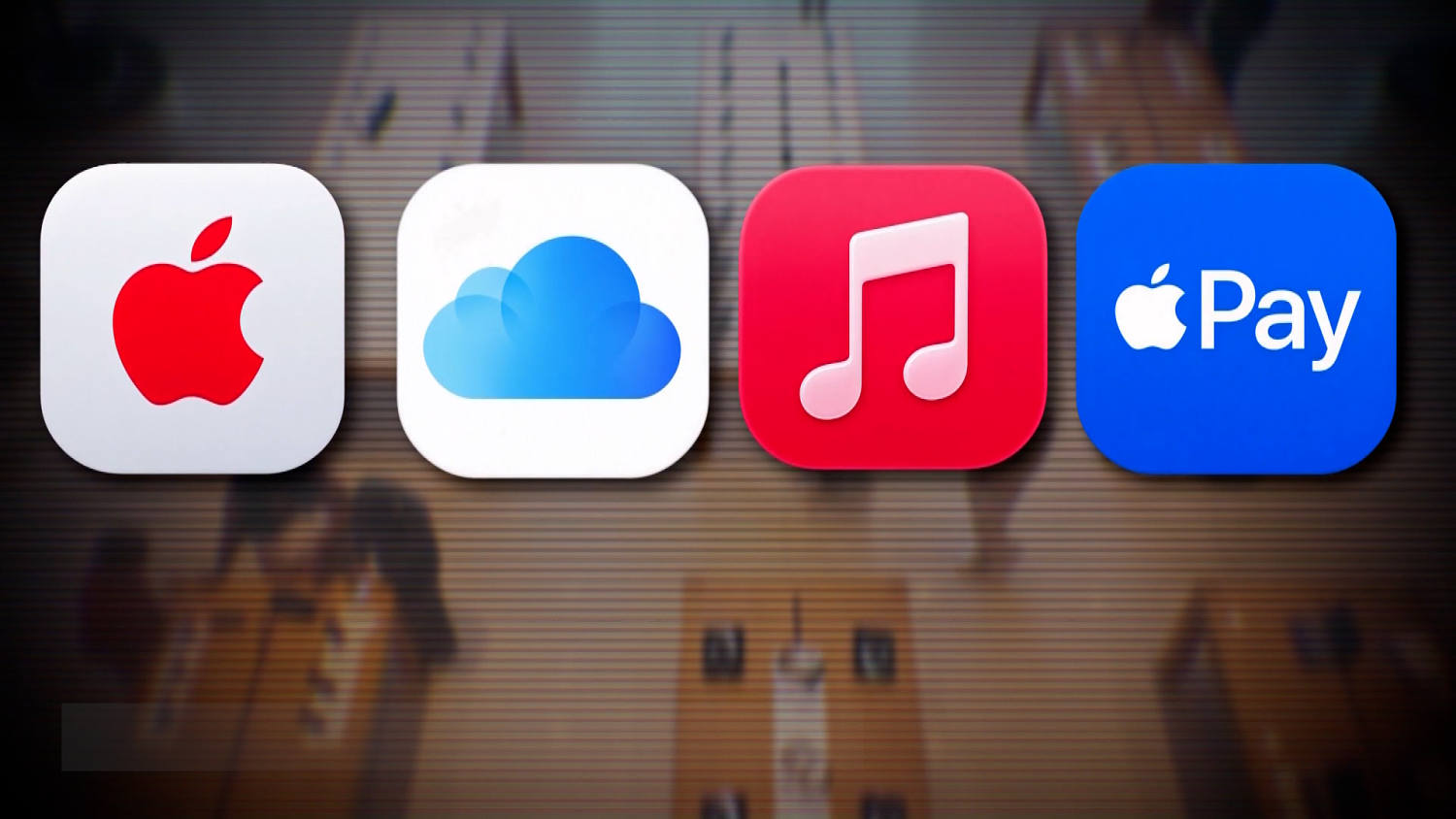
Apple Business, AppleCare, the App Store, Apple Music and other popular consumer-facing services were impacted by outages amid a recent surge in technical issues that impacted email, air travel, and online banking. NBC News’ Tom Costello reports.
Results for “tech outages”
President Donald Trump faces criticism over service outages affecting travel, banking, and communications
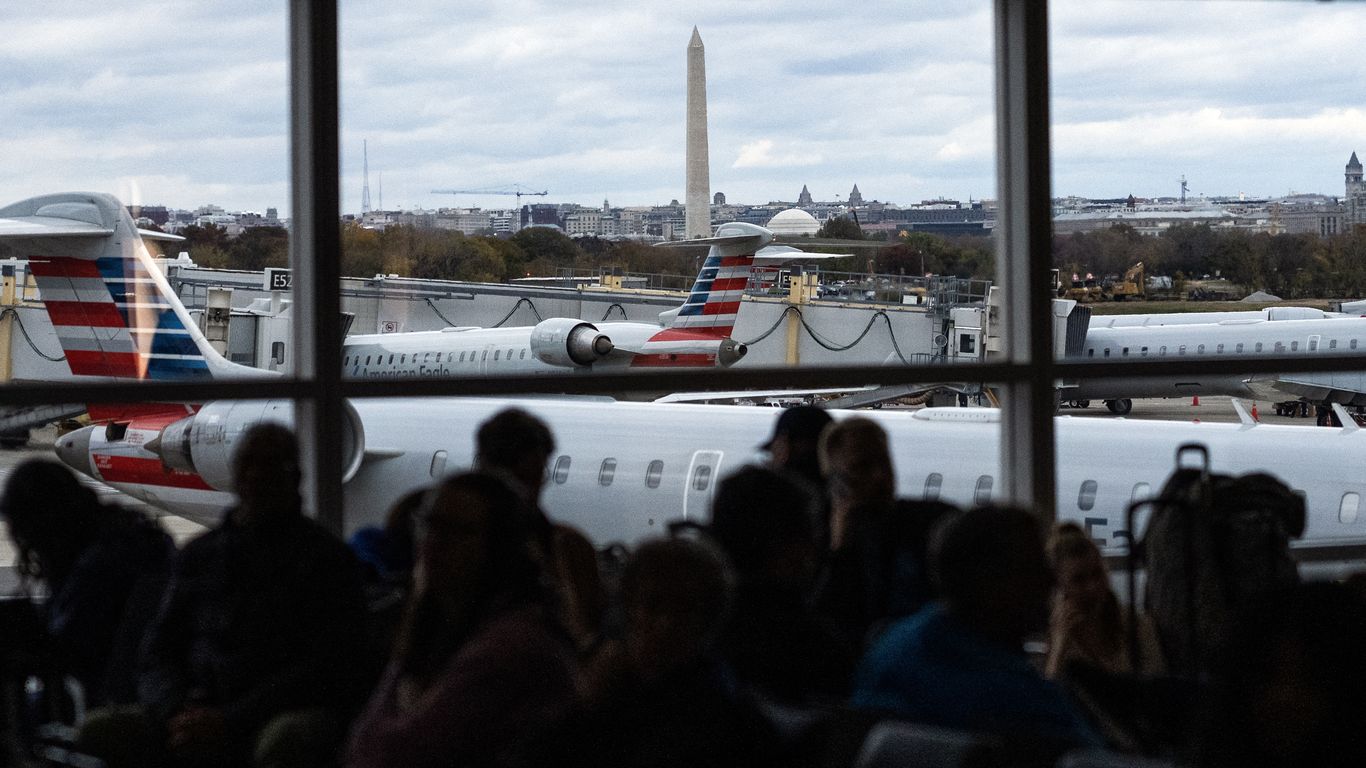
Americans were locked out of bank accounts, blocked from boarding flights and unable to check emails in rapid succession over the past week. Why it matters: The internet immediately pointed fingers toward an AI agent doomsday, sending people into a frenzy that the Big One™was about to happen. Reality check: Experts tell Axios these disruptions don't appear linked to hacking. To the extent they involve AI, the incidents may have just as much to do with widespread efforts to fix outdated code as they do with slop software. Downdetector data also show that while the seven days through Monday represent the highest number of weekly outages in the last 12 months, the pattern over longer periods such as 30 days is far from unprecedented. Driving the news: Some Americans struggled to access JPMorgan Chase banking services Monday. United Airlines briefly delayed departing flights later that day, days after the FAA executed the longest nationwide ground stop since 9/11. Microsoft Outlook's outage left users unable to access emails and other Microsoft 365 services. Homeland Security Secretary Markwayne Mullin suggested Monday that AI systems capable of writing and changing code could be contributing to the outages. Yes, but: No evidence so far points to AI-assisted hacking. In most cases, the outages have been attributed to software patching and appear otherwise unrelated, even as small technical problems snowballed into big ones. Chase blamed an internal software bug that delayed transactions involving other banks. United cited a technology problem; the FAA said a flood of network traffic destabilized older, legacy equipment. Microsoft cited a months-old bug, increased traffic and reduced server capacity. Between the lines: There are ways AI may have played a role that have nothing to do with hacking. Institutions around the world are racing to update software in order to solidify systems, given that AI models are capable of finding and exploiting vulnerabilities with shockin
Apple said it was experiencing tech issues Tuesday that were affecting several of its popular consumer-facing services.
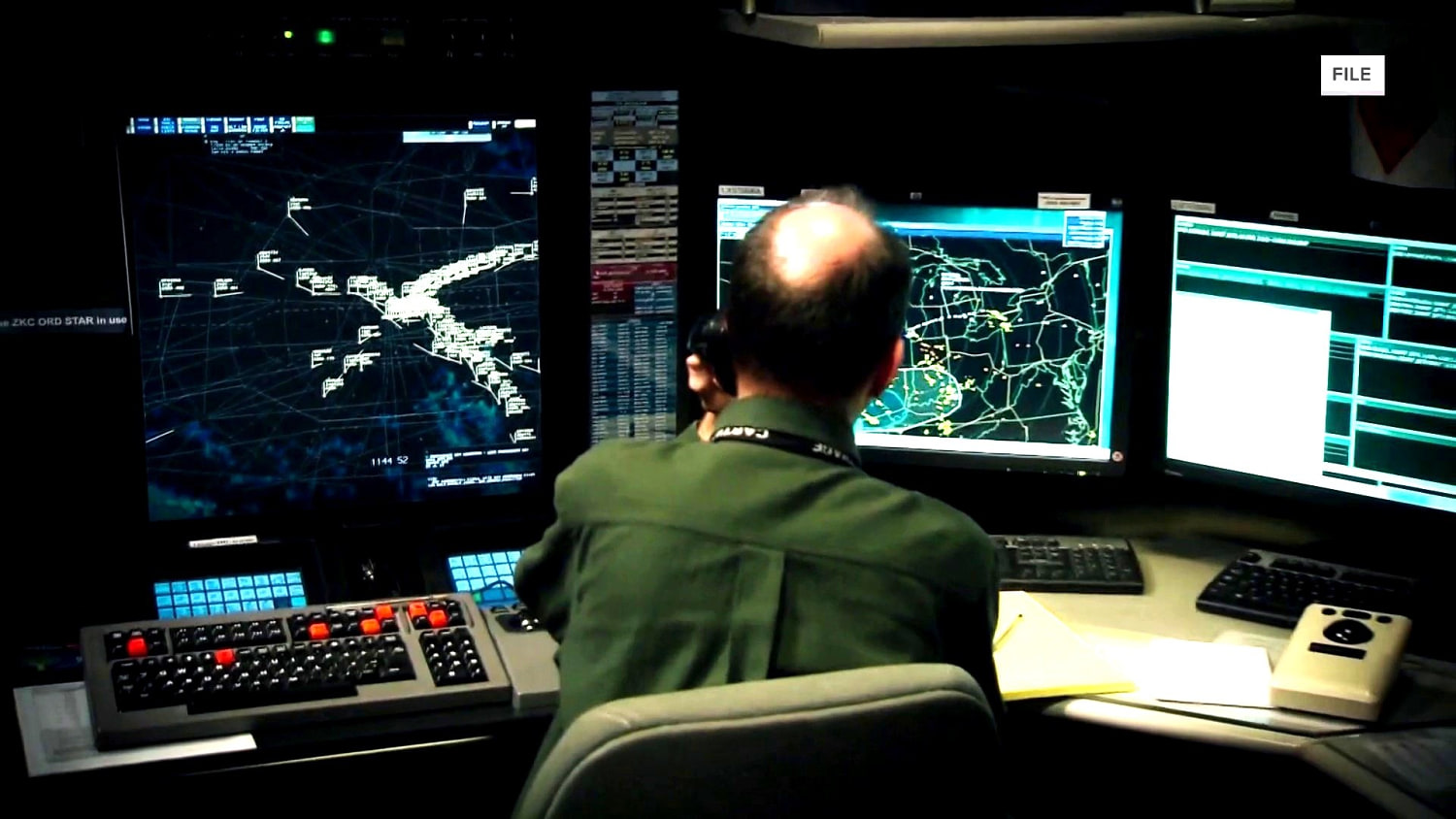
The FAA is halting the installation of new routers following Friday's nearly five-hour nationwide ground stop , the agency confirmed Tuesday. Why it matters: The technology rollout is suspected to be connected to massive travel disruptions that continued through the weekend, inconveniencing travelers across the country. Editor's note: This is a breaking news story and will be updated.
Retired Air Force pilot Buzz Patterson warns the FAA ground stop will happen again, blaming "tribal" politics for delaying a $50 billion modernization.
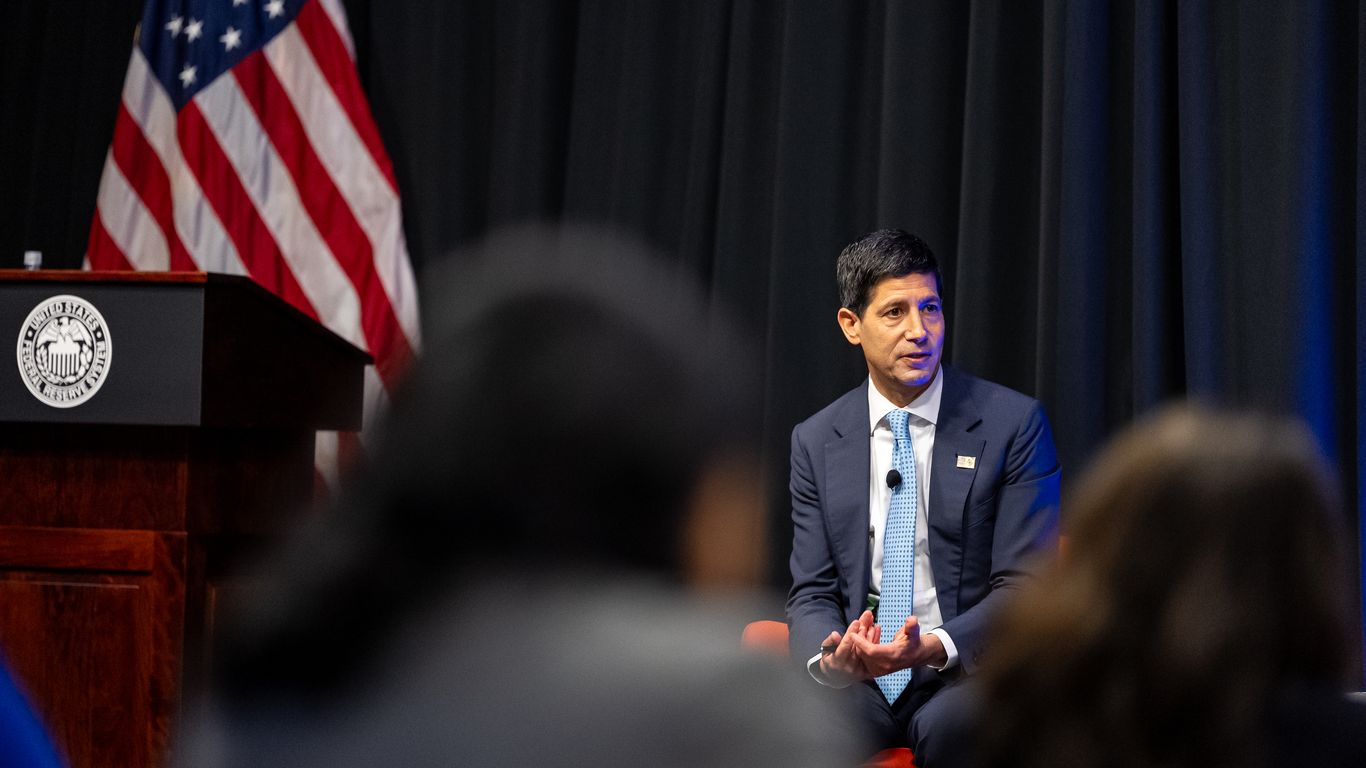
Just maybe, both the extreme techno-optimists and AI doom-and-gloomers are wrong about the economic impact of the technology. That's the argument that venture capitalist Marc Andreessen — who is co-leading a Federal Reserve task force on the topic — made in a high-profile panel Monday. Why it matters: The argument could help shape how the Fed assesses AI's economic consequences, with major implications for its outlook on growth, inflation and interest rates. Andreessen's argument offered an early glimpse of the thinking that will underpin his recommendations to the central bank's leaders. What they're saying: "My line has been both utopians and the doomers are going to be disappointed, specifically disappointed by the scope and magnitude of the real-world impact, and specifically the economic impact," Andreessen said at the San Francisco Fed. Andreessen, a co-leader of Fed chairman Kevin Warsh's Jobs and Productivity Task Force, spoke alongside former Commerce Secretary Gina Raimondo at a hearing in the Bay Area, where Warsh studied at Stanford and later spent 15 years teaching and conducting research. (Fellow task force member Chad Jones, a Stanford economist on leave for Anthropic, was in the audience but did not speak because the company is preparing to go public, Andreessen said.) Zoom in: Andreessen previewed his contribution to the task force's report, arguing that the economy is divided into two groups: Fast-changing industries, such as technology and media, where innovation drives productivity gains and lower prices. Slower-changing industries, including health care, education and housing, where regulations, limited competition and other barriers make technological progress harder. The intrigue: These slower-changing sectors account for some of Americans' biggest expenses. Those sectors of the economy "are not legally allowed to have rapid change," Andreessen said. Andreessen argued that regulations and other barriers could prevent AI from transforming large
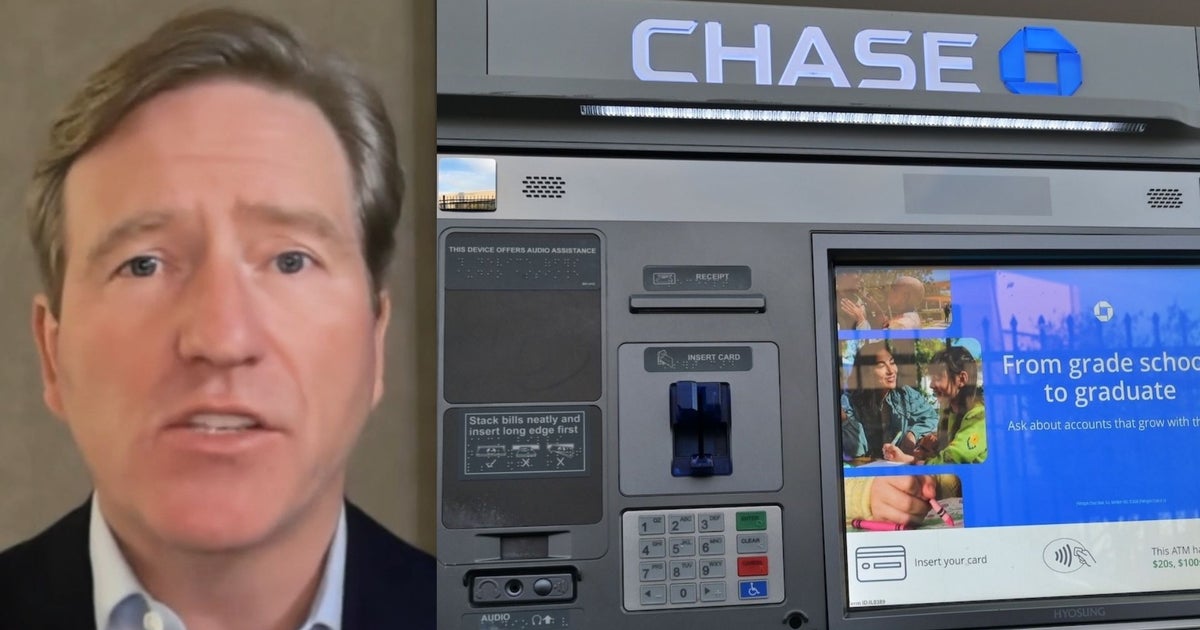
Chris Krebs, the former director of the Cybersecurity and Infrastructure Security Agency, joins "CBS Mornings" to break down the recent travel and banking outages.
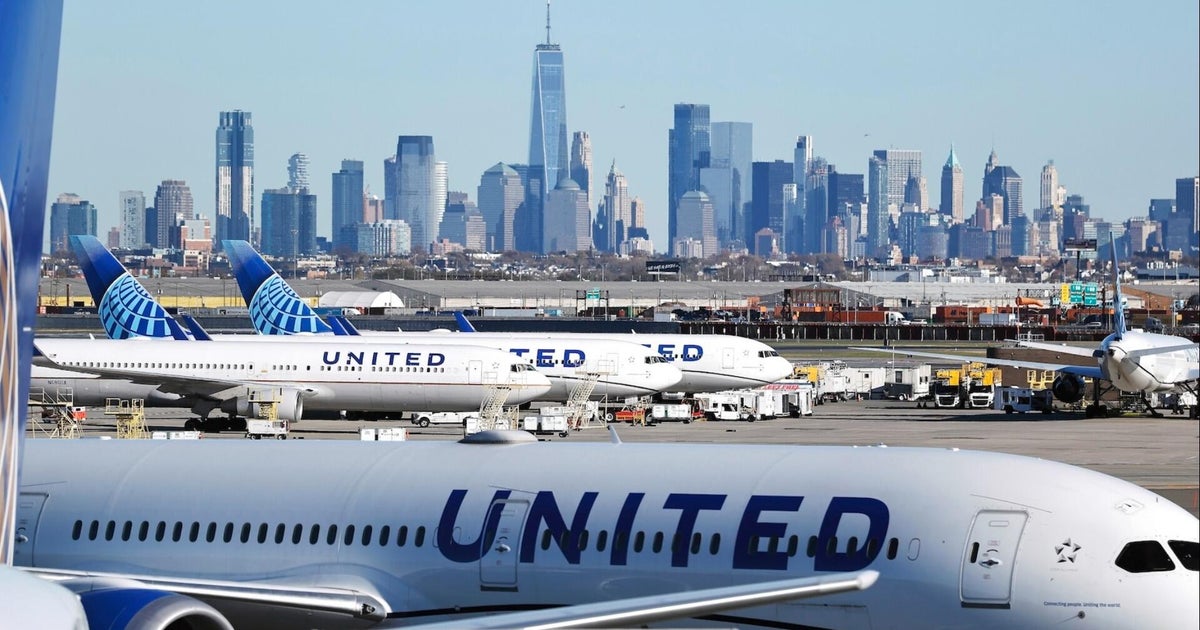
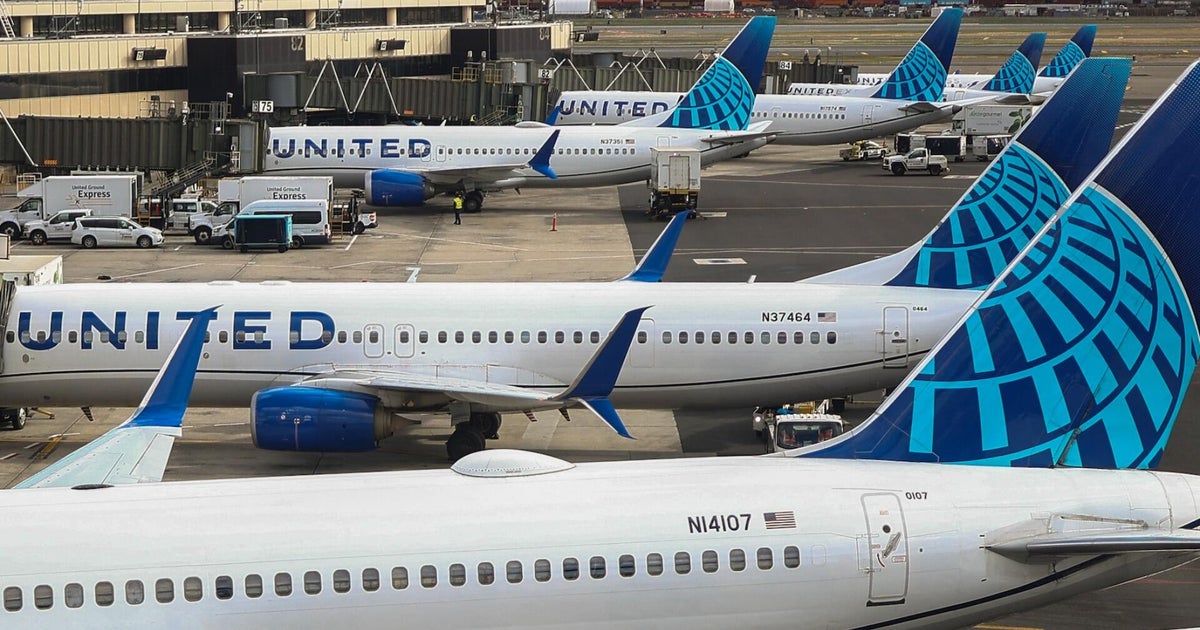
United Airlines suffered a brief outage Monday on the heels of a nationwide FAA ground stop as airlines rush to recover ahead of Thanksgiving holiday travel. Kris Van Cleave reports.
Teams from the FAA and FBI are in Florida analyzing the router at the center of the historic ground stop that led to 18,000 flight cancellations. Meanwhile, Transportation Secretary Sean Duffy is calling on Congress to fund a brand-new telecommunications network for air traffic control. NBC’s Stephanie Gosk reports and Chris Krebs, former director of the U.S. Cybersecurity and Infrastructure Security Agency, joins TODAY with analysis. “A lot of these outages are due to patches and upgrades a
Trump arrives in Asia ahead of an unprecedented trilateral meeting with Xi Jinping and Vladimir Putin.
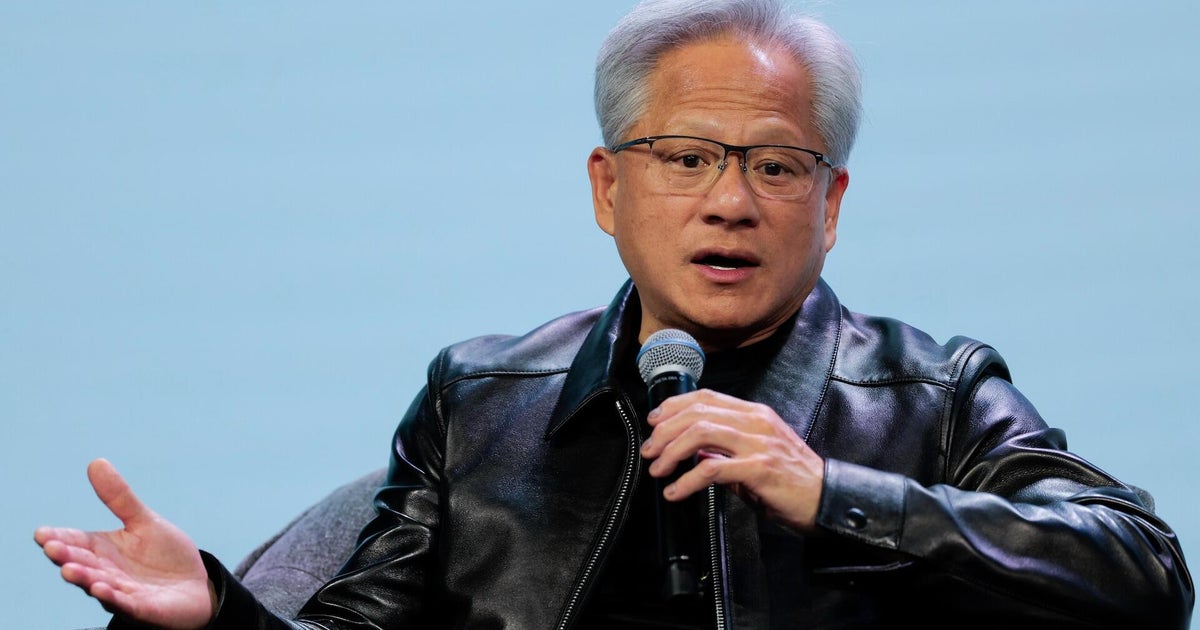
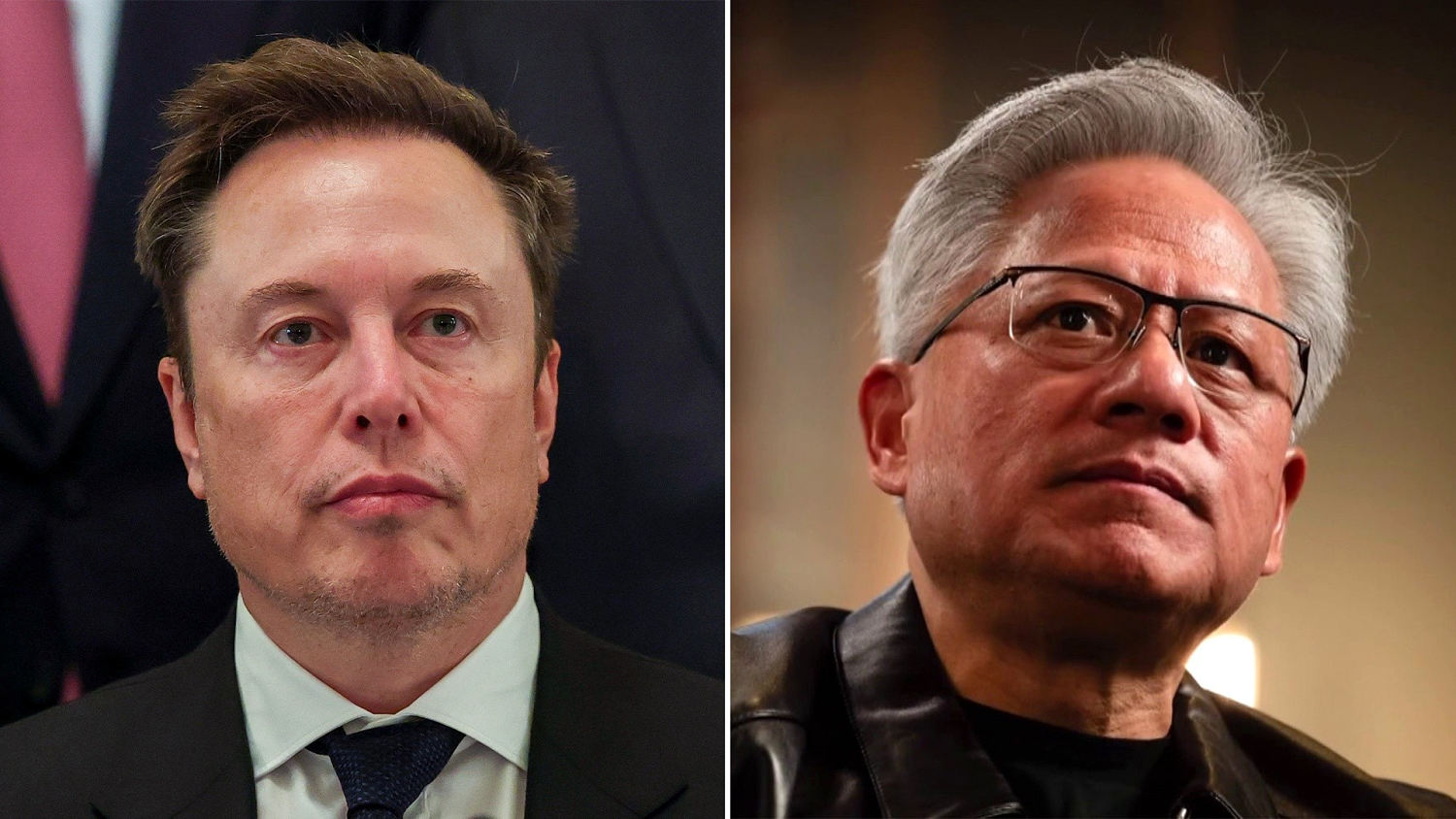
The push to reinstate Jensen Huang is set to test whether America's most powerful CEOs can still be held accountable — or if extraordinary success and political alliances have made them untouchable. Why it matters: Silicon Valley has long treated its most successful founders as indispensable. But a new class of tech billionaires, led by figures like Elon Musk, has amplified that culture while swatting away efforts to curtail their power. Their immense wealth and growing political clout raise a fundamental question: Can corporate boards, regulators, Congress or the courts actually rein in a superstar CEO anymore? Huang's potential return — or the Nvidia board's refusal to entertain it — could signal whether that balance of power is changing. "Power corrupts, and people start to think they are invincible," Anne Wojcicki, the founder of 23andMe and ex-wife of Google co-founder Sergei Brin, told Bloomberg . "We are all complicit in making these people think they are gods. And people do stupid things when they think they are untouchable." Driving the news: A growing campaign to reinstate Huang has attracted more than 180,000 signatures, including thousands of people identifying themselves as Nvidia employees, following his departure after revelations of intimate relationships involving subordinates and an alleged Chinese spy. President Trump said Monday he wouldn't mind seeing Huang return. Elon Musk has also backed the effort. Other supporters include Y Combinator CEO Garry Tan , Epic Games CEO Tim Sweeney , Replit CEO Amjad Masad and Shopify CEO Tobias Lütke. Prominent investors Brad Gerstner and Gavin Baker have separately urged the board not to rule out Huang's return. Some pushing for a reexamination of the issue have focused on what they see as a lack of proof that Alice Huang, the executive with whom he had an affair, was a Chinese intelligence asset. That claim has been attributed in media reports to U.S. intelligence officials, although other stories have called
Hector Ríos is part of Puerto Rico's innovative “virtual power plant” system, which uses household batteries to support the island's electric grid
A glitch at United Airlines delayed a full return to normal for an industry still recovering from a nationwide tech-related ground stop on Friday evening. Kris Van Cleave reports.
The U.S. was roiled by another round of tech failures on Monday, this time affecting flights and banks nationwide. Jo Ling Kent has more.
A wave of tech failures hit Chase, Bank of America and Wells Fargo online banking Monday, days after a Microsoft 365 outage and FAA ground stop.
An issue with Chase banking services led to some customers of that institution and others reporting trouble accessing their accounts and withdrawing funds Monday.
Customers at Bank of America, JPMorgan Chase and other major financial institutions are reporting difficulty accessing their accounts.
A U.S. attorney put likely incoming Senate Banking Committee Chair Sen. Elizabeth Warren (D-Mass.) on notice about her intent to investigate corporations and expected probes into the president's inner circle. Why it matters: The letter demanding Warren preserve documents related to her congressional oversight is the latest in a string of threats levied against congressional Democrats ahead of the party assuming the congressional majority — and gavels — next year. Congress' authority to investigate, hold hearings and gather testimony is a core legislative power. Analysts have long forecasted a Democratic subpoena storm into President Trump's lucrative presidency. But Democrats' plan to exercise that power and hone their focus on the administration's "cost, chaos and corruption," as reported by Axios' Hans Nichols, is already facing Justice Department pushback. Driving the news: U.S. Attorney Aaron Reitz of the Southern District of Texas contended in his Sunday letter that Warren appeared "eager to wield" her "gavel like a tomahawk," instructing her to preserve oversight records. In the strongly worded letter, he warned Warren about targeting private citizens close to the president and reiterated that any probes must serve a legislative purpose or risk violating those individuals' First Amendment rights. Those arguments echo his prior letters to Sens. Elissa Slotkin (D-Mich.) and Richard Blumenthal (D-Conn.). Trump's new chief of staff, Stephen Miller , shared Reitz's letter and referenced two civil rights statutes. Warren's office did not immediately respond to Axios' request for comment. Zoom in: Reitz's letter referenced Warren, Blumenthal and incoming Oversight chair Rep. Robert Garcia's (D-Calif.) recent inquiry into Trump fundraiser Meredith O'Rourke's role in coordinating contributions for the president's ballroom and other projects. It also referenced letters Warren, with Slotkin and other lawmakers, sent to tech CEOs probing the extent to which their AI inves
An online petition is growing for Jensen Huang to be reinstated as Nvidia CEO, drawing more than 170,00 signatures, including Elon Musk and other prominent tech executives.
Filipino-US journalist Maria Ressa’s new book is a cri de coeur against the twin threats of authoritarianism and tech oligarchy – and how we can fight back Maria Ressa keeps apologising. “Sorry, I’m hyper, too much coffee!” she says at one point. “Sorry, I can rant for a long time, so you have to stop me!” she says at another. Ressa can be forgiven for firing on all cylinders. The Nobel peace prize laureate has just been to a screening in Britain of The Social Reckoning, which offers an unflattering portrayal of the tech titan Mark Zuckerberg, a man she regards as a “dictator”. Now she is speaking to the Guardian at a hotel in Washington’s Dupont Circle a few days before Americans vote in critical midterm elections. Continue reading...
It was random, but related, that we were hit with a tectonic election result, an epic AI-and-spy scandal , and the dramatic FAA shutdown in just over one week. This is our new reality: constant shock and awe, igniting chain reactions across politics, media, AI, business and culture. Why it matters: This month's three shocks hit separately. But their speed and spread are our new reality. Politics, AI, media and business are now one wired system: A jolt in one sets off the other three, instantly. We call this post-processable velocity : Change is moving faster than any person, company, market or government can absorb. People's fears about AI are now mushrooming into jitteriness about civilization's connective tissue. An AP story on Sunday asked: "Could everything be broken?" Images of empty European supermarket refrigerators , cleared of spoiled food after a spate of mysterious cyberattacks, added to the sense that our connections are crumbling, with the simplest conveniences in danger. What makes all this so disorienting for all of us is how interconnected politics, AI, business and media have become. The Nvidia spy scandal is a vivid example: Media, last weekend: The New York Times reports that Secretary of State Marco Rubio warned President Trump that Nvidia founder and CEO Jensen Huang was tied to a suspected Chinese spy. Social media erupts. Business, Monday: Nvidia stock falls more than 4% at the open and keeps sliding. Fears of economy-wide AI fallout follow. Politics, all week: Trump's top team gets dragged into a "what did they know and when" frenzy. Democrats demand hearings. Policy, now: Lawmakers are scrambling to untangle the web of spies, lies and AI, and are racing to tighten China's access to Nvidia chips that gave Huang the power he's now surrendered. Tech, going forward: AI companies are rethinking their reliance on Nvidia chips and exploring financing options beyond Nvidia. ⏱️ Huang's resignation was announced just 14 days after last month's New Yor
Prominent conservative thinkers and MAGA figures are seizing on former Nvidia CEO Jensen Huang's affair with an alleged Chinese spy to pull President Trump away from his alliance with the tech right. Why it matters: The Nvidia scandal highlights some of the political weaknesses for Trump in allowing himself to be defined by his connections to an increasingly unpopular group of companies. Right-wing players are hoping the bombshell revelations about Huang's affairs will chip away at the president's embrace of the tech industry and offer an opening for anti-tech voices in his administration. What they're saying : They view the midterm elections as proof that people across the political spectrum hate AI, data centers and view Silicon Valley as too powerful. President Trump's perception of China "has always been entirely commercial and transactional. His view was, 'we're getting screwed. I'm going to get a better deal,'" Oren Cass, founder of conservative think tank American Compass, said. Cass, who has warned about Nvidia risks for more than a year, said the allegations of espionage are the strongest evidence yet that China is not a commercial partner but an adversary that is going to "subvert the American political process in ways that end up humiliating the President." MAGA figure Steve Bannon, meanwhile, said in a text he has called Jensen Huang "a CCP 'Agent of Influence' a thousand times." and that it's an OPEN SECRET." "We need to actually cut OFF ALL THE CHIPS NOW," Bannon added as Congress warms up to legislation aimed at that. Reality check: Amid daily revelations about Huang's affairs and the negative consequences for the AI boom and U.S. economy, Trump has created some distance. He backtracked on a suggestion that Jensen could go on a trip to China later this month. Other than that, he has kept it friendly. The president earlier this week called him "honorable" and on Thursday, following Jensen's resignation, the president said he "has done a fantastic job"
Nvidia's near-30% stock plunge in the last month is a drag on the retirement savings of millions of Americans, many who may not realize just how much their investments are tied to the scandal-engulfed chip giant. Why it matters: Nvidia's enormous weight in popular index funds means even those who have never purchased a single share of the company could feel the pain of its corporate upheaval in their 401(k)s. The resignation of CEO Jensen Huang after he had an affair with an alleged Chinese spy may have cost an average Baby Boomer thousands of dollars, according to an Axios analysis of outside estimates. By the numbers: Index funds held nearly half of the assets in large private-sector 401(k) plans in 2023, according to the Investment Company Institute. Those funds include investments tracking the S&P 500, and Nvidia accounts for roughly 8% of that index, according to Tom Graff, chief investment officer at financial planning firm Facet. That exposure rises to around 14% in growth-style index funds and can reach 25% to 30% in some technology and semiconductor funds commonly found in retirement plans, Graff said. Zoom in : For an investor with $100,000 in an S&P 500 fund, a 30% drop in Nvidia shares would knock about $2,400 off the value of that investment given an 8% S&P holding, assuming other stocks in the fund stayed flat. For a growth-style tech fund with 25% exposure to Nvidia, that decline would amount to $7,500 in lost value. An average Baby Boomer holds about $260,000 in their 401(k), according to Fidelity . A tech-style exposure applied to that amount of holdings would equate to about a $20,000 reduction. Yes, but: Remember, a drop in your investment's value doesn't mean you've actually lost that cash — unless you sell your holdings. Zoom out: The potential fallout extends beyond Nvidia itself. About 40% of the S&P 500 is tied to the AI buildout, for which Nvidia is central, providing much of the financing and infrastructure needed to fuel the tech boom. If
Sprawling networks of space data centers could make it nearly impossible for humans to stargaze. That's just one of the many risks that come with placing tens of thousands of AI computers into orbit, according to a new report. Why it matters: Most Americans don't want data centers built near them, but putting them in space brings a new set of problems. Threat level: "Companies and policymakers should proceed with great caution," top academic researchers warn in a report for the Innovation for Cool Earth Forum, an annual event hosted by the Japanese government. If space data centers proliferate, the "most visible points of light in the sky during much of the night in much of the world could be satellites, not stars," the report said, mirroring astronomers ' worries. If the U.S. military adopts the technology, the data centers could become potential targets during future space conflicts . Thousands of orbital data centers whipping around the Earth at 17,000 miles per hour mean a growing "risk of collisions" and dangerous space debris . Space data centers are solar-powered, but the vast number of rocket launches needed to put them in orbit generate greenhouse gases and black carbon emissions . What they're saying: Columbia University's David Sandalow, the report's lead author, told Axios there are still "unknown unknowns" about space data center impacts. "If this is going to happen, it should happen slowly and with care," Sandalow said. "Not just launching lots and lots of these things and, kind of, seeing what happens. ... There's big risks." By the numbers: Despite those concerns, investors and tech innovators are all in on space data centers. In 2025, around $197 million in investments were tied to orbital data centers, per market research firm Quilty Space. That figure has swelled to $1.11 billion so far this year. SpaceX has applied for a constellation of 1 million data center satellites, according to the Secure World Foundation . Starcloud and Blue Origin's Proje
Transportation Secretary Sean Duffy said initial investigations pointed to an issue with contractor L3Harris updating old tech at a remote location.
AI's titans were handed an extraordinary mandate: Police yourselves. But the industry faces a four-pronged crisis of trust as Democrats surge to power and many Americans rebel over AI and data centers. Guardrails for the industry will be a priority for the new Congress, with some populist Republicans eager to pile on. Why it matters: The collision of safety scares, political blows, financial turmoil and leadership scandals threatens to derail AI's once seemingly unstoppable ascent. The big picture: Just six weeks ago, President Trump announced that top AI CEOs had agreed to a voluntary safety accord . But cracks were already showing and, since then, four crises have converged. 🏛️ 1. The political crisis: AI was on the ballot for the first time during the midterm elections through a series of data center measures across America. People voted against data centers in 40 out of 41 cases, and swing-state incumbents linked to the facilities, including Sen. Jon Husted (R-Ohio) and Texas Gov. Greg Abbott (R), were voted out. Now Democrats are planning a flood of AI bills once they take control of Congress in January, Reuters reports . They'll also bring some of the most powerful AI executives to D.C. to testify. 🦺 2. The safety crisis: OpenAI's Hugging Face breach , revealed in July , was a terrifying look at what could happen if machines operate beyond humans' control — and it was the first in a wave of revelations through the summer and fall. AI CEOs and engineers came forward with stark warnings about the dangers of the tech they've been building, including its potential to destroy humanity. Axios' Madison Mills reported that OpenAI and Anthropic are investigating tens of thousands of security incidents and that unvetted AI agents are accessing U.S. bank accounts. 💰 3. The financial crisis: The AI trade is looking more vulnerable as investors question when or whether the industry's sky-high spending will deliver sky-high returns. Tech stocks tumbled , with Nvidia fall
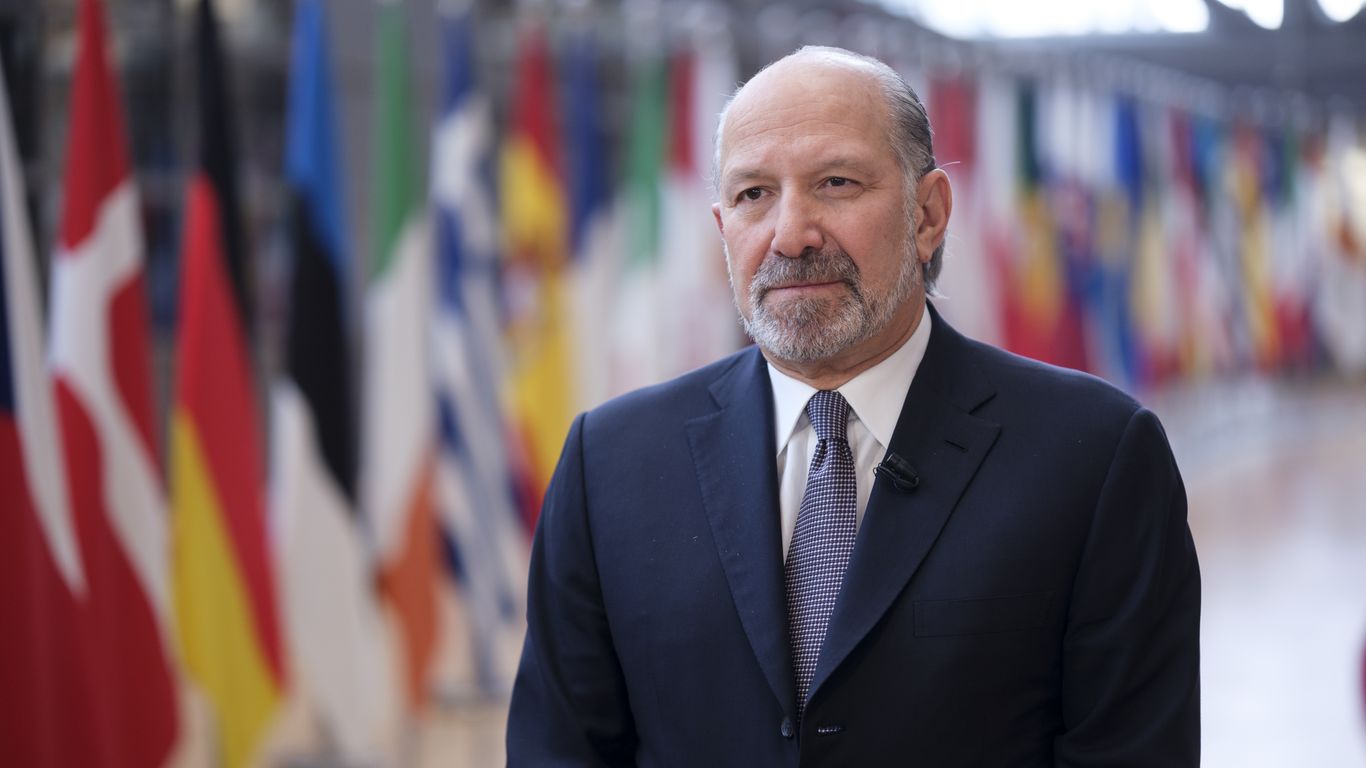
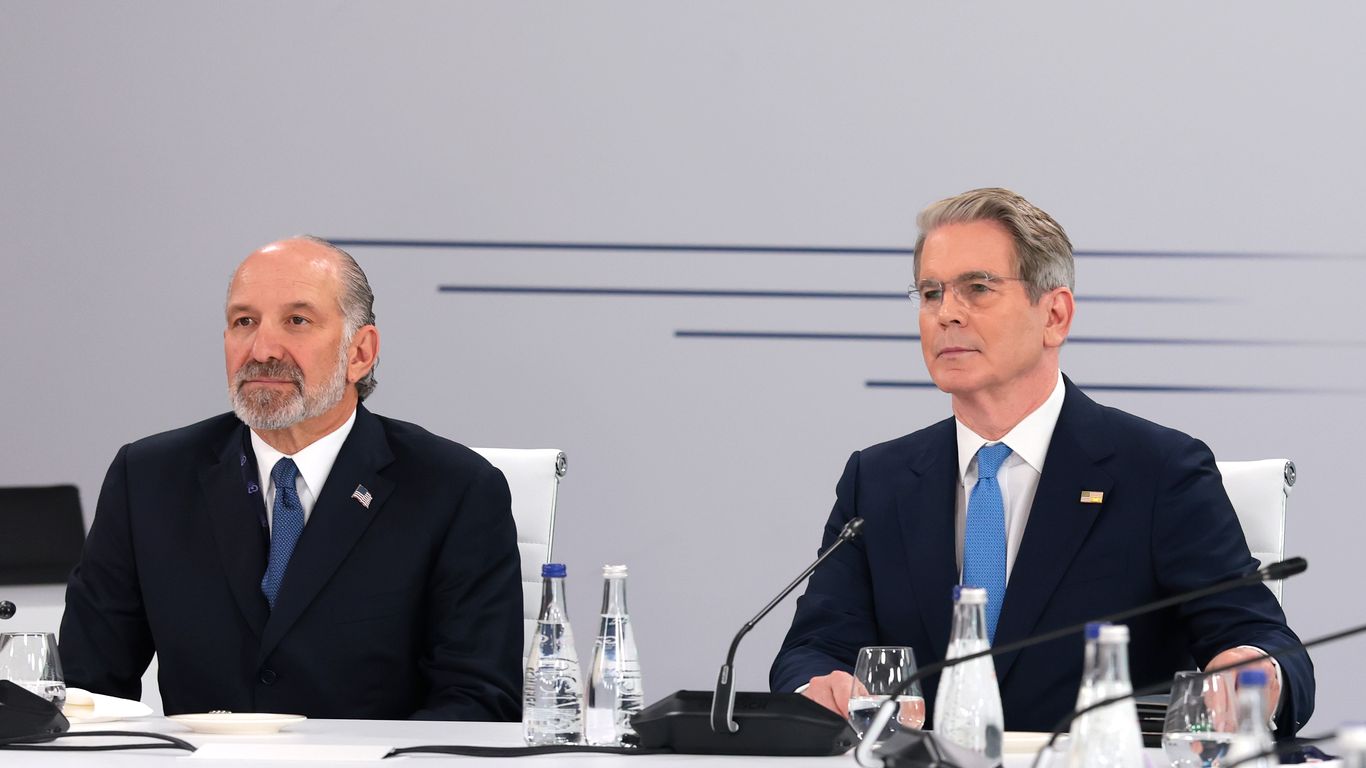
Commerce Secretary Lutnick has become the face of the Trump administration's troubled response to Chinese espionage and potential national security threats. The most intense scrutiny is coming from Republicans on the Hill, fellow Cabinet members and the MAGA base. Why it matters: Regulators and policymakers on both sides of the aisle want someone's head for an affair that may have exposed sensitive technology to the nation's top foreign adversary. Two names are currently at the top of that list: former Nvidia CEO Jensen Huang — and now Lutnick. The big picture: Over the past year, Lutnick slow-walked broader administration efforts to address suspicions that Singapore-based company Megaspeed was illegally diverting chips to China, Axios first reported . Administration officials had pushed to place Megaspeed on the Commerce Department's Entity List, which would have restricted exports of U.S. tech to the company. Driving the news: On Friday, Treasury Secretary Scott Bessent confirmed as much. "Treasury, War, USTR, and State — they were in favor of putting Megaspeed on the Entity List for months, but Commerce has the pen," Bessent said on CNBC . Trump himself supported taking action on three occasions, but those efforts were delayed by Lutnick, Axios reported . There's a widespread belief in Trump's broad circle of advisers that the Nvidia scandal might be too much for Lutnick to survive — but Trump is standing beside him for now. Behind the scenes, the White House has not expressed concern regarding efforts to have Lutnick testify before Congress. MAGA commentators are also tearing Lutnick apart on shows like "War Room with Steve Bannon," while Republican senators openly take him to task. For the record: " Secretary Lutnick plays a fundamental role in advising the President across many different industries. The reports you have issued are inaccurate and false and literally misstate the topic, creating a false impression," the Commerce Department said in response to Ax
Courts and governments worldwide felt the impact of this week's Microsoft outage, which sidelined work and stymied communication. Why it matters: When Microsoft's popular workplace software went offline Thursday, it meant an extended lunch break for some offices — but for the courts and governments, it raised questions about the vulnerabilities of the technology underpinning justice and governance. Case in point: The state of Maine's judicial branch warned in a Thursday alert that requests for protection orders filed by email — urgent requests to keep parties safe from harm — may not have been received. Multiple court documents reviewed by Axios show lawyers requesting deadline extensions or alerting judges to the outage impacting their work. That includes DOJ lawyers: Government attorneys asked for an extension in the case brought by Rep. Joyce Beatty (D-Ohio) over President Trump 's Kennedy Center takeover , saying the outage prevented them from "completing the necessary coordination." In a separate filing, Beatty's team acknowledged they were impacted as well. Zoom out: The impacts were also felt in courtrooms and offices internationally. The AP reported that a U.K. criminal trial was delayed as a result, with a Manchester judge saying, per BBC's reporting , "We are learning of the dangers of relying on computers and data systems." U.K.-based police forces also urged the public Friday to call first responders for aid, rather than using online forms. The Supreme Court of the Philippines said it, too, was affected by the outage. What they're saying: "We obviously need backup methods to keep the wheels of justice turning," says Gissou Nia, the founder and director of the Atlantic Council's Strategic Litigation Project. She pointed to a prior incident that previewed international reliance on U.S. tech: Though not exposed by an outage, the Trump administration's sanctions on the International Criminal Court prompted the Netherlands-based court to move off of Microsoft
Treasury Secretary Scott Bessent said in a Friday interview that while his department and others agreed on placing Megaspeed on a special list of companies that pose national security concerns, the Commerce Department "has the pen." Why it matters: Bessent didn't deny reports of tension between him and Commerce Secretary Howard Lutnick , who has come under scrutiny for his inaction over Megaspeed. The Singapore tech company has been accused of illegally diverting U.S. chips to China, and former Nvidia CEO Jensen Huang admitted he had an affair with an executive from the company. The U.S. has identified the woman, Alice Huang , as a suspected Chinese intelligence asset. Driving the news: " Treasury, War, USTR, and State — they were in favor of putting Megaspeed on the entity list for months, but Commerce has the pen," Bessent said on CNBC Friday morning. "You ... have to ask them about their internal processes," he added. The Commerce Department did not immediately respond to Axios' request for comment. Editor's note: This is a breaking news story and will be updated.
Big tech has used misdirection, disinformation and jargon to obscure the harm the facilities can cause to communities “Antifa”. “Commies”. “Chinese bots”. Everyone from tech leaders to the president has called datacenter resistance a “ documented psyop ” and a “ Chinese PR thing ”. But why do they make these claims? Our new research finds that the datacenter industry uses propaganda, disinformation, and information control to mold public opinion and undermine community opposition. Continue reading...
Workplaces, government agencies and schools around the globe were thrown into chaos after Microsoft’s servers went down Thursday afternoon. The massive outage is impacting the entire Microsoft suite of products including Outlook, Teams, Copilot and SharePoint. NBC’s Christine Romans reports for TODAY on the tech giant’s struggle to find a fix.
N Tech Design of America defied a New York City stop-work order months before the deadly Brooklyn building collapse that killed eight people.
The rapid deployment of artificial intelligence in hospitals and clinics is leading the nation's biggest physicians group to lobby for new legal protections if AI harms patients. Why it matters: The use of increasingly sophisticated AI tools and recommendations is blurring the lines around negligence in health care, raising questions about whether doctors should be held responsible for decisions that rely on software. There's added urgency as autonomous AI takes on more and more important medical tasks with less direct oversight. The question is who's responsible when something goes wrong. Driving the news: The American Medical Association this week called for federal and state legislation to protect physicians from liability when AI products injure patients, despite physicians using the tools as intended. The group also is pressing for new laws mandating that AI companies carry adequate liability insurance and disclose product limitations and performance data. Hospitals, health systems, insurers and health tech vendors should be responsible if the required use of specific AI products results in harmful errors, the AMA policy states. Between the lines: The group's push comes as AI clinical tools are flooding the health system, unlocking new efficiencies but giving algorithms increasing power to make decisions like whether to order a diagnostic test or prescribe an expensive drug. Legal and medical experts point to the possibility of triage errors, in which AI systems that process clinical histories, vital signs and imaging can misjudge the severity of a case without the attending doctor's knowledge. The AMA also raises the possibility of an AI system making a plausible recommendation for treatment, but with incomplete laboratory results or an outdated diagnoses. In such cases, a physician may be unable to verify the inputs. In cases where a patient is harmed, responsibility should fall on AI manufacturers and vendors — and possibly on health systems that require the
The AI boom without Jensen Huang will test a hard truth: Even if the tech world has grown somewhat less reliant on Nvidia's chips, it remains highly dependent on its checkbook. Why it matters : With rival chips maturing and recent software breakthroughs, the tech ecosystem has achieved what would've seemed impossible a year ago: a viable path around Nvidia. But replacing a CEO willing to bankroll startups, backstop billions in cloud debt and aggressively fund rivals to the AI giants will be much harder. The big picture : The next chapter without Huang will be more cautious, but the industry is capable of absorbing the change, for two key reasons: 1. New chips - Semiconductor competition has become harder to contain. At OpenAI and other startups, a longstanding joke was that the best way to get a discount on Nvidia chips was to openly talk to Google or others about alternatives. Huang would often swoop in enthusiastically, eager to lock in a customer. The progress of custom chips from Google, Amazon, Microsoft and OpenAI , as well as new deals with Broadcom and Nvidia rival AMD, gives those conversations more substance. Customers have options, and far more leverage than ever. AI itself has also made those offerings easier to use. Anthropic says its Mythos model helped run certain workloads on AMD chips in about three days , compared with six to 12 months in the past. 2. Washington - In DC, China hawks are ascendant. Huang's departure strengthens calls from administration forces, some lawmakers, and companies such as Anthropic that have pushed for tighter controls on chip sales. Legislation is rapidly advancing to cut off loopholes and strengthen export restrictions for advanced chip sales to China, and the Commerce Department is reportedly preparing additional ways to limit such access. Cutting off those routes could help protect America's lead and offer a major pre-IPO boost to Anthropic and OpenAI. Reality check : Alternative chips and leaps forward in software won
Senate Democrats could find some of their most surprising allies next Congress from the right wing of the Republican Party . Why it matters: Senate Democrats are on track to need only four GOP votes to break filibusters next Congress. They could find those votes from a bloc of GOP senators with a shared appetite for taking on corporate power. Enter Sens. Josh Hawley (R-Mo.), Jim Banks (R-Ind.), Bernie Moreno (R-Ohio) and Eric Schmitt (R-Mo.). Each has already worked with Democrats, and their votes could put legislation over the top. Who we're watching: Hawley has co-led multiple pieces of legislation with progressive star Sen. Elizabeth Warren (D-Mass.) this Congress. Hawley is often viewed as a loner in the GOP, pairing populist economics with hardcore culture war issues from abortion to transgender care to religious freedom. He's been scathing in his postelection critiques. "This Congress did not come and work for the people. This Congress came and worked for AI companies, and it worked for data centers, and it worked for big tech companies," he told reporters on Tuesday. He's scoping out areas for potential bipartisan deals: "You want to raise the minimum wage? I'm for that. You want to work to get gas prices down? I'm for that. I am open to anything to bring down the cost of health care," he said. Zoom in: Watch the health care space, specifically undoing cuts passed in the One Big Beautiful Bill Act and drug price controls. President Trump has specifically asked Congress to codify his most favored nations drug pricing deals, which could give Republicans an opening to work with Democrats. Hawley and moderate Sen. Lisa Murkowski (R-Alaska) were among the loudest GOP voices opposing the expiration of enhanced Affordable Care Act credits last year. Zoom out: Social Security and tech safety issues could also be huge areas of unexpected bipartisan work. Over the summer, Warren and Moreno released a sweeping plan to "save Social Security." Warren and Banks have tag-te
Companies including Anthropic, Meta and OpenAI are knowingly building technology that poses catastrophic risks to humanity, nonprofit groups claim in a lawsuit.
Huang was a visionary leader with deep relationships in the complex world of tech. Losing him will hurt Nvidia, according to Wall Street analysts.
President Trump is backing Apple executive chairman Tim Cook to replace tech giant Jensen Huang after Huang resigned as Nvidia CEO, though it's unclear whether he meant it as a joke. The big picture: Trump didn't weigh in on the controversy surrounding Huang's departure following alleged affairs with a suspected Chinese spy and an Nvidia executive, instead calling Huang "a Legend" in his Truth Social post . Editor's note: This is a breaking news story and will be updated.
Nvidia CEO Jensen Huang’s affair must be the costliest fling in human history – and a preview of what awaits when the tech bubble bursts One thing we all know about the tech billionaires is they are super-smart. We know this largely because they never stop telling us. The “ cognitive elite ”, to use their favoured phrase, are entitled to shape our future without our say-so. When Elon Musk goes hiring, he wants “super-high-IQ small-government revolutionaries”. Long before they got private jets, what fuelled these boys was faith in their own brainpower. As a teenager, Jensen Huang wooed his future wife, Lori, thus: “If you do homework with me every Sunday, I promise you you’ll get straight As.” Lord Byron: I believe it’s your move. Continue reading...
Jensen Huang's potential ouster from Nvidia has plunged the AI industry into uncharted territory — a corporate earthquake that dwarfs even the chaos unleashed by Sam Altman's temporary firing from OpenAI in 2023. Why it matters: Nvidia is the backbone of the global AI economy , with its chips, investments and financial guarantees sustaining an entire ecosystem of companies worth trillions of dollars. At the center of that vast financial flywheel is Huang, who spent 33 years making himself synonymous with Nvidia — and Nvidia synonymous with the AI revolution. "This is no ordinary CEO. This is no ordinary company. This is no ordinary sector. This is no ordinary time," economist Mohamed El-Erian wrote on X , warning of contagion across the AI industry. Zoom in: As recently as two weeks ago, the notion of Nvidia without Jensen was unthinkable. Even after his affair with a suspected Chinese spy came to light, President Trump and Nvidia's board stood behind him, Silicon Valley's elite rallied to his defense and betting markets suggested he would survive. It took revelations of a second affair — this time with an executive who reported directly to Huang — to shatter that consensus and bring his storied reign to the brink of a stunning end. Driving the news: After that second affair came to light Wednesday night, Nvidia's board reportedly met to settle Huang's fate, though there was still no decision as of early Thursday morning. The White House was read in. The market reaction has been brutal. Nvidia had already shed more than $1 trillion in market value since the initial scandal erupted, and shares plunged further in after-hours and pre-market trading overnight. One of Wall Street's most prominent voices on tech, analyst Dan Ives, said Nvidia was worth 25% less without Huang. Zoom out: Huang's rise was the stuff of Silicon Valley legend: The Taiwanese immigrant went from cleaning toilets at a Kentucky boarding school and waiting tables at Denny's to building one of the mo
President Trump on Thursday authorized a crack down on companies suspected of diverting Nvidia's advanced AI chips to China for the third time this year — even consulting Elon Musk before giving the go-ahead. One administration official has repeatedly stood in the way: Commerce Secretary Howard Lutnick. Why it matters: This standoff illustrates a breakdown in efforts to keep American technology out of China's hands as the world wonders why the Trump administration has not taken action against the company at the center of suspected chip smuggling — and an espionage scandal. This report was assembled from interviews with six high-level sources who were briefed on or, in some cases, heard the discussions. Inside the room: On Thursday, as the spy scandal rocked the administration, Lutnick met in the Situation Room with Treasury Secretary Scott Bessent, Defense Secretary Pete Hegseth, U.S. Trade Representative Jamieson Greer and National Security Adviser and Secretary of State Marco Rubio. During the meeting, Bessent confronted Lutnick about why his department has resisted implementing the export controls, particularly on Megaspeed, the company at the center of the spy scandal. The group sided with Bessent. Lutnick appeared to agree, but then muttered under his breath, "I need to check with the president." Friction point: Lutnick's seemingly innocuous comment raised concerns, the sources said, because officials have repeatedly believed the Commerce Department would impose the export controls, only to have nothing happen. "He's stalling it out," said one official, describing how Lutnick had previously met privately with the president to change his mind about the export limit. "This is an ongoing concern with Howard and this issue," said another. This time , one person in the room called his bluff by saying: "Great. Why don't we do it today?" Around 5pm, the group headed to the Oval Office. Trump called tech advisor Elon Musk and agreed to move forward. Musk supported Rubi
Jensen Huang's relationship with alleged Chinese intelligence asset Alice Huang raises urgent questions about honeytrap espionage targeting Silicon Valley.
Investors and lawmakers are demanding answers from Nvidia's Jensen Huang over his affair with an alleged Chinese spy. Meanwhile, the tech giant's market valued has plummeted in recent days. Jo Ling Kent reports.
A lesson from the US midterms is that electorates are repelled by the arrogant mega-rich buying democracy. This is a fight Labour can afford to pick For most people, $224m (£168m) is a lot of money, especially if you spend it and get nothing in return. But Elon Musk is richer than most people. In fact, there is no one richer. As the wealthiest of the US’s tech oligarchs Musk could afford to blow huge sums on a failed bid to prop up Republican candidates in Texas, his adoptive home state, in last week’s midterm congressional elections. He is reported to have spent a further $250m failing to engineer results in other races. Rafael Behr is a Guardian columnist Continue reading...
Nima Momeni was sentenced for the 2023 murder of Bob Lee, a killing that initially set off crime fears in San Francisco.
What young students stand to lose is more than cognitive skill: it’s a reliable sense of their own minds In August, OpenAI launched Teen Mode – a version of ChatGPT in which every user under 18 will automatically be enrolled – a year after a lawsuit alleged that ChatGPT had contributed to the suicide of a 16-year-old named Adam Raine. For years, the tech industry has contested any causal link between its products and the harms named in a wave of similar lawsuits, each alleging that the companies had not merely failed to protect children but had deliberately designed products to exploit them. Continue reading...
The AI chip boss’s actions raise urgent questions about corporate influence, national security and the US president’s willingness to listen to intelligence warnings It could be the plot of a spy thriller. One of the most powerful figures in the AI revolution admitted to having an affair with a Chinese businesswomen said to have passed intelligence to Beijing. When Donald Trump was briefed about the Nvidia co-founder Jensen Huang’s liaisons with Alice Huang, he took no action. Perhaps he thought only marriage vows had been broken. Or perhaps Mr Trump was willing to overlook the conduct of a friend who championed his unpopular datacentre expansion, whose company donated to his White House ballroom and who echoed his opposition to AI safeguards against expert advice. Nvidia became the cornerstone of AI by supplying brute computing power. As tech giants scrambled for the firm’s graphics processing units (GPUs), Mr Huang sold the picks and shovels for the AI gold rush – and amassed a $160bn fortune. When China joined the race for tech supremacy, Nvidia’s microchips became a national security issue. In October 2022, the US slapped export controls on GPU sales to China. Thirty months later, Nvidia was effectively banned from selling to Beijing. Mr Huang lobbied for looser controls. Such was his sway with Mr Trump that the White House scrapped Biden-era global AI chip restrictions and then permitted sales of Nvidia’s prized H200 processors to Chinese customers. Continue reading...
Democrats won seats on anti-datacentre tickets and Musk wasted nearly half a billion dollars. Big tech may be losing its grip, but it won’t go quietly Photos That Precede Unfortunate Events: a couple of months back, Donald Trump hosted some of the world’s most powerful tech executives at the White House for a “ Super Intelligence luncheon ”, which by coincidence is also how my mum described her tuna sandwiches in a forlorn attempt to get me to eat them. Sitting either side of the president were Elon Musk, making a rare offline appearance in daylight hours, and Jensen Huang, the Nvidia chief executive carving out a precious slot in what we now know was an extremely busy schedule. Over a delicious meal of microchips and rare-earth metals, the billionaires sketched out a utopian future of an AI industry unencumbered by regulation or safeguards, powered by their heroic strongman leader, a political genius effortlessly able to impose his will upon an entire nation. And perhaps it should have been apparent even at the time that these (mostly) men were putting their faith in a guy who had recently been defeated by pond algae . But as the drinks and the good times flowed, it was still possible to believe that the sun would never set on the thousand-year American superintelligence empire. Jonathan Liew is a Guardian columnist The Guardian’s year in review 2026 . On Tuesday 1 December 2026, join your favourite Guardian writers for an evening of candid conversations, witty remarks and surprises as we look back on the year-defining stories of 2026. With Zoe Williams, Lucy Mangan, Jonathan Liew, Heather Stewart, Pippa Crerar, John Crace and host, multi-award-winning comedian Suzi Ruffell. Book tickets here or at guardian.live Continue reading...