
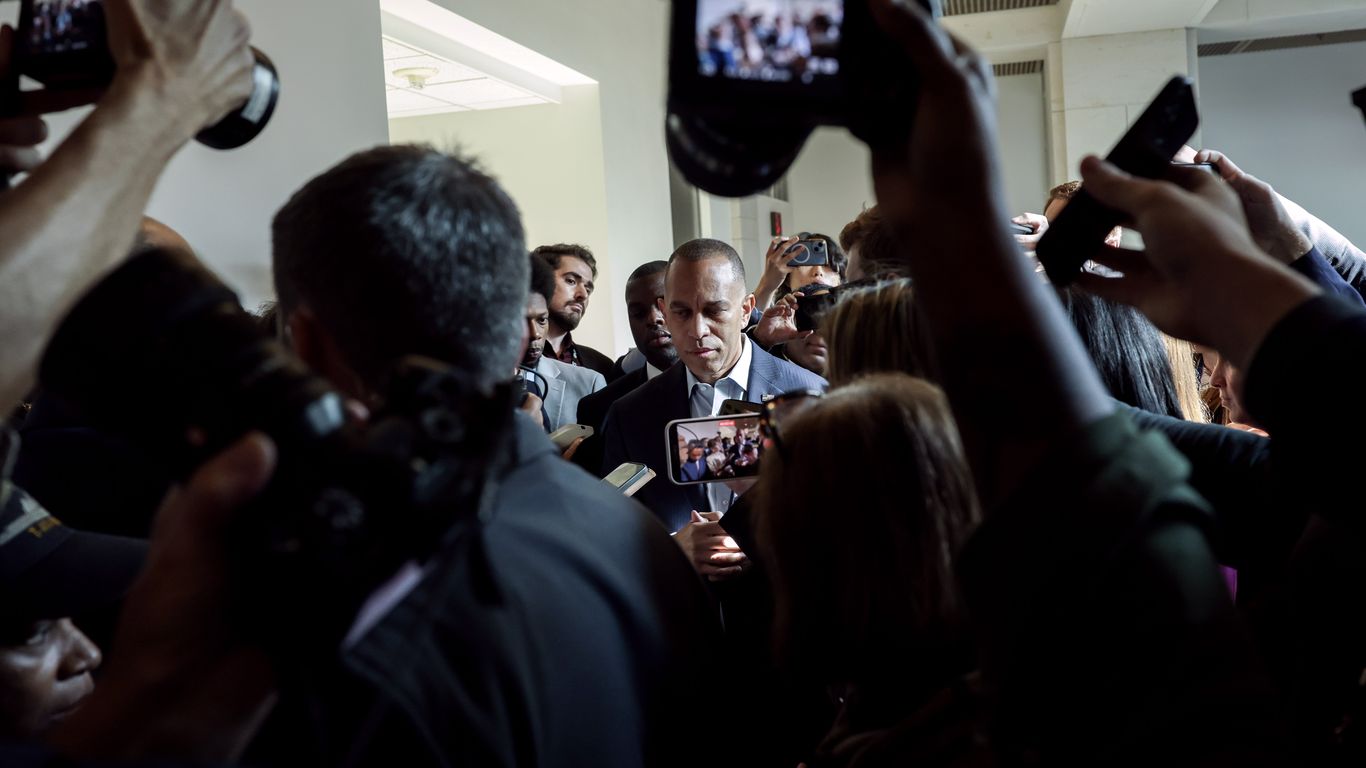
House Democrats aren't unanimous on whether House Minority Leader Hakeem Jeffries (D-N.Y.) should be speaker, but they pretty much all agree on two things: He probably will be speaker, and they just want this to be over. Why it matters: Their phones and emails are still being blown up by constituents and grassroots activists urging them to do what they can to block Jeffries from securing the speaker gavel. There isn't much Jeffries' skeptics and detractors on Capitol Hill can do: He is set to easily win his caucus' nomination on Wednesday and then be formally elected to the role on Jan. 3. Rep.-elect Jake Johnson (D-Minn.), who told Axios last week he was undecided, said Tuesday he met with Jeffries and was "assured" votes on his two key issues: Ending the Trump administration's tariffs and the war in Iran. "I'll be voting for Leader Jeffries," Johnson told Axios. State of play: The movement to deny Jeffries the speakership has proliferated online and among the progressive grassroots but has struggled to gain a foothold on Capitol Hill. A handful of members of the progressive "Bloc" — and some other newly elected members in deeply red district — have voiced skepticism of Jeffries, but only in a few cases has that evolved into outright opposition. "As of now, I'm a 'no,'" Rep.-elect Angela Gonzales-Torres (D-Calif.) told Axios on Wednesday. "The people are saying we deserve better, and better is possible." Reality check: Nobody is challenging Jeffries. Some people floated as potential potential challengers, such as Rep. Jamie Raskin (D-Md.), have firmly ruled it out . Rep. Ayanna Pressley (D-Mass.), the subject of an online petition urging her to seek the role, has privately told colleagues she is not running but been more equivocal in public. "I'm very humbled to even be in conversation," Pressley said at a town hall on Monday. She added that she was "making no declarations or announcements" at that event and does not "need to be the speaker of the House to speak fo
Results for “white house”
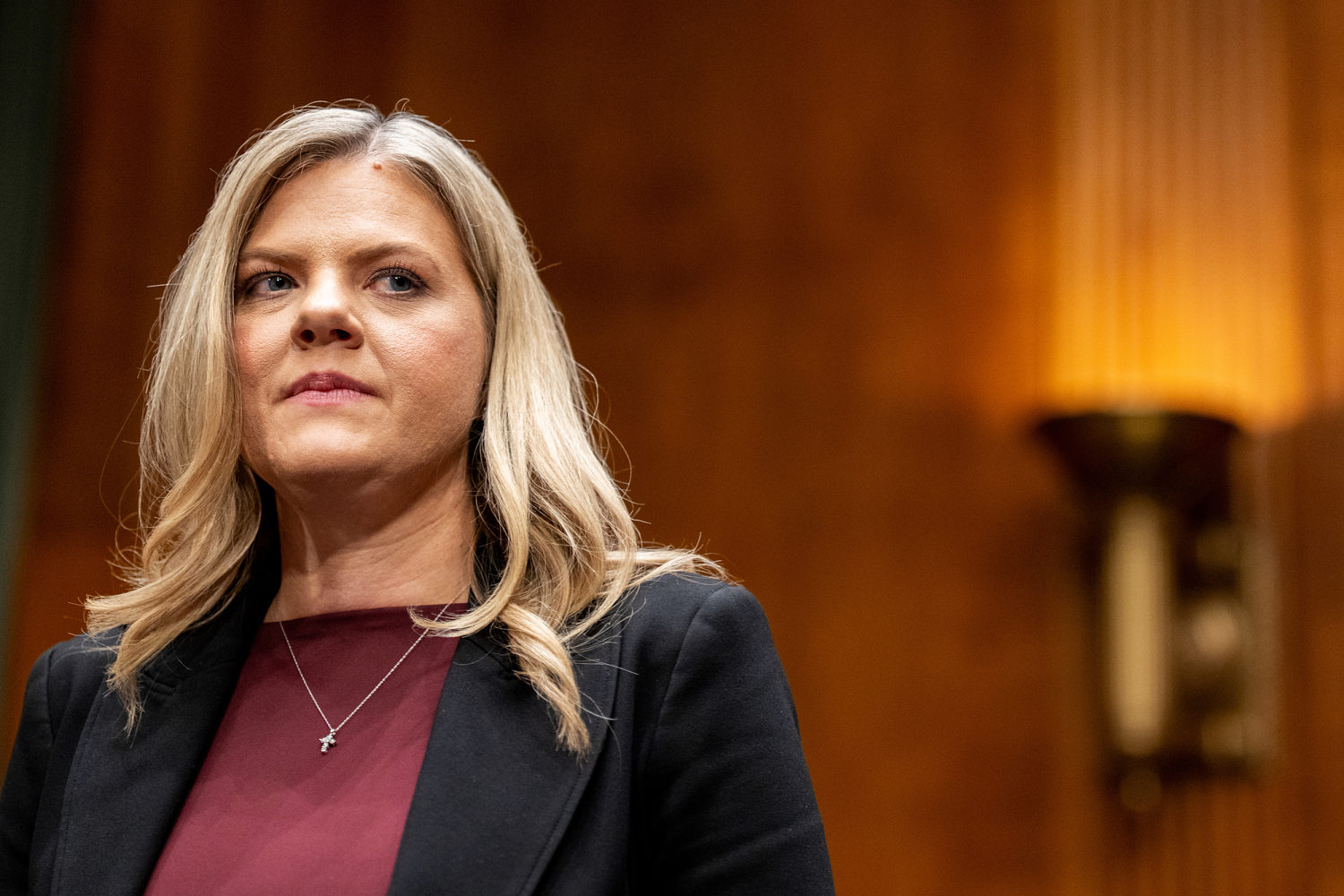
The White House is dropping Dr. Heidi Overton’s nomination to lead the Food and Drug Administration, a White House official confirmed Tuesday.
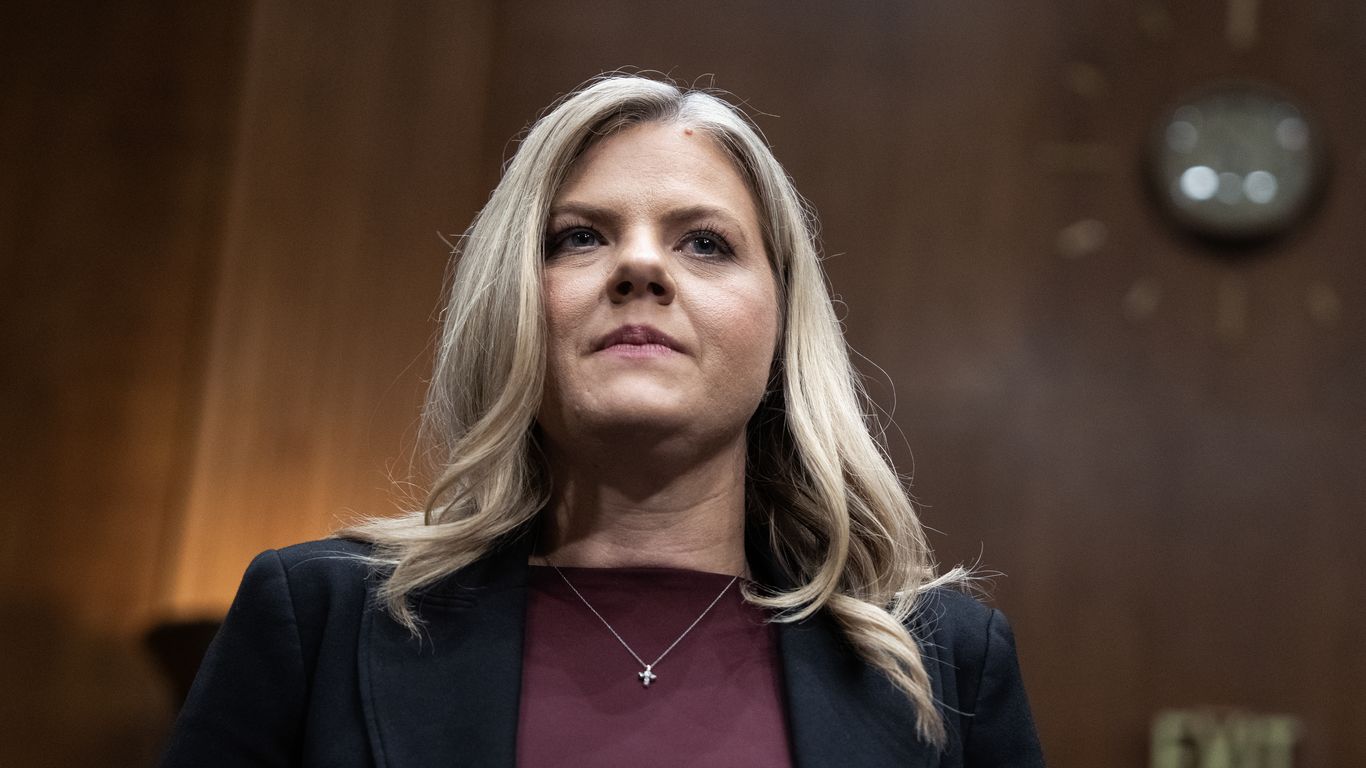
The White House is dropping Heidi Overton 's nomination to lead the Food and Drug Administration because of a lack of congressional support, Axios has learned. Why it matters: The decision means the Trump administration will have to find a new candidate to lead the FDA as HHS Secretary Robert F. Kennedy Jr. looks to advance his Make America Healthy Again agenda. "FDA nominee Heidi Overton lacks the support on the Hill to move forward with her confirmation," a senior administration official told Axios late Tuesday. The backstory: Overton, a physician and deputy director of the White House Domestic Policy Council, was nominated by Trump in August. Her nomination faced opposition from Democrats and skepticism from some Republican senators, including Sen. Bill Cassidy (R-La.), chair of the Senate's Health, Education, Labor and Pensions (HELP) Committee. Cassidy said he had "strong concerns" about Overton's role in the administration's efforts to change childhood vaccine recommendations, which he called "almost disqualifying." What they're saying: "We need to go in a new direction at FDA, and everybody fully supports Secretary Kennedy's vision to Make America Healthy Again and get back to a more populist and common-sense approach to health in America," the senior administration official said. What's next: The HELP committee had been scheduled to vote on Overton's nomination on Wednesday. The FDA has been led by acting Commissioner Kyle Diamantas since Marty Makary resigned in May. This is a breaking story and will be updated.

President Donald Trump faces criticism over service outages affecting travel, banking, and communications

NBC Selected editors tested popular e-readers from Amazon Kindle, Rakuten Kobo and more. Shop our favorite black-and-white, color and note-taking options.
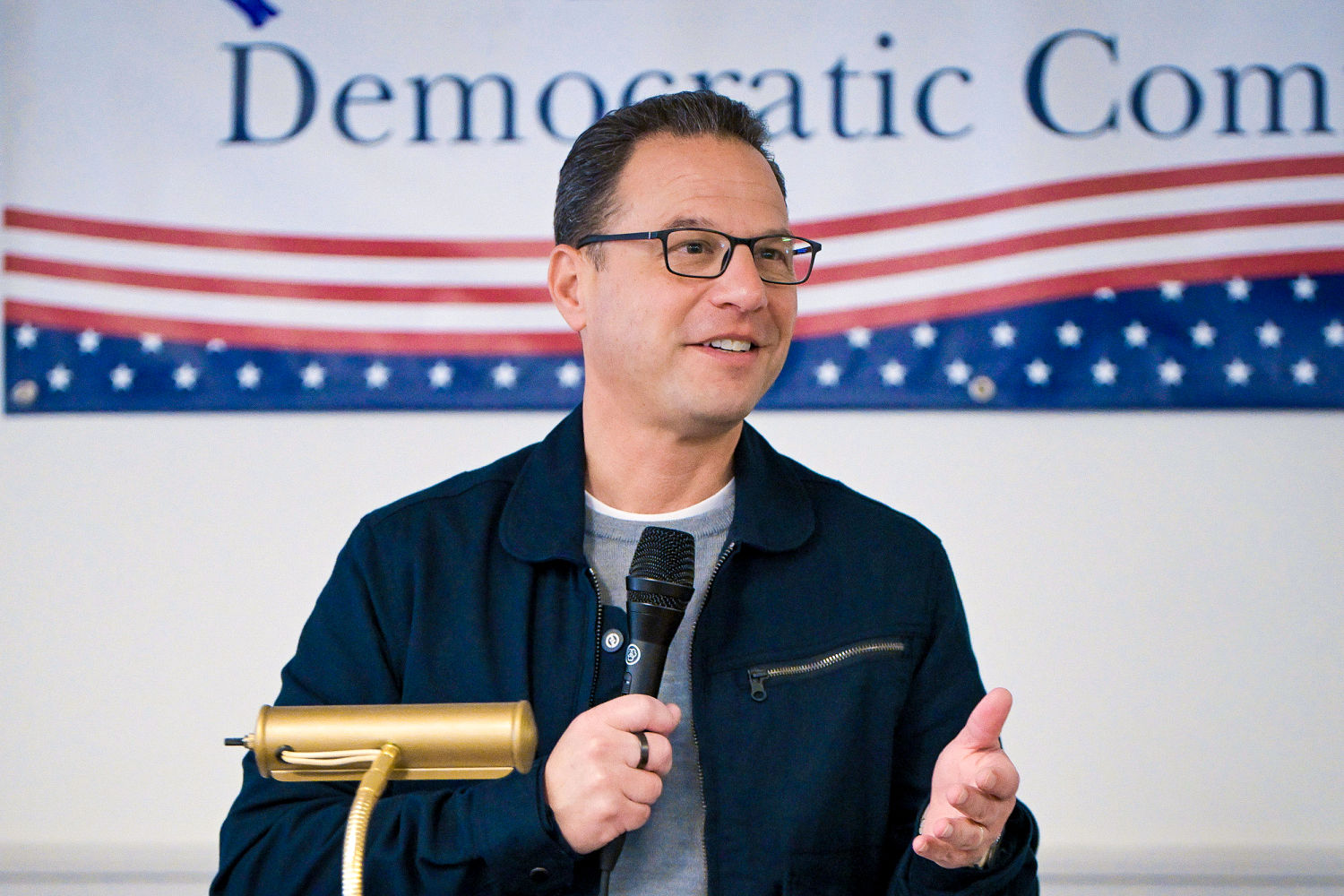
In today’s edition, Natasha Korecki files a dispatch from a recent gathering of jubilant, but forward-looking, Democrats in Denver.

The exact size of the Democratic majority in Congress was undetermined as recounts were sought in two races in North Carolina and one in Minnesota two weeks after the elections.
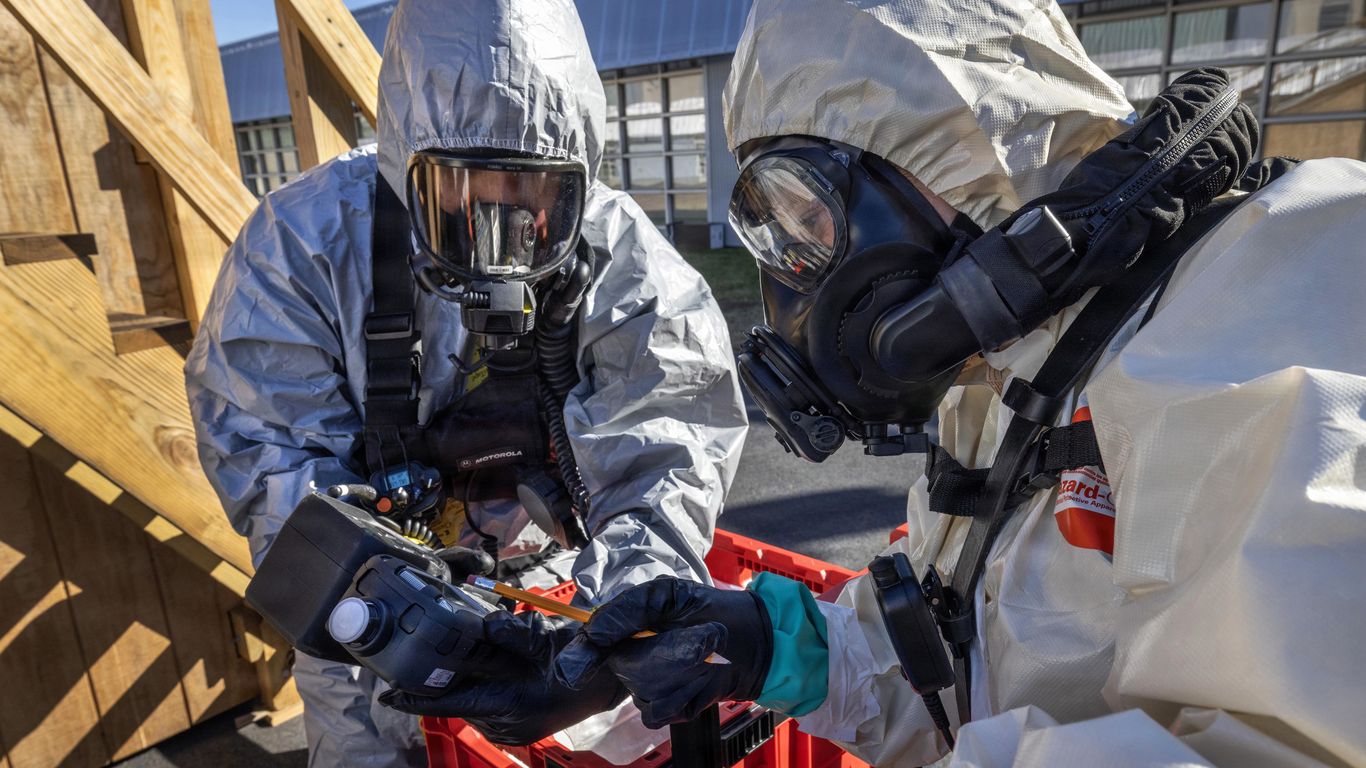
President Trump warned Iran against orchestrating a "dirty bomb" attack in Washington, D.C., though the White House says there are no credible threats. The big picture: Unlike a nuclear weapon, a "dirty bomb" uses common explosives to scatter radioactive material, potentially contaminating surrounding areas, forcing evacuations and causing widespread disruption. Driving the news: Asked Tuesday about reports of a possible Iranian dirty bomb plot in Washington, Trump said, "We're looking into it." "We take it very seriously because they happen to be crazy," he added . Trump did not say an attack was imminent: "I hope it's not." Trump warned Iran would face unprecedented consequences if it carried out an attack. Catch up quick: Trump's comments came hours after CNN reported about the threat to D.C. CNN reported that unnamed officials described Iran's attack planning as "an effort to give itself options rather than an indicator of an imminent attack." "We remain vigilant monitoring any and all potential threats, but at this time there are no credible threats to the homeland," says Lauren Bis, a White House spokeswoman. Iran has denied the allegations, with Foreign Ministry spokesman Esmaeil Baqaei calling them "baseless." Read more about dirty bombs below. What is a dirty bomb? How it works: A dirty bomb combines conventional explosives, like dynamite, with radioactive materials, according to the Centers for Disease Control and Prevention . This is much different than a nuclear bomb. A nuclear bomb splits atoms and releases a huge blast of energy. Dirty bombs spread radioactive dust, smoke or other material that contaminate, the CDC says. How dangerous is a dirty bomb? The main danger stems from the explosion itself, which, like other explosive materials, can cause serious injuries and damage, according to the Nuclear Regulatory Commission . The scope of impact would depend on the size of the bomb, NRC says, as well as the type of radioactive material and weather condit

After months of delay, Defense Secretary Pete Hegseth and the White House have sent Gen. Christopher LaNeve’s nomination for Army chief of staff to the Senate.

Jensen Huang and Nvidia general counsel Tim Teter will officially testify before Congress in early December, lawmakers announced Tuesday. Why it matters: Lawmakers are seeking answers about whether Nvidia's powerful AI chips were compromised by Chinese intelligence and whether the company did enough to protect sensitive American technology. Huang and Teter will participate in transcribed, closed-door interviews with the House Foreign Affairs, Intelligence and China select committees. What they're saying: "We look forward to hearing from Jensen Huang and Tim Teter on their roles in a potential breach of our national security," said the chairman of those committees in a release . What's next: Huang will appear before the committees on Dec. 1, and Teter will appear on Dec. 2. Editor's note: This is breaking news and will be updated.
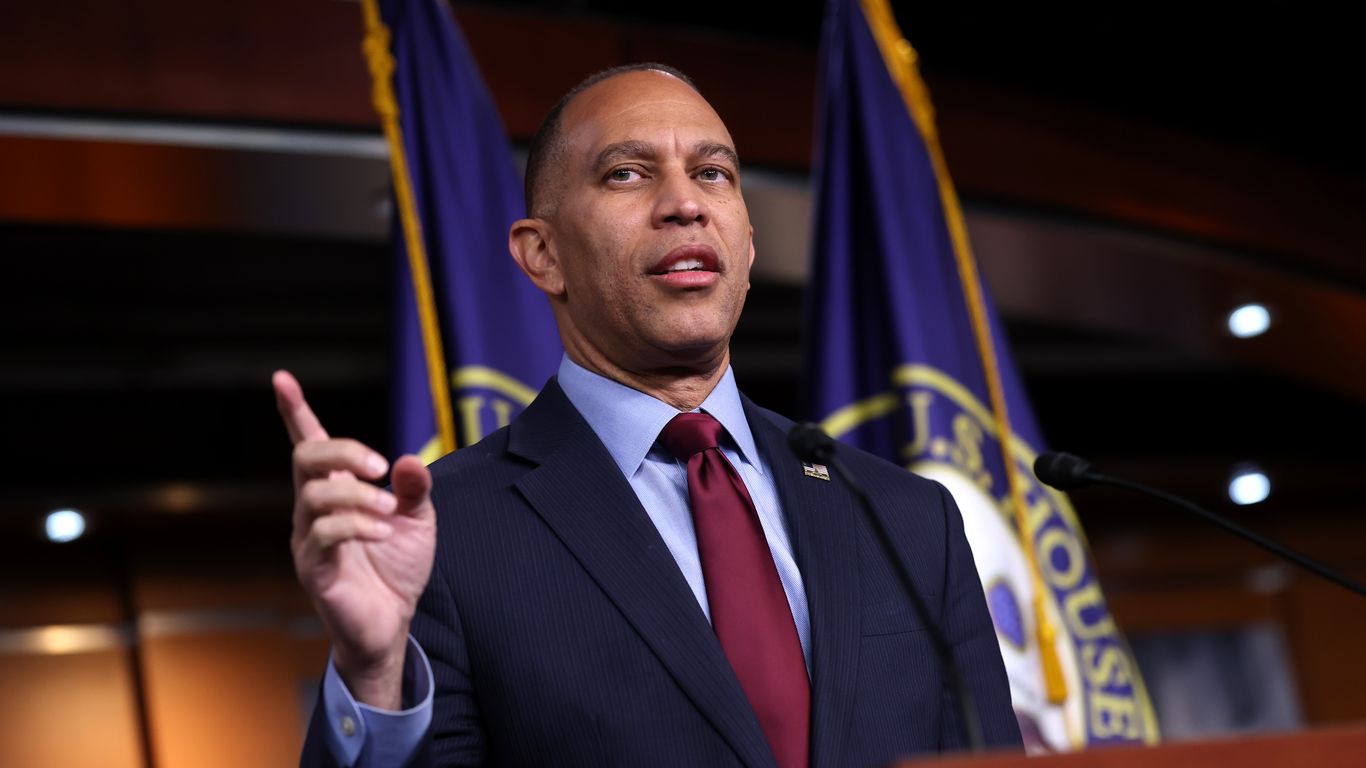
House Minority Leader Hakeem Jeffries (D-N.Y.) plans to force his members to take a tallied vote this week on whether to nominate him as speaker of the House, according to two sources familiar with the matter. Why it matters: The plan represents a shift in tactics — his allies had previously hoped to nominate him by acclamation — that would help reveal whether he has the votes to become speaker on Jan. 3. If he loses more than 40 votes, he may be in trouble. If not, he likely sails through even if some of his members ultimately oppose him on the House floor. Jeffries and his allies are confident he has more than enough support to get the 218 votes needed to become speaker even as some of his freshman members express skepticism or even outright opposition to him. "Jeffries will win," a senior House Democrat told Axios. Jeffries' plans were first reported by Punchbowl News. Between the lines: This new strategy would exploit the fact that, as of Tuesday, no other House Democrat has announced their candidacy for speaker. Rep. Jamie Raskin (D-Md.), who is often floated as a possible alternative in constituent phone calls to lawmakers urging them not to back Jeffries, told Axios he is not running for speaker. Rep. Ayanna Pressley (D-Mass.), who has become the focus of a recent draft movement, has also told allies she is not interested in the role, as Axios previously reported. Pressley, asked about running for speaker at a town hall event in her district on Monday, told attendees : "I do not need to be the speaker of the House to speak for the people." State of play: House Democrats are set to meet behind closed doors starting Wednesday morning to elect their leadership team for the 120th Congress. In addition to nominating a candidate for speaker, they are set to vote on electing a House majority leader and whip, an assistant speaker, and a Democratic caucus chair and vice chair, among other leadership positions. Most of the candidates for those senior roles are running

Horowitz, who swung from the far left to the far right, sought total political warfare against institutions and immigration Stephen Miller has risen to the top of the White House in the downdraft of Donald Trump’s abject defeat in the midterm elections. It is no irony to Trump that he has elevated Miller as his ideal bullying enforcer only after Trump’s own thorough repudiation. Appointing Miller is Trump’s denial that he is the worst thing he could possibly imagine: a loser. Trump has no more time for adults in the room who might want to negotiate with the new powers-that-be in the Congress. He has searched his soul, as he explained in his interview on 60 Minutes , entertaining his wish to ascend to heaven. Continue reading...

Charismatic worship, which promises ‘deliverance’ from evil, has taken hold across Christian churches, the right and on social media Slumped on the ground, the young woman pressed her forehead against the warm pavement of a twilit parking lot in Columbia, Tennessee. Two other women dressed in white T-shirts identifying them as members of the ministry attended to her, praying over her prone body, speaking to her in low, urgent tones. Her whimpers escalated into moans and then crescendoed into guttural cries: “No! No! No!” Continue reading...

So many government problems, like last week's nationwide aviation meltdown , are foreseeable ... and foreseen. Why it matters: Again and again, we choose to do nothing until a crisis hits. A big reason: These are huge, tedious, complex, unsexy, antiquated systems that require persistence and competence to fix. A big new problem: These systems are deeply intertwined with our daily lives, and highly susceptible to malfunctions, mishaps and AI-enhanced cyberattacks. They're boring until they're vital. The big picture: We have federal agencies and congressional committees designed explicitly to monitor, protect and improve these complex systems. But they've atrophied as power has been centralized in the presidency and congressional leadership, where daily political warfare rarely includes sober discussion of competence and essential interconnected systems. Here are a few of the foreseeable (and foreseen) crises that have been staring at us, many for literally decades: The skies: We've known for years that the air-traffic system relies on copper wire and floppy disks . We've seen and known the vulnerabilities through Democratic and Republican administrations. We've known the fix is expensive: $31.5 billion, Transportation Secretary Sean Duffy told lawmakers last year. At Friday night's briefing at the White House, Duffy said: "I want $50 billion ." The grid: We've known for a long time that our electricity is delivered through an aging patchwork system vulnerable to accidents or attacks. The nonprofit power authority NERC (North American Electric Reliability Corp.) warned this spring that the system is so strained by rising energy needs from AI and humans that it could jam up or break. The water: Drinking and wastewater systems are old and in dangerous disrepair — a huge risk to hospitals, in particular. In July , cyberattacks hit over 30 municipal water systems in Minnesota, with Iran as a likely culprit . The government's computers: Washington spends over $100 billion

Democrats marching into a debate over expanding Medicare are about to confront difficult questions about how far to go — including for seniors who are already in the program. Why it matters: Holes in traditional Medicare leave seniors exposed to out-of-pocket costs and affordability struggles, but making the program's benefits more generous may be prohibitively expensive. The big picture: Democrats scored overwhelming gains in the midterms after making health care affordability a major priority for the next Congress. Though the election results reinvigorated progressives' push for Medicare for All, there are also less sweeping options for what expanded coverage should look like. How far to go — and what to call the plan — will become critical heading into the 2028 presidential cycle and likely determine whether Democrats can attract any Republican support. Driving the news: Lowering the Medicare eligibility age is emerging as an early front-runner for what Democrats may try to pass and defy President Trump to veto. Sen. Bernie Sanders (I-Vt.) called on Democrats to lower the eligibility age to 55 soon after the election, framing it as an "immediate first step" toward his long-sought goal of Medicare for All. Sanders also wants to add vision, dental and hearing benefits and strengthen children's coverage. House Democratic Leader Hakeem Jeffries of New York on Friday threw his support behind that kind of package, as well as strengthening children's coverage, Stat reported . And groups of Democrats in both chambers have recently introduced legislation lowering the Medicare eligibility age to 50. What they're saying: " Medicare for All is unlikely to be enacted in the near future, but the political push for it could prompt a debate about the services Medicare itself does not cover and the high costs current Medicare beneficiaries can incur," KFF executive vice president Larry Levitt wrote last month in JAMA Forum . State of play: Some Democrats are looking at other chan

Look past the White House renovations , the proposed arch and the golf course : President Trump's border wall project is hundreds of miles behind pace. Why it matters: " Build that wall " helped build MAGA. But with two years to go, tough terrain and mounting political resistance threaten to leave Trump's signature promise unfinished. State of play: At the current pace, the main wall won't be finished until late 2029, while Trump will leave office in January 2029. There are about 619 miles of primary wall left to build, according to data from Customs and Border Protection as of November 10. The Trump administration has picked up the pace — from 2.6 miles a week earlier this year to 3.9 miles a week between mid-June and earlier this month — according to an Axios review of the agency data. But much of the remaining mileage is in Texas, where local landowners are fighting back and Trump's biggest allies were swept out of power in the midterms. Zoom in: The Big Bend sector — home to the state and national parks, multi-generational family ranches and numerous ecotourism businesses — has become a hot spot of resistance to construction, galvanizing political leaders across the spectrum to speak out against any physical intervention. "Just about every Democrat running statewide came to the Big Bend," said Susan Hays, who was just elected to be a Presidio County Commissioner. "all of them care about the border, the Big Bend, and they're going to fight for our public lands." Friction point: Texas Land Commissioner-elect Benjamin Flores, who opposes wall construction plans in West Texas and Big Bend, says his office could leverage state-owned land to advocate for surveillance technology to monitor for illegal crossings, which would be less invasive on the land, instead of a physical border wall there. The state owns 31 linear miles of land along the border. "The federal government is gonna need cooperation from us to get other areas that they may want done [and] that would mak

President Trump's envoys Steve Witkoff and Jared Kushner are planning to meet with Ukrainian and European officials this week to work on security guarantees and a postwar economic recovery plan for Ukraine, a U.S. official said. Why it matters: The Thursday meeting in Berlin comes a week after Witkoff and Kushner urged Russia to propose a postwar security framework for Europe — a parallel effort they hope will help bring the war to a close. On the same day, Trump will meet with Russian President Vladimir Putin and Chinese President Xi Jinping in China. Trump said on Monday that he expects to talk about the war in Ukraine. Zoom in: The aim of the Berlin meeting is to develop security guarantees to deter future Russian attacks on Ukraine as well as plans to rebuild its economy, the official said. The Trump aides have been in regular contact with Ukrainian and European officials as they engage Russia simultaneously, the person said. The U.S. official described the Berlin meeting and Trump's visit to China as a coordinated diplomatic effort. Secretary of State Marco Rubio, Treasury Secretary Scott Bessent and White House Chief of Staff Stephen Miller — who are joining Trump in China — have been briefed on the Ukraine negotiations, the person said. Zoom out: Witkoff and Kushner met with Putin in Moscow last Thursday. They also spoke Monday with his foreign policy adviser Yuri Ushakov about the next steps in the war talks. Axios reported last week that the U.S. asked Russia for a European security proposal that includes steps by Moscow to ease tensions. Many European governments, however, are highly skeptical that Russia would honor any agreement. Earlier this month, Axios reported that the U.S. hoped easing Russian diesel sanctions would win concessions, but Putin still rejected a ceasefire. The big picture: One overarching question is whether Europe will participate directly with Russia in negotiations to resolve the war. Witkoff and Kushner said Russia agreed that Euro

A husband and wife in Virginia are facing charges over a wild house party for their teenagers that police say involved underage drinking and fireworks. The couple said it was crashed by hundreds of teens. Jericka Duncan has the body camera footage.
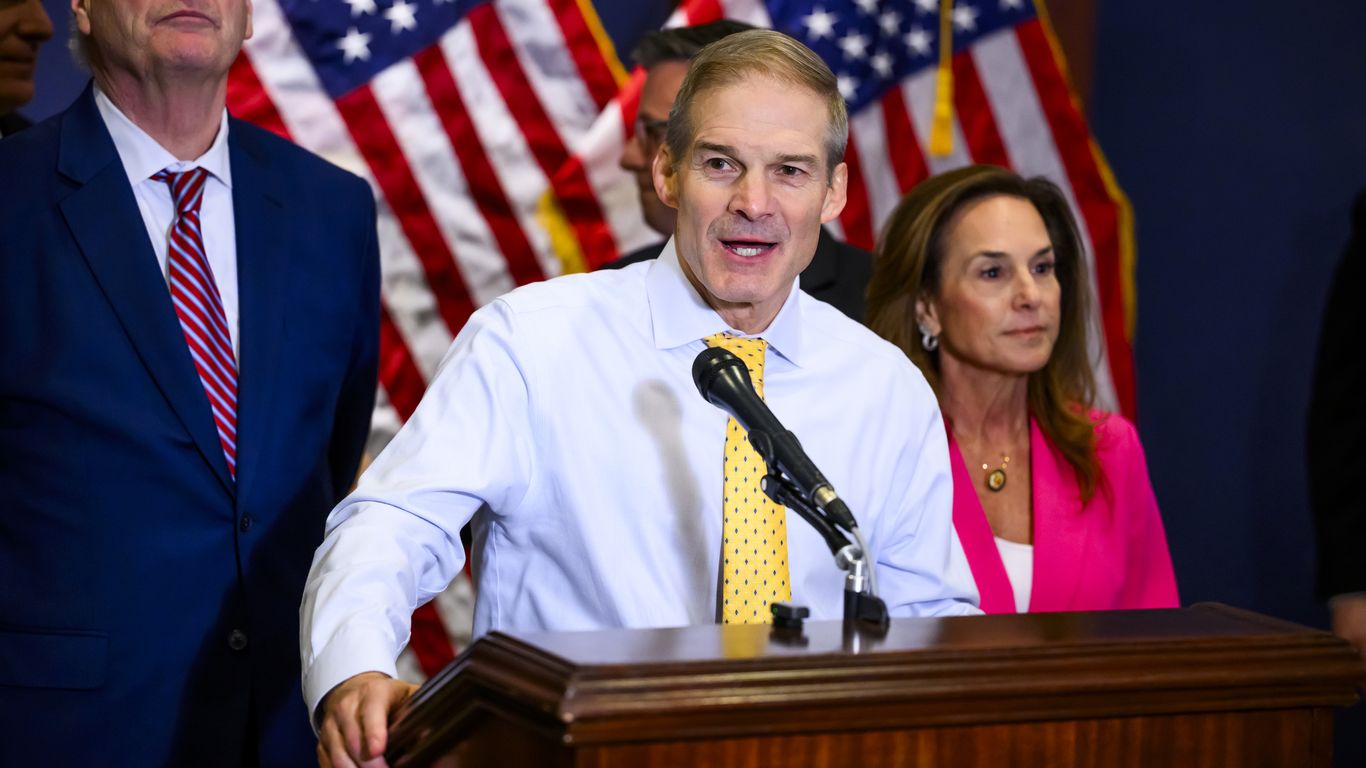
One of House GOP Minority Leader-elect Jim Jordan's first challenges will be navigating a push by Republicans to punish members who buck party leadership. Why it matters: Jordan, a founding member of the House Freedom Caucus, is now tasked with leading a conference where lawmakers are seeking to rein in the very tactics his conservative allies have long used to challenge GOP leadership. The conference will consider a number of amendments and rules when it organizes in a few weeks. Discussions are ongoing, a source familiar with Jordan's thinking tells Axios. Driving the news: Rep. Mike Flood (R-Neb.) and members of the Republican Main Street Caucus want to punish members who vote against the party on procedural rule votes , a technical vote that conservatives have repeatedly used as a hostage-taking tactic. Main Street's proposal would empower the Steering Committee to impose penalties ranging from loss of committee seniority to "more serious" consequences. Leadership or the chair of the relevant committee would then implement Steering's decision. Flood told Axios that Main Street members developed the proposal collectively over several months, including through a survey and multiple meetings. Flood and other Republicans pushing accountability measures have been in contact with Jordan's team as they work to finalize their proposals. The big picture: House Republicans' razor-thin majority gave every member outsized leverage over GOP leaders this Congress. One consequence has been repeated defeats on procedural votes that used to be automatic for the party. That has derailed GOP priorities and, on must-pass bills, left GOP speakers dependent on Democratic votes instead of legislation supported by their conference. Main Street's proposal would restore a small piece of that leverage by letting Steering leaders punish members who block those votes. "This has nothing to do with telling a member how to vote on an issue," Flood said of the proposal. Zoom in: House Republica

Police body camera footage captured a chaotic Virginia house party that led to charges for the parents of twin 13-year-old boys.
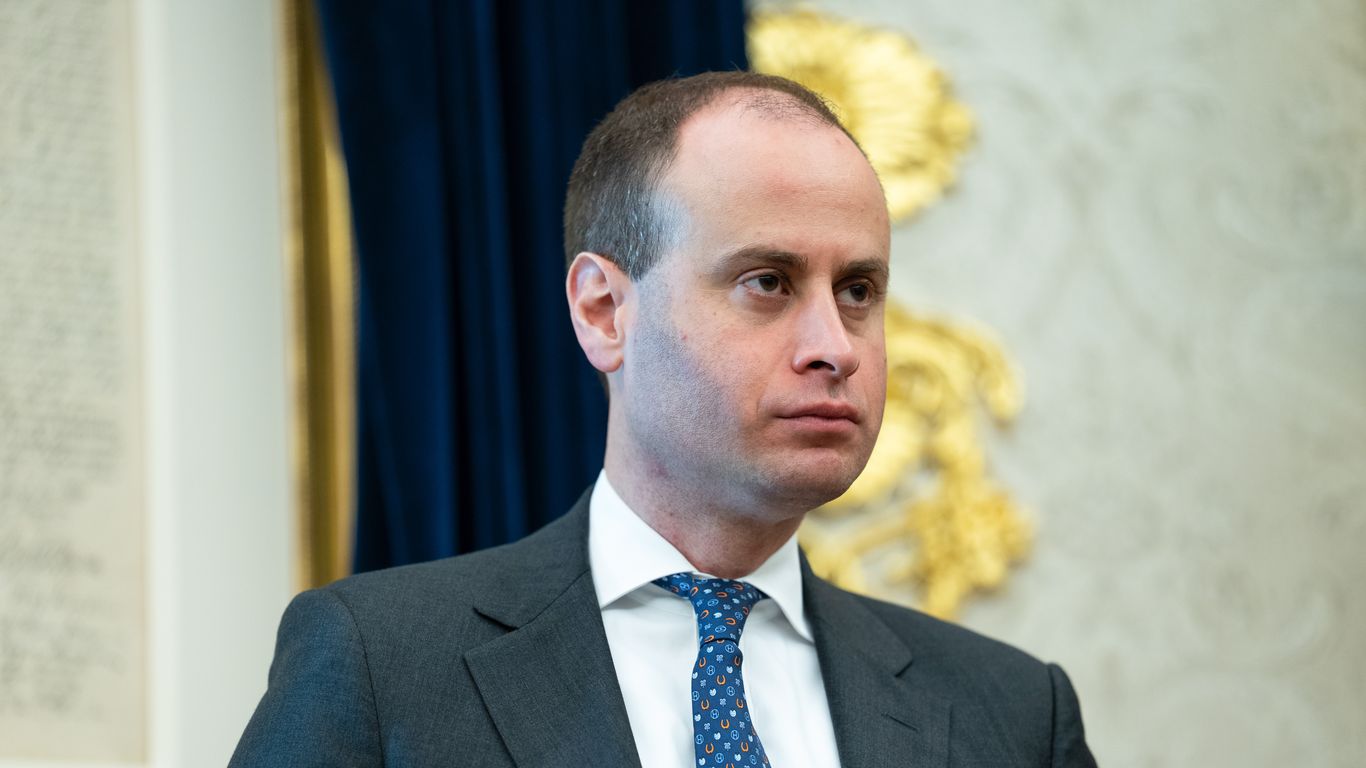
The White House counsel has instructed all executive branch agencies to get permission from their chief legal counsel and legislative affairs offices before allowing any employee to testify before Congress, according to a memo obtained by Axios. Why it matters: Monday's memo from White House Counsel Will Scharf is the latest sign President Trump is ready to fight the many investigations being promised by Democrats, who will have significant majorities in both chambers of Congress in January. "The Trump administration will not be extorted, intimidated, or threatened into submission by politically motivated baseless investigations," a White House official said. Zoom in: Scharf's memo to staffers follows a letter he sent last week to the incoming chair of the House Oversight Committee, Rep. Robert Garcia (D-Calif). In that letter, Scharf warned Democrats to limit their investigations to "legitimate" inquiries. "The Supreme Court has held that '[i]nvestigations conducted solely for the personal aggrandizement of the investigators or to 'punish ' those investigated are indefensible," Scharf warned. "Congressional investigations must further a legitimate legislative task; Congress cannot employ them to exercise powers of criminal prosecution assigned to the Executive and the Judiciary," the letter said. Between the lines: Partisans will likely differ on what's "legitimate," but it's clear that Scharf's office will use its interpretation in deciding whether to allow executive branch employees to testify. "We are ready to engage with Congress," the White House official said, "This process ensures reasonable requests are respected, but baseless political attempts to undermine our mission will not be accepted as the status quo by Democrats' who want to slow the administration down from its historic work." In his Monday memo, Scharf said the administration "will remain disciplined in pursuing the work and service the American people deserve by ensuring that all Executive Depar

Americans are at a real point of decision – not election day, but this heady, uncertain moment after Until 2026, the most important midterm year of the last quarter-century was very probably 2010. Barack Obama famously called the elections a “shellacking” for the Democratic party and he was right. Thanks to a sluggish economic recovery from the Great Recession and backlash to the passage of the Affordable Care Act, Republicans took control of the House with a 63-seat gain – the largest House sweep since the 1940s – and won six seats in the Senate. But the 2010 midterms were significant well beyond those numbers. It was the first election shaped by the rise of the Tea Party and its blend of rightwing economic populism and xenophobia. Those aligned with the movement lost nearly twice the number of races they won, but the presence of an energized hard-right contingent among Republicans in Congress shaped legislative outcomes for the remainder of Obama’s term and beyond. Continue reading...

There's new evidence that double-digit health cost increases were hitting employers well before the forecasts of big spikes for 2027 — forcing big changes in workplace coverage for millions of Americans. Why it matters: The findings offer a higher-resolution view of how much health spending is putting a drag on the labor market and increasing affordability concerns for the approximately 160 million Americans who get coverage through work. They also show how factors like surprise billing disputes, more cancer diagnoses and expensive specialty drugs are combining to exert cost pressure, with no immediate relief in sight. Driving the news: A new Gallagher benefits survey of more than 3,700 firms found 36% of the companies reported premium increases of 10% or more during their most recent renewal. Pharmacy costs account for a quarter or more of some companies' total health spending. Cancer care is the No. 1 cost driver for about 7 in 10 firms. The survey, fielded from January to March, also found employers are trying to avoid saddling workers with a disproportionate share of rising costs while struggling to balance the quality of care with their financial risk. "The last two renewal cycles have been unlike anything we've ever seen before," said Robby White, Gallagher's U.S. benefits business line leader. "It's unsustainable, obviously. Every additional dollar that an employer spends on health care, they can't spend on their employees." Between the lines: The 2027 coverage year was already shaping up to be painful for many employers. Projections are showing premium spikes due to rising demand for health services, more chronic disease and increased use of drugs like GLP-1s. In fact, double-digit premium increases for both the 2026 and 2027 plan years suggest there are more underlying causes, according to benefits experts. One leading factor is chronic disease: More people are being diagnosed with cancer at a younger age, and advanced treatments and related care can result

Some Democrats weighing 2028 campaigns for president believe the midterms proved that Americans have soured on Trump-style, scorched-earth political warfare and want a brand of politics that's nicer and more optimistic. Others aren't so sure. Why it matters: Democrats' midterm blowout has prompted a debate over the lessons of 2026 — whether voters in the 2028 primary will want their own ruthless fighter after two more years of President Trump, or will be itching for a more unifying figure. Zoom in: That divide was reflected in several potential 2028 contenders' comments around the midterms. Former Transportation Secretary Pete Buttigieg told his supporters that the end of the Trump era "means a politics where we can check the news and actually feel our blood pressure come down a little." In his reelection victory speech, Pennsylvania Gov. Josh Shapiro told supporters that "you declared that you could not be more ready for an end of this ruthless chaos and cruelty." In California, Gov. Gavin Newsom — who led the successful ballot measure to create more Democratic House seats in response to Trump's redistricting push in red states — boasted that California "fought fire with fire." Newsom mocked Democrats who he said would have responded by merely writing op-eds in the New York Times. "Donald Trump is not screwing around, nor are we," Newsom said at a preelection rally, adding that he was proud of leading the "most un-Trump state in America." The big picture: The midterm results provided an argument for each side. Several key victories for Democrats in red states came from candidates preaching decency, or voters recoiling from vicious Republican attacks. In Kansas, Sen.-elect Adam Hamilton said one of his campaign's big ideas was "decency" — and that he wanted to become the "best friend" of Sen. Jerry Moran (R-Kan.). In Ohio, Gov.-elect Amy Acton told her supporters that "basic decency is on the ballot" after her opponent and Vice President Vance defended an attack ad

Renewed commitments to electrification and climate science are vital outcomes from the latest round of UN talks The Cop31 climate talks have acquired something their delegates scarcely expected: a little political breathing space. The comeback by Luiz Inácio Lula da Silva in the second round of Brazil’s presidential race was important for many reasons. Victory for his opponent, Flávio Bolsonaro, would have marked a dangerous retreat from democracy. But Mr Bolsonaro’s commitment to environmental deregulation would also have spelled disaster for the Amazon, making Lula’s re-election a big win for the climate. Similarly, success by Democrats in the US midterms means that Donald Trump’s destructive grip has been loosened. If they win back the White House in 2028, the US should rejoin the UN process in time for Cop34. While the diplomatic picture is less bleak than it might have been, the threat level remains high and rising. António Guterres used his last Cop as UN secretary general to issue a pithy warning that “ it’s make or bake time ”. With the latest analysis pointing to heating of 2.7C by the end of the century – far beyond the 1.5C target in the Paris agreement – governments face another crunch moment: by pivoting away from fossil fuels, they can still avert the most dangerous impacts. Yet the UK’s Andy Burnham was the only G7 leader to make the trip to Turkey; the French and German leaders chose to attend an EU summit in Dublin instead. Continue reading...

Voters have handed Democrats every House district touching Mexico and all four border-state governorships. Why it matters: Starting next year, the sweep gives Democrats new leverage over state resources, border spending and legal challenges during President Trump's final two years. By the numbers: Democrats last held all four governorships — California, Arizona, New Mexico and Texas — in January 1979, according to National Governors Association records . 10 for 10: Democrats swept all 10 House districts touching Mexico for the first time since 2008, according to an Associated Press analysis . Three flips: JoAnna Mendoza ousted Republican Rep. Juan Ciscomani in Arizona. Bobby Pulido and Katy Padilla Stout flipped Republican-held seats in Texas. Four attorneys general: Democrats also won the top legal offices in all four border states, including Texas , where the party hadn't won an attorney general race since 1994. State of play: Trump built his immigration crackdown around the southern border. He declared a national emergency on his first day back, expanded the military's role and border barriers, and launched a sweeping deportation campaign. Southwest border apprehensions dropped roughly 91% in the 12 months through August compared with Biden's final 12 months, according to FactCheck.org's October analysis . The crackdown has also reached further into American communities, with ICE arrests surging during the summer of 2026. Zoom in: Texas Democrat Gina Hinojosa's defeat of Gov. Greg Abbott could bring the most immediate border changes. Abbott spent about $11 billion on Operation Lone Star, deploying state police and National Guard troops and building Rio Grande barriers, according to the Texas Tribune . Hinojosa, Texas' first Latina governor-elect, has questioned that spending. She can rethink state deployments and enforcement priorities, though existing laws and federal authority limit her options. Democrats also flipped the Texas House and elected a Democratic at

Fairfax County police charged Lisa and Aubrey Vaughan after their 13-year-old sons' small backyard party spiraled into a massive gathering with fireworks and crowds.

When Trump was first elected, Republicans held every lever in Arizona – now they’ve been swept in a blue tidal wave, and the road to rebuild could be fraught When Donald Trump was first elected to the White House in 2016, Republicans held every lever of statewide power in Arizona, from the governor’s office to both US Senate seats and majorities in the legislature. Over the next decade, as Trump tightened his grip on the party, Democrats began chipping away at that dominance, gradually turning the longtime GOP stronghold into a political battleground. Then came the November midterm elections. Democrats swept every statewide office on the ballot – from governor to the obscure post of mine inspector – and secured a lawmaking trifecta unseen since 1966. Continue reading...

Young Americans are challenging beliefs their parents and grandparents once considered sacred — from socialism and Israel to Christianity . Why it matters: Neither party can count on old political loyalties to win over a generation increasingly willing to break with the past. Socialism: 35 years after the Soviet Union collapsed, some 57% of Americans ages 18–34 view socialism positively, compared with 43% for capitalism, according to a September 2026 Gallup poll . Among Americans 55 and older, 65% view capitalism positively, compared with 34% for socialism. Israel: Decades after Israel fought wars against neighboring Arab states, some 53% of Americans ages 18–34 sympathize more with Palestinians, compared with 23% who sympathize more with Israelis, according to Gallup's February 2026 survey . Christianity: After centuries as the overwhelming religious identity of Americans, only 54% of Americans ages 18–29 now identify as Christian, compared with 76% of those 65 and older, according to nonpartisan Public Religion Research Institute's 2025 Census of American Religion , released in April 2026. Between the lines : The return of forces that voters haven't felt in generations can scramble their priorities all over again. After decades of relatively low inflation, prices surged during the COVID era, with annual inflation hitting 9.1% in June 2022 — its highest rate since 1981. In 2024, young voters who ranked the economy and jobs as their top issue favored Trump by 24 points , according to CIRCLE's analysis of AP VoteCast. Two years later, 78% of financially struggling young students backed Democratic House candidates, compared with 16% for Republicans, according to a November 5 CIRCLE analysis . State of play: Young voters showed both parties how quickly their support can shift between elections in last week's midterms. Some 66% of voters ages 18–29 backed Democratic House candidates, compared with 31% for Republicans, according to Tufts University's CIRCLE , citing prel

Dana White’s company squeezes fighters, bullies journalists and toadies up to Trump. But it has also given neglected Olympians a path to money and fame that didn’t exist before it If you don’t like what is being said, change the conversation. Amid the wreckage of an epic midterm beatdown, the diminished president of the United States spent part of last week channeling another Donald when he publicly floated longtime aide-de-camp Dana White – the Ultimate Fighting Championship chief executive , Meta board member and public face of professional face-slapping – as the next White House press secretary. Trump’s kayfabe featured a support team of UFC bruisers to help White keep the Washington press corps in line, a fantasy lineup that included Justin Gaethje, Daniel Cormier, Khabib Nurmagomedov and one “Kayla Harris”. Surely he meant Kayla Harrison, the twice Olympic champion judoka from small-town Ohio who on Saturday night submitted the great Amanda Nunes in the co-main event at Madison Square Garden and made a credible claim for being the greatest female mixed martial artist the sport has ever seen. Trump’s turn to White’s trademark bluster was a simple enough gambit to parse . In 2024, he rode the manosphere to an astonishing 63% backing among young white men, with White name-checking Joe Rogan , Theo Von, Adin Ross and the Nelk Boys from the victory podium like the heterodox heirs to Bill Buckley. Two years later, that support had cratered by 20 points in the midterms : the political equivalent of a 10-8 round. Suddenly, the prospect of White as some cauliflower-eared CJ Cregg seemed less like comic relief than a panicked attempt to inject a cycle of synthetic testosterone into Maga’s increasingly low-energy movement. Continue reading...

A federal judge has ordered a two-week delay to any work at a historic Washington public golf course not far from the White House

Republican House speaker not running for re-election contrasts sharply with president who avoids accountability In his first interview since the midterm elections , the US House speaker, Mike Johnson , said that the Republican party’s crushing losses during the 3 November elections prompted his decision to step away from party leadership. “Leaders have to take responsibility when things go wrong,” Johnson said on Fox News on Saturday. Continue reading...

House members have responded to legitimate criticism with cynicism. Let’s not have another ‘Bernie bros’ moment Before we get started, some ground rules. You are, of course, completely free to disagree with everything I have to say here. However, doing so might mean that you’re racist, homophobic and/or sexist. (Not to boast, but I have a lot of oppression cards to play.) So, you might want to tread carefully, OK? That might sound ridiculous, but I don’t make the rules: I’m just taking a page from the corporate Democrat playbook. From Haley Stevens to Hakeem Jeffries, cynically weaponizing identity politics to ward off reasonable criticism seems to be all the rage. Arwa Mahdawi is a Guardian columnist Continue reading...
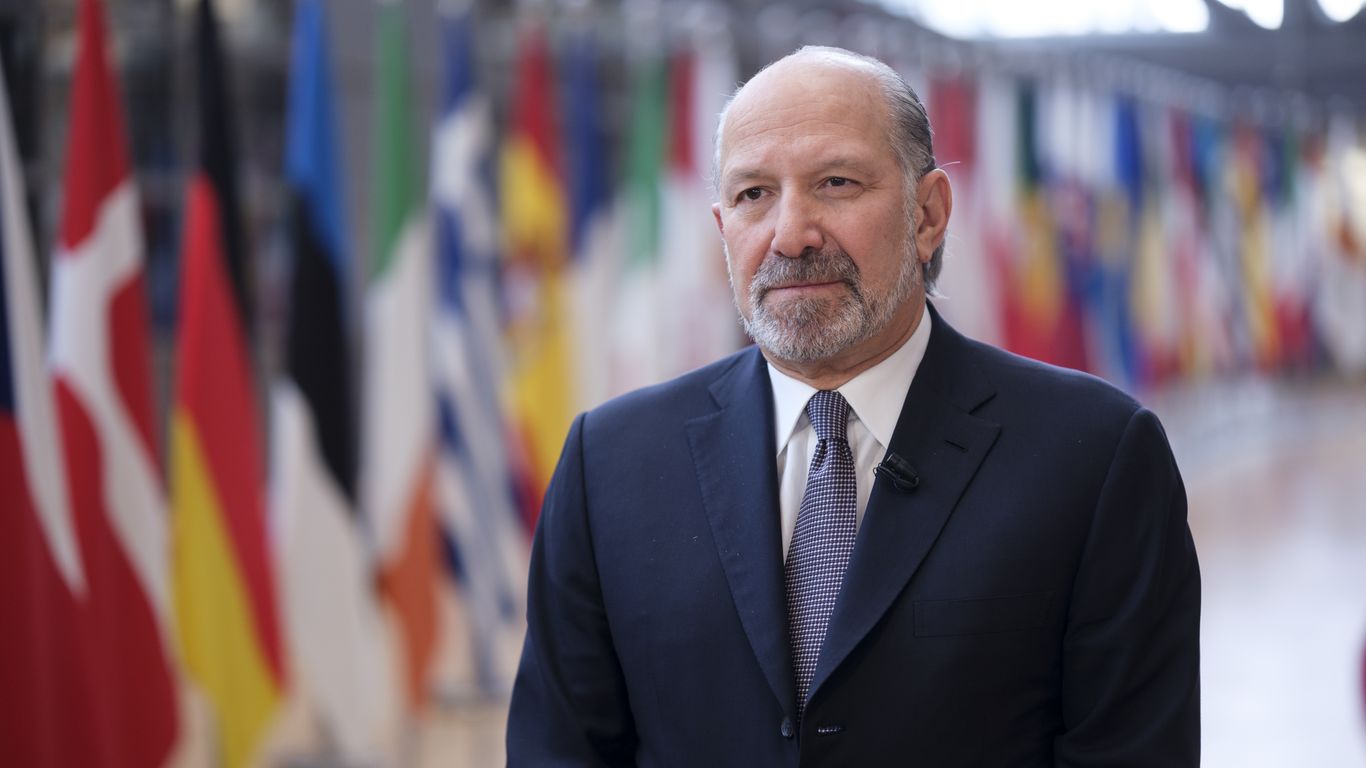
Commerce Secretary Lutnick has become the face of the Trump administration's troubled response to Chinese espionage and potential national security threats. The most intense scrutiny is coming from Republicans on the Hill, fellow Cabinet members and the MAGA base. Why it matters: Regulators and policymakers on both sides of the aisle want someone's head for an affair that may have exposed sensitive technology to the nation's top foreign adversary. Two names are currently at the top of that list: former Nvidia CEO Jensen Huang — and now Lutnick. The big picture: Over the past year, Lutnick slow-walked broader administration efforts to address suspicions that Singapore-based company Megaspeed was illegally diverting chips to China, Axios first reported . Administration officials had pushed to place Megaspeed on the Commerce Department's Entity List, which would have restricted exports of U.S. tech to the company. Driving the news: On Friday, Treasury Secretary Scott Bessent confirmed as much. "Treasury, War, USTR, and State — they were in favor of putting Megaspeed on the Entity List for months, but Commerce has the pen," Bessent said on CNBC . Trump himself supported taking action on three occasions, but those efforts were delayed by Lutnick, Axios reported . There's a widespread belief in Trump's broad circle of advisers that the Nvidia scandal might be too much for Lutnick to survive — but Trump is standing beside him for now. Behind the scenes, the White House has not expressed concern regarding efforts to have Lutnick testify before Congress. MAGA commentators are also tearing Lutnick apart on shows like "War Room with Steve Bannon," while Republican senators openly take him to task. For the record: " Secretary Lutnick plays a fundamental role in advising the President across many different industries. The reports you have issued are inaccurate and false and literally misstate the topic, creating a false impression," the Commerce Department said in response to Ax

Midterm elections have defanged the US president – leaving critics to worry about his next move in his ‘fat Elvis’ stage It was just before 3am when Donald Trump entered a crowded Manhattan ballroom, greeted by chants of “USA! USA” and theme music from the Hollywood film Air Force One. On stage, two red “Make America great again” (Maga) caps were mounted in glass cases like holy relics. That was the scene 10 years ago this week when Trump, a businessman and reality TV star, stunned the world by beating Hillary Clinton to the White House. A decade later an unlikely president is serving an unlikely second term. But in the wake of a humiliating vote of no confidence in last week’s midterm elections , he now enters an endgame wracked with uncertainty. Continue reading...

Eleven years after a white gunman killed nine Black parishioners inside the South’s oldest African Methodist Episcopal Church, a long planned memorial is opening to honor their lives

While Republicans accuse Democrats of dirty tricks in the ongoing Alaska Senate race, the lone House contest in the state has the hallmarks of similar “ballot stacking” shenanigans.

The Federal Aviation Administration has lifted its nationwide ground stop that has caused cancellations for thousands of flights across the country. It is still unsure when airports will be fully back up and running. NBC News' Tom Costello reviews the White House briefing on the topic.
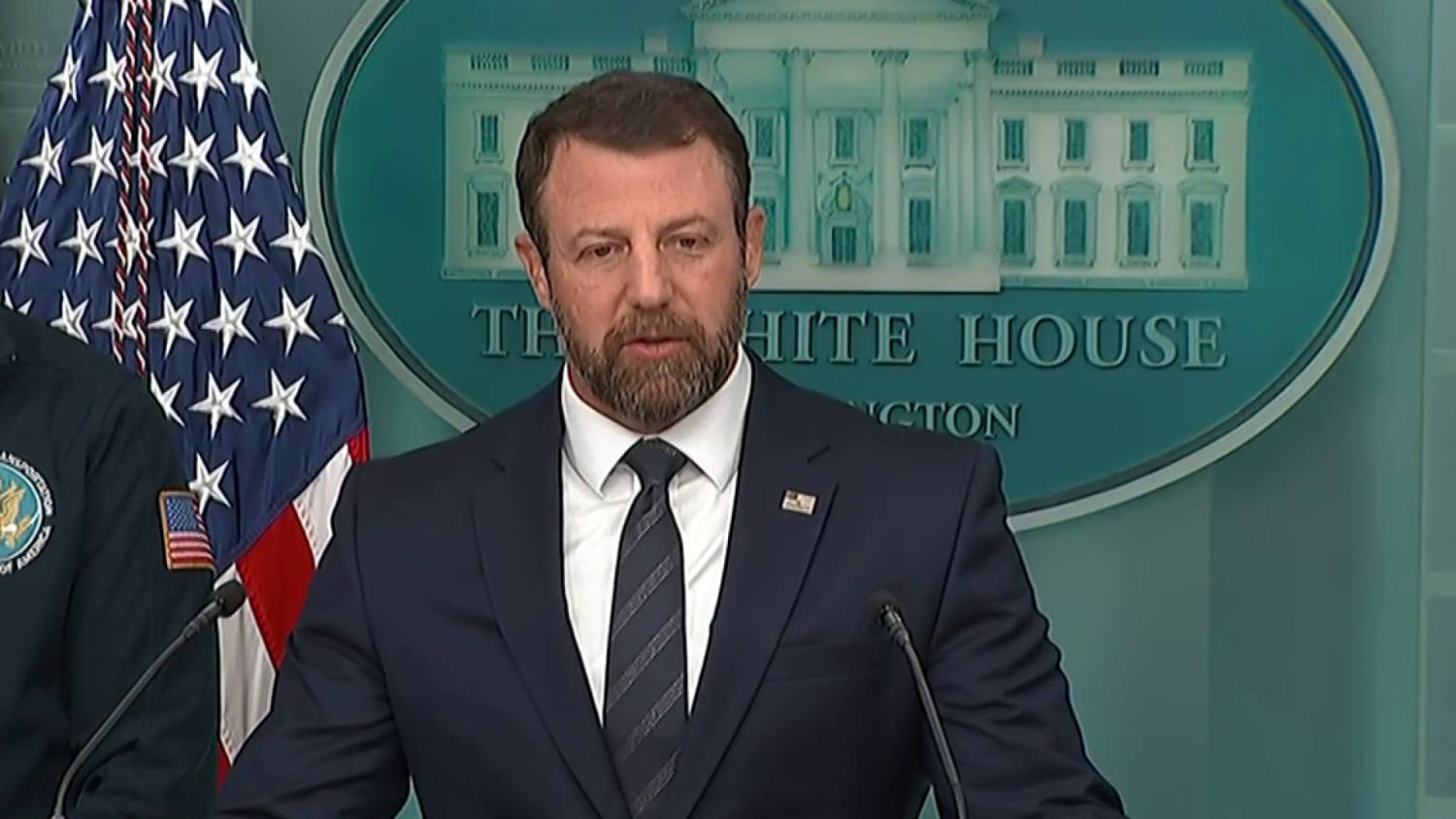
Homeland Security Secretary Markwayne Mullin told reporters during a Friday night White House briefing that there was no sign of a cyberattack in today’s ground stoppage.

The FAA lifted its nationwide ground stop Friday night after hours of chaos and thousands of delays and cancellations. Why it matters: The effects of the rare and extreme move will likely ripple through the weekend, with travelers stranded and airlines' planes and crews out of position. Catch up quick: The FAA issued the nationwide ground stop Friday afternoon due to "extraordinary circumstances" and "reasons of safety." "The FAA issued a nationwide ground stop for all U.S. airports following communication issues impacting multiple Air Route Traffic Control Centers," the agency said in an earlier statement after the ground stop was issued. "FAA technicians are investigating the issue. We will provide updates." Homeland Security Secretary Markwayne Mullin told reporters at the White House Friday evening that there was no indication of a "nefarious attack" on aviation systems. The FBI is probing whether the problems were caused by a software update gone bad, Bloomberg reports . How it works: Air Route Traffic Control Centers, often simply called "centers," mostly handle high-altitude en route airspace between airports. Between the lines: The FAA has been rolling out a new AI tool designed to help manage airspace congestion, but it's unclear if that system has any connection to Friday's communication issues. The developer of that tool denied any connection. 💭 Our thought bubble, from Axios aviation expert and pilot Alex Fitzpatrick : With no planes departing anywhere, airports nationwide may quickly run out of gates and room for the thousands of flights navigating the crisis while already airborne. By the numbers: As of 7:15 p.m. ET, FlightAware reported more than 10,000 domestic delays and 4,000 cancellations over the course of the day Friday. The bottom line: It's likely going to be a messy night — and the effects could easily spill over into the weekend. This is a breaking news story and will be updated.

Kai Wright of the Guardian podcast Stateside will speak with author and environmentalist Bill McKibben – and we’d like to hear your questions Was the climate crisis one of your top political priorities during the midterm elections? We want to hear from you: what do you want political leaders to do about it in 2027? Democrats will control the House and Senate in the new year, and they have a long list of priorities ahead of them. But it remains to be seen just how much they will focus on one of the most pressing issues of our times: the climate crisis. The UN declared this summer that, despite some progress, it is now “unavoidable” that the globe will heat past the point that scientists say will threaten human health. Despite these terrifying predictions, the US remains absent from global efforts to limit the impacts of the climate crisis. Continue reading...

As House Democrats barrel toward a speakership coronation , Senate Dems are getting their first contested race for leader in over 30 years. Why it matters: Democrats have spent years tearing themselves apart over the party's direction — without forcing their leaders to win a head-to-head vote. Senate Democrats will get that fight this year for the first time since Tom Daschle vs. Chris Dodd in 1994 — courtesy of Chris Van Hollen (D-Md.) challenging Chuck Schumer (D-N.Y.). But no one's challenging Hakeem Jeffries (D-N.Y.) for speaker. The last contested Democratic House leader race was in 2016, when Tim Ryan failed to beat Nancy Pelosi for minority leader. Between the lines: House Democrats are being bombarded with calls and emails urging them to oppose Jeffries, but the two most frequently floated alternatives — Jamie Raskin (D-Md.) and Ayanna Pressley (D-Mass.) — don't appear to want the job. Raskin told Axios that chairing the Judiciary Committee is his "dream job" and that he's "absolutely ... not a candidate for speaker in any way." "I am supporting Hakeem and voting for Hakeem," Raskin added. Pressley has privately told colleagues she isn't interested, multiple House Democrats told Axios. "Congresswoman Pressley is in active conversations with Leader Jeffries about how to leverage this majority, meet the moment and deliver for the people," spokesperson Ricardo Sanchez said in a statement to Axios. "She is aware of and appreciates the groundswell of support from people in her district and across the country lifting up her leadership." The big picture: Since the last contested Democratic leadership election, Republicans have endured the rise of MAGA, former Senate GOP leader Mitch McConnell's fall from power and a revolving door of House GOP leaders. In 2018, Kevin McCarthy drubbed Jim Jordan 159–43 to become House minority leader. In 2022, McConnell had to beat Rick Scott after the Florida Republican challenged him for Senate GOP leader. In 2023, McCarthy needed

Ms. Boebert’s loss to Eileen Laubacher in a conservative House district represents a significant victory for Democrats.
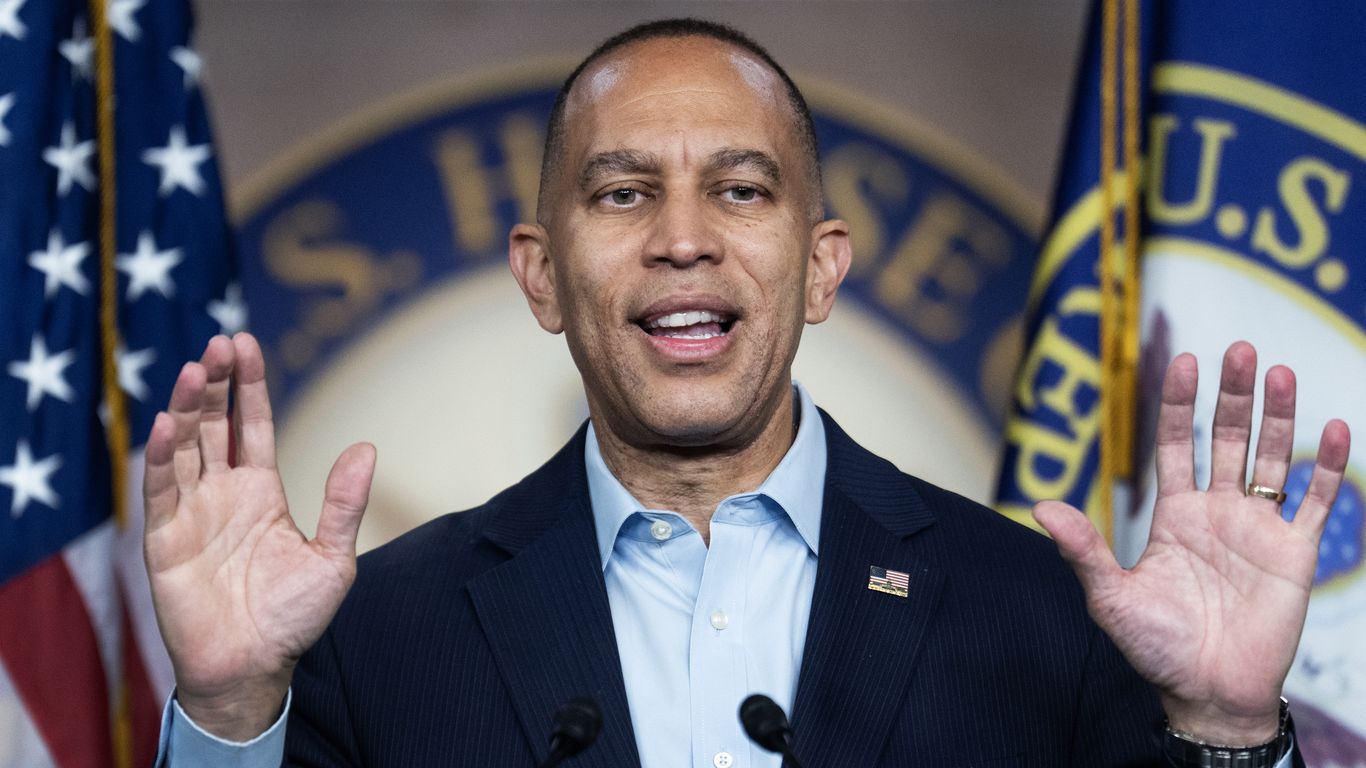
The movement to prevent House Democratic Leader Hakeem Jeffries (D-N.Y.) from becoming speaker is struggling to get off the ground due to a fatal flaw: Nobody else wants the job. Why it matters: Despite the phone calls and online petitions, the demands from progressive holdouts, Jeffries' ascent has become a self-fulfilling prophecy. The House Democrats most often floated as potential challengers don't appear to be interested: Rep. Jamie Raskin (D-Md.) told Axios on Thursday his "dream job" is to chair the House Judiciary Committee. "I am not a candidate for speaker in any way. ... I am supporting Hakeem and voting for Hakeem," said Raskin. Rep. Ayanna Pressley (D-Mass.) has privately told colleagues she doesn't want the role despite an online movement seeking to draft her, according to multiple House Democrats who have spoken directly with her. "Congresswoman Pressley is in active conversations with Leader Jeffries about how to leverage this majority, meet the moment, and deliver for the people," spokesperson Ricardo Sanchez said in a statement to Axios. "She is aware of and appreciates the groundswell of support from people in her district and across the country lifting up her leadership." "He's the only one running," Rep. Adelita Grijalva (D-Ariz.) told Axios on Thursday when asked if she plans to vote for Jeffries as speaker. Said Rep. Delia Ramirez (D-Ill.): "I am really encouraging our leadership to make it easy for me to vote for the one person that's running. But as of right now, there's ... no one else that has put their name forward." "As far as I've heard, Jeffries is the only person running," said Rep.-elect Randy Villegas (D-Calif.). Jeffries said in a NY1 interview : "Someone could always emerge in the next week or so, but right now there are no declared challengers, no indication that anyone may put themselves forward." The intrigue: For once it's the Senate, not the House, providing all the drama on Capitol Hill. Sen. Chris Van Hollen (D-Md.) launche

Amid concerns over the influence of the manosphere, our findings show that young men are concerned about caregiving When young men helped propel Donald Trump into the White House in 2024, the administration doubled down on a brand of toxic masculinity popular in the so-called manosphere. They touted high testosterone, male supremacy, and a “biblically-based family” where men work and provide, and deferential women stay home to bear children and care for others. Continue reading...

After Tuesday’s election, ‘everyone must have a Wednesday agenda’, experts say – and movements must keep putting pressure on Democrats to get their demands met The bright blue map that emerged on election night in the US was unthinkable two years ago. When Donald Trump won the 2024 presidential election, many Democratic voters curled up in bed and doomscrolled, fatigued and fearful about the direction of the country. Any desire to fight back was dampened by the enormity of the loss. But the mood gradually shifted over the following two years, culminating in a generational shift on election day: Democrats flipped five governors’ seats and took control of the House and Senate by wide margins. Voters were angry about the rising cost of living, the war in Iran, masked immigration agents in their neighborhoods and datacenters rising in their backyards. Continue reading...

The director of the Israeli spy agency Mossad is in Washington Friday for talks with senior Trump administration officials about the war in Iran , according to three sources with knowledge of the matter. Why it matters : The visit by Roman Gofman, one of Benjamin Netanyahu's closest confidants, comes as the Israeli prime minister is pressing President Trump to resume the war against Iran. Driving the news: Gofman is meeting with CIA Director John Ratcliffe, the sources said. He is also expected to travel to Miami to meet White House envoy Steve Witkoff, one of the sources said. Mossad, the CIA and the White House declined to comment. State of play: Trump has so far rejected pressure from Netanyahu to return to combat. The two discussed the Iran war during a Nov. 5 call, per a U.S. official. Instead, the president has sided with Saudi Arabia, Qatar and the UAE to continue the naval blockade and economic pressure campaign against Iran, while seeing if a deal is possible. "I could end it immediately. At the request of the nations that I'm looking to protect, we are doing it a little bit longer way, a little bit more civilly," Trump said on Thursday. "Saudi Arabia has asked me to please just let it be the way it is now for a while, because [Iran is] disintegrating. Qatar, Kuwait, UAE, Bahrain, all of them would much prefer the waiting period." The intrigue: Netanyahu has lost his majority in parliament after the Oct. 27 election in Israel. His opponent, Gadi Eisenkot, has received a mandate to form a new government. It is unclear whether he'll be able to do so. In the meantime, leaders of the Israeli opposition are concerned Netanyahu will try to launch an attack on Iran — or provoke Iran to attack Israel — in order to undermine Eisenkot's efforts, sources say. Netanyahu would be removed from power if Eisenkot succeeds. On Thursday, Netanyahu met with Eisenkot for two hours and briefed him on the situation with Iran. A source close to Eisenkot said he doesn't think the

The failed move could lead to a more robust effort against the defense secretary in the next Congress. Here’s how it could look A traffic jam, combined with disorganization on the part of Democrats, enabled House Republicans to scuttle the representative Thomas Massie’s articles of impeachment against Pete Hegseth on Wednesday. While recriminations are now flying among Democrats, the fumble may have been a blessing in disguise. Democrats can now refocus the articles against the defense secretary, possibly to better effect. Continue reading...

A group of University of Mississippi roommates are speaking out after a doorbell camera captured two White students making monkey gestures and sounds outside their apartment. In an extended conversation with Jericka Duncan, the Black students reflect on the alleged racial incident and urge others to "be mindful of their actions."
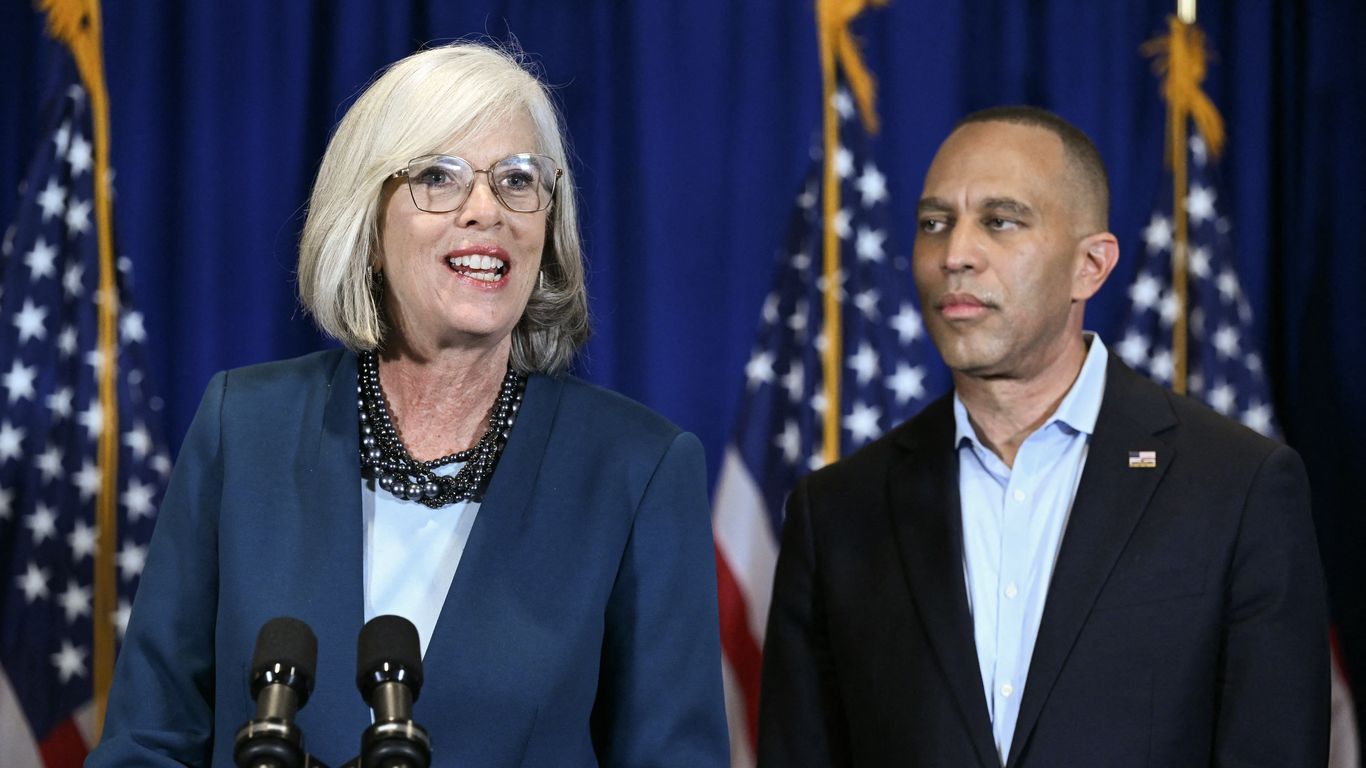
A week that was supposed to see House Democrats transition seamlessly from a landslide midterm victory to a leadership coronation has instead been pocked by surprise Republican victories on the House floor. Why it matters: Skeptics of Democratic leadership have seized on these strategic fumbles to cast doubt on their much-heralded managerial abilities in the lead-up to the party's leadership elections next week. "It's really unfortunate that this happened this week when, obviously, that is a narrative we hear leadership portray," Rep. Delia Ramirez (D-Ill.) told Axios. Rep.-elect Melat Kiros (D-Colo.) said this week has "certainly not given me confidence," and that the election was an "indictment on how our party has been operating thus far, and this is a big part of why." "We do know that the Democratic caucus has blundered before on things, like whipping the votes to protect NPR last spring," said Rep.-elect Don Leonard (D-Ohio). "We botched that one." What happened: The House voted 211 to 204 on Tuesday to quash an effort by Rep. Thomas Massie (R-Ky.) to impeach Secretary of Defense Pete Hegseth, with support from all House Democrats present. The outcome quickly sparked backlash because nearly a dozen House Democrats were absent, many of whom got caught in a traffic jam returning from an Elect Democratic Women event. That was followed by an incident on Wednesday in which House Republicans passed a veterans bill by voice vote despite Democratic opposition. The incidents follow a procedural blowup in September in which a pair of centrist House Democrats repeatedly broke with leadership and helped the GOP advance key bills. What they're saying: House Minority Leader Hakeem Jeffries (D-N.Y.), asked about these incidents by Axios, touted a different veterans bill Democrats forced to a successful floor vote on Thursday via a discharge petition. "House Democrats once again successfully forced a vote on a piece of legislation designed to make life better for the American