How the Myanmar Genocide Ruling Raises the Stakes for Israel
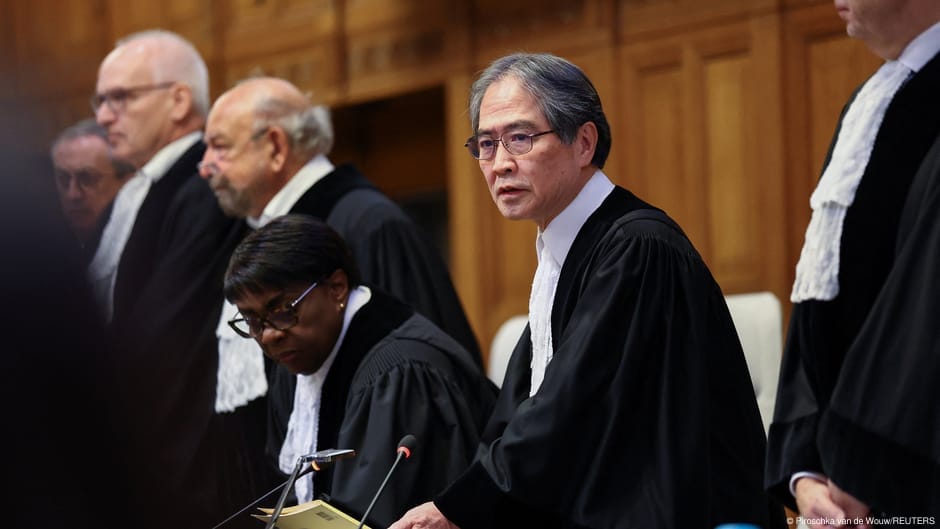
The most-watched aspect of the case was how the International Court of Justice would determine Myanmar’s intent to commit genocide against the Rohingya.
Wall Street Journal · 42m ago

The most-watched aspect of the case was how the International Court of Justice would determine Myanmar’s intent to commit genocide against the Rohingya.
Verdict against Myanmar may have implications for Israel's genocide in Gaza.
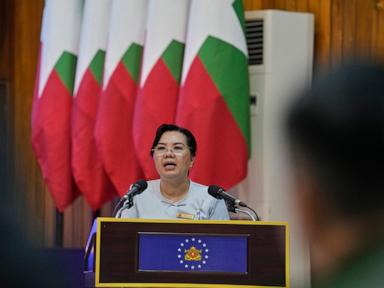
Myanmar’s government has dismissed a landmark judgment by the United Nations’ top court finding the country guilty of genocide against its Rohingya minority as “unfair.”
A Myanmar government spokesperson said the ruling was unjust and noted that the court's decision was not unanimous.
The ICJ held Myanmar responsible for genocide against the Rohingya and ordered restitution and reparations. Members of the community hailed the ruling but cautioned that achieving real change would be long and difficult.
The case sets a precedent for establishing a state's intent to commit genocide beyond explicitly written orders.
Reactions to ICJ ruling underline global divisions over court with China raising concerns about judicial overreach The US has greeted with caution the world’s highest court’s ruling that Myanmar committed genocide against its Rohingya minority, while China has raised concerns of judicial overreach. Reactions to Thursday’s historic ruling underlined deep international division over the role of the court and similar institutions. The international court of justice (ICJ) had never previously found a state responsible for genocide and the decision could set a precedent for future genocide claims, notably a case against Israel . Continue reading...
On November 19, the International Court of Justice delivered a historic ruling: finding Myanmar guilty of committing genocide against the Rohingya in 2017. Malaysia has long been a supporter of the persecuted Muslim minority. But its role as a safe haven is coming to an end, amid a rise in hate speech and calls for the expulsion of Rohingya via social media.
South Africa's High Court judges visited the Lindela Repatriation Centre in Krugersdorp this week, ahead of delivering a ruling on 33 urgent applications concerning the detention of asylum seekers. The court is examining conflicting interpretations of a Constitutional Court ruling that prohibits the deportation of asylum seekers whose claims are still being processed. The case comes amid a wider and increasingly tense debate over immigration in South Africa, which has at times spilled over into deadly xenophobic violence. FRANCE 24's Eunice Masson reports from Cape Town, South Africa.
The ICJ has ruled against Myanmar, but safe return, citizenship and reparations remain far from guaranteed.
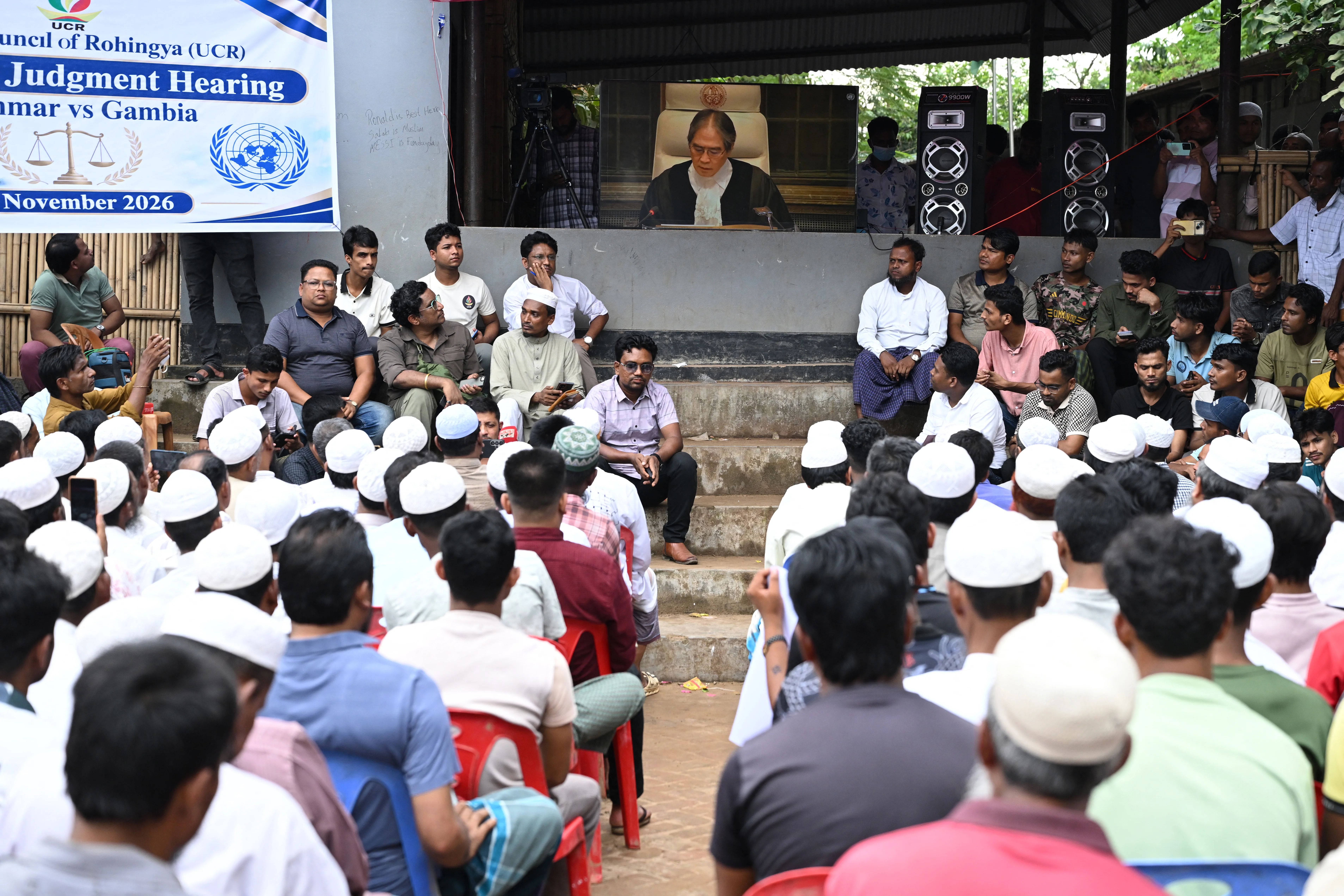
Rohingya refugees in Bangladesh have welcomed the ruling by the United Nations' top court in the Netherlands that held Myanmar responsible for genocide
For refugees, the ICJ ruling that Myanmar committed genocide is a vindication. But will they be able to return home?
New Jersey congresswoman, charged with interfering with immigration arrest, set to face trial over May 2025 incident An appeals court decided on Thursday that Democratic New Jersey representative LaMonica McIver will continue to face charges related to a skirmish outside an immigration detention center last year when she attempted to conduct an oversight visit there. The court’s decision to decline McIver’s request to overturn the court’s earlier ruling comes just a day after she pressed the homeland security secretary for the Trump administration’s aggressive immigration enforcement operations, telling the secretary: “You are killing people.” Continue reading...
In tonight's edition, Kenyan athletics superstar and reigning marathon world champion Peres Jepchirchir is banned for three years for doping. Also, South African judges leave the courtroom behind and tour a repatriation centre before handing down judgment in 33 emergency asylum applications. And Ghana's presidency has a new jet, but critics of the ruling party are not on board.
The appeals court's ruling prevents a lower-court decision from taking effect, which would block Trump from lifting TPS.
The International Court of Justice has ruled that Myanmar committed genocide against the Rohingya.
Rohingya refugees in Bangladesh cheered an International Court of Justice finding that Myanmar committed genocide.
The ruling by the International Court of Justice deal with issues relevant to the case brought against Israel alleging genocide in Gaza. Israel has rejected the charge.
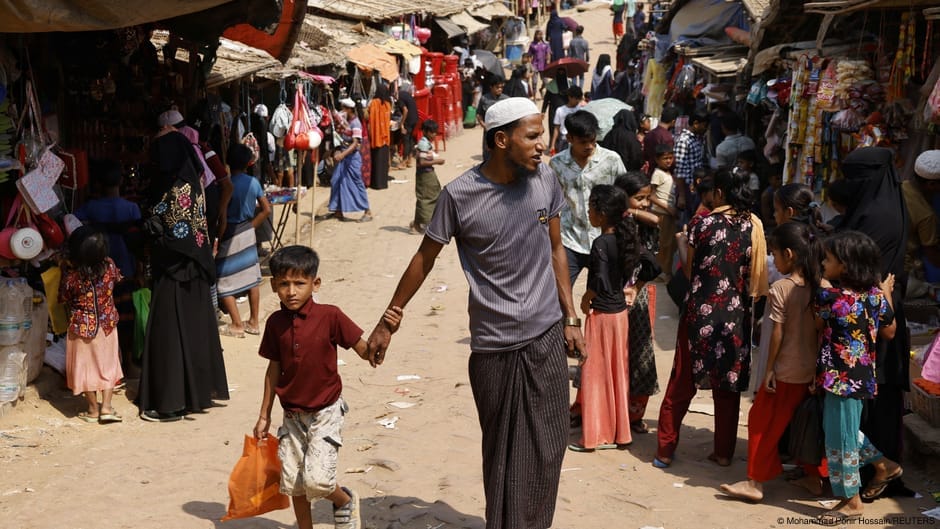
Nearly a million Rohingya fled to Bangladesh in 2017, forming one of the world's largest refugee camps near Cox's Bazar.
Landmark judgement in The Hague is the first time a state has been held responsible for genocide at the ICJ.
Rohingya refugees in Bangladesh and an activist in New York react as the UN's top court rules Myanmar committed genocide
In a decision with potentially broad implications, the International Court of Justice found a state culpable of genocide for the first time.
The verdict marks the first time a state has ever been found to have committed genocide by an international court.
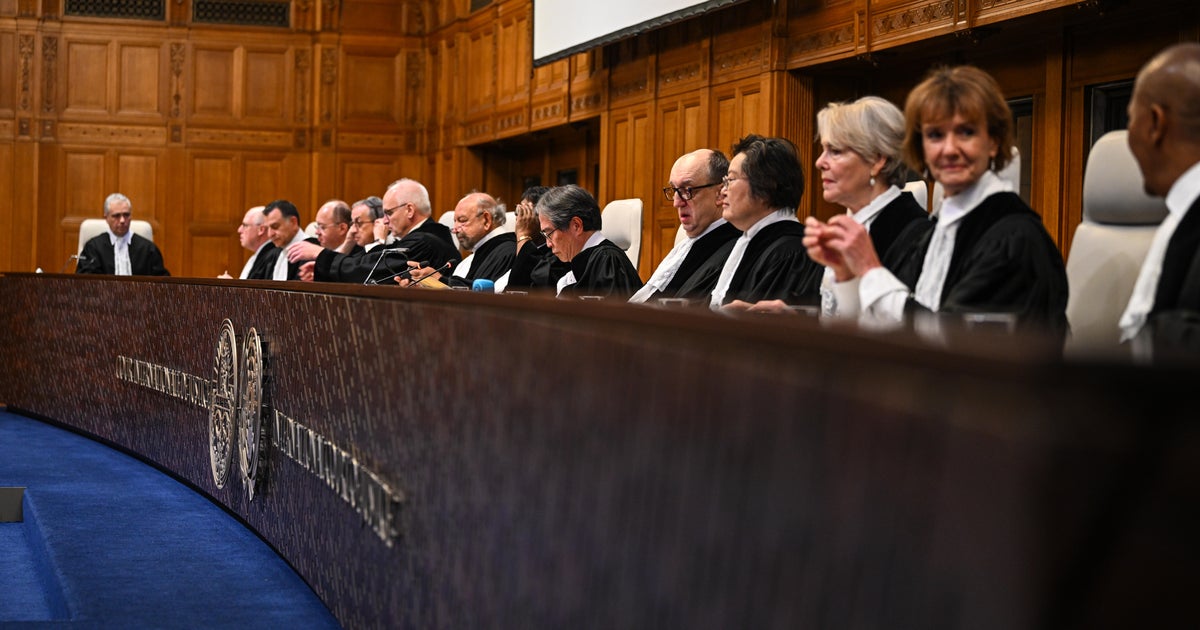
Hailed as ‘a rare moment of justice’, judges’ decision sets out a roadmap for assessing the question of intent The international court of justice (ICJ) verdict making Myanmar the first country in history to be found guilty of committing genocide does not just deliver justice for Rohingya victims. It also gives the 1948 genocide convention new relevance in governing the actions of nation states. In their nine votes to six majority ruling, the panel of judges in The Hague set out a detailed roadmap for how the convention should be applied to real-world situations in which a government is accused of committing genocide against a whole population group, especially when it comes to assessing the question of intent. Continue reading...
Hundreds of supporters of ousted Bangladesh premier Sheikh Hasina staged street protests on Thursday, as a wave of arson attacks escalated tensions ahead of her planned return from exile next month.
The United Nations’ top court has for the first time ruled that a nation committed what legal scholars call the crime of crimes, finding that Myanmar committed genocide in a brutal 2017 military crackdown against the Rohingya minority
EHRC chair says ‘misinformation’ about guidance issued after supreme court ruling has created ‘more anxiety’ The head of the UK’s equalities watchdog has urged people to “take the temperature down” on reaction to guidance issued on single-sex spaces. Mary-Ann Stephenson, the chair of the Equality and Human Rights Commission (EHRC), appearing before MSPs in Holyrood, said “misinformation” over the body’s guidance had created “more anxiety among people”. Continue reading...
The unprecedented International Court of Justice verdict concerns a 2017 military crackdown that killed thousands.
Relief in the immediate aftermath of a landmark ruling, but what happens next is in the hands of governments around the world There were tears in the halls of The Hague in the Netherlands and an eruption of applause in the refugee camps of Bangladesh as the scattered communities of Rohingya watched the UN’s top court rule the Myanmar military had committed genocide against them. For almost a decade, the Rohingya have awaited this moment; recognition from the international court of justice (ICJ) that Myanmar in 2017 intentionally tried to destroy the mostly Muslim minority group through a campaign of mass killings and rape. More than 10,000 Rohingya were killed and 700,000 fled to neighbouring Bangladesh. Continue reading...
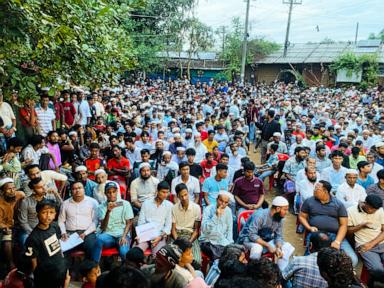
People gathered in the rain to hear the ruling on whether Myanmar had committed genocide, though they understood it might not change their lives anytime soon.
Erin Ogunkeye welcomes Reed Brody, Member of the International Commission of Jurists, Human Rights Lawyer and veteran war crimes prosecutor. The International Court of Justice's ruling on Myanmar marks, according to Brody, "a historic victory for the Rohingya, but also a landmark for international justice." He explains how the court assessed evidence of genocidal intent, rejecting Myanmar's justification of its military operations as counterterrorism. He argues that "the existence of an armed conflict or a security objective doesn't exclude genocidal intent," a finding he believes will have "far-reaching implications in future genocide cases," including South Africa's case against Israel over Gaza. Brody also discusses the Gambia's role in bringing the case and growing challenges to international accountability, warning that "we're in a very dangerous moment."
This is the first time the court has ruled that a state committed genocide.
In August 2017, after attacks by a Rohingya militia, Myanmar’s army launched a “clearance campaign” in Rakhine state, with survivors describing mass killings, rapes and burned villages as hundreds of thousands fled to Bangladesh. The Gambia took Myanmar to the ICJ in 2019, and after a seven-year legal fight the court has ruled that Myanmar committed acts of genocide. Meanwhile some 1.2 million Rohingya remain in crowded camps, unable to return home.
On Thursday, the International Court of Justice ruled that the atrocities against the Rohingya ethnic minority constituted a genocide waged by the Myanmar state. Before the decision, Hannah Beech, a New York Times correspondent, spent a week in the refugee camps in Cox’s Bazar, Bangladesh, home to at least 1.2 million Rohingya.
The trauma Israeli soldiers bring home — and the consequences of Israel’s genocide in Gaza.
Oliver Farry welcomes Sonya Sceats, Director and CEO of the British Institute of International and Comparative Law. The case brought by The Gambia against Myanmar before the ICJ, and the court ruling, both have great significance for the Rohingya people, the interpretation of the Genocide Convention and the possibility of future criminal proceedings. The case could also have important implications for South Africa's proceedings against Israel, where there are “many similarities between the two cases.”
The landmark judgment is the first time a state has been found legally responsible for seeking to destroy an ethnic or religious minority.
The U.N.'s top court ruled in a landmark judgment that Myanmar committed genocide against the Rohingya minority in a brutal 2017 military operation.
The International Court of Justice found that Myanmar security forces "acted with genocidal intent" against the Rohingya during the 2017 military operations in the northern Rakhine State.
PRESS REVIEW – Thursday, November 19: An historic trilateral summit takes place in Shenzhen between Xi Jinping, Donald Trump and Vladimir Putin. But is it more optics than substance? Also, a highly awaited decision from the International Court of Justice could redefine genocide. Finally, a huge cultural moment: "Grand Theft Auto VI" is out and the reviews are ecstatic.
The ICJ has ruled that Myanmar committed genocide against the Rohingya in northern Rakhine State.
Myanmar became the first state held accountable for violating the 1948 Genocide Convention. The ruling by the International Court of Justice could have broad implications.
The International Court of Justice has upheld large parts of a genocide case against Myanmar linked to the 2017 conflict with its Rohingya minority. It called for it to pay reparations and let refugees return safely.
The International Court of Justice has upheld large parts of a genocide case against Myanmar linked to the 2017 conflict with its Rohingya minority. It called for it to pay reparations and let refugees return safely.
The ICJ is preparing to rule on whether Myanmar committed genocide against the Rohingya, in a case brought by The Gambia after the 2017 crackdown. The key legal test is proving intent to destroy a group, which is notoriously hard, and the court’s reading of it could also weigh on South Africa’s case against Israel.
Judgment ends seven-year legal battle and is seen as critical test for dealing with most serious of all state crimes Myanmar committed acts of genocide against its Rohingya minority during “clearance operations” nearly a decade ago, the world’s highest court has ruled. The judgment from the international court of justice (ICJ) – which has never previously found a state responsible for genocide – ends a seven-year legal battle and is seen as a critical global test for dealing with the most serious of all state crimes. Continue reading...
In case filed at the ICJ in 2019, The Gambia accused Myanmar of breaching the 1948 Genocide Convention.