Massive hope for pancreatic cancer pill after trial saw tumours vanish
Daily pill daraxonrasib appears to shrink and possibly even eliminate tumours in some patients with one of the deadliest cancers.
BBC News · 21h ago

Daily pill daraxonrasib appears to shrink and possibly even eliminate tumours in some patients with one of the deadliest cancers.
A study led by Queen Mary University of London has found that the number of new cancer cases each year among transgender and gender-diverse people in England could more than double over the next decade.
A research team led by professor Youhei Takeda at the University of Osaka, in collaboration with professor Zachary M. Hudson at the University of British Columbia (UBC) in Canada, has developed a polymer material that combines fluorescent cell imaging with the potential to kill cancer cells when activated by light. The material could offer a simpler approach to developing "nanotheranostic" technologies, which bring disease imaging and treatment together in a single platform.
University of Michigan researchers have discovered a mechanism that enables microscopic organisms like bacteria and fungi to produce drug-like molecules—compounds that can fight infections or kill cancer cells—without damaging themselves.
The Jackson 5 member said he's been battling cancer for four years now and is keeping a positive outlook.
Tiny chemical marks on histones—the proteins that package our DNA—can profoundly influence gene activity without changing the underlying DNA sequence. One such mark, known as histone acetylation, plays a crucial role in regulating gene expression and is frequently disrupted in diseases such as cancer. Researchers, however, wondered how the enzymes responsible for adding these marks know exactly where to place them.
People say "the body keeps score"—but it might be more accurate to say our neurons do. In healthy people, neurons accumulate about 17 single-nucleotide variants each year, a pattern that holds from birth through a person's final years, according to research from HHMI investigator Chris Walsh and others.
For patients with head and neck cancer, treatment can come at a high cost to their quality of life, affecting their ability to speak, swallow and even breathe due to invasive procedures. Now, Penn State researchers have developed a light-activated nanoparticle system with the long-term goal of shrinking tumors while limiting exposure to healthy tissue and improving patients' quality of life after cancer treatment. Penn State has licensed the technology to Illuminate Therapeutics, which is advancing its preclinical development.
Personalized cancer treatments challenge a regulatory system designed for an era of mass-produced drugs.
Researchers at Umeå University have discovered how chemical marks on RNA control a DNA methylation enzyme and contribute to the silencing of tumor-suppressor genes in ovarian cancer cells. The findings provide new insights into the disease and may, in the long term, contribute to the development of new treatment strategies for high-grade serous ovarian carcinoma.
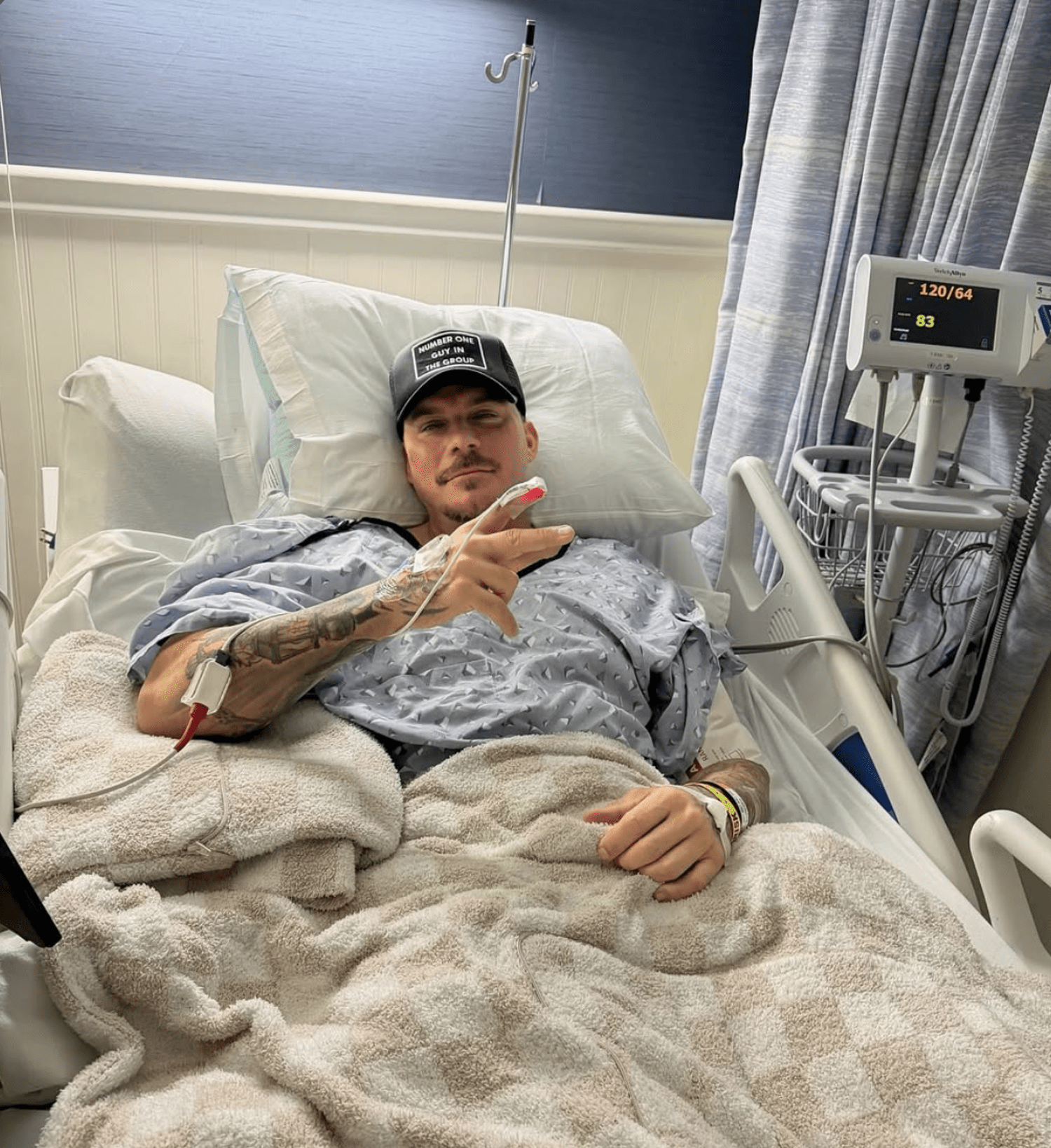
Marlon Jackson, Michael Jackson’s older brother who also sang in the Jackson 5, has revealed that he has stage four prostate cancer. He shared the health update while appearing as a guest on “The Farah Shammas Podcast.” When asked by Shammas how he stays healthy at age 69, he said, “I’ma break some news to […]
The former Liberal MP had fought a long battle against glioblastoma, an aggressive form of brain cancer Former Liberal MP Sharman Stone has died via voluntary assisted dying after spending much of her political career advocating that people should have autonomy over their bodies. Dr Stone died aged 75 on Wednesday surrounded by family after a long fight against glioblastoma, an aggressive form of brain cancer. Continue reading...
Researchers at The University of Texas MD Anderson Cancer Center have discovered that sarcomas lacking the ATRX gene tend to be more aggressive and may be particularly vulnerable to a class of targeted therapies known as TEAD inhibitors. The findings identify ATRX loss as both a marker of poor prognosis and a potential therapeutic target.
"I've had my prostate gland removed and I've had radiation treatment and everything is fine," Jackson 5 singer and Rock Hall inductee says of current condition
Former Sen. Ben Sasse (R-Neb.) announced Thursday he will release a new memoir reflecting on his life and the passage of time next year, which he penned alongside his daughter amid his battle with Stage 4 pancreatic cancer. “Fighting cancer is… uh…not as fun as you might expect, but…working on a book with your kid…
Researchers at the Icahn School of Medicine at Mount Sinai have identified a shared molecular trait in glioblastoma, an aggressive brain cancer in adults. It resembles one used by immature cells during brain development and may reveal a target for future treatments.
Patients with multiple myeloma who developed a serious gastrointestinal side effect after treatment with chimeric antigen receptor (CAR) T cell therapy had significantly more CAR T cells persisting in their bloodstream, according to new research from The University of Texas MD Anderson Cancer Center.
Engineering patients' own immune cells to find and destroy cancer using chimeric antigen receptor (CAR) T-cell therapy has transformed the treatment of blood cancers. However, its use is limited in solid tumors because the immunosuppressive tumor microenvironment prevents CAR T-cell entry into the tumor and causes cells that enter to become exhausted.
Jax Taylor, who was made famous on the Bravo reality series “Vanderpump Rules,” shared with fans Thursday that he was recently diagnosed with cancer.
A new large study led by UC Davis and UC San Francisco researchers has found that higher cumulative radiation dose to the brain from medical imaging during childhood is linked to a greater brain tumor risk in children and adolescents. Brain tumors are the second most common childhood cancers and are the leading cause of cancer death among children and adolescents.
Combining the experimental therapy IACS-6274 with targeted therapy bevacizumab and paclitaxel chemotherapy showed promising antitumor activity in a Phase I trial of patients with advanced platinum-resistant ovarian cancer, according to new results presented by researchers from The University of Texas MD Anderson Cancer Center.
Liver cancer was the sixth most common cancer and the third leading cause of cancer-related deaths worldwide in 2022, with hepatocellular carcinoma (HCC) as the most common histological subtype, accounting for approximately 90% of liver cancers. Despite this, biomarkers that predict survival and therapeutic response to atezolizumab plus bevacizumab (Atezo/Bev), a type of systemic therapy in HCC management, have yet to be established in unresectable HCC, in which the tumor cannot be safely treated via surgical removal.
The investigational antibody-drug conjugate (ADC) micvotabart pelidotin (MICVO, PYX-201) demonstrated promising antitumor activity and a manageable safety profile in a Phase I trial presented at the EORTC-NCI-AACR Symposium on Molecular Targets and Cancer Therapeutics by researchers at The University of Texas MD Anderson Cancer Center.
Jax Taylor of “Vanderpump Rules” and “The Valley” reality TV fame revealed he was diagnosed with cancer over the summer after a tumor was found on his left kidney.
A first-of-its-kind USC study links two little-studied "forever chemicals" to liver cancer, with the greatest risk in those already genetically susceptible to fatty liver disease. The study, published in Environmental Health Perspectives, finds that two per- and polyfluoroalkyl substances (PFAS), also known as "forever chemicals," are associated with a significantly higher risk of liver cancer, with the strongest effects in people genetically predisposed to metabolic dysfunction-associated steatotic liver disease (MASLD), also known as fatty liver disease.
An Italian court in the town of Vicenza on Wednesday sentenced two parents to two years in prison on involuntary manslaughter charges for refusing adequate cancer treatment for their late son. The post Italian Court Sentences Parents for Refusing Cancer Treatment for Late Teenage Son appeared first on Breitbart .
An antibody-drug conjugate, a type of drug that targets and enters cancer cells like a Trojan Horse, has shown promising early results across diverse types of soft tissue sarcoma in a Phase I trial. The findings were presented at the 38th EORTC-NCI-AACR Symposium on Molecular Targets and Cancer Therapeutics in Barcelona, Spain.
Did the biotech company Erasca find a more potent, better-tolerated pan-RAS cancer drug than Revolution Medicines?
Scientists have discovered a rare inherited mutation in the CDK12 gene linked to aggressive prostate cancer, with all five identified carriers developing metastatic disease between ages 44 and 62. The finding could lead to expanded genetic testing, helping families uncover hidden cancer risks and potentially detect the disease while it is still treatable.
A new study led by experts at the University of Nottingham has provided new insight into how a commonly used test for colorectal cancer performs in people under 50.
Morphea is associated with excess cancer incidence, according to a study published online Nov. 11 in JAMA Dermatology.
A task force, meeting after a long delay, will discuss coverage of treatments for cervical cancer, perinatal depression, and alcohol use.
Bloomberg’s Madison Muller joins Dani Burger on “Bloomberg Deals.” Eli Lilly agreed to buy closely held Calytrix Bio in a deal that could be worth up to $1.5 billion, the latest in the drugmaker’s $32 billion wave of acquisitions in 2026 as it builds out its cancer and immunology businesses. (Source: Bloomberg)
Researchers in Japan have, for the first time, visualized the activity of an important liver enzyme in vivo using an MRI-based approach, potentially providing a new way to detect and monitor fatty liver disease. The condition can progress with few obvious warning signs and, in severe cases, can lead to liver inflammation, fibrosis, cirrhosis and liver cancer.
Researchers at Skoltech, the University of Sharjah in the United Arab Emirates and Tokai University in Japan, together with colleagues, have published an open-access review of computer vision in histopathology. The review examines how algorithms can identify tissue features in lung, breast, colorectal and prostate cancers.
A team led by researchers at the German Cancer Research Center (DKFZ) and the University Medical Center Mannheim (UMM) has developed a new approach to more effectively direct immune cells against glioblastomas. In experimental models, they were able to show that a targeted mRNA vaccine significantly increases the potency of therapeutic immune cells. The paper is published in the journal Cancer Research.
A first-in-human study by Mass General Brigham Cancer Institute investigators found that a chimeric antigen receptor (CAR) T-cell therapy called TriPRIL reduced or eliminated signs of cancer in 12 of 15 patients with relapsed or refractory multiple myeloma. TriPRIL—short for trimeric APRIL (a proliferation-inducing ligand)—recognizes two proteins on myeloma cells instead of just one. Researchers published their findings in The Lancet.
Scientists tell Commons committee that exposure to colibactin in early life is a potential driver of early onset colorectal cancer Exposure to a bacterial toxin in early life has emerged as a leading suspect in the rise of bowel cancer amongs those under 50, MPs have heard. Cases of early onset bowel cancer have doubled in many countries in the past two decades, and while rising obesity and a fall in physical activity are contributors, researchers believe other factors must also be involved. Continue reading...
Cancer cells must protect themselves from the harmful substances they produce as they grow. Now, researchers have identified how they neutralize one of these substances, formaldehyde, while keeping another defense against cell death intact. The findings suggest a way to attack both defenses together, and the next step is to find out whether it could become a treatment.
Trust apologises after findings on treatment of 20 brain tumour patients under oncologist who retired in 2023 Cancer patients were severely harmed after being given years of unnecessary chemotherapy treatment by an NHS trust, a report has found. Some people were misdiagnosed and given inappropriate courses of treatment, while others were incorrectly told that if they stopped chemotherapy they would die, according to a Royal College of Physicians (RCP) report. Continue reading...
Today, more than 7 million Americans are living with Alzheimer’s disease — a number projected to reach more than 13 million by 2050. Each year, more Americans lose their lives to Alzheimer’s than to breast cancer and prostate cancer combined, and women bear a disproportionate share of that burden. The condition is often associated with…
The FDA published its complete response letter to Summit Therapeutics explaining why it rejected the biotech's closely watched lung cancer drug:
Patients whose cancer is growing again should be free to decide whether another treatment is worth the risks.
Mayo Clinic researchers, in a study published in Nature Communications, have identified a group of BRCA2 gene variants associated with a moderate risk of breast cancer, a finding that could help health care teams better assess a person's cancer risk and personalize care.
More than 1.6 million Australians living with and beyond cancer could benefit from proposed Medicare reforms to increase subsidized allied health visits, a move backed by new Flinders University–led research.
The Pittsburgh Steelers surprised Canon-McMillan High School head football coach Mike Evans with tickets to Super Bowl LXI on Tuesday.
Pope Leo XIV says his lung cancer was found in a routine check-up with no symptoms, crediting prayer and doctors for his recovery before the Peru trip.
Thomas Velde, who served as head film buyer at AMC Theatres during his 27 years at the exhibitor, died Oct. 31. He was 83. Velde died of cancer at his home in Rancho Mirage, Calif.. For 27 years, he worked at AMC Theatres, where he negotiated film agreements with domestic and international studios while also […]