People with HIV now lose more years of life to smoking than to HIV itself. About 1.2 million Americans are living with HIV, and while smoking among U.S. adults has fallen below 10% for the first time, people with HIV still smoke at up to four times that rate. Although many people with HIV want to quit smoking, their quit rates are much lower compared to the general population.
Health
Medicine and public health
Health, page 3
Researchers at the Garvan Institute of Medical Research have discovered that the activity of a protein called CDK1 in breast cancers is linked to how they respond to a common therapy—an insight that could inform more personalized treatment approaches for patients.
Patients cared for by female physicians in the hospital were less likely to die or be readmitted than those treated by male physicians, according to a new ICES study led by a University of Toronto researcher. This suggests that care by female physicians may be associated with better short- and long-term outcomes among patients hospitalized with common medical diagnoses.
More than a quarter of Americans have exaggerated or made up symptoms to try to get antibiotics from their doctor, either for themselves or for their children, a new study has found. The survey of nearly 1,000 people nationwide uncovered common motivations for misrepresenting symptoms, including feeling very sick or needing to return to work or school.
Hannah Smith was travelling to Aberdeen Maternity Hospital as she could not go to Dr Gray's in Elgin.
From new hires to departures, promotions and transfers, here are the latest comings and goings in the pharmaceutical industry.
Three children are in intensive care after an E. coli outbreak potentially linked to Brookshire Farms pumpkin patch in San Luis Obispo, California.
A new randomized clinical trial from Toronto Metropolitan University (TMU) found that listening to just 24 minutes of personalized music paired with auditory beat stimulation (ABS) lowered levels of the stress hormone cortisol more than twice as much as pink noise, a popular sound used for relaxation. Yet participants reported feeling equally calm after both.
Dylan Dreyer showed off her abs as Jeannie for TODAY’s Halloween show. She shares her workout, diet and the childhood advice from her dad behind her six-pack.
Political campaigns can do more than raise your blood pressure. Studies link election stress to irregular heartbeats and an increase in heart attacks.
The gut is home to billions of microorganisms. It is a complex ecosystem that regulates many of the body's functions and helps keep us healthy—when it is in balance. Our diet influences this ecosystem. But does it matter whether a person is vegan or omnivorous?
There is not enough evidence to determine whether testosterone helps with thinking and memory in midlife women, even though it is often prescribed in the UK, according to a UCL study.
On this week's “The Readout LOUD,” we discuss the latest cancer data presented at the annual meeting of the European Society for Medical Oncology.
AstraZeneca has launched a three-year cost-cutting program that aims to slice off $1.5 billion a year, with the savings reinvested in R&D.
A new series in The Lancet argues for the need to investigate a paradox of men’s health: why men experience worse health outcomes than women, even though they hold undeniable…
You may not have control over your genes, but lifestyle factors are ones you can change. Focus on these three lifestyle habits to reduce your risk for cancer.
Older adults with autism were diagnosed with parkinsonism at more than double the rate of the general population, a study of 57 million Americans found.
Lancaster County in Pennsylvania has been the epicenter of the nation's worst measles outbreak in 35 years
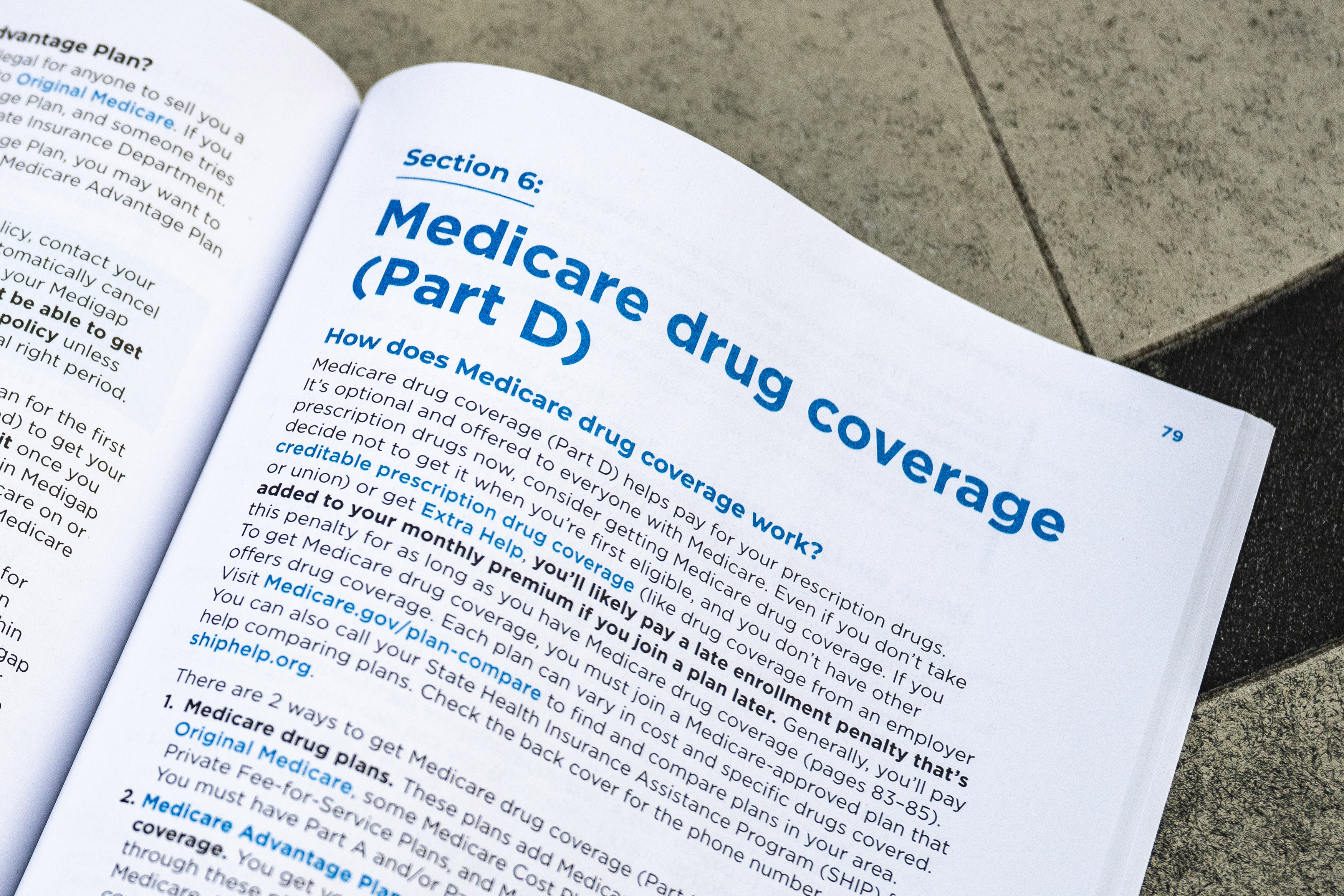
Millions of Medicare enrollees who buy stand-alone prescription drug plans will see their average monthly premiums rise by 50% in 2027, a new analysis finds. But enrollees can avoid the average increase by switching to lower-cost plans.
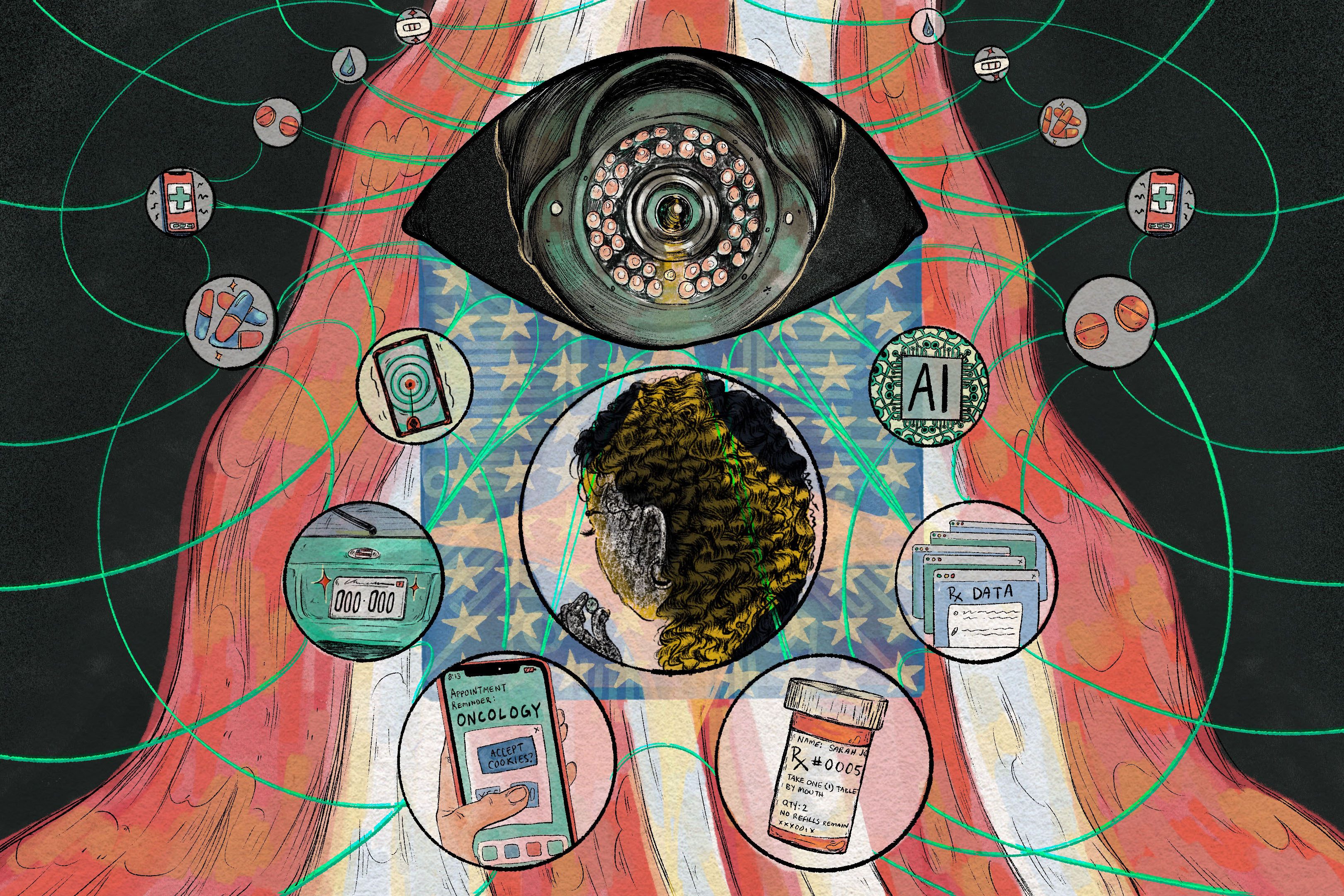
The Federal Trade Commission told a data company it could no longer sell data it collected from hundreds of millions of Americans’ mobile devices when people visited hospitals, dialysis clinics, or abortion clinics. But little is stopping other companies from doing so. In the absence of federal protections, some states are passing their own rules.