The spoilerific final look at Denis Villeneuve's third and final sci-fi epic is loaded with action and drama that set it apart from Dune: Messiah's pages.
Science
Research, space and the environment
Science · page 11
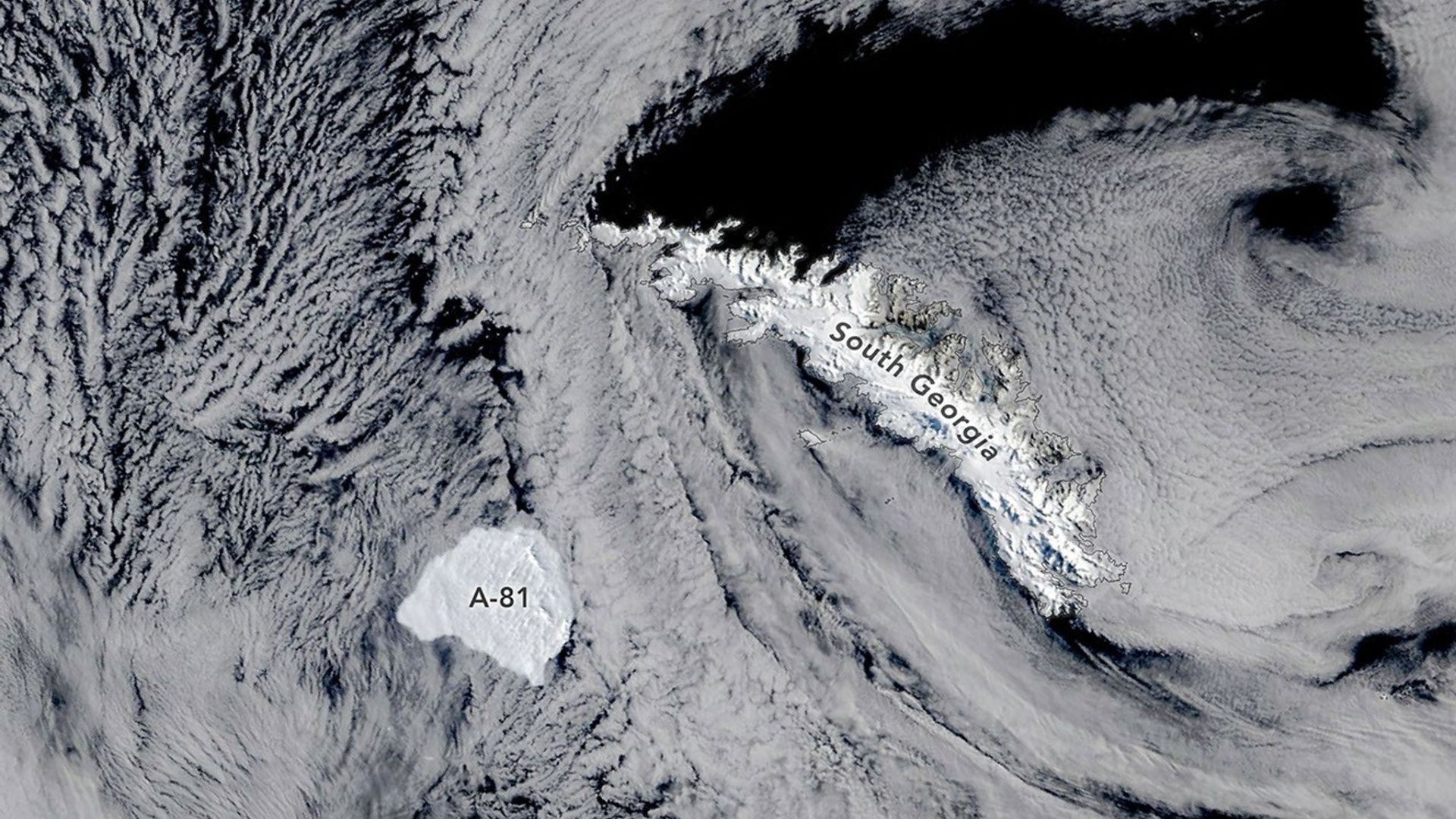
Iceberg A-81 escaping the Weddell Sea and drifting near the edge of South Georgia's underwater shelf.
Health officials will now allow some levels of a powerful substance to remain in products marketed as natural. The change could help a G.O.P. donor facing wrongful death lawsuits.
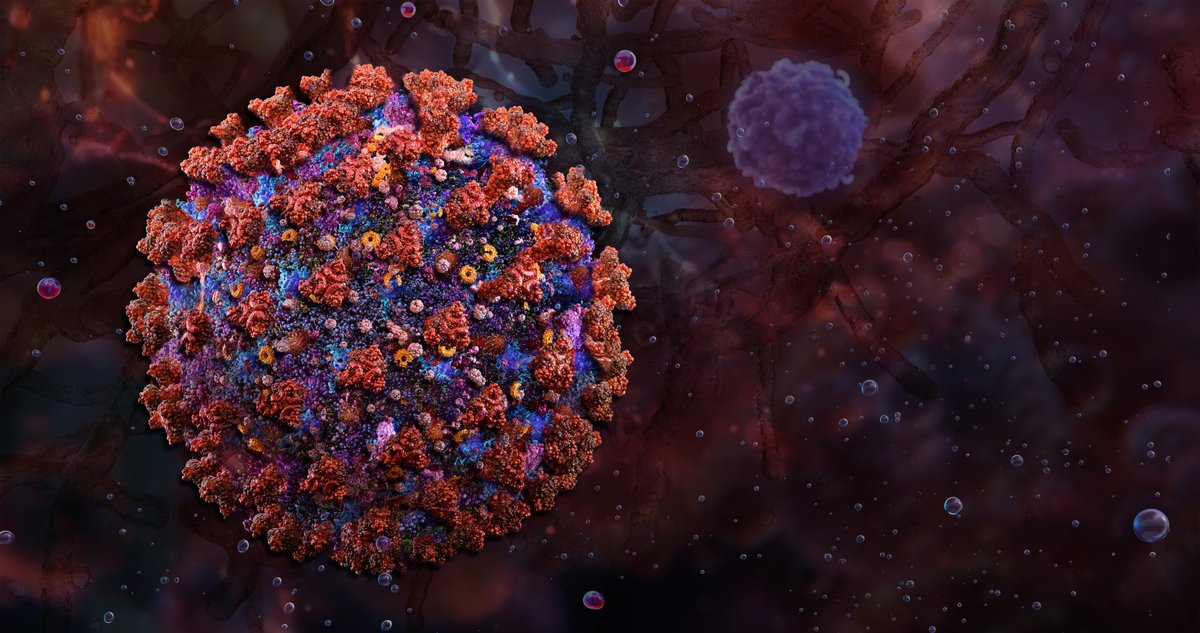
Scientists have uncovered a hidden defense mechanism in aging muscles that sacrifices strength to protect cells from damage. In mice, partially restoring a crucial molecule reversed signs of muscle wasting and prevented premature death, raising hopes for new treatments for age-related muscle decline.
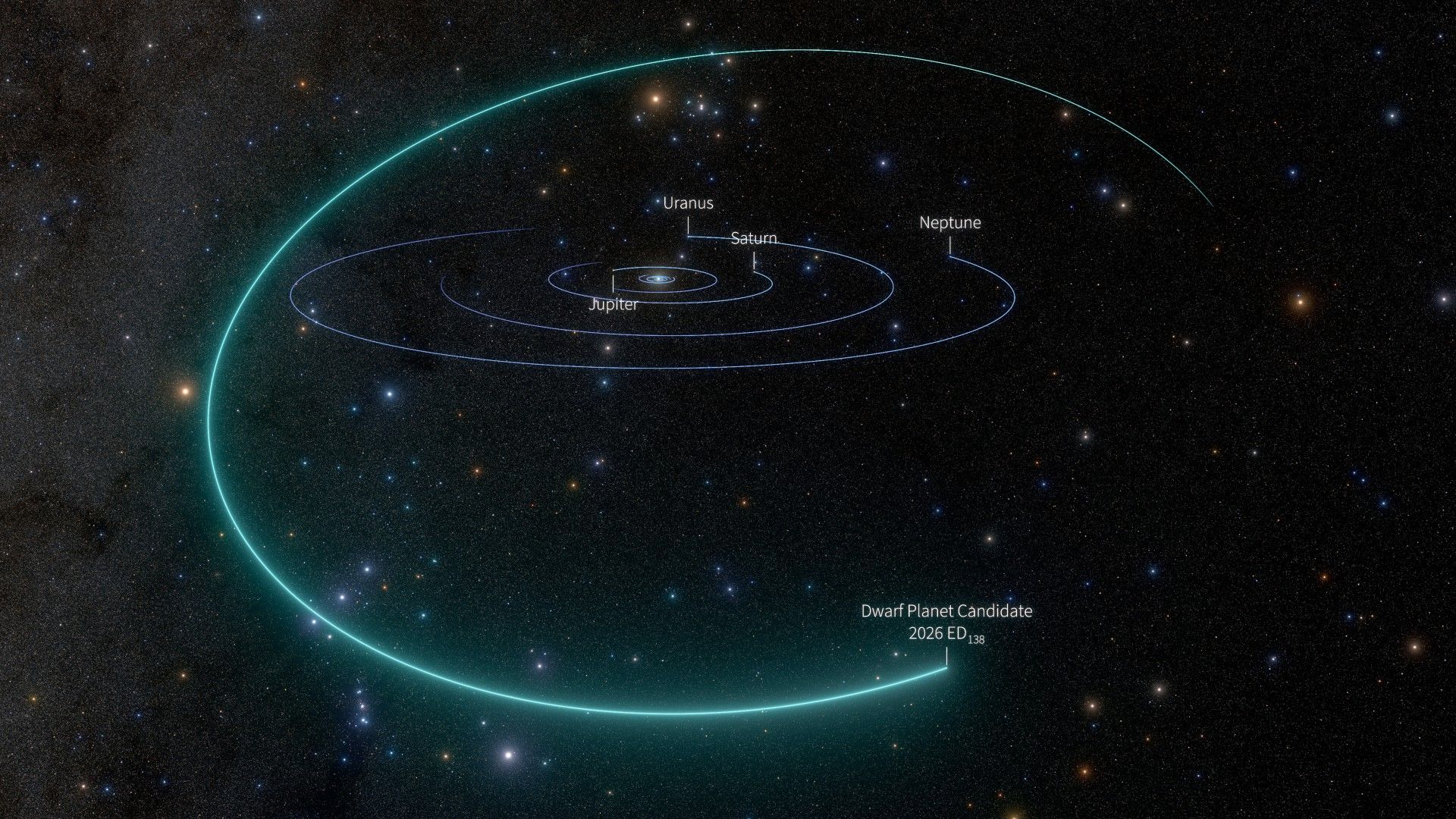
The Vera Rubin Observatory has discovered a suspected dwarf planet beyond Neptune's orbit. If confirmed, it would be the sixth known dwarf planet in our solar system.
A new Finnish study reveals that just 30 minutes in a sauna can temporarily flood the bloodstream with additional white blood cells, potentially helping the immune system patrol the body and detect threats. The surprising response resembles the immune boost seen during exercise and may help explain some of the health benefits linked to sauna bathing.
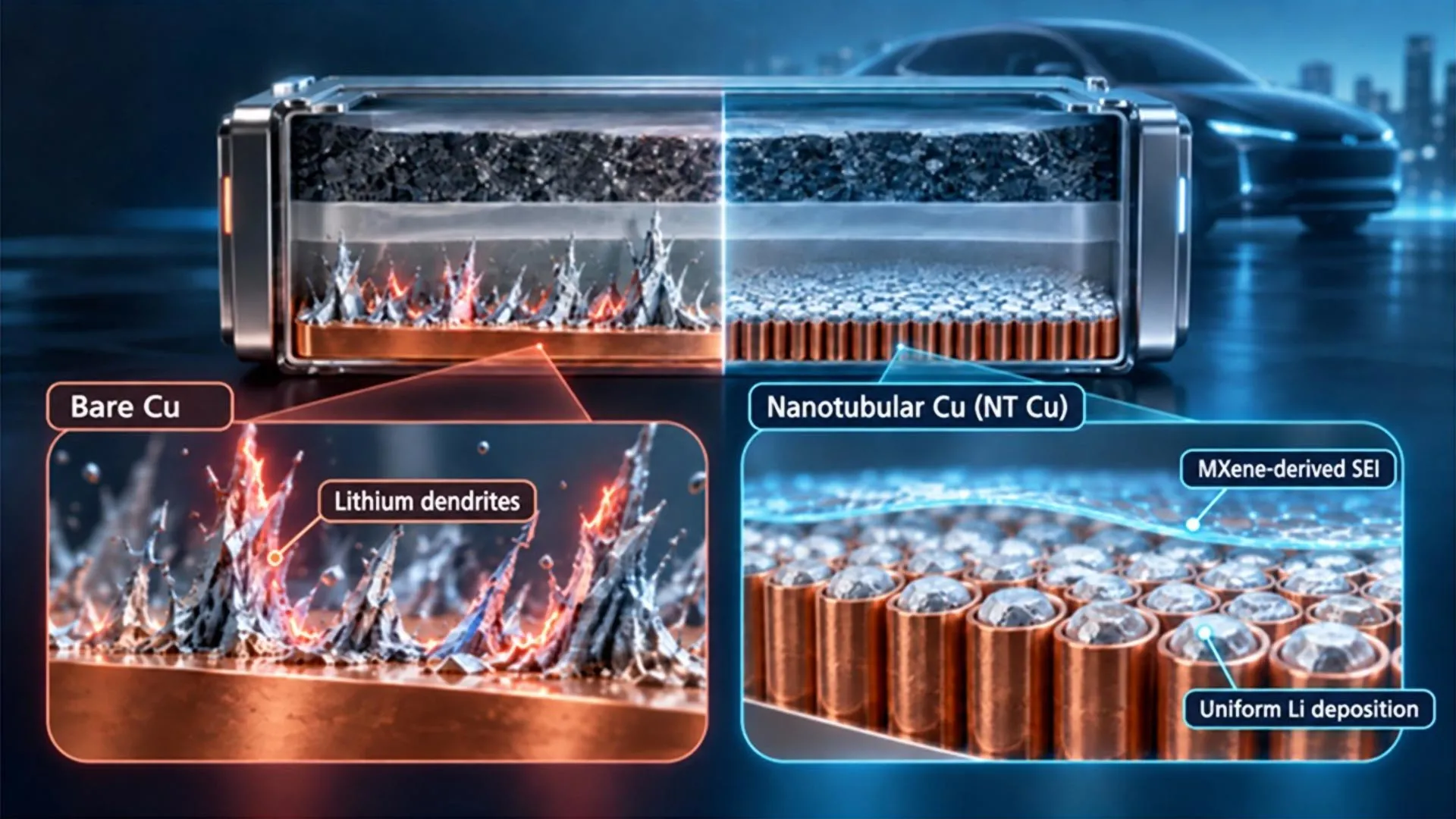
Scientists have developed a new technology that could make electric vehicle batteries smaller, lighter, and longer-lasting, potentially allowing cars to travel farther on a single charge. By borrowing precision manufacturing techniques from computer chip production, they found a way to prevent damaging lithium buildup that has held back next-generation batteries.
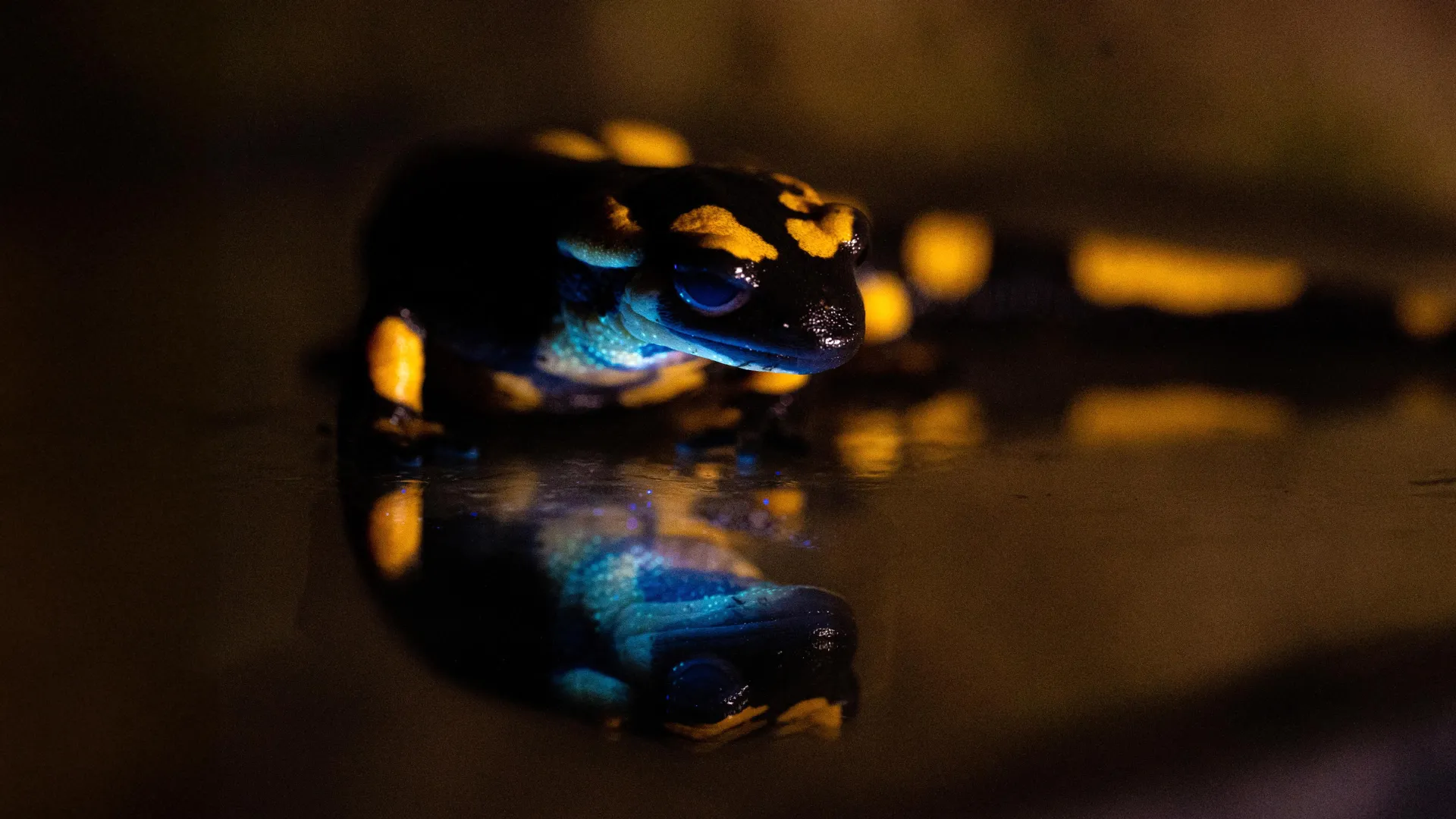
Researchers have discovered a surprising hidden ability in Europe's familiar black-and-yellow fire salamanders: they glow green and cyan under ultraviolet light. The mysterious fluorescence comes mainly from glands in their skin and their toxic secretions, which can continue glowing for more than 24 hours after being released.
The object, known for now as 2026 ED138, is one of the first discoveries by the new Vera C. Rubin Observatory in Chile.
Scientists have uncovered a long-lost volcanic system in Iran that dates back roughly 100 million years, revealing a hidden chapter in Earth's tectonic history. The discovery sheds new light on the disappearance of an ancient ocean and the powerful geological forces that reshaped the Middle East.
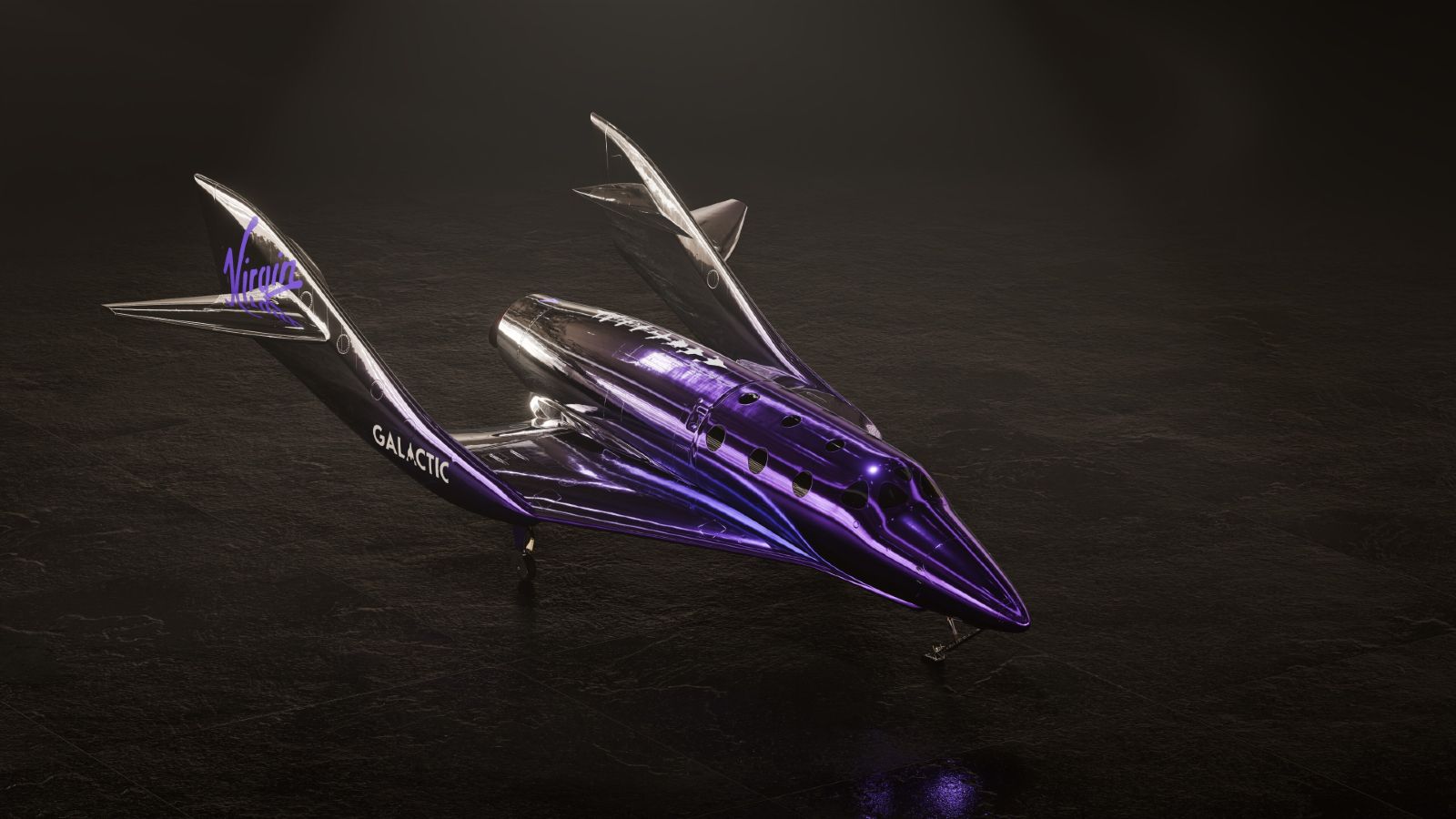
Virgin Galactic will unveil its first Delta-class spaceship on Wednesday (Oct. 28), revealing a name chosen by public vote before transporting the spacecraft from Arizona to Spaceport America in New Mexico.
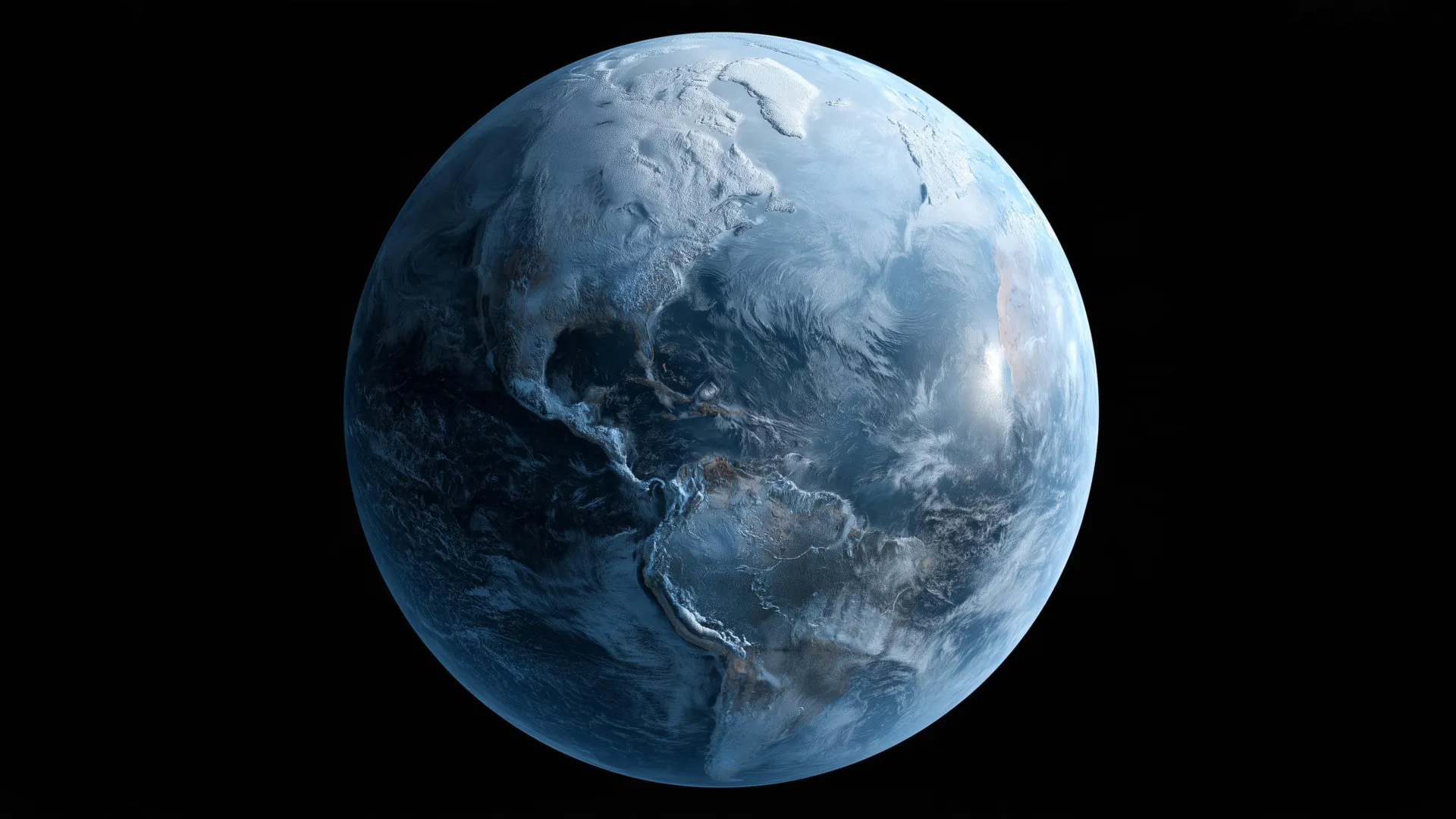
Scientists have uncovered a surprising connection between Earth's opposite poles that may help explain how the planet plunged into past ice ages. New research suggests that as massive ice sheets expanded across the Northern Hemisphere, they cooled Atlantic Ocean waters that eventually traveled south toward Antarctica. This cooling may have disrupted Southern Ocean circulation, allowing the ocean to absorb and store more carbon dioxide from the atmosphere, further cooling the planet.
Scientific American talks to author John Scalzi about his tentacle-filled 20th novel, its balance of hope and cynicism—and the possibility of a Chappell Roan crossover
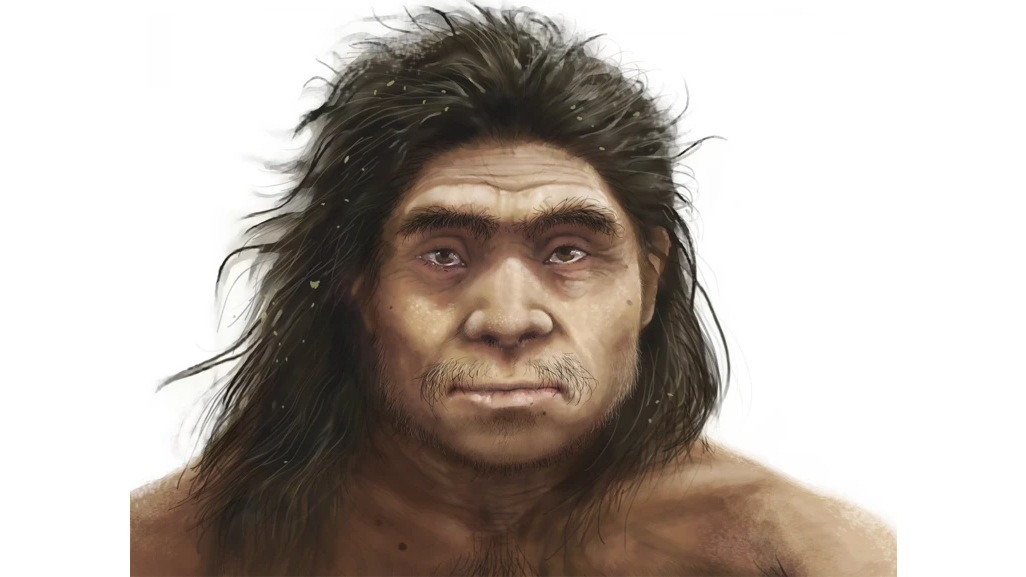
Paleoproteomic analysis of fossils from northern China reveals that Denisovans had a distinctive physical appearance.
The potential for a wider outbreak is low, but experts are still investigating how the disease-causing virus leaped from animals to humans in the first place
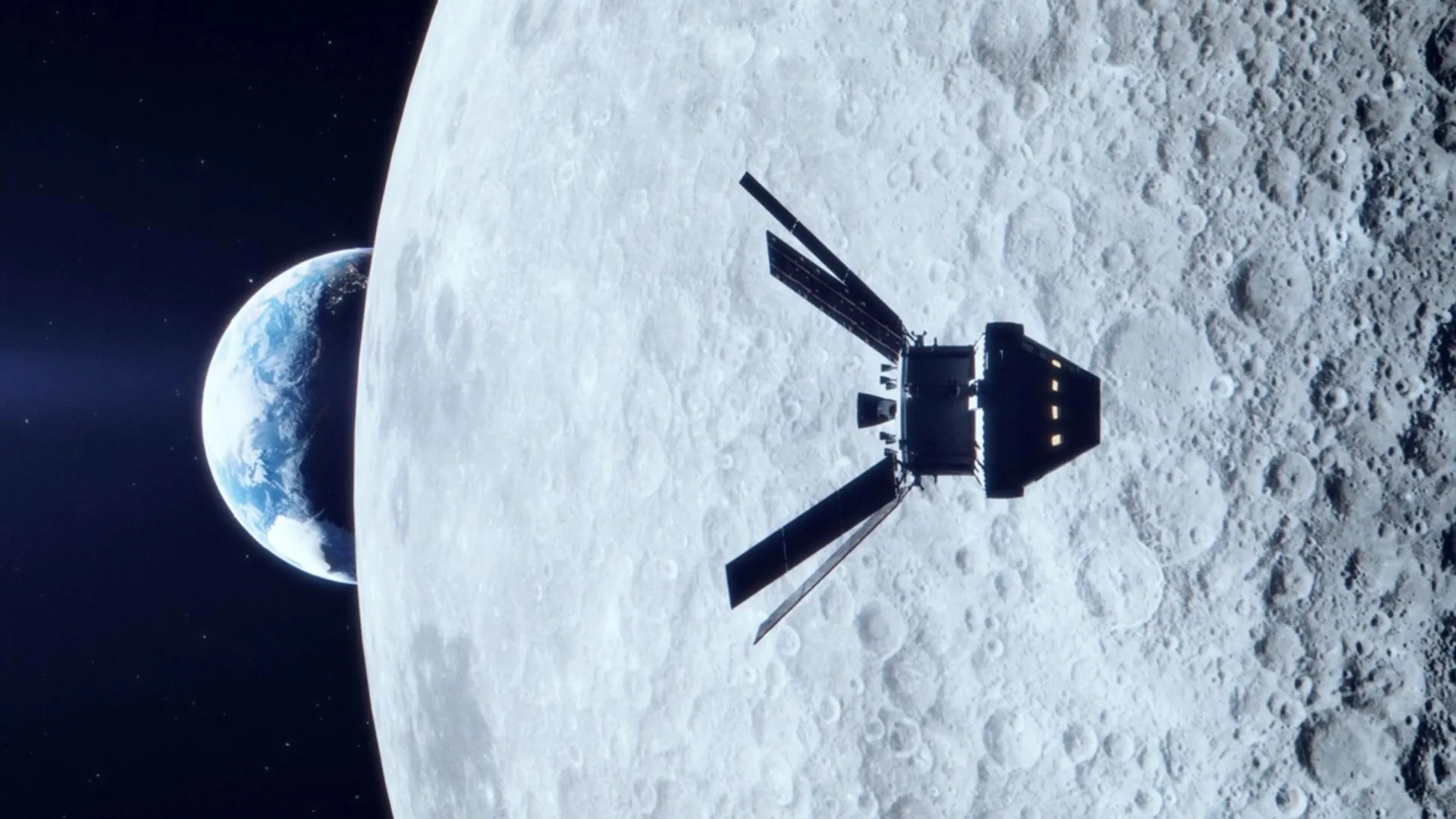
NASA’s Artemis I mission has revealed that cosmic radiation near the Moon is higher than in Earth orbit, but not by as much as scientists might expect. Tiny experimental detectors also uncovered surprising details about how radiation passes through the human body, offering valuable insights for future lunar exploration.
A woman's unexplained abdominal pain led doctors to a diagnosis that has only been documented a few hundred times over the past 400 years.
Scientists have long known that when two black holes collide, they merge to create a more massive black hole. New research suggests that the opposite may happen too: single black holes may split in two.
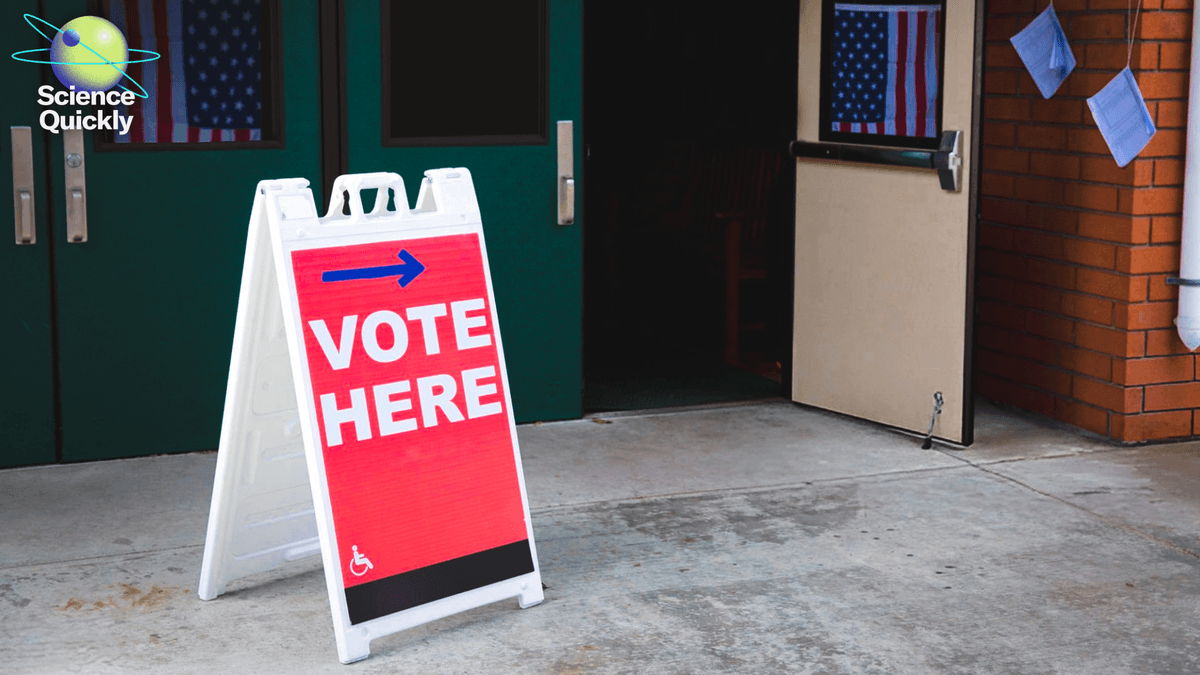
From Medicare for All to research grants, science-driven issues are playing a role in the midterm elections
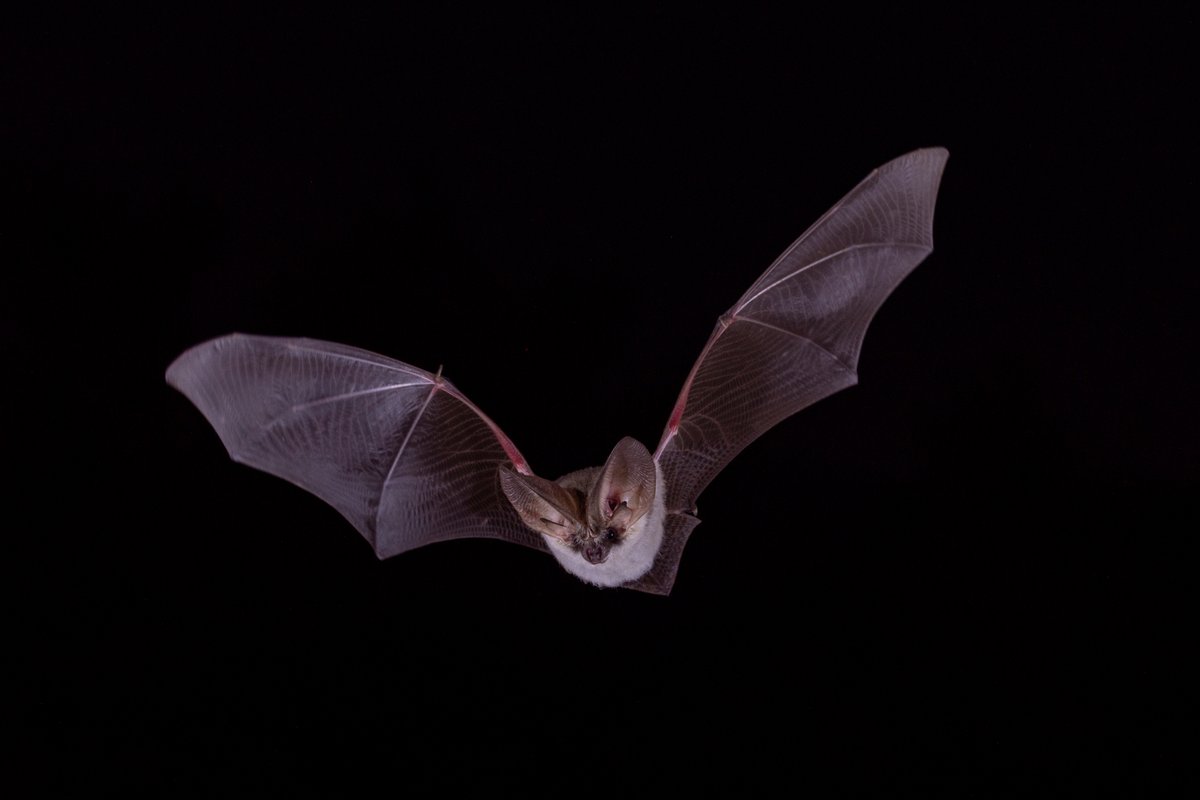
Bats deserve a little more love