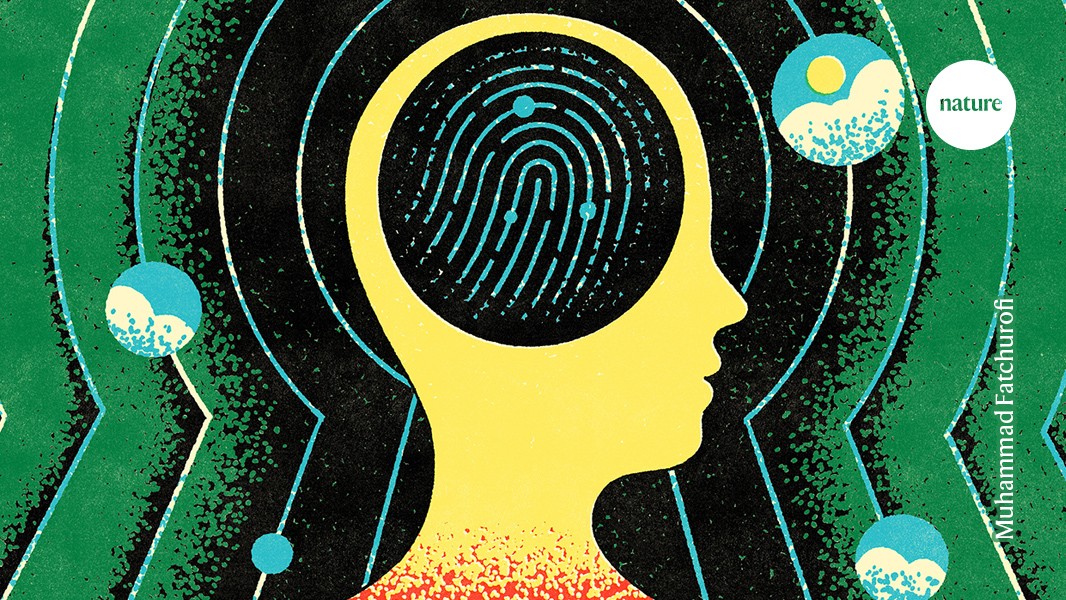
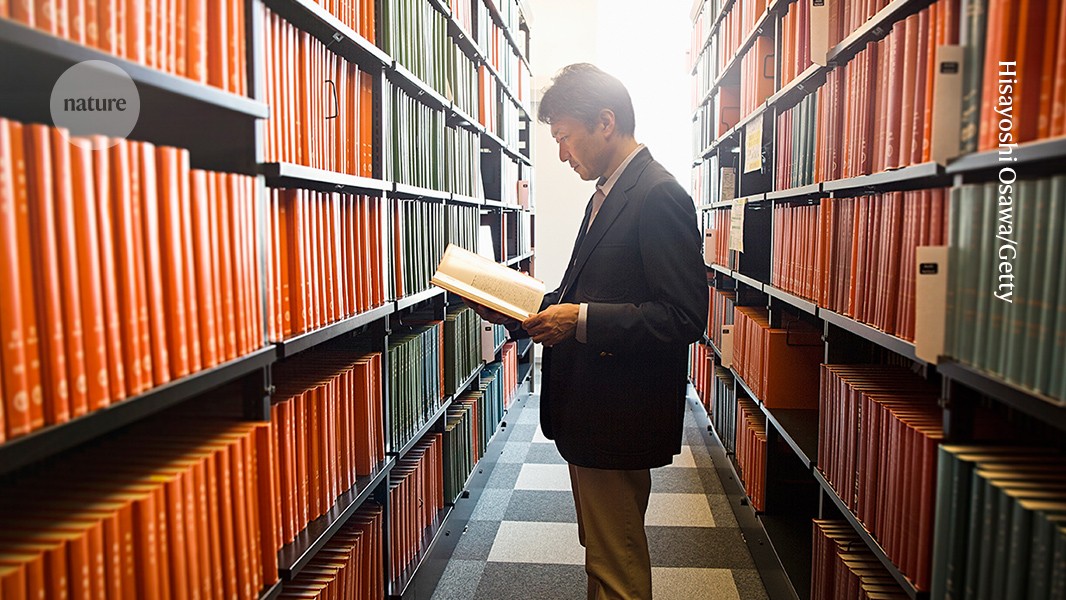
The promise of AI automation to fix the administrative problems facing universities is a fallacy. These systems will only increase the burdens of already-struggling institutions says Akhil Barwadj .
Science
Research, space and the environment
Science · page 12
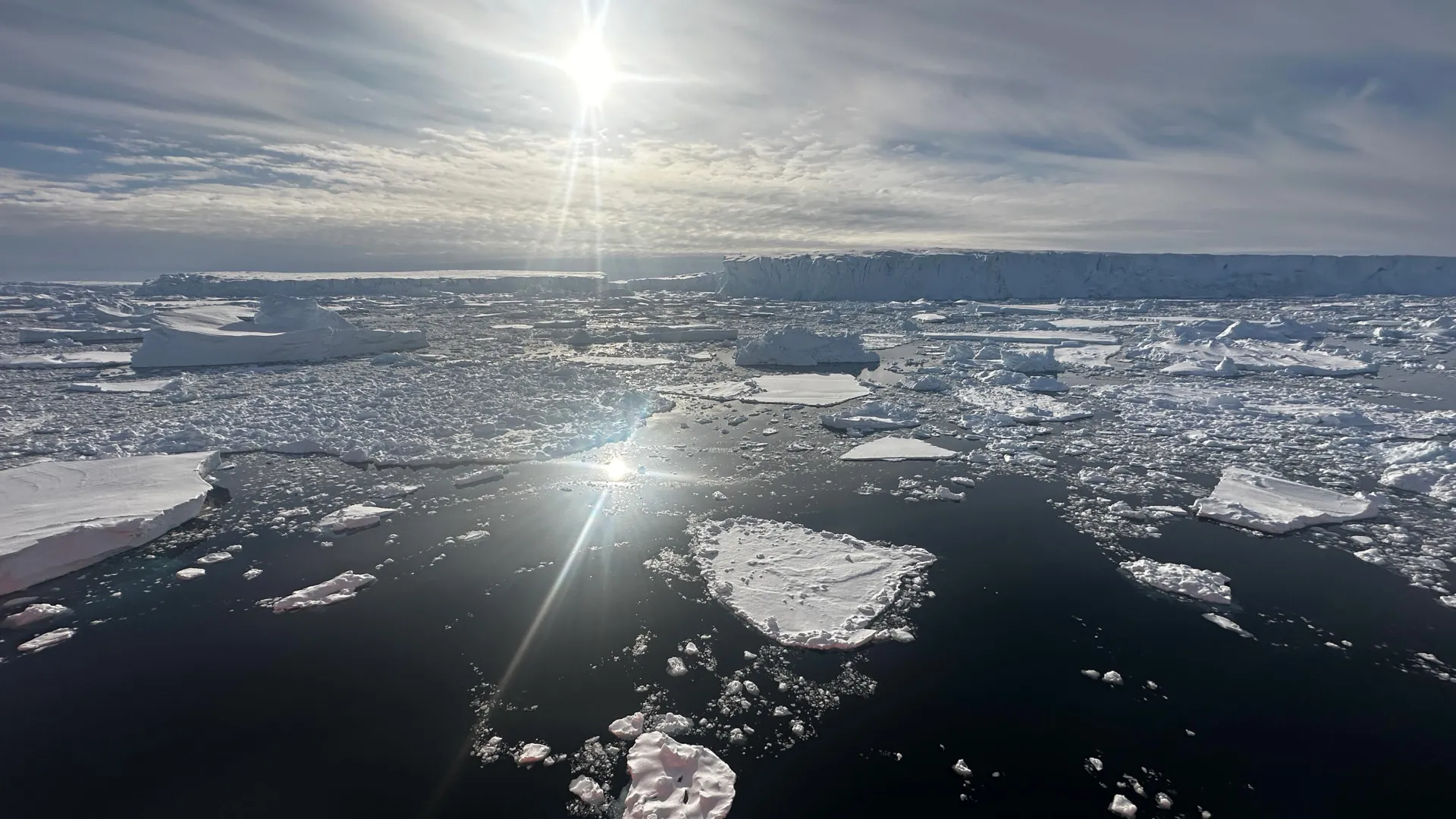
Antarctica’s Thwaites Glacier may be melting twice as much as previously predicted, even without additional global warming. Scientists discovered that warm ocean water is penetrating miles beneath the ice, weakening its foundations and accelerating its retreat. A new model predicts that the glacier could add up to 30 millimeters to global sea levels by 2100, with a 60% chance of losing a crucial stabilizing ridge.
Experts say symptoms such as dark circles under the eyes, grey skin, cracked lips and hair loss can be a warning sign – but there are other factors too TikTok is rife with influencers warning of “ferritin face”, a term they use to describe the pallor, dark circles, dry skin, and hair loss claimed to indicate low iron stores. But is this based on fact or fiction, and when is it time to head to the GP? Continue reading...
Scientists uncover ancient hills and swamps that disappeared as sea levels rose across northern Adriatic Venice is famed for being a floating city, but research shows the land it sits on once lay many miles inland. Dramatic changes in sea level over 10,000 years have reshaped the northern Adriatic coastline, with much of the land that our ancestors roamed now lying beneath the waves. Samuele Ongaro, at the University of Southampton, and colleagues combined seismic data with sedimentary cores from the coastal basins of northern Italy, Slovenia and northern Croatia to model changes in sea level across the region and reconstruct past landscapes over the past 10,000 years. Continue reading...
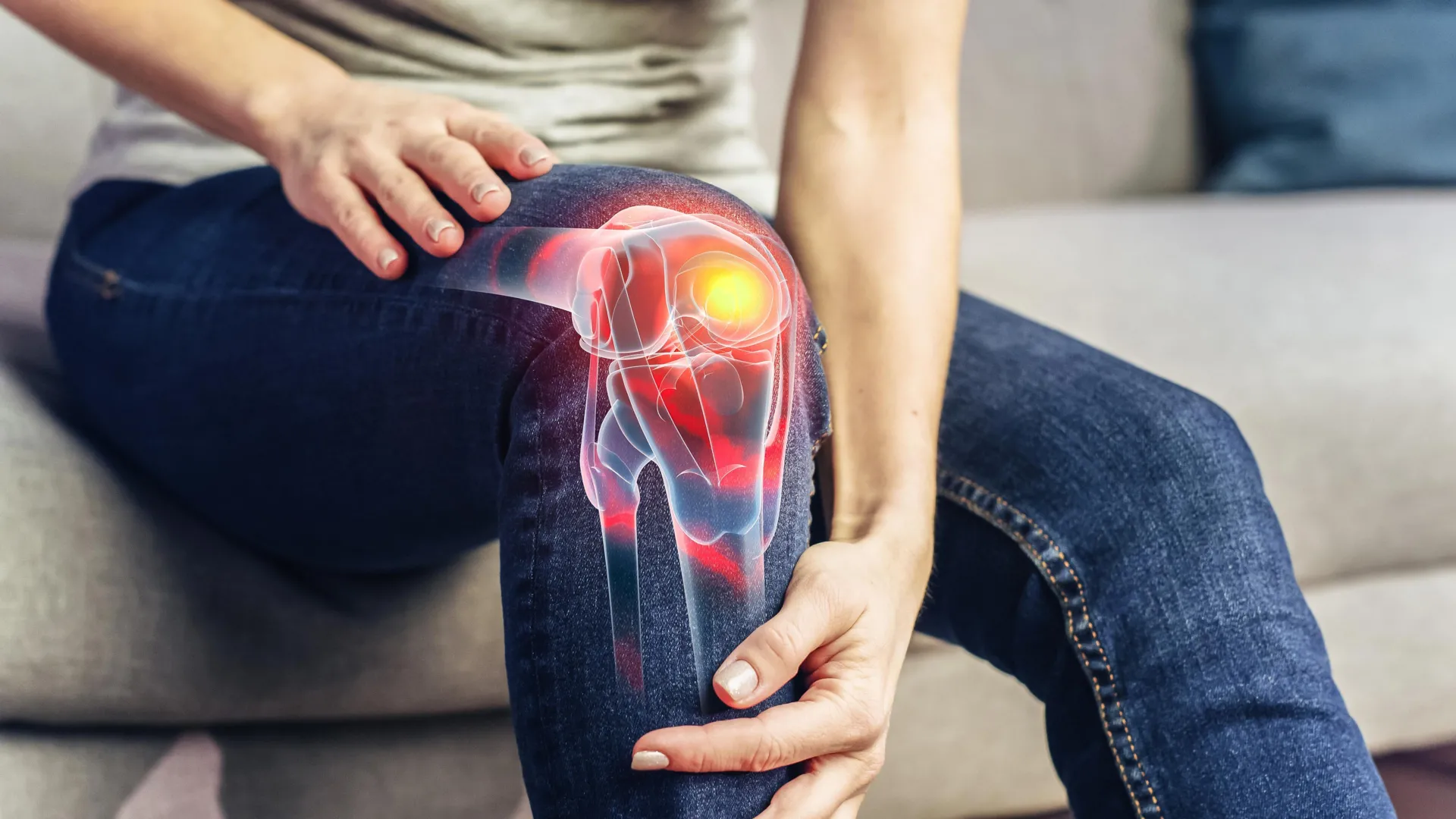
A new clinical trial suggests that a simple daily fiber supplement could significantly reduce knee osteoarthritis pain, improve muscle strength, and make the body less sensitive to pain. Researchers discovered that the benefits may be linked to changes in gut bacteria and the hormone GLP-1, revealing a promising new approach to arthritis relief.
A major new study reveals that autistic children’s brains process faces differently, and those differences may begin earlier than scientists previously thought. Researchers found that brain signals associated with recognizing faces become more specialized as neurotypical children grow older, but show much less change in autistic children. The discovery could help explain why some autistic people have difficulty recognizing faces and reading emotions.
The asteroid that killed the dinosaurs may have set the stage for ants to conquer the planet, with a surprising boost from “jumping genes” hidden in their DNA. Scientists discovered that bursts of activity from these mobile genetic elements coincided with the rise of major ant groups and may have helped sharpen their extraordinary ability to communicate through smell.
The Biden administration had sought to crack down on methane leaks, a big driver of climate change. Those rules are now being scaled back.
AI has made some awesome scientific discoveries. But now, questions are being raised about its accuracy
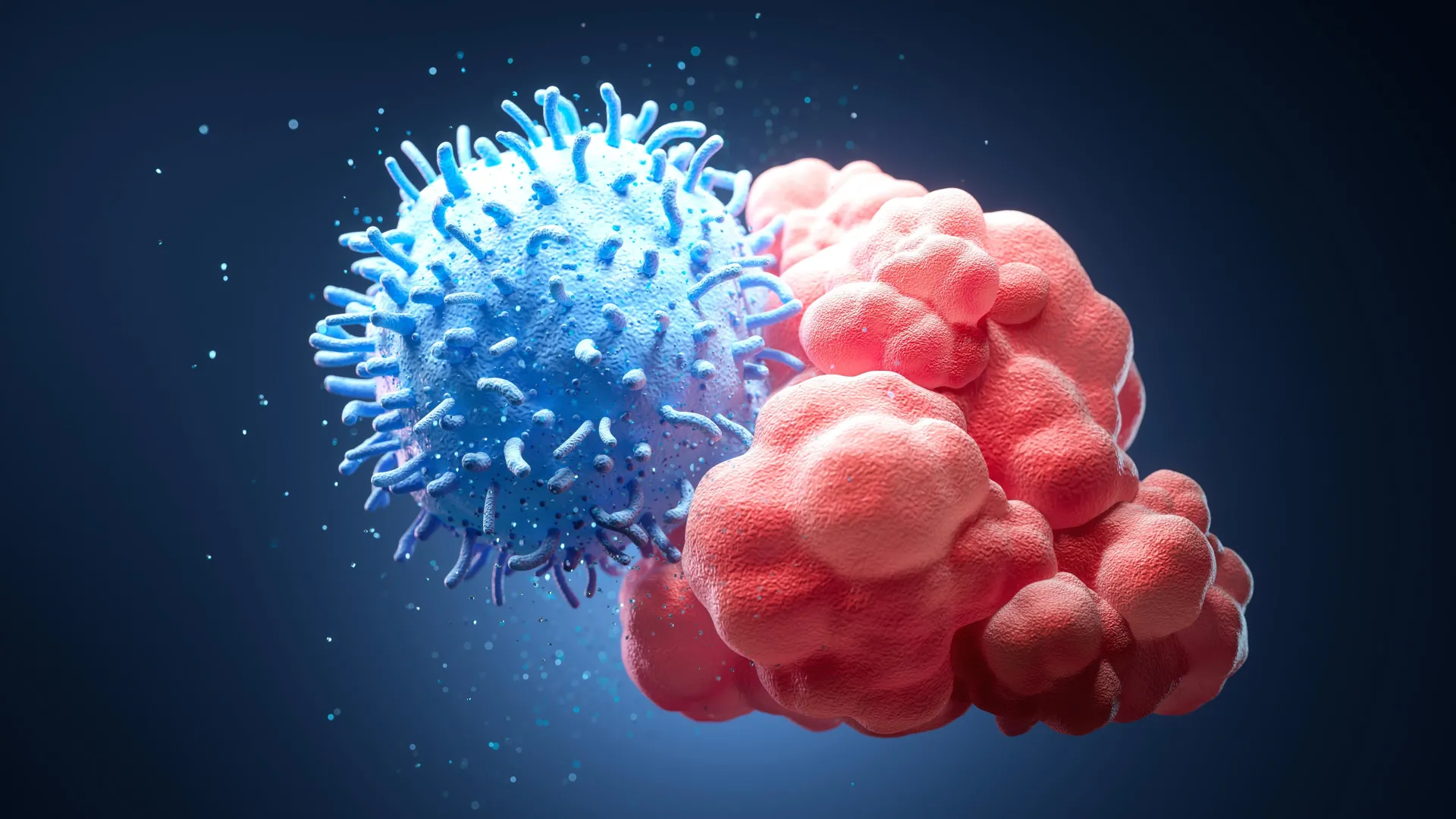
Scientists at McGill University have discovered a surprising new ability of immune cells that could change how we understand long-term immunity. Researchers found that T cells can actually sense how stiff their surrounding tissues are, using these physical signals to help determine whether they develop into long-lasting memory cells that protect against future infections.