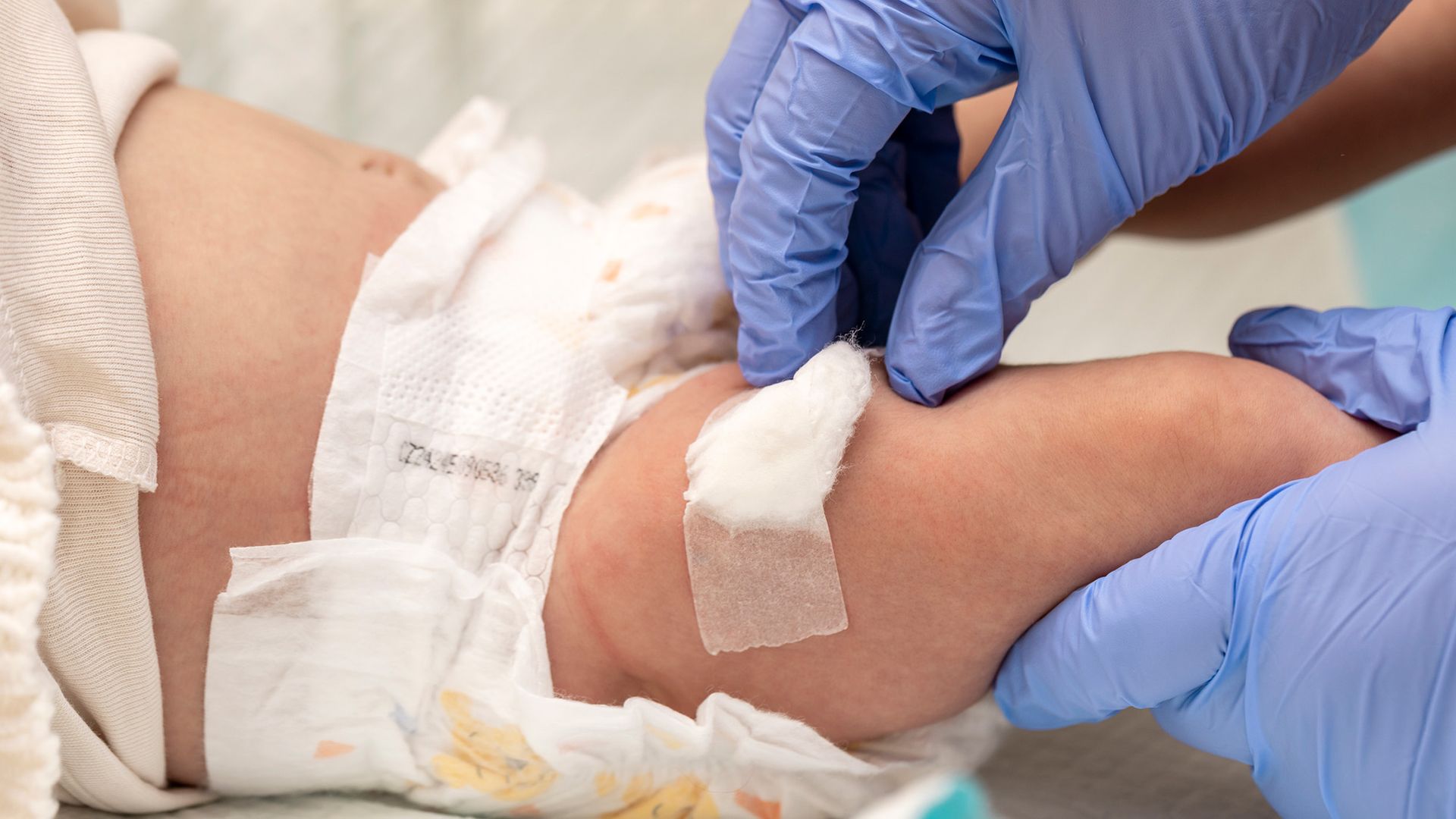
A proposed shift in recommendations for hepatitis B vaccination in the U.S. could leave millions of young adults unprotected, a new modeling study suggests.
Science
Research, space and the environment
Science · page 16
Jennifer Shuford, a well-respected infectious disease researcher, cited a desire to spend more time with her family
Members of the same people who settled Easter Island also discovered Hawaii, a new study finds.
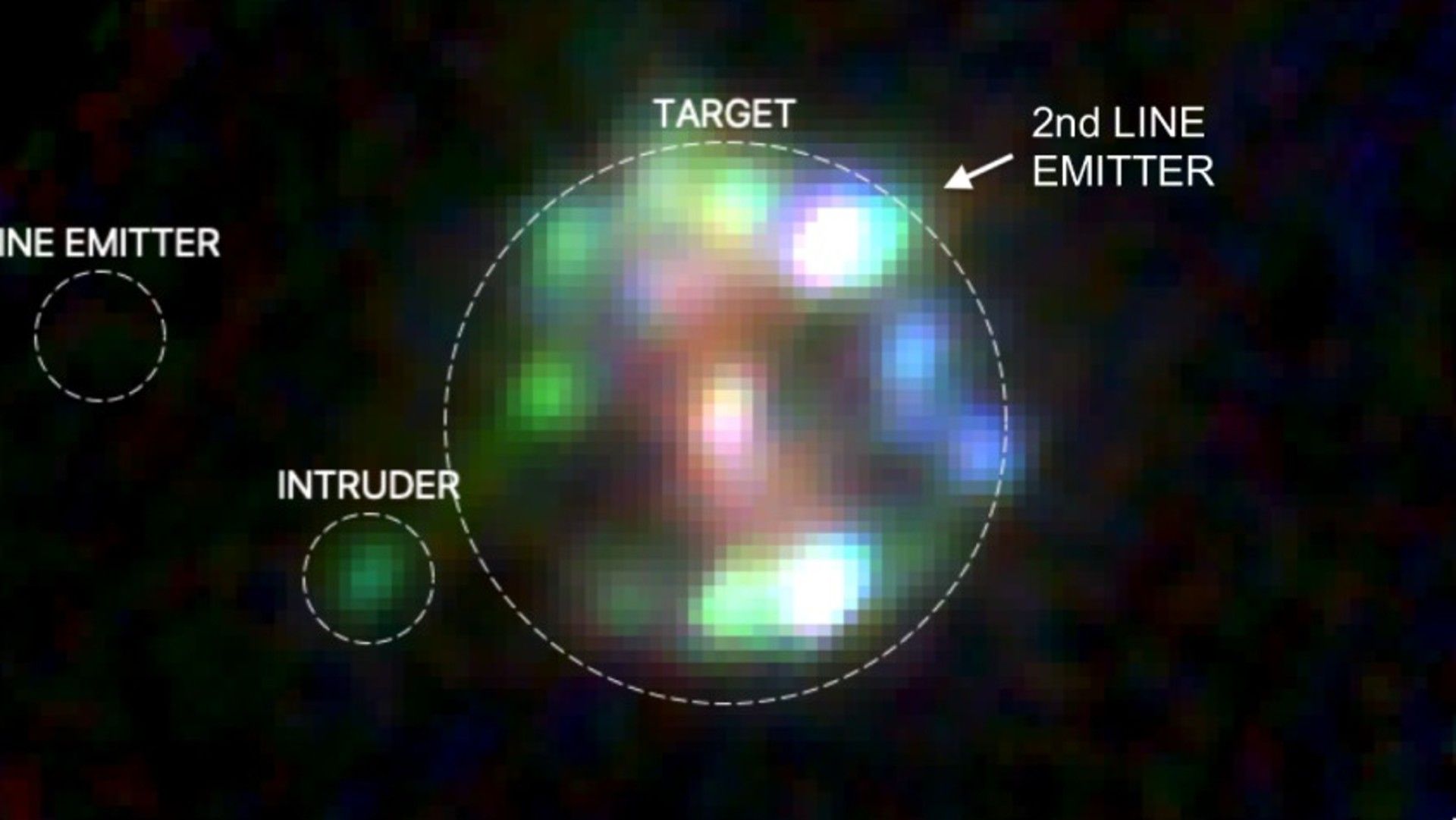
Astronomers using the James Webb Space Telescope have observed a galaxy with a ring of newborn stars as it appeared 2.1 billion years after the Big Bang — hinting that the early universe may have been more chaotic than once thought.
'The fact that I get to work with some of the greatest creators and artists working today feels like a dream.'
Environmental regulator Sepa says households recycled 42.8% of waste in 2025 - down from 44.3% the previous year.
As Scotland's recycling rate falls to its lowest level in five years, Kevin Keane looks at what happens to our rubbish.
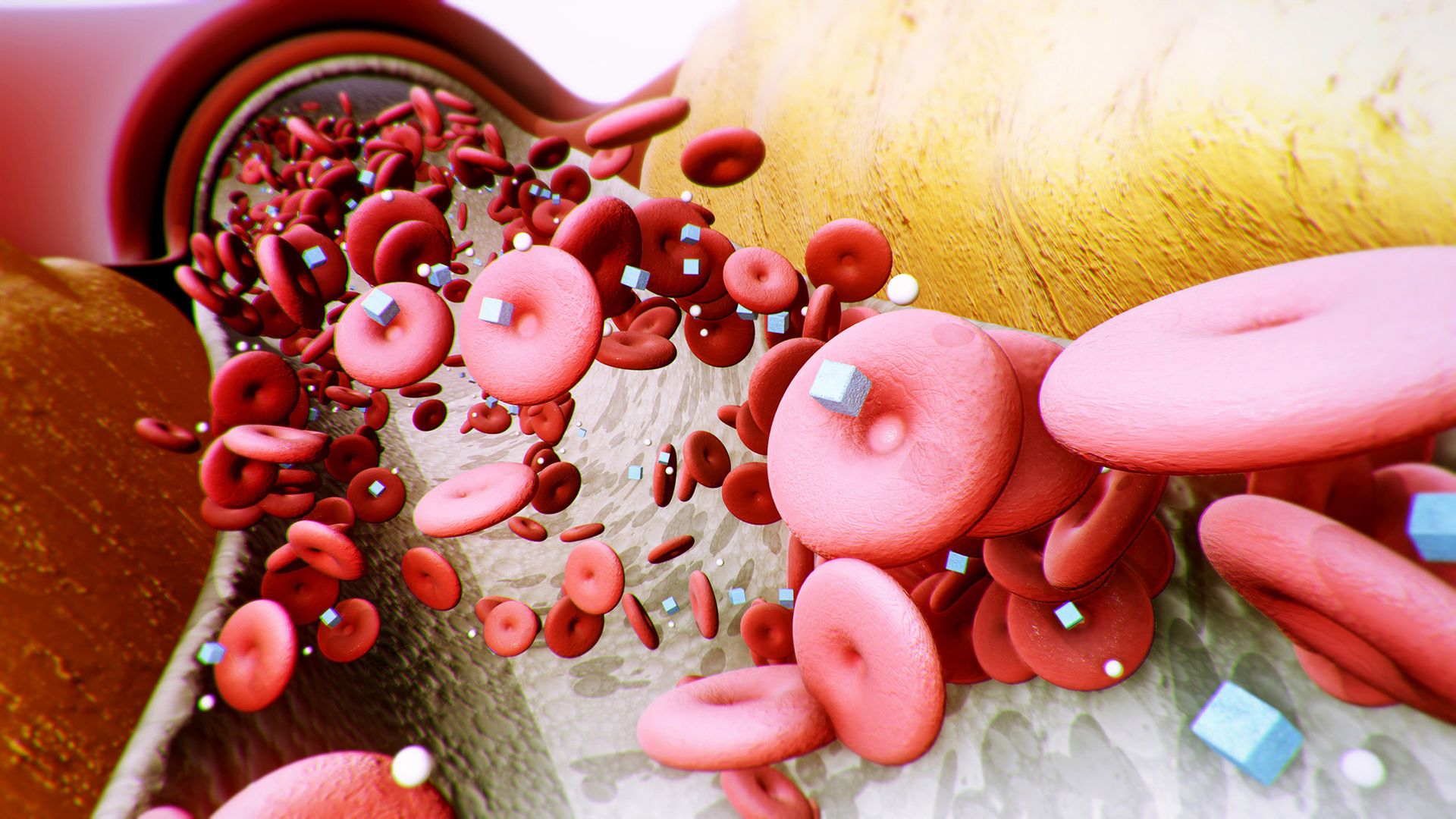
An experimental medical device uses a tiny amount of electricity to spark a chemical reaction and remove extra sugar from the bloodstream.
Perimenopause has become a hot topic, with celebrities sharing their experiences and doctors offering tips and advice online. But despite the benefits of growing awareness, a rising number of women are now encountering misinformation about treatments such as HRT. Madeleine Finlay hears from Dr Paula Briggs, a consultant in sexual and reproductive health, about why experts have raised the alarm. Science correspondent Nicola Davis gives the facts on symptoms, tests and treatments Continue reading...
The results resolve major problems in math, physics and computer science. But like other recent AI-generated “slop drops,” the releases are already controversial
Randomised trials of omega-6s do not show an increase in inflammation caused by the fatty acid Read more in the Antiviral series If you’ve been online lately, you’ve probably been bombarded with the discourse about seed oils. Once a completely innocuous food that no one really talked about, they have become the enemy of the moment. Robert F Kennedy Jr, the secretary of health and human services in the US, has called them “toxic” and vowed to act against them. There are countless activewear-clad influencers online saying that nothing harms your health more than these products. Which is odd, because the Australian dietary guidelines say seed oils are basically fine. You should limit them because they’re high in calories but otherwise there’s no major reason – according to the guidelines and most experts – why you should avoid them. As Prof Lauren Ball, director of the University of Queensland’s Centre for Community Health and Wellbeing, says: “There’s no convincing evidence that eating seed oils like canola or sunflower oil in normal dietary amounts harms our health. In fact, these oils contain unsaturated fats, which are generally beneficial for cardiovascular health.” Dr Jason Wu, a professor at the University of New South Wales, agrees: “The evidence base consistently points to health benefits of eating seed oils.” Continue reading...
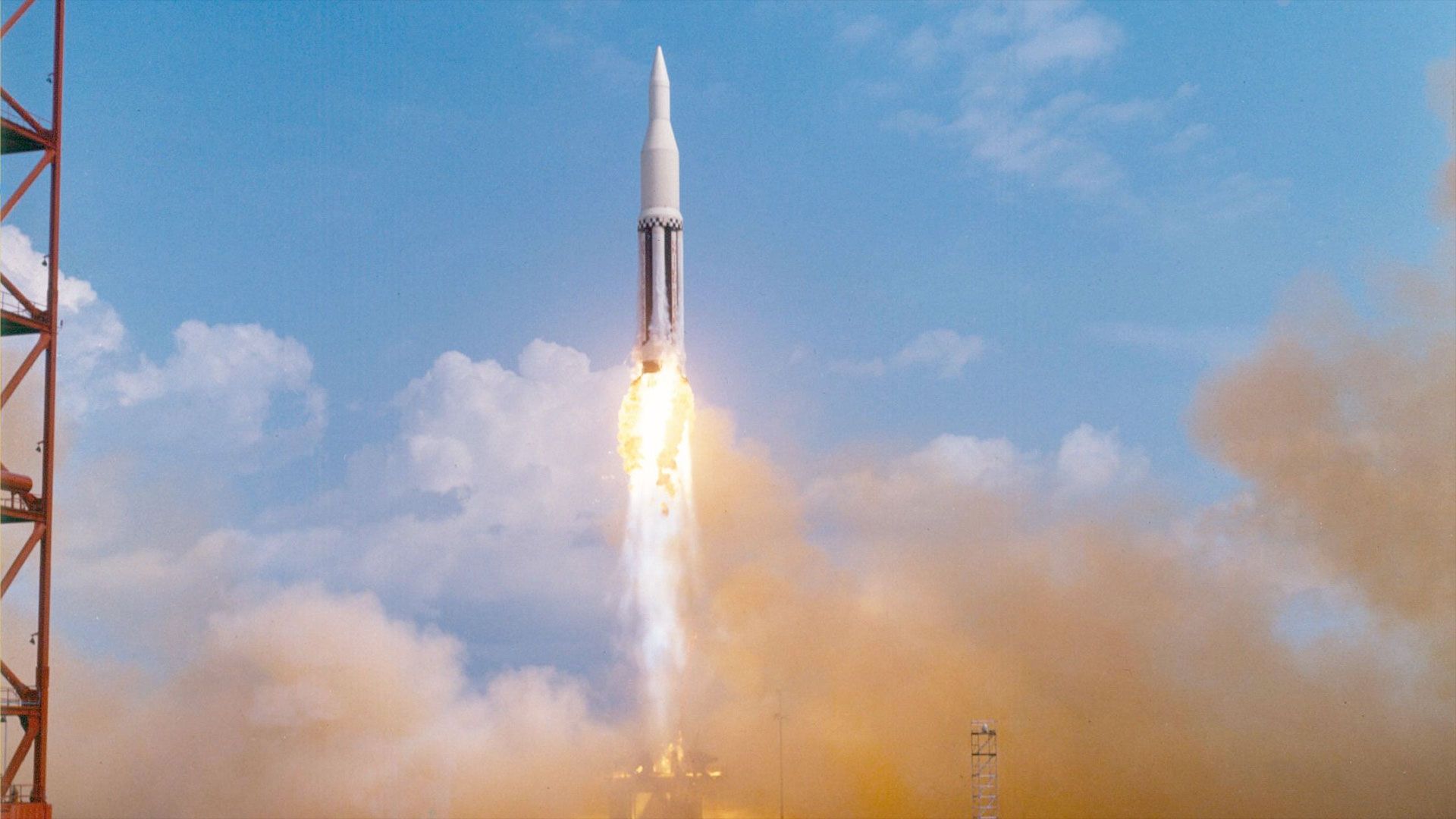
On Oct. 27, 1961, NASA launched the first test flight of its new Saturn I space launch vehicle. Here's why it mattered.
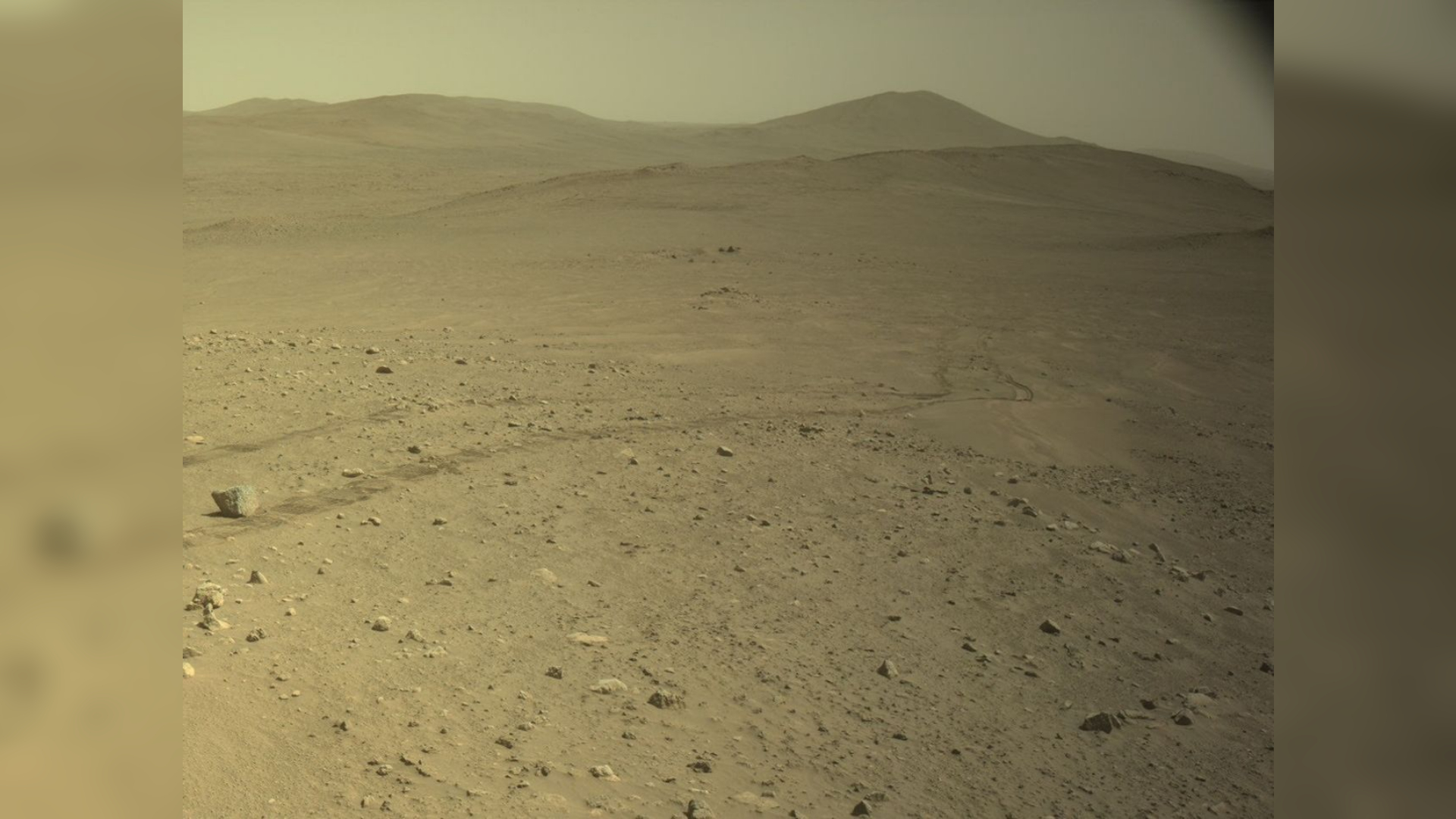
Rover tracks can be seen on the Martian surface, left behind by NASA's Perseverance Mars rover.
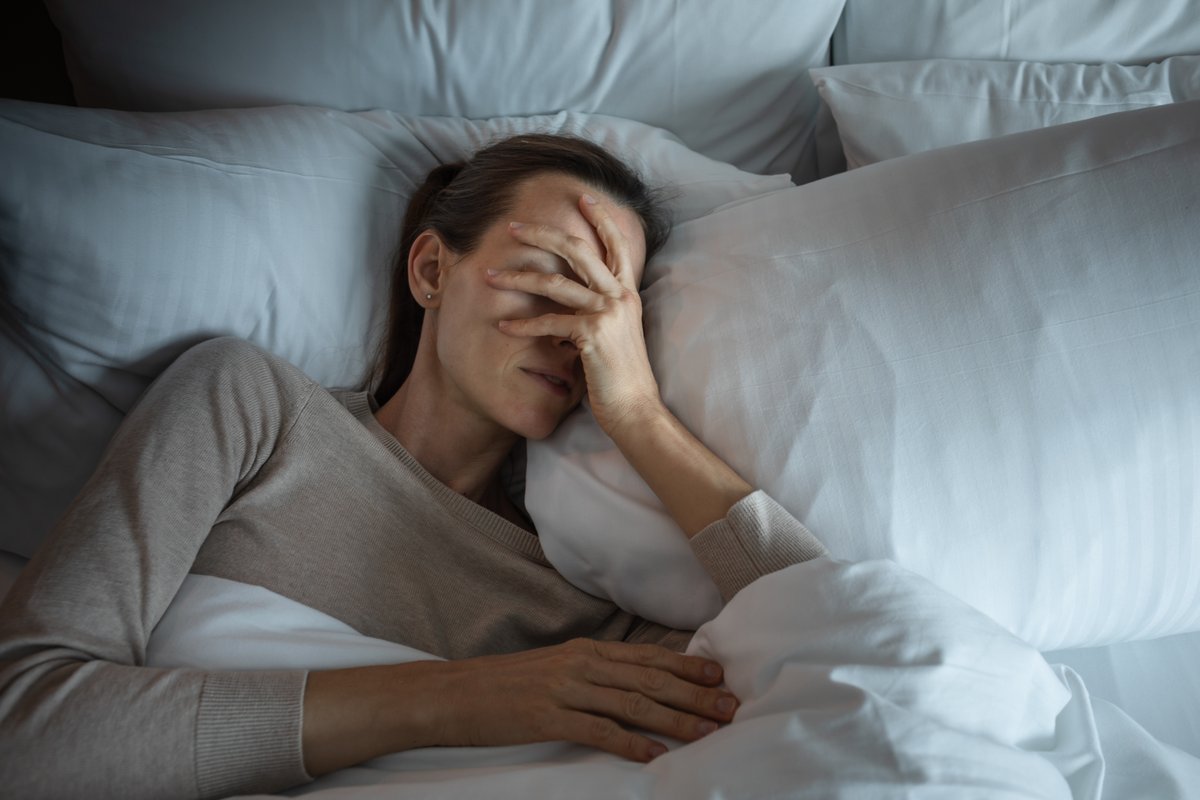
Depression tied to the body’s sleep cycle could be less responsive to antidepressants and cause more severe symptoms
Spaceplanes could take off on regular flights from Cornwall following an agreement.
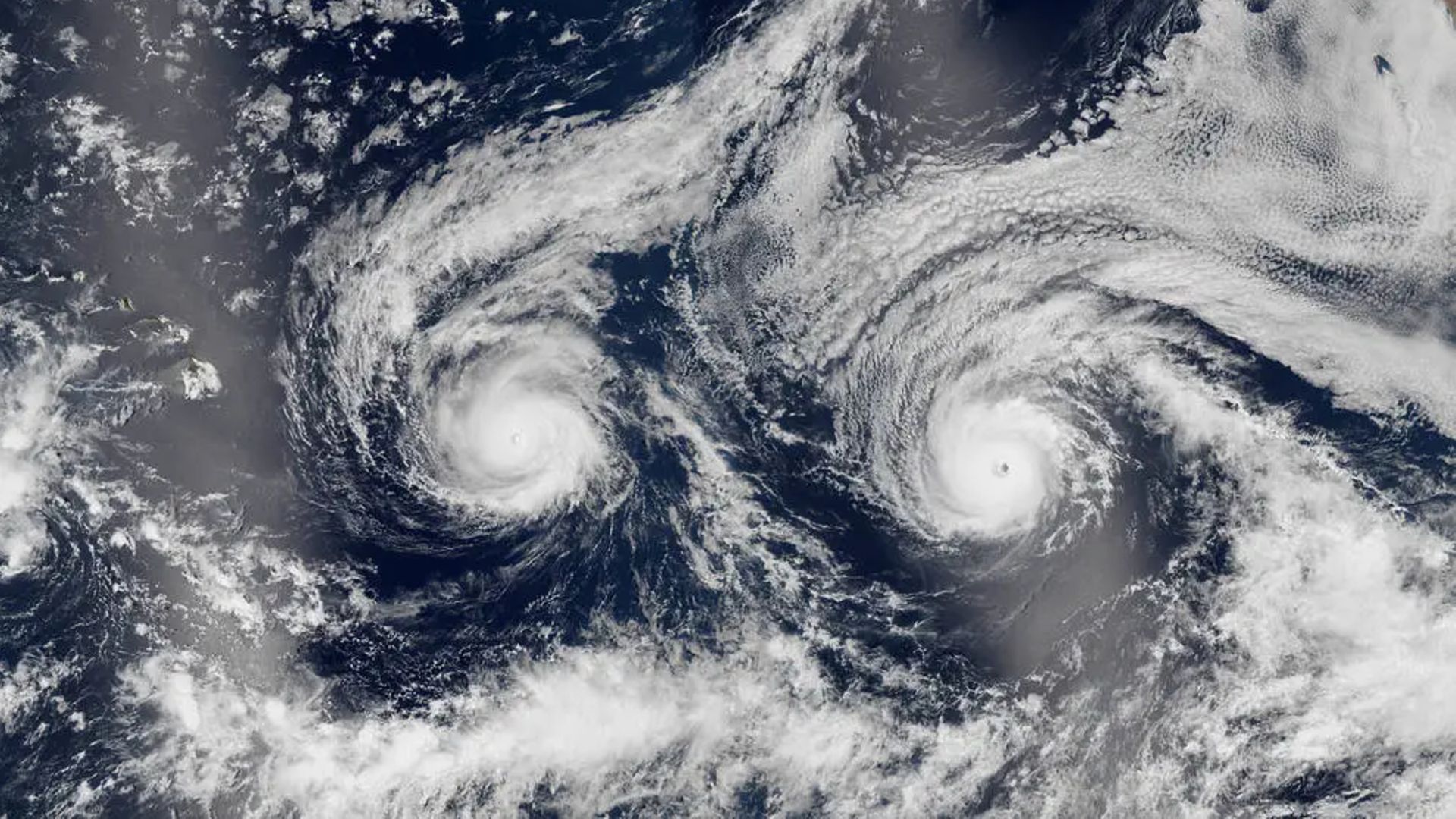
A 2016 satellite photo shows Hurricane Madeline and Hurricane Lester heading straight toward Hawaii's Big Island. When viewed from above, the twin cyclones and the surrounding clouds look eerily like a giant smiley face.
The man who portrayed the U.S.S. Enterprise’s Pavel Chekov has left us after a 60-year stage and screen career
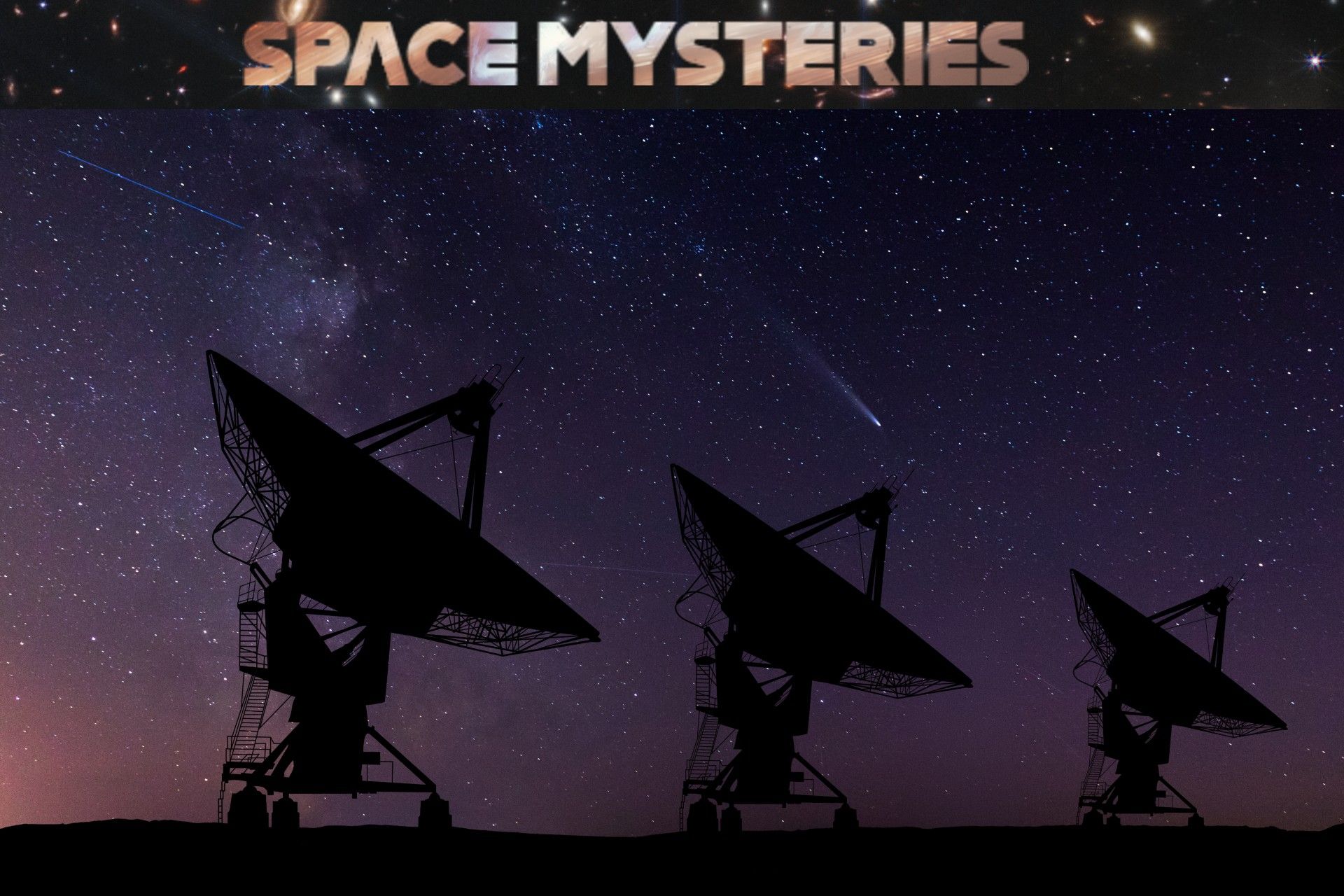
Baffling long radio echo delays have prompted a range of potential explanations, most of which focus on a variety of unexplained natural phenomena occurring in Earth's atmosphere.
Greenhouse gas concentrations in the atmosphere rose to record highs in 2025, locking in climate impacts that will persist for centuries, the U.N. says.
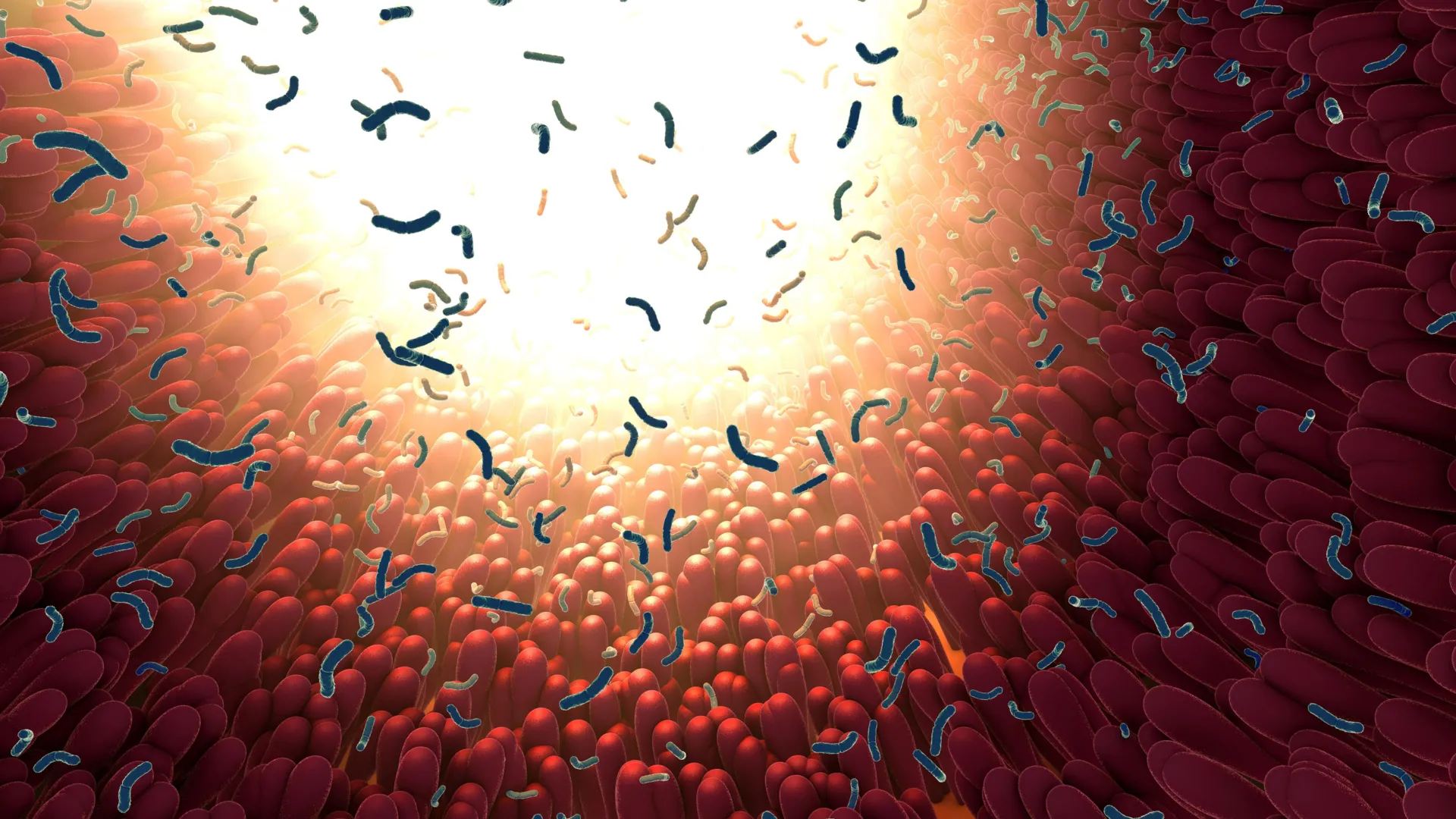
The secret to aging more slowly may be hiding in your gut. Scientists discovered that certain gut bacteria are strongly linked to how quickly the body ages, with microbial differences accounting for about 15% of the variation in biological aging rates. Some bacterial species were associated with slower aging, while others were linked to accelerated aging.