TopNewsOn

Science

Research, space and the environment

Science · page 17

The secret to slower aging may be hiding in your gut

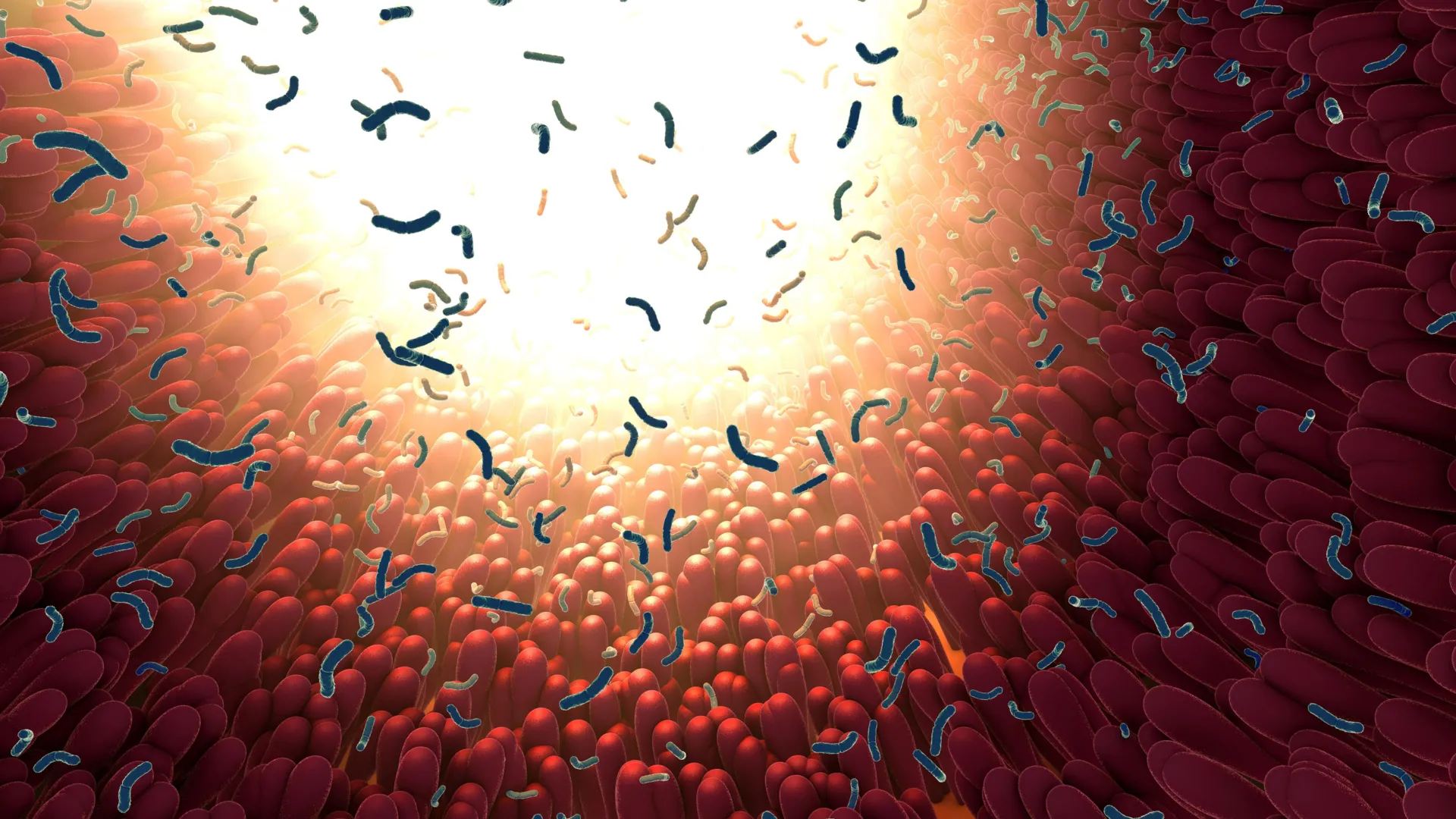
The secret to aging more slowly may be hiding in your gut. Scientists discovered that certain gut bacteria are strongly linked to how quickly the body ages, with microbial differences accounting for about 15% of the variation in biological aging rates. Some bacterial species were associated with slower aging, while others were linked to accelerated aging.

Science Daily · Oct 27
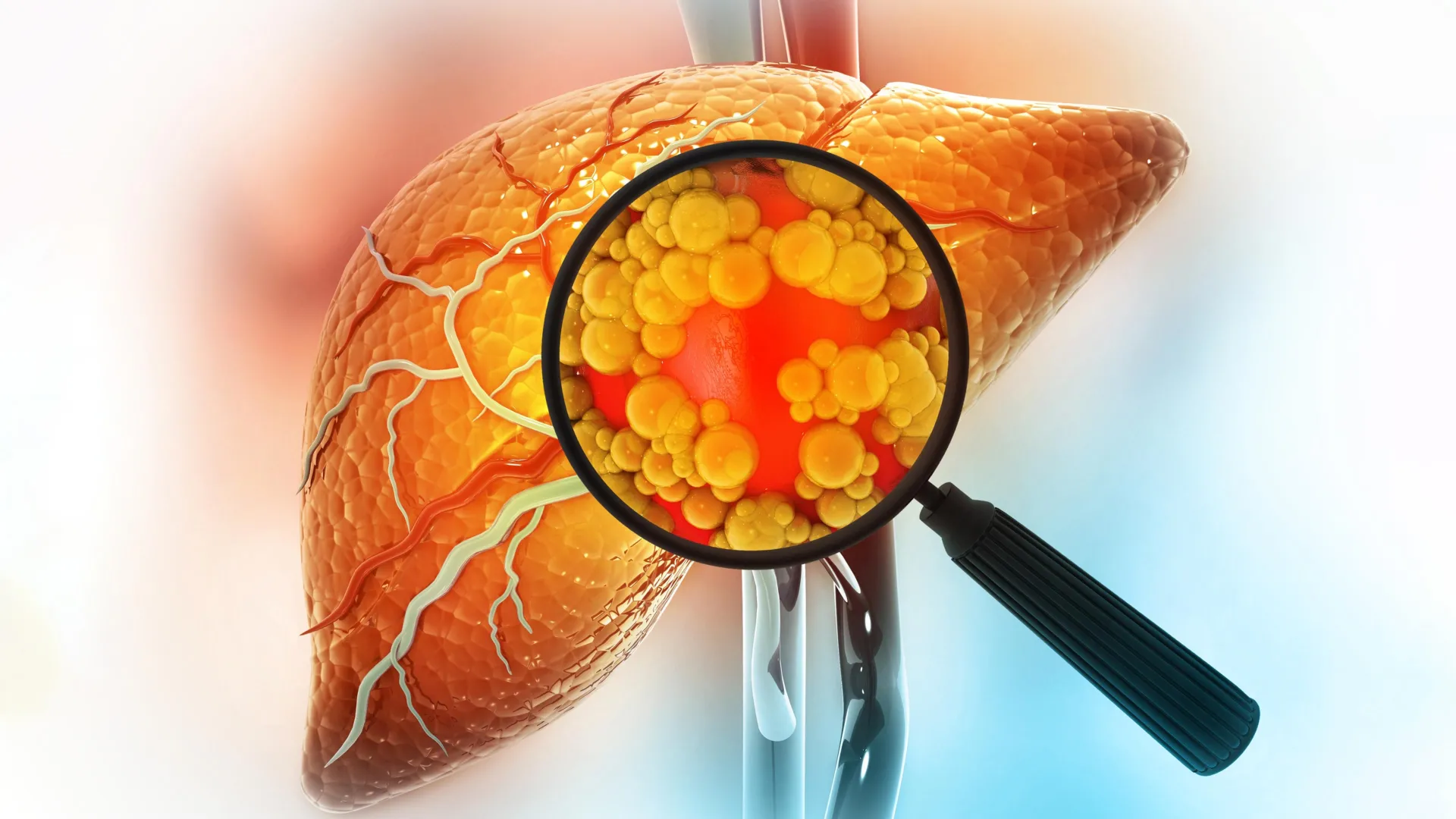
Low testosterone may make sugar far more harmful to your liver

Scientists have discovered that low testosterone and a high-fructose diet can work together to worsen fatty liver disease in mice. Unexpectedly, changes in gut bacteria appear to drive this harmful interaction, revealing a potential new target for preventing liver damage.

Science Daily · Oct 27
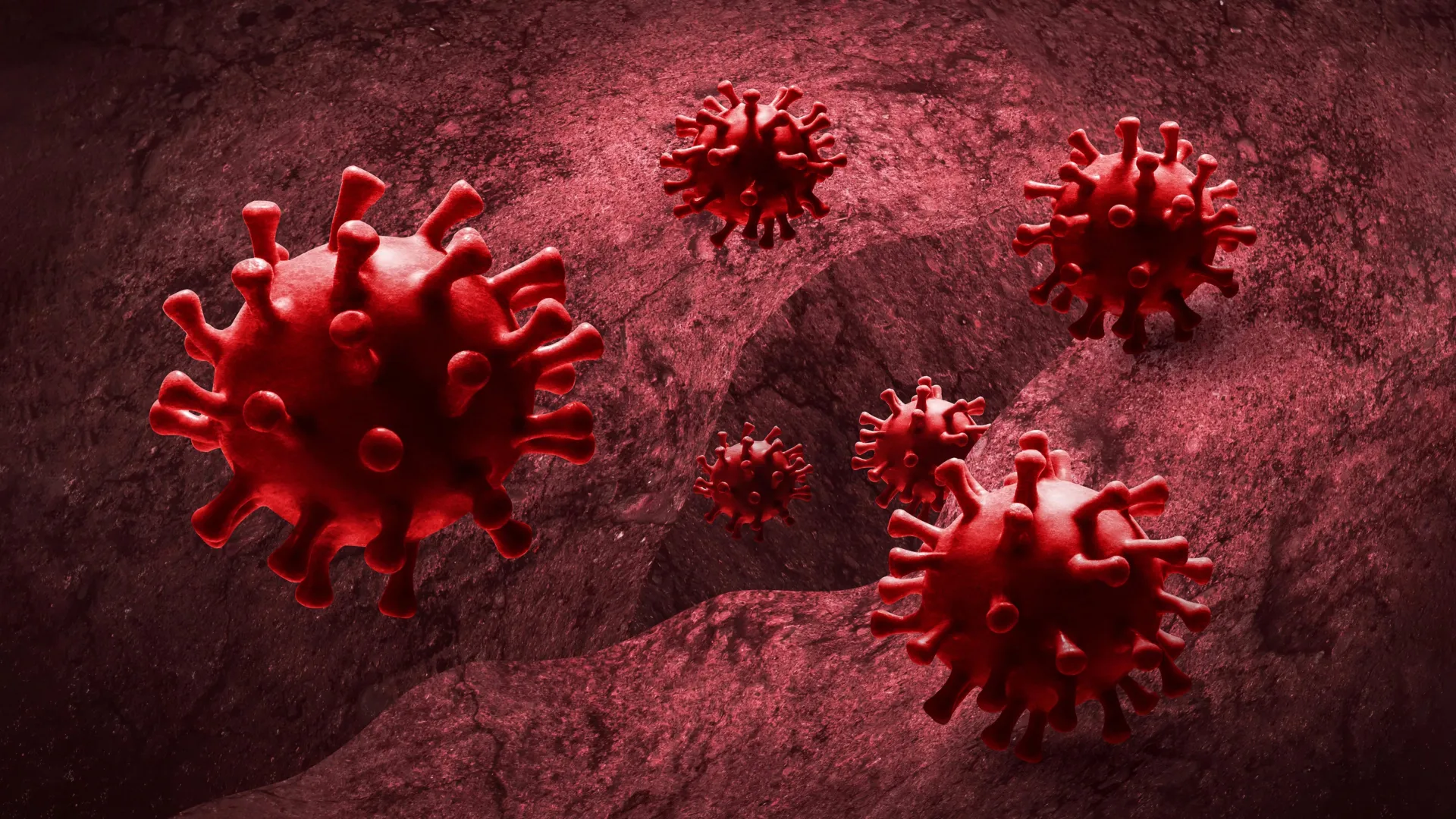
Common drugs may help dangerous viruses spread through the body

A surprising discovery reveals that widely used anti-inflammatory drugs may unintentionally help dangerous viruses spread through the body. Scientists found that JAK inhibitors, prescribed for rheumatoid arthritis and other inflammatory diseases, can weaken a crucial immune defense against influenza, COVID-19, and other infections. By suppressing genes that normally fight viruses, these medications may leave patients more vulnerable to infection.

Science Daily · Oct 27
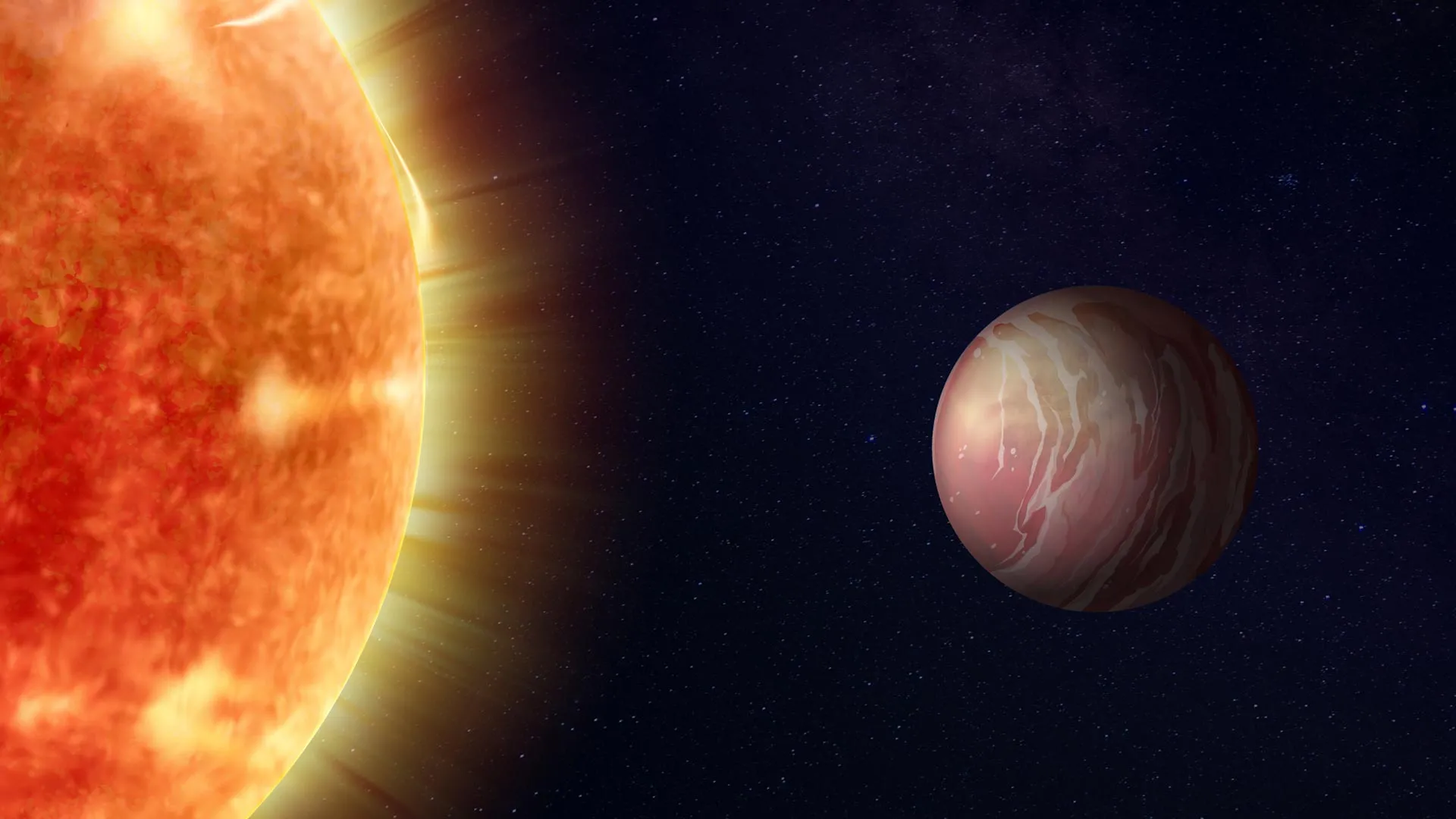
James Webb discovers a scorching lava planet with a “giant sunscreen”

A scorching lava planet 280 light-years away has surprised astronomers by apparently maintaining a thick atmosphere despite conditions that should have stripped it away billions of years ago. James Webb Space Telescope observations suggest that TOI-561 b reflects about 75% of incoming starlight, possibly because of mineral clouds that act like a giant sunscreen. The planet may also be continually replenishing its atmosphere through gases released from a global ocean of molten rock.

Science Daily · Oct 27
Why we’ll never have another Black Death

The death of a worker at a Russian plague lab was alarming, but the disease is extremely unlikely to become a worldwide problem as it has in the past

Scientific American · Oct 27
Smithsonian scientists just recreated the first 2 billion years of the Universe

Scientists have created one of the largest and most detailed simulations of the early universe ever made, offering an extraordinary new glimpse into the cosmos shortly after the Big Bang. Called Lumina, the groundbreaking simulation recreates the universe’s first 2 billion years, showing how dark matter, gas, and radiation interacted to give rise to the earliest stars, galaxies, and black holes.

Science Daily · Oct 27
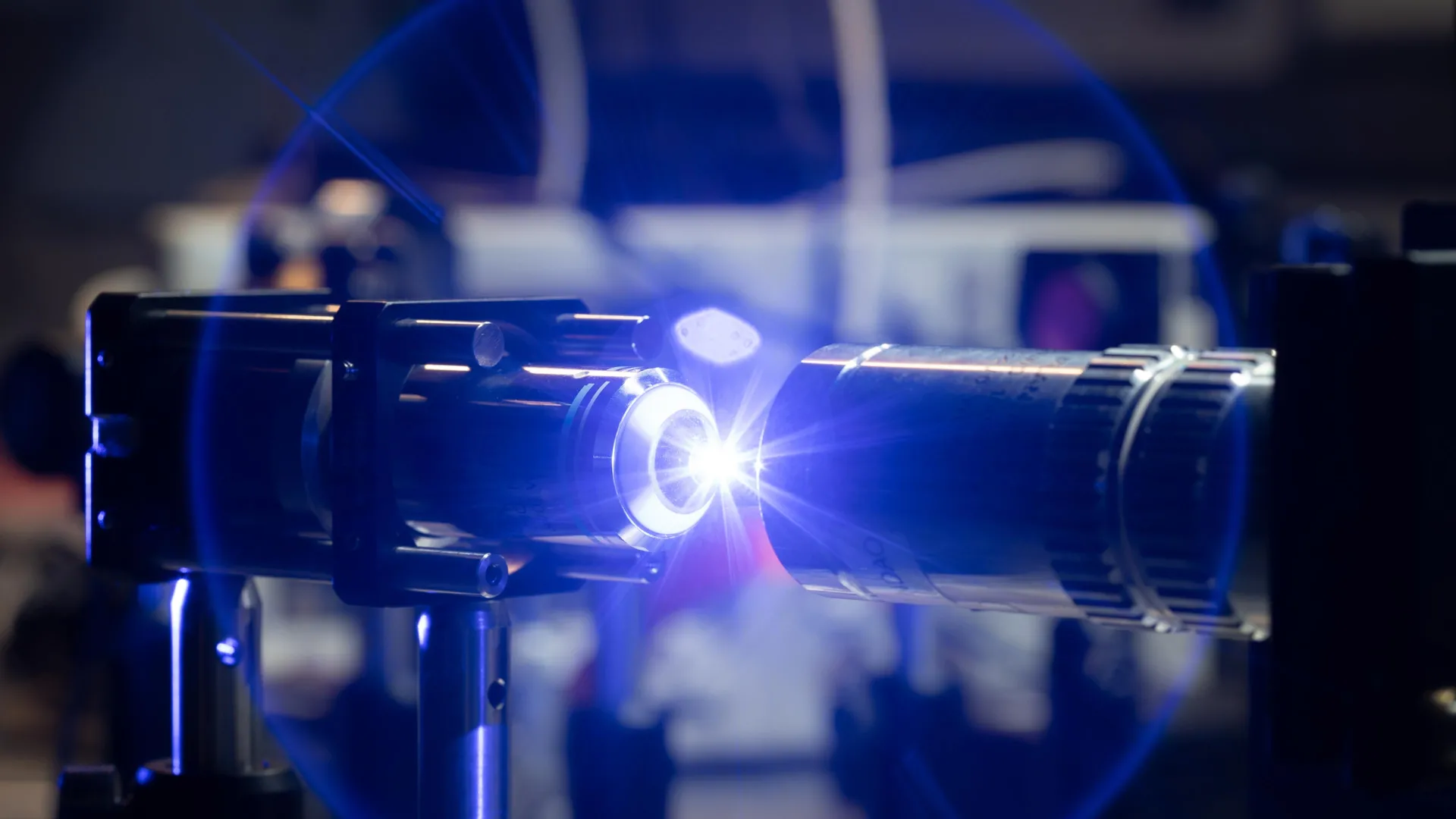
A tiny laser beam could make computer memory 1,000 times faster

Scientists at UC San Diego have developed a surprising new way to store digital information using light instead of magnets, potentially paving the way for smaller, faster, and more energy-efficient memory devices. By precisely shaping and shrinking an ultrafast laser beam, researchers demonstrated that they could switch magnetic states in a material, the basic process used to write digital data. The technique could potentially operate more than 1,000 times faster than conventional magnetic switching methods.

Science Daily · Oct 27
Did the Hardest A.I. Problem Just Get Much Easier?

A prominent researcher claims to have a revolutionary approach to “interpretability,” or the science of why A.I. models do what they do. Other experts aren’t so sure.

The New York Times · Oct 27
Would you pay to have the ‘best baby’? Liberal eugenics and the troubling quest for human perfection

For decades the idea of eugenics has been taboo. Now it is returning in a new commercial guise For a very long time, I dreamed of being cured. I was born in 1981. I learned to walk early enough, but I stumbled and fell more easily than other children. My parents began to worry that something was wrong, that my muscles were weaker than they should be. Eventually, at the age of three, I was diagnosed with a form of spinal muscular atrophy (SMA). In the 1980s, the precise mechanics were not yet understood, but the condition was known to be hereditary, probably linked to a recessive gene. It was also known to be progressive. As I aged, my muscles would not keep pace. At eight, I began to use a wheelchair for longer distances. By the time I was 18, I rarely walked outdoors any more. It is hard to be young and to know that you are growing weaker rather than stronger. I had all the same aspirations that my nondisabled friends did, but I lived in fear of the future in a way they did not. I spent a lot of time thinking about what my life would have been like if I didn’t have SMA. The images in my head were of something like a double: myself, only rid of this one deficit, imprecisely defined, but encoded somewhere in my body. Continue reading...

The Guardian · Oct 27

Perimenopause is everywhere. How do you know if you’re in it? – podcast

Perimenopause has become a hot topic, with celebrities sharing their experiences and doctors offering tips and advice online. But despite the benefits of growing awareness, a rising number of women are now encountering misinformation about treatments such as HRT. Madeleine Finlay hears from Dr Paula Briggs, a consultant in sexual and reproductive health, about why experts have raised the alarm. Science correspondent Nicola Davis gives the facts on symptoms, tests and treatments Read Nicola’s article about perimenopause misinformation here Support the Guardian: theguardian.com/sciencepod Continue reading...

The Guardian · Oct 27
Do spiders dream? Scientists just found a surprising clue

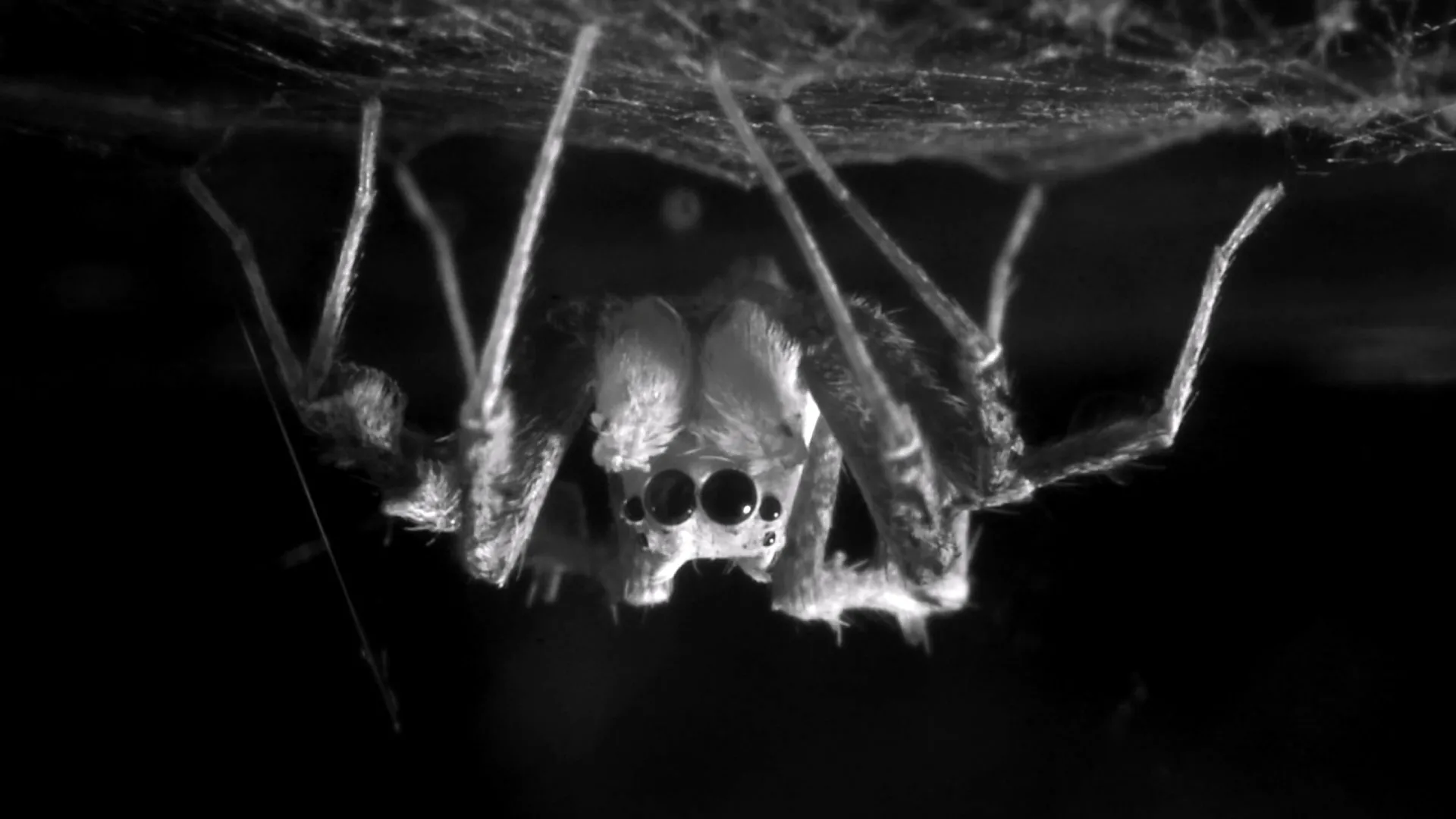
Scientists have discovered that spiders may sleep in ways surprisingly similar to humans, complete with distinct sleep stages and a dream-like REM state. Researchers at the University of Bonn studied the Australian jumping spider Portia fimbriata, a remarkably clever hunter known for its sophisticated strategies. By recording the spiders over several days and nights, they found clear evidence of regulated sleep, including a REM-like stage marked by eye movements and muscle twitches.

Science Daily · Oct 27
Scientists discover a surprising clue to why some brains resist Alzheimer’s

Why do some people stay mentally sharp even when their brains show signs of Alzheimer’s disease? Scientists in the Netherlands may have uncovered an important clue hidden in a rare group of immature brain cells. Researchers discovered that these cells remain present even in people over 80, but their behavior differs dramatically between those who develop dementia and those who remain cognitively healthy.

Science Daily · Oct 27
Mayo Clinic discovers new ways to fight the “zombie” cells that drive aging

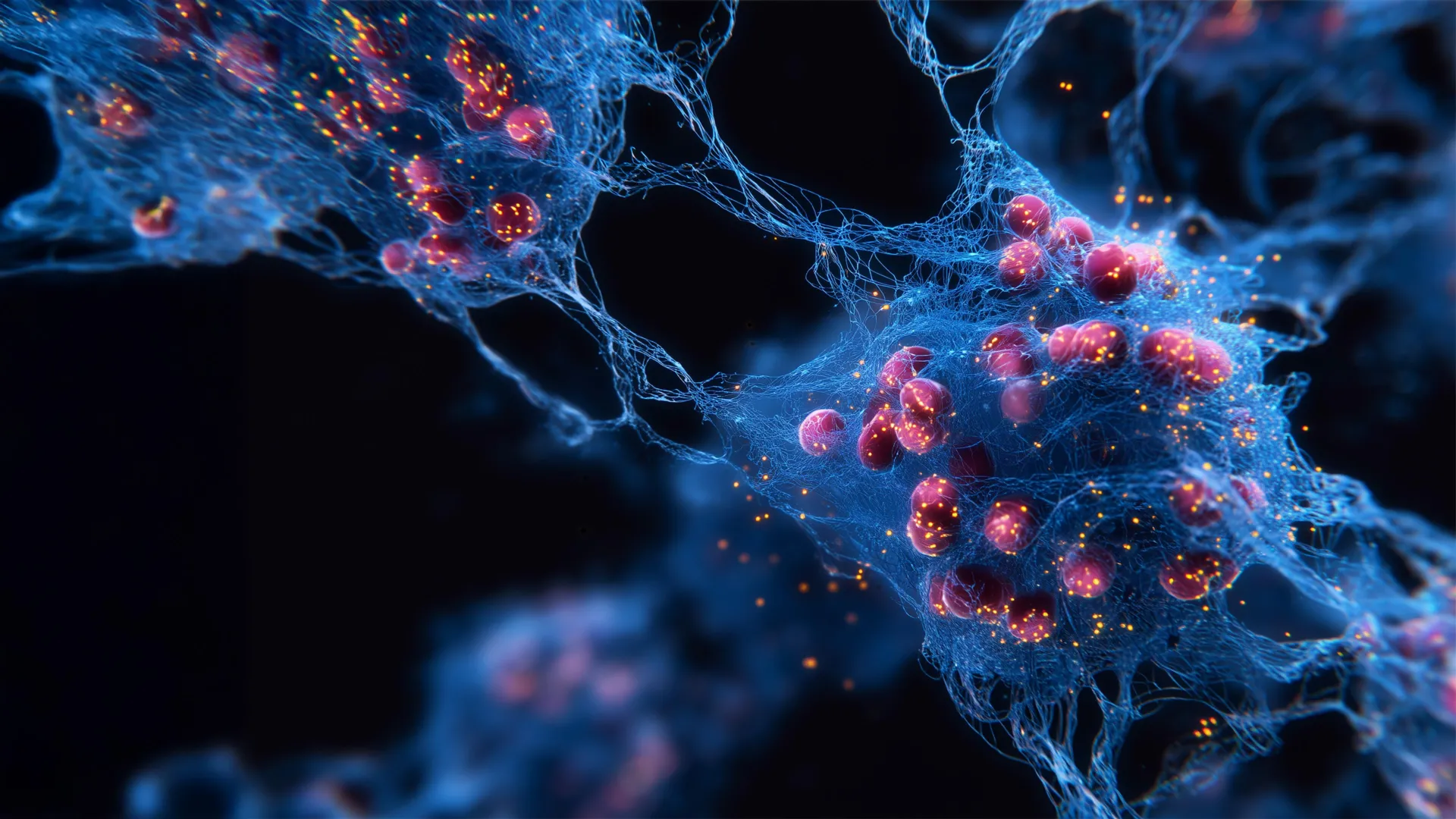
Mayo Clinic scientists have uncovered surprising new insights into “zombie cells,” aging cells that linger in the body and contribute to inflammation and disease. Seven studies reveal why these cells are harmful and identify new strategies for targeting them, including a natural compound found in tomatoes. In aging mice, experimental treatments reduced inflammation and improved physical and brain health. The findings could open the door to therapies that combat some of the biological processes behind aging.

Science Daily · Oct 27
1.9-million-year-old discovery rewrites the story of human evolution

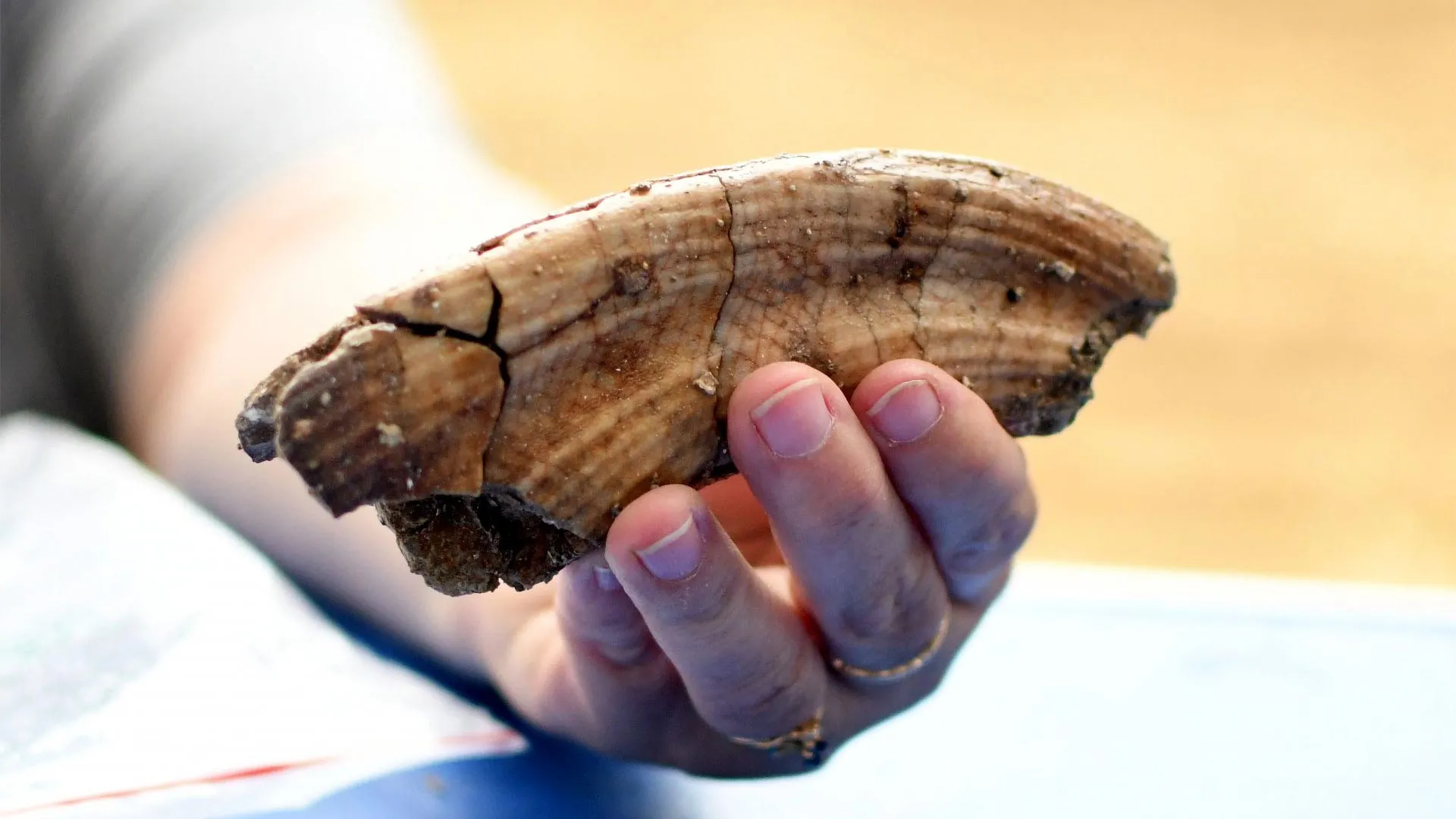
New evidence suggests that early humans reached the Jordan Valley at least 1.9 million years ago, hundreds of thousands of years earlier than scientists previously thought. Advanced dating methods revealed that the ‘Ubeidiya site is roughly as old as the famous Dmanisi site in Georgia, placing both among the earliest known human settlements outside Africa.

Science Daily · Oct 27