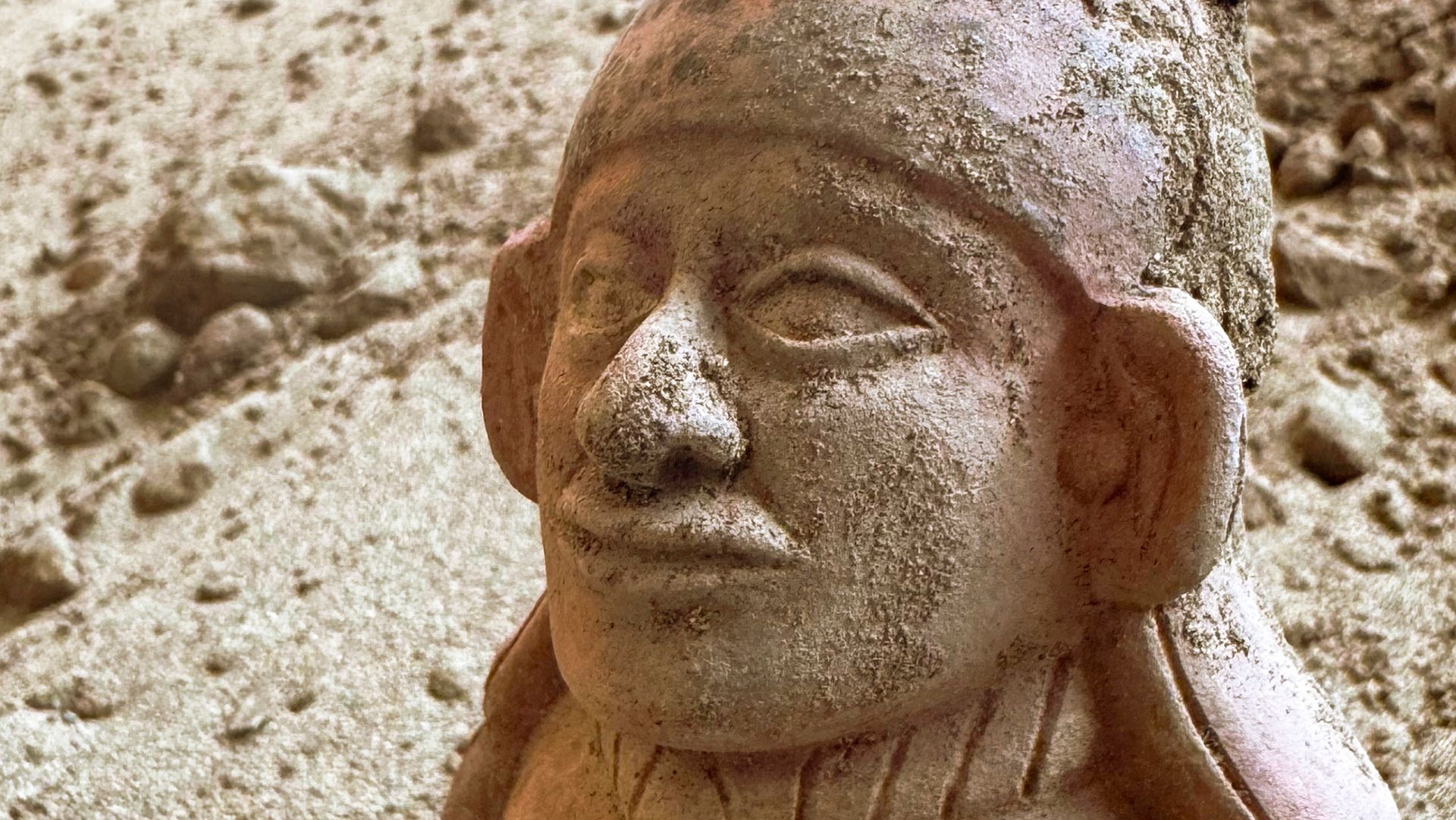
Rare burial of elite toddler from pre-Inca culture discovered in Peru
Archaeologists have uncovered the 1,500-year-old burial of an elite toddler from the Moche culture in Peru.
Live Science · Oct 26

Research, space and the environment
Archaeologists have uncovered the 1,500-year-old burial of an elite toddler from the Moche culture in Peru.
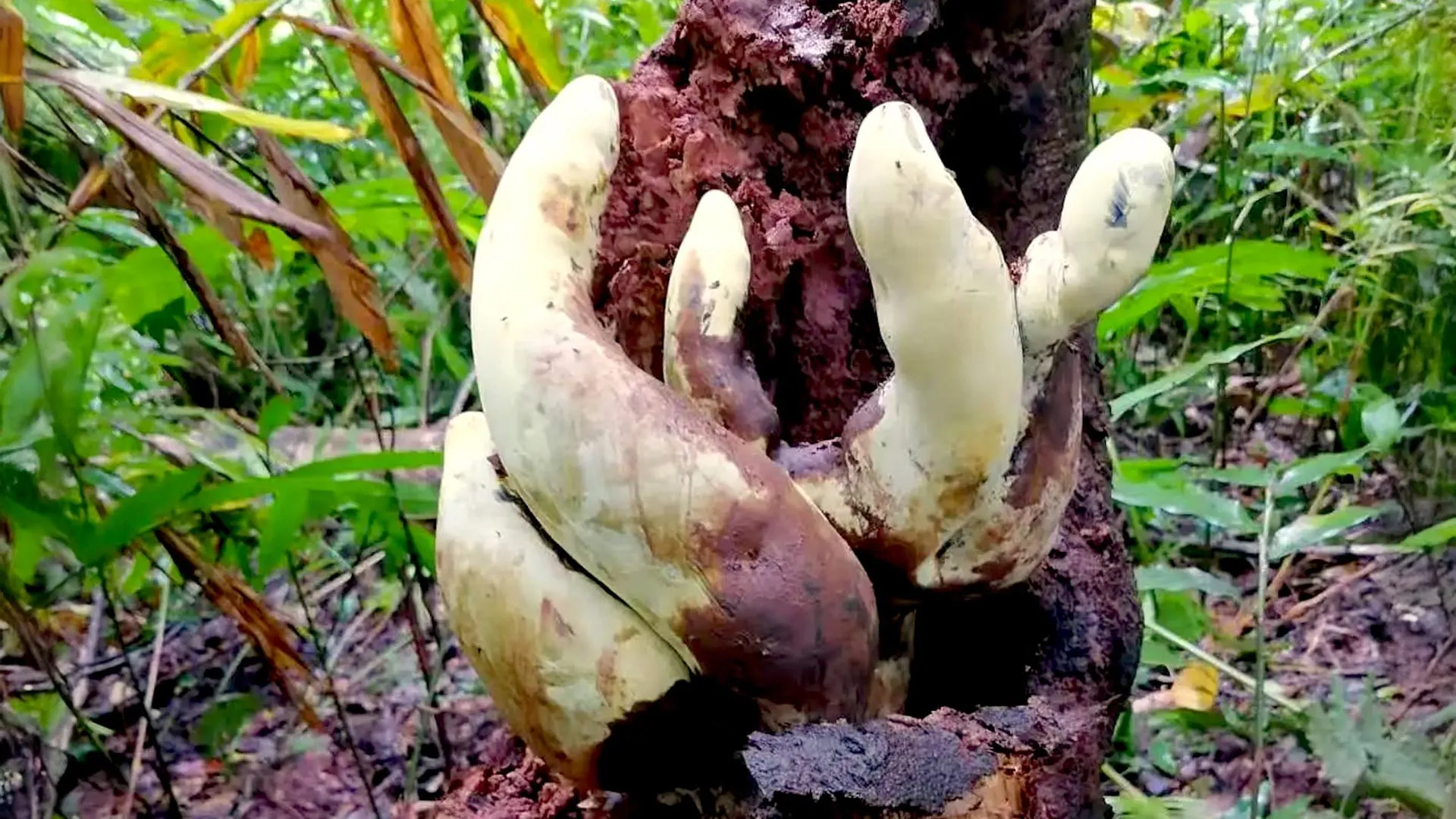
Scientists have discovered a giant new fungus in China that grows up to 20 inches tall and weighs nearly five pounds, making it the largest known of its kind. Dubbed “D-rex,” its evolutionary lineage appears to have emerged shortly after the dinosaurs went extinct, raising intriguing questions about how that ancient catastrophe may have shaped its evolution.
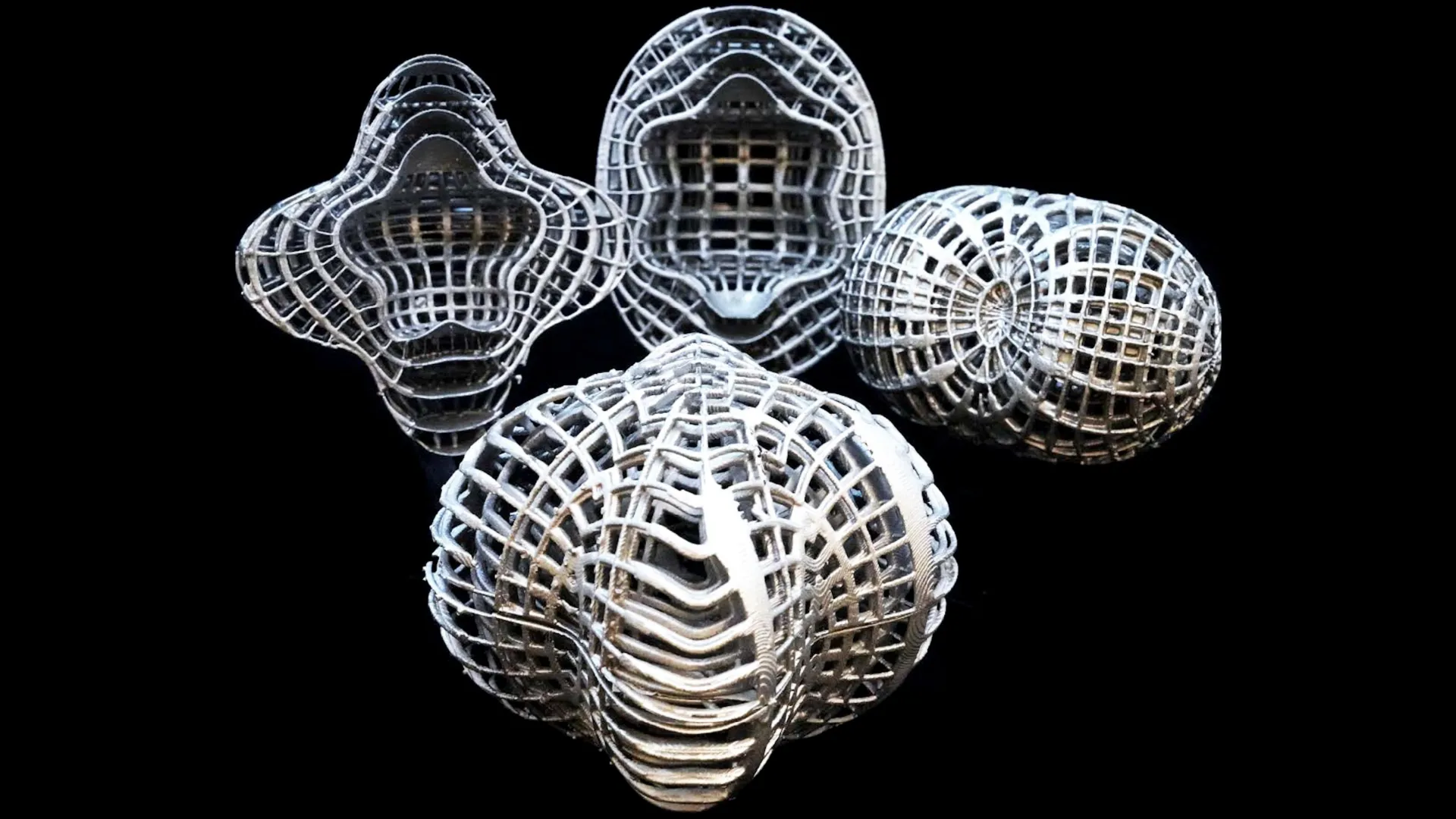
Researchers have developed a groundbreaking 3D invisibility cloak that can hide complex objects from infrared cameras while protecting them from extreme heat and cold. Instead of blocking heat, the device guides it around an object, making the object appear invisible to thermal imaging from virtually any direction. Successfully built and tested, the cloak could transform electronics cooling, thermal protection, and stealth technology.
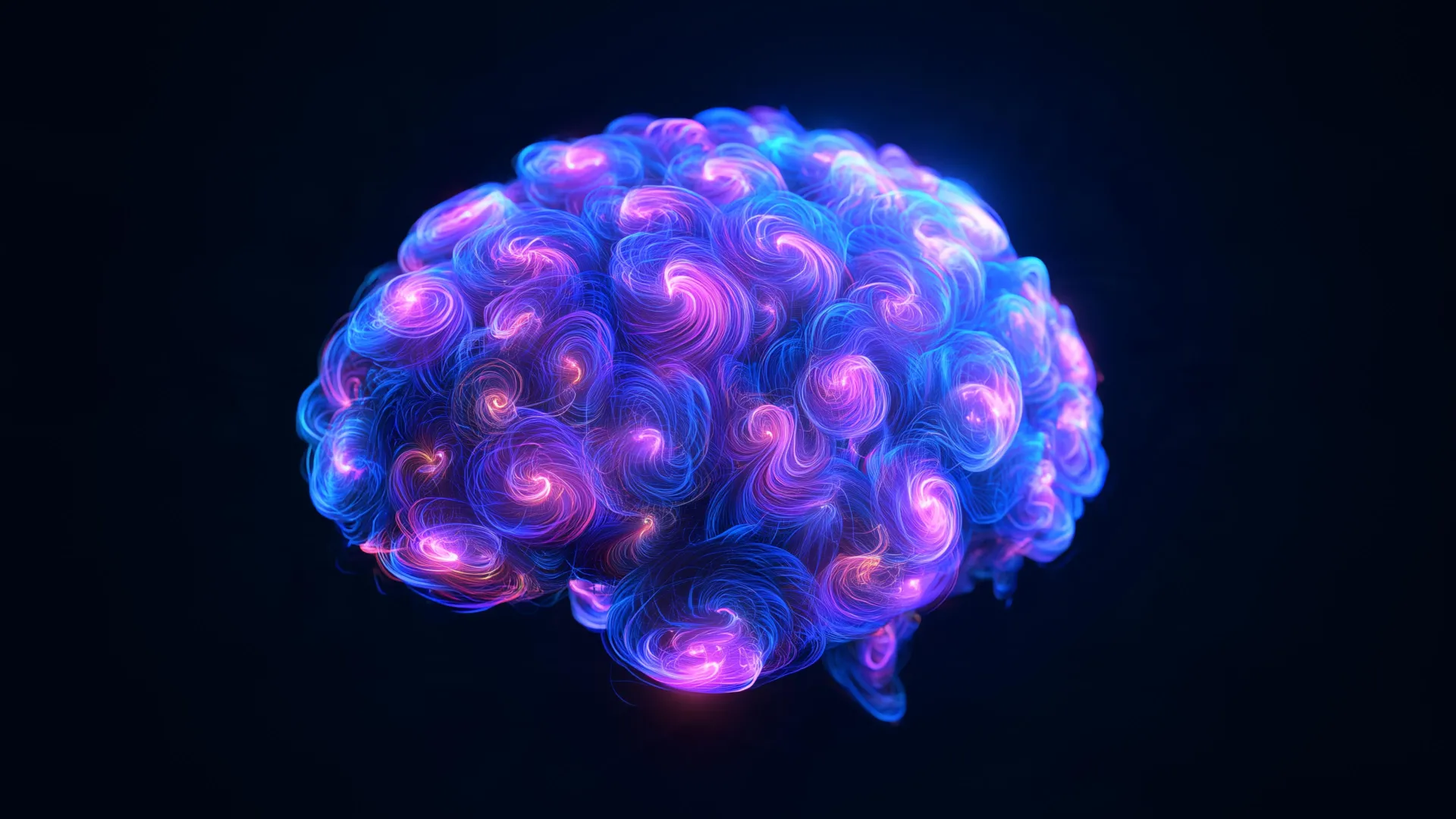
Scientists have filmed tiny magnetic vortices called skyrmions melting out of an organized lattice for the first time, revealing new ways to manipulate these unusual structures. The breakthrough could help make brain-like computers a reality, potentially enabling dramatically smaller and more energy-efficient technology.
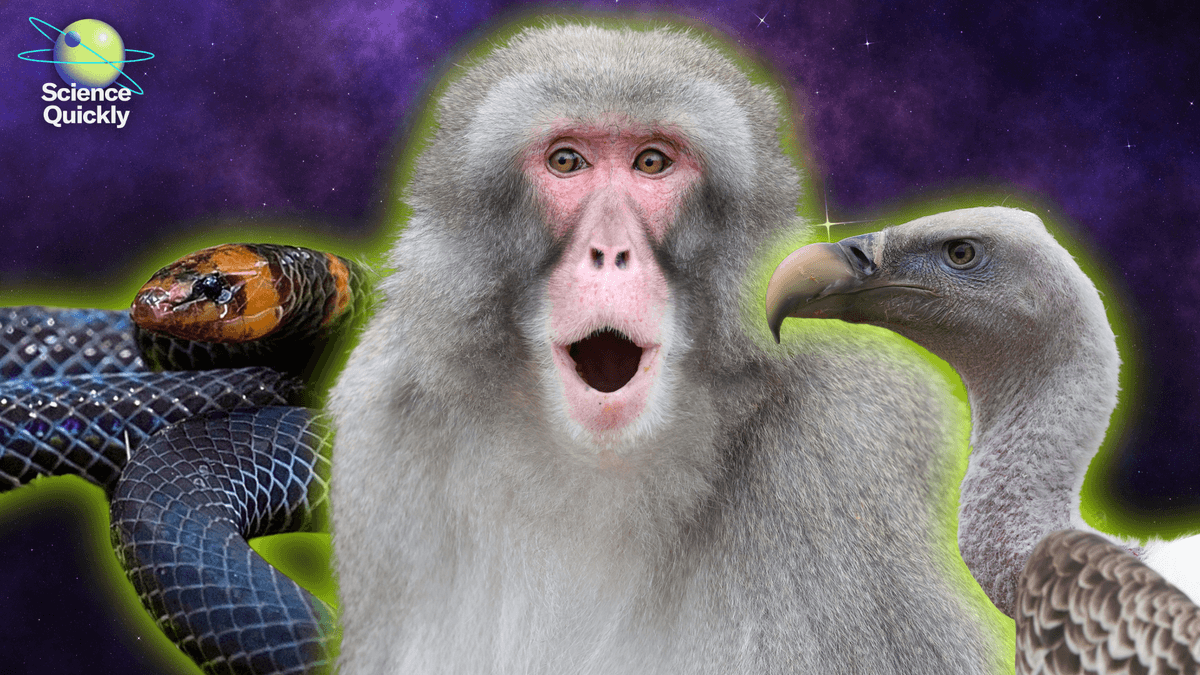
This week in science we check out gymnastic snakes, chatty vultures and missions to faraway moons
Research suggests this aversion is driven by an instinct to avoid disease
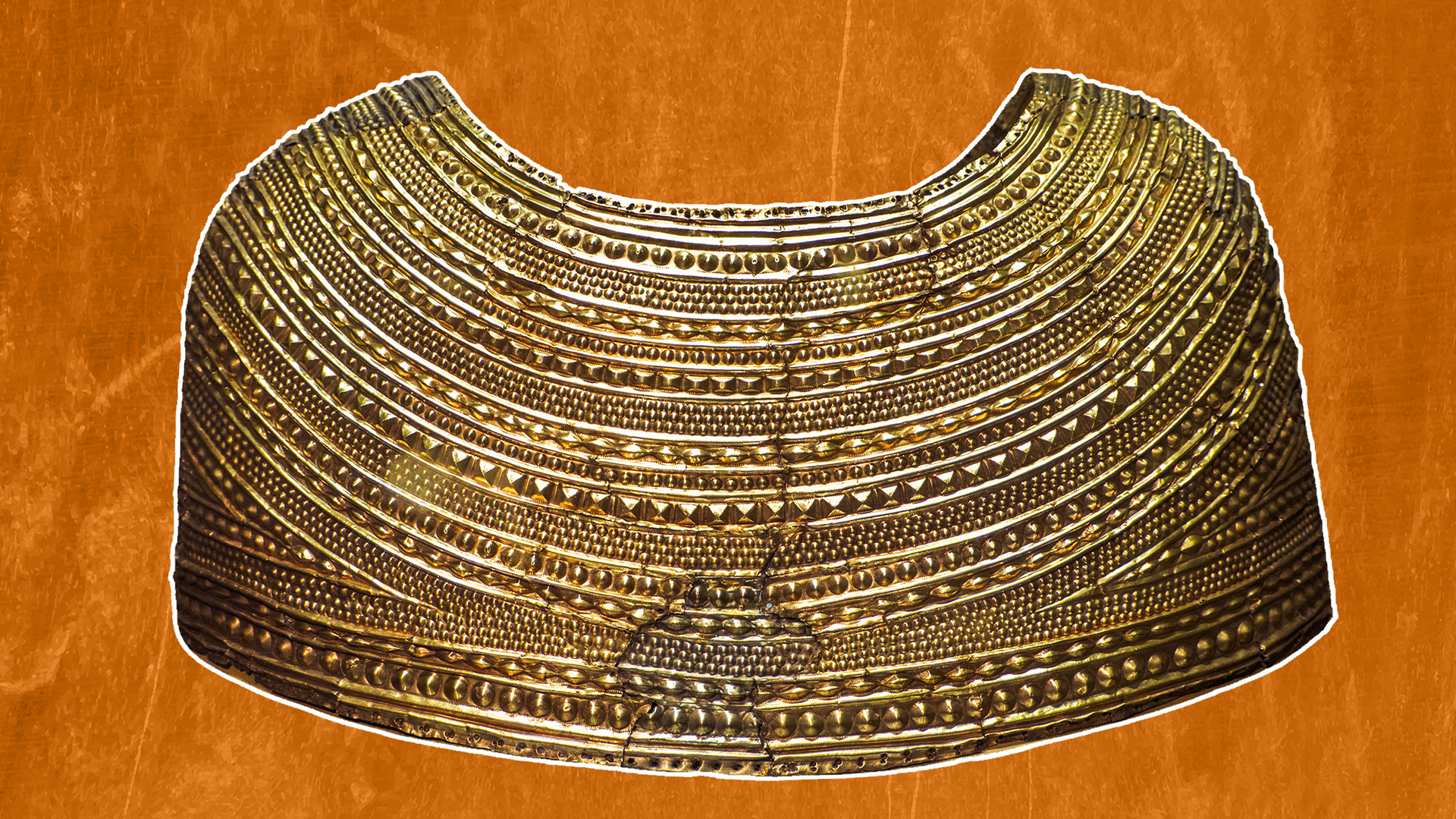
The stunningly detailed gold cape is unique in Europe and may have belonged to a high-ranking woman.
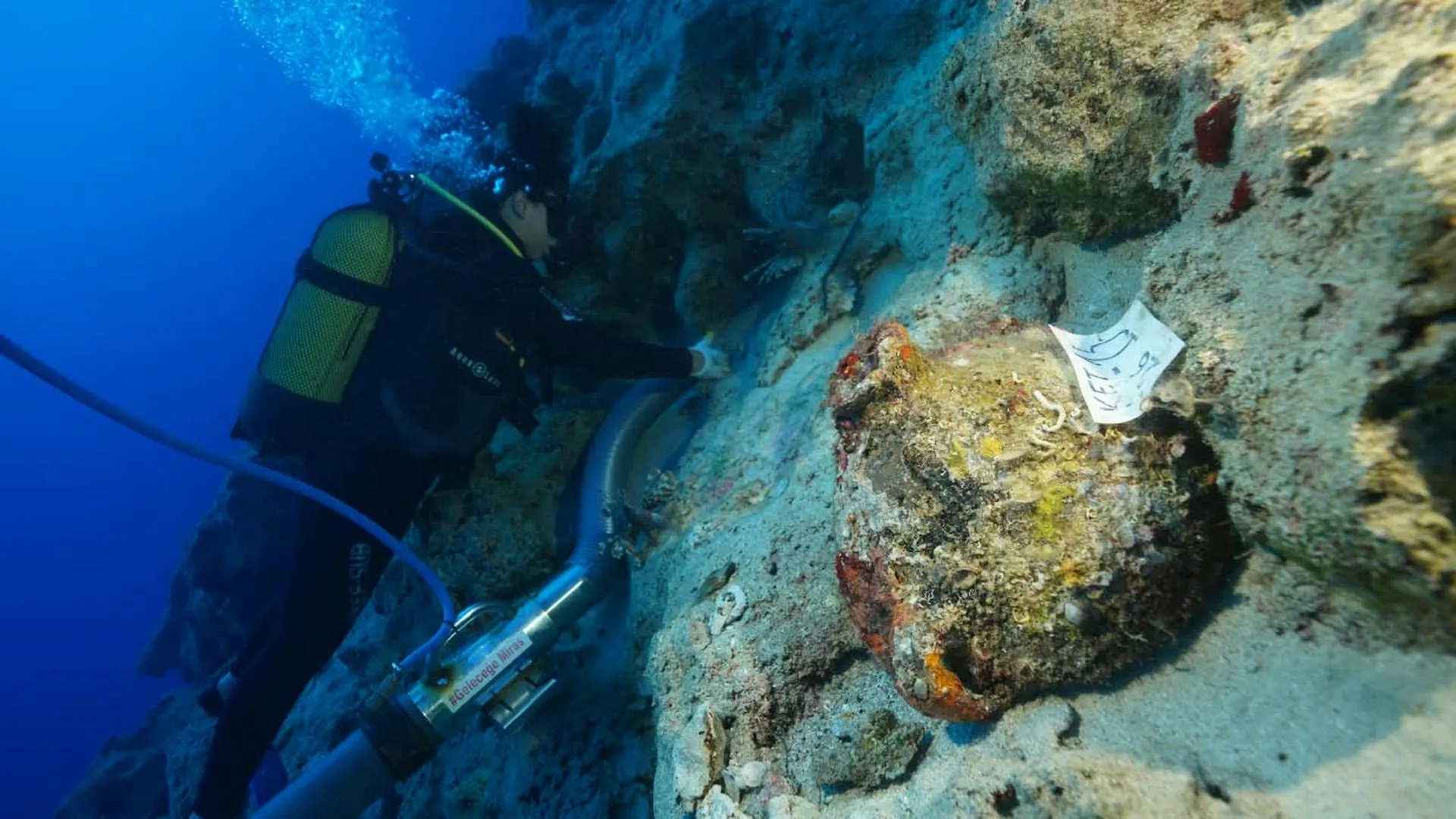
A mysterious shipwreck off Turkey’s coast may be the oldest ever discovered, dating back approximately 4,500 years to the age of the Egyptian pyramids. Although the wooden vessel has disappeared, its surviving pottery cargo reveals clues about an ancient trading network that may have connected distant Mediterranean civilizations. Researchers believe the ship may have crashed against rocks during a storm while transporting valuable goods such as oil, wine, or tree resin.
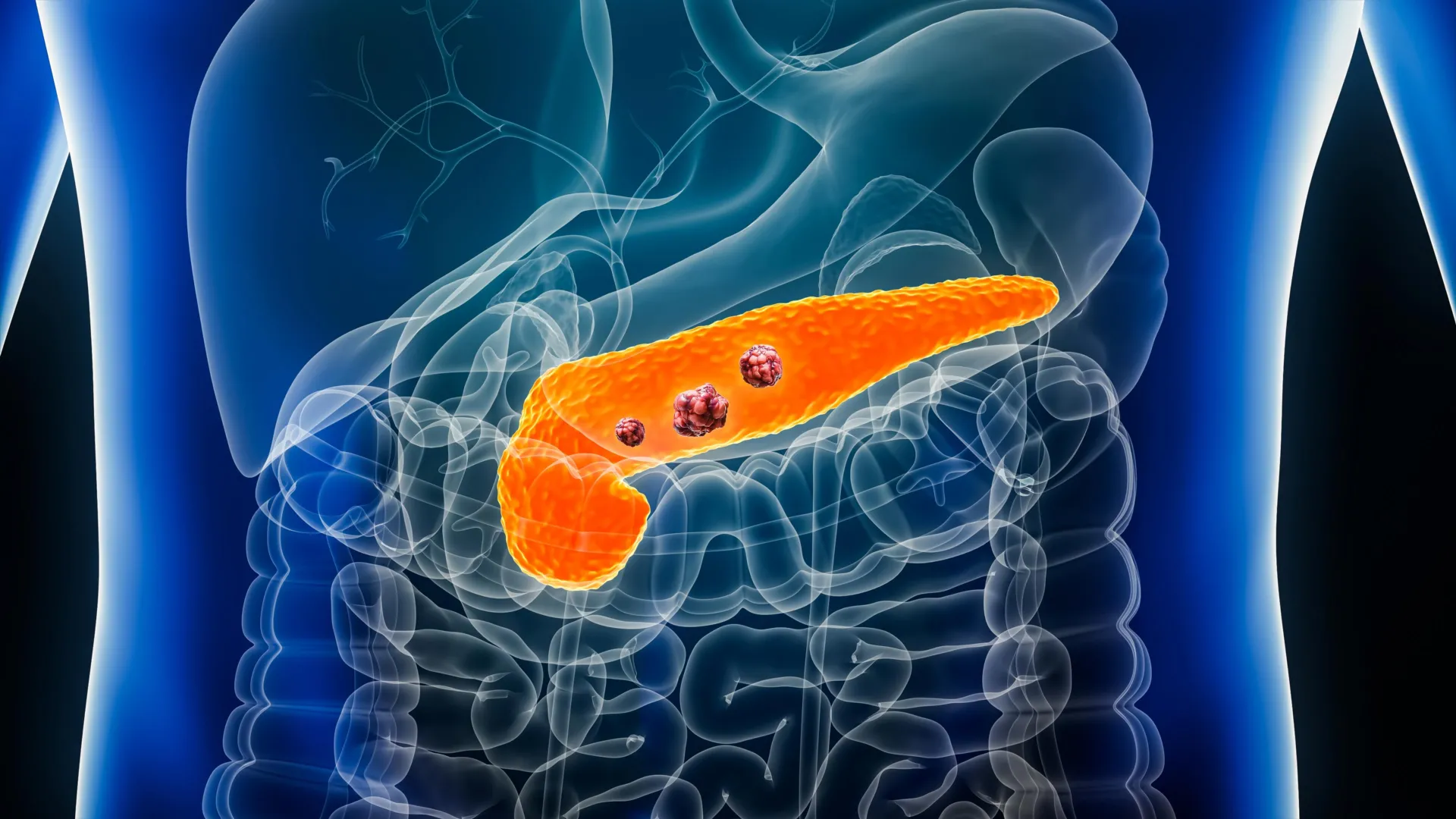
A powerful new AI system could help doctors detect pancreatic cancer years before it becomes visible on conventional scans. The technology, called REDMOD, identified hidden warning signs an average of 475 days before diagnosis and was nearly twice as sensitive as experienced radiologists. By spotting cancer-related changes at their earliest stages, it could dramatically improve the chances of successful treatment for one of the deadliest forms of cancer.
Scientists now know that they shared many of the sophisticated abilities of Homo sapiens. So why are we the only humans left standing?
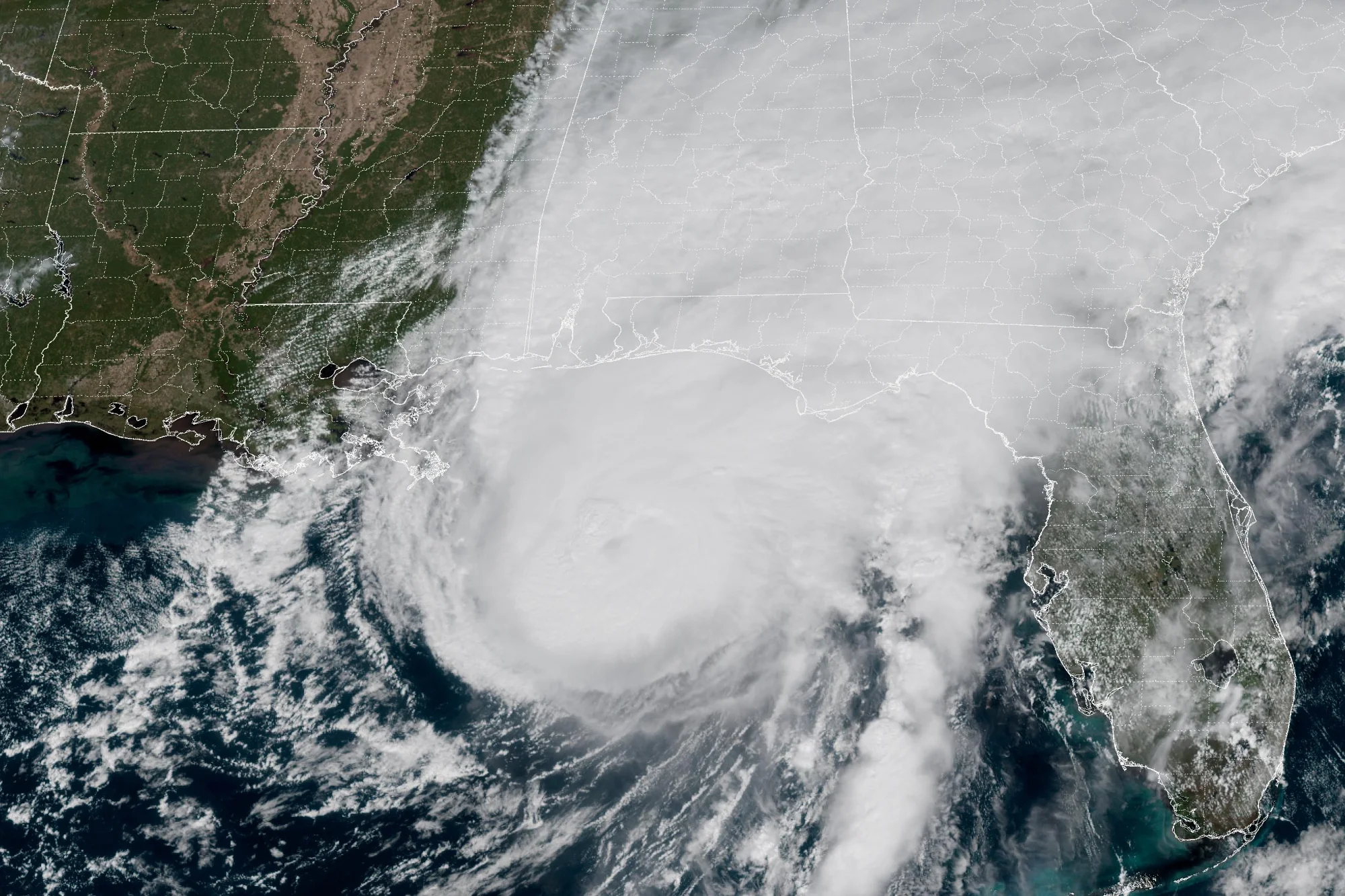
Hurricane forecasters are increasingly using artificial intelligence to make predictions.
In a set of problem-solving experiments, researchers found that people who used AI to get answers were more likely to give up and fail when that help was removed, compared with people who did not use AI.
Terence Tao teaser time UPDATE: Read the solutions here Today’s puzzle is set by Terence Tao, who may be the world’s most famous mathematician. Tao, aged 51, has been a global phenomenon since the age of ten, when he became the youngest competitor at the International Maths Olympiad, a record he still holds. For the last three decades he has been a professor at UCLA, where he has been garlanded with prizes, and where one of his colleagues famously said: “Terry is like Mozart: mathematics just flows out of him.” a regular plant produces a single coin per day a mother plant produces a single coin and two seeds per day. (A seed will grow into a regular plant the following day.) Continue reading...
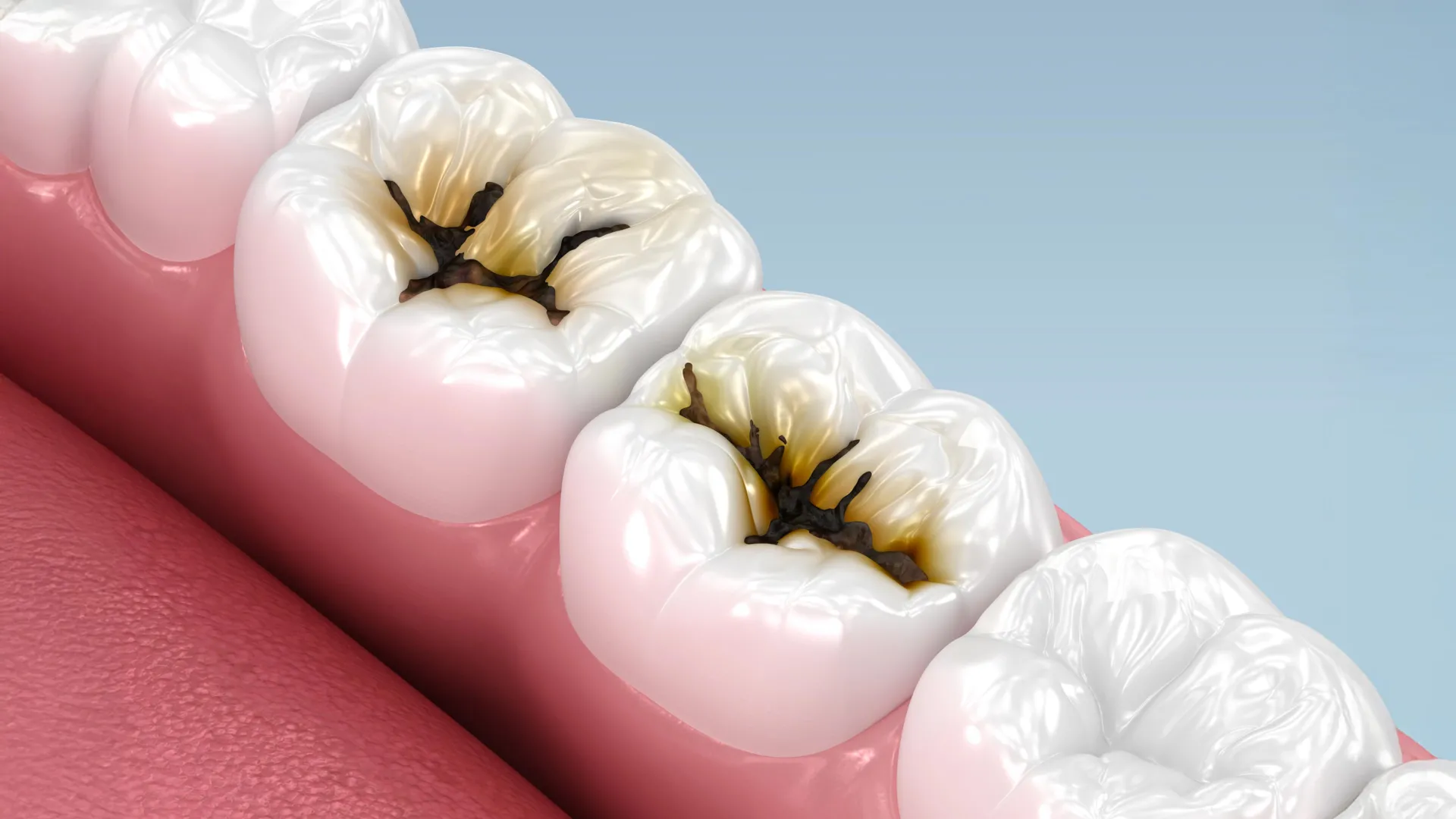
A simple liquid painted onto teeth in seconds can stop cavities without drilling, injections, or anesthesia, according to a major clinical trial involving young children. The inexpensive treatment could spare thousands of children painful dental procedures and surgery while paving the way for broader FDA-approved use.
Scientists have discovered a way to operate multiple silicon qubits simultaneously with remarkable accuracy, overcoming a major challenge in scaling up quantum computers. Their new technique maintained accuracy of approximately 99.9% even when all five qubits were running at once, opening the door to larger and more powerful quantum processors.
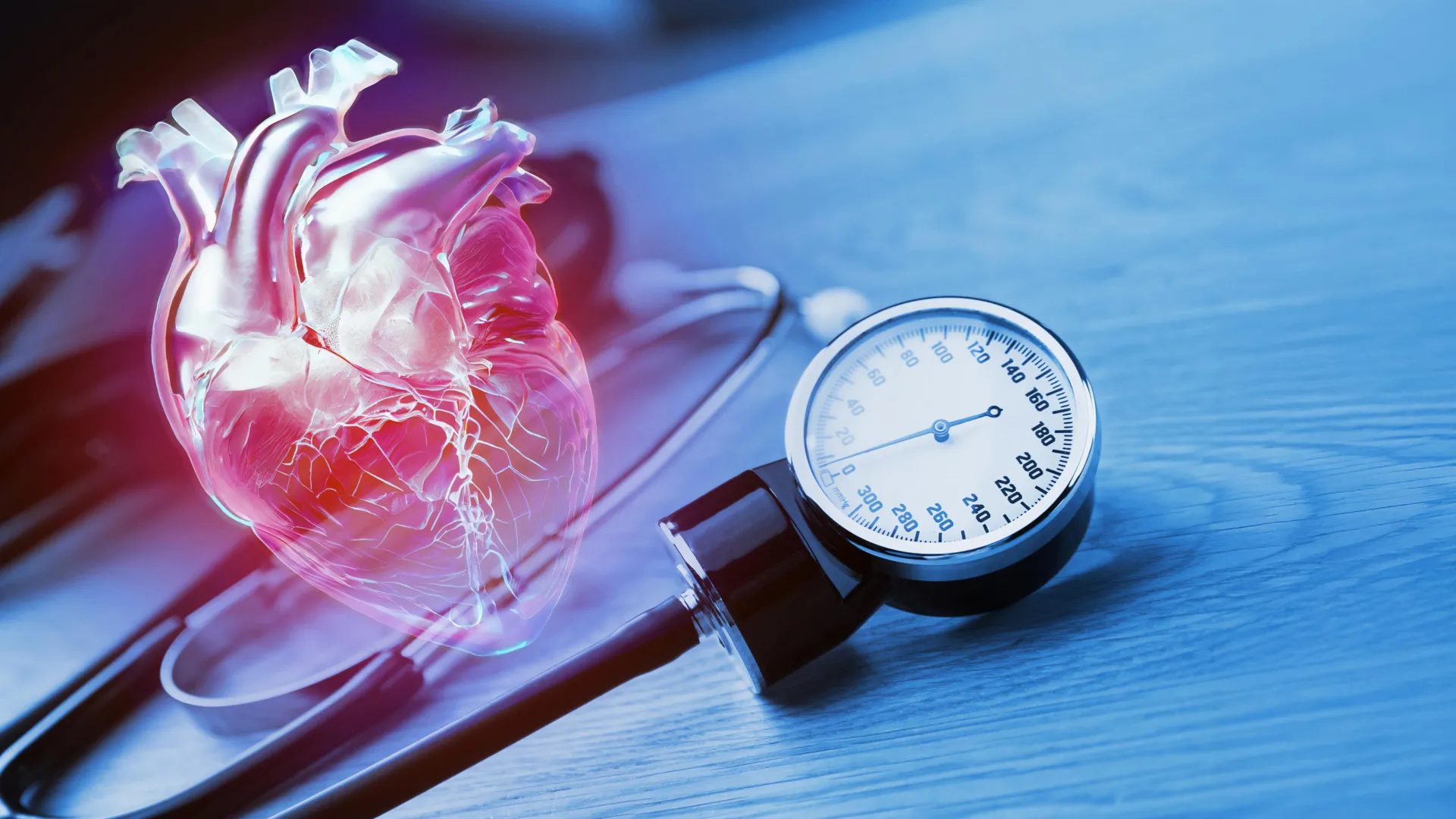
Missing blood pressure medication could mean losing much of its protection against heart attacks and strokes, according to an analysis of more than 91,000 people. Patients who consistently took their medication experienced an 11% reduction in major cardiovascular events, while those who missed too many doses saw little or no measurable benefit.
A major new study reveals that drinking just two alcoholic beverages a day is associated with a 1 in 25 lifetime risk of death from alcohol-related causes, challenging the idea that moderate drinking is harmless. Researchers also found no significant overall health benefits from alcohol, with risks rising as consumption increases.
A common, inexpensive medication could hold an unexpected clue to preventing dementia. Researchers found that older adults with a specific genetic profile had a 70% lower relative risk of dementia when taking low-dose aspirin, even though previous studies found no overall protective effect. The discovery suggests that genetics could help explain why some people benefit while others do not.
With the midterms fast approaching, communicating just the right message has been top of mind on all sides of the political aisle
Stare into the transfixing eye of the "Seagull Nebula" in this newly-released test image from the visionary Vera C. Rubin Observatory.