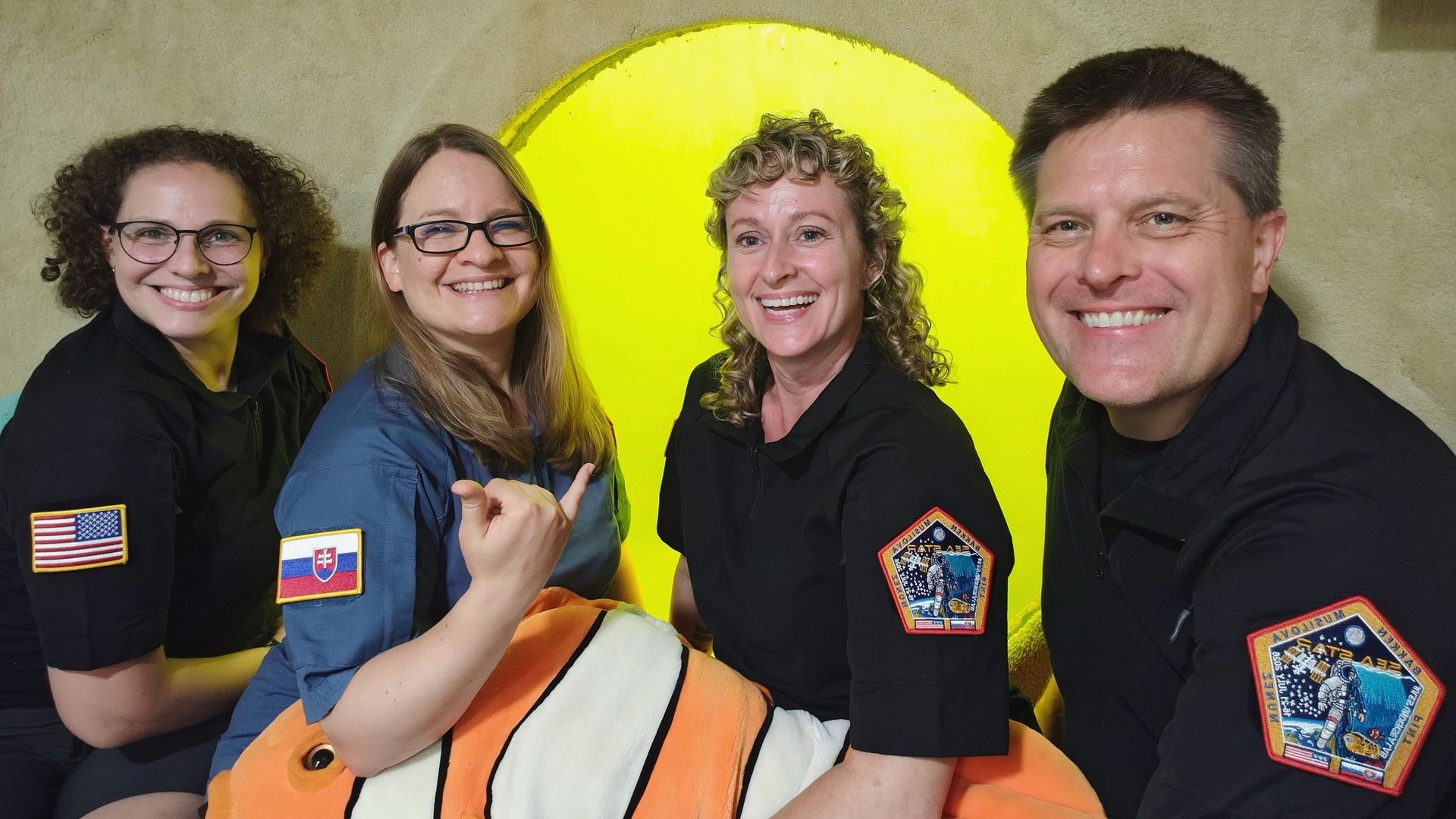
Analog astronauts: How living underwater can prepare humans for space missions
How living underwater can prepare humans for space missions
Space.com · Oct 26

Research, space and the environment
How living underwater can prepare humans for space missions
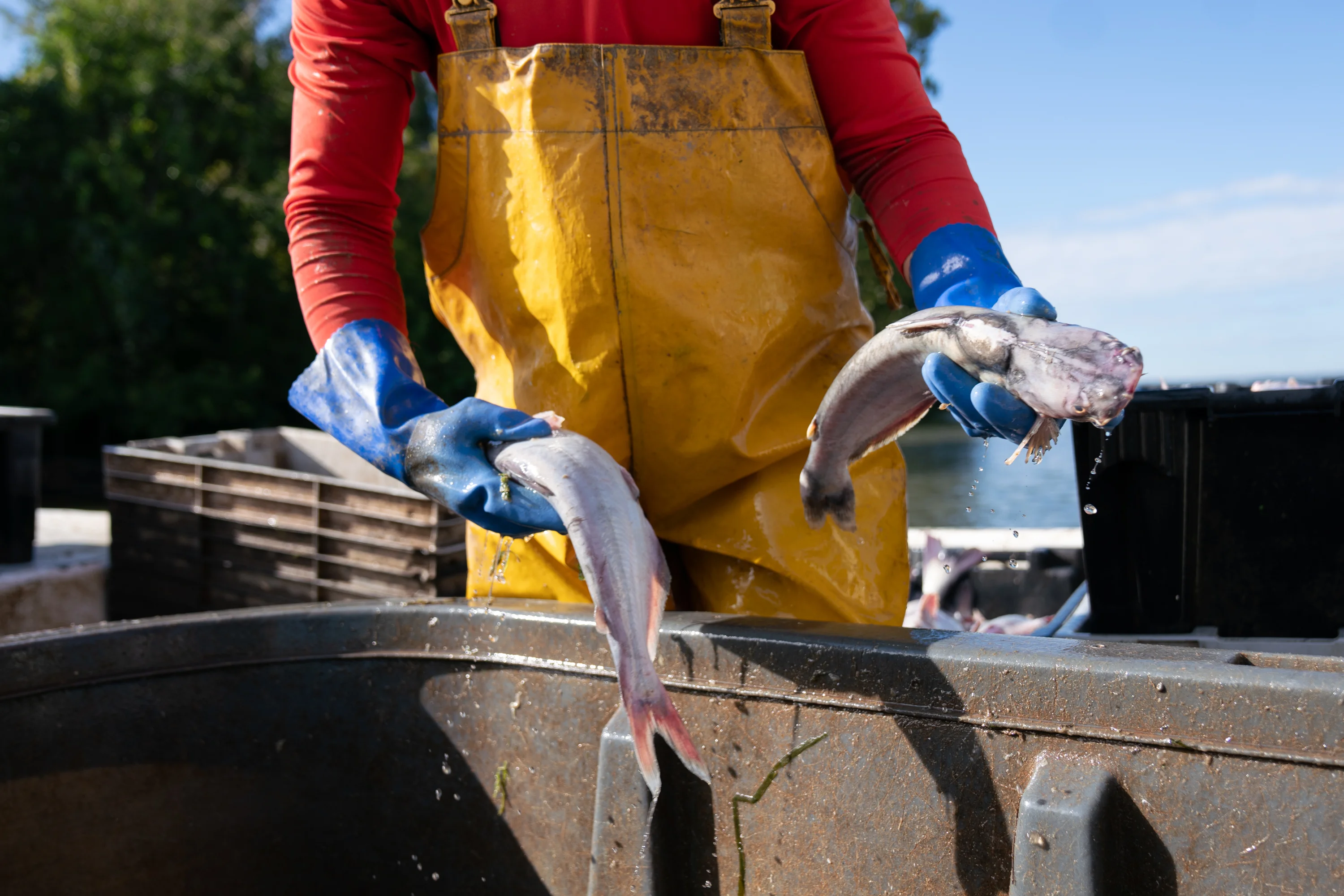
The Chesapeake Bay, home to blue crabs and striped bass, has a new apex predator: the blue catfish. It's invasive and voracious. It's also delicious, which officials hope might help save the bay.
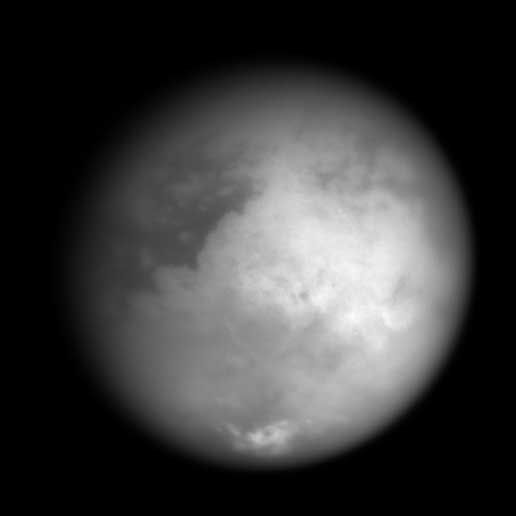
On Oct. 26, 2004, NASA's Cassini spacecraft took the first close-up images of Saturn's largest moon Titan. Here's why it mattered.
If you only knew the power of the infinity stones!
NASA has officially ended the mission of its Swift Observatory, after a private satellite failed to meet up with the aging spacecraft in orbit.
Scottish Labour leader Michael Marra is urging the energy secretary to approve the controversial plans.
"28 days, 6 hours, 42 minutes, 12 seconds. That is when the world will end."
Anthropic is preparing to go public, and new documents show how the lab hopes to control its technology while also pushing the limits of what AI can do
A hypothetical particle could have briefly held more energy than everything else in the infant universe combined, which could help explain how matter won out over antimatter.
Halloween is just round the corner, but if you hurry, you can beam down these superb Star Trek outfits, from old-school Star Trek through to The Next Generation and Discovery.
The solution to today’s puzzles Earlier today, I set a puzzle by UCLA professor Terry Tao, who is widely regarded as one of the world’s top mathematicians. Here it is again with solutions. a regular plant produces a single coin per day a mother plant produces a single coin and two seeds per day. (A seed will grow into a regular plant the following day.) Continue reading...
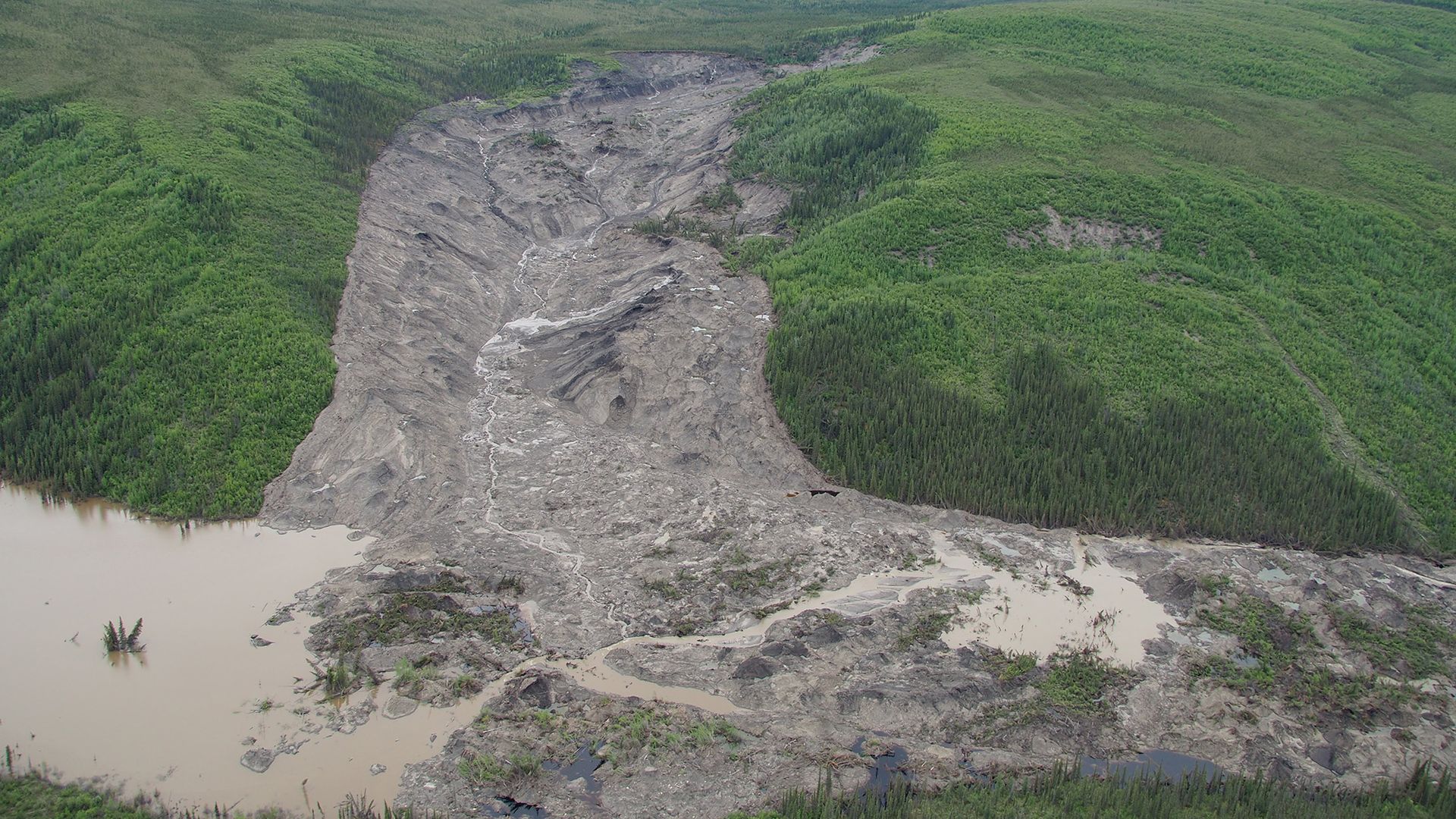
For the first time, researchers have identified a new type of landslide of permafrost in Canada's Northwest Territories.
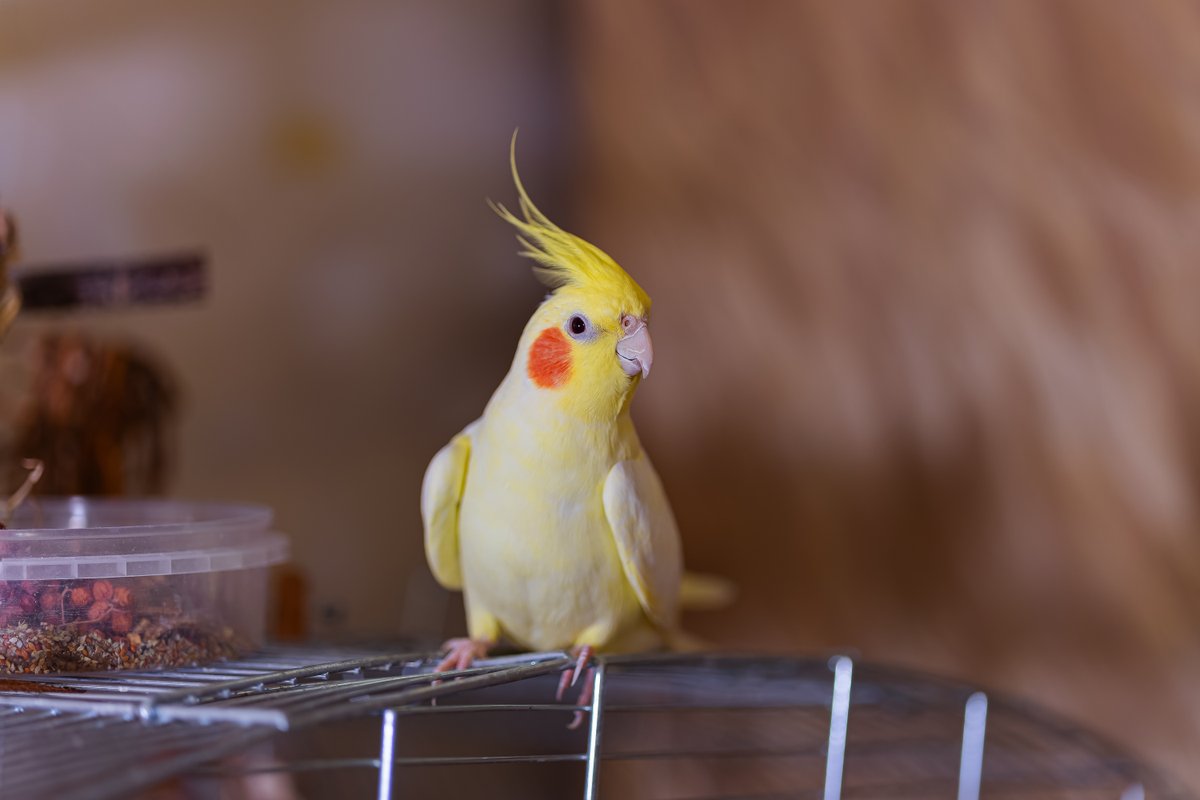
Everyday activities, from visiting zoos to cleaning bird droppings, can expose you to a potentially dangerous infection
A stretch of water in the west of the continent is now called the Amos Channel after the ex-BBC journalist.
To get the science right, classical archaeologists, who excavate the world of the ancient Mediterranean, consulted on the show, which also stars Hugh Laurie.
They’re transforming cities with million-dollar views and a message of modernity. But climate change makes cooling them tricky and costly.
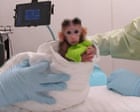
Animal-rights group released video footage that shows distressed baby macaques undergoing lab experiments Footage released by the animal-rights group Peta reveals, for the first time, filmed experiments at the University of Washington’s National Primate Research Center (WaNPRC), in which newborn monkeys were separated from their mothers and subjected to neurological tests after prenatal exposure to a neurotoxin. Records show that the infant monkeys, some just two days old, were used in research on domoic acid, a toxin produced by marine algae that accumulates in shellfish and can cause illness in humans. The experiments were part of a project that ran for six years until 2020. Continue reading...
While rare, colorectal cancer is becoming more common in kids, teens and young adults, and the disease appears particularly aggressive in this age group.
Regular exercise does more than strengthen the heart. New research reveals that it actually reshapes the nerves controlling how the heart functions, and the changes are surprisingly different on the left and right sides of the body.
A solar eclipse recorded more than 2,700 years ago is revealing surprising secrets about Earth's rotation and the Sun's ancient behavior. By correcting an eight-kilometer error in the location of an ancient Chinese capital, scientists were able to reconstruct a total solar eclipse that occurred in 709 BCE and obtain more accurate measurements of how fast Earth was spinning at the time.