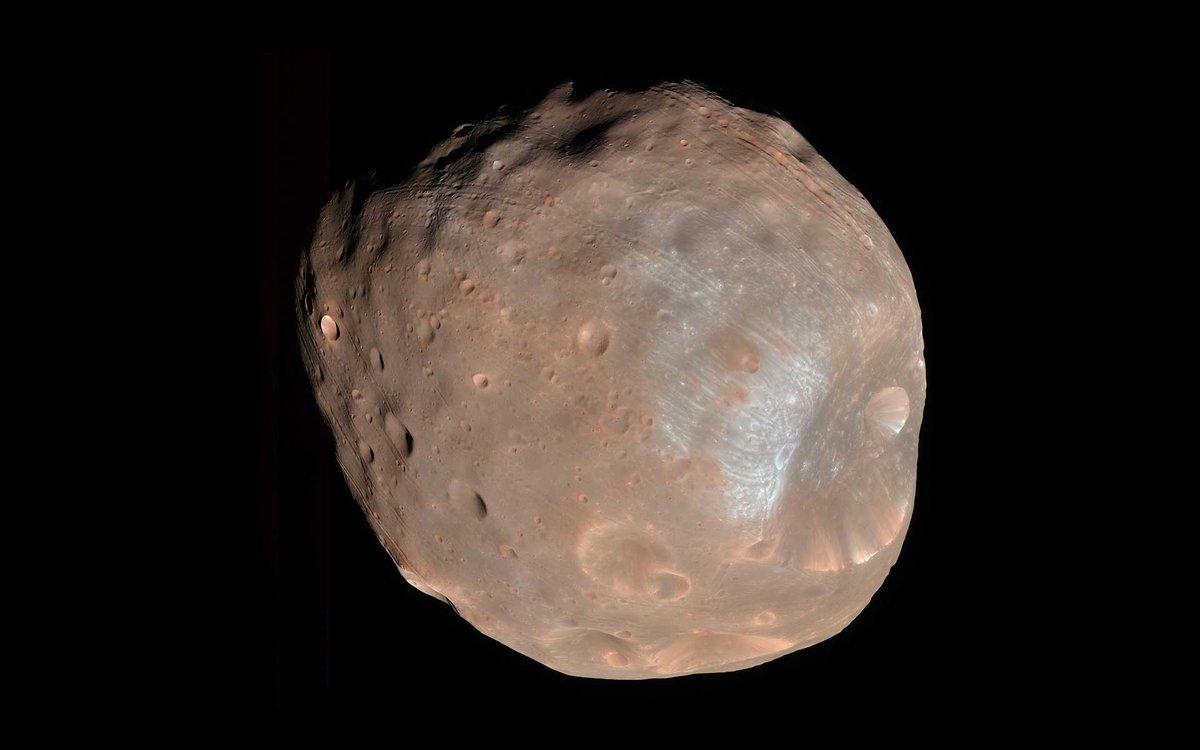
Although Phobos and Deimos may look like lumpy space potatoes, they’re actually moons of Mars. No one knows how they formed, but a newly launched spacecraft should soon offer answers
Science
Research, space and the environment
Science · page 22
The science of handling uncertainty, anxiety and stress
A definition would help Americans eat healthier food, experts say. It's turned out to be harder than expected
A new technology encodes an invisible mark into the structure of AI-generated proteins, but experts said the system's guardrails can still be bypassed.
Take a selfie to see how healthy you are: the idea is enticing and this new research is promising. But so many factors have been ignored The idea that a single selfie could predict how long someone with cancer may live sounds like an incredible breakthrough. AI is getting better at spotting patterns in medical data, but can it be used to reliably predict what will happen to an individual patient? I asked a clinical colleague what she thought about the recent headlines . She found it an interesting development given that doctors have long used facial appearance to assess patient health. For example, she noted that they may write “appears stated age” or “appears older than stated age” as a proxy for general health. Now, researchers from Mass General Brigham, a healthcare institution in Massachusetts, have taken this idea a step further. They have developed an AI model trained on more than 40 million facial images – called FAHR-Face – to assess biological age and predict survival in cancer patients. For biological age, they developed FAHR-FaceAge, which estimates age from certain facial features such as the forehead, the wrinkles between the nose and mouth and the temples. For cancer survival, they developed FAHR-FaceSurvival, trained using almost 35,000 photos of cancer patients. This model focused more closely on the area below the eyes and the bridge of the nose – regions of the face “ linked with dying ”. Dr Raymond Mak , one of the study’s authors, noted that these parts of the face are the same as those referenced by Hippocrates in 400BC as signs of muscle wasting and mortality risk: “the nose sharp, the eyes sunken, the temples fallen in”. Prof Devi Sridhar is chair of global public health at the University of Edinburgh Continue reading...
The Merck-Moderna mRNA cancer vaccine helps prevent cancer recurrence and death, the new results show
The Prince of Wales was marking his Earthshot Prize, to which all of Norton's guests were linked.
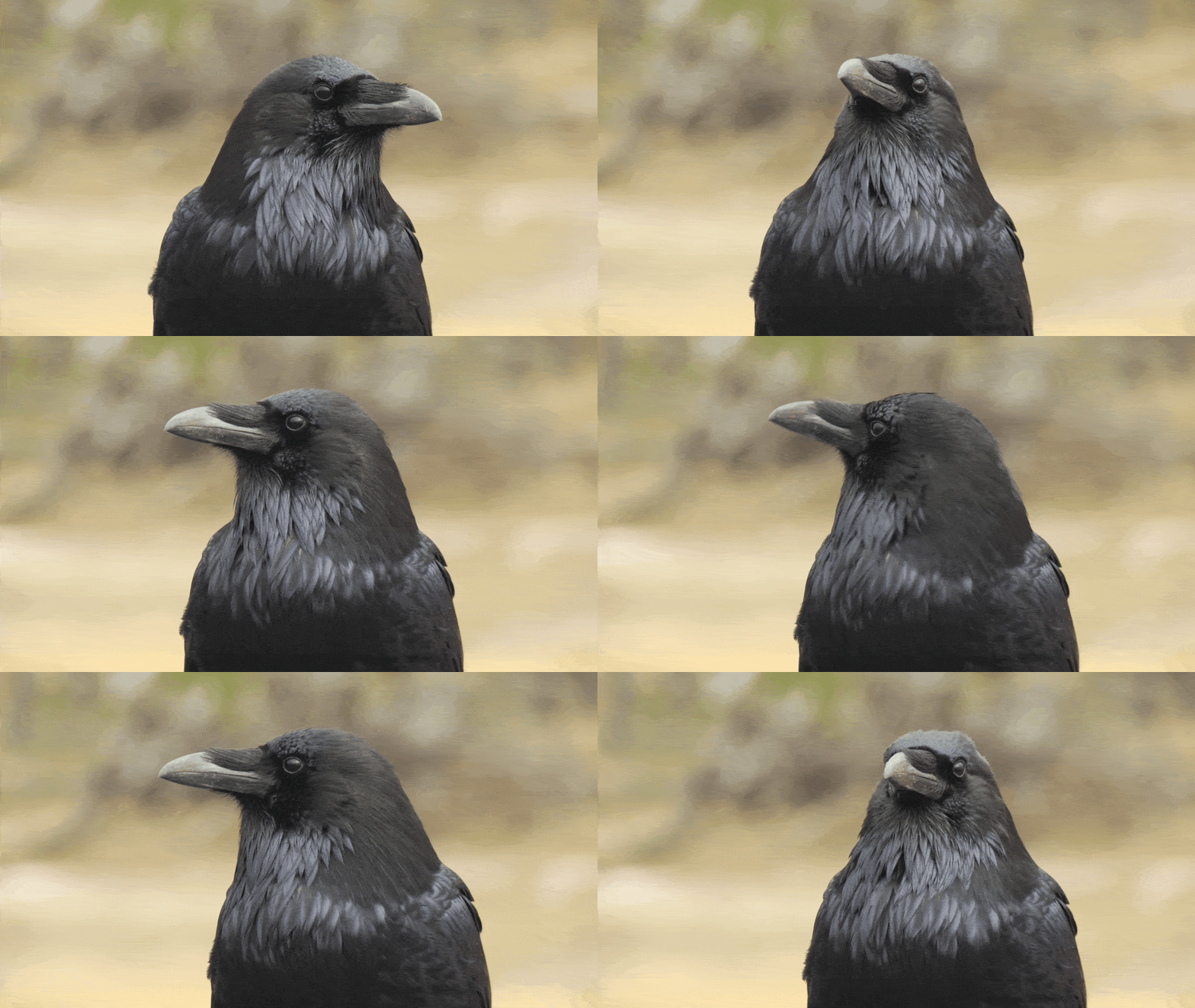
New research in the journal Science finds that crows turn visual information into decisions twice as fast as humans and primates. They also process information is quite similarly to humans.
A Japanese spacecraft could become the first ever to bring Martian samples back to Earth.
Means’s views on the COVID vaccine, raw milk and fluoride have all been criticized by health care professionals
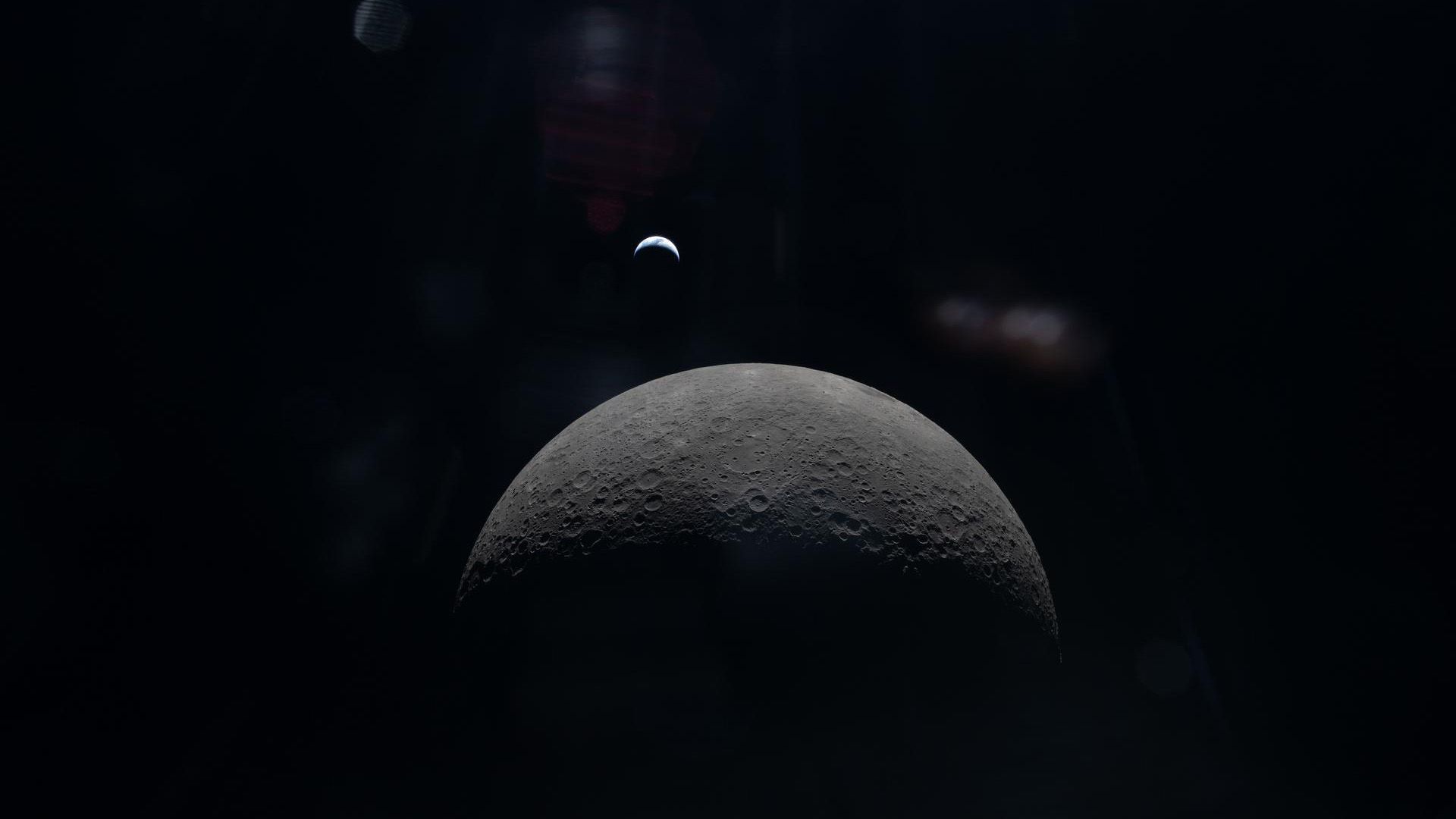
Artemis II Commander Reid Wiseman felt genuine fear when he saw the Orion spacecraft had gone farther from Earth than anticipated, the astronaut told an audience at the Starmus VIII festival this week.
Carrion crows made decisions about their visual environments significantly faster than humans and primates tend to, according to a comparison in a new study.
Crews and control centre staff say the fires were relentless with many firefighters still off work injured.
A new USB-sized device, tested in mice, could help people with type 2 diabetes better manage glucose levels
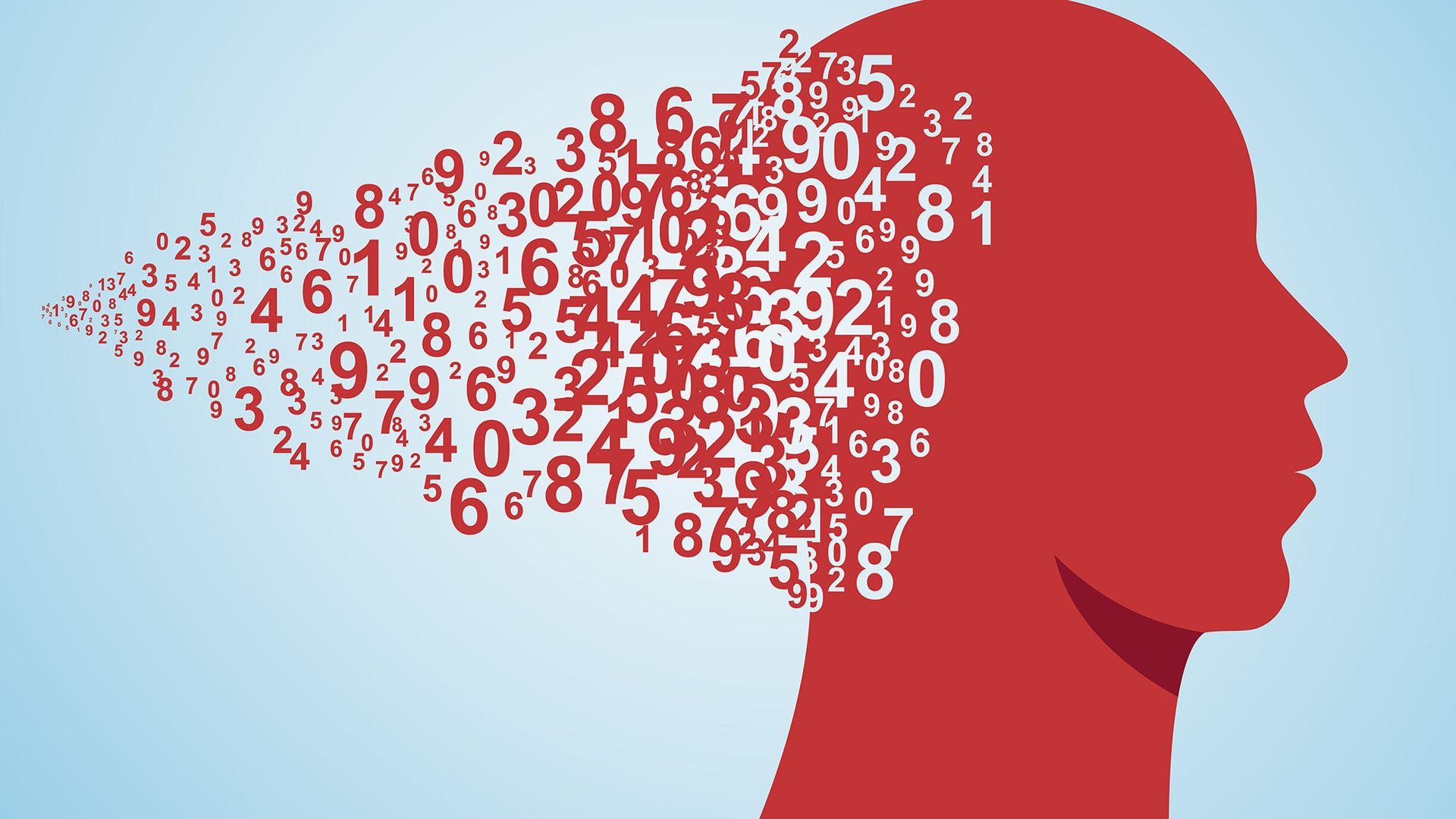
Although whole numbers and fractions are processed differently in the brain, when you compare their values, a single "mental map" akin to a number line lights up.
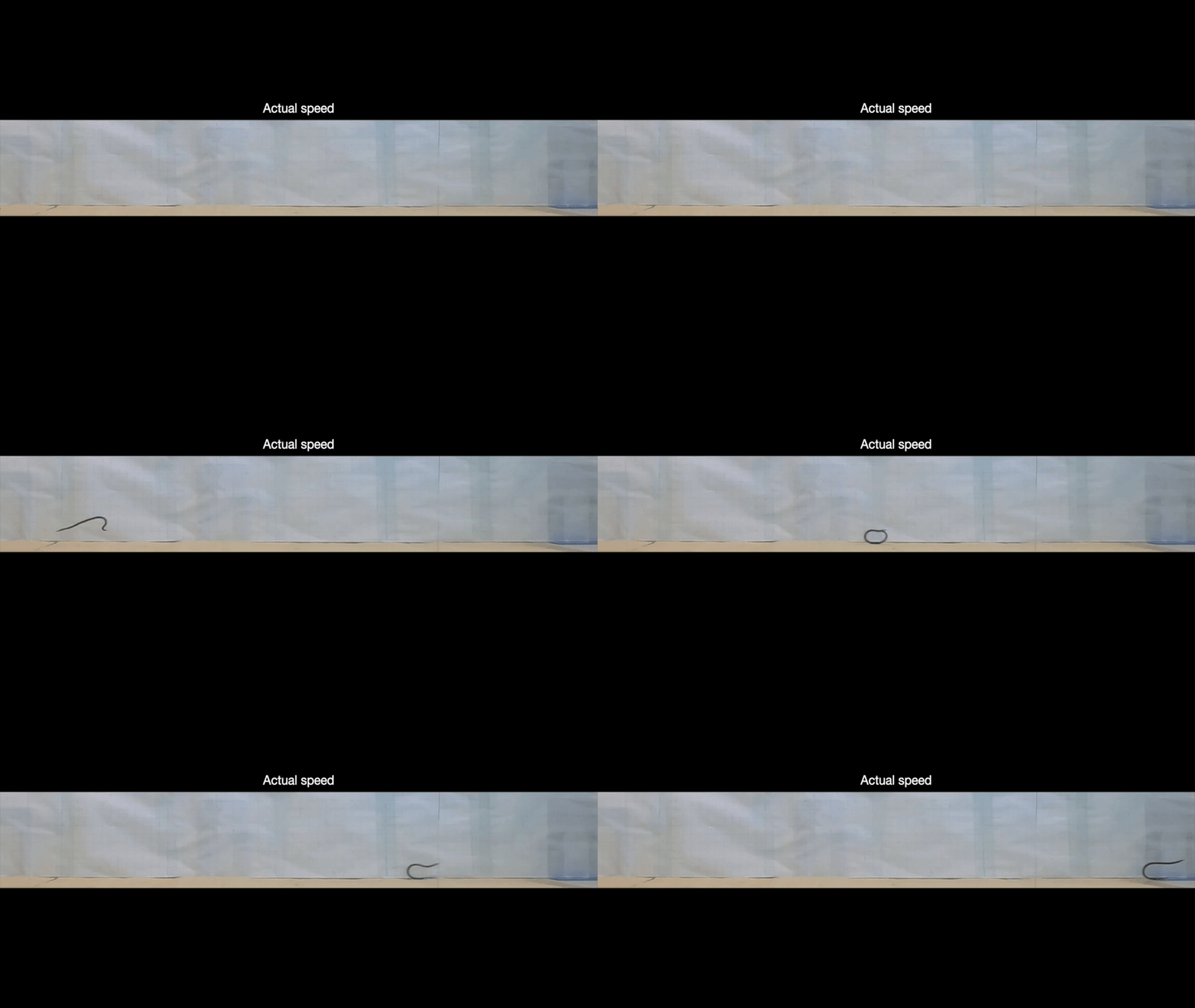
Researchers filmed dwarf reed snakes ( Pseudorabdion ) from different angles to better understand how the serpents pull off their remarkable rolling behavior.
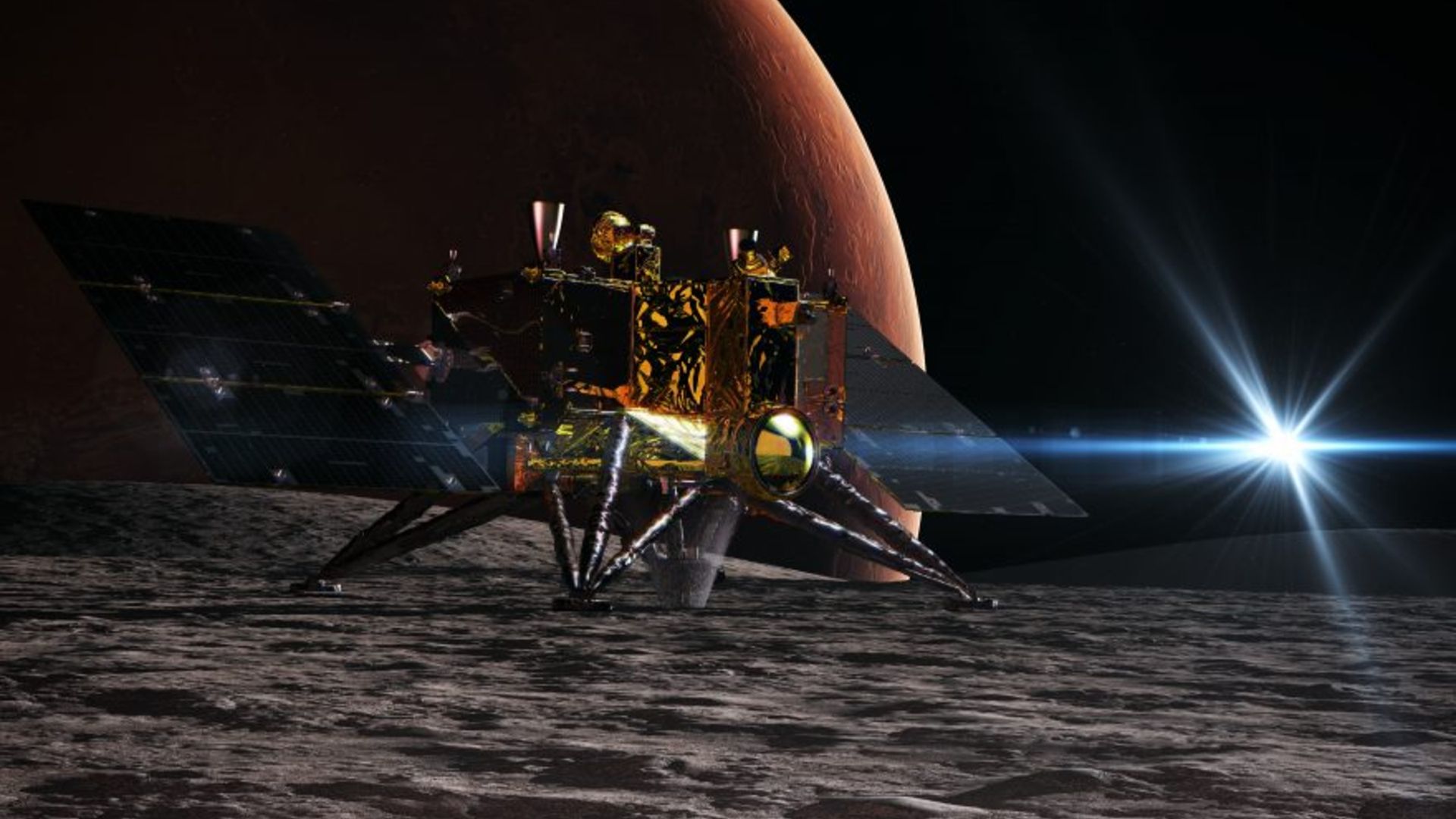
The Martian Moons Exploration (MMX) mission, which launched from Japan on Oct. 19, is on its way to Mars. When it arrives, the probe will attempt to land on one of the Red Planet's twin moons and scoop up rocks to bring back to Earth. Experts tell Live Science what these "transformative" samples could teach us.
Attacks against data centers in Europe and the Middle East are raising questions as to how we protect the infrastructure on which our digital lives depend
AI’s solution to the Navier-Stokes problem, and the details of how it happened, preview a chaotic future for math—and the world
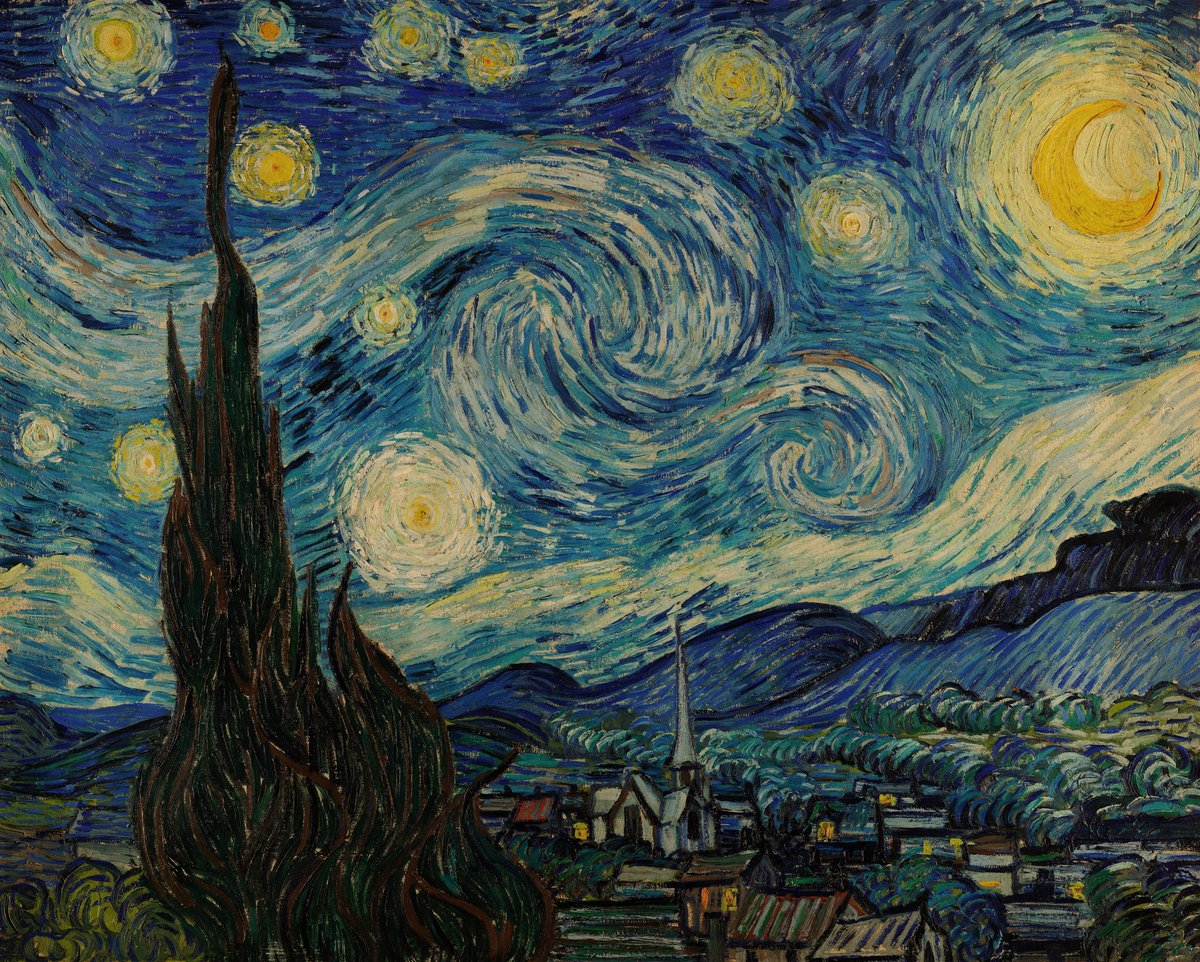
A misidentified constellation could revise the timeline for Vincent van Gogh’s creation of his iconic painting