TopNewsOn

Science

Research, space and the environment

Science · page 23

Elizabeth Holmes is back in the spotlight: why can’t we look away? – podcast

You Can See Everything, a documentary about the disgraced health tech company founder Elizabeth Holmes, has enjoyed a record-breaking opening in the US. It is a testament to how fascinated we remain by the convicted fraudster, but what is behind the enduring appeal? US technology editor Blake Montgomery tells Madeleine Finlay why Holmes continues to fascinate us, and reflects on whether the Theranos scandal has had a permanent impact on Silicon Valley Clip: You Can See Everything, A24 ‘You can’t make this stuff up’: why we remain fascinated by Elizabeth Holmes Continue reading...

The Guardian · Oct 22
New human data hints at psychedelics' potential to combat inflammation

Lab studies have shown that psychedelics like psilocybin can lower inflammation and may be protective for a range of illnesses. Now, researchers are publishing some of the first data in humans that signals this holds potential for patients with neurodegenerative diseases like Parkinson's disease.

NPR · Oct 21
‘These risks are real’: the threat of AI bioweapons - video

In his annual speech on threats to the nation, Sir Ken McCallum, the head of the UK’s intelligence service, MI5 , warned that AI had the potential to ‘change the stakes’ on existing and even new bioweapons. To find out why, and how, Ian Sample speaks to Dr Tom Inglesby, director of the Johns Hopkins Center for Health Security and the Bloomberg School of Public Health. He explains what has governments so worried and what measures could be put in place to reduce the risks Continue reading...

The Guardian · Oct 20
‘These risks are real’: the threat of AI bioweapons – podcast

In his annual speech on threats to the nation, Sir Ken McCallum, the head of the UK’s intelligence service, MI5 , warned that AI had the potential to ‘change the stakes’ on existing and even new bioweapons. To find out why, and how, Ian Sample speaks to Dr Tom Inglesby, director of the Johns Hopkins Center for Health Security and the Bloomberg School of Public Health. He explains what has governments so worried and what measures could be put in place to reduce the risks Could AI ‘change the stakes’ in the development of bioweapons? Support the Guardian: theguardian.com/sciencepod Continue reading...

The Guardian · Oct 20

The Guardian view on plague in Russia: what is most worrying is the lack of information | Editorial

In the three weeks since a health worker’s death in Siberia, officials have stonewalled the WHO – setting a worrying precedent for future pandemics Is there a plague outbreak in Russia? If the answer were a clear yes, there shouldn’t be much reason to worry. With swift medical intervention, plague is treatable. But in the nearly three weeks since a worker at a Siberian plague research unit died of a mysterious respiratory illness, state officials have been consistently tight-lipped about what happened and whether there were any further cases. It is this uncertainty that has the World Health Organization (WHO) and international community worried: partly because there is a – very small – risk of an outbreak, and partly because it is yet another warning that the international coordination we rely on to prevent pandemics is fraying along with the rest of international politics, and could easily fail to protect us in the future. Continue reading...

The Guardian · Oct 18
BBC Inside Science

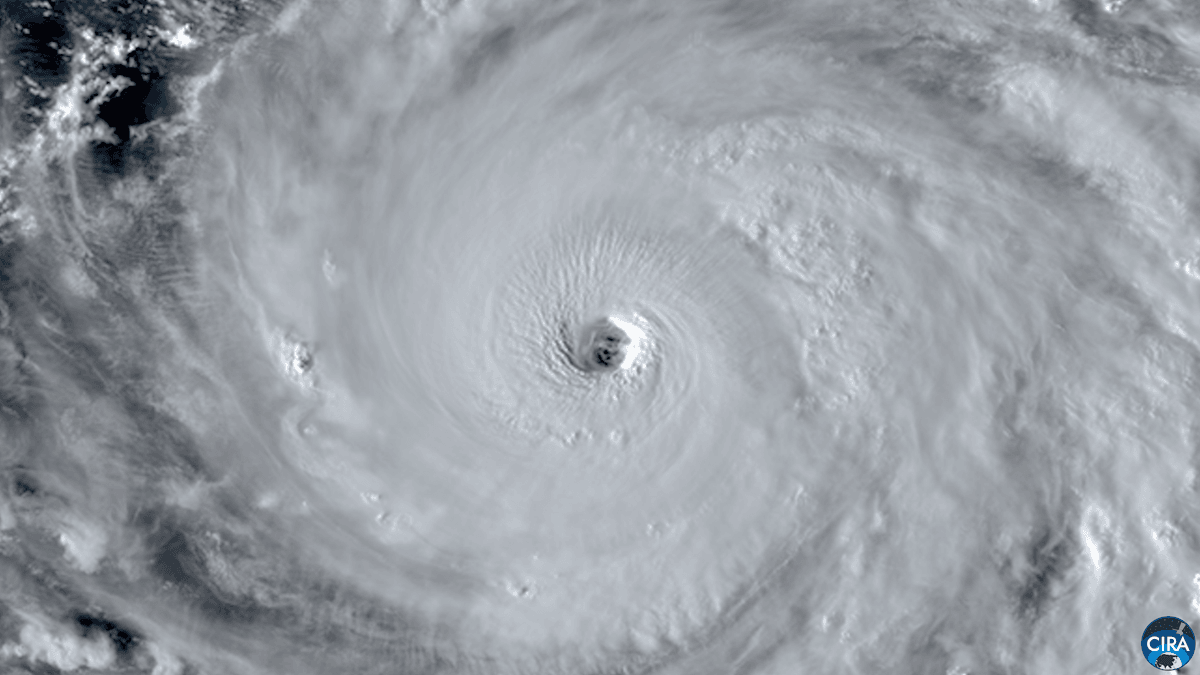
How can we to compete against a natural force with the power of 25 atomic bombs?

BBC News · Oct 15