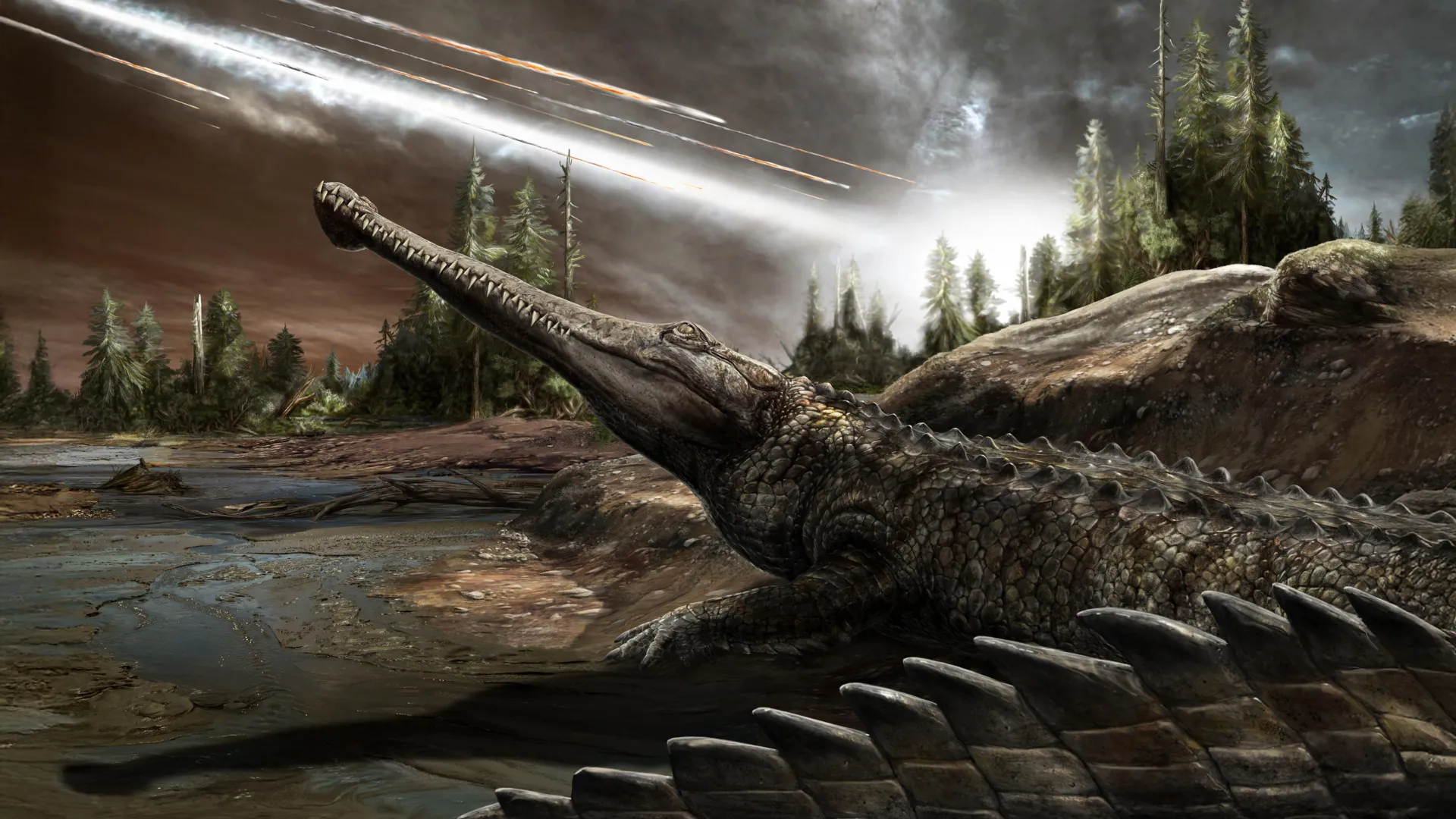
Scientists may have solved a 66-million-year-old mystery: how crocodiles survived the asteroid that wiped out the dinosaurs. A sweeping analysis of fossils and ancient climates suggests that their preference for warm environments placed them in tropical refuges that remained habitable even after the catastrophic impact.
Science
Research, space and the environment
Science, page 6
An AI tool called REA can take apart software that isn’t meant to be opened in printers, smart TVs, cars, and more. Its pseudonymous creator wants everyone to get a peek
A computer scientist has achieved a breakthrough in a nearly 25-year-old problem involving how computers calculate distances across enormous networks. The new algorithm delivers more reliable estimates for closely connected points without sacrificing speed, overcoming a longstanding limitation of earlier methods. Its secret lies in a smarter way of sampling network connections at multiple scales.
A surprising discovery by astronomers using the Hubble Space Telescope is challenging a leading explanation for how the early universe emerged from a dense fog of hydrogen roughly 13 billion years ago. Scientists once believed powerful winds from exploding stars helped radiation escape galaxies and clear that cosmic fog, but new observations reveal that these winds actually block radiation instead.
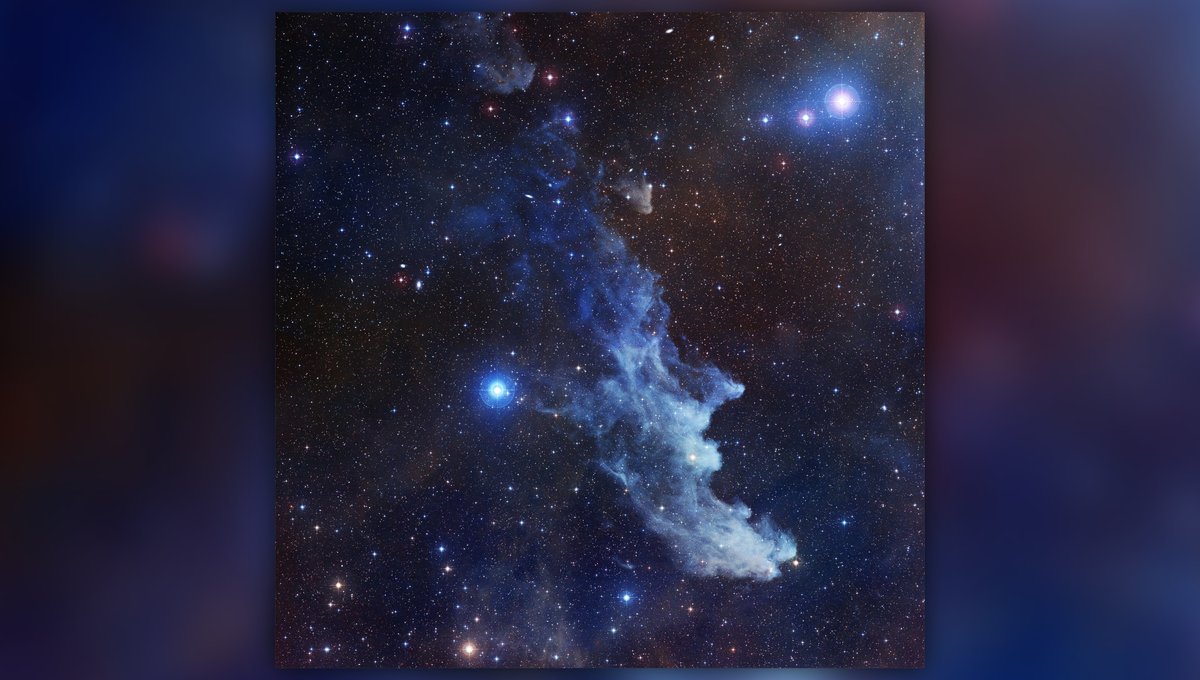
It’s Halloween, and nothing is scarier than our terrifying universe
A startling new study suggests that venomous snakebites are killing far more people worldwide than official statistics indicate, with an estimated 274,000 to 513,000 deaths every year. Researchers found that as many as 7 million people could suffer snake envenoming annually, while more than 800,000 survivors are left with long-term disabilities.
Scientists have uncovered hidden aggressive cancer cells in children whose tumors were previously considered lower risk, revealing why some cases of rhabdomyosarcoma become unexpectedly deadly. The discovery could help doctors identify dangerous tumors earlier and develop personalized treatments that improve survival while reducing unnecessary chemotherapy.
Researchers hope recursive self-improvement could tackle the skyrocketing costs of developing advanced AI models. But is it viable?
What vampire stories reveal about changing fears, identities and human nature
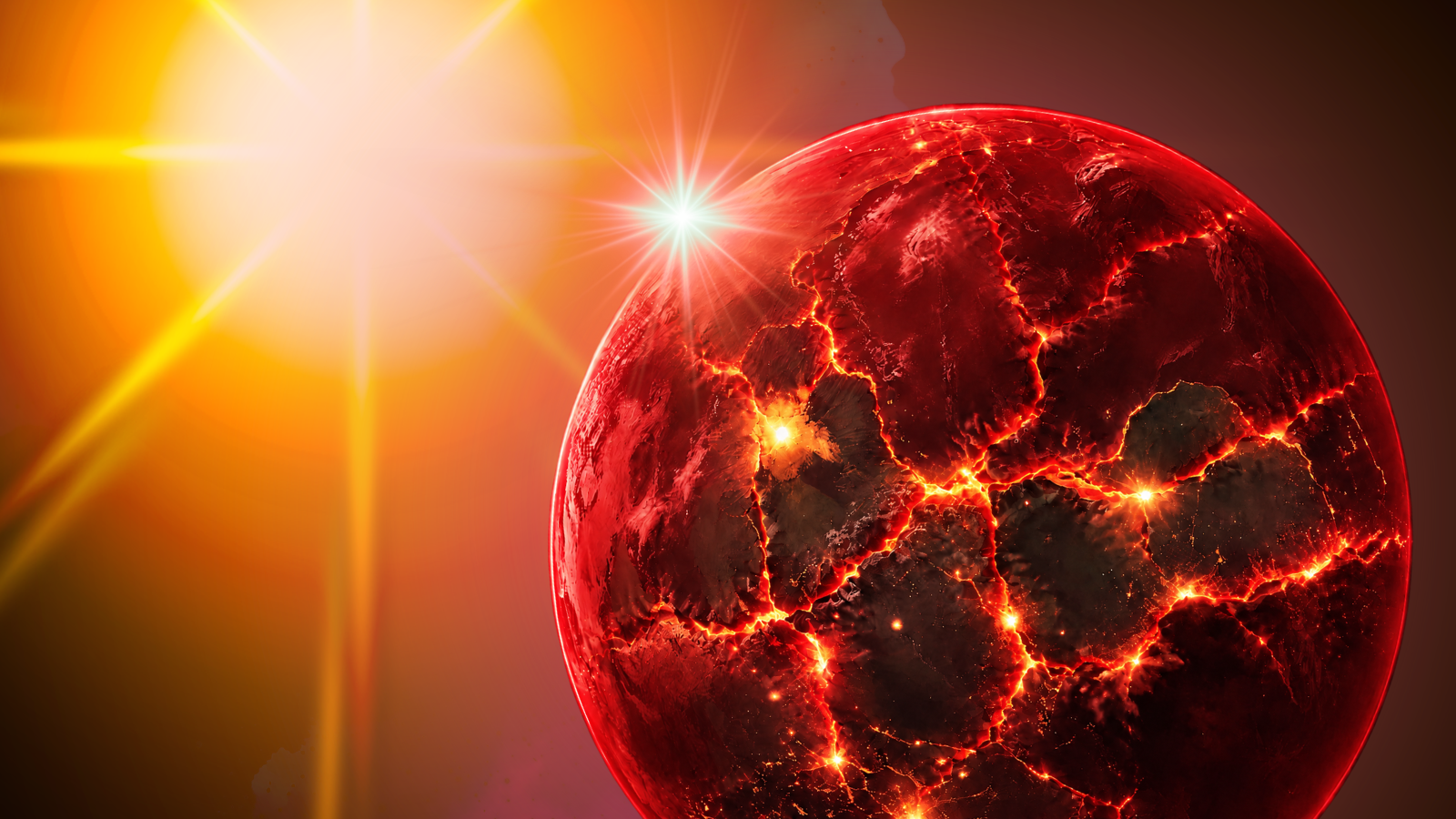
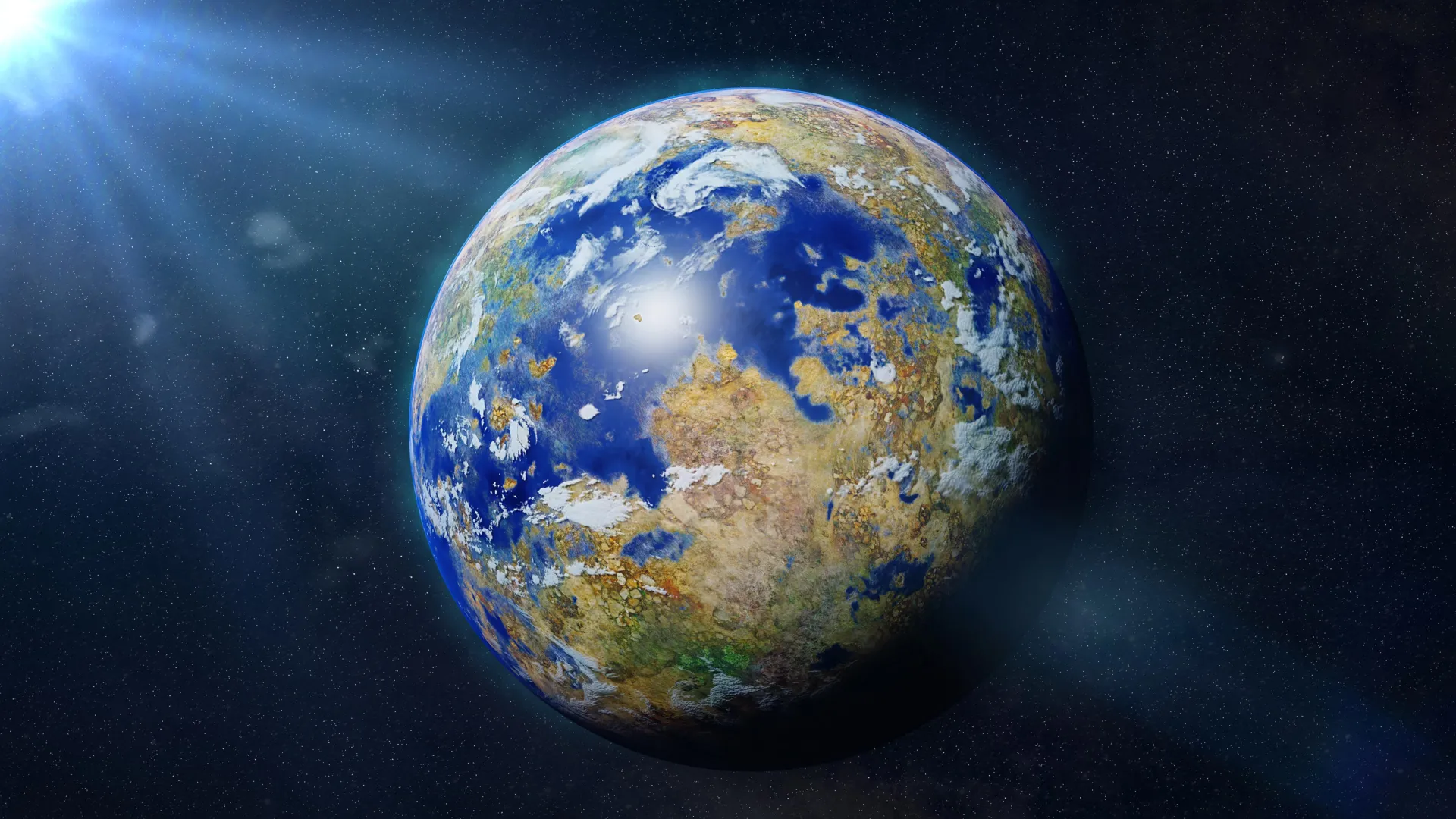
Earth would be terrifying if we celebrated Halloween every 11 hours, a possibility on a super-Earth investigated by the JWST, if it wasn't so hellishly hot that no life could survive on its surface.
Mass graves found at a Stone Age farming settlement in Slovakia have researchers baffled about the details — including the location of the missing skulls.
This week’s best wildlife photographs from around the world Continue reading...
The bird's arrival on a managed grouse moor in southern Scotland is seen as a key moment for the species.
Foggy conditions likely to bring tricky conditions for the Friday morning commute as severe weather warning issued.
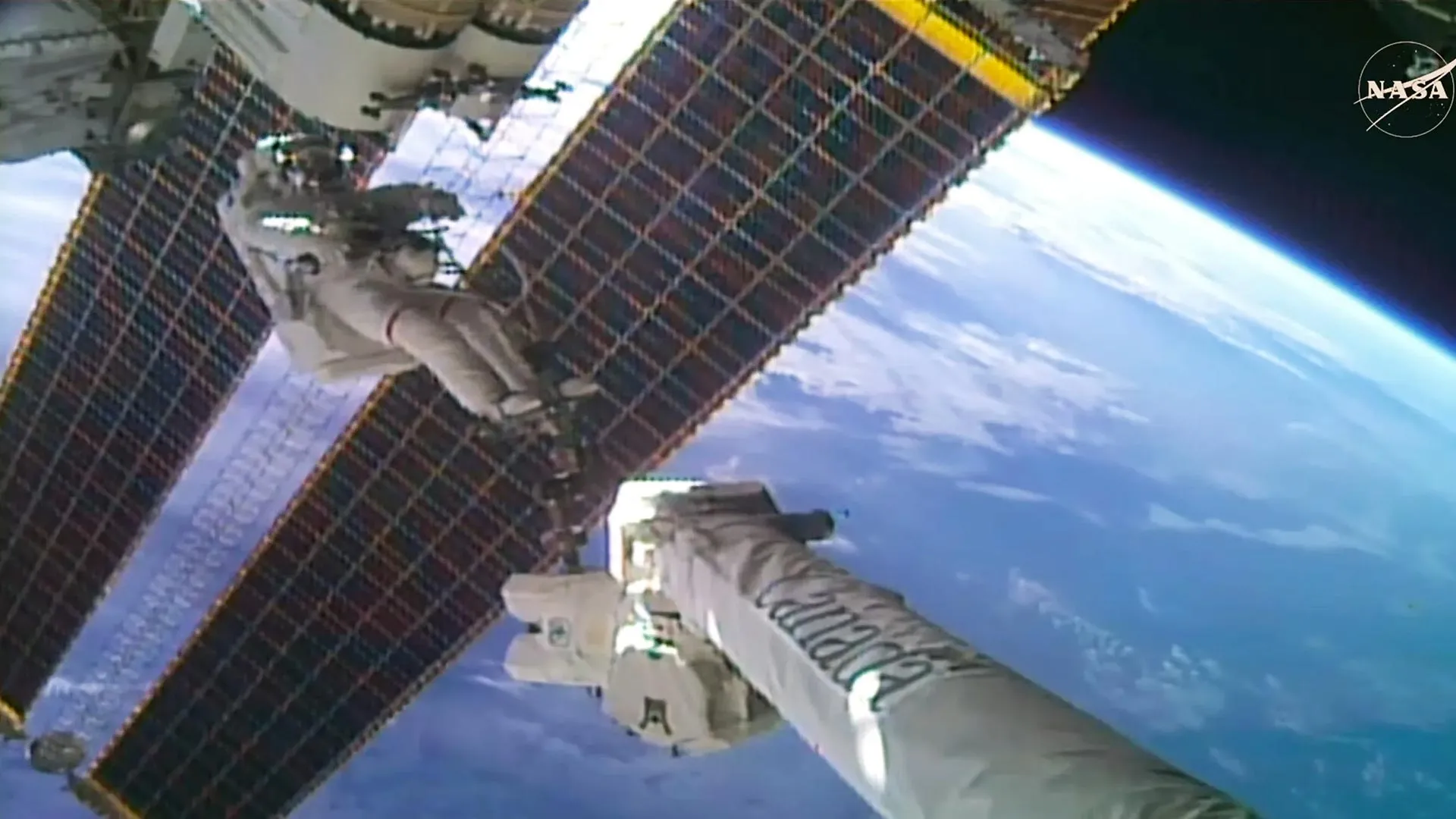
Two astronauts completed a 7-hour, 11-minute spacewalk to install a new solar array on the International Space Station, bringing NASA one step closer to a major power upgrade. Once the final array is installed on November 5, the station will have up to 30% more available power, supporting critical operations and its eventual controlled deorbit.
Some of Britain's rarest and most threatened bats have been recorded in the south-west of England.
Loch Insh, Cairngorms: In my three decades in Scotland I’ve adjusted to the darkness of this time of year, and found glory in the quality of light It is the one clear day in a fortnight of heavy cloud, wind and rain, so I am out by the loch, basking in the rays of light, breathing them in, hoarding for the weeks to come. This time of year makes them all the more precious. Here in the Highlands, once we are past the autumnal equinox , we can almost feel the Earth tipping away from the sun as the light grows shorter each day and the night steals back. It’s a turn that is especially obvious when the clocks change and our evenings are suddenly dark. Continue reading...
Earth is warming faster than ever recorded, with scientists detecting a major acceleration in global temperatures since around 2015. A new study reveals that the warming rate has surged to approximately 0.35°C per decade, nearly double the average pace observed from 1970 to 2015. After removing natural climate fluctuations, researchers confirmed the acceleration with more than 98% statistical confidence.
Astronomers have solved a 170-year-old planetary mystery in a nearby two-star system, discovering that a mysterious wobble was caused by stellar activity rather than a giant planet. Although Jupiter-sized worlds have been ruled out in key regions, smaller, potentially habitable planets could still be waiting to be discovered just 16 light-years from Earth.
Scientists have discovered that three bizarre deep-sea fish that look exactly like seahorses actually belong to a separate evolutionary group, proving that nature created the same unusual body shape more than once. Nicknamed "sea muppets," these elusive creatures are known from just seven specimens, and no one has ever seen one alive.