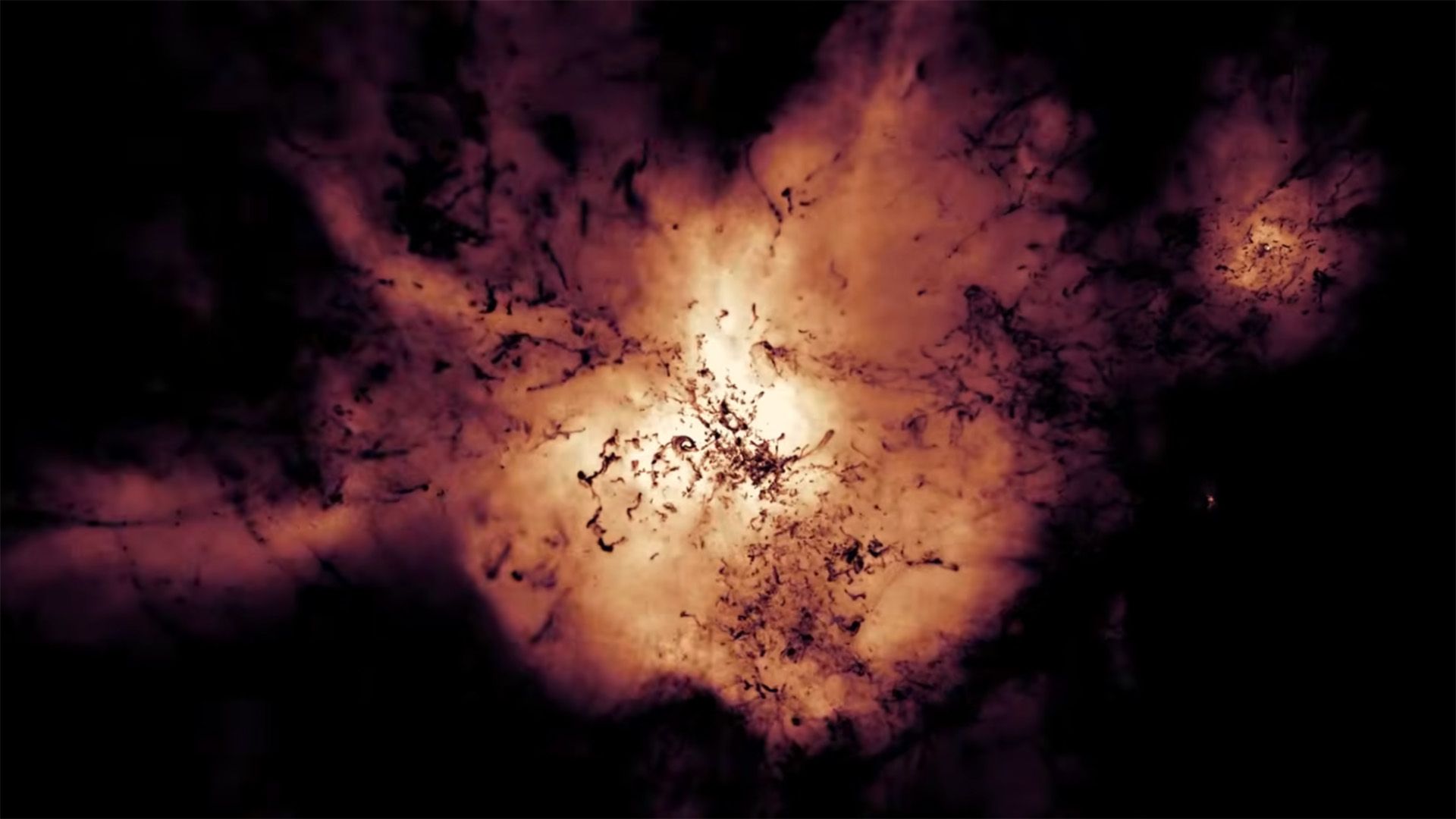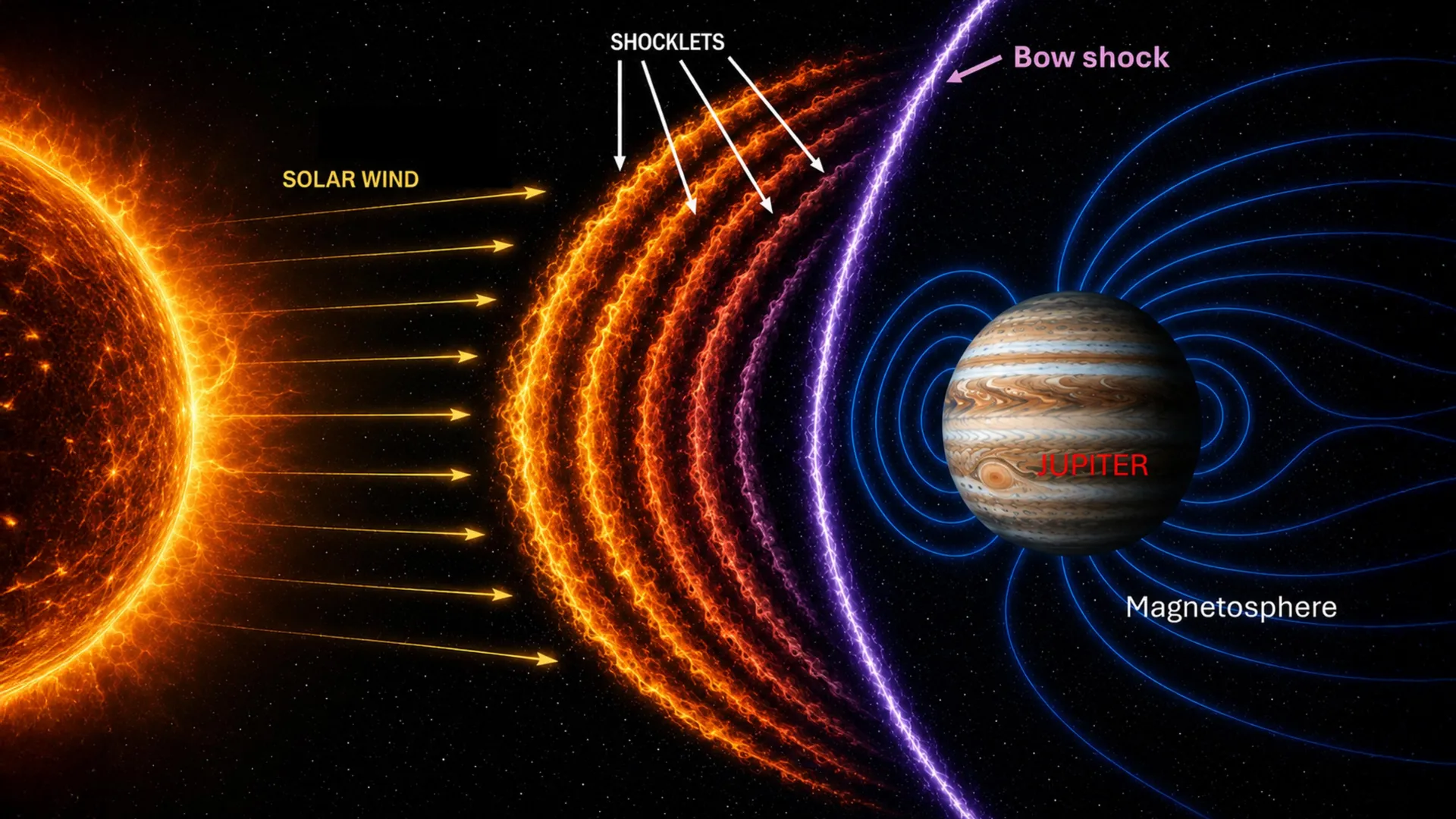
NASA’s Juno spacecraft has discovered that Jupiter uses a surprisingly complex system of powerful plasma waves and multiple shock regions to defend against the solar wind. The findings reveal major differences between Jupiter and Earth and could help scientists understand the enormous shock waves produced by exploding stars.
Science
Research, space and the environment
Science · page 9
All but one of England's water companies were rated as "poor" or "requiring improvement" for environmental targets.
Mathematicians have uncovered what they argue is a fundamental flaw in the standard model of the universe, potentially challenging the need for dark energy. Their calculations suggest that the mathematical framework used to describe cosmic expansion is inherently unstable and that the universe could accelerate naturally under Einstein's original theory of gravity. The findings also raise surprising questions about whether our location in the universe is as ordinary as scientists have long assumed.
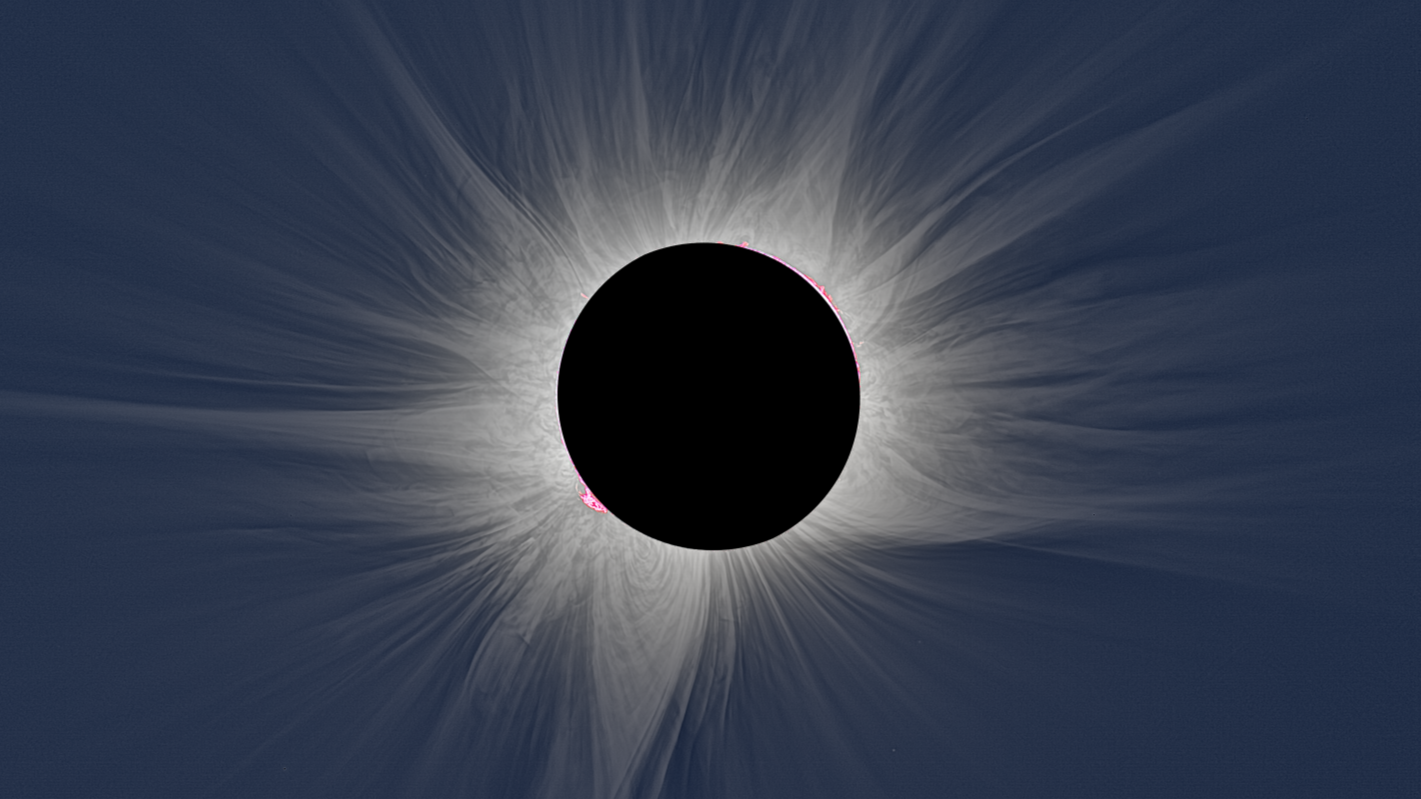
Solar eclipse photography provides a unique vista into the processes taking place in the sun's upper atmosphere.
Getting more daylight could be linked to a surprisingly powerful benefit for brain health. In a study of more than 87,000 adults, researchers found that higher daytime light exposure was associated with a 16% lower risk of dementia, with longer exposure to bright light linked to even greater reductions. Remarkably, getting less than 42 minutes of bright daylight daily was a stronger predictor of dementia than six established risk factors.
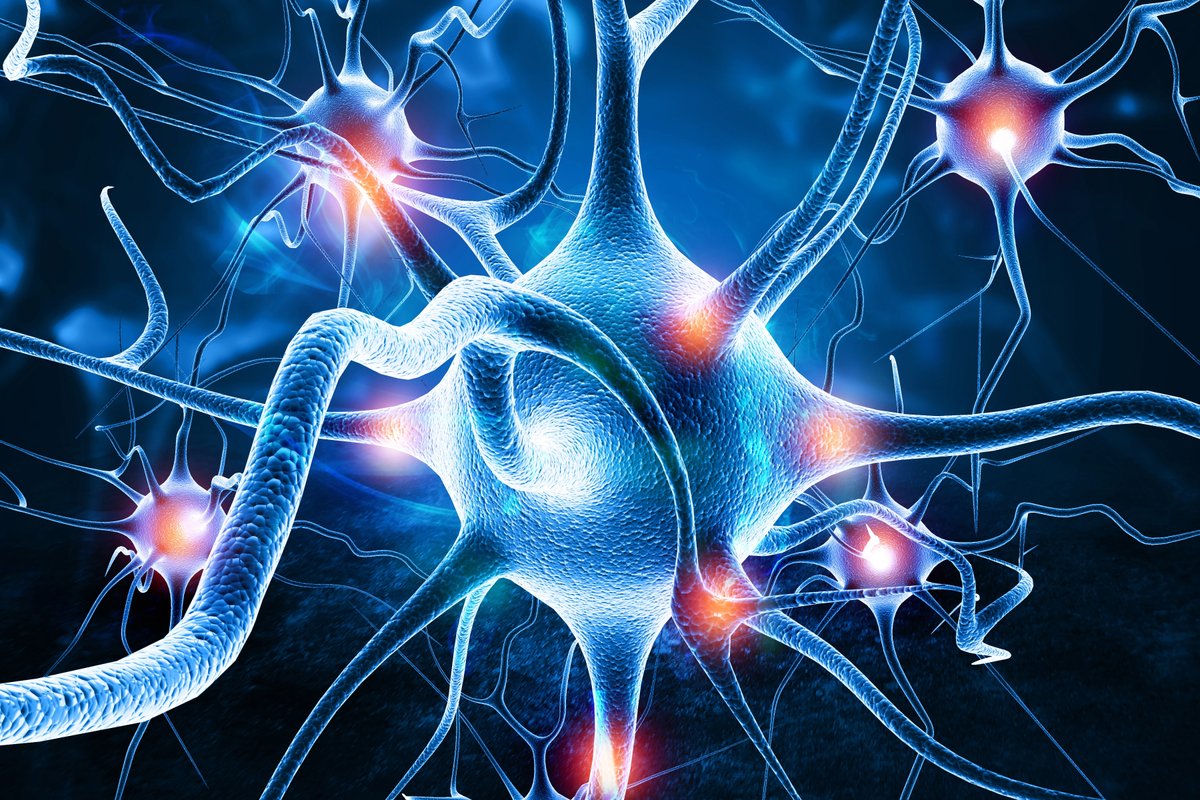
The tool could eventually lead to an entirely new approach for treating mental health
Cranberry juice may offer an unexpected benefit beyond its reputation for helping prevent urinary tract infections: protecting teeth from decay. Researchers at the University of Illinois Chicago discovered that pure, unsweetened cranberry juice slowed the regrowth of dental plaque bacteria and reduced their production of acids that damage tooth enamel. The secret may lie in naturally occurring compounds called proanthocyanidins, which interfere with harmful bacteria.
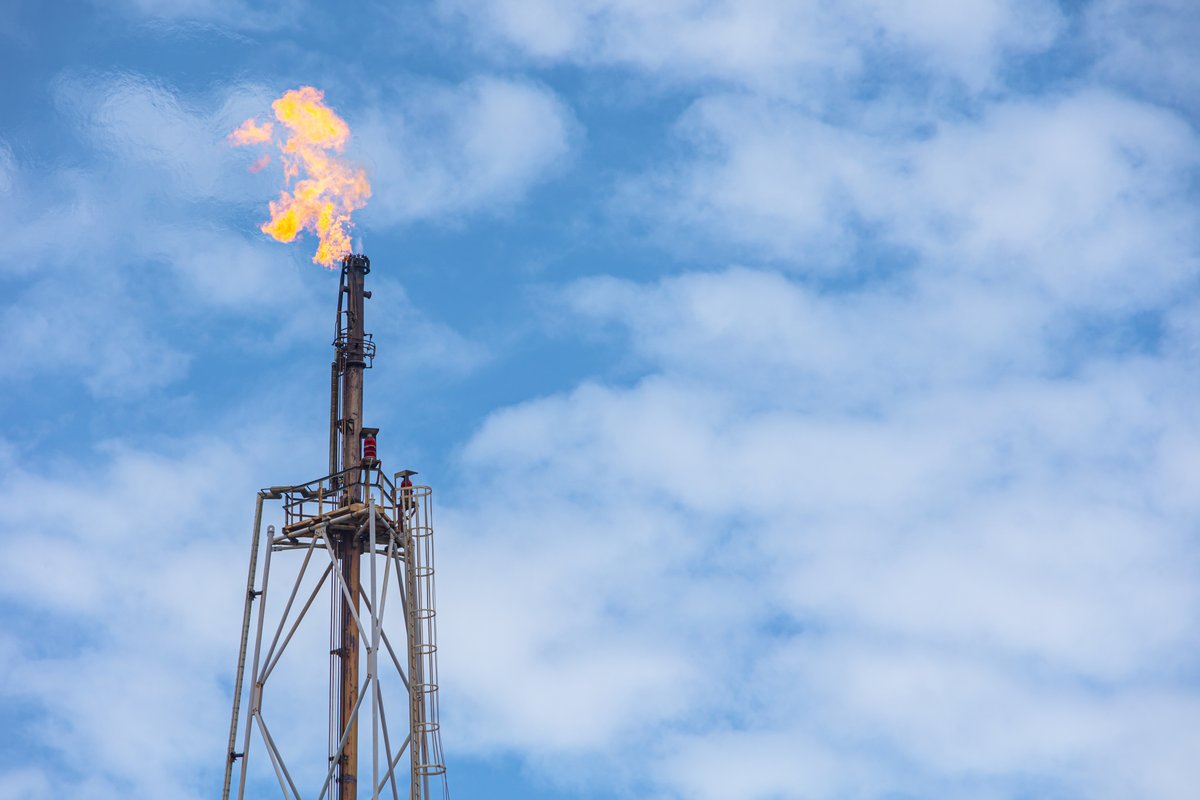
The gas is a major driver of climate change
A new program aims to help scientists figure out how the ingredients of the universe formed early galaxies, which lit up the cosmos after a "dark age."
NASA astronaut Anil Menon and CSA (Canadian Space Agency) astronaut Joshua Kutryk perform spacewalk to install and deploy an International Space Station Roll-Out Solar Array (IROSA). Continue reading...
Knots show how to generate infinitely many formulas of a kind developed by the visionary genius
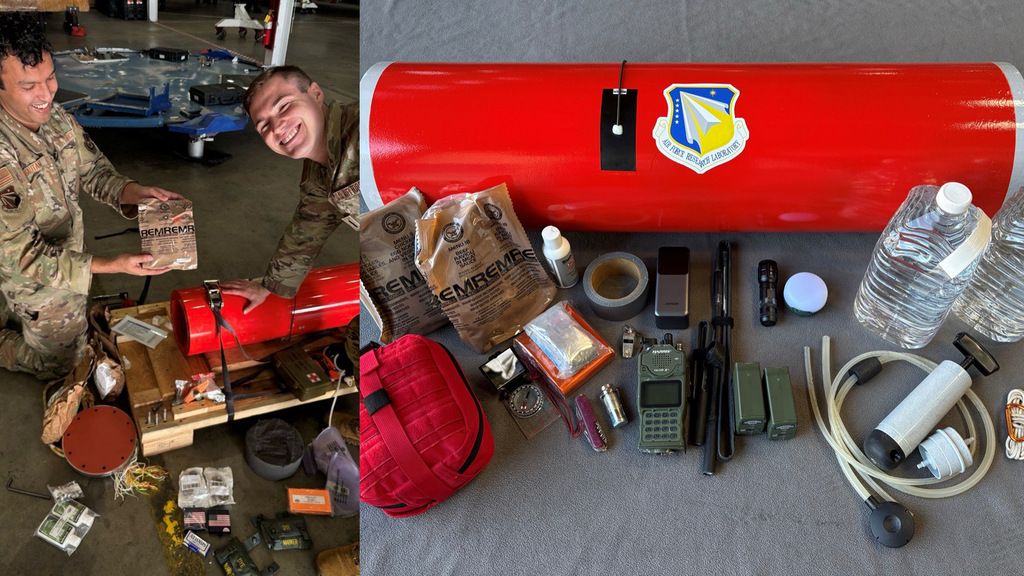
The U.S. Air Force has recovered experimental cargo launched aboard SpaceX's mysterious Starfall capsule, marking a step forward in the effort to assess the viability of rapid, point-to-point deliveries to anywhere on Earth.
Finding alien life could shake some people to their very souls, but different religions can take very distinct approaches to the existence of extraterrestrial life
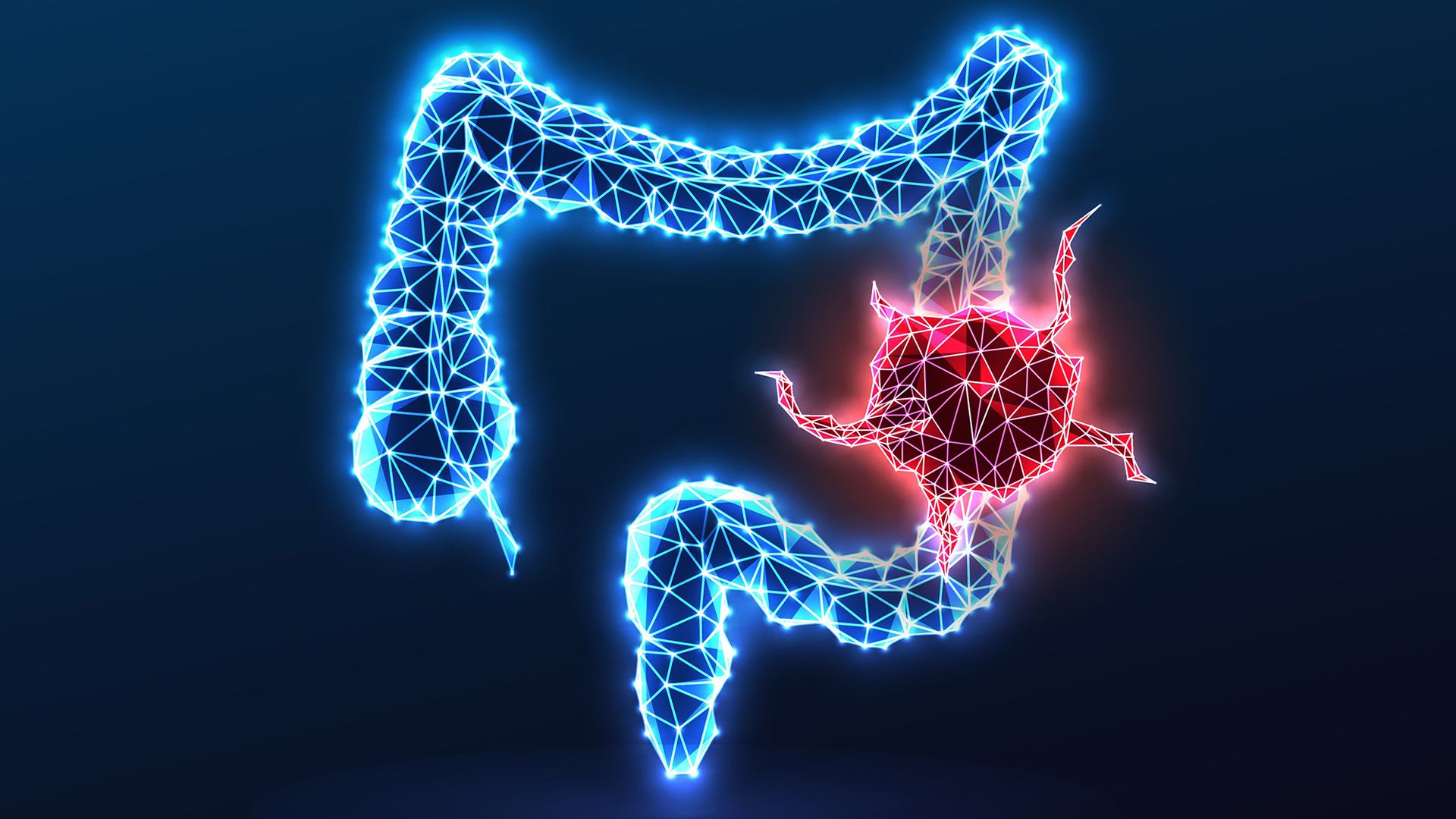
Colorectal cancer in young people shows genetic and structural differences that may make it more aggressive and treatment-resistant than the cancer tends to be in older people.
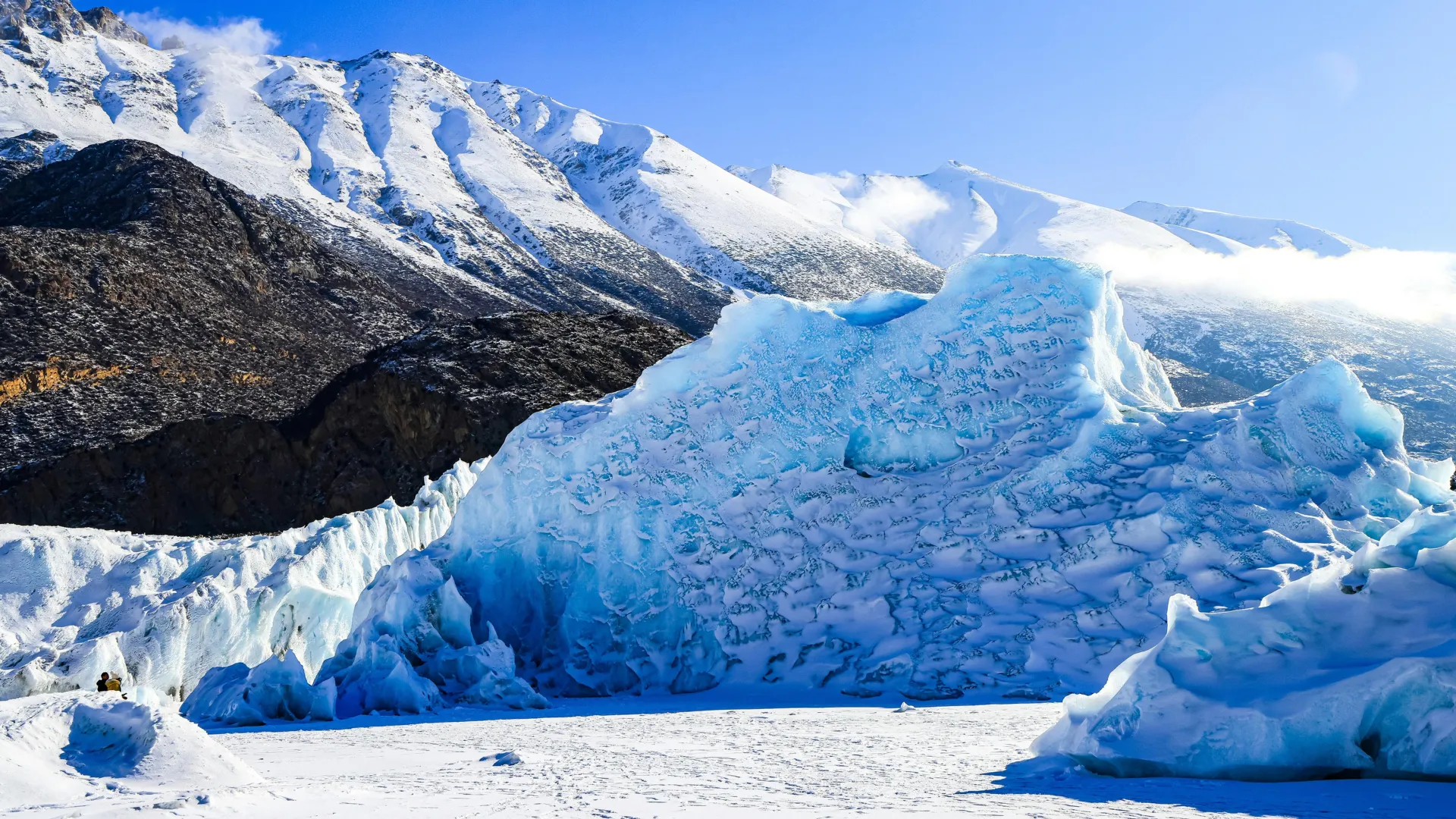
Ancient ice discovered high in Tibet may be more than 128,000 years old, preserving an extraordinary record of Earth's climate that scientists previously thought had been lost. The discovery reveals a rare glimpse into the last ice age and could reshape our understanding of how glaciers survive dramatic changes in global climate.
As one of the world’s leading forensic anthropologists, Dame Sue Black has acted as an expert witness in a myriad of high-profile criminal cases. Her work has taken her from the lab to active war zones and the aftermath of natural disasters to identify victims’ bodies. Speaking to Ian Sample, the professor explains why standing up in front of a judge and jury has been one of the more terrifying parts of her career, the reputational risk of presenting evidence in court and what the future of forensic science could look like Order An Expert Witness from the Guardian bookshop Support the Guardian: theguardian.com/sciencepod Continue reading...
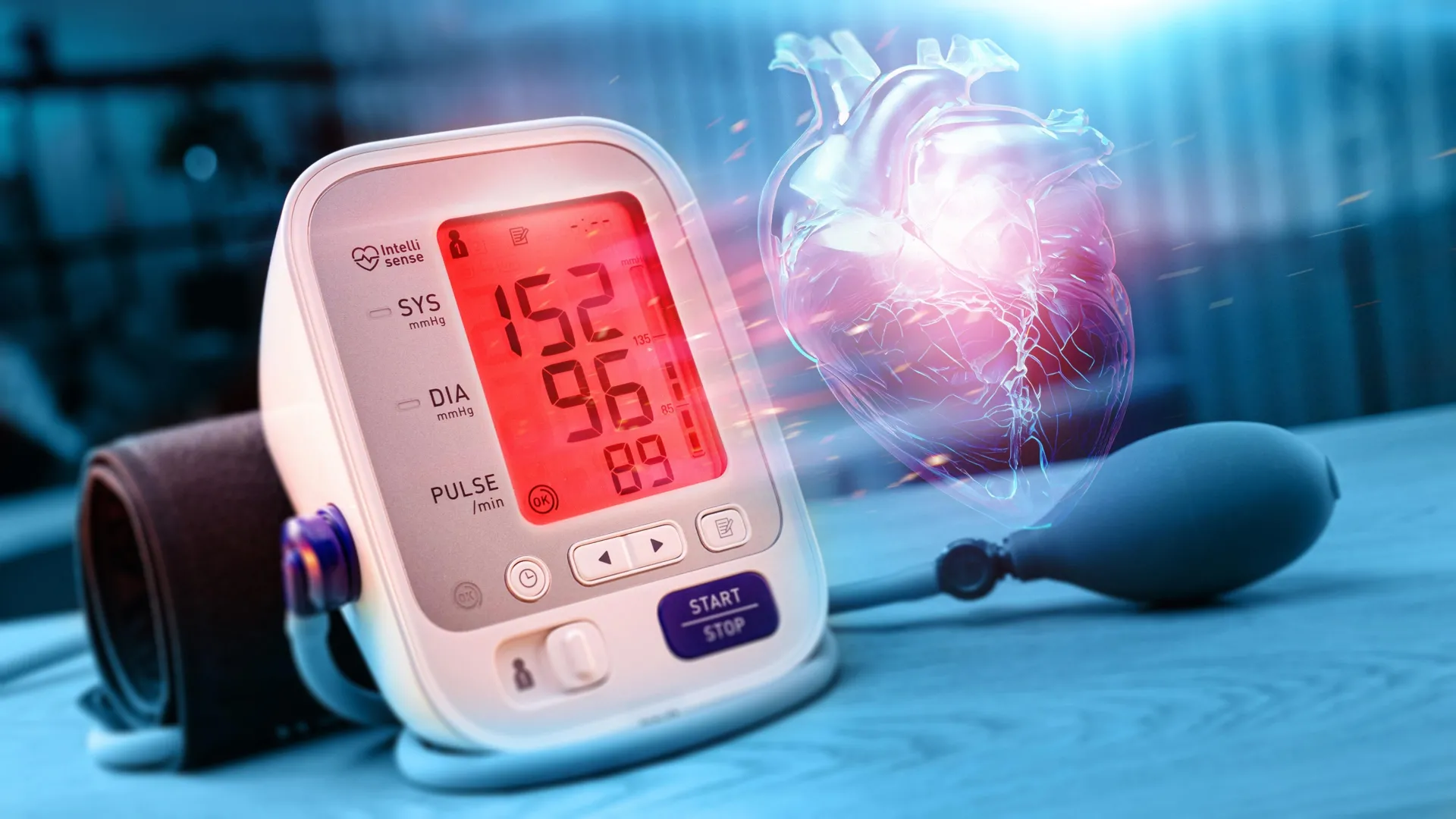
Researchers have discovered a small group of brain cells that prevents dangerous blood pressure swings, even when average readings appear normal. The finding reveals a hidden source of cardiovascular risk and could open the door to new treatments that protect the heart and brain.
Scientists have defied a long-standing rule of laser physics by generating X-rays with much higher energies than conventional theory predicts. The surprising discovery reveals how two electrons working together can overcome a previously accepted limit, opening new possibilities for quantum research.
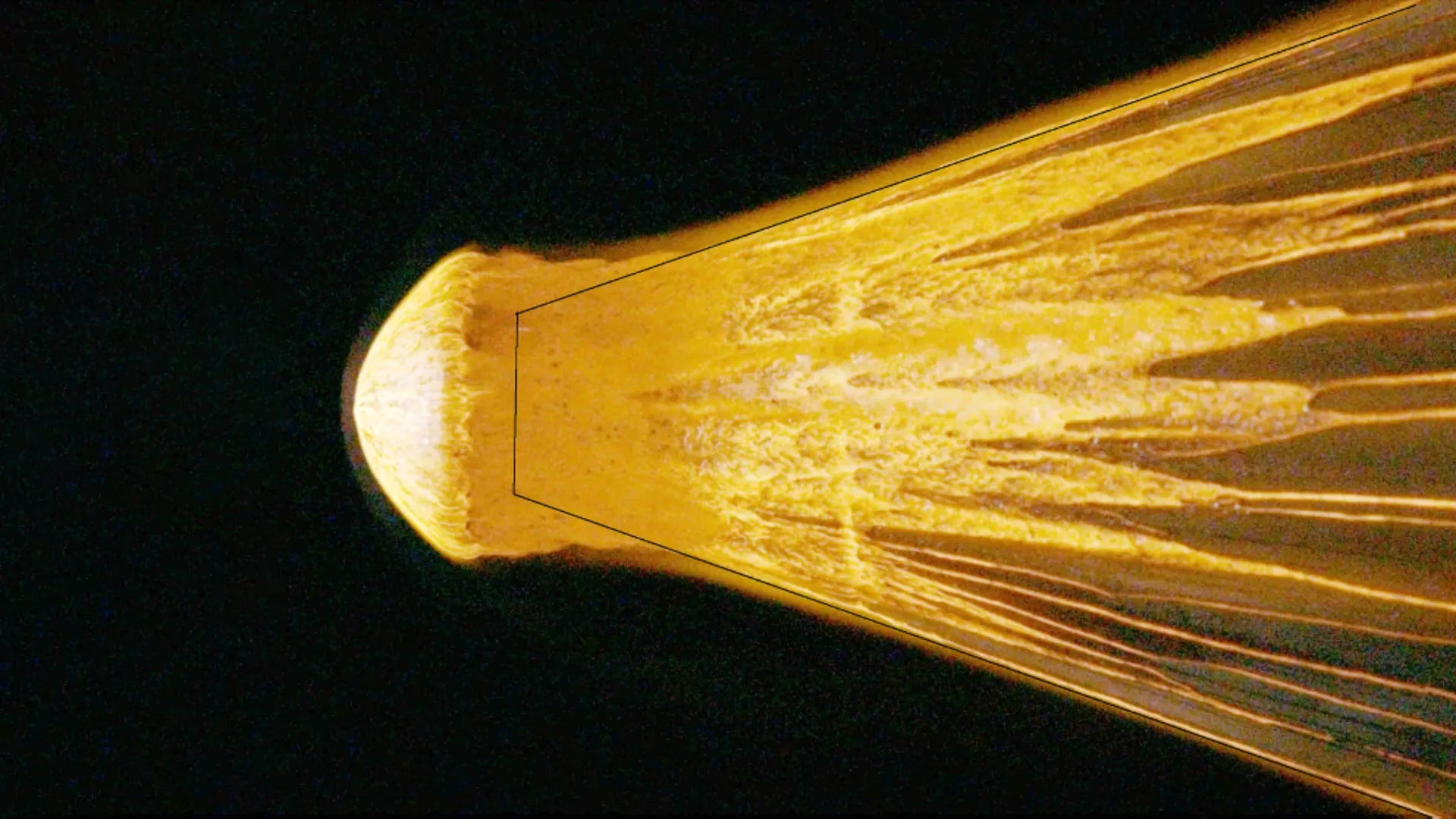
Scientists have uncovered seven surprising stages that space rocks go through as they hurtle toward Earth, revealing that melting and violent fragmentation, rather than simple evaporation, determine their fate. The discovery could help explain why meteorites scatter across the ground and how dangerous asteroids explode in Earth's atmosphere.
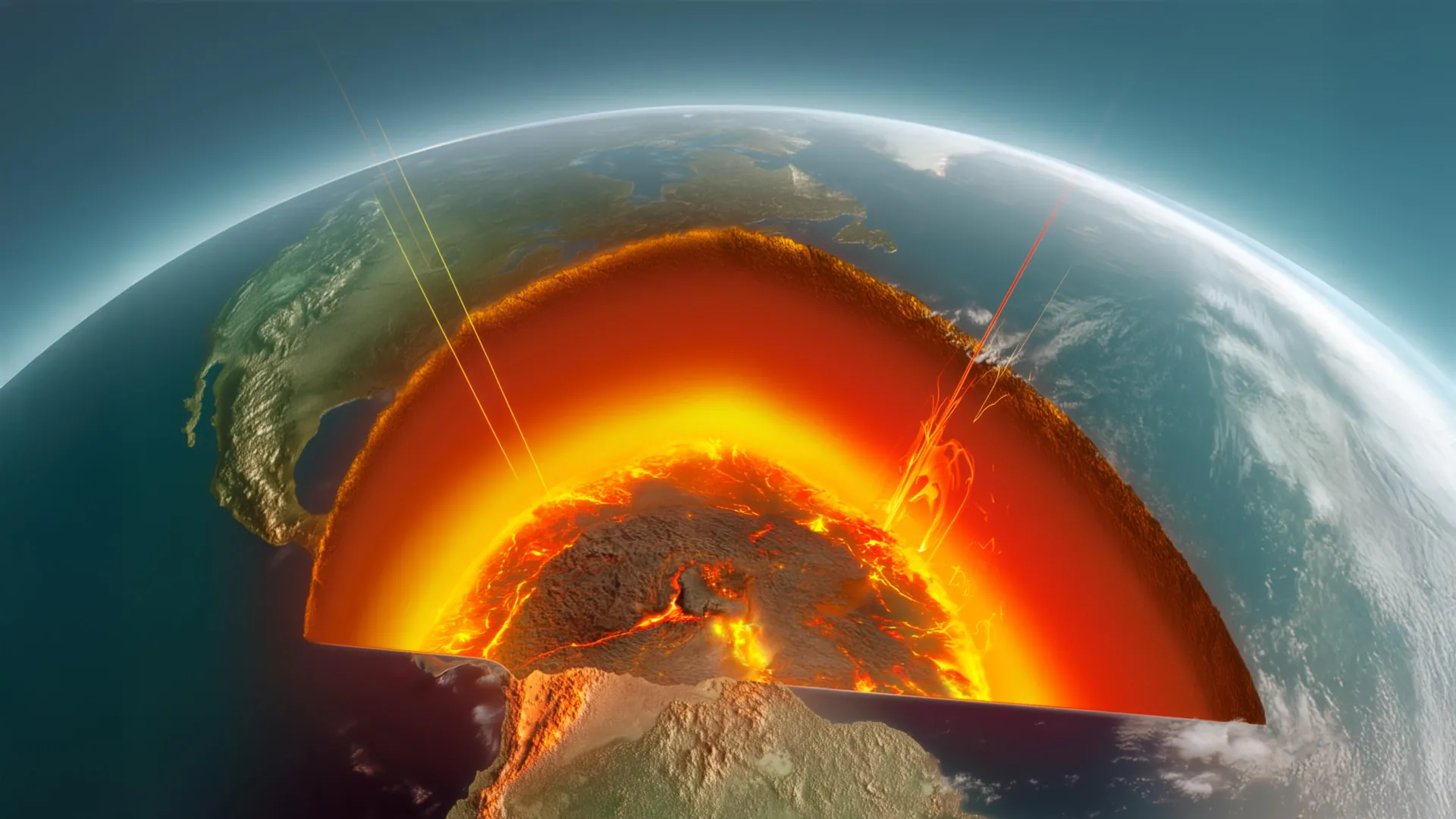
Scientists have discovered that magma deep inside Earth can store surprising amounts of extra oxygen, potentially revealing a hidden contributor to our planet's oxygen-rich atmosphere. The findings suggest that ancient volcanic eruptions may have helped transform Earth's atmosphere billions of years ago, with implications for understanding life on other planets.