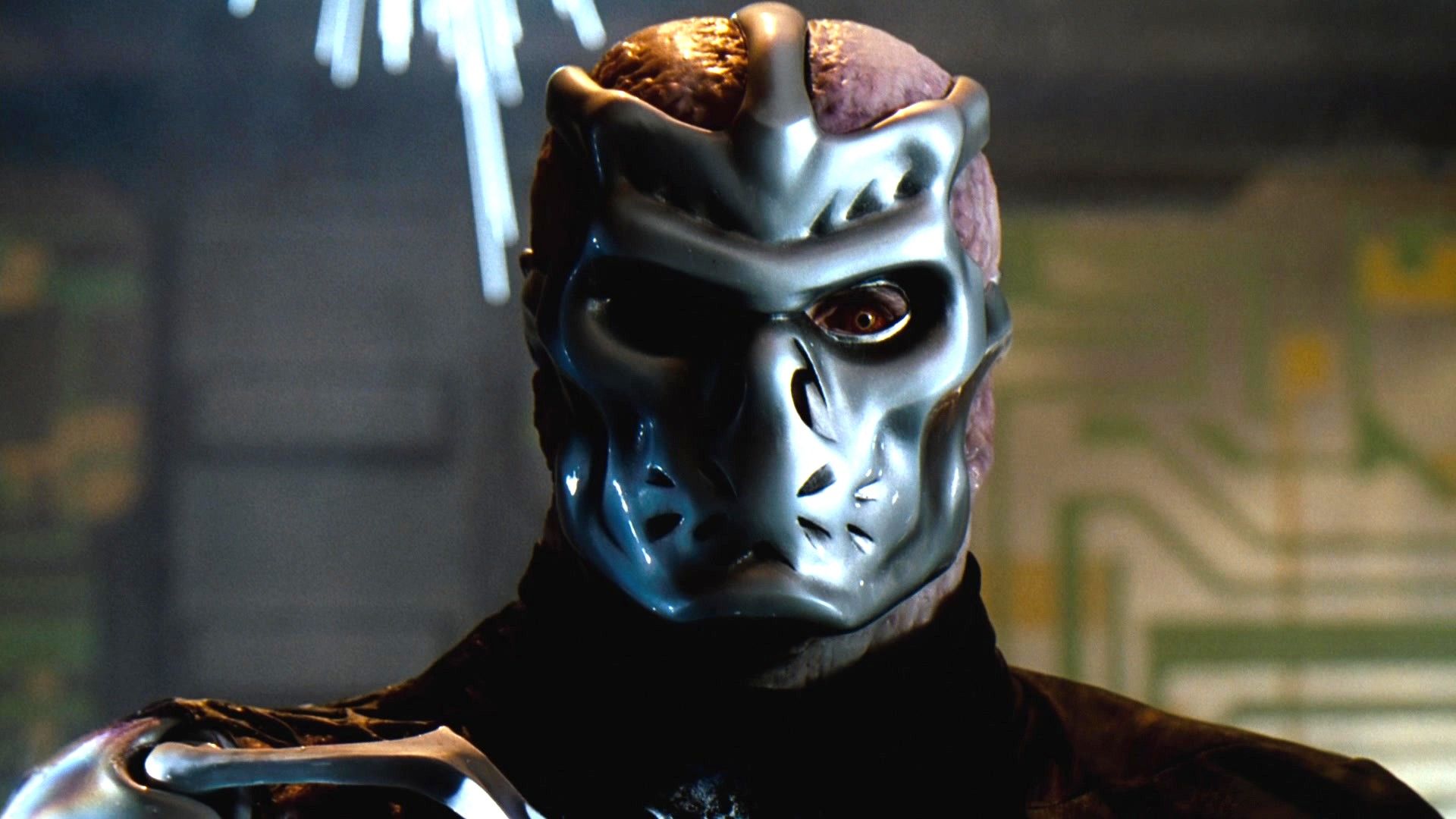
'Crystal Lake' is great, but nothing tops the space horror shenanigans of 'Jason X'
The Voorhees legend continues in Crystal Lake, but Jason X remains the Citizen Kane of this franchise.
Space.com · Oct 29

Research, space and the environment
The Voorhees legend continues in Crystal Lake, but Jason X remains the Citizen Kane of this franchise.
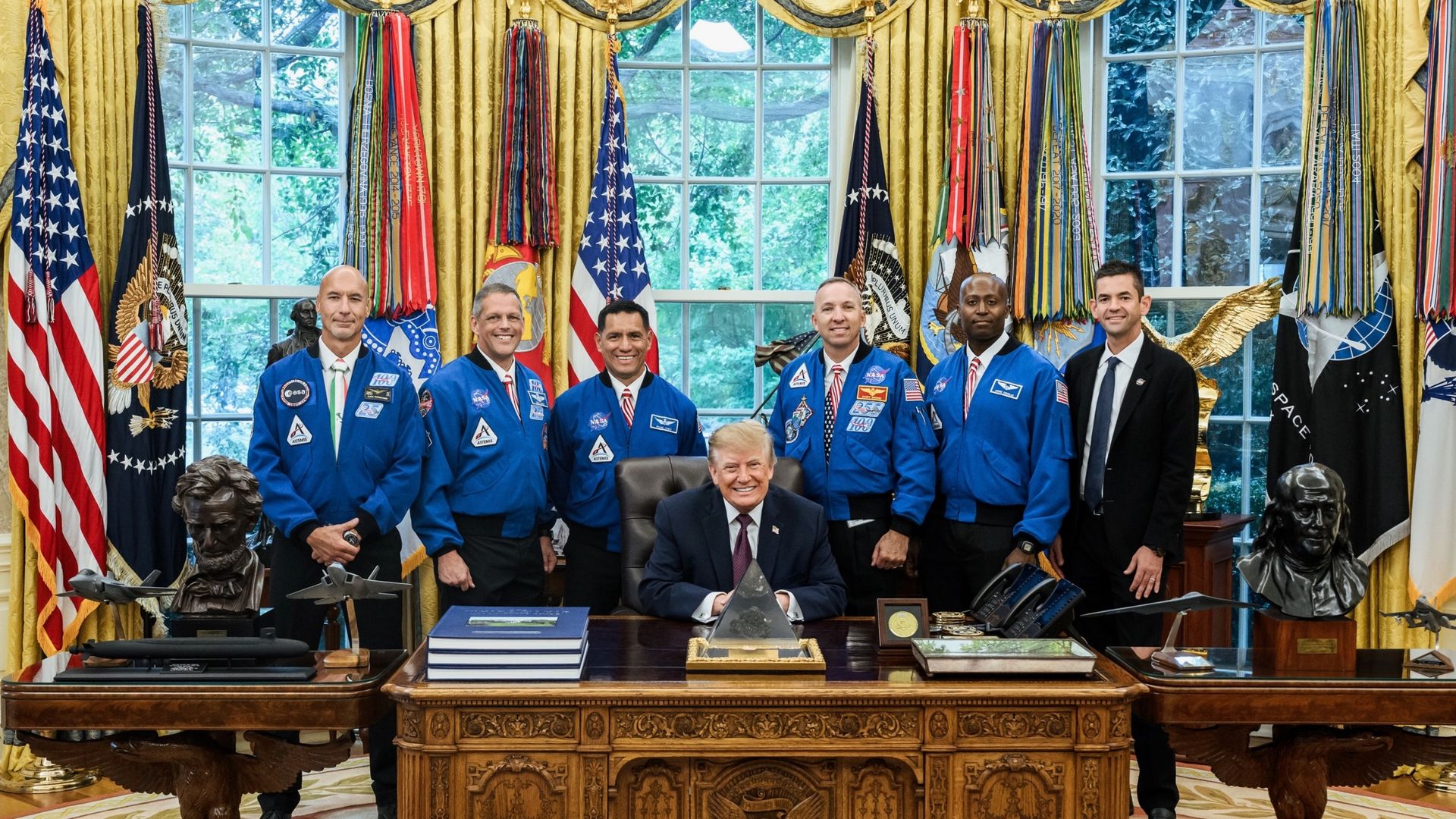
The astronauts of NASA's Artemis III mission met with President Trump at the White House on Wednesday (Oct. 28), just as the Artemis II spaceflyers did six months ago.
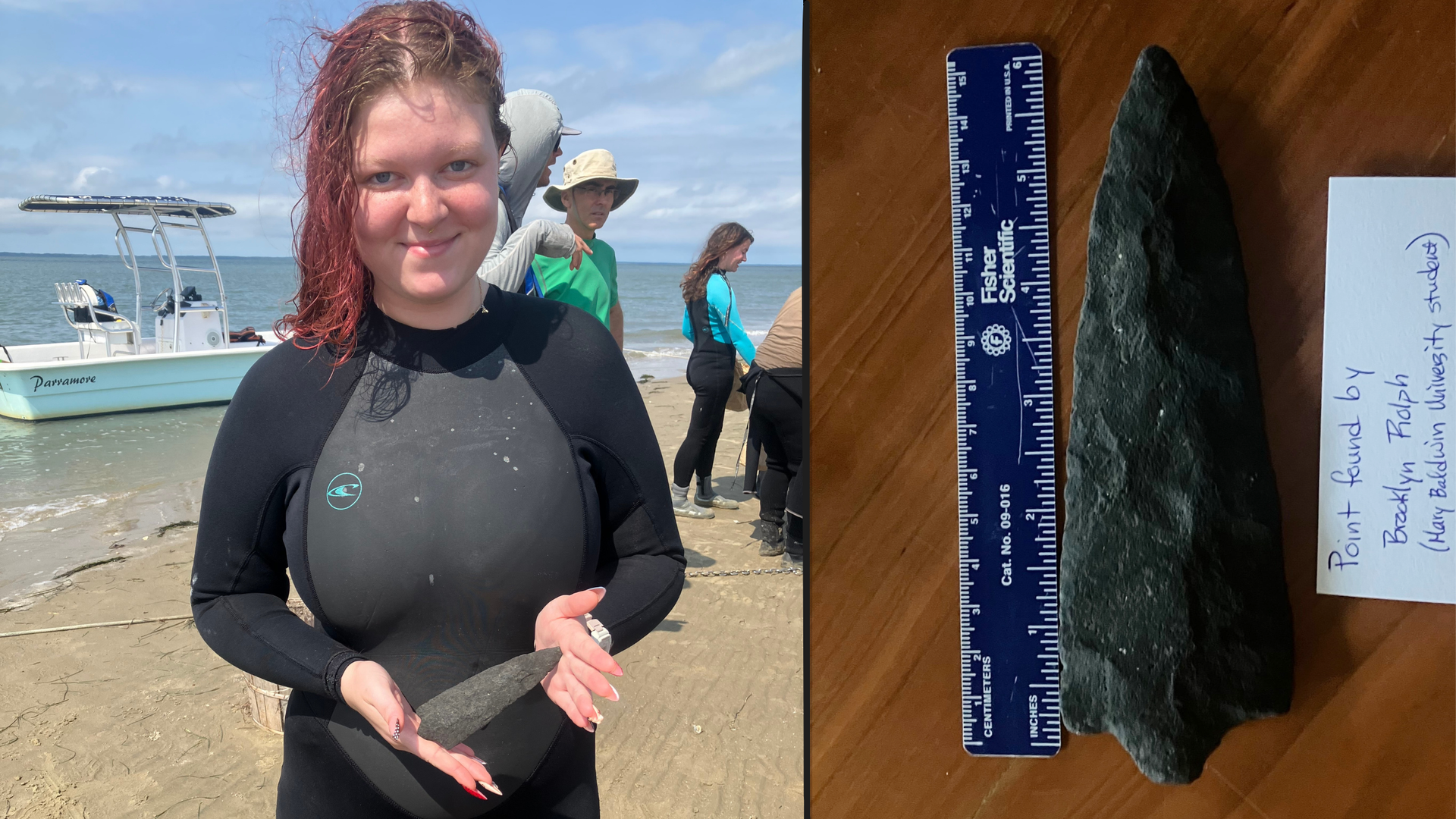
A biology student found a Native American stone spearpoint when searching for shark teeth along the coast of Virginia.
A number of clips show firefighters celebrating in the rain.
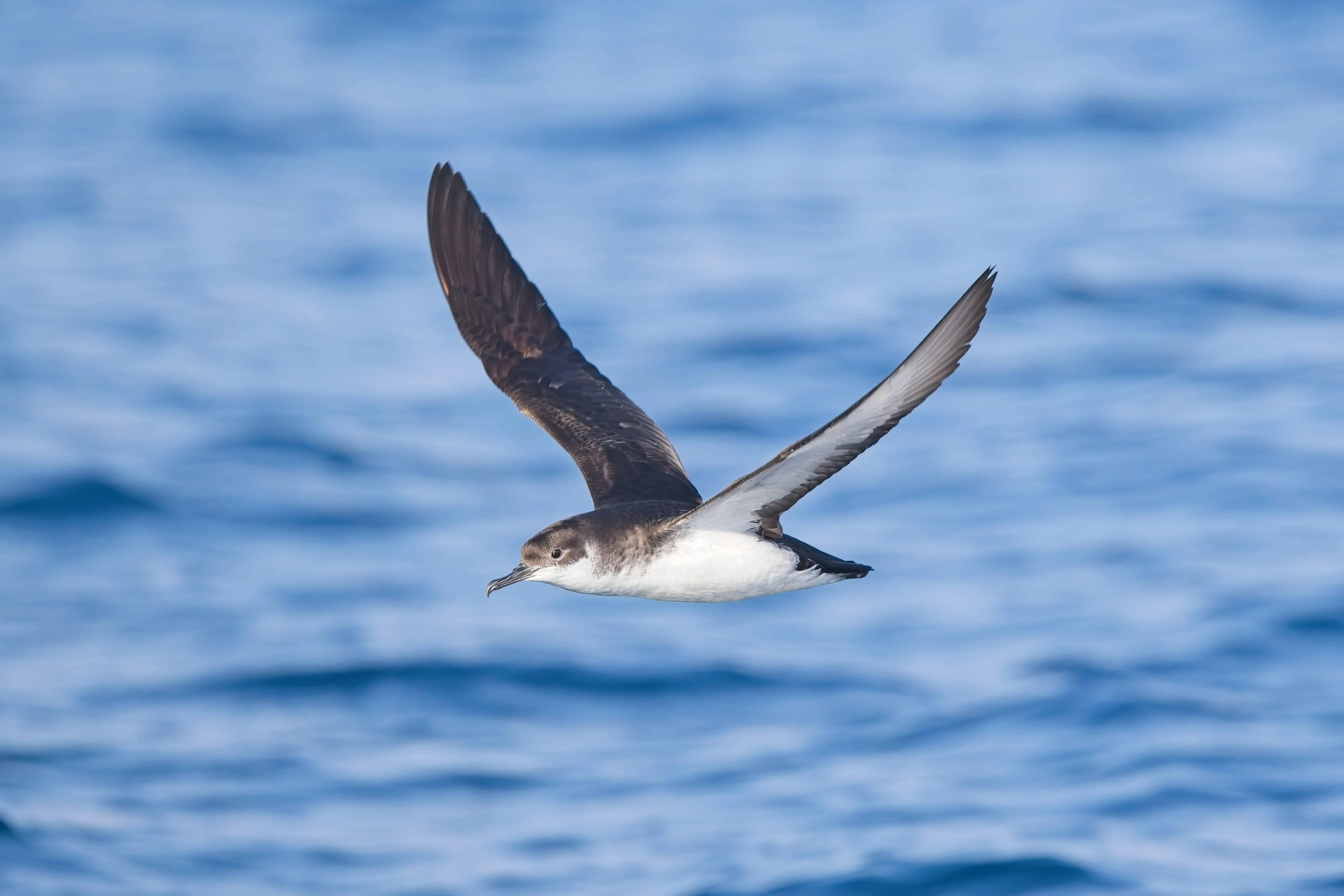
Oxford study shows Manx shearwaters get lost when their body clocks get out of sync Seabirds returning from foraging trips can be thrown hundreds of miles off course by a form of jet lag that arises when their body clocks get out of sync with local time, researchers say. Tracking data from Manx shearwaters on the west coast of the UK revealed that when the birds returned home to their colonies after trips over the Atlantic, their rapid eastward flights disrupted their sense of time and navigation. Continue reading...
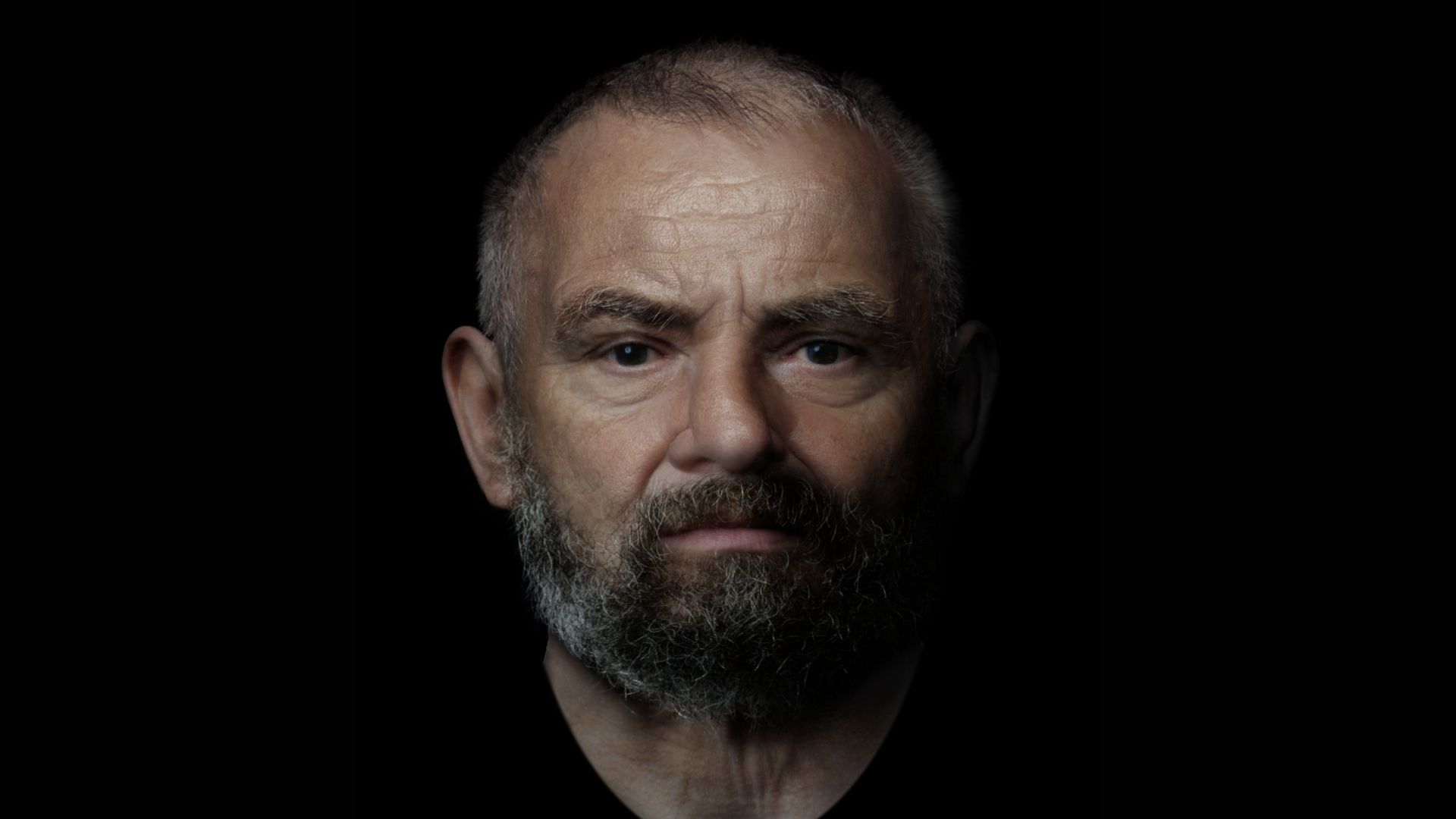
See the new facial reconstruction of a man from Roman-era Scotland who was decapitated after his death and buried near a Roman fort.
A species of seabirds appears to become disoriented on flights back to its nest due to shifting time zones.
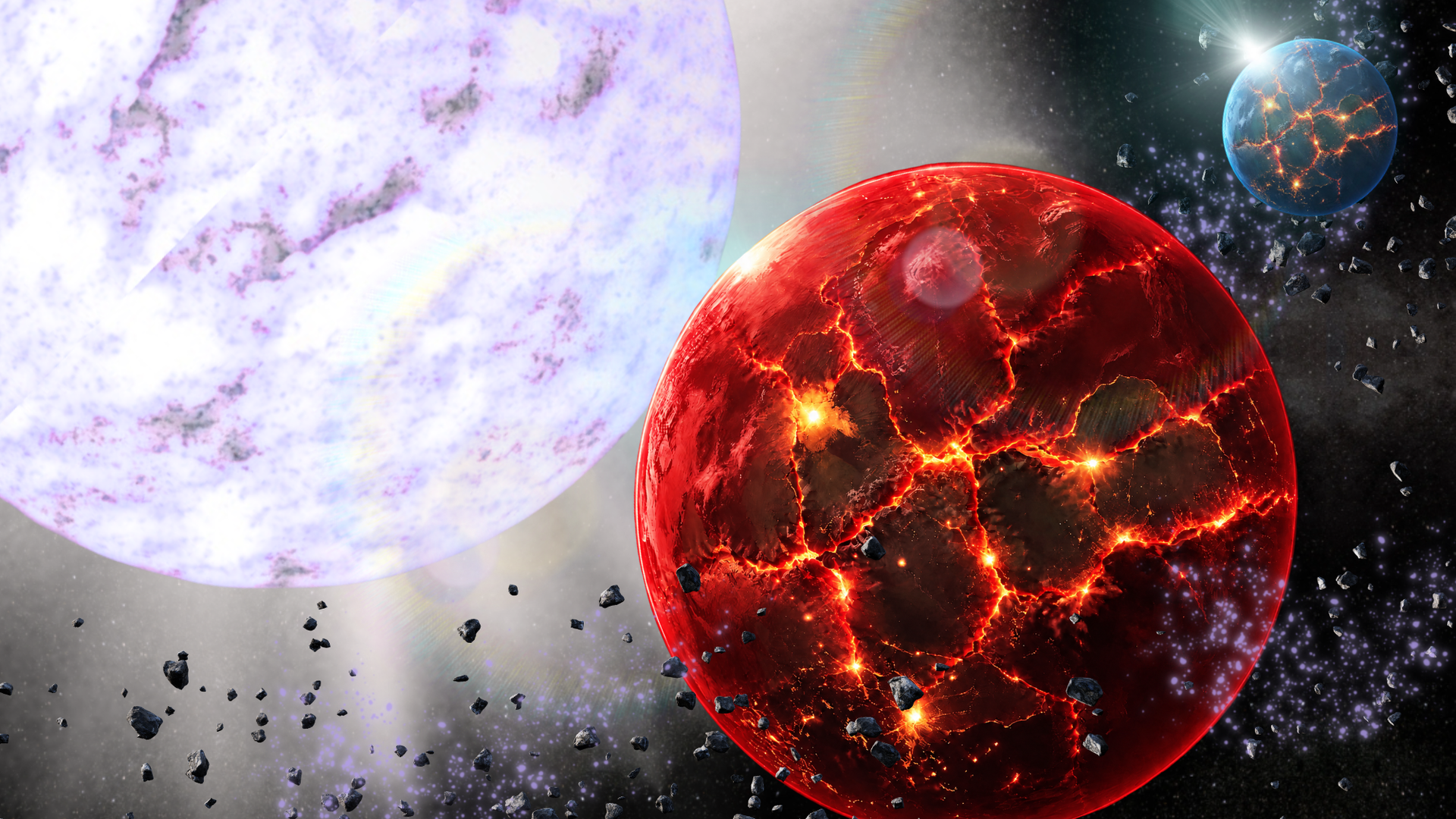
Two zombie exoplanets that rose from the grave to shuffle through the gory remains of their fellow planets may just agree with these immortal words from horror maestro Stephen King.
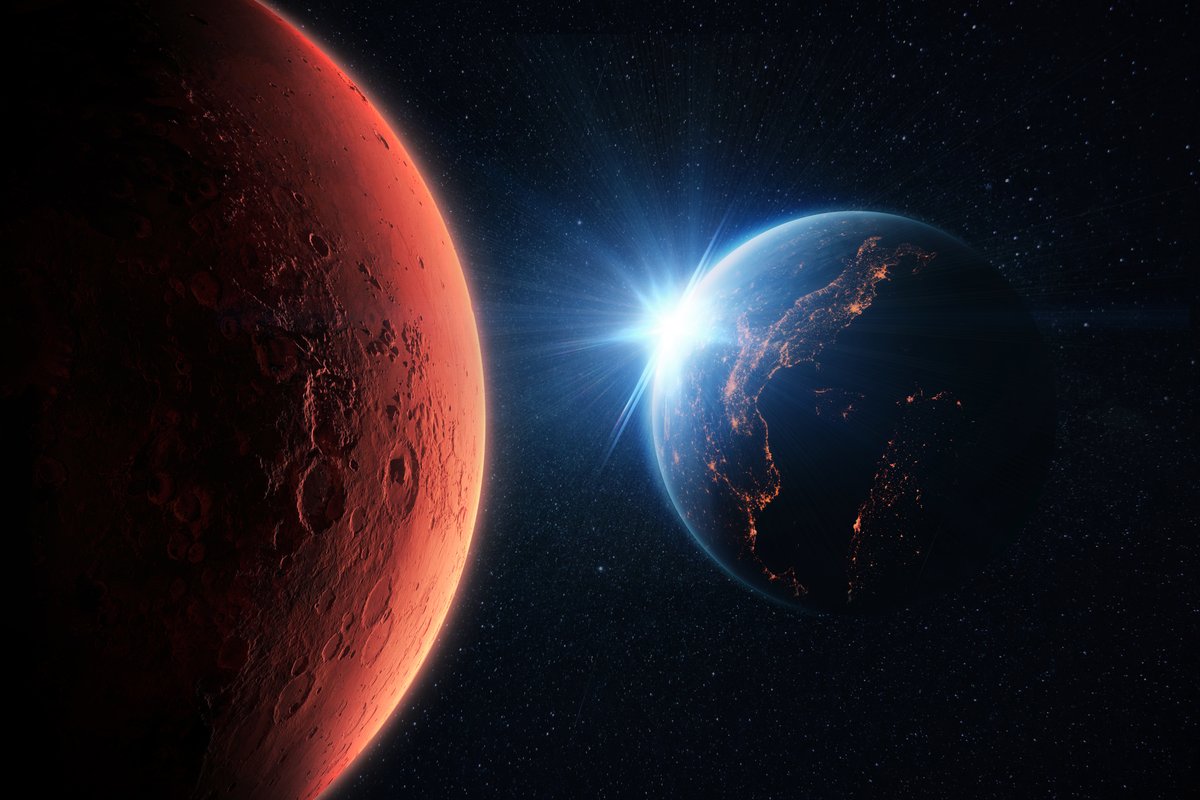
Blasted off Mars by a giant impact long ago, the meteorite Teghaza 001 eventually fell to Earth in the Sahara Desert. Now it’s revealing previously hidden chapters of Mars’s deep past
As one of the world’s leading forensic anthropologists, Dame Sue Black has acted as an expert witness in a myriad of high-profile criminal cases. Her work has taken her from the lab to active war zones and the aftermath of natural disasters to identify victims’ bodies. Speaking to Ian Sample, the professor explains why standing up in front of a judge and jury has been one of the more terrifying parts of her career, the reputational risk of presenting evidence in court and what the future of forensic science could look like Continue reading...
Large batteries that store electricity have revolutionized power grids and car markets. Now some start-ups are betting that “heat batteries” could be just as transformative.
Stargazing doesn't always go to plan, and we have the stories to prove it.
Developing research suggests that ancient interbreeding wasn't random — it was socially patterned, directional and far more complicated than the headlines suggest.
Reid Wiseman, now a retired emeritus astronaut, will become deputy director of the Jet Propulsion Laboratory, NASA’s premier center for deep-space robotic missions.
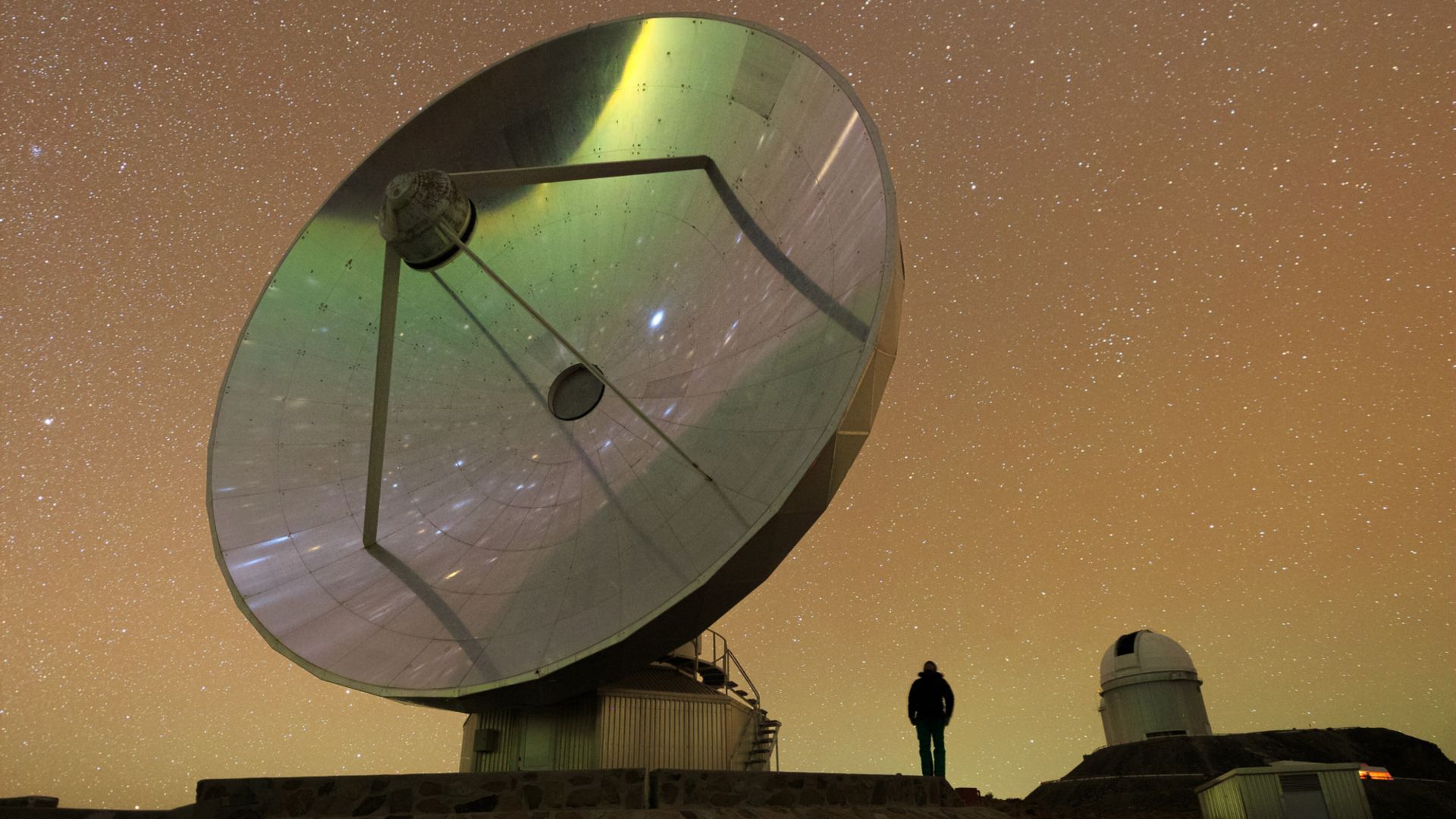
The Swedish-ESO Submillimetre Telescope (SEST) keeps its eye on the cosmos decades after being decommissioned.
Scientists have identified a weakened brain signal that may connect several seemingly unrelated symptoms of schizophrenia, including sensory processing difficulties, disorganized speech, and greater symptom severity. The surprising discovery could help explain the disorder's underlying mechanisms and potentially lead to earlier detection and new treatments.
A study of nearly 13,000 adults found that people consuming the most artificial sweeteners experienced a 62% faster decline in memory and thinking skills, equivalent to approximately 1.6 additional years of brain aging. Six popular sweeteners were linked to faster cognitive decline, raising concerns about the long-term brain health effects of common sugar substitutes, although causation was not established.
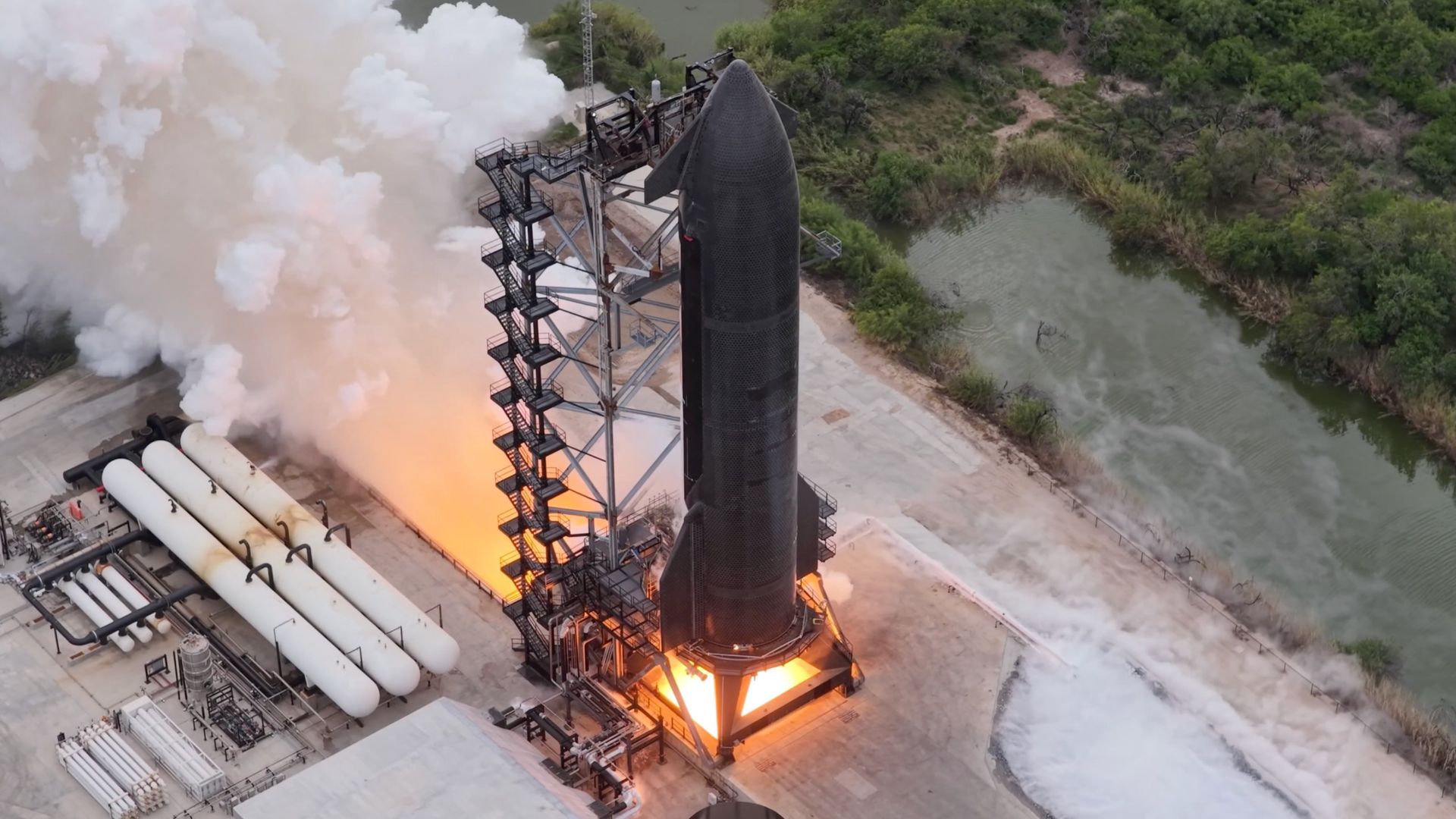
SpaceX just fired up all six engines on the Starship upper stage that will conduct the vehicle's 15th test flight, potentially keeping everything on track for a launch next month.
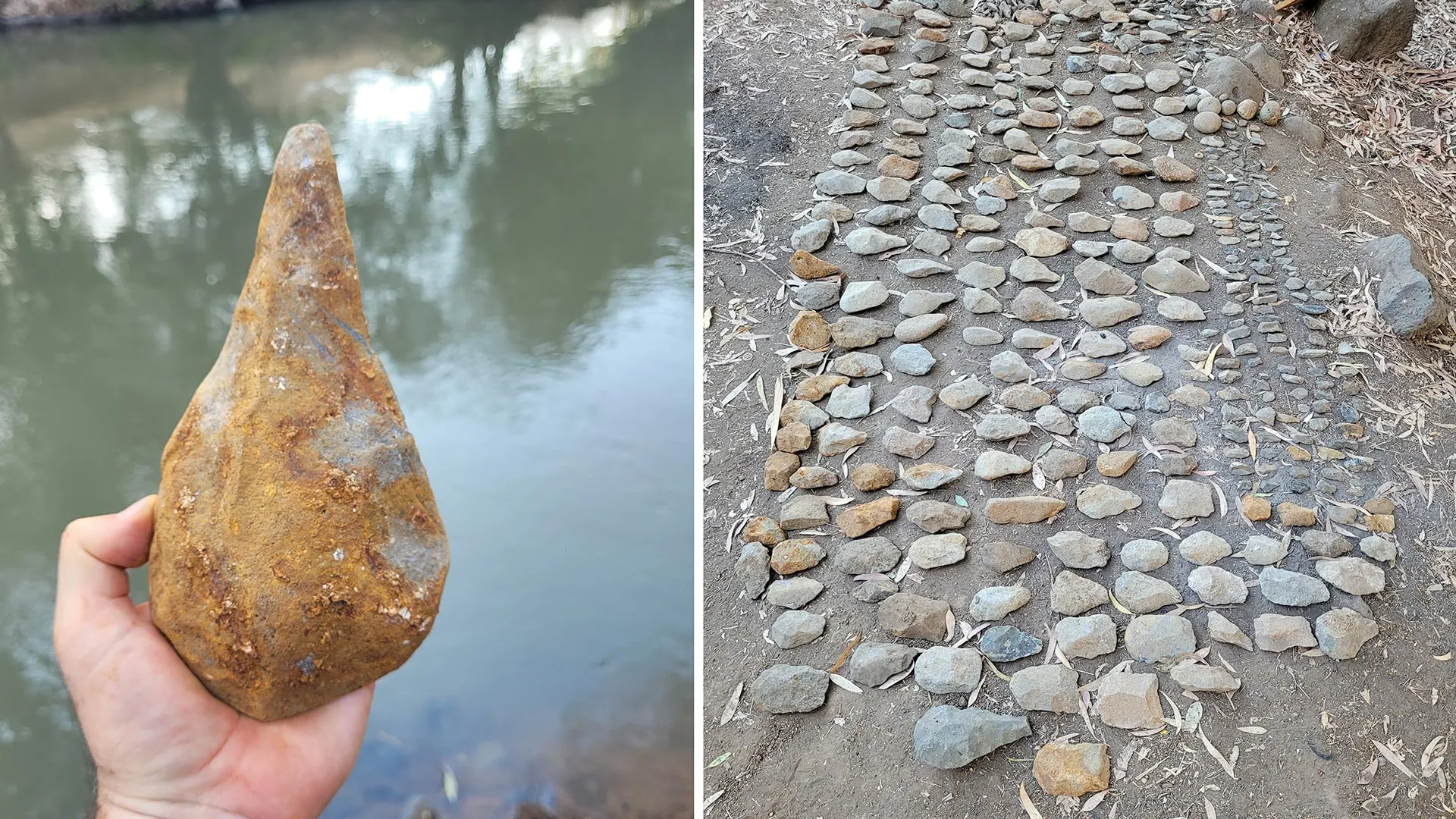
A remarkably preserved elephant tooth dating back nearly 700,000 years has revealed a surprisingly lush prehistoric world where giant elephants and early humans lived side by side. Discovered in northern Israel alongside ancient stone tools, the tooth belonged to a straight-tusked elephant, one of the largest land mammals of the Ice Age.
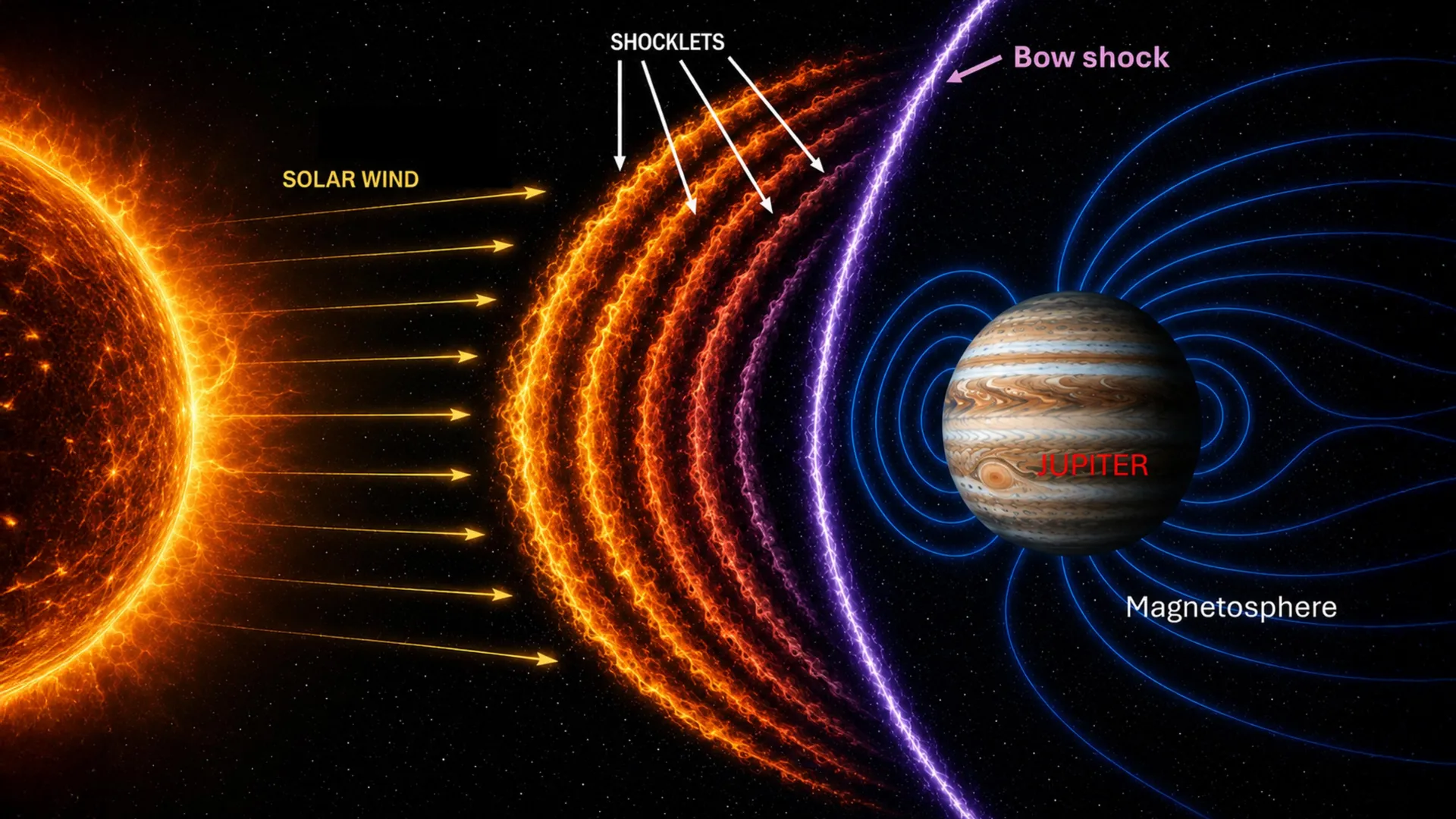
NASA’s Juno spacecraft has discovered that Jupiter uses a surprisingly complex system of powerful plasma waves and multiple shock regions to defend against the solar wind. The findings reveal major differences between Jupiter and Earth and could help scientists understand the enormous shock waves produced by exploding stars.