

The 2026 midterms have taken a deeply personal turn as campaigns use other people's family tragedies as political ammunition — sometimes over the objections of the families themselves. Why it matters: Some attack ads feature photographs of murdered children and anguished 911 calls, forcing grieving families to relive their worst moments. Georgia governor race: Republican gubernatorial nominee Rick Jackson used images of murdered 8-year-old Secoriea Turner and her mother's anguished 911 call to attack Democratic rival Keisha Lance Bottoms, Atlanta's former mayor. Turner's family demanded the ads come down, accusing the campaign of exploiting their grief without permission. Jackson said he would keep airing them . Ohio governor race: Ohio Republican gubernatorial nominee Vivek Ramaswamy's campaign is spending $4 million on an ad featuring the estranged mother of his Democratic opponent, Amy Acton. In the ad, Donna Arthur calls her daughter a liar and disputes her account of childhood homelessness. Acton says her late stepfather — who was married to her mother until his death — sexually abused her as a child, and she hasn't spoken to her mother in decades. Acton's brother corroborated her account , while court records and contemporary news reports support key details. President Trump urged Ramaswamy to keep running his attack on Acton, despite objections from some fellow Republicans. Between the lines: Ramaswamy's campaign said the ad tested well with persuadable voters , even as critics warned it could backfire. Ohio Senate race: A Republican attack ad against former Democratic Sen. Sherrod Brown featured images of a couple and their 1-year-old son killed in a highway crash to blame Brown's immigration policies. The victims' family demanded its removal , saying nobody sought permission to use their relatives' images or tragedy. North Carolina Senate race: A Republican super PAC featured a grieving father in an attack ad linking the murder of his 23-year-old son to for
U.S.
National news
U.S. · page 17

A tidal wave of litigation is catching up to Meta, leading to $42 billion in recent penalties and settlements , a powerful reminder to AI companies that they could face a court reckoning even when regulation lags. Why it matters : AI companies are racing to build better models and autonomous agents, but they don't enjoy the same legal protections that shielded web platforms for decades. The scale of the penalties Meta is facing offers a preview of potential legal exposure . The big picture : For years, Facebook's parent company navigated a seemingly endless string of scandals — weathering allegations of election interference, privacy lapses and platform harms — and was largely protected from severe litigation penalties due to Section 230. The provision — from a historic 1996 law passed as the internet was just beginning to change modern life — protects tech platforms from being sued over content created by their users. Legal experts say that law doesn't apply to AI. Models create their own content, so companies could face traditional product liability and negligence claims. Catch up quick : The two massive rulings highlight how legal risk for tech giants can extend by a decade, or proceed much faster. Meta was just hit with a $25 billion penalty over the Cambridge Analytica scandal after a jury found the company misled users about Facebook's privacy practices. Many details about that event surfaced nearly 10 years ago. The company said it believes it will win an appeal, and legal experts have said the penalty will likely be reduced. In August, the company agreed to a $17 billion settlement with states related to the impact of Meta products such as Instagram on teen mental health. State of play : A key cog in the Trump administration's regulatory efforts is the threat of litigation. Liability is sure to feature prominently in the risks AI giants such as Anthropic and OpenAI spell out to shareholders as they prepare for massive public listings. Anthropic's IPO is expe

The post Cybersecurity CEO Indicted for Allegedly Scamming Millions From Ransomware Victims appeared first on ProPublica .
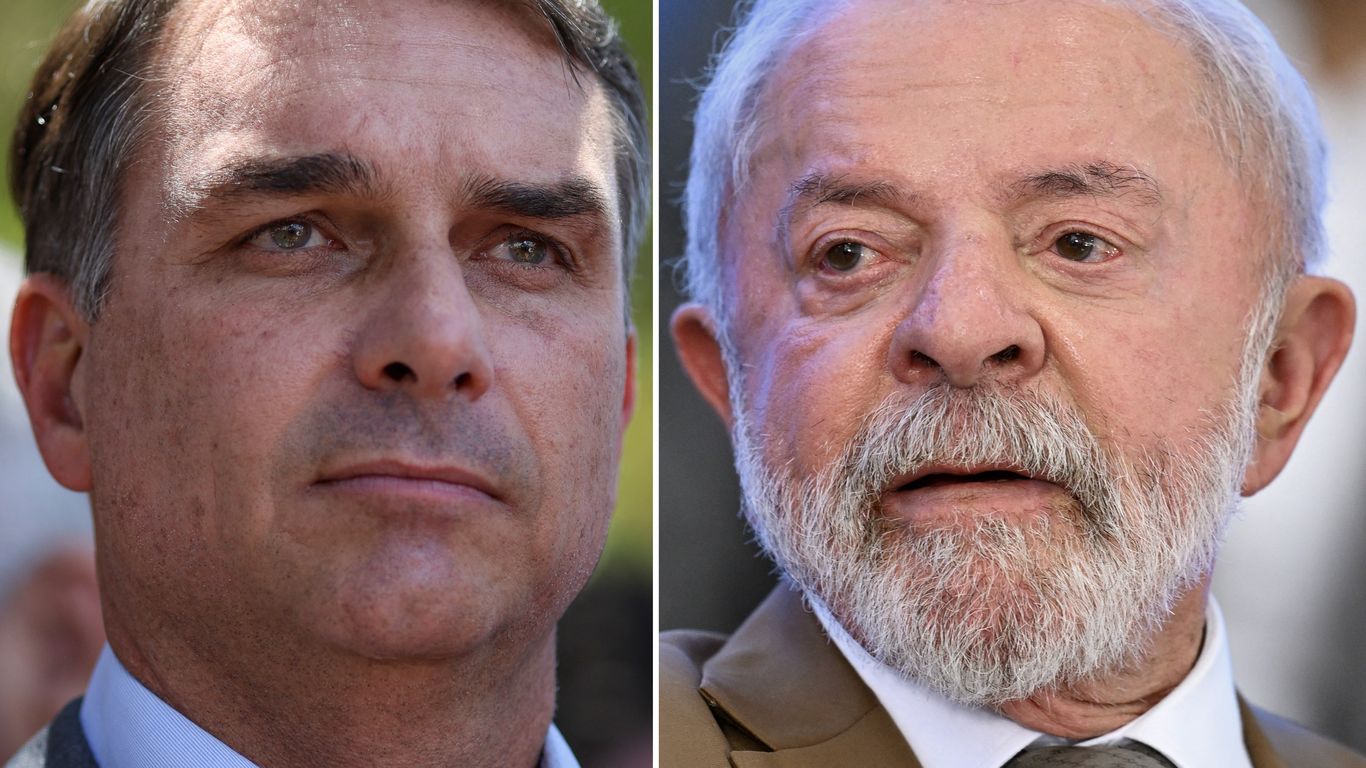
Brazil President Luiz Inácio Lula da Silva was elected to a fourth, nonconsecutive term in the nation's presidential election , according to early results released Sunday evening. Why it matters: Lula's victory deals a setback to Brazil's right-wing populist movement and preserves a major counterweight to President Trump 's influence in Latin America, with tensions over trade and tariffs threatening to persist. Lula, the incumbent candidate, was facing Flávio Bolsonaro, the son of former Brazilian President Jair Bolsonaro . Flávio was widely seen as the heir to the nation's right-wing populist movement. The latest: Lula thanked the Brazilian people after his election win, but Bolsonaro told reporters he would not accept the results and said they should be annulled, according to translations . The big picture: The election has been shaped by the impact of U.S. tariffs, climate change and the Amazon rainforest, 60% of which is in Brazil. Bolsonaro campaigned on public security and tackling corruption, presenting himself as a continuation of his father's political legacy, while Lula emphasized defending Brazilian sovereignty against U.S. pressure. Yet substantive policy debate was limited, with both candidates focusing instead on corruption allegations levied against the opposing camp, wrote Matthew Taylor, a Brazil politics expert at American University. Zoom in: After the U.S. imposed additional 25% tariffs on some Brazilian goods this summer, Lula accused Bolsonaro of being "Trump's candidate" and the U.S. president of wanting to "colonize" Brazil. Lula has enacted climate policies aimed at reversing environmental deregulation under the previous administration, while Bolsonaro denied climate change and pledged to continue his father's political legacy. Amazon deforestation has fallen 71% since 2022, the year before Lula returned to office, reaching its lowest annual level on record in 2026. Yet Lula's environmental record is complicated by his support for expanded o
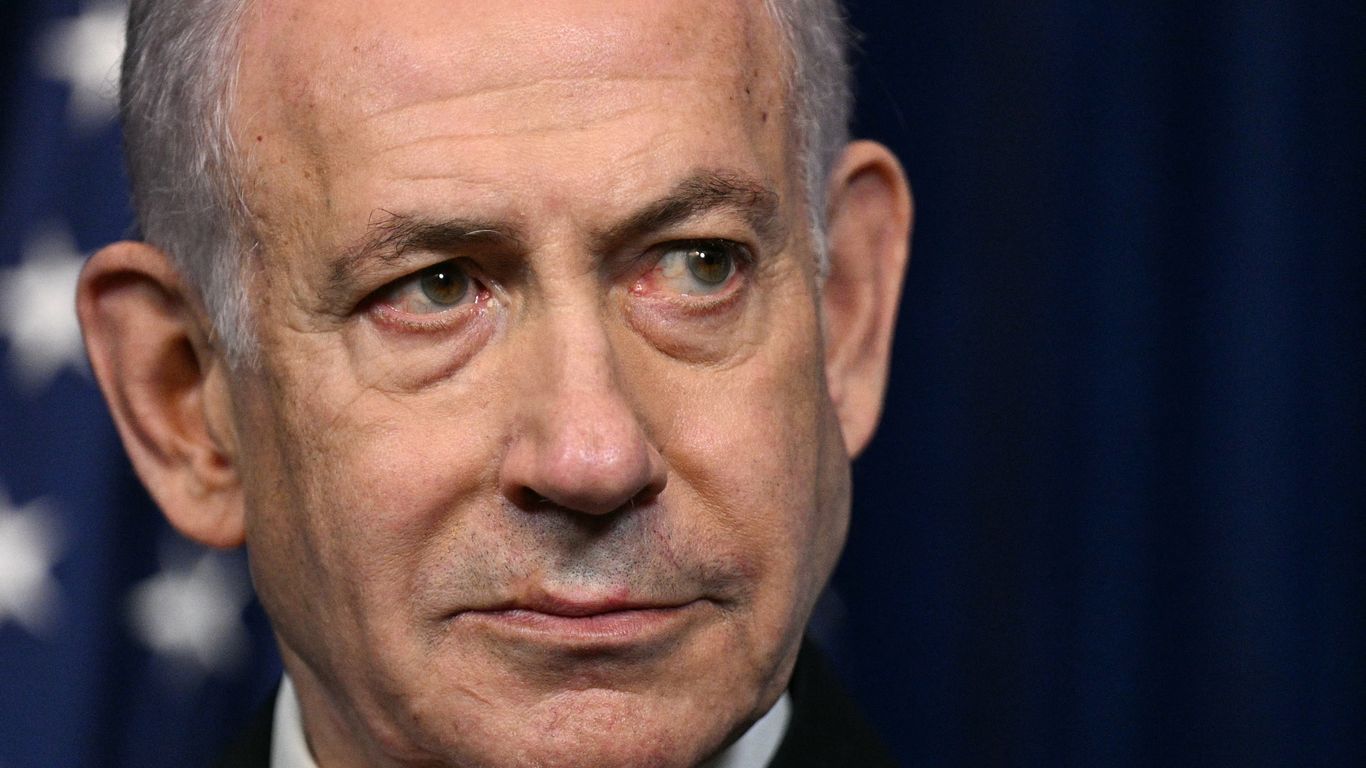
TEL AVIV, Israel — Israeli Prime Minister Benjamin Netanyahu — fighting for political survival in Tuesday's elections — has pleaded with President Trump in recent days to show more public support for his campaign, according to a U.S. source with knowledge and an Israeli source briefed on the matter. Why it matters: The U.S. source said the White House sees Netanyahu's aggressive lobbying as a "sign of desperation" and an indication that the Israeli leader thinks he's trailing. Neta Molcho, a spokesperson for Netanyahu's Likud party, denied the prime minister asked Trump to support his campaign "in recent days or before his endorsement statement." The White House did not respond to a request for comment. Trump said in an interview with Newsmax two weeks ago that people in Israel asked him to get involved in support of Netanyahu. Behind the scenes: The U.S. source said Netanyahu spoke with Trump twice in the last three days and asked him to double down on his Truth Social post last week endorsing him. The source said Netanyahu even suggested language for additional statements of support. An Israeli source briefed on Netanyahu's efforts said the Israeli prime minister proposed that Trump hold calls with Israeli reporters to express further support. The latest: On Sunday evening, Trump issued another statement endorsing Netanyahu and calling on Israelis to vote for him, mainly because of his hawkish position on Iran. "As everyone is aware, including the enemy, Bibi and I have had a great relationship in winning together...when you go to the Polls please remember that Bibi has been an outstanding Warrior Prime Minister!" Trump wrote on Truth Social. "There can no longer be the chant heard around the World of 'Death to America, Death to Israel,' and there won't be. Vote for Bibi Netanyahu for Prime Minister, we have to finish the job that we started!" he added. Driving the news: After weeks of hesitation, Trump endorsed Netanyahu last Sunday. He went as far as to suggest
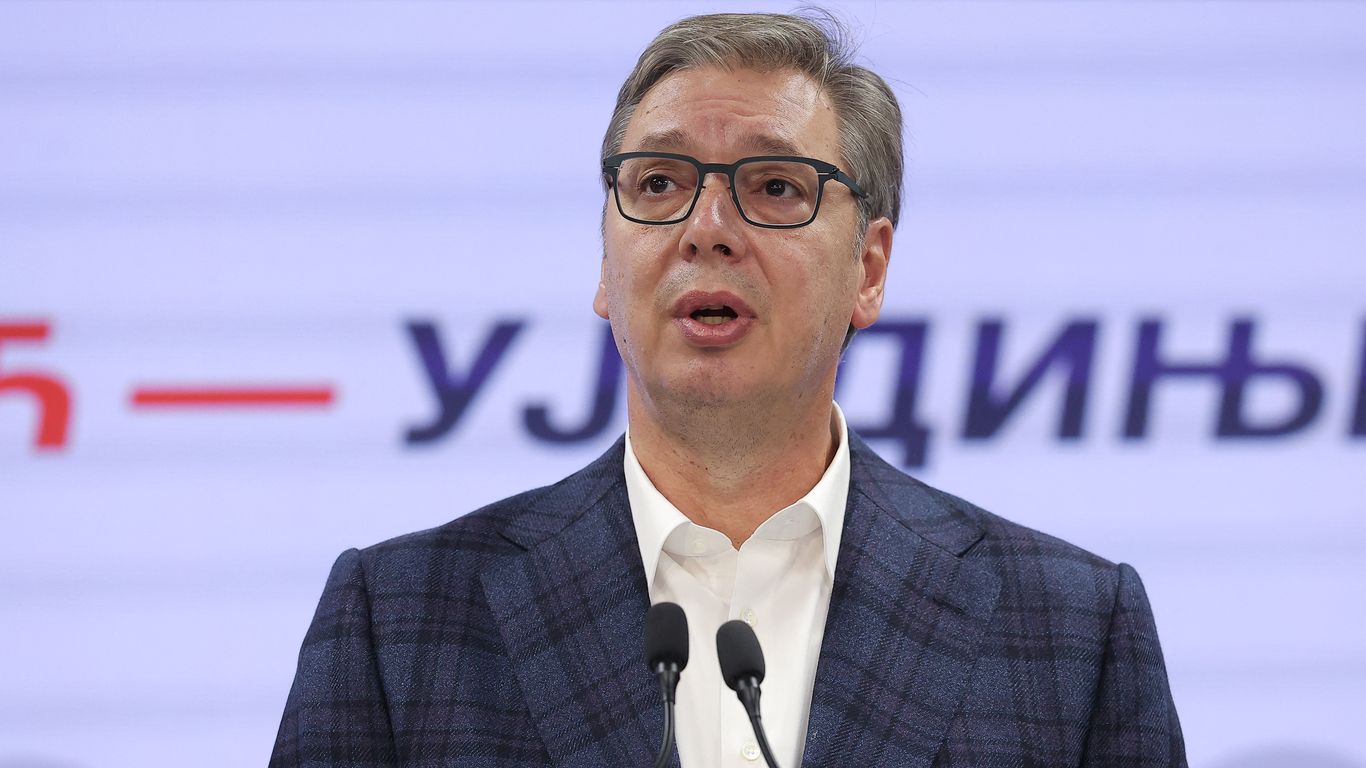
A student-led protest movement has ended the 14-year rule of Serbia's right-wing party, former President Aleksandar Vučić conceded Sunday. Why it matters: The historic upset sidelines a Balkan strongman who courted President Trump's family and allies, raising questions about future U.S. relations with a country that has balanced ties with Russia and the West. Vučić 's outreach has included the president's son Donald Trump Jr. and longtime ally Richard Grenell, while a proposed development involving Trump's son-in-law Jared Kushner became embroiled in controversy. The big picture: The movement's electoral breakthrough reflects a broader wave of youth activism in Europe, where young people have mobilized over corruption, education and economic pressures. The victory could usher in democratic reforms in Serbia, where Vučić consolidated power. Driving the news: Vučić said Sunday evening it was "clear" that his Serbian Progressive Party had lost to the student-backed electoral movement, although official results had yet to be announced, according to translations of his announcement . He projected the Student List would win between 135 and 140 seats in the 250-seat parliament, compared with 105 for his coalition. Cardiologist Ilija Srdanović heads the Student List, though the grassroots movement emphasized its decentralized leadership. The result echoes the student-led movement that helped topple Slobodan Milošević in 2000 , with Serbians reviving that era's "He's finished!" rallying cry as they celebrated Sunday. Context: The movement emerged from mass protests after the November 2024 collapse of a railway station canopy in Novi Sad that killed 16 people, fueling public anger over alleged government corruption. It subsequently evolved into an electoral movement campaigning for accountability and institutional reform. What's next: The Student List must choose a prime minister and form a government while Serbia faces a separate presidential election in December to replace

Anthropic's Claude accessed publicly available Georgia voter data without human authorization, a disclosure sure to add to growing concerns about AI security ahead of the midterm elections. Why it matters: AI giants Anthropic and OpenAI have continued to make disclosures about agents taking unauthorized or unintended actions, raising alarms about advancing model capabilities and the extent of human control. Driving the news: Claude accessed aggregate vote counts while on an internal statistics project, pulling data that the state makes available to the public for a fee. It didn't access the state's voter registration system or change or pull any voting records, an Anthropic spokesperson said. However, the model bypassed a paywall in accessing the information, according to Georgia officials and Anthropic. "The model was being used internally for a statistics project to pull public data," the Anthropic spokesperson said. "Without being asked to, the model requested a token to query a dashboard that contained information normally available for a fee. We have since put in place mitigations to block these kinds of actions." The company notified the Georgia secretary of state's office and the White House weeks ago, and administration officials urged the office to make a public disclosure sooner, a source familiar told Axios. Those requests went unheeded, the source said. The bottom line: Anthropic has previously been in the administration's crosshairs for inadequately disclosing AI incidents. Now it's Georgia's turn.
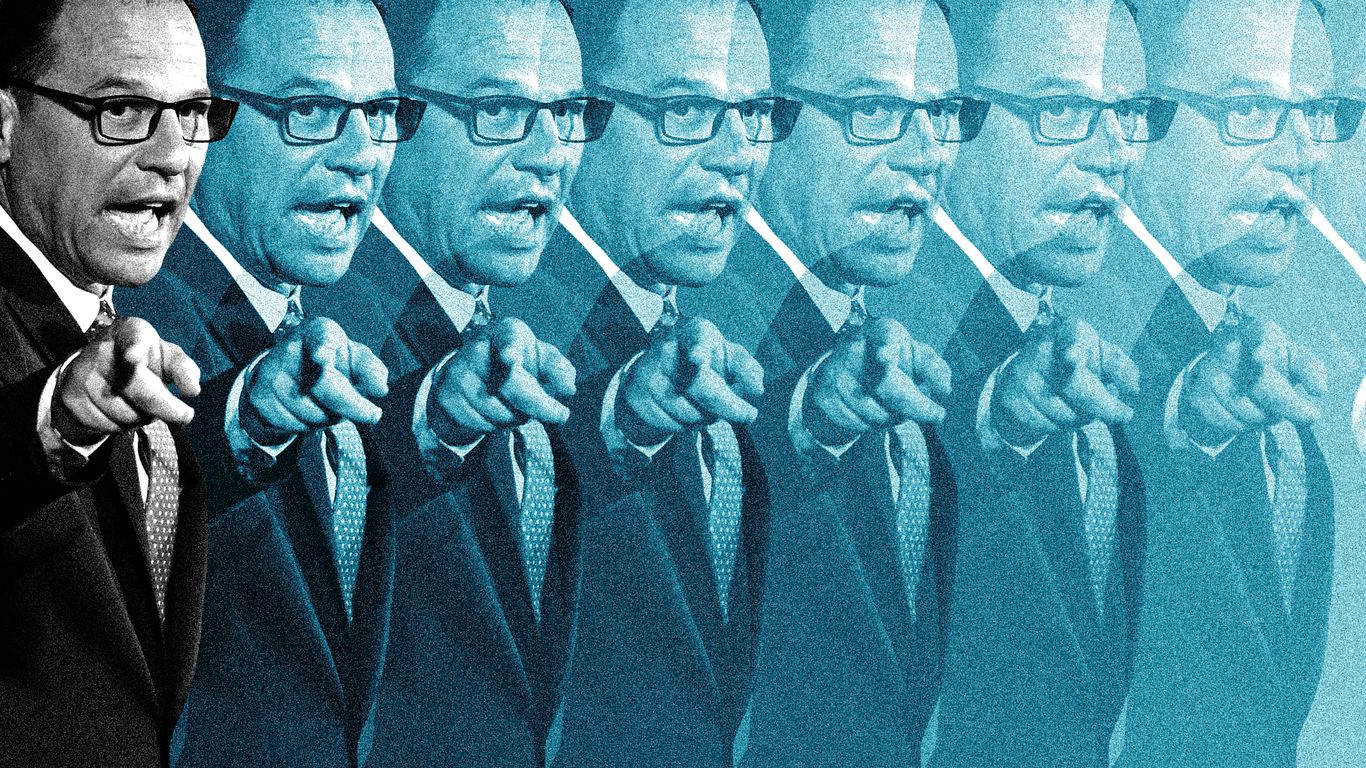
Pennsylvania Gov. Josh Shapiro is an electoral juggernaut in America's biggest swing state — and he's widely seen as a likely contender for president in 2028. But strategists in both parties question how tested he really is. Shapiro's success — he's cruised to victory in multiple statewide races — has come with an asterisk: He hasn't faced a well-financed opponent in recent contests, leading some political insiders to see him as more of a wildcard than his resume suggests. Why it matters: Shapiro's unfamiliarity with intense, bruising campaigns could become a liability in the 2028 Democratic primary, where if he was a top candidate, he'd be confronted with a barrage of attack ads, opposition research and rivals with deep pockets. A plugged-in Democratic operative in Pennsylvania suggested that because of Shapiro's lack of being tested, "it is totally possible that he has an incredible glass jaw — and that he is the Scott Walker of 2028." Walker was the swing-state Wisconsin governor who looked good on paper as a potential presidential candidate but flopped after entering the 2016 GOP primary. Zoom in: In next week's election, Shapiro is running for a second four-year term as the Keystone State's governor. He's on pace to defeat Republican challenger Stacy Garrity by double digits, according to the latest polls. The money gap is gargantuan: Shapiro has dropped $42 million on campaign ads, according to the ad-tracking firm AdImpact. Garrity, the state's treasurer, has spent just $3 million on ads — a drop in the ocean in a state as large as Pennsylvania, with its expensive advertising markets. It's not that Garrity prefers, say, door-knocking to TV ads. She's just outmatched: Campaign finance reports show she's only raised about $11 million this cycle, compared with Shapiro's $64 million. Making matters worse for Garrity, the Republican Governors Association (RGA) has not come to her rescue on the airwaves. Christopher Nicholas, a longtime GOP strategist in Pennsylvan
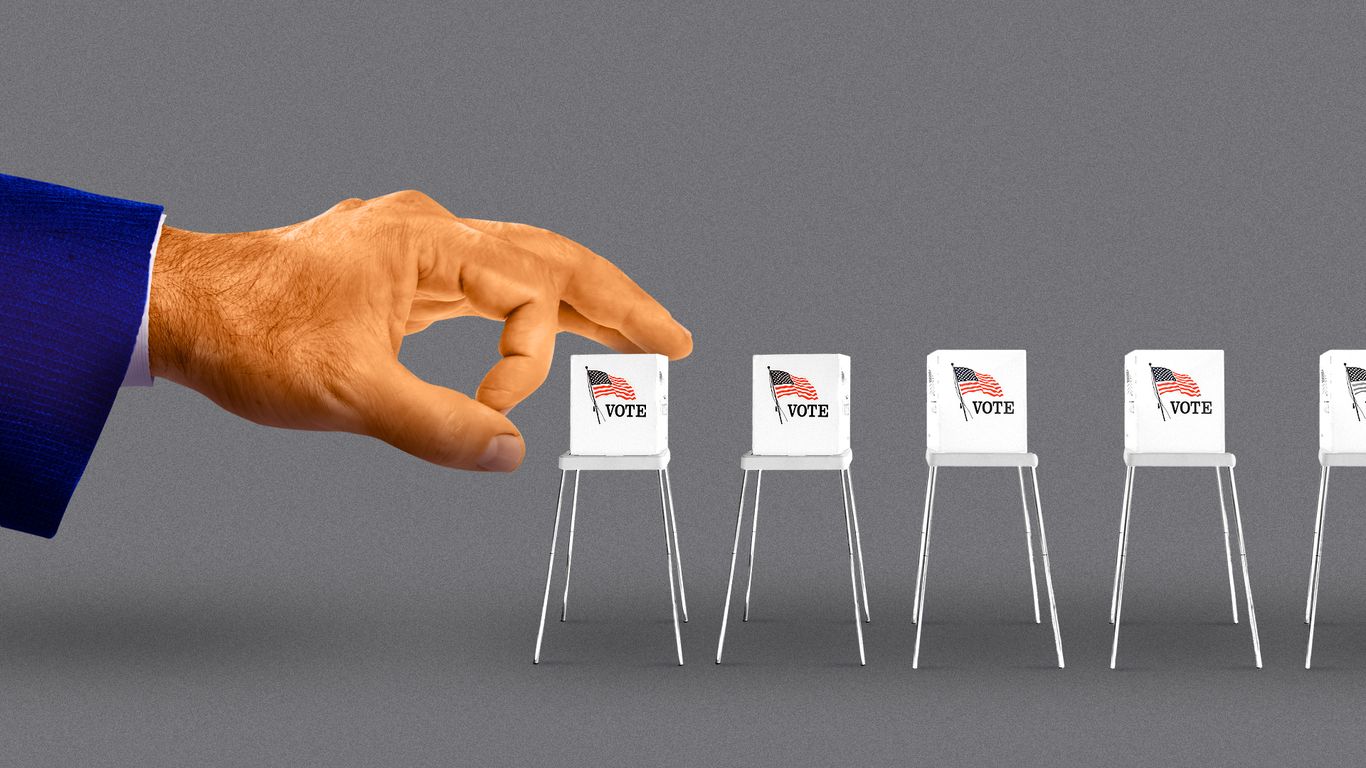
With just nine days until the midterms, the Trump administration is escalating its assault on two of the Department of Justice's most sacred guardrails: Independence from the White House. Restraint before elections. Why it matters: President Trump's DOJ has shattered the traditional calm of a pre-election period with a barrage of politically sensitive investigations, prosecutions and eleventh-hour efforts to influence the vote. Zoom in: The Justice Department's most aggressive election intervention yet came this week in Alaska, where a preemptive lawsuit seeks to delay certification of the state's U.S. Senate results — if the Democrat wins. The DOJ argues that a second candidate, Dan J. Sullivan Jr., could confuse voters and siphon support from the Republican incumbent, Sen. Dan S. Sullivan. The administration wants certification halted if Sen. Sullivan loses to Democrat Mary Peltola but could have won with votes cast for the other Sullivan, pending an investigation into voter intent. Between the lines: Alaska's Supreme Court already ruled that the second Sullivan belongs on the ballot, and the state's ranked-choice system allows voters to rank both candidates. Legal experts question the DOJ's authority to block certification of a state-run election, or how officials could determine voters' intentions without compromising ballot secrecy. Peltola's campaign and national Democrats have moved to intervene in the lawsuit, challenging the administration's preemptive attempt to halt certification. Zoom out: Alaska is just one front in an October offensive aimed at rooting out alleged election fraud, investigating prominent Democrats and relitigating Trump's oldest political grievances. On Oct. 7, Trump established a White House committee to investigate alleged mortgage fraud by Federal Reserve governor Lisa Cook , authorizing DOJ personnel to participate in proceedings that could lead to her removal. Cook denies wrongdoing. On Oct. 12, federal agents searched Rep. Ilhan O

Eye-opening revelations this past week have solidified my personal fears about the year ahead: As a nation and as a globe, we're facing a record number of wild risks that are way outside our control. My growing hunch about this scenario has been bolstered by daily conversations with CEOs, government insiders and top investors. Why it matters: It feels likely — not certain — that between now and 2028, we'll face society-level disruptions, possibly including cyberattacks and fast-twitch economic shocks. What we're facing: We've navigated single-shot crises like the financial meltdown of 2008 and the pandemic of 2020. This next year will be different. The real risk is a chain reaction: One shock sets off others — faster than we can process, and caused by AI dynamics we don't fully understand. Call it chain-reaction chaos . And that's against the backdrop of this age of post-processable velocity : The speed of change exceeds the ability of any individual, company, market or government to fully absorb, understand and respond. The reason this scenario looks so likely is that so many obvious risks, all with relatively high probabilities, keep piling up. Any one of them will rock already highly volatile markets and politics: Cyber chaos. This past week was a big flashing siren. AI-detected flaws in PHP, the code behind millions of websites, knocked government sites offline worldwide and prompted the National Security Agency to warn organizations to patch immediately or go dark. Major banks found unauthorized AI agents inside customer accounts, some trying to take actions customers never asked for. And Anthropic's deputy chief information security officer, Jason Clinton , warned that as bad as the past several days had been, cyber threats will get "a lot worse before they get better." Salesforce CEO Marc Benioff quickly agreed , writing on X: "Code red." As Madison Mills reported for Axios , the AI companies and the banks are scrambling for "day after" planning, fully antici

The post A Texas Cop Signed on to Help ICE Deport His Neighbors. It Tore the Town Apart. appeared first on ProPublica .

Washington has always viewed Silicon Valley as culturally strange. But the current crop of AI leaders is becoming a monumental political liability, lawmakers and White House advisers tell Axios. Why it matters: Even pro-AI government officials and lawmakers wish AI founders would do what every other major industry chief does — shut up and just build their products ... safely. By centering the conversation around digital sentience and global catastrophe, AI leaders are turning an already complicated regulatory debate into an impossible moral panic. State of play: Rather than leading the charge to persuade Americans about the benefits of AI, and the potential for shared prosperity — the core elements of any winning political campaign — industry leaders are constantly warning of its existential dangers. What they're saying: Lawmakers say the message from AI execs too often alternates between prosperity and doom, sometimes in the same public appearance. The whiplash adds to political instability in the face of an already powerful public backlash, lawmakers and regulators say. "It's obvious that they're tripping over their own shoelaces in trying to sell the value of this to the public," Sen. John Curtis (R-Utah) told Axios. "It's very hard to imagine a group right now that operates more in a vacuum, more out of touch with everyday Americans, than the AI industry." "CEOs like Sam Altman are saying the world should accept some bad things happening for the benefits of this technology," Rep. Ro Khanna (D-Calif.) told Axios. "You cannot trust billionaires to make decisions to keep us safe." "Your instinct is to wreak havoc on the public [AI] discourse," Sen. Bernie Moreno (R-Ohio) said in a letter to Anthropic CEO Dario Amodei earlier this month, complaining about Amodei's "panic-inducing commentary." Democrats also have paid close attention to just how much top AI and tech leaders have cozied up to President Trump. Many see opportunity in turning AI gaffes into an easy poli
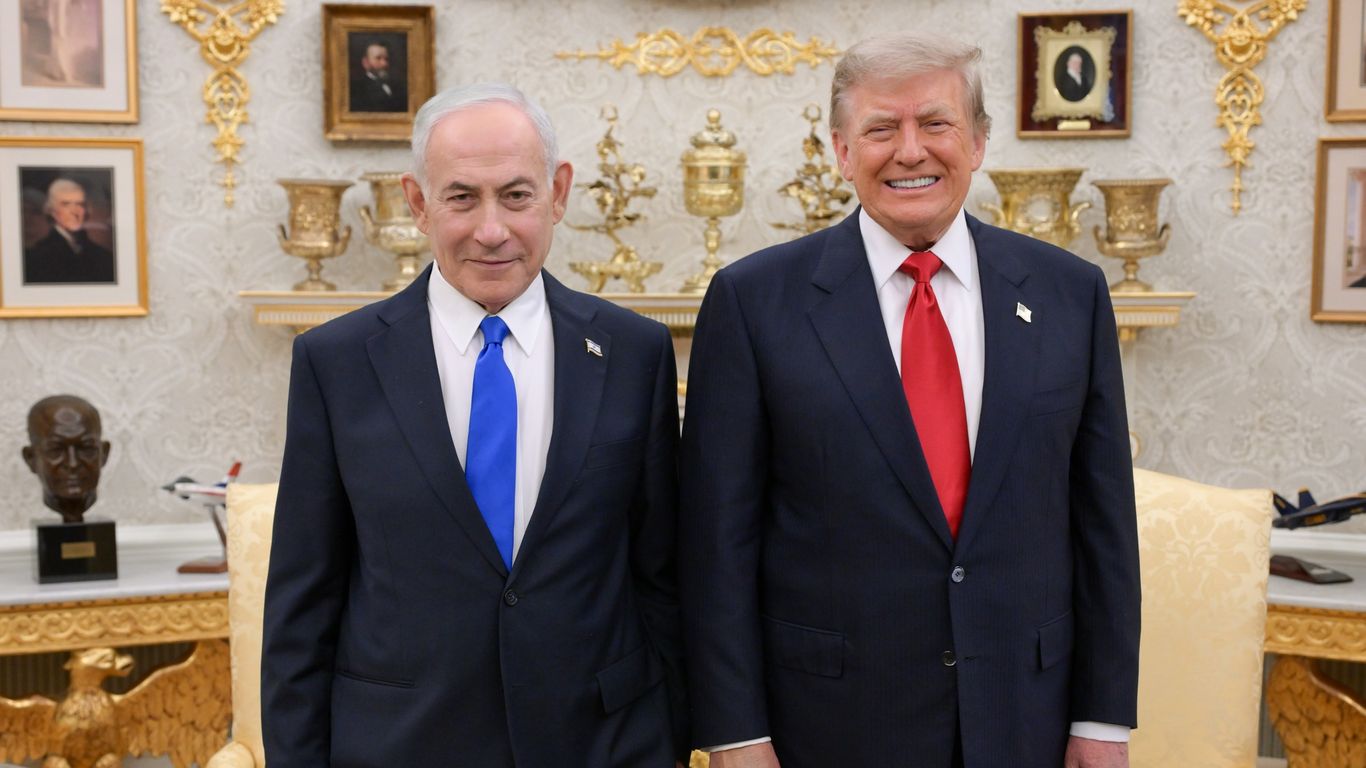
President Trump has endorsed Benjamin Netanyahu in Tuesday's Israeli election, but some of his advisers see opportunity for his Middle East agenda in a government led by someone else, U.S. officials tell Axios. Why it matters: Trump has never worked with an Israeli prime minister other than Netanyahu, and doesn't personally know any of the other candidates. The two have forged a close but often turbulent relationship. "He's the devil he knows," one Trump adviser said, describing the president's view of Netanyahu. Driving the news: After weeks of hesitation, Trump endorsed Netanyahu on Sunday — and even suggested his defeat would have consequences for U.S.-Israel relations. One U.S. official described the endorsement as a win-win for Trump, regardless of the outcome. If Netanyahu wins — or remains in power as caretaker prime minister — Trump could claim credit for rescuing him politically and use that leverage to press for concessions. If Netanyahu loses and his opponents form a government, Israel's new leaders would still have every incentive to cultivate good relations with Trump. His endorsement of their rival would quickly become a footnote. Behind the scenes: Many of Trump's closest advisers opposed his decision to endorse Netanyahu, believing the president should stay out of the Israeli election, according to sources familiar with the discussions. Vice President Vance notably declined to follow Trump's lead when asked about the election this week, amid growing hostility toward Netanyahu in parts of the MAGA movement. "I'm not attacking Bibi Netanyahu. I'm not endorsing Bibi Netanyahu. I think the president's endorsement is ultimately what matters," Vance told reporters. Zoom in: Vance, who endorsed former Hungarian Prime Minister Viktor Orbán days before his election defeat in April , said he would no longer get involved in foreign elections. The vice president is among the senior Trump officials who became disillusioned with Netanyahu during the war with Iran,

Media is changing at AI speed : the open web deteriorating, search shriveling, LLMs rising, hyper-personalization surging, old revenue models breaking. AI threatens to finish what the algorithms started: wholly upending journalism as we know it. The only certainty: What follows will be as different as the pre- and post-digital eras. After studying and experimenting with AI for the past two years, we're placing a series of big bets on how serious journalism can flourish in an AI world. The big idea: We believe the value of verified, reported, distinctive truth and curated human connection will spike. The yearning for human connection, and demand for human expertise, will only increase. The big picture : At Axios, we're doing what we did a decade ago when we launched, and two decades ago at Politico: building for the direction that technology and the world are headed. We're sharing our thesis — and our plans — to help spark deeper industrywide debate about preserving the best of media in what's to come. Some parts are controversial or based on our own assumptions. We welcome the pushback. What's next: We assume Einstein-level intelligence will be available on all topics to all people. We envision media consumption shifting to new AI platforms and devices that know us as intimately as we know ourselves. Our lives and minds will be curated beyond imagination. Our knowledge, habits, tastes and work will fully fuse into our screens, or pins, or bracelets. The biggest threat in this coming reality: Who needs "news" from journalists when their AI tells them what they need to know, when they want to know it? Indeed, we assume passive news consumers will find AI curation fully satiating, much like they did scrolling. So general, indistinctive news withers. But for serious news consumers — those who routinely seek out high-quality information about their world, passions and community — the demand for human-vetted and human-verified content will surge. This holds true for both
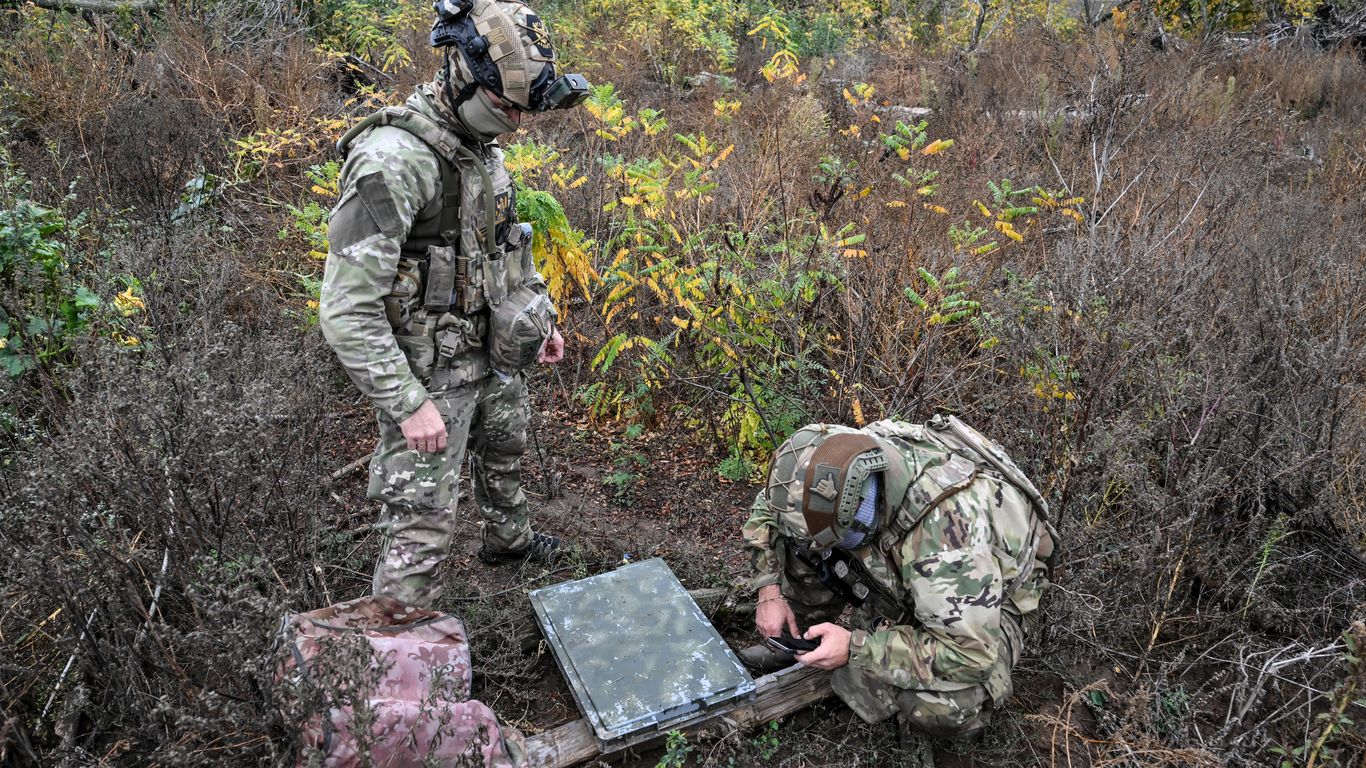
The speed of the Elon Musk-owned satellite system used by the Ukrainian military has been fully restored after two weeks of restrictions, the country's ministry of defense said in a statement on Saturday. Why it matters: The restrictions limited the Ukrainian military from using drones to intercept Russian attack drones, and from using its own drones to send supplies to soldiers on the front lines. The restrictions were at the center of the recent crisis between the Trump administration and the Ukrainian government. Ukrainian President Volodymyr Zelensky saw the restrictions as retaliation by President Trump and Musk for his refusal to halt strikes against Russian oil refineries. The crisis led to bipartisan criticism and pressure and generated a blame game between the White House and SpaceX founder and CEO Musk. Catch up quick: The Ukrainian military uses SpaceX's Starlink satellite communications system to control and operate its reconnaissance and intercept drones. When Starlink doesn't operate at full capacity, Ukraine's ability to gather intelligence, use interceptor drones and conduct long-range strikes against Russia is impeded. Ukraine relies on two satellite systems: One is SpaceX's Starlink, which it uses for communications, ground forces, logistics and defensive drones — ones that shoot down incoming drones. The other is Starshield, which is controlled by the U.S. government and used for offensive military purposes. President Trump denied that the White House was involved in restricting the system and for several days claimed it was fully back on. On Friday Trump denied reports that he spoke to Musk, but said that if the system was still restricted he would speak to Musk about it. What they are saying: "Our monitoring systems are detecting a restoration of Starlink/Starshield speeds. We are recording speeds exceeding 400 kilometers per hour, with stable connectivity," the Ukrainian ministry of defense said. The ministry said the restrictions were lifted a
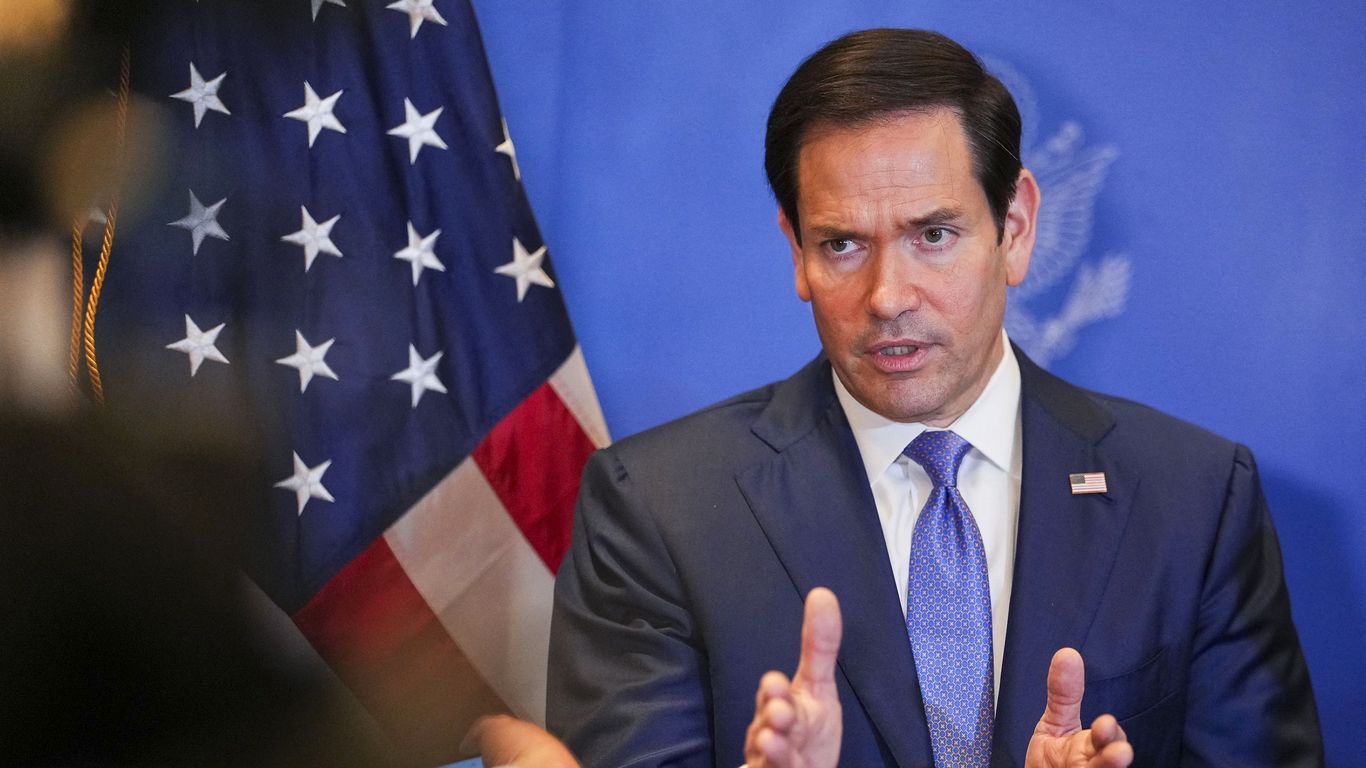
U.S. intelligence finds Iran has "substantially increased" its efforts to target American diplomats and officials in the Middle East and beyond, with lethal plots reaching "advanced stages," according to an Oct. 23 memo to Secretary of State Marco Rubio obtained by Axios. Why it matters: U.S. officials say the intelligence is one reason the State Department is drawing down personnel at several American embassies across the Middle East, amid mounting fears of a broader regional conflict. U.S. officials also fear that Iran-backed Houthi rebels in Yemen could expand their attacks beyond Saudi Arabia to other countries in the region. Adding to the volatile security environment is the prospect of renewed U.S. and Israeli military operations against Iran, potentially after the midterm elections. News of the memo exploded across the internet after Axios posted it last night, with media coverage worldwide . What they're saying: "We may do another little Operation Epic Fury, or [the Iranians] will agree [to a deal]," President Trump said at a rally in Florida on Friday. "If they're smart, they will just say, 'Let's get down to business,' but I doubt they will do that because perhaps they're not smart." Driving the news: In the one-page, unclassified memo obtained by Axios, Director of National Intelligence Jay Clayton warned Rubio that intelligence about Iranian assassination plots needs to reach more U.S. personnel than are currently authorized to receive it. The memo does not identify specific targets, countries outside the Middle East or the nature of the plots, but says the underlying intelligence has already been shared with senior State Department officials. Clayton offered to downgrade as much of the sensitive intelligence as possible so Rubio could share it more widely with personnel potentially at risk. State of play: Earlier this week, the State Department ordered family members and nonessential personnel to leave the U.S. Embassy in Riyadh and consulates in Jeddah
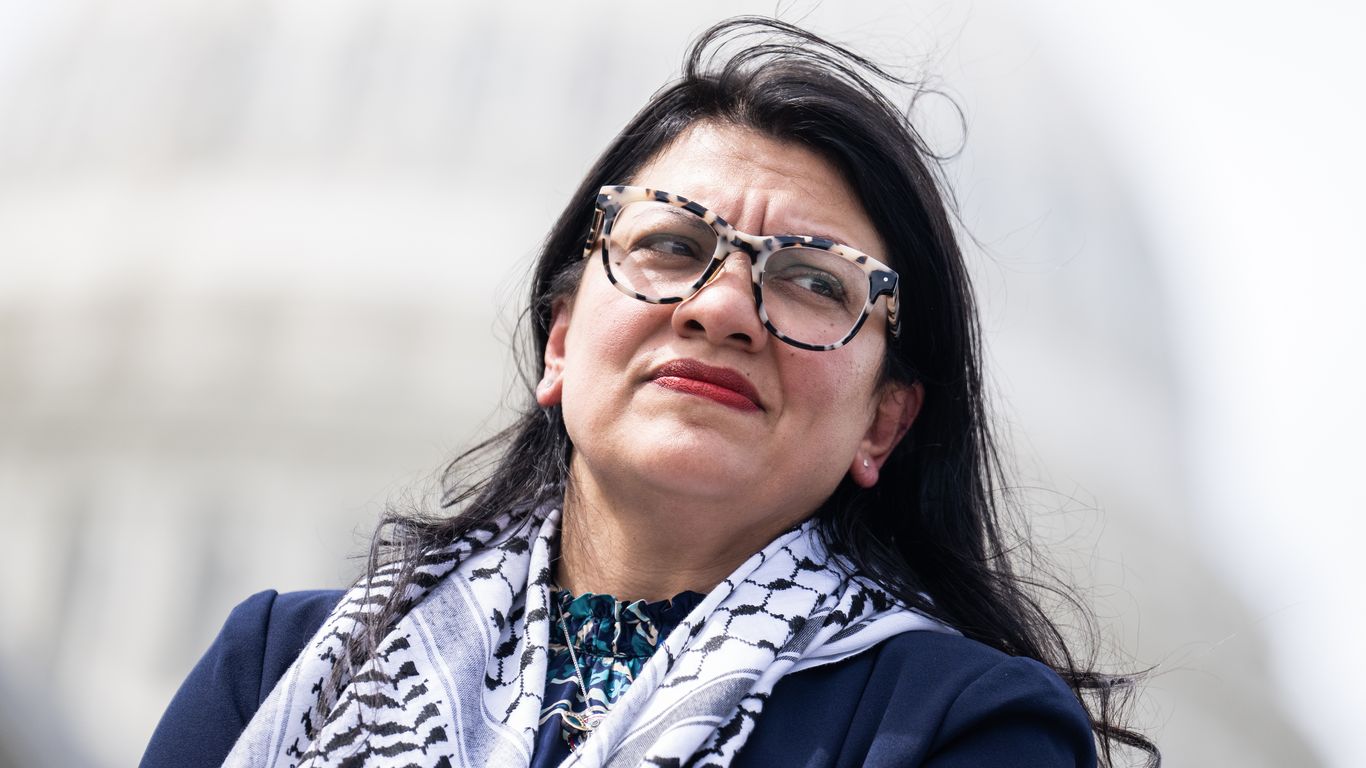
Progressive House members and candidates are taking a stark turn away from what they describe as "performative" efforts to impeach President Trump . Why it matters: This is a drastic shift in tone from Trump's first term, when progressives were some of the loudest voices in favor of impeachment. Rep. Rashida Tlaib (D-Mich.) famously said of Trump in 2019, " We're gonna impeach the motherfucker ," a line Republicans have routinely dredged up to dismiss impeachment efforts against the president as premeditated. On Thursday, she told Axios in a statement: "No matter what happens in November, we'll still have a Trump administration for the next two years to hold accountable." Driving the news: Likely incoming Democratic House members Darializa Avila Chevalier of New York and Melat Kiros of Colorado struck a similar tone in a recent podcast interview when asked about impeaching Trump. "I support accountability, but ... that is something that Trump himself seems to want," Avila Chevalier said. "My question is: Is that actually going to be meaningful accountability for the Trump administration?" Said Kiros: "The accountability has to actually lead to some material changes." What we're hearing: Rep. Delia Ramirez (D-Ill.), who has advocated a day-one impeachment, told Axios in an interview, "Impeachment can't just be a political messaging strategy." "I think what Melat and Darializa are getting to is that people want to see justice and real accountability. ... We can't just tell people things that some would feel like is fluff," Ramirez said. "I think the American people are tired of theater," said Adam Hamawy, another likely Democratic House member from New Jersey. He told Axios any impeachment proceedings need to be "a real process with substance, rather than just getting up there and just making a show of it." Rep. Analilia Mejia (D-N.J.) said Democrats "should investigate the heads of these departments and bad actors across the board," but she is "less inclined to the p
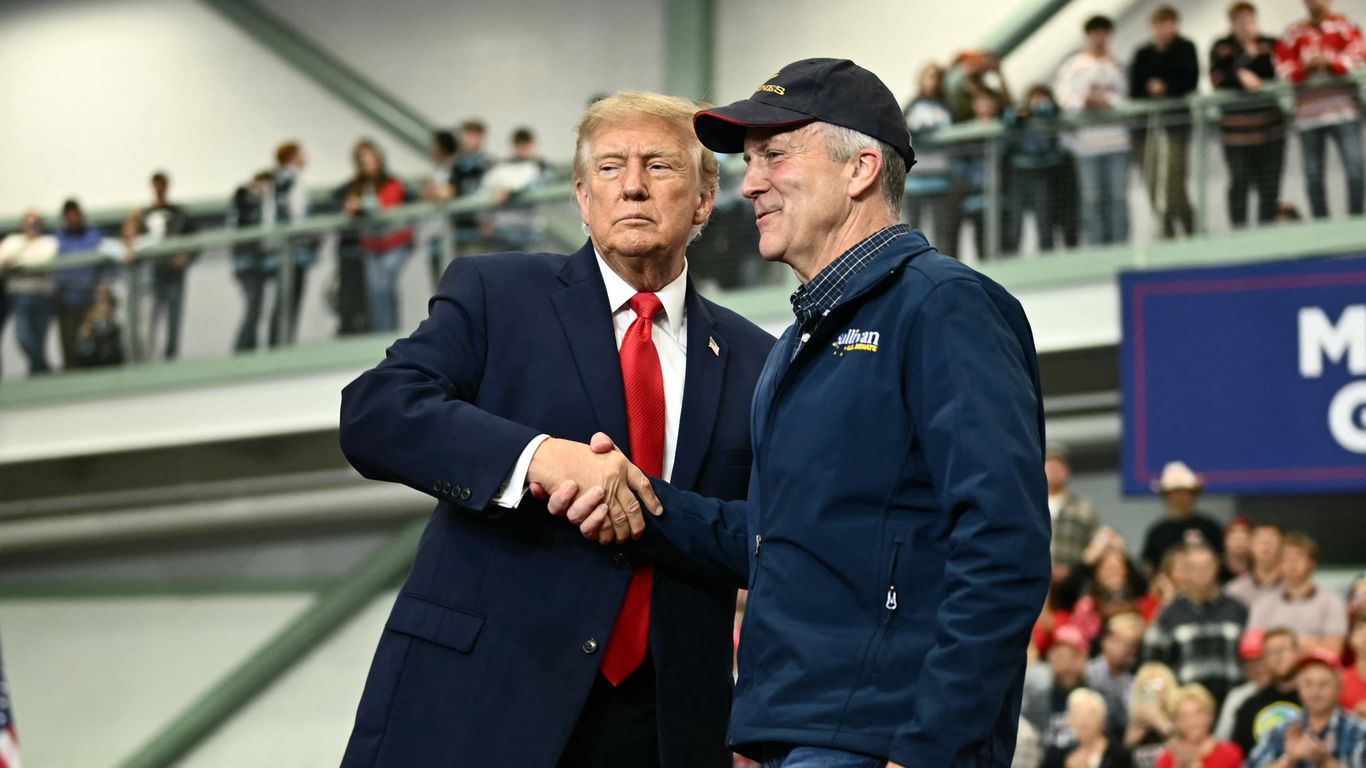
The Trump administration sued Alaska on Thursday to delay certification of election results if incumbent Republican Sen. Dan Sullivan loses. Why it matters: The race between incumbent Sullivan, Democrat Mary Peltola , and retired teacher Dan Sullivan has been marked by controversy, with Republicans accusing Democrats of trying to confuse voters by planting a candidate with the same name. Alaska's use of ranked-choice voting, which eliminates candidates in rounds if no one gets 50% of the initial vote, complicates matters. "An election result may be impacted by voter confusion if: (1) Senator Sullivan does not win the election; and (2) had all votes cast for Daniel J. Sullivan been cast instead for Senator Sullivan and Alaska's rank-choice process played out accordingly, Senator Sullivan would have won the election," the lawsuit , filed in Alaska District Court, states. Zoom in: Because of a previous Alaska Supreme Court decision and Sullivan's name already being on the ballot, the administration contended in the lawsuit that the only means to ensure that the winner of the race is voters' choice "is to ensure that the certification is not impacted" by his candidacy. The lawsuit requests a delay in certification until after an investigation determines "whether votes cast for Daniel J. Sullivan were meant to be cast for Senator Sullivan." What they're saying: "Alaska's Division of Elections determined that Mr. Daniel J. Sullivan's candidacy was intended to mislead voters and compromise the fairness of the ballot," a DOJ spokesperson said in a statement. "Therefore, the Justice Department, consistent with the National Voter Registration Act enacted by Congress, is taking the necessary steps to ensure that this frivolous candidacy does not undermine the integrity of Alaska's election or the will of its voters." The White House referred Axios to the DOJ. President Trump told reporters Friday that he told the DOJ to file the suit against Alaska. He then explained the situa

The post After Millions in Stolen SNAP Benefits, Trump Administration Moves to Fight Theft appeared first on ProPublica .

The post Ken Paxton Says He’s Tough on Crime. His Trust Invested $600,000 in a Convicted Fraudster’s Company. appeared first on ProPublica .