Loneliness has been considered a major health risk for seniors, but a new study suggests younger adults might fare even worse from living by themselves. Living alone appears to increase a person's risk of death from a multitude of causes, particularly among adults 18 to 64, researchers reported in the International Journal of Epidemiology.
Results for “even possible”
The gut is home to billions of microorganisms. It is a complex ecosystem that regulates many of the body's functions and helps keep us healthy—when it is in balance. Our diet influences this ecosystem. But does it matter whether a person is vegan or omnivorous?
There is not enough evidence to determine whether testosterone helps with thinking and memory in midlife women, even though it is often prescribed in the UK, according to a UCL study.
A new series in The Lancet argues for the need to investigate a paradox of men’s health: why men experience worse health outcomes than women, even though they hold undeniable…
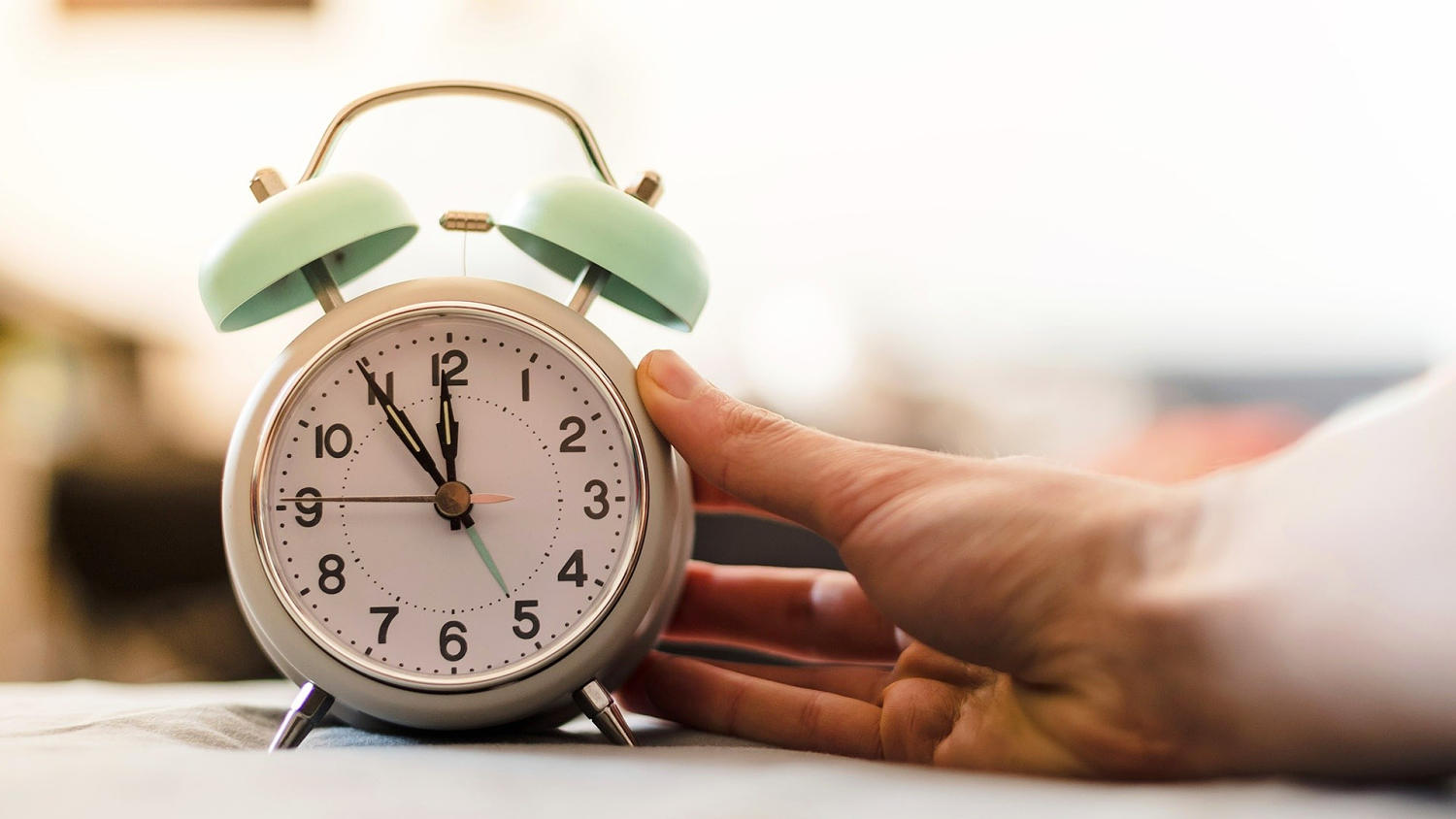
This weekend, Daylight Saving Time ends and even though we “fall back” and gain an extra hour, it can still mess with our body clocks. Dr. Mike Varshavski, board certified family medicine physician, joins TODAY to share ways to keep your sleep cycle on track.
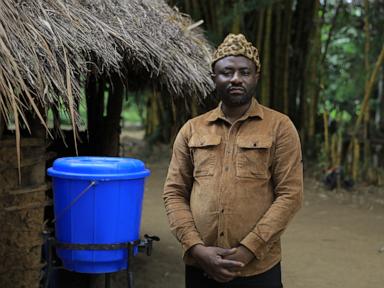
A village chief in eastern Congo faces a tough battle against Ebola
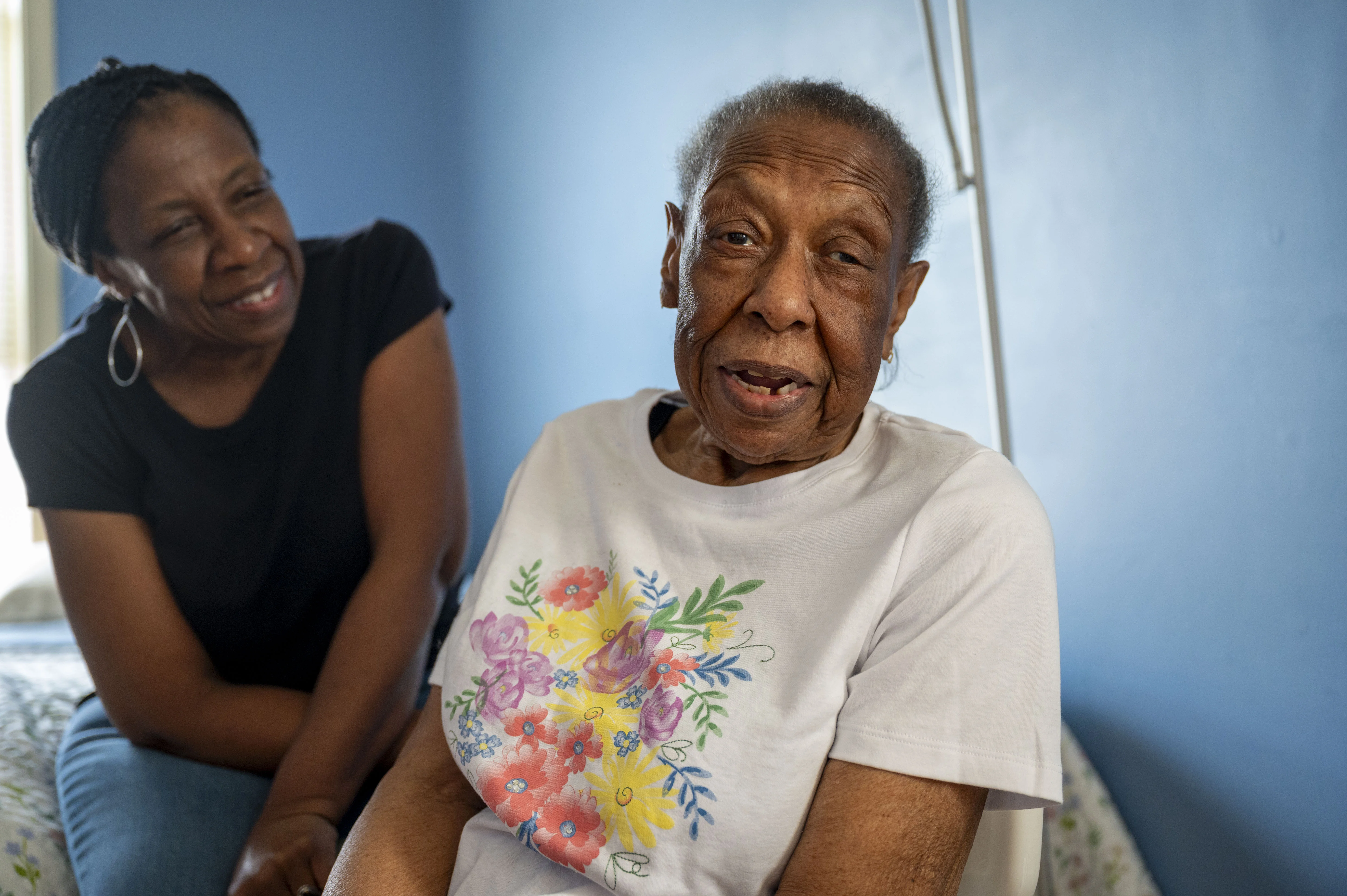
A new study from AARP shows caregivers' out-of-pocket costs rose about 60% in the last five years.
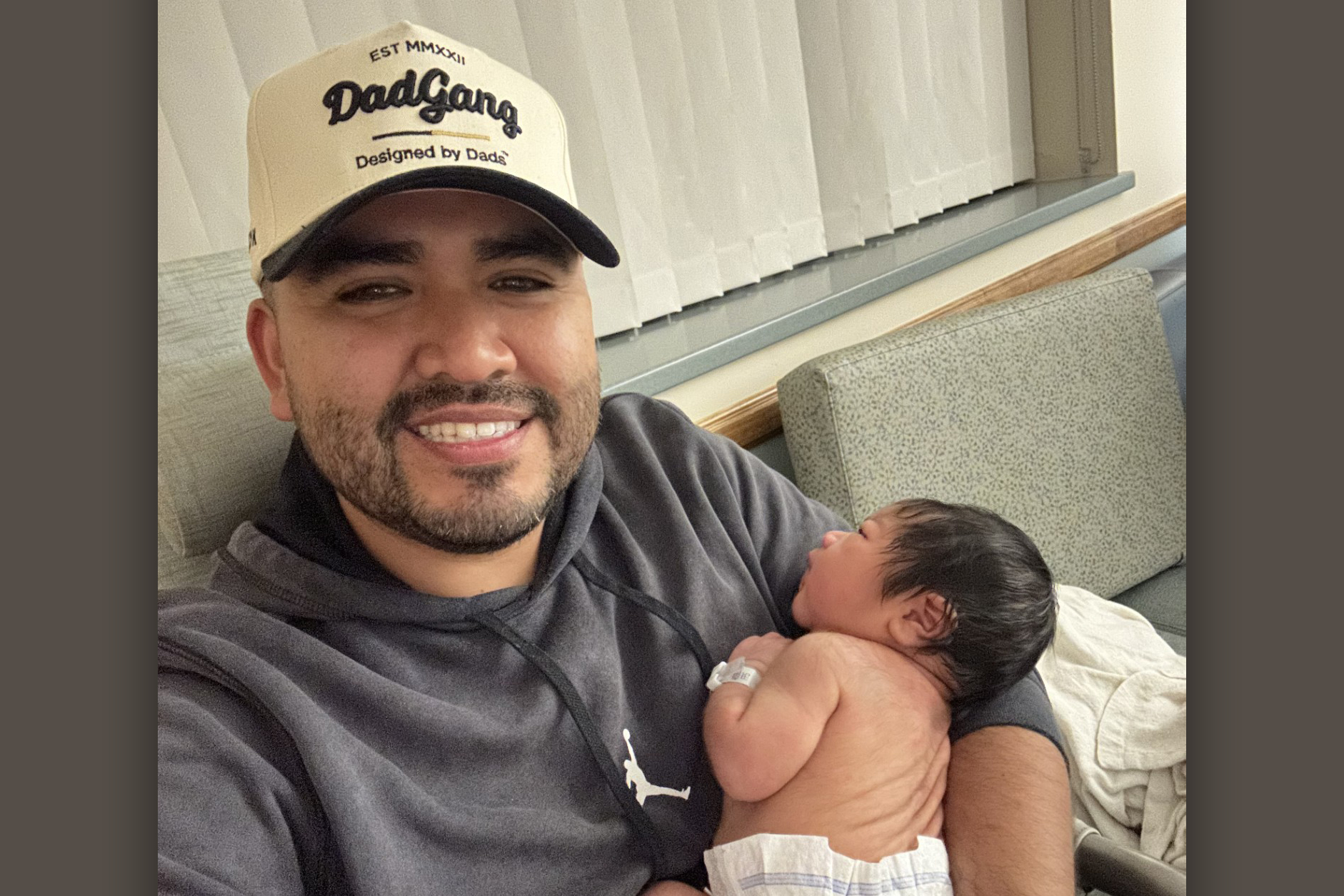
The U.S. has no law guaranteeing paid parental leave. But in states with their own programs, more dads are using the benefit, surpassing moms in some states. The growth in popularity comes as Americans increasingly say raising children is unaffordable.
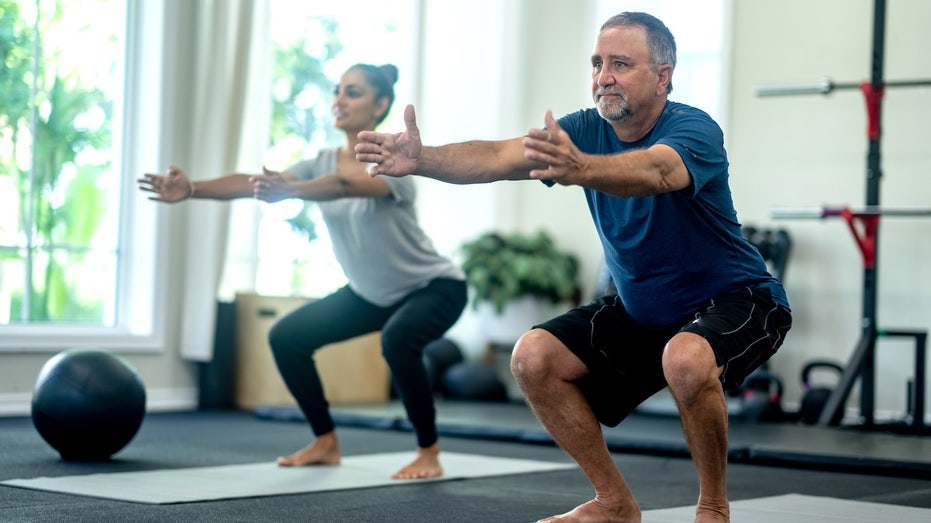
Isometric exercise training like home wall squats produced significant blood pressure drops, but a cardiologist says dietary change may matter even more.
Even naps under 30 minutes raised dementia risk 40% in a Johns Hopkins Bloomberg School of Public Health study of nearly 1,000 older adults.