The way the media reports suicide can be important. It can bring an often-silenced issue into public view and draw attention to the social conditions that may have contributed to a death.
Results for “death row”
When plants encounter pathogens, they can defend themselves by rapidly killing infected cells to restrict pathogen spread. This immune response, known as the hypersensitive response (HR), was first described in 1915. However, the molecular mechanism underlying HR cell death remained poorly understood for more than a century.
The pollution caused the death of brown and migratory sea trout in the Inler river.
A child died after contracting the disease amid what is the largest national measles outbreak in more than three decades
In one case, 75,000-year-old bones reveal what may be the earliest identifiable victim of death by wooden spear.
Most people, at some point, wonder what will remain of them after they are gone. Will their family remember them? Will something they created, taught or contributed continue to matter? A new study suggests that this deeply human desire may be connected to mental health. Researchers found that people who more strongly believed they would be remembered after death also tended to report better mental health and lower levels of problematic substance use and addictive behaviors.
A major new study challenges the idea that moderate drinking is safe, finding that even relatively small amounts of alcohol increase the risk of cancer, heart disease, and premature death. Researchers found no overall health benefits from drinking and warn that consuming more than one alcoholic beverage per day can significantly increase long-term health risks.
The Covid pandemic shed an unforgiving light on health and social care inequalities. The lessons have yet to be absorbed The fear that so many felt as the death toll rose during the Covid pandemic was magnified for Fiona Walker. “I know from experience they wouldn’t have valued my life,” she says, in a new report on the treatment of people with learning disabilities during the crisis. The 1.5 million people in the UK with learning disabilities, and their families, had reason for concern. Death rates in England were four to six times higher than average for people with learning disabilities. As is now well established, the pandemic did not create inequalities; it exposed and intensified them. People with learning disabilities die on average 19.5 years earlier than people without, and deaths are almost twice as likely to be classed as avoidable. Continue reading...
It may sound abstract, but distinctions between "native," "introduced" or "invasive" species can often be life or death. Species considered invasive in Australia—such as European rabbits and feral pigs—are often culled, while most native animals are generally left alone.
As many as 40 percent of injured soldiers face severe infections that can lead to amputations and death. One initiative is trying to fix that.
Neutrinos are funny little particles that weigh almost nothing, making them one of the universe's most elusive building blocks. They can come from objects as mundane as bananas and as exotic as supernovas—the exploding death throes of massive stars. Most neutrinos stream through space and pass through the Earth without interacting with anything.
'Rest well, my dear friend. Keep navigating a steady course.'
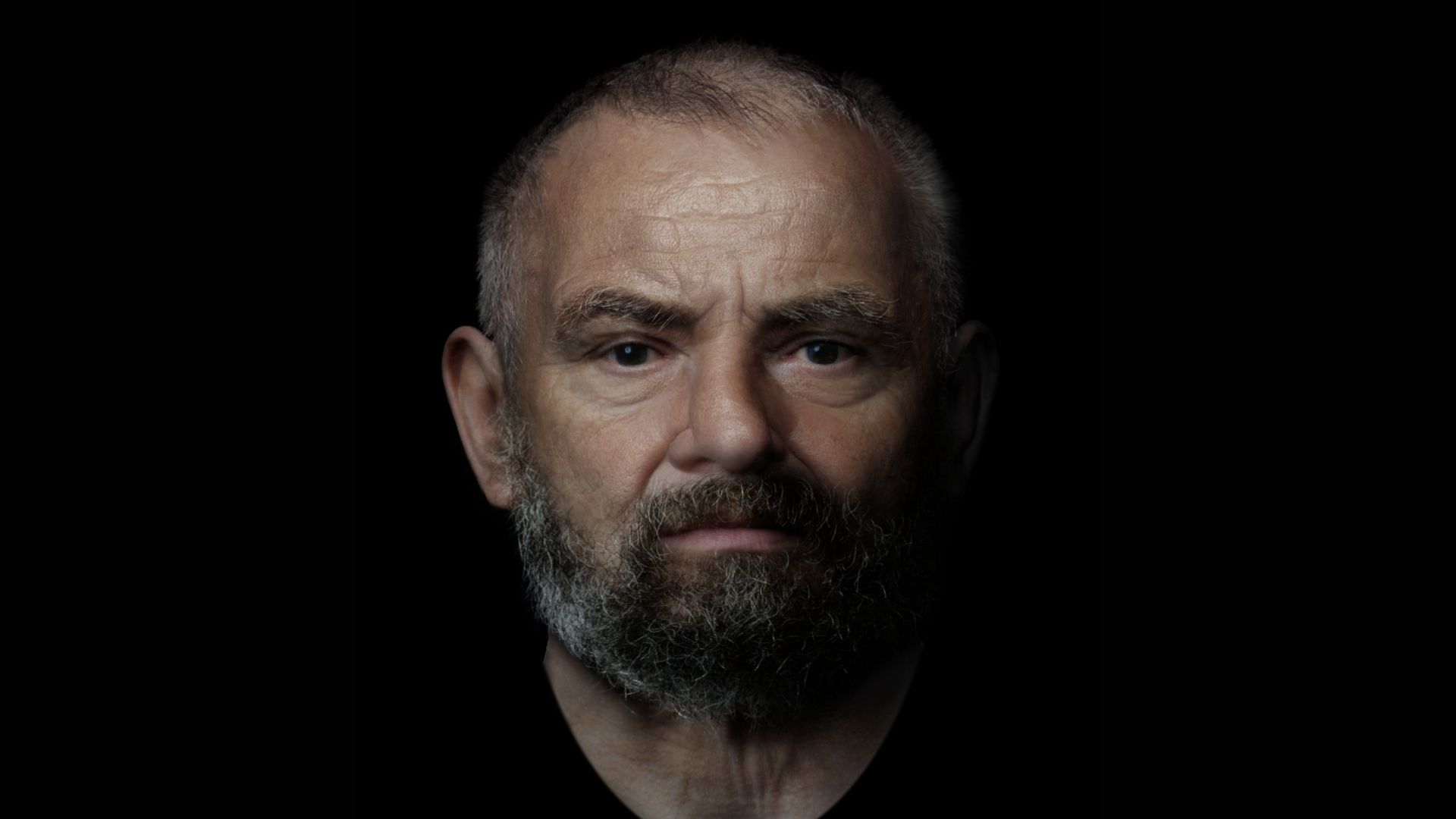
See the new facial reconstruction of a man from Roman-era Scotland who was decapitated after his death and buried near a Roman fort.
Using statistical techniques, a new study has arrived at a harrowing estimate: Three of four retired pro football players most likely had C.T.E. at death.
Health officials will now allow some levels of a powerful substance to remain in products marketed as natural. The change could help a G.O.P. donor facing wrongful death lawsuits.
Scientists have uncovered a hidden defense mechanism in aging muscles that sacrifices strength to protect cells from damage. In mice, partially restoring a crucial molecule reversed signs of muscle wasting and prevented premature death, raising hopes for new treatments for age-related muscle decline.
The death of a worker at a Russian plague lab was alarming, but the disease is extremely unlikely to become a worldwide problem as it has in the past
A major new study reveals that drinking just two alcoholic beverages a day is associated with a 1 in 25 lifetime risk of death from alcohol-related causes, challenging the idea that moderate drinking is harmless. Researchers also found no significant overall health benefits from alcohol, with risks rising as consumption increases.
The Merck-Moderna mRNA cancer vaccine helps prevent cancer recurrence and death, the new results show
In the three weeks since a health worker’s death in Siberia, officials have stonewalled the WHO – setting a worrying precedent for future pandemics Is there a plague outbreak in Russia? If the answer were a clear yes, there shouldn’t be much reason to worry. With swift medical intervention, plague is treatable. But in the nearly three weeks since a worker at a Siberian plague research unit died of a mysterious respiratory illness, state officials have been consistently tight-lipped about what happened and whether there were any further cases. It is this uncertainty that has the World Health Organization (WHO) and international community worried: partly because there is a – very small – risk of an outbreak, and partly because it is yet another warning that the international coordination we rely on to prevent pandemics is fraying along with the rest of international politics, and could easily fail to protect us in the future. Continue reading...
My brother Norman McCubbin, who has died aged 77, was a scientist who worked at the forefront of experimental particle physics. A leading light in experiments that took place on the Large Hadron Collider, the world’s biggest and most powerful particle accelerator at the European Organization for Nuclear Research (Cern) in Switzerland, he spent the last five years of his working life as director of the particle physics department at the Rutherford Appleton Laboratory (RAL) in Oxfordshire, until his retirement in 2012. Afterwards he became a tutor to undergraduates at St Anne’s College, Oxford, and was still in that role at his death. Continue reading...
A curious online row over this summer's heatwaves points to a wider - and worrying - shift in climate science.