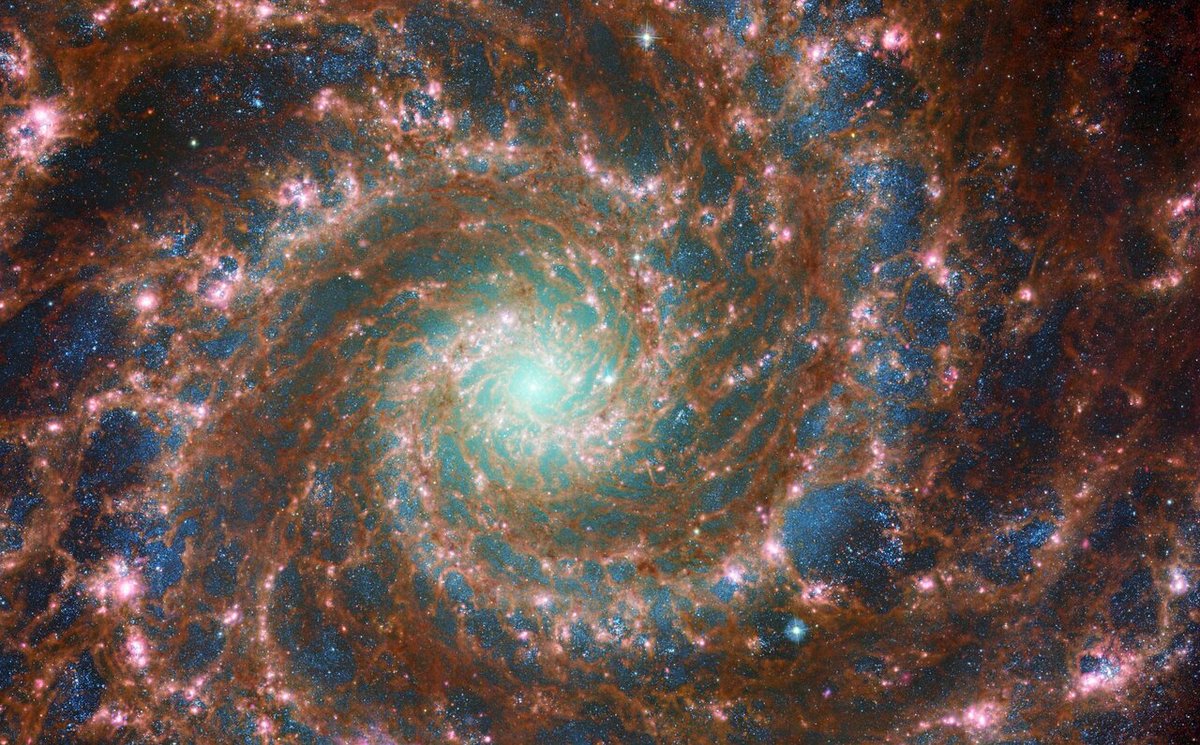
Boo! See the universe’s spookiest sights in time for Halloween
From ghosts to skeletons and even spiders, the cosmos is full of scary surprises
Scientific American · 16h ago

From ghosts to skeletons and even spiders, the cosmos is full of scary surprises
Social media doesn't necessarily reflect who you are, but it may intensify particular personality traits and confirm or even persuade you that your worst behavior is justified.
A University of Massachusetts Amherst-led research team has discovered that weaker rock in mountain landscapes erodes three times faster than harder rock—even on gentler slopes—and is one of the main attributes governing mountain erosion. The finding also challenges our current understanding of the relationship between erosion and the release of carbon dioxide, and suggests that geologists and atmospheric scientists may be underestimating the CO₂ contributions coming from the Earth's rocky places.
More than 107,000 species are used and traded worldwide, more than double previous estimates, according to new research that suggests the true scale may be far greater due to major gaps in trade and wildlife collection data.
Scientists have created a miniature universe in the laboratory that could help answer one of the biggest mysteries in physics: What is time, and where does it come from? Using 24,000 ultracold atoms, a University of Birmingham researcher built an isolated quantum system that repeatedly expands and contracts, mimicking the Big Bang and a possible Big Crunch. Remarkably, the experiment showed that time could emerge from changes happening inside the system, without relying on an external clock.
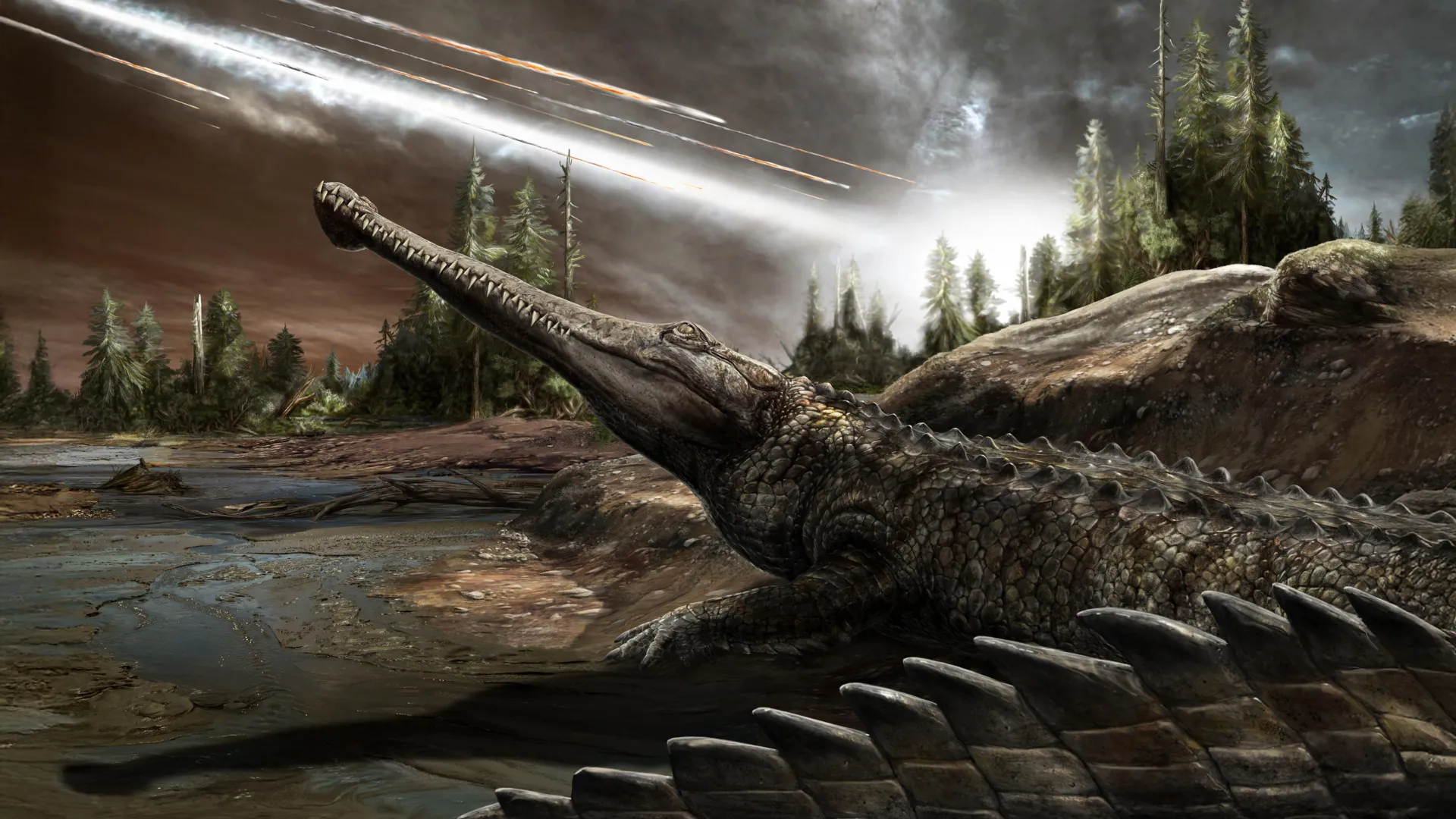
Scientists may have solved a 66-million-year-old mystery: how crocodiles survived the asteroid that wiped out the dinosaurs. A sweeping analysis of fossils and ancient climates suggests that their preference for warm environments placed them in tropical refuges that remained habitable even after the catastrophic impact.
A surprising discovery at UC San Diego suggests that chronic lower back pain may become deeply embedded in the brain's sense of personal identity. Researchers found that movement-triggered pain activates a brain network associated with self-awareness and memories, even though ordinary acute pain typically shuts this network down. This unexpected difference could explain why conventional pain medications often provide limited relief and why fear, anticipation, and past experiences can intensify chronic pain.
A species of seabirds appears to become disoriented on flights back to its nest due to shifting time zones.
Getting more daylight could be linked to a surprisingly powerful benefit for brain health. In a study of more than 87,000 adults, researchers found that higher daytime light exposure was associated with a 16% lower risk of dementia, with longer exposure to bright light linked to even greater reductions. Remarkably, getting less than 42 minutes of bright daylight daily was a stronger predictor of dementia than six established risk factors.
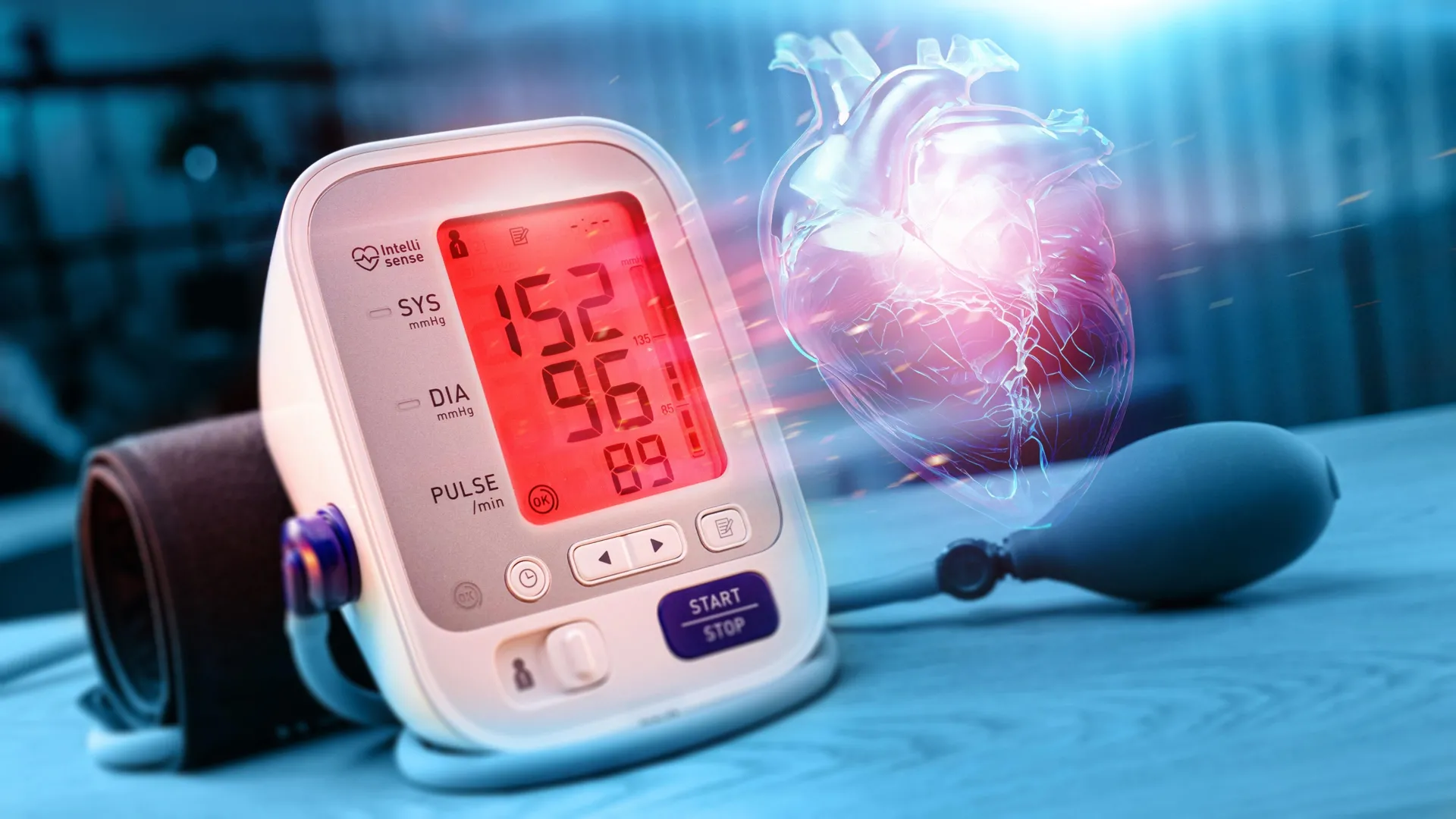
Researchers have discovered a small group of brain cells that prevents dangerous blood pressure swings, even when average readings appear normal. The finding reveals a hidden source of cardiovascular risk and could open the door to new treatments that protect the heart and brain.
A new study with data from mice and human tissues suggests that, in ulcerative colitis, immune cells in the gut might make pain-sensing nerves hypersensitive.
Researchers are exploring novel ways to treat, even prevent, the brain disease C.T.E. One of the most surprising: near-infrared light.
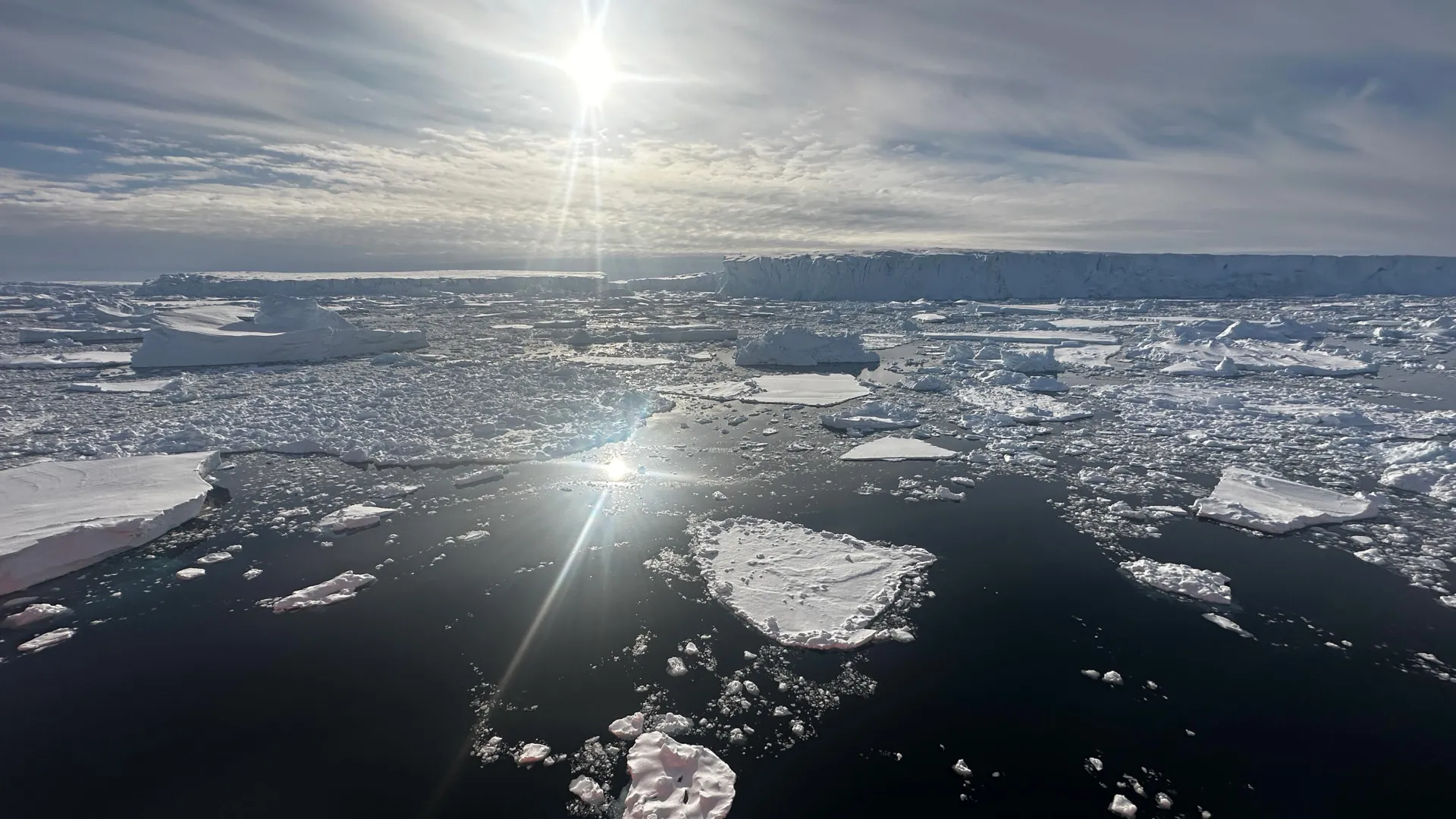
Antarctica’s Thwaites Glacier may be melting twice as much as previously predicted, even without additional global warming. Scientists discovered that warm ocean water is penetrating miles beneath the ice, weakening its foundations and accelerating its retreat. A new model predicts that the glacier could add up to 30 millimeters to global sea levels by 2100, with a 60% chance of losing a crucial stabilizing ridge.
Why do some people stay mentally sharp even when their brains show signs of Alzheimer’s disease? Scientists in the Netherlands may have uncovered an important clue hidden in a rare group of immature brain cells. Researchers discovered that these cells remain present even in people over 80, but their behavior differs dramatically between those who develop dementia and those who remain cognitively healthy.
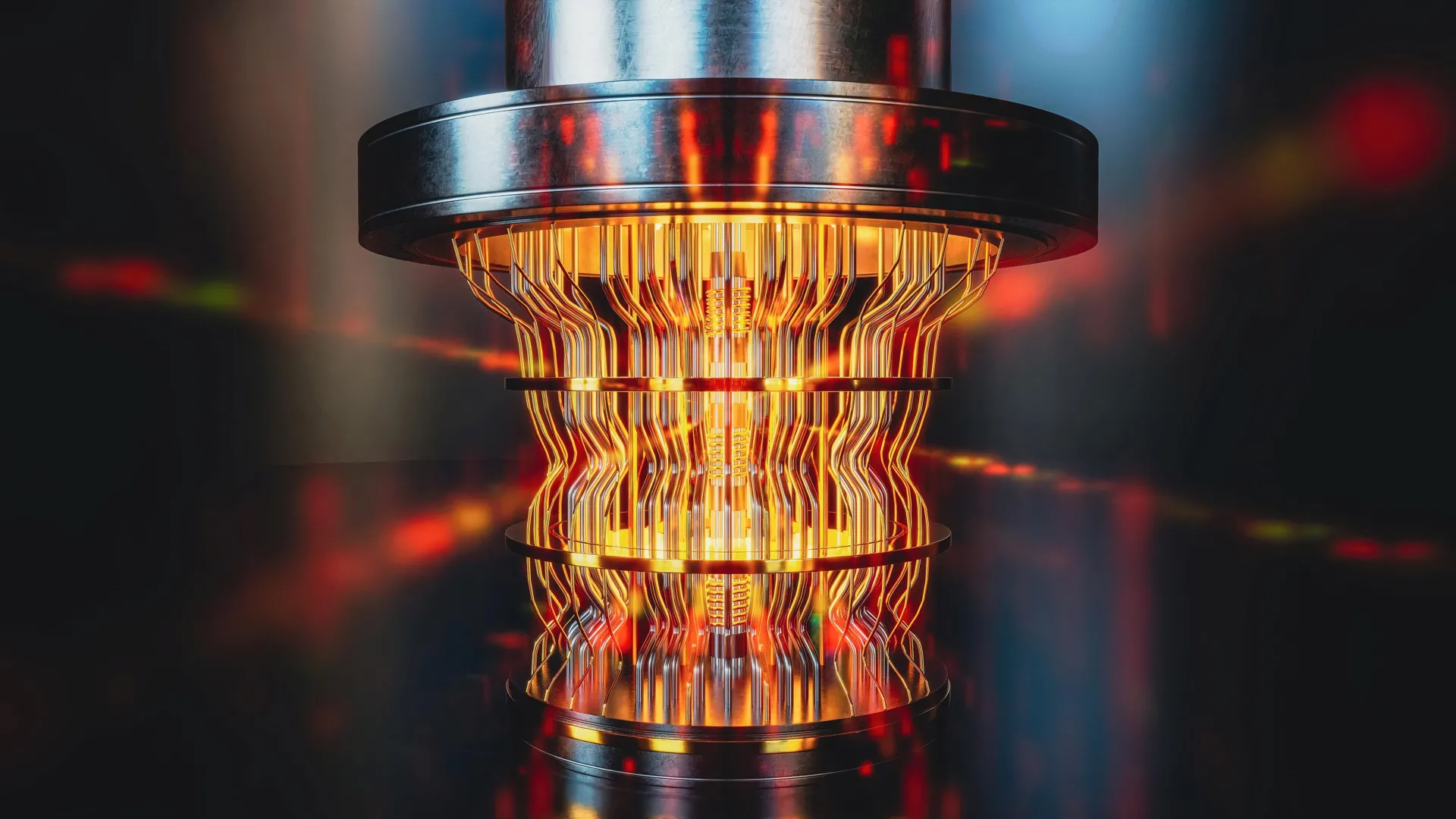
Scientists have discovered a way to operate multiple silicon qubits simultaneously with remarkable accuracy, overcoming a major challenge in scaling up quantum computers. Their new technique maintained accuracy of approximately 99.9% even when all five qubits were running at once, opening the door to larger and more powerful quantum processors.
A common, inexpensive medication could hold an unexpected clue to preventing dementia. Researchers found that older adults with a specific genetic profile had a 70% lower relative risk of dementia when taking low-dose aspirin, even though previous studies found no overall protective effect. The discovery suggests that genetics could help explain why some people benefit while others do not.
An ‘audit’ of the Bureau of Meteorology main dataset for measuring climate change claims it contains ‘widespread errors’. It doesn’t stack up Want to get this in your inbox when it publishes? Sign up for the Clear Air Australia newsletter here Australia’s climate has warmed by more than 1.5C since 1910, according to the Bureau of Meteorology’s main long-term temperature data. If you were so motivated, you might think if you could discredit this data, then you would undermine the whole climate change story and even – perhaps – the rationale for cutting Australia’s greenhouse gas emissions. Sign up to get climate and environment editor Adam Morton’s Clear Air column as a free newsletter Continue reading...
Scientists have voted to change how the world keeps time, but most people won't even notice. NPR's Scott Simon talks to Philippe Richard, director of Switzerland's Federal Institute of Metrology.
It is possible to take lessons from exposure therapy and apply them outside the clinic, experts say
In his annual speech on threats to the nation, Sir Ken McCallum, the head of the UK’s intelligence service, MI5 , warned that AI had the potential to ‘change the stakes’ on existing and even new bioweapons. To find out why, and how, Ian Sample speaks to Dr Tom Inglesby, director of the Johns Hopkins Center for Health Security and the Bloomberg School of Public Health. He explains what has governments so worried and what measures could be put in place to reduce the risks Continue reading...
In his annual speech on threats to the nation, Sir Ken McCallum, the head of the UK’s intelligence service, MI5 , warned that AI had the potential to ‘change the stakes’ on existing and even new bioweapons. To find out why, and how, Ian Sample speaks to Dr Tom Inglesby, director of the Johns Hopkins Center for Health Security and the Bloomberg School of Public Health. He explains what has governments so worried and what measures could be put in place to reduce the risks Could AI ‘change the stakes’ in the development of bioweapons? Support the Guardian: theguardian.com/sciencepod Continue reading...
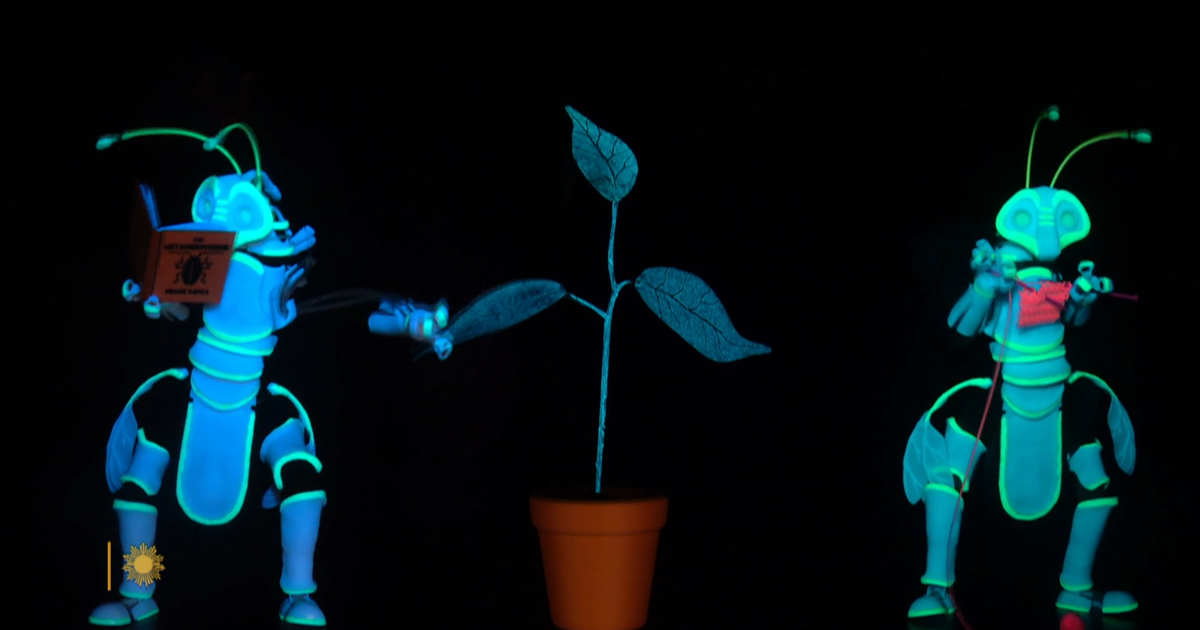
Science shows us that, even though plants don't have brains, they seem to have a nervous system that responds to touch in remarkable ways. Robert Krulwich and puppeteer Barnaby Dixon explore the science of thigmomorphogenesis (the phenomenon of plants reacting to outside stimulae), a discussion that plants the seeds for a song.
As temperatures rise, scientists are investigating whether a changing Atlantic could bring more volatile weather to the UK