TopNewsOn

Results for “two-shot penalty”

Ancient Maya mercury use may have come at a severe environmental cost

Ancient Maya communities made extensive use of liquid mercury and a red, mercury-containing pigment called cinnabar to decorate buildings, pottery and burial sites. Unsurprisingly, as previous research has shown, this led to mercury contamination of soils and reservoirs at some Maya sites. And that pollution may have spread even farther into their territory and caused the collapse of two lake ecosystems, according to a study published in the journal Science Advances.

Phys.org · 3h ago
DNA nanoswitches find new drug leads faster by measuring protein interactions

Researchers at the Wyss Institute at Harvard University, Boston Children's Hospital, and Harvard Medical School (HMS) have developed FIND, a drug discovery platform that searches large libraries for molecules that modulate binding interactions between two proteins. FIND uses DNA nanoswitches to select drug candidates based on their effects on these protein-protein interactions, rather than simply whether they bind to a single target protein, giving it a key advantage over conventional binding-based screening.

Phys.org · 3h ago
Earth's slowing spin may have shaped its primordial crust

Around 4.5 billion years ago, a planet-sized object collided with the newly formed Earth, throwing out the debris that would later form the moon. The collision left Earth spinning extremely fast, with days lasting just two to five hours. Yet existing models of how Earth's first crust formed and evolved have largely overlooked how the planet's later slowdown might have affected it.

Phys.org · 7h ago
New statistical method eliminates AI estimation bias in econometrics

A new research paper describes a statistical framework that resolves significant calculation biases caused by artificial intelligence in econometric models. The method, two-step extraction, removes estimation bias when researchers measure the business or economic effects of variables extracted using machine learning algorithms from unstructured data such as photos and consumer text.

Phys.org · 8h ago
New species of pygmygoby discovered at the edge of the Red Sea's unexplored deep reefs

Researchers have described a new species of fish from the northern Red Sea, found at the entrance to a cave on a steep reef slope. Charon's pygmygoby (Trimma charon) is a small, translucent fish with a broad orange-red stripe, golden spots on its tail and an unusual four-part eye. The two known specimens measure just 12 and 17 millimeters (0.47 and 0.67 inches).
Phys.org · Nov 4
Giant planet emerges from two-year-old JWST data thanks to glare-removal technique

Even the world's most powerful telescopes have their blind spots. Although NASA's James Webb Space Telescope (JWST) can peer billions of years into the past, it still struggles to photograph planets orbiting nearby stars. Stars shine with such extraordinary brightness that their glare overwhelms nearby planets' faint glow.

Phys.org · Nov 4
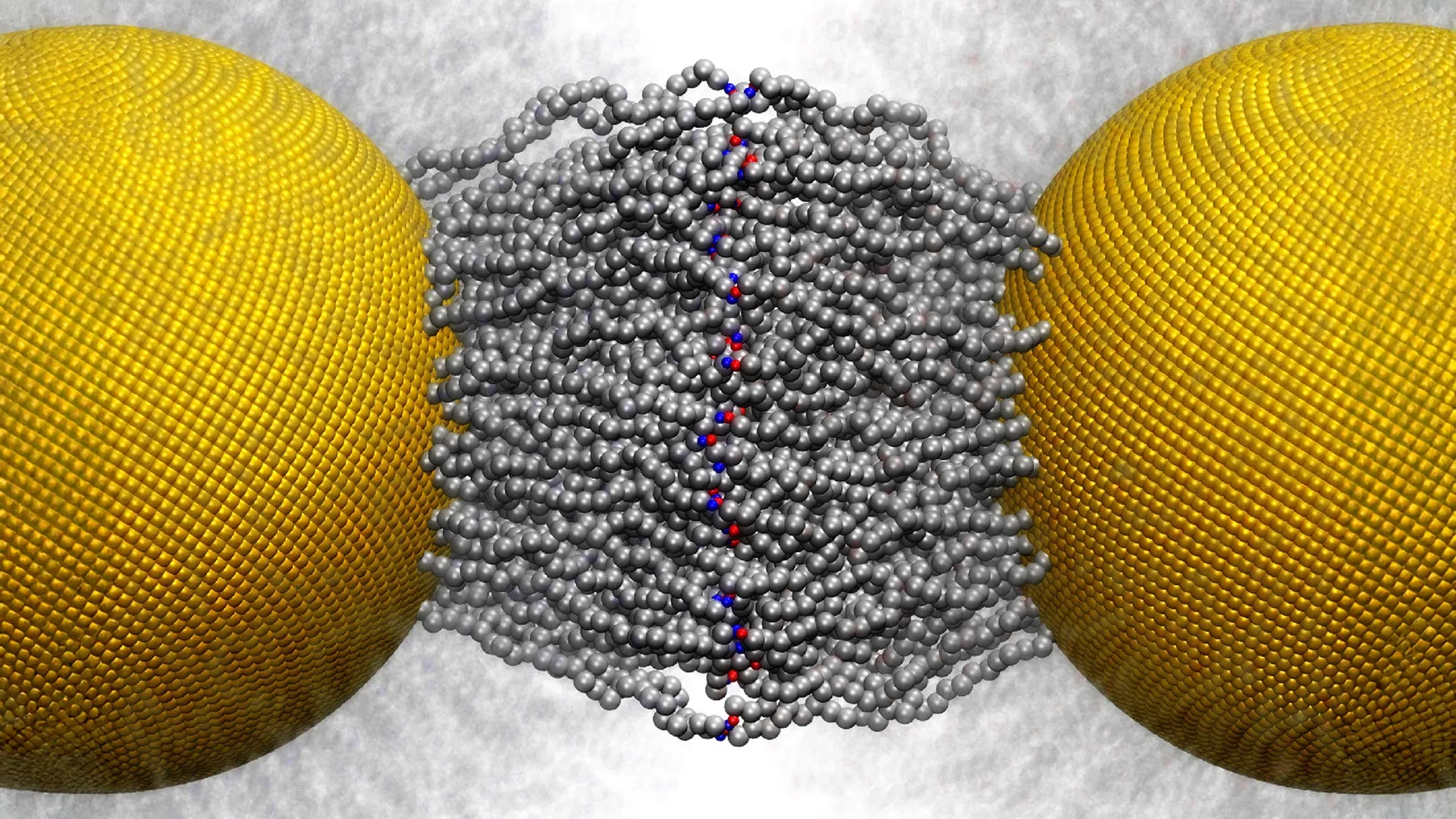
MIT scientists break a 20-year rule and unlock never-before-seen crystal structures

MIT scientists have challenged two decades of conventional thinking by discovering that flexible molecular connections, rather than rigid ones, can unlock entirely new ways to arrange nanoparticles. The breakthrough could lead to a new generation of designer materials with unusual properties and applications in electronics, medicine, and energy.

Science Daily · Nov 4
SLAC scientists find conclusive proof of a mysterious third type of magnetism

For nearly 90 years, scientists believed magnetism fell into just two categories, but researchers have now confirmed a remarkable third type called altermagnetism. Using specialized X-rays, they uncovered a unique magnetic signature that proves these materials behave differently from conventional magnets. Altermagnets combine stability with the ability to efficiently carry information, potentially overcoming major limitations in today's electronics. The discovery could lead to faster computers, more efficient data centers, and breakthroughs in quantum technology.

Science Daily · Nov 4
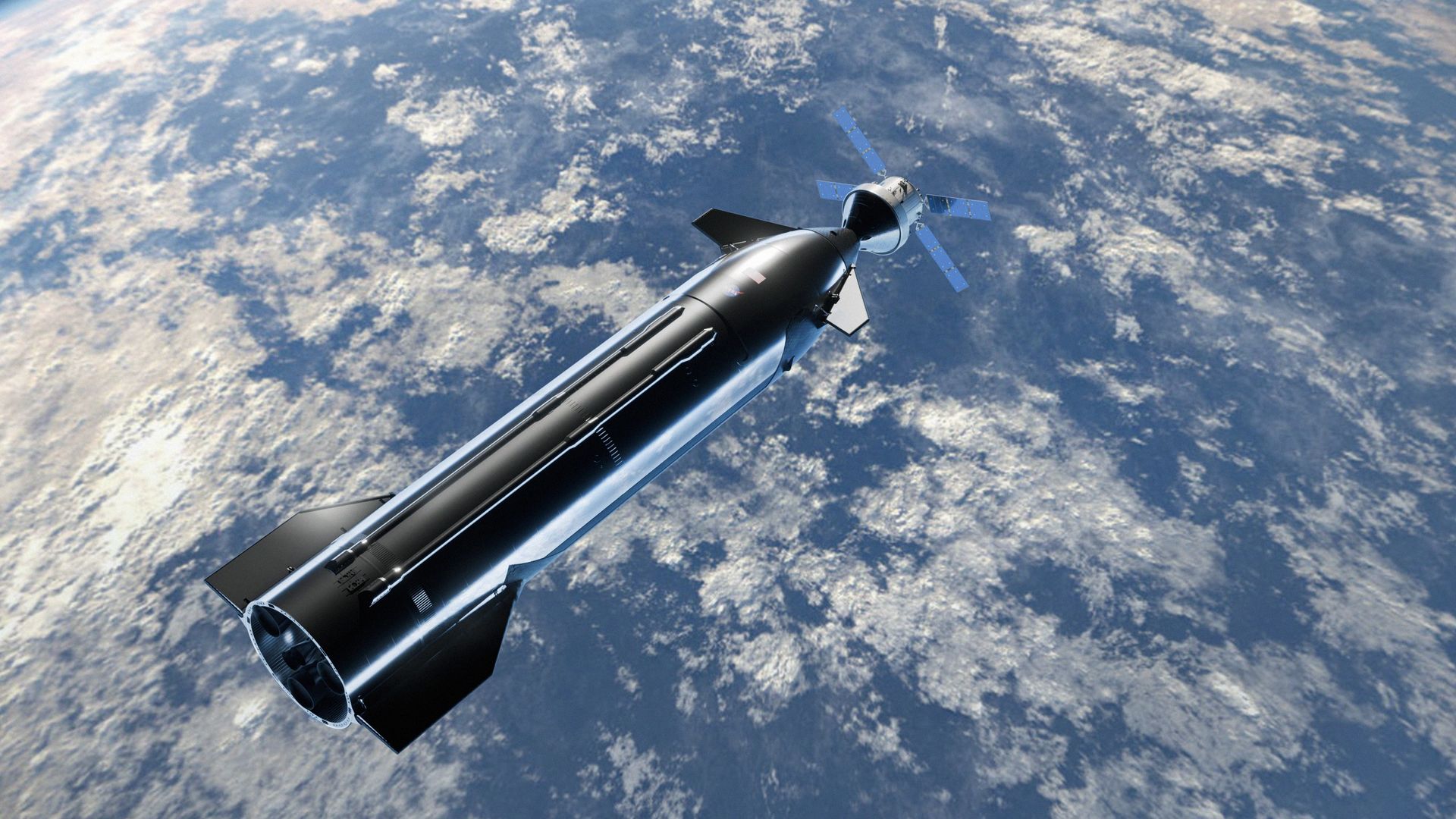
Why pharma firms are going to Earth’s orbit in search of new cancer drugs

A space capsule 300 miles above us is growing the tiny crystals of a potential cancer drug in microgravity Roughly 300 miles above our heads, three washing machine-sized capsules are orbiting the Earth. Inside one of them, tiny crystals of a potential cancer drug are being grown in the weightlessness of space. The others are testing heat protection materials and navigation systems for when the capsules plunge back through Earth’s atmosphere at hypersonic speeds. Together, they represent a small but significant step towards what some hope will become a lucrative new industry: manufacturing drugs and other materials in space. The spacecraft belong to California-based Varda Space Industries. On 1 October, it launched two onboard the same rocket, followed by the third on 20 October. With a record three spacecraft now simultaneously in orbit for the first time, the company is edging closer to its ambition of operating a fleet of orbiting pharmaceutical factories. Continue reading...

The Guardian · Nov 4
The night-sky image so incredible the NZ man behind it has been accused of using AI

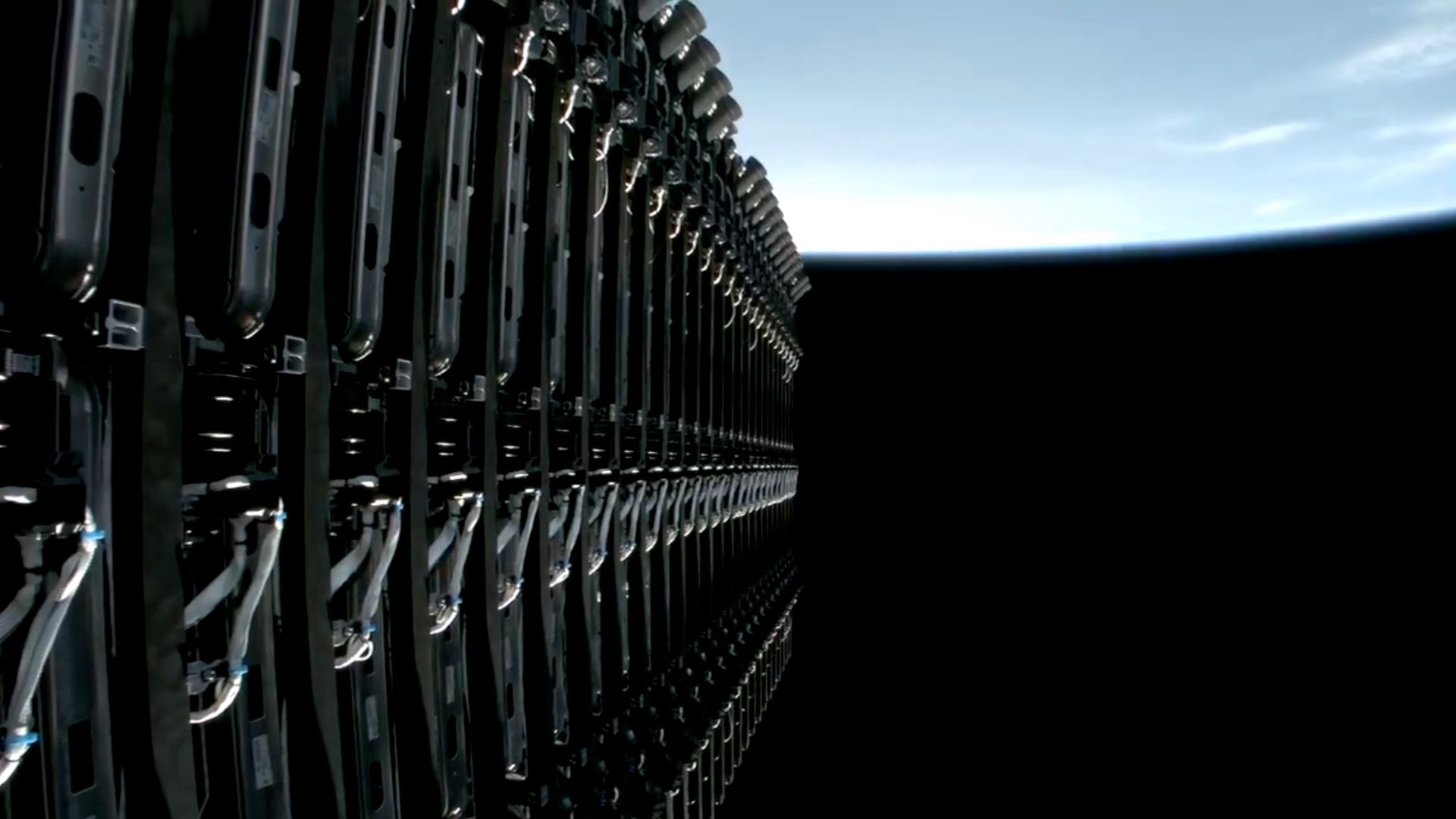
Brendan Larsen spent hours taking hundreds of photographs of the sky over a mountain in New Zealand A photograph showing thousands of satellites cross-hatching the night sky over New Zealand appeared so extraordinary the astrophotographer who captured it is fighting accusations it was created by AI. To create his spectacular image – now viewed millions of times online – Brendan Larsen spent two hours in September snapping hundreds of photographs of the night sky over Mount Taranaki in the North Island. Continue reading...

The Guardian · Nov 4
How humans influence fish behavior and why this is important for species conservation

Two recent review articles in the journals Trends in Ecology & Evolution and Fish and Fisheries, to which researchers from the Leibniz Institute of Freshwater Ecology and Inland Fisheries (IGB) contributed, focus on the influence of humans on the diversity of fish behavior and on how management can help preserve this diversity.

Phys.org · Nov 3
Oil-producing yeast reveals two stages of fat accumulation under nitrogen limitation

A research team led by professors Xu Guowang and Liu Xinyu from the Dalian Institute of Chemical Physics (DICP) of the Chinese Academy of Sciences (CAS), in collaboration with researchers from Dalian University of Technology, has developed a high-coverage lipidomics workflow and integrated it with transcriptomics to investigate lipid accumulation and compositional changes in Rhodosporidium toruloides under nitrogen limitation. The study was recently published in Food Chemistry.

Phys.org · Nov 3
Scientists identify two overlooked skills that predict reading success

A massive new study reveals that intelligence plays a surprisingly limited role in children's reading success, while visual processing showed no meaningful connection at all. Instead, the strongest predictors are sound recognition, vocabulary, and background knowledge, offering new clues about how to help struggling readers.

Science Daily · Nov 3
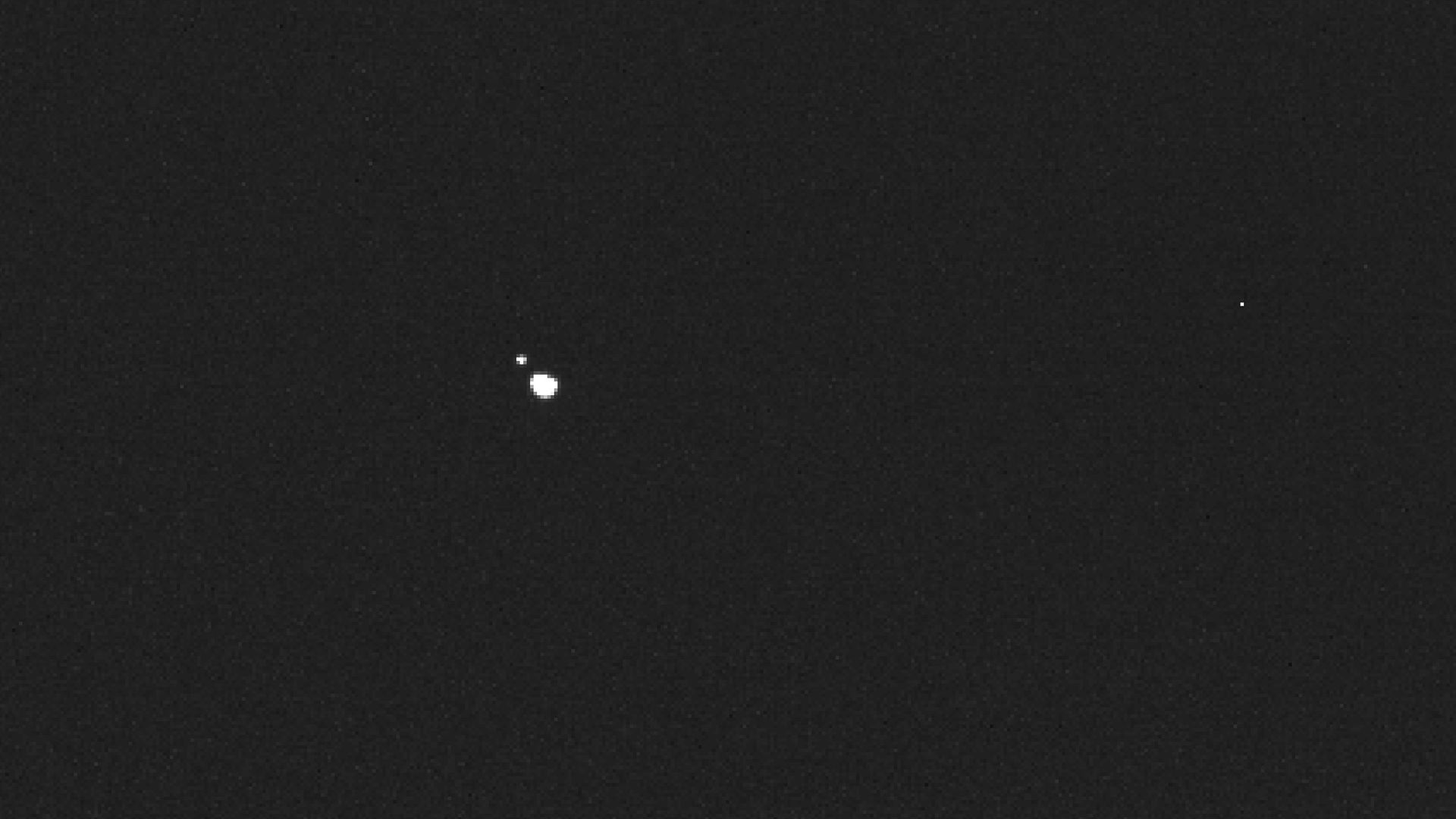
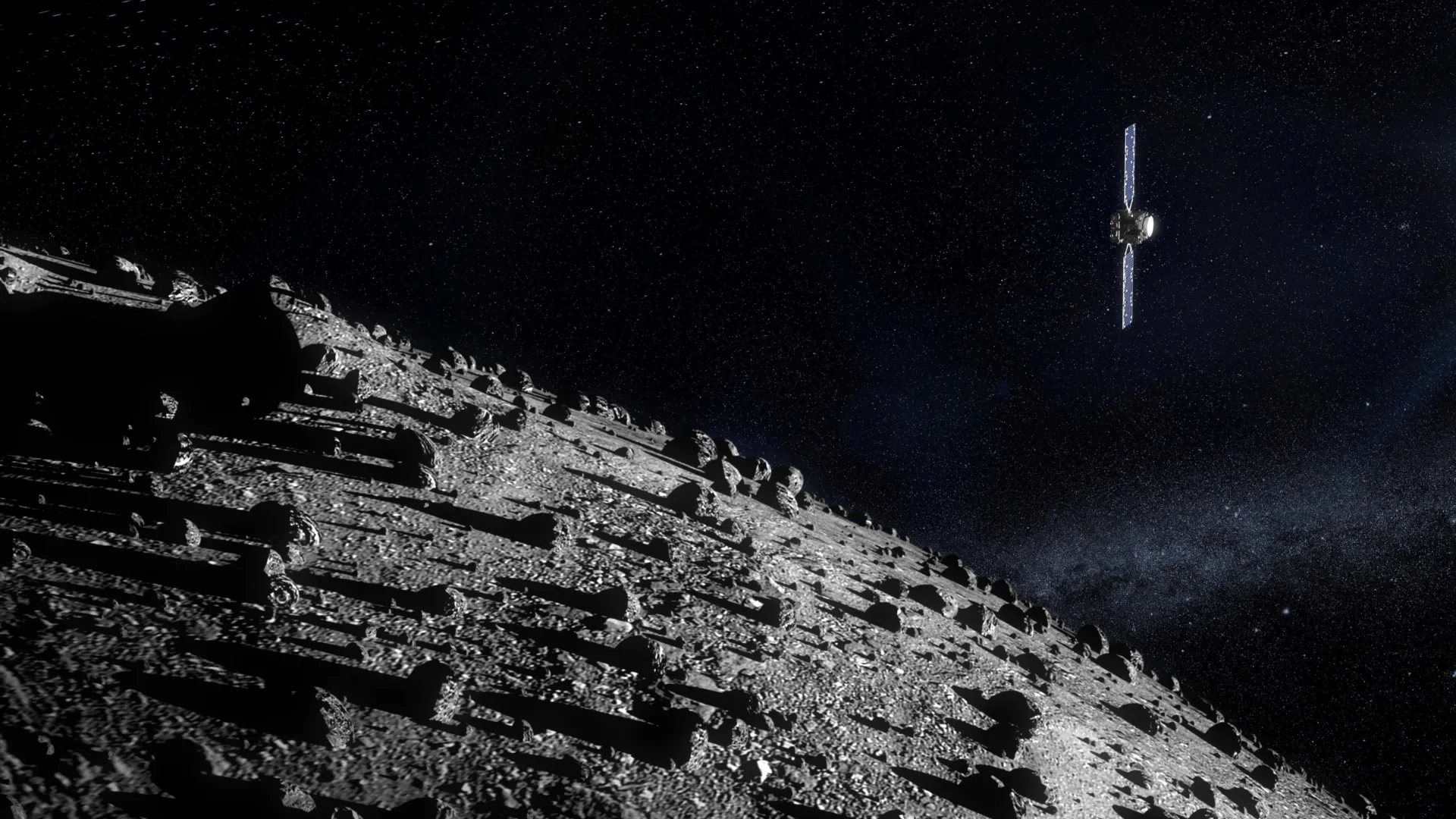
NASA smashed into an asteroid. Now Hera is closing in to see what happened

Europe’s Hera spacecraft has captured its first clear view of two asteroids involved in NASA’s historic 2022 experiment to redirect a potentially dangerous space rock. Now approaching the pair, Hera will investigate the mysterious aftermath of the collision and uncover why the asteroid shifted far more than scientists predicted.

Science Daily · Nov 3
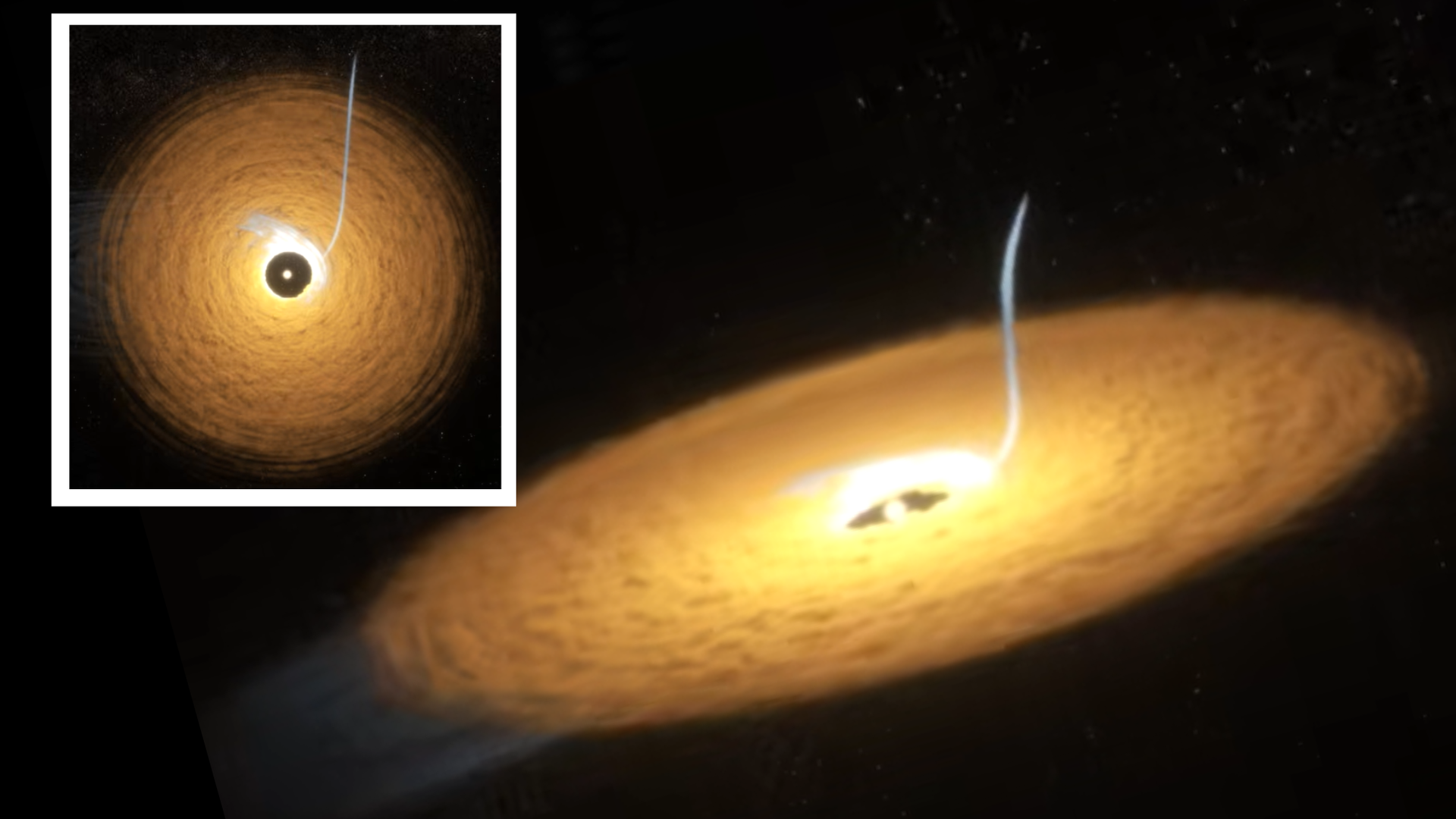
Scientists just found a loophole that could let black holes split in two

Scientists have discovered a possible loophole in the laws that normally prevent black holes from splitting apart, suggesting that extremely fast-spinning black holes might divide into two. The surprising finding raises the possibility of an entirely new black hole phenomenon that future telescopes could potentially detect.

Science Daily · Nov 3
Telltale furrows: What the Baltic Sea seafloor reveals about bottom trawling

To what extent does bottom trawling impact the seafloor of the Baltic Sea—and how quickly does it recover? Two new studies from the Leibniz Institute for Baltic Sea Research Warnemünde (IOW) show that the marks on the seafloor provide a much clearer picture of the actual impact than vessel position data alone. Using high-resolution echo sounder measurements and AI, the researchers reveal previously insufficiently recorded impacts and also document surprisingly rapid changes of the seafloor condition. Furthermore, they found strong indications of fishing violations in a marine protected area. The study results were published in the journals Ecological Informatics and Anthropocene.

Phys.org · Nov 2
How competing reproductive needs shaped the evolution of liverworts

Liverworts reproduce through a life cycle involving two distinct stages. First, sperm fertilize eggs in the presence of water, producing embryos that develop into spore-producing structures called sporophytes. These structures then produce spores that can disperse and grow into new liverwort plants.

Phys.org · Nov 2
Reservoir, human activity impact Ravi River's surface water availability by fivefold

What does a healthy river look like? For most of us, an obvious answer would involve two aspects: water flowing through a channel and green vegetation along its banks. However, in reality, a river's health depends on several factors, such as how much water flows through it, how water moves through the landscape, how that flow changes with the seasons, how sediment moves downstream, how often it spills into its floodplain and how these processes change with the seasons.

Phys.org · Nov 2
‘It’s really, really unusual’: tender bond between male donkey and bull baffles scientists

Patroclo and Achille’s interspecies affair sheds new light on social and sexual relations between animals, scientists say In ancient myth, Achilles and Patroclus were two Greek heroes of the Trojan war whose intense bond was believed by some to have turned into a sexual relationship. In modern science, they are a bull, Achille, and a donkey, Patroclo, whose tender interspecies affair has helped to shed new light on social and sexual interactions between animals. Continue reading...

The Guardian · Nov 2
Chinese software that produces ready-to-publish research papers in under two hours threatens peer-review system

Scientific papers are a researcher's most valuable currency, and a paper published in a respected journal can represent several years of work. After noting a surge in citations of her work, statistician Andrea Riebler discovered a vendor in China selling a tool that enables rapid paper mining of public health data. The new software allows anyone to produce ready-to-publish research papers in under two hours.

Phys.org · Nov 2
A job that changed me: I ran observatory tours as a student. An eight-year-old’s question taught me two important lessons

I thought the explanation I’d given about black holes was family-friendly; but after what she had said, I had to rethink my examples Read more in the a job that changed me series In the first year of my science degree, I was fortunate to land a job as an astronomy guide at the Sydney Observatory. In my role, I would lead tour groups of about 20 people. We’d look at stars and planets through telescopes. If the skies were filled from horizon to horizon with clouds, we’d explore more of the universe through a 3D theatre. And to peer beyond what our telescopes could see, we’d pile inside the cosy planetarium, seeing what the light pollution of Sydney and clouds would often obstruct from our view. My favourite object to show in the planetarium was the Hubble Ultra Deep Field image. Before revealing the image, I’d explain how the Hubble space telescope had stared at a piece of sky the size of a grain of sand held at arm’s length for 11 days, collecting enough light to look into the farthest corners of the universe. Then I’d zoom in on that tiny piece of sky, revealing the gorgeous image. At least one person would audibly gasp at the reveal. Continue reading...

The Guardian · Nov 2
As cancer treatments become more effective, we must ask: what is life like for the people who receive them? | Ranjana Srivastava

Many treatments are now extending lives, but the measure of progress should not end with a scan or a survival curve Two decades ago, a dear friend called me in a trembling voice. Was there hope for his young nephew , whose cancer had spread to the brain? Sadly, “no”, I said. But today, for such patients, there are options that were unimaginable back then. Recently, researchers at the European Society For Medical Oncology presented the latest chapter results from a randomised controlled trial of a bespoke cancer vaccine for patients with high-risk melanoma. The trial involved 1,137 patients whose melanoma had been surgically removed but remained at high recurrence risk. They received either pembrolizumab, an established immunotherapy, or pembrolizumab combined with an experimental mRNA vaccine, designed to help the immune system recognise and attack targets unique to the patient’s tumour. Continue reading...

The Guardian · Nov 2
Scientists discover a surprising brain benefit of eating peanuts every day

A surprising new study suggests that eating peanuts every day could help support brain health and memory in older adults. Researchers found that consuming about two servings of unsalted, skin-roasted peanuts daily for 16 weeks improved insulin responsiveness in brain regions important for memory, a function that often weakens with age and has been linked to Alzheimer's disease.

Science Daily · Nov 1
Four superconducting cables link two large quantum processors into one

As quantum computers grow more ambitious, many researchers believe the best way forward is to build them in multiple interconnected parts. In these modular designs, separate quantum processors are linked so they can work together as one larger machine. For this to happen, however, connections must carry fragile quantum information without destroying it.

Phys.org · Oct 31
Scientists finally discover how a common gut bacterium can trigger colon cancer

Scientists at Johns Hopkins have uncovered a crucial missing link between a common gut bacterium and colorectal cancer, solving a mystery that has puzzled researchers for nearly two decades. The bacterium, Bacteroides fragilis, produces a toxin that damages the colon’s protective lining, triggers chronic inflammation, and promotes tumor formation.

Science Daily · Oct 31
Scientists discover metals that defy the deep freeze at -424°F

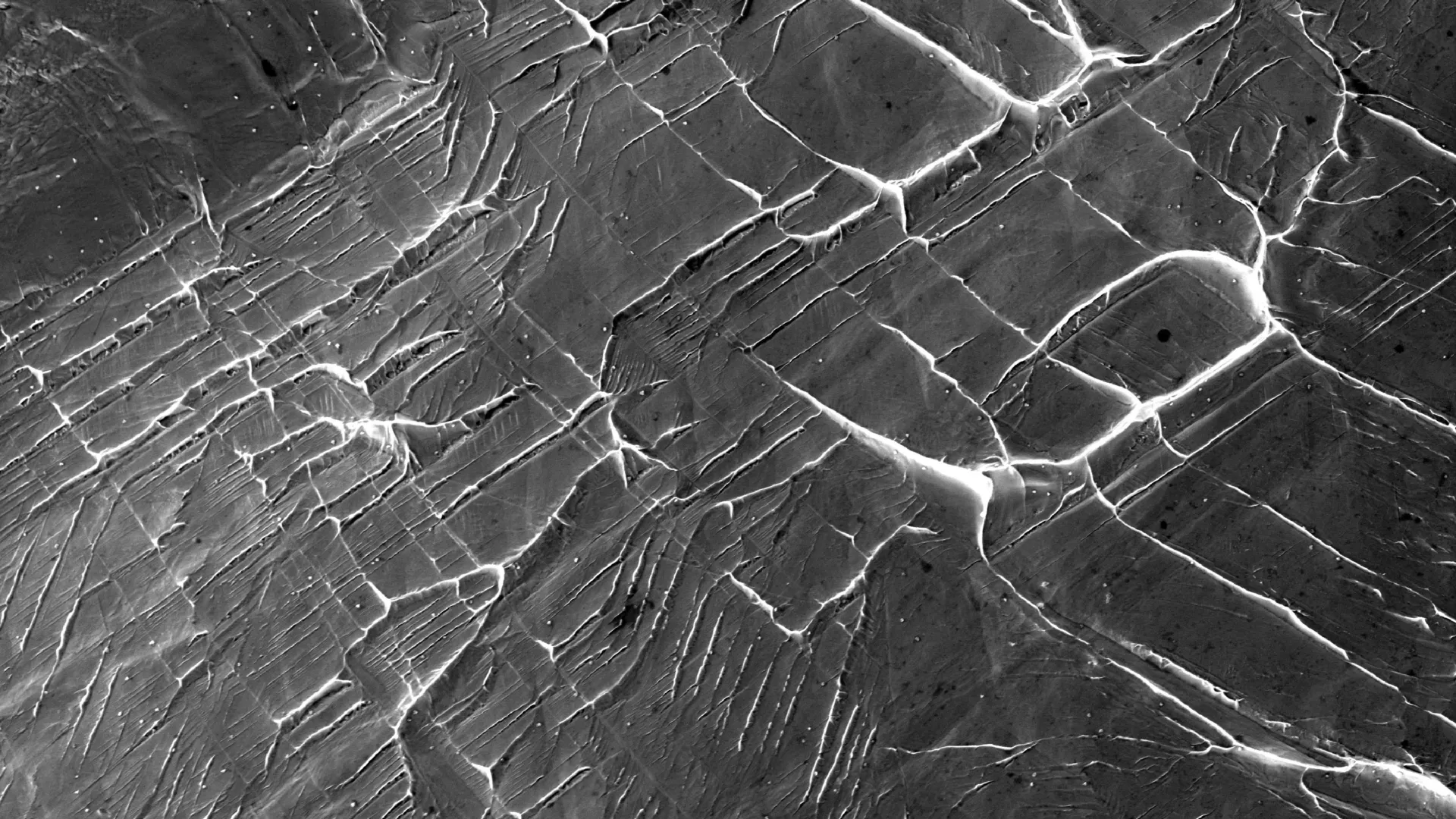
Scientists have discovered a surprising mechanism that allows certain metals to resist cracking at temperatures as low as -253°C (-424°F), when similar materials typically become dangerously brittle. Instead of breaking, two experimental alloys reorganize their internal structures, creating new ways to absorb stress and remain flexible.

Science Daily · Oct 31