Artist creates world's biggest soil painting
Phil Lambert used four types of soil, including some collected from his mother, to create his work.
BBC News · 52m ago

Phil Lambert used four types of soil, including some collected from his mother, to create his work.
World leaders meeting at the annual U.N. climate summit in November 2026 are wrestling with a persistent challenge: how to get countries to follow through on their commitments to reduce greenhouse gas emissions that are warming the planet.
The head of Germany's Isar Aerospace voiced hope Tuesday that the company could one day overtake Elon Musk's SpaceX to become the world's premier space launch company.
Genetic research has uncovered two previously unknown species of howler monkey living in the Amazon rainforest, confirming the world's largest tropical forest is more biodiverse than scientists thought.
Artificial intelligence is reshaping research, economies, and everyday life at a remarkable speed. In this interview accompanying the new AI100 report, Iyad Rahwan reflects on the rise of generative AI, the growing concentration of AI power, and the challenges facing societies worldwide. He also explains why Europe must seize this "Sputnik moment" and why he remains optimistic about AI's potential to accelerate scientific discovery.
When people talk about the world's deadliest animal, many think of sharks, alligators or lions. But in reality, it is a small, unassuming—yet all the more annoying—insect: the mosquito. Worldwide, more than 700,000 people die each year from diseases transmitted by mosquito bites. The shark, by contrast, is responsible for only 10 human deaths per year.
Physicists at the ALPS II collaboration have reported the first results from the Any-Light-Particle-Search (ALPS) II experiment: the most sensitive instrument of its kind in the search for hypothetical "axions." Headed by Axel Lindner at the DESY Research Centre in Germany, the collaboration found no evidence for axions in this initial campaign, but its results offer valuable guidance for future runs: tightening the search for one of the most promising candidates for dark matter.
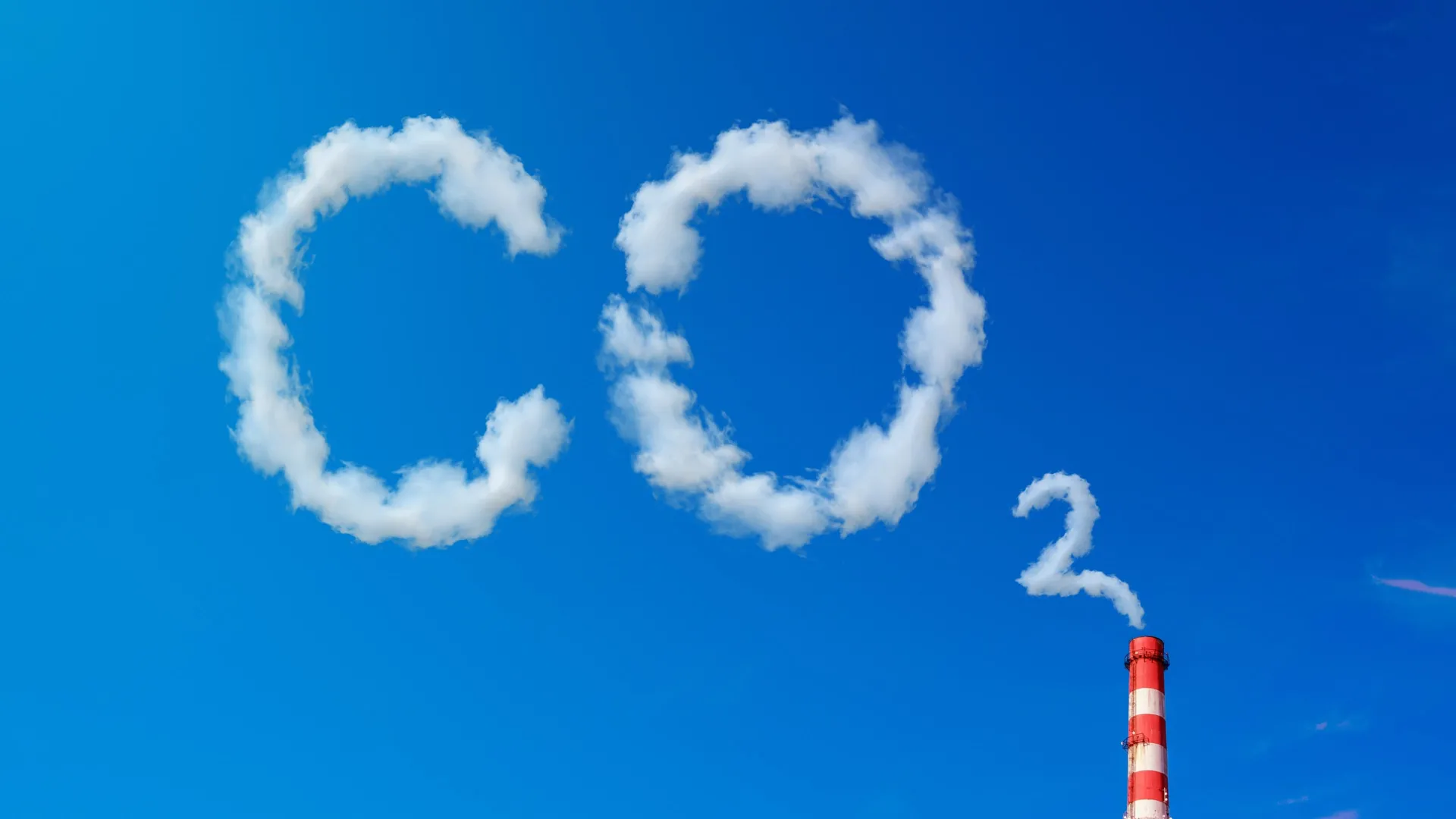
Global carbon pollution dropped this year ever so slightly, but it's more because of oil shocks reverberating from the Iran war than anything the world has done to fight climate change, scientists said in a new study.
Global fossil fuel emissions are projected to fall in 2026 as renewable energy and electric vehicles gain ground, but rising emissions from deforestation threaten to push total CO2 emissions to a new record. Scientists warn that the world's remaining carbon budget for limiting warming to 1.5°C could be exhausted in less than four years, even as a lasting decline in emissions appears increasingly within reach.
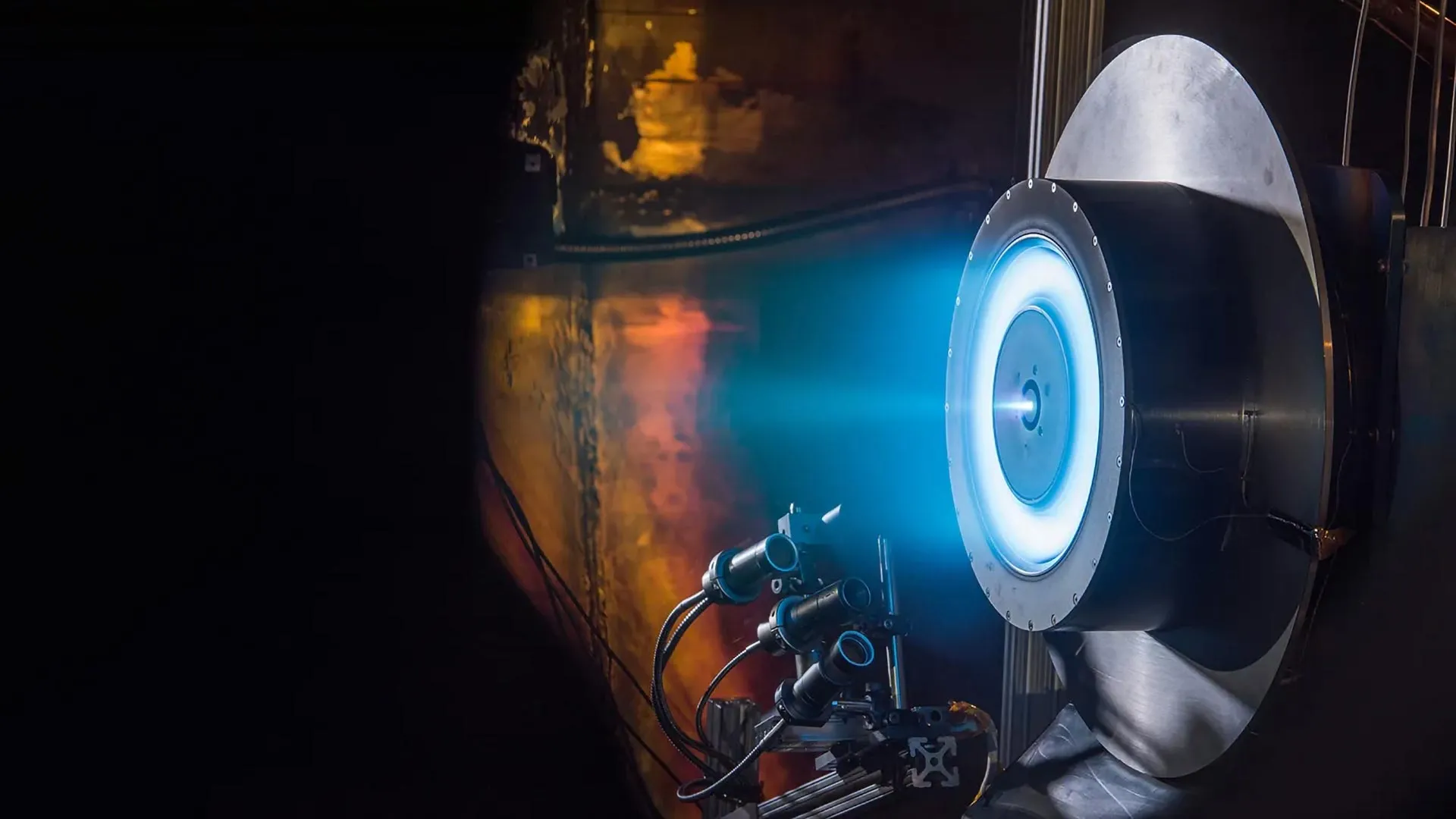
NASA is putting $500,000 on the line in a new competition to accelerate the development of advanced electric rocket engines for satellites and future space exploration. The AMPERE Challenge will reward up to two U.S. companies with cash prizes and access to NASA testing facilities to help bring promising propulsion technology closer to real-world missions.
Popular media, from computer games to movies, often portray medieval life as being dominated by fighters and farmers. In these depictions, there's little evidence of a world beyond political struggle and simple subsistence.
A hopeful story for the world's largest, critically endangered sea turtle may be playing out along the sandy beaches of Ecuador.
Tropical farmers are often expected to choose between high crop yields and protecting wildlife. However, an international team of researchers led by the University of Vienna, in collaboration with the universities of Göttingen and Würzburg in Germany and Bioversity International in Peru, shows that biodiversity conservation reinforces cacao production in agroforests via associated ecosystem services, such as natural pest control. The new study, published in Communications Earth & Environment, provides important evidence for sustainable farm and landscape management in one of the world's most biodiverse regions.
Regions worldwide may have already experienced around 90%–94% of the warming expected when the global average reaches 1.5°C above preindustrial levels, and 65%–76% of that expected at 2°C of warming. The findings, published in Nature Climate Change, suggest that regional warming in 2025 was statistically indistinguishable from the levels expected in a 1.5°C warmer world, underlining the immediate need for adaptation across all regions.
An exceptionally well-preserved, approximately 47-million-year-old owl fossil from the UNESCO World Heritage Site Messel provides new clues as to when owls became nocturnal. The newly described species Masillastrix blattophaga was likely still diurnal—as indicated by an iridescent cockroach in its stomach, as well as the structure of its feathers and wing bones. In their new study, published in the journal Current Biology, the Senckenberg researchers speculate that nocturnal behavior in owls only developed between the middle and late Eocene, some 47 to 34 million years ago.
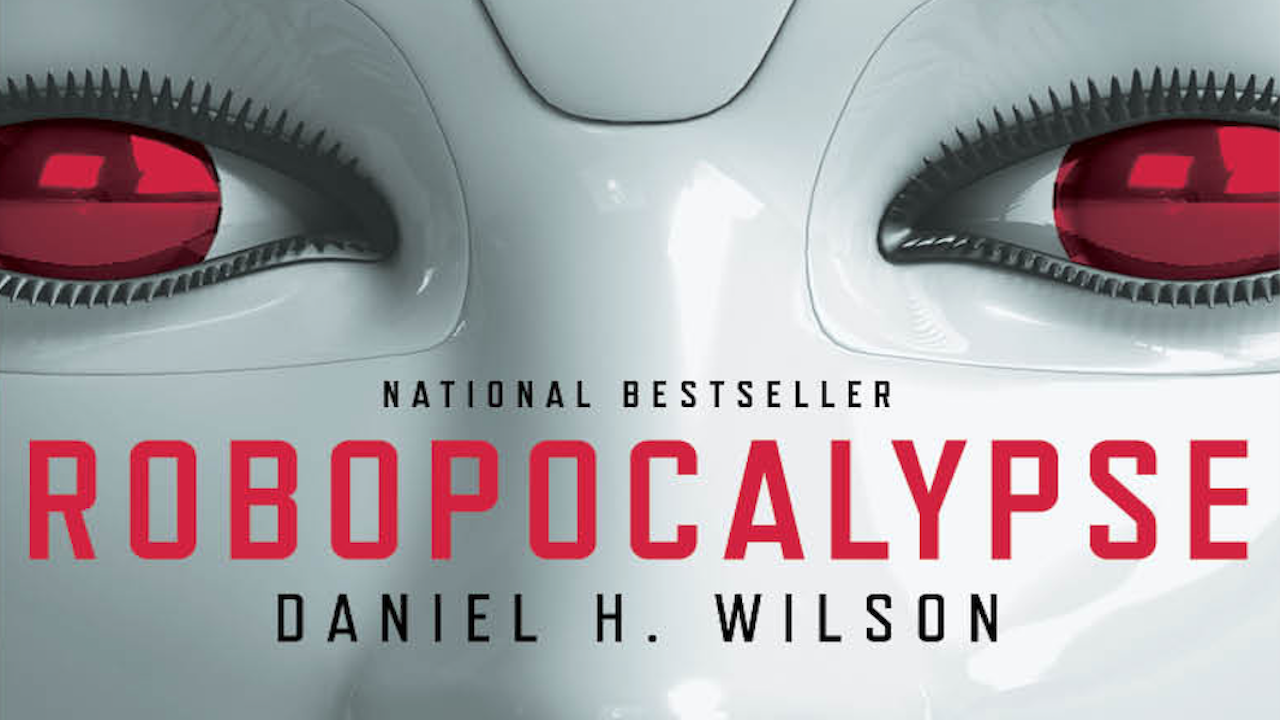
Well, this should be a nice distraction from the real AI apocalypse.
The year 2026 continues the protracted streak of exceptional global temperatures, melting ice and rising sea levels, with a very strong El Niño event set to unleash even more heat and extreme weather well into 2027, according to a new report from the World Meteorological Organization (WMO). It highlights the knock-on risks to the environment, economy and everyday life.
Satellite technology can increasingly track vessels across the world's oceans and has the ability to detect industrial fishing inside marine protected areas (MPAs). But new research has suggested that regulations governing these often vulnerable parts of our planet could be preventing global authorities from turning satellite detection into effective enforcement.
The answer to today’s Kangaroo puzzle Earlier today I set you the following problem from the international maths Kangaroo, a multiple choice challenge taken by more than seven million children every year. (For more details about this extraordinary event see the original story .) Here is is again with the solution. 2 3 4 5 6 Continue reading...
The first trailer for Other World: A Stranger Things Adventure doesn't show much, but there are enough clues for fans to figure out what it's about here.
Geologists have uncovered new evidence that dramatic sea-level changes carved giant underwater canyons in South Australia's Flinders Ranges hundreds of millions of years ago, helping to create conditions that preserved some of the earliest complex life on Earth. The findings, led by Adelaide University, shed new light on the environmental changes that accompanied the rise of the mysterious Ediacaran biota.
The COP31 climate talks kicked off Monday with an early fight over money as the U.N.'s chief urged world leaders to "get serious" about tackling the crisis after a year of devastating weather extremes.
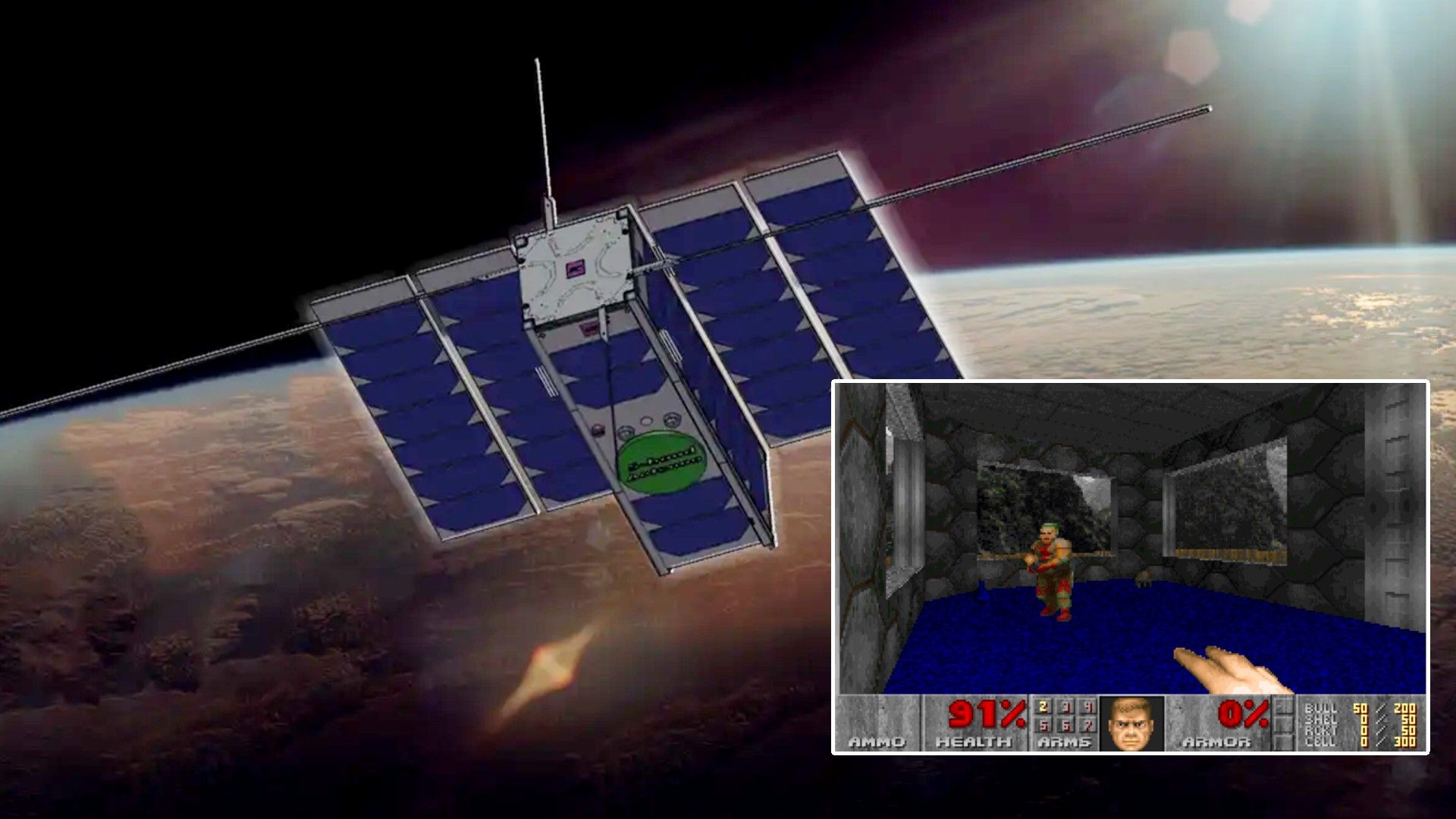
The world's first voice command of a satellite saw an experimental European spacecraft play the iconic video game 'Doom' after operators spoke to it from Earth.
On the outskirts of India's capital, a short motorbike ride through the urban area with the world's worst air pollution leaves salesman Kanwar Singh coated in toxic dust.
This Kangaroo is jumping! There is nothing in education quite like the Kangaroo. A multiple-choice maths challenge sat by more than seven million children in around 120 countries, from Afghanistan to Zimbabwe, it is arguably the world’s most widely-taken primary and secondary school test. Today’s puzzle is taken from the 2024 Kangaroo. But before we get there, some background. 2 3 4 5 6 Continue reading...
A huge coral colony stretching more than 1.5 kilometers (0.93 miles) along the outer reef of the Cocos (Keeling) Islands has been identified by researchers, making it one of the largest known coral colonies ever recorded.
There are at least 14 million insect species on Earth, and they play highly diverse roles in sustaining the natural world. Insects provide many well-known benefits—what scientists often call "ecosystem services." For example, you can thank a bee or a hoverfly for pollinating wildflowers and agricultural crops, or credit dung beetles for decomposing manure and other waste materials.
A double subduction zone off the coast of Japan caused rifting halfway around the world to accelerate, fueling the formation of some of North America's most iconic features.
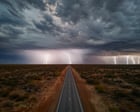
Humans have always been awed by the power and beauty of lightning. How does the experience and understanding of it change in a warming world? In a rock shelter in Kakadu national park in the north of Australia is an image of a being the Bininj people call Namarrkon . His flesh bleached away to reveal the bones beneath, he wears stone axes on his head, elbows and knees, and wields a great band of lightning that runs from his ankles up, over his head. Namarrkon’s journey from the Arafura Sea to the Arnhem Land escarpment helped shape the landscape, according to the dreamtime stories of the Bininj. And in the great storms that arc and rumble across the landscape during the buildup and the wet season, it is Namarrkon who splits the clouds with his stone axes to create the thunder and lightning and release the life-giving rain. Continue reading...
Microplastics have been found in our bodies and the food we eat—and even in remote environments around the world, including seawater and ice in the Arctic. Despite their prevalence, little is known about how they move through the atmosphere. New CIRES-led research, which demonstrates a new method for sampling microplastics in the atmosphere using an uncrewed aerial system (UAS), aims to change that. The findings are published in the journal Scientific Reports.
Where oceanic crust subducts beneath continental crust, belts of volcanoes known as continental arcs can form. Located around the world, these arcs may undergo episodic magma flare-ups—dramatic surges in the flow of magma into the continental crust at rates up to 20 times higher than normal. However, what triggers these extreme surges, which last tens of millions of years, can be unclear.
Researchers at the Francis Crick Institute have identified a specialized lipid barrier in the fruit fly pupa that protects against dehydration in dry and hot environments. Their findings also expose the lipid barrier's limit, suggesting that insects in some regions of the world may struggle to adapt to climate change.
We live in a noisy world. Whether it is the roar of traffic, the rumble of ships or the hum of heavy industry, there is often no escaping noise unless you are a hermit on a desert island.
Human activities are causing the world to heat up, posing serious threats to people and nature.
The broad-headed snake (Hoplocephalus bungaroides), one of Australia's most endangered snakes, has been given a lifeline, with at least four of six captive-bred juveniles surviving the critical first few months after their release into the wild.
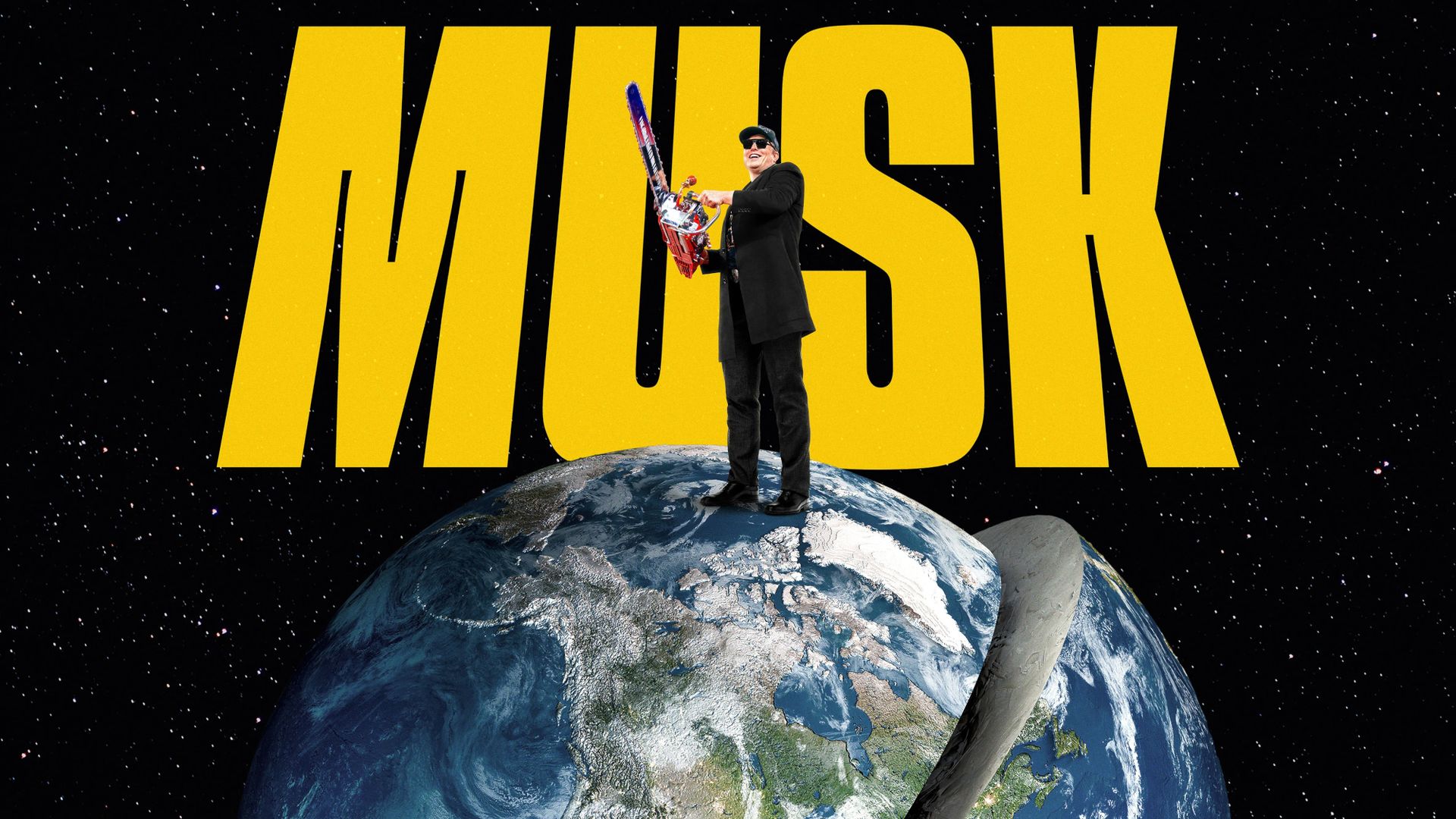
How to watch "Musk", the new documentary about the World's richest man and CEO of X, SpaceX and Tesla. Cheapest options, where to watch in US, UK, Canada, Australia and beyond.
The world is on track for 2026 to be the second-hottest year on record as an exceptionally strong El Niño weather pattern turbocharges human-driven global warming, the EU's climate monitor said Friday.
High losses of honeybee colonies, which play a crucial role in global food production, have caused concern around the world. Many potential factors for the population declines have been cited, but a potentially significant threat to pollinator health—environmental antibiotic pollution from agricultural sources—has been largely overlooked, according to a new article published in the Journal of the American Veterinary Medical Association.
The Environment Agency says it has issued the operator with a series of actions after an inspection.
When did you last blink? Every few seconds, we briefly close our eyes, interrupting our view of the world. Most of the time, we do not notice. What is more, these brief interruptions hardly seem to interfere with our everyday activities.
On a desolate island at the end of the world, battered by freezing winds, archaeologists have uncovered the remains of a possible 19th-century castaway camp that may have belonged to a renowned Argentine sailor and his shipwrecked crew.
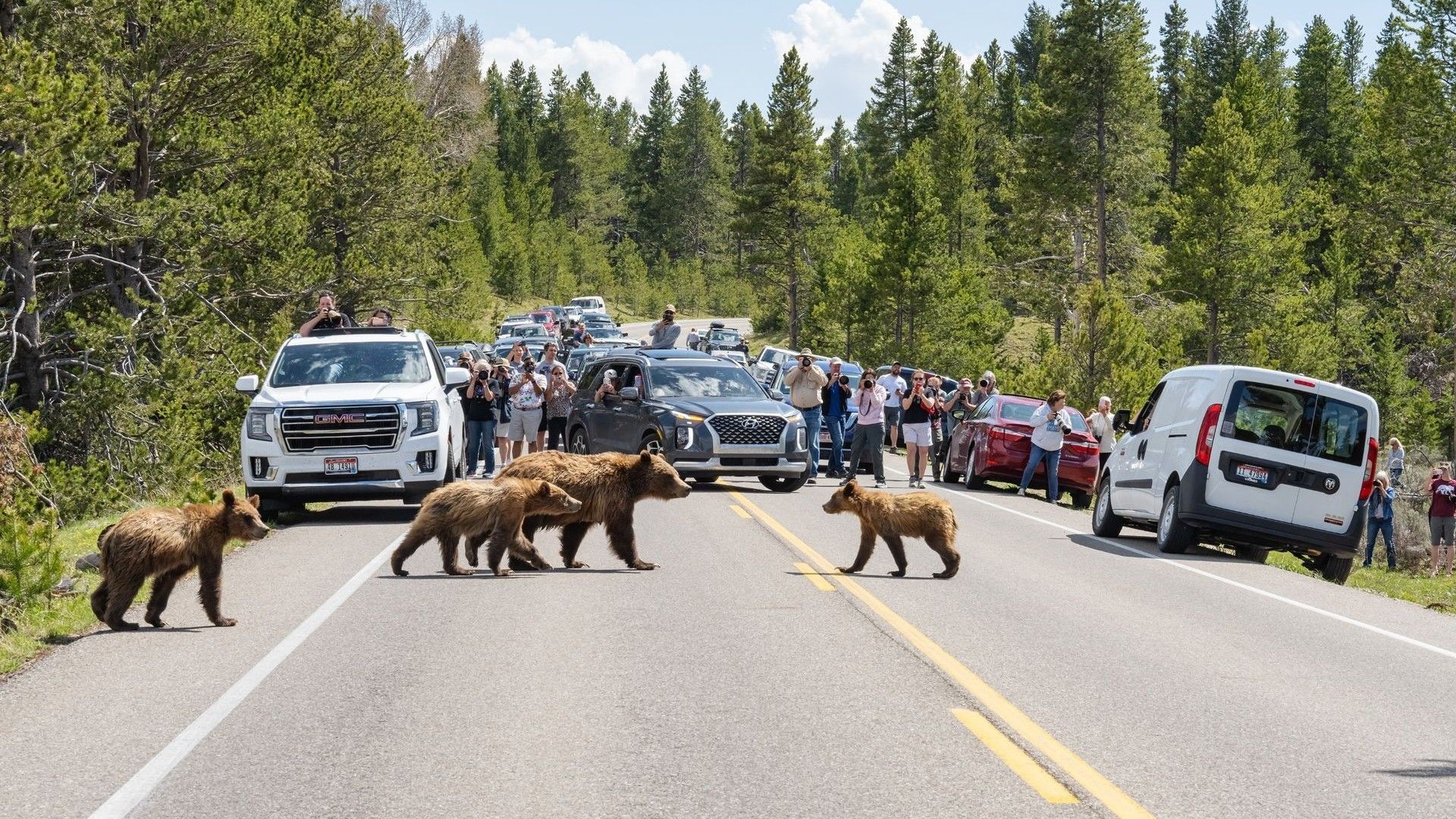
Scientists in the U.S. and Canada are decoding grizzly bears' behavior to learn how they navigate a human-dominated world. What they find could build a safer future for both species.
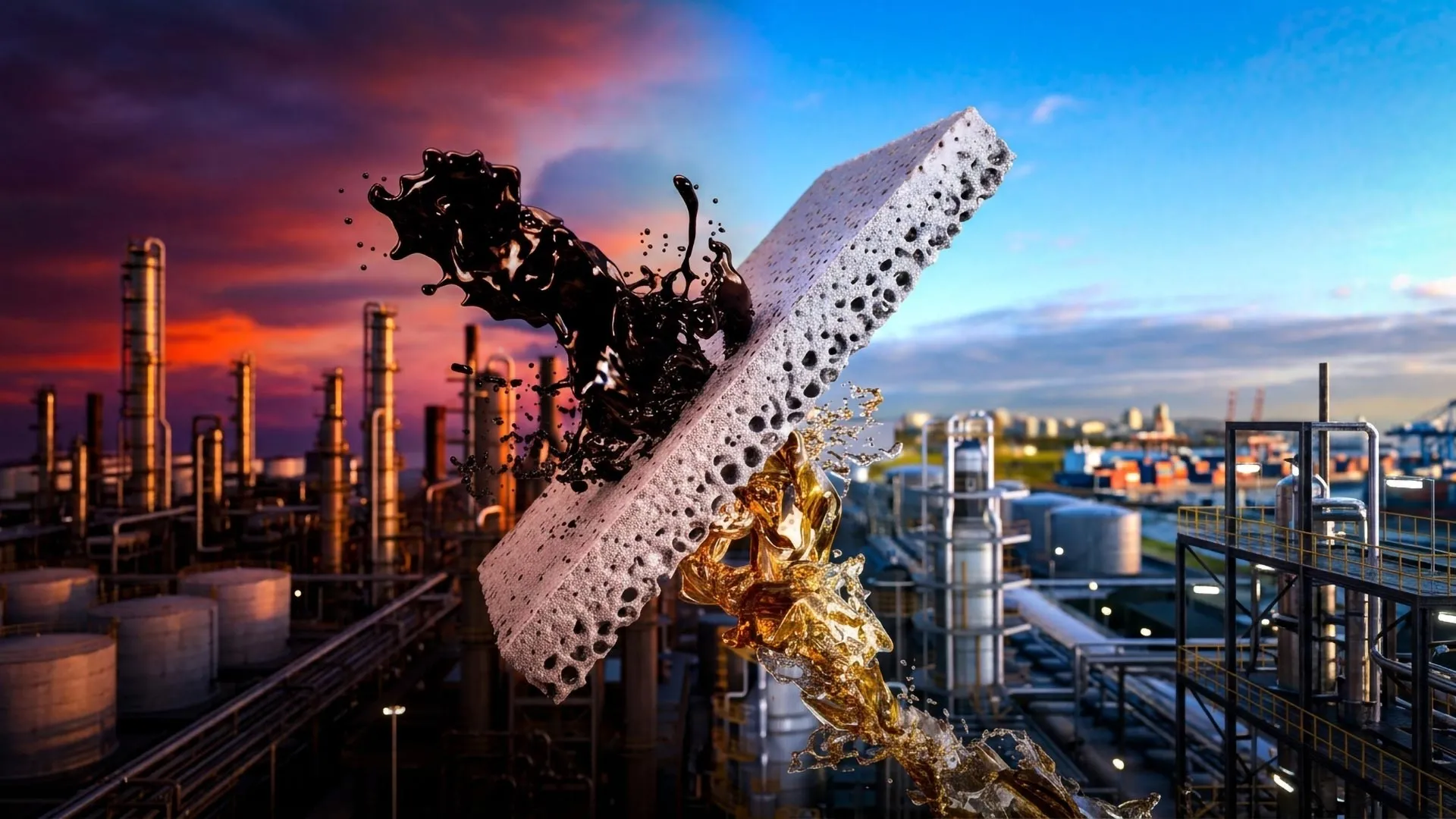
Scientists have developed a remarkable new membrane that separates crude oil at room temperature, using the oil itself to create microscopic filtration channels. The breakthrough could cut refining energy consumption by nearly 32%, carbon emissions by almost 38%, and operating costs by 36%, potentially transforming one of the world's most energy-intensive industries.
Three new peer-reviewed publications help to fill critical gaps in knowledge about Central America's freshwater ecosystems, which support extraordinary biodiversity but remain among the least-studied ecosystems in the world.
If you partitioned the entire Earth, from just below the surface to the top of the atmosphere, into 1-kilometer-square chunks, there would be billions of them. Now run each of those cells through a series of complex physics equations, and you can see how the entire Earth system interacts and evolves in detail, one step at a time.
University of Sydney researchers have made a breakthrough by directly observing hydrogen in the tiny spaces between the atoms in metal alloys. The world-first observation of hydrogen dissolving in these 'metal crystal lattices' offers fresh insights into why hydrogen can weaken metals and how more hydrogen-resistant materials might be developed.
Rockefeller scientists have created the most comprehensive map to date of how essential genes interact in Mycobacterium tuberculosis (Mtb), the bacterium responsible for tuberculosis (TB). The unprecedented map reveals thousands of previously unknown genetic relationships, offering a new window into the inner workings of one of the world's deadliest pathogens.