
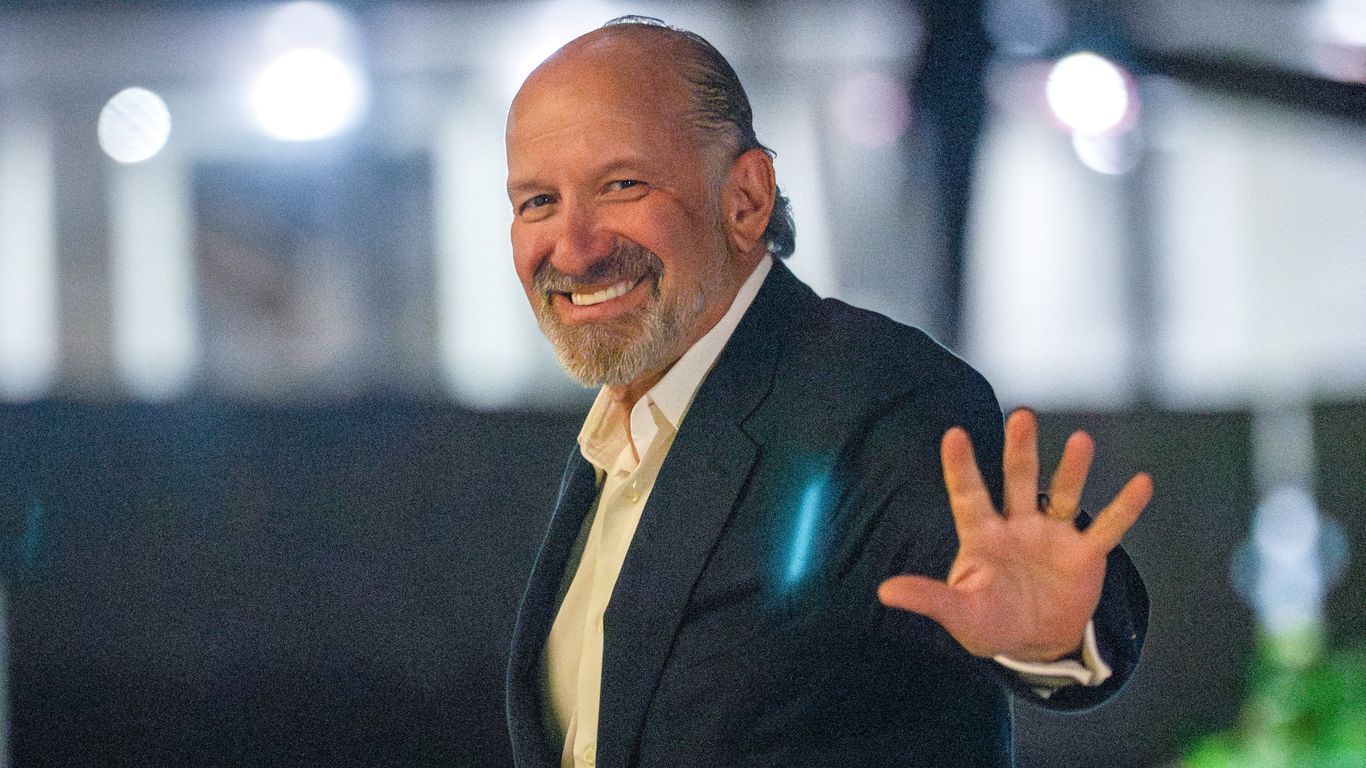
President Trump on Thursday authorized a crack down on companies suspected of diverting Nvidia's advanced AI chips to China for the third time this year — even consulting Elon Musk before giving the go-ahead. One administration official has repeatedly stood in the way: Commerce Secretary Howard Lutnick. Why it matters: This standoff illustrates a breakdown in efforts to keep American technology out of China's hands as the world wonders why the Trump administration has not taken action against the company at the center of suspected chip smuggling — and an espionage scandal. This report was assembled from interviews with six high-level sources who were briefed on or, in some cases, heard the discussions. Inside the room: On Thursday, as the spy scandal rocked the administration, Lutnick met in the Situation Room with Treasury Secretary Scott Bessent, Defense Secretary Pete Hegseth, U.S. Trade Representative Jamieson Greer and National Security Adviser and Secretary of State Marco Rubio. During the meeting, Bessent confronted Lutnick about why his department has resisted implementing the export controls, particularly on Megaspeed, the company at the center of the spy scandal. The group sided with Bessent. Lutnick appeared to agree, but then muttered under his breath, "I need to check with the president." Friction point: Lutnick's seemingly innocuous comment raised concerns, the sources said, because officials have repeatedly believed the Commerce Department would impose the export controls, only to have nothing happen. "He's stalling it out," said one official, describing how Lutnick had previously met privately with the president to change his mind about the export limit. "This is an ongoing concern with Howard and this issue," said another. This time , one person in the room called his bluff by saying: "Great. Why don't we do it today?" Around 5pm, the group headed to the Oval Office. Trump called tech advisor Elon Musk and agreed to move forward. Musk supported Rubi
Results for “bessent”
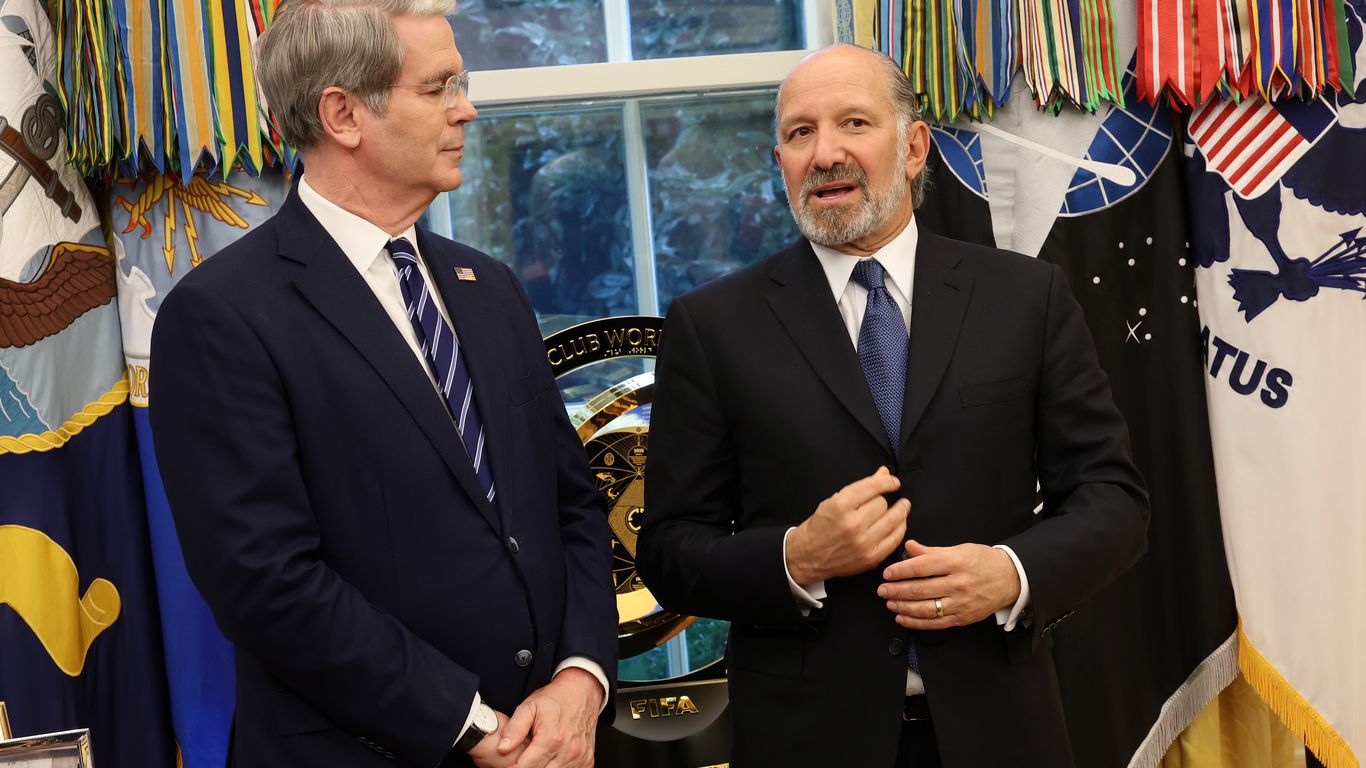
Treasury Secretary Scott Bessent confronted Commerce Secretary Howard Lutnick over a failure to place Nvidia customer Megaspeed on a list of companies that pose national security concerns, sources familiar told Axios. Why it matters: The Commerce Department oversees the export of sensitive U.S. technologies and Lutnick's actions — or lack thereof — are increasingly under scrutiny following revelations that Nvidia CEO Jensen Huan g had an affair with Megaspeed employee and suspected Chinese spy Alice Huang. Driving the news: At a White House Situation Room meeting on Thursday after the midterm elections, Bessent pressed Lutnick on why Megaspeed was had not been added to the Commerce Department's entity list, to which Lutnick responded he would "look into it." Commerce Undersecretary Jeff Kessler also was repeatedly warned about Megaspeed in deputy meetings. But sources told Axios that Lutnick has spent the last year "undoing" efforts by other administration officials to hold Megaspeed — a company accused of illegally diverting U.S. chips to China — accountable because of concerns it would escalate the trade war with China. Catch up quick: The Commerce Department is increasingly at the center of scrutiny over the broader Trump administration's handling of an intelligence memo overseen by State Department head Marco Rubio. Lutnick was among the officials who received the report in May, ahead of a trip to China, Axios first reported. On Tuesday, the New York Times reported Commerce Undersecretary Kessler abruptly stopped an investigation into Megaspeed after Nvidia intervened. The Financial Times reported the department was delaying efforts to blacklist Megaspeed despite several U.S. government agencies pushing it to do so. Inside the room: White House and intelligence officials have pressed Lutnick and his top advisers to take action against Megaspeed since the fall of 2025, sources tell Axios. But they refused, so Bessent spoke up Thursday. "How come Megaspeed isn't o

Get all the stories you need-to-know from the most powerful name in news delivered first thing every morning to your inbox.
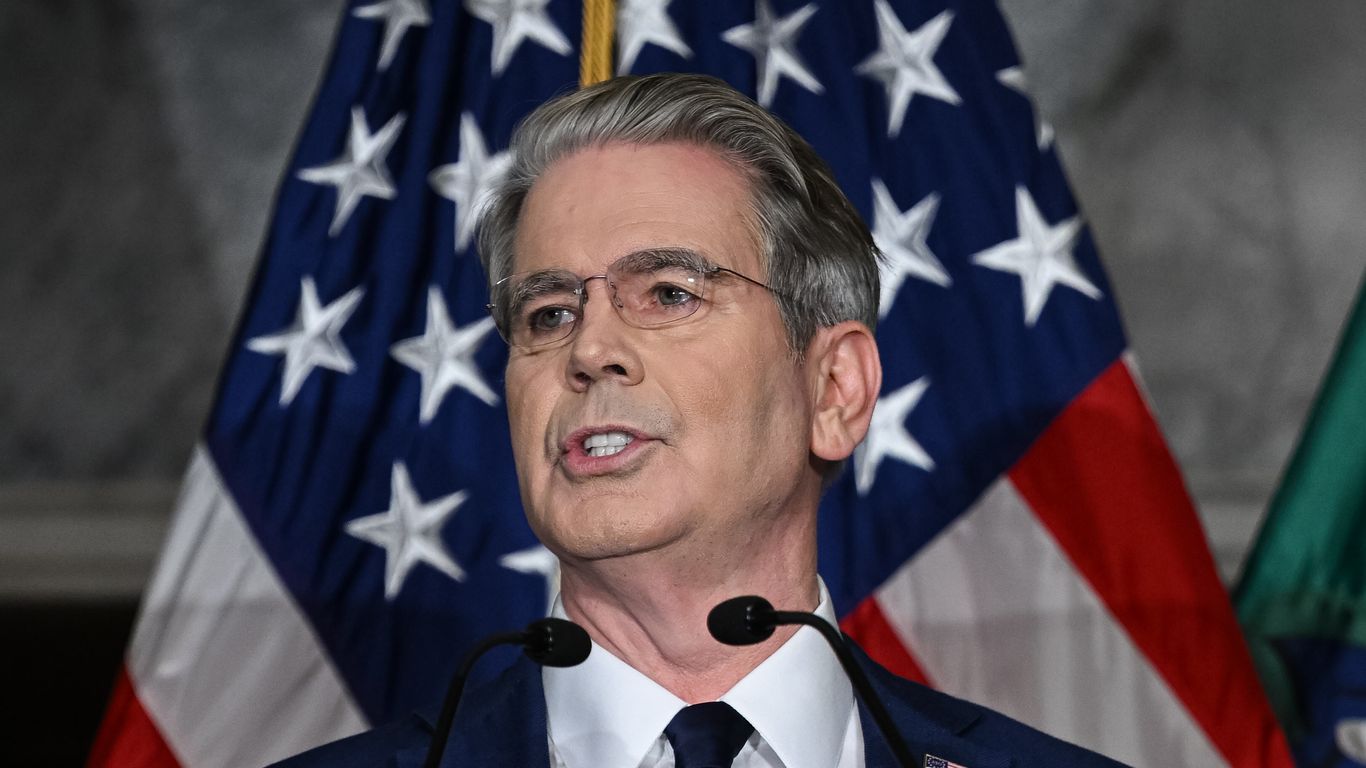
The U.S. naval blockade, sweeping economic sanctions and obstruction of overland export routes have crippled Iran's economy and intensified pressure on the regime, according to a new Treasury Department report obtained by Axios. Why it matters: Treasury Secretary Scott Bessent, who is leading an economic pressure campaign dubbed "Operation Economic Outcast," is one of Trump's closest aides urging him to let the initiative play out rather than rush back into combat. Though the report doesn't argue that the Iranian regime is close to collapsing, it does lay out the Treasury Department's view that its efforts have crippled Iran's economy and limited its ability to generate revenue. Driving the news: As he did before Operation Midnight Hammer in June 2025 and Operation Epic Fury in February, Trump is pursuing dual tracks — trying to reach a deal to restart peace talks while also preparing to possibly resume major combat operations after the midterms. The Treasury campaign, which launched in late August, is a third track. But U.S. officials say it needs more time to destabilize the regime and potentially convince the Iranian leadership to make concessions at the negotiations table. On Thursday, Trump met with his top national security and foreign policy aides to discuss the war. U.S. Central Command chief Adm. Brad Cooper, who commands forces in the Middle East, briefed Trump on the ongoing naval blockade . Bessent discussed the economic pressure campaign. "Bessent is telling the President the economic pressure campaign is working and that things are getting worse in Iran and that this could further destabilize the regime and push the Supreme Leader to agree to a deal," a U.S. official said. Zoom in: The Treasury report highlights several indicators of Iran's economic crisis: Currency collapse: The Iranian rial has lost roughly a quarter of its value since the operation began in August. In October, the unofficial exchange rate reached a record low of 2.687 million rials
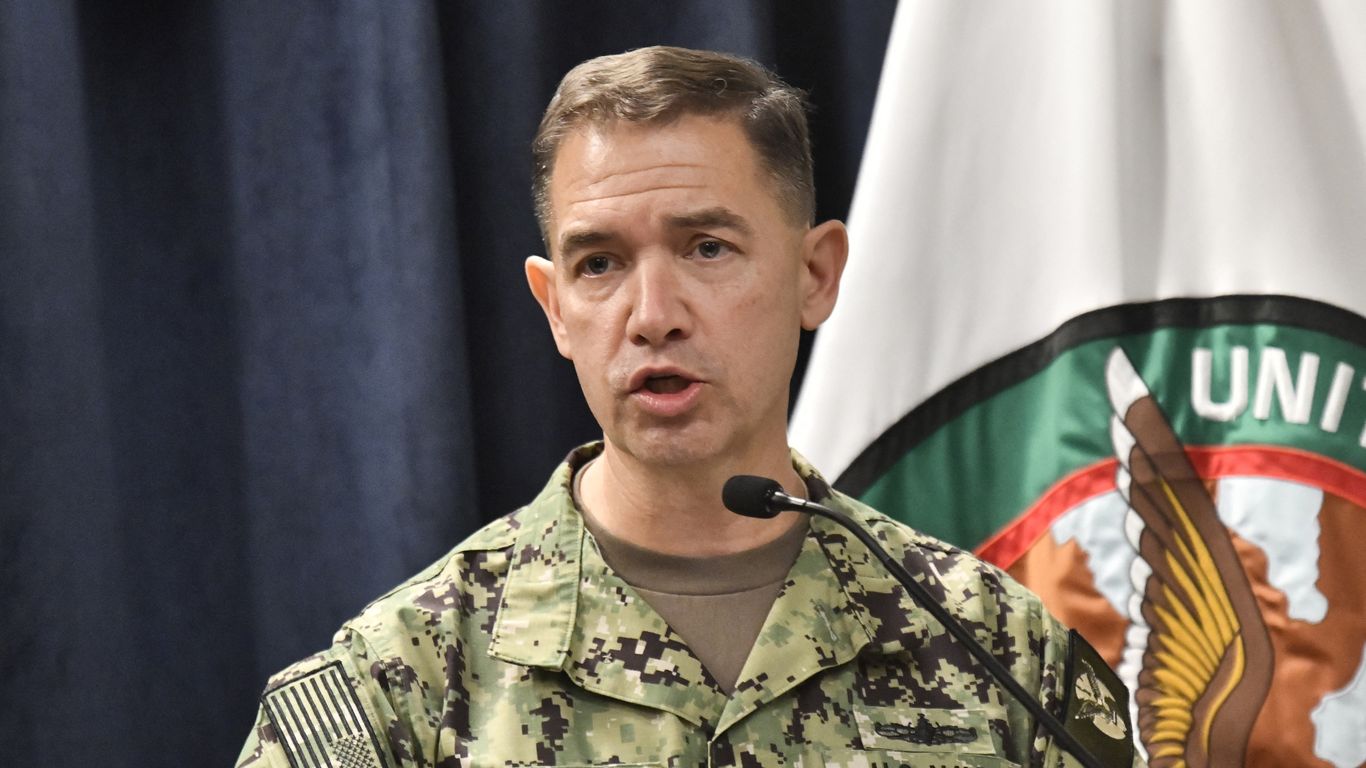
U.S. Central Command chief Adm. Brad Cooper, the commander of forces in the Middle East, briefed President Trump Thursday on the state of the Iran war, with a focus on the ongoing naval blockade , according to two U.S. officials. Why it matters: As he did before Operation Midnight Hammer in June 2025 and Operation Epic Fury in February, Trump is pursuing dual tracks — trying to reach a deal to restart peace talks while also preparing for a possible resumption of major combat operations after the midterms. Behind the scenes: Trump wanted to hear directly from the CENTCOM head on whether the naval blockade is working, the U.S. officials said. Cooper also briefed Trump on the military operation for guiding oil tankers out of the Strait of Hormuz to global energy markets. And he updated Trump on the economic pressure campaign the military is conducting in concert with the Treasury Department. Defense Secretary Pete Hegseth, Treasury Secretary Scott Bessent, Chairman of the Joint Chiefs of Staff Gen. Dan Caine, White House envoy Steve Witkoff and other senior officials also attended the meeting, the officials said. The White House and CENTCOM declined to comment. The Wall Street Journal first reported the meeting. Driving the news: A group of regional mediators led by Qatar is trying to get the U.S. and Iran to head off a resumption of war after the midterms in favor of negotiations. "The mediation is at a very sensitive stage," a regional source said. Qatari mediators recently delivered a letter from Vice President Vance to Iran's Secretary of the Supreme National Security Council, Gen. Mohsen Rezaei. Vance proposed restarting negotiations but stressed that any talks would have to address Iran's nuclear program. Trump and Vance met Wednesday to discuss a possible gesture of goodwill toward Iran, such as sending humanitarian goods like food and medicine, according to a source with knowledge. Later in the day, Trump publicly backed the idea. What they're saying: U.S. Amba
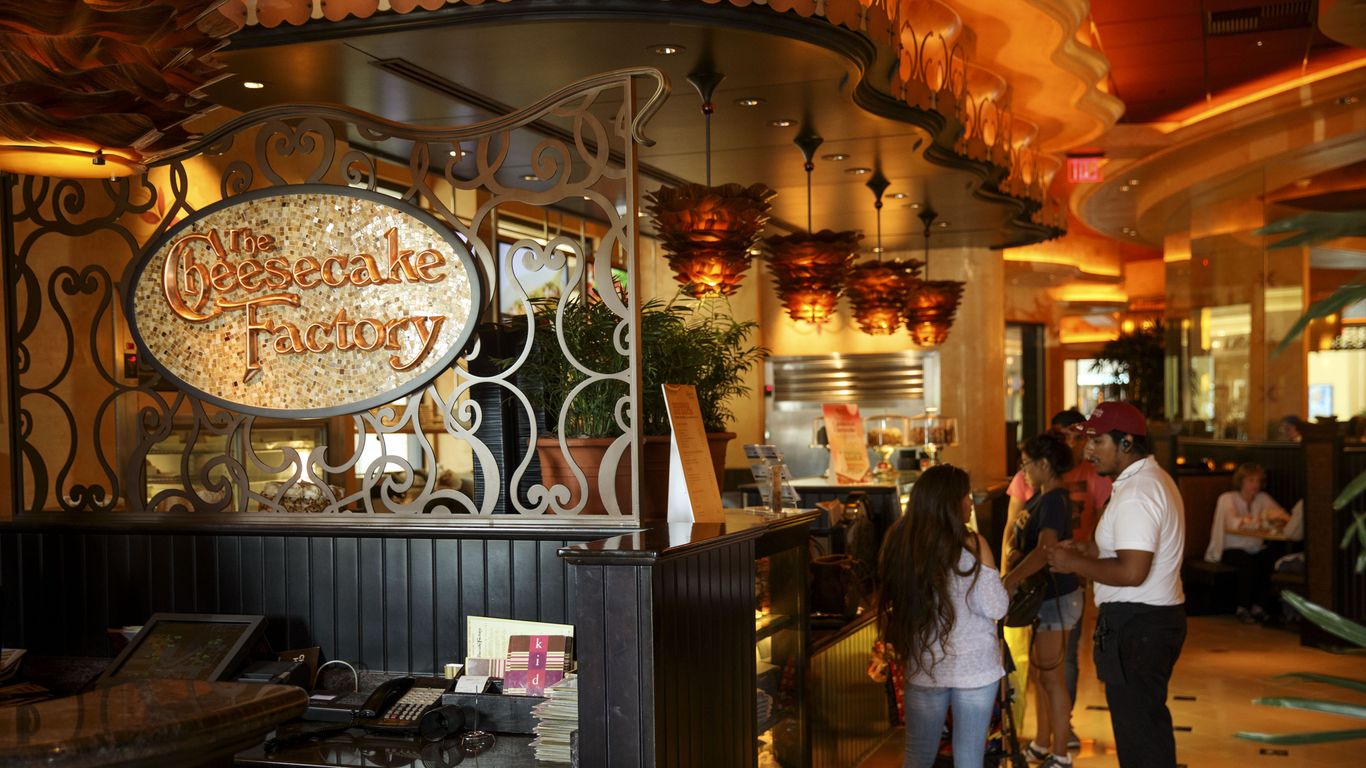
With less than a week until a potentially historic midterm election , the political discourse is being dominated not by war or seismic shifts in technology, but by the Cheesecake Factory . The big picture: Culture wars regularly swarm American political discussions, especially when the jibes are personal. Former President Obama's passing joke over the weekend about Cheesecake Factory decor did just that — by criticizing President Trump 's personal taste and style. "He's got the White House looking like Saddam Hussein opened a Cheesecake Factory," Obama said, poking fun at the president's controversial White House renovations . Zoom in: John Murphy, professor emeritus at the University of Illinois Urbana-Champaign who studies political rhetoric, tells Axios that the first time he heard Obama's comment, he "really did think, 'this is going to go somewhere.'" That's both because of the messenger and the butt of the joke: Obama "can get under Trump's skin like no one else in the world can," he says. Obama knows all too well how seemingly trivial moments can blow up; in 2014, he wore a tan suit instead of a black one to discuss foreign policy, and years later his sartorial choices remain a political talking point. The tan suit has its own Wikipedia page , and still nets pop culture references . State of play: Days after Obama's quip, the news cycle and social media are still serving up the joke, and the White House posted "Lo-fi" beats accompanied by a cartoon image of Trump in front of a Cheesecake Factory. Conservative critics used the jab to paint Obama as elitist. Treasury Secretary Scott Bessent , a multimillionaire, criticized Obama outside a Cheesecake Factory, saying he "had a great meal, and I would tell the Martha's Vineyard set to give it a try." Murphy notes that framing comes from a classic red v. blue playbook to paint Democrats as "elitist." "It's a conscious strategy, I think, on the part of conservative media to gin up culture-war arguments," he says. Th