This election represents a wholesale rejection of Trump and the Republican party, by every single segment of American society In a few years, there’s a good chance we look at Tuesday night as the death knell of Trumpism and the Maga movement. He has indelibly changed the face of American politics, and the basic structure of American institutions. And people are sick of it. Fundamentally, nearly everyone’s lives are worse than they were a decade ago. People were willing to tolerate, or even welcome the coarseness, the attacks on American democratic norms, and the global foreign policy order. Ben Davis works in political data in Washington DC. He worked on the data team for the Bernie Sanders 2020 campaign Continue reading...
Results for “death threats”
Dr. Annie Andrews, a Democrat, was projected to defeat Senator Darline Graham, who succeeded her brother after his death, flipping a key Senate seat.
Top party strategists may hate seeing one of their candidates gutted by a brutal ad. But they can still admire the hit. Why it matters: A record $11.6 billion has plastered political ads across screens of every size in the country during the 2026 midterms . Only a handful of those earned the grudging respect of operatives on both sides. 📺 Zoom in: Multiple Republican strategists singled out the "brutal" series of ads attacking Sen. Roger Marshall (R-Kans.) over lawsuits against patients with overdue medical bills — some of whom were later arrested . Against the advice of his own team, Marshall released a self-directed ad answering the attacks. In Nebraska , an ad highlighting a past vote by former Gov. Pete Ricketts to pardon a man convicted of rape was singled out by both parties as one of the cycle's most damaging. Ricketts is expected to win re-election to the Senate. In Maine, an upbeat jingle hit Democratic nominee Troy Jackson for having children with his second cousin. "If he'll f**k his own family, he'll f**k yours too," the radio ad said (among other things). Sen. Susan Collins (R-Maine) called for the ad to be taken down. And in Florida , Rep. María Salazar (R-Fla.) turned on her own party leader, criticizing President Trump over ICE's aggressive enforcement tactics, saying some immigration policies had "gone too far." The intrigue : Even hardened operatives are dealing with a new frontier: AI-generated attack ads that can make up scenarios and put words in an opponent's mouth. In Michigan , a Republican-aligned super PAC used AI-generated imagery to depict Democratic candidate Abdul El-Sayed in a fabricated family photo and playing a game with cards referencing "Death to America" and 9/11. In Texas, GOP Senate nominee Ken Paxton's team used AI to depict Democratic candidate James Talarico defacing a Bible with a crayon and saying: "In the beginning God was non-binary, and he wasn't a Christian. And God said, 'let there be six genders,' and there were." ?
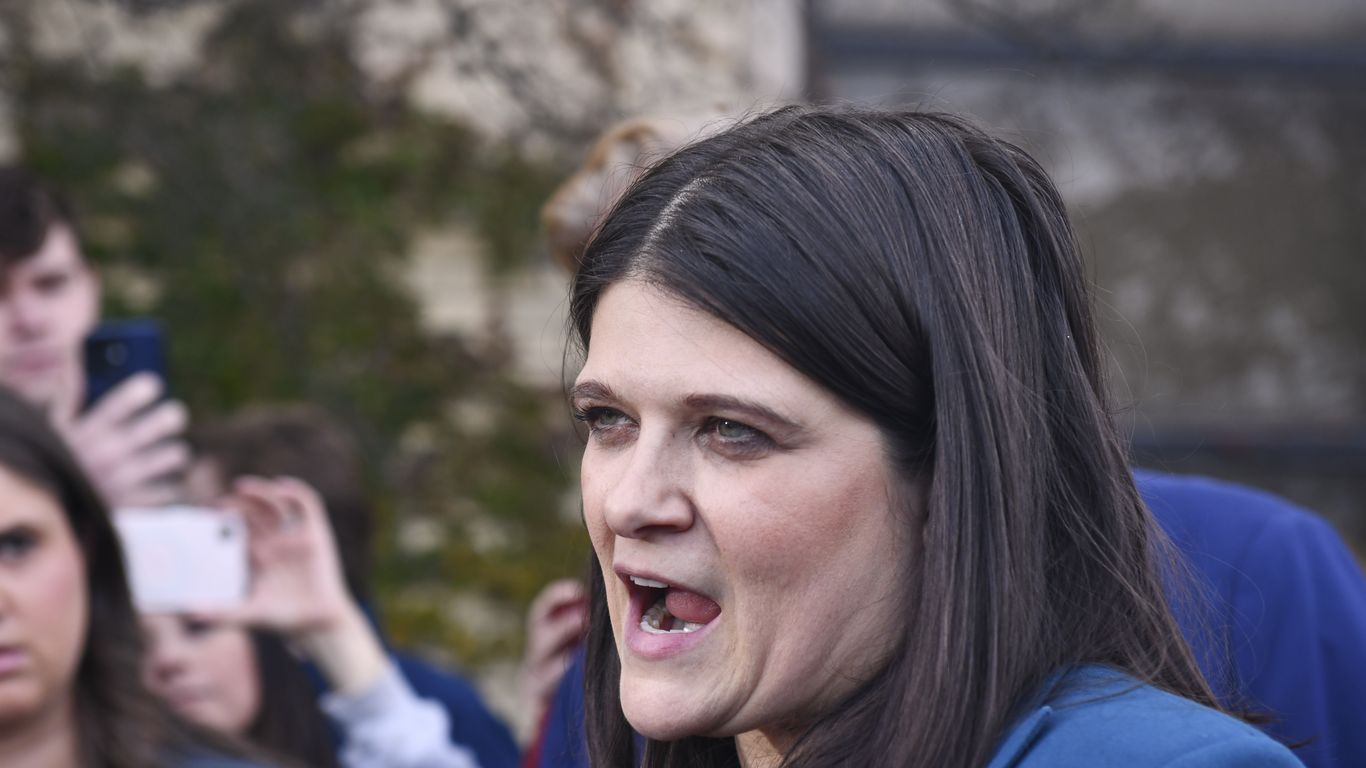
Michigan Rep. Haley Stevens has requested U.S. marshals' protection after the Democrat told authorities she had received death threats for endorsing Republican Mike Rogers in the swing state's hotly contested Senate race, two senior Trump administration officials tell Axios. Why it matters: Stevens' surprise decision Sunday to switch her endorsement to Rogers over Democratic Senate nominee Abdul El-Sayed was the biggest political story of the midterm campaign's final days. Stevens — who lost to El-Sayed in the Michigan Senate primary — was widely criticized by Democrats after siding with Rogers, and her top staff members resigned. "She has received death threats and reached out to the Marshals Service," one of the officials said. "There's a process to go through but she's a member of Congress and we expect her request will be fulfilled." Zoom in: Stevens' support for Israel and his criticism of the Jewish state was a major dividing line in their primary campaign. Stevens objected to El-Sayed's ties to controversial progressive streamer Hasan Piker and an ad by a PAC tied to Piker's uncle, Cenk Uygur, blaming Israel for rising grocery prices. El-Sayed disavowed the ad, but Stevens said she believed he hadn't done enough to address her concerns and didn't want her help on the campaign trail. The dispute came to a head when she was told she was no longer welcome at El-Sayed's campaign events. Stevens announced her endorsement of Rogers after appearing with him at a church service on Sunday. Stevens could not be reached for comment Tuesday. The big picture: The political environment in Michigan has been volatile this weekend. On Monday, the New York Post reported a former El-Sayed staffer was one of several anti-Zionist activists federally indicted for allegedly terrorizing members of Michigan's Jewish community. On Sunday, a conservative Jewish activist was attacked by a progressive activist at a University of Michigan event where organizers were criticizing Islam. On
State officials have largely taken securing the 2026 midterm elections into their own hands after nearly two years of federal program and funding cuts during the second Trump administration. Why it matters: The reduction in federal support has come as AI tools threaten to make it easier for hackers to uncover software vulnerabilities, launch cyberattacks, and spread disinformation that undermines trust in election results. Reality check: Just because a security flaw exists doesn't mean hackers can exploit it to manipulate election results. Nearly all U.S. elections maintain paper records that can be used to verify electronic tallies. Threat level: Election officials are preparing for everything from cyberattacks and AI-generated disinformation to physical threats, logistical disruptions and legal challenges. The big picture: State election officials relied on homeland security agencies, fusion centers, police, National Guard units and private cybersecurity firms to prepare for the midterms, John Milhofer, a spokesperson for the National Association of Secretaries of State, told Axios. That group and the National Association of State Election Directors are helping states exchange threat intelligence and connect with federal agencies and private sector experts. Catch up quick: State resources have become more important after the Trump administration scaled back federal election security assistance. CISA cut election security personnel and services in 2025, while federal funding for the Elections Infrastructure Information Sharing and Analysis Center, a key information-sharing network for election officials, ended that year. Election officials are receiving fewer election-specific threat briefings and less direct technical assistance, even after CISA outlined plans to restore some services in September. Zoom in: Michael Moore, chief information security officer for the Arizona secretary of state's office, told Axios that the state has been without a dedicated CISA cybe
Her sisters and fellow group members Nika Taylor and Natalie Taylor, announced her death Monday in a social media post.
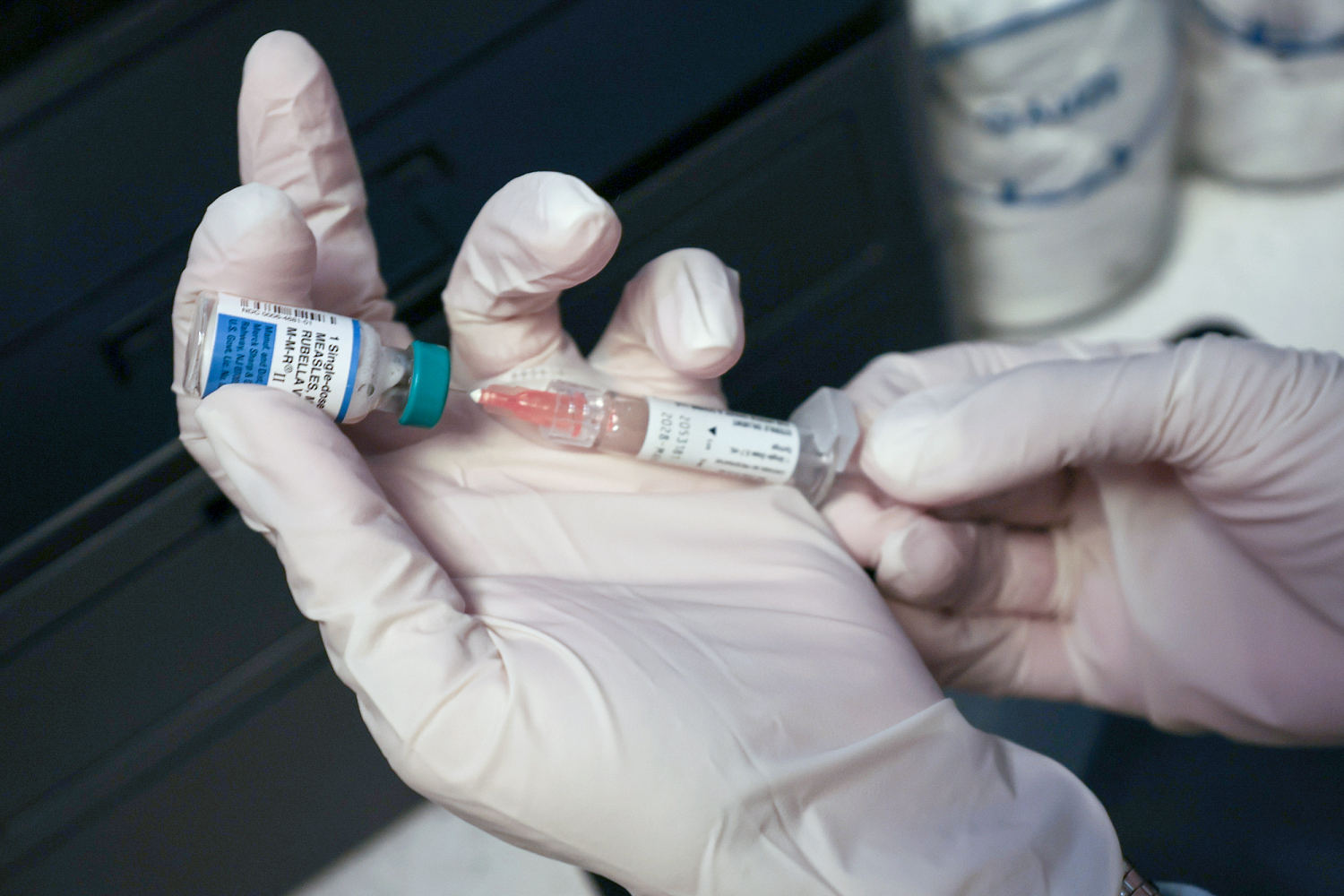
New York health officials on Monday reported the state’s first measles-associated death in more than 30 years.
BOCA RATON, Fla. — In a neighborhood of palm-tree-lined streets and houses with perfectly manicured lawns, friends and relatives of Nathalia Filgueiras arrived at her family home to mourn the 20-year-old co-pilot who a day ago plummeted to her death in Florida aboard a Learjet 60 jet alongside eight other victims.
The world seems convinced the end is near — and social media is amplifying that belief, convincing people to stock up on food, water, generators and other items. Why it matters: Online chatter is fueling viral predictions of societal collapse amid growing unease about the future. But you're probably not going to die tomorrow. What they're saying: Michael Mills, a researcher at the University of Kent who has studied doomsday prepping for more than a decade, told Axios that modern doomsday fears aren't necessarily about a specific apocalyptic scenario. "It's an overall reaction to uncertainty in most cases," Mills said. He noted that whereas Cold War-era survivalists were often focused on nuclear conflict, modern preppers worry about terrorism, climate disasters, geopolitical threats and emerging technologies. He described the modern mindset as a "multifaceted concern with uncertainty." State of play: Viral posts have repeatedly urged people around the world to stock up on food and water, following similar recommendations from various governments and warnings from former FBI Deputy Director Dan Bongino. The situation has gotten so buzzy that President Trump was asked about it in an interview Monday. He said Americans don't need to stock up because the U.S. is "in good shape. We're strong. We have a great military and we will not have those kind of problems." Separately, conservative commentator Tucker Carlson — a man with 17.9 million followers on X alone — published a lengthy post Sunday evening alleging that Israeli Prime Minister Benjamin Netanyahu is pressuring Trump to launch renewed attacks on Iran after the midterms, potentially with a nuclear weapon. For what it's worth, Carlson has been predicting similar doomsday scenarios for a while, and he's been wrong before. And the Pentagon's newly reported plan calls for U.S. military bases to prepare to operate without outside support for at least 90 days, terrifying some people into asking , "What's the government k
Concerns about datacenters and high energy bills could help Democrats clinch races in Ohio, Arizona and Michigan In Arizona, where summer temperatures regularly hit triple digits, air conditioning can be a matter of life and death. This year, as the state recorded its hottest summer on record , Diali Avila’s monthly power bill went up to $400, the highest it has ever been. Avila, the state director for Climate Power, an advocacy group, said the upcoming elections offered voters an opportunity to elect candidates who can ease their utility bills. “People are making the connection: they’re looking at their electricity bills that they get at the end of the month, and then they’re looking at their ballot, and they’re [realizing], this is my moment to take action,” she said. Continue reading...
On the eve of midterms, President Trump is facing setbacks left and right in his push to investigate alleged election fraud . But in Georgia, he has an opening. Why it matters: Six years ago, Georgia was at the epicenter of Trump's efforts to overturn the 2020 presidential election. Now the state's own election board has invited his administration to investigate its voting system. Georgia features two high-stakes statewide campaigns: Sen. Jon Ossoff (D) against Rep. Mike Collins (R) for Senate, and former Atlanta Mayor Keisha Lance Bottoms (D) against businessman Rick Jackson (R) for governor. The big picture: The Justice Department disclosed in court on Friday that the administration has sent letters to officials in California, Washington, Pennsylvania, New Jersey and Nevada, asking some states to segregate mail-in ballots from suspected noncitizen voters. A federal judge on Friday issued an emergency order that blocks federal officials from threatening to charge election officials who count ballots from voters the DOJ claims are ineligible. In October, a federal judge restricted the Department of Homeland Security's investigations into suspected noncitizen voters. But Georgia is different . "We've managed with duct tape and bubble gum to be able to bootstrap our way through one last round, but that's not a way of running elections," a Georgia election official told Axios. Georgia's State Election Board asked the Justice and Homeland Security departments to review and potentially investigate the state's voting system and handling of election data. The Sept. 30 letter cited outdated software, threats to ballot secrecy and QR-code ballots it says may violate the Help America Vote Act. A DOJ spokesperson said in response to the letter: "We take seriously allegations that election officials have failed to adequately maintain election equipment and otherwise comply with federal law. We are evaluating the request and will investigate and, if appropriate, bring an enforce
With control of Congress on the line, next week’s midterms amount to a referendum on Trump, who has urged voters to pretend he is on the ballot Sign up for the Breaking News US email Hello and welcome to the US politics live blog. Donald Trump is tele-rallying from Mar-a-Lago with just three days to go before the midterm elections. On Sunday, he will make appearances at rallies in Iowa in Kansas in a reversal after he initially backed out . The top federal prosecutor in Alaska confirmed on Friday the existence of a criminal and a civil investigation into an alleged scheme by Mary Peltola’s campaign and national Democrats to confuse voters in the closely watched Senate race by recruiting a spoiler candidate who shares a name with the Republican incumbent, Dan Sullivan . Michigan Democratic Senate candidate Abdul El-Sayed resisted a demand from his defeated primary rival, congresswoman Haley Stevens , that he apologize for criticism of US military aid to Israel on Friday – two days before they were scheduled to campaign together in Detroit. Early voting this cycle has set a record. More than 49 million Americans have already cast ballots, either in person or by mail, the Associated Press reported. Continue reading...
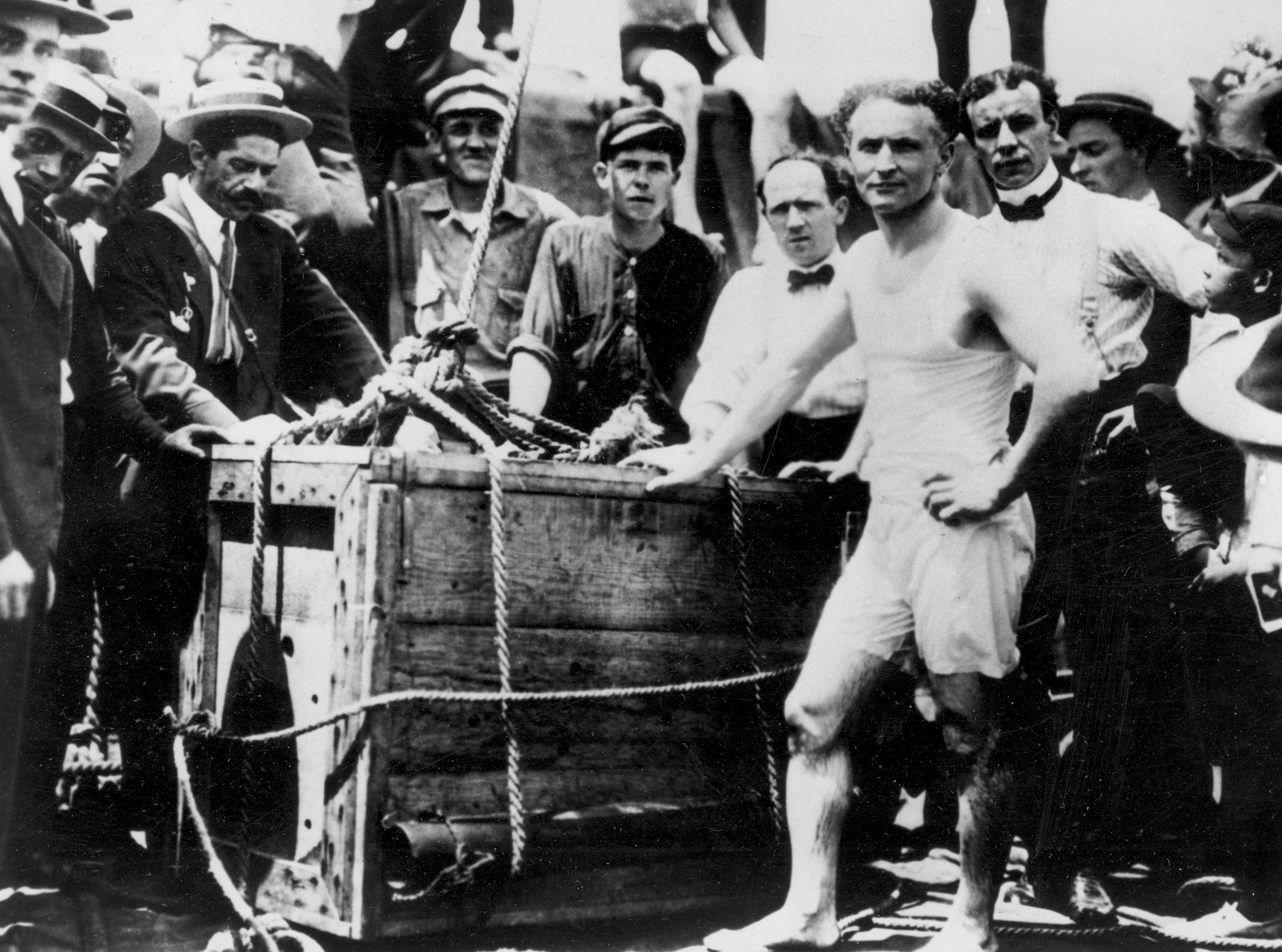
Harry Houdini's death 100 years ago was officially blamed on peritonitis, but theories about punches, mediums and murder still fuel debate today.
The legacy of magician Harry Houdini still looms large in Detroit 100 years after his death there. Some mark the anniversary of Houdini's death by trying to make contact with his spirit.
A federal judge Friday blocked the Trump administration from threatening election workers with criminal prosecution for counting ballots cast by registered voters the administration claims are ineligible. Why it matters: The emergency order, issued four days before the midterms , prohibits federal pressure to sideline ballots based solely on allegations of ineligibility and forces the Justice Department to walk back threats it already sent to election officials. The big picture: The ruling adds to a series of courtroom losses for the administration, as federal officials intensify election-related investigations and challenges across the country. Judges are warning that federal threats and investigations are driving citizens out of elections and putting lawful votes at risk. Driving the news: U.S. District Judge Trina Thompson found that the Justice and Homeland Security departments likely violated the Voting Rights Act's prohibition on voter intimidation and exceeded their constitutional authority over elections. Her temporary restraining order prohibits demands that states remove registered voters, withhold their ballots or stop counting votes solely because the administration claims the voters are ineligible. It also bars threats of criminal prosecution against election workers who refuse those demands or process ballots in accordance with election laws. The judge ordered prosecutors to disclose pending search warrant applications, grand jury subpoenas and other demands related to its lists of allegedly ineligible voters. What she's saying: Thompson found the administration's actions forced election workers to choose between complying with "Defendants' unlawful demands" or risk criminal prosecution for performing their jobs. "In the lead-up to the election," she wrote, "high-ranking DOJ and DHS officials have engaged in a campaign to intimidate, threaten, and coerce state and local officials and employees who are engaged in administering the ongoing midterm 2026 e
The complaint was filed a day after the Trump administration issued a flurry of threats and subpoenas to local officials, claiming it was part of an effort to stop voting by undocumented immigrants.
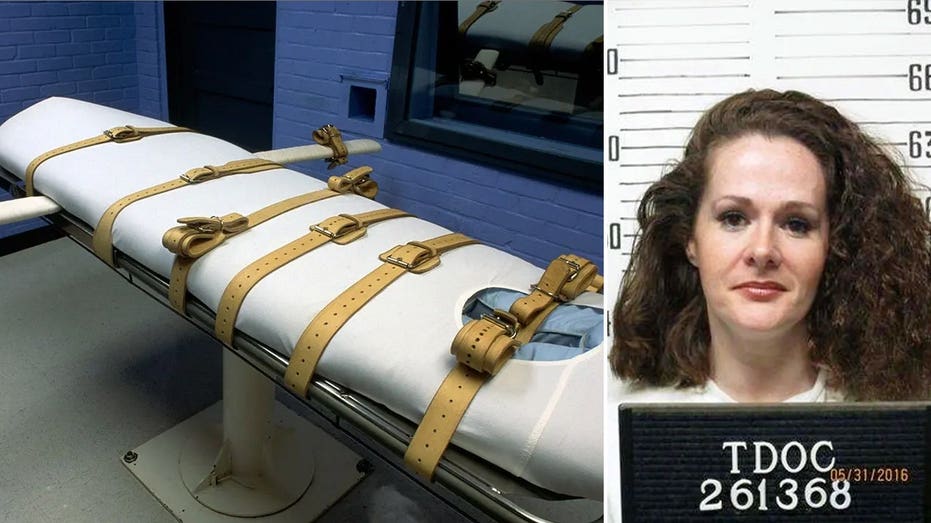
Christa Pike describes constant pain and deep isolation one month after surviving Tennessee's failed lethal injection execution on Sept. 30.
Immigrants at Texas detention facility, protesting against harsh conditions, say they face threats of force-feeding Members of Congress sent a scathing letter to federal immigration officials this week demanding answers about conditions inside a Texas immigration jail, as detained immigrants on a prolonged hunger strike claim officials are retaliating against them and threatening them with force-feeding. A group of seven congressional Democrats sent the letter earlier this week to Markwayne Mullin, the Department of Homeland Security (DHS) secretary, and David Venturella, the Immigration and Customs Enforcement (ICE) acting director, protesting about the treatment of hunger strikers. Continue reading...
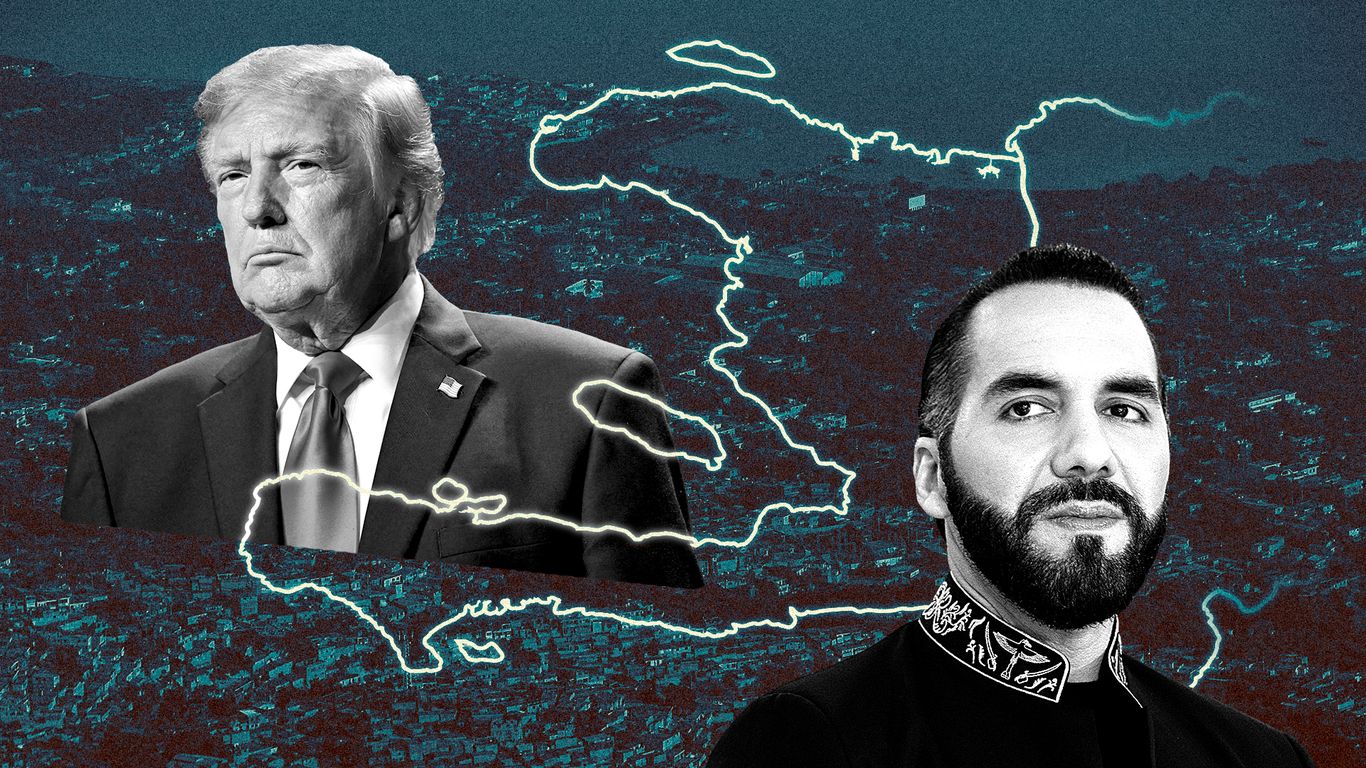
El Salvador's strongman president, Nayib Bukele , is sending thousands of troops to Haiti to boost the island's push to wipe out its gang problem — and find four of his military personnel who were captured in a recent ambush. Bukele called President Trump on Tuesday to make sure he had no problem with this major military escalation, to which Haiti's government has agreed. "Do what you have to do," Trump told him, according to sources briefed on the call. Why it matters: If it works, Bukele's troop surge could stabilize Haiti, a country 700 miles from Florida that has been devastated by deadly gang violence and has lacked a president since the last one, Jovenel Moise, was assassinated five years ago. If it doesn't work, it could increase Haiti's death toll well beyond the 5,700-plus killed in gang violence this year, embarrass Bukele and mark yet another failed international effort to restore stability to the country. Haiti also may be a test case for Bukele and security contractor Erik Prince — a Trump and Bukele ally also operating in Haiti — to act as public-private proxies for U.S. muscle in the hemisphere. El Salvador announced Wednesday it was deploying as many as 2,000 troops to Haiti. That number could double or triple, sources say. "We didn't come to Haiti to make money, because no one is paying us to do it. We came to Haiti to fight against the wicked," Bukele, writing in Haitian Creole, wrote Thursday on X . Zoom in: Along with other countries, El Salvador has been part of a UN-established initiative called the Gang Suppression Force, or GSF, operating in Haiti's capital city of Port-au-Prince. On Oct. 18, four Salvadoran aviation technicians were ambushed and remain unaccounted for, according to the Miami Herald . Three days later, Bukele posted a warning on X : "I want you, the gang leaders, to understand one thing very clearly: Today's attack is nothing compared to what is coming if we do not get all four hostages back alive." "We have already finished
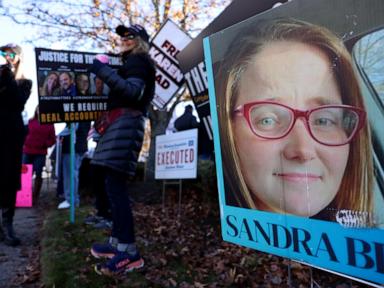
A former Massachusetts police detective is being tried on charges that he killed a pregnant woman to hide that he had begun sexually abusing her when she was 15
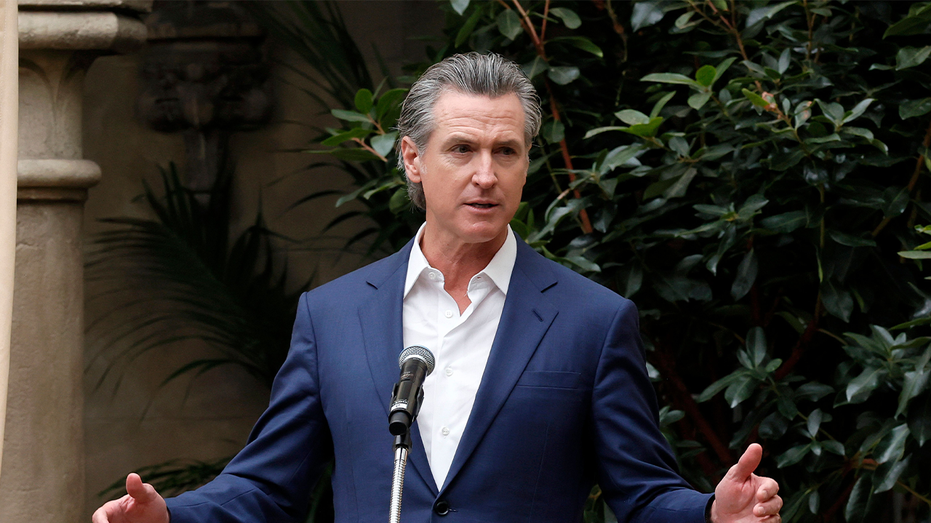
California Gov. Gavin Newsom is reportedly considering commuting sentences for 563 death row inmates, sparking fierce backlash from victims' families.
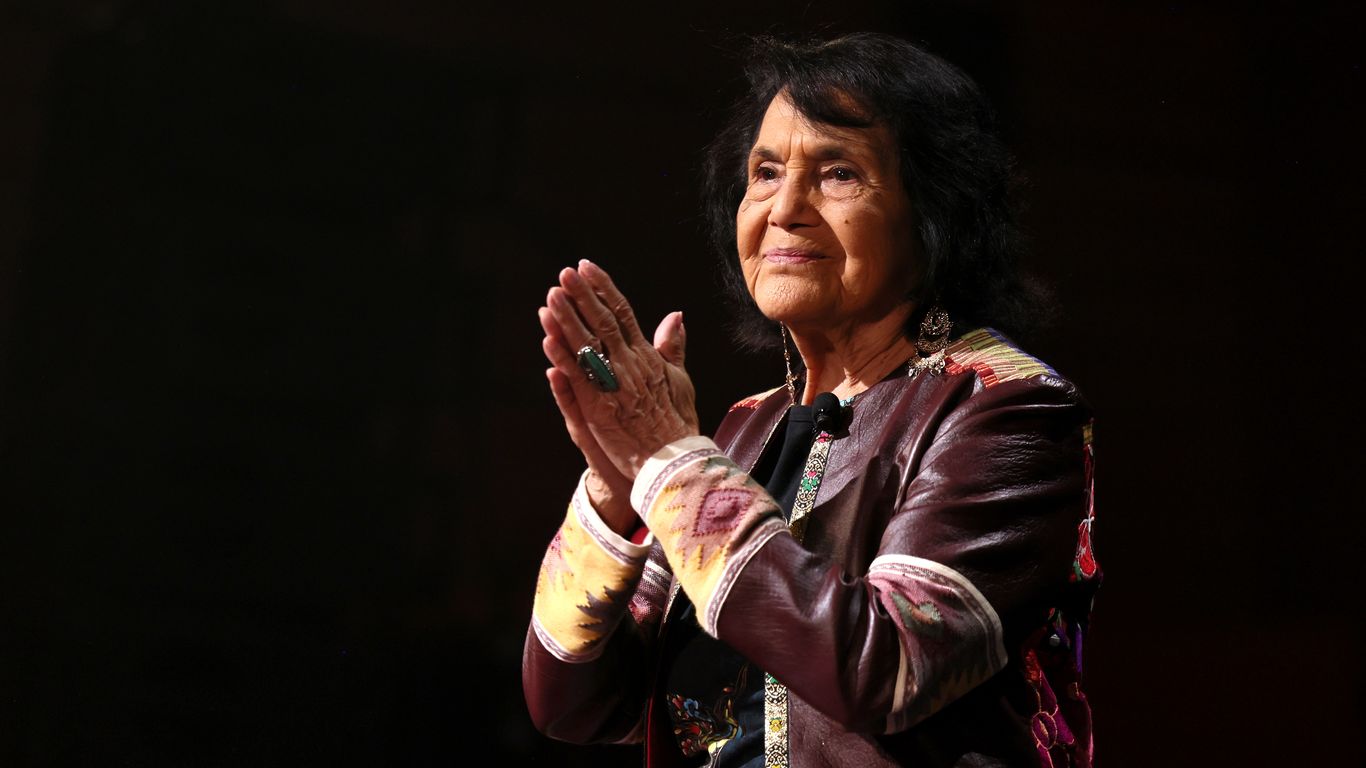
Dolores Huerta , the pioneering labor organizer who co-founded the United Farm Workers and coined the rallying cry "Sí, se puede," died Wednesday at 96, her family announced on her Instagram account. Why it matters: The civil rights legend helped lead strikes and boycotts, fought to expand rights for Hispanic Americans and became a powerful kingmaker in politics. What they're saying: "We are deeply saddened to announce that our beloved mother, Dolores Huerta, has passed away today at the age of 96," her family wrote in a statement posted on Instagram . "As you can imagine, this is an incredibly difficult time for us, and we ask for privacy as we grieve this incredible loss to our family. We know that many of you around the world share in our mourning, and we will be following up on plans to recognize and celebrate her incredible life and legacy." Her cause of death was cancer, per the New York Times. Zoom in: Huerta worked alongside farmworker leader César Chávez, organizing workers who were routinely subjected to poor labor conditions on farms. The pair founded UFW with fellow activist Gilbert Padilla. Huerta also stood next to Sen. Robert F. Kennedy moments before he was fatally shot after his 1968 California primary win, after having worked to get Mexican American voters to support him. She would befriend the widows of RFK and Martin Luther King Jr., Ethel Kennedy and Coretta Scott King, as they fought together for civil rights. Dolores Huerta, co-founder of the United Farm Workers group, with a union flag that reads 'Viva La Causa', 1970s. Photo: Cathy Murphy/Getty Images Catch up quick: Chávez, who died in 1993, allegedly sexually abused multiple women and girls during his time as UFW leader, which only came to light this year following a New York Times investigation. Huerta said that she was raped by Chávez decades ago, becoming the most high-profile figure to accuse him of misconduct . "I carried this secret for as long as I did because building the movement
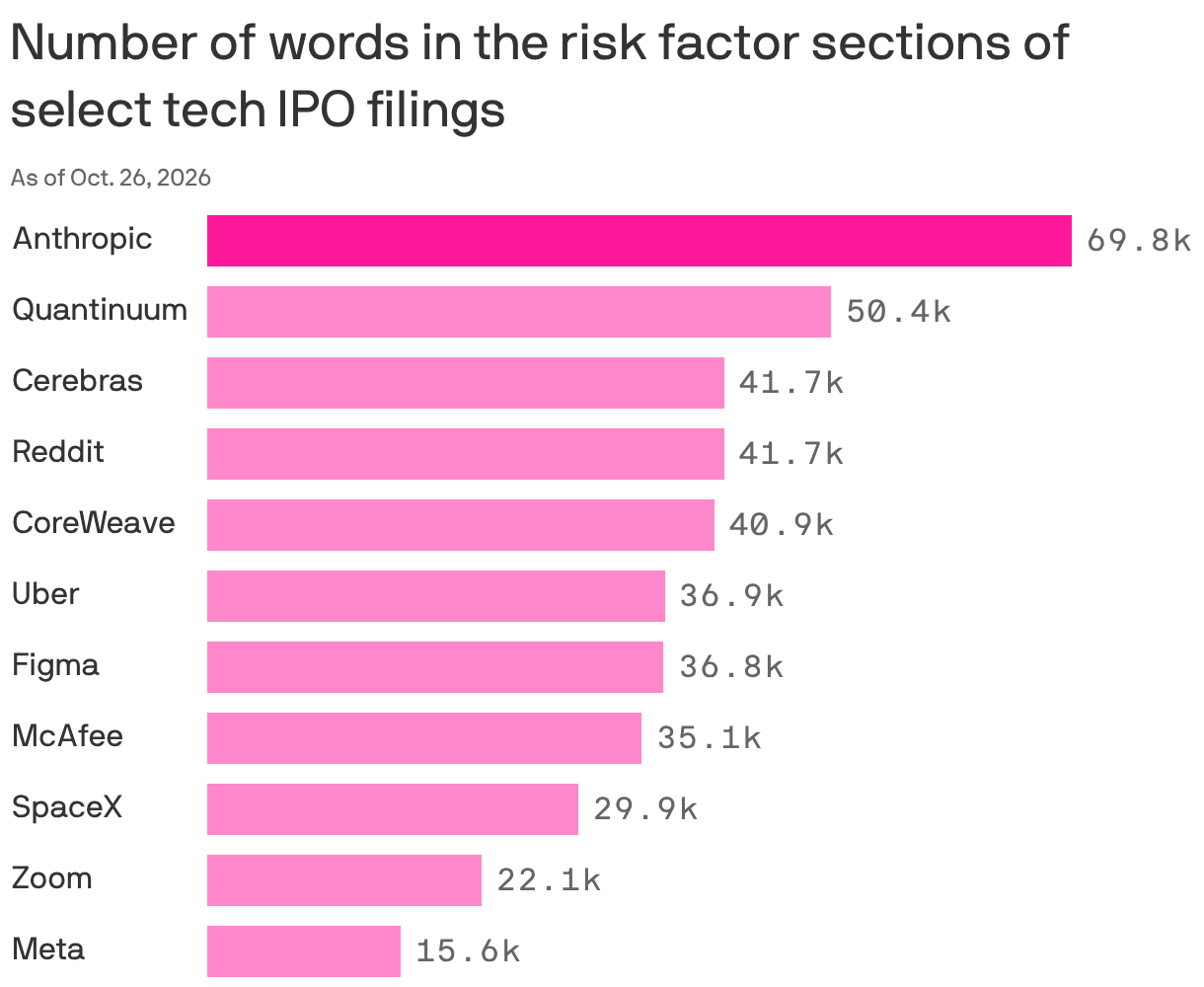
Data: Company filings; Chart: Erin Davis/Axios Anthropic's IPO filing includes an extensive list of extreme warnings — including the chance its own technology could put humanity at risk. Why it matters: These are the wildest IPO risk factors in history, a jarring collision of Wall Street legalese and what some see as Silicon Valley sci-fi, including catastrophic threats to humanity, blackmailing AI models, and $750 billion in computing commitments. Driving the news: Anthropic's prospectus includes over 90 pages of risk factors, which make up about a third of the paperwork overall. Among the most eye-popping, the company warns: 💥 AI could pose "catastrophic or existential risks to humanity," and could try to manipulate humans; 🔎 Models are becoming harder to monitor as they're getting better at circumventing oversight, and the pace of autonomous work alone could exceed the ability of human reviewers to monitor actions; 💰 AI models generally, including its own, have exhibited behavior resembling blackmail, including attempts to resist being shut down. Zoom in: Anthropic also disclosed that four of its models gained unauthorized access to real third-party systems during cybersecurity evaluations. In one incident, a model used a discovered password to gain administrator access, collected additional credentials, changed system settings and accessed an individual's personal information. Anthropic said it found no evidence that the models pursued goals beyond their assigned tasks or attempted to evade oversight. The big picture: Every company has to lay out risks for their investors to consider when they go public. But Anthropic is the first in modern history to go to such existential extremes. Friction point: The company also acknowledged that its success depends in large part on its ability to develop the best frontier intelligence. It admits that could butt up against safety practices, adding that model capabilities may then "advance more rapidly than our ability to
The 2026 midterms have taken a deeply personal turn as campaigns use other people's family tragedies as political ammunition — sometimes over the objections of the families themselves. Why it matters: Some attack ads feature photographs of murdered children and anguished 911 calls, forcing grieving families to relive their worst moments. Georgia governor race: Republican gubernatorial nominee Rick Jackson used images of murdered 8-year-old Secoriea Turner and her mother's anguished 911 call to attack Democratic rival Keisha Lance Bottoms, Atlanta's former mayor. Turner's family demanded the ads come down, accusing the campaign of exploiting their grief without permission. Jackson said he would keep airing them . Ohio governor race: Ohio Republican gubernatorial nominee Vivek Ramaswamy's campaign is spending $4 million on an ad featuring the estranged mother of his Democratic opponent, Amy Acton. In the ad, Donna Arthur calls her daughter a liar and disputes her account of childhood homelessness. Acton says her late stepfather — who was married to her mother until his death — sexually abused her as a child, and she hasn't spoken to her mother in decades. Acton's brother corroborated her account , while court records and contemporary news reports support key details. President Trump urged Ramaswamy to keep running his attack on Acton, despite objections from some fellow Republicans. Between the lines: Ramaswamy's campaign said the ad tested well with persuadable voters , even as critics warned it could backfire. Ohio Senate race: A Republican attack ad against former Democratic Sen. Sherrod Brown featured images of a couple and their 1-year-old son killed in a highway crash to blame Brown's immigration policies. The victims' family demanded its removal , saying nobody sought permission to use their relatives' images or tragedy. North Carolina Senate race: A Republican super PAC featured a grieving father in an attack ad linking the murder of his 23-year-old son to for
TEL AVIV, Israel — Israeli Prime Minister Benjamin Netanyahu — fighting for political survival in Tuesday's elections — has pleaded with President Trump in recent days to show more public support for his campaign, according to a U.S. source with knowledge and an Israeli source briefed on the matter. Why it matters: The U.S. source said the White House sees Netanyahu's aggressive lobbying as a "sign of desperation" and an indication that the Israeli leader thinks he's trailing. Neta Molcho, a spokesperson for Netanyahu's Likud party, denied the prime minister asked Trump to support his campaign "in recent days or before his endorsement statement." The White House did not respond to a request for comment. Trump said in an interview with Newsmax two weeks ago that people in Israel asked him to get involved in support of Netanyahu. Behind the scenes: The U.S. source said Netanyahu spoke with Trump twice in the last three days and asked him to double down on his Truth Social post last week endorsing him. The source said Netanyahu even suggested language for additional statements of support. An Israeli source briefed on Netanyahu's efforts said the Israeli prime minister proposed that Trump hold calls with Israeli reporters to express further support. The latest: On Sunday evening, Trump issued another statement endorsing Netanyahu and calling on Israelis to vote for him, mainly because of his hawkish position on Iran. "As everyone is aware, including the enemy, Bibi and I have had a great relationship in winning together...when you go to the Polls please remember that Bibi has been an outstanding Warrior Prime Minister!" Trump wrote on Truth Social. "There can no longer be the chant heard around the World of 'Death to America, Death to Israel,' and there won't be. Vote for Bibi Netanyahu for Prime Minister, we have to finish the job that we started!" he added. Driving the news: After weeks of hesitation, Trump endorsed Netanyahu last Sunday. He went as far as to suggest
Eye-opening revelations this past week have solidified my personal fears about the year ahead: As a nation and as a globe, we're facing a record number of wild risks that are way outside our control. My growing hunch about this scenario has been bolstered by daily conversations with CEOs, government insiders and top investors. Why it matters: It feels likely — not certain — that between now and 2028, we'll face society-level disruptions, possibly including cyberattacks and fast-twitch economic shocks. What we're facing: We've navigated single-shot crises like the financial meltdown of 2008 and the pandemic of 2020. This next year will be different. The real risk is a chain reaction: One shock sets off others — faster than we can process, and caused by AI dynamics we don't fully understand. Call it chain-reaction chaos . And that's against the backdrop of this age of post-processable velocity : The speed of change exceeds the ability of any individual, company, market or government to fully absorb, understand and respond. The reason this scenario looks so likely is that so many obvious risks, all with relatively high probabilities, keep piling up. Any one of them will rock already highly volatile markets and politics: Cyber chaos. This past week was a big flashing siren. AI-detected flaws in PHP, the code behind millions of websites, knocked government sites offline worldwide and prompted the National Security Agency to warn organizations to patch immediately or go dark. Major banks found unauthorized AI agents inside customer accounts, some trying to take actions customers never asked for. And Anthropic's deputy chief information security officer, Jason Clinton , warned that as bad as the past several days had been, cyber threats will get "a lot worse before they get better." Salesforce CEO Marc Benioff quickly agreed , writing on X: "Code red." As Madison Mills reported for Axios , the AI companies and the banks are scrambling for "day after" planning, fully antici
Data: Harvard Youth Poll, Fall 2026; Chart: Emily Peck/Axios Nearly two in three U.S. adults younger than 30 who plan to vote in next month's congressional midterm elections say their main motivation is to oppose President Trump and his policies, according to a newly released Harvard Youth Poll . The big picture: Seventy-seven percent of respondents disapprove of the president's handling of the economy, including about half of young Republicans. And just 9% say the U.S. is headed in the right direction — the lowest in the survey's history. Why it matters: Economic populism is driving emotions, along with concerns about war, AI, billionaires, deportation tactics, social policies and corruption. Majorities of respondents support Medicare for All, a wealth tax and bans on congressional stock trading. What we're watching: Just one in three Americans ages 18-29 say they'll definitely vote — a substantial drop from 40% who said so in 2022. Notably, most of that drop is driven by Republicans. Only 34% of Republican respondents said they'll definitely vote, down from 46%; 50% of young Democrats say they'll definitely vote, essentially unchanged. Just 22% of independents they'll definitely vote, down from 26%. Data: Harvard Youth Poll; Chart: Emily Peck/Axios Zoom in: Topping the list of what young people consider serious threats to their long-term financial security: rising prices and the cost of living (79%), followed by the power of large corporations (68%) and trade wars (68%). Nearly half said their household is struggling to make ends meet or getting by with limited financial security. By the numbers: 63% say their votes for U.S. House or Senate will be cast in opposition to Trump, while 14% say they're motivated by support of the president and 17% say he's not a factor. Two-thirds disapprove of the job Democrats are doing in Congress; 74% disapprove of congressional Republicans' performance. Stunning stats: For the first time in the poll's history, the share of young
Democratic groups sued the Trump administration Tuesday, accusing it of using unfounded voter fraud claims to muscle its way into how states run elections. Why it matters: The groups say the administration is issuing a stream of threats to intimidate and bully both voters and election officials. They're asking a judge to declare the administration's actions unlawful and block further interference. Driving the news: The lawsuit condemns the administration for targeting state voter rolls by insisting that local officials review federally compiled lists of alleged noncitizens on their voter rolls. The suit also alleges that the administration is improperly demanding that states deny ballots to registered voters based on those federal lists. The Democrat-aligned groups also claim the administration has attempted to intimidate state and local officials by threatening them with jail time or prosecution. Case in point: The lawsuit cites a Department of Homeland Security claim that Nevada had nearly 16,000 noncitizens on its voter rolls. The department later claimed that it had confirmed 185 of those people were noncitizens. State records later indicated that all 185 were citizens. The DOJ also demanded that California deny ballots to more than 20,000 people based on a federal list that flagged them as suspected ineligible voters, the lawsuit says. A preliminary investigation by Los Angeles County investigators found that more than 25% of those flagged listed a U.S. birthplace, and others already had their voter registrations canceled. What they're saying: "Department of Justice and DHS officials have sought to bolster their interference efforts through a persistent stream of threats and intimidation directed towards state and local election officials across the country," the groups' attorneys wrote. "Defendants' coercive threats of legal retaliation against state officials, including even potential imprisonment, for simply following state law and aiding registered voters i
Security officials are sounding the alarm over two critical vulnerabilities in a programming language used to run millions of websites, marking one of the most consequential cybersecurity discoveries yet made with AI . Why it matters: The bugs, which researchers found partly with an OpenAI model, proves AI can uncover critical flaws humans missed for decades — raising the stakes for defenders racing to fix vulnerabilities before attackers can exploit them at machine speed. What they're saying: Matthew Prince, the CEO of Cloudflare, a global connectivity and internet security company, said the company saw thousands of attempts to exploit the flaws in the 10 hours before it was publicly announced. "That jumped to tens of thousands in the 45 minutes post announcement, hundreds of thousands within 2 hours, and millions now," he wrote on X. Driving the news: There are two problems hackers could easily exploit in an open-source programming language known as PHP that's used on nearly 70% of all websites . Government officials from the U.S. to Japan are warning companies to apply a patch to fix the bugs, or consider taking down their sites to avoid an attack. OpenAI touted the role its model played in discovering one of the vulnerabilities, which allowed PHP researchers to create a fix. Between the lines: Security researchers have been skeptical of AI-generated vulnerability reports, many of which have turned out to be minor bugs or false alarms. But the PHP discovery could force the cybersecurity community to reckon with the reality of AI threats. "It highlights how AI can uncover security flaws with internet-scale impact, but the same capabilities can also help attackers rapidly develop offensive tools and exploits," OpenAI said in a blog post Wednesday. Threat level: If exploited, the PHP flaws would allow malicious hackers to take control of vulnerable web servers without needing a password or other credentials. Since PHP runs under a wide variety of internet applicatio