TopNewsOn

Results for “democrat scott”

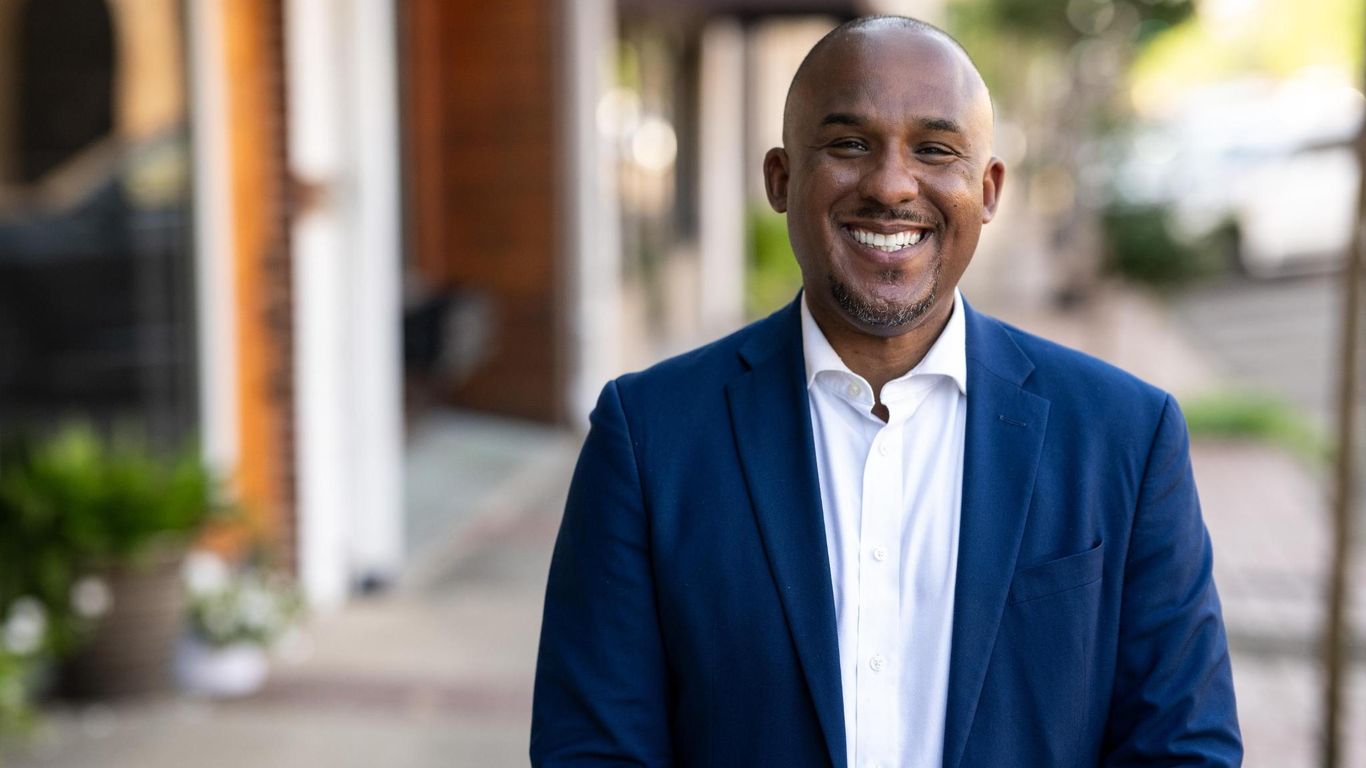
How Scott Colom won deep-red Mississippi with little help from Democrats

Democrat chatted up people at hair salons, colleges and at Trump rallies to become Mississippi’s first Black senator since Reconstruction The ad is simple, less than half a minute long, but many say it was the moment the nation took notice of Mississippi ’s US Senate race. In it, the incumbent Republican senator Cindy Hyde-Smith, a cattle farmer, answers a reporter’s question about the rising price of beef : “You know, you have so many proteins to choose from,” she says. Continue reading...

The Guardian · 1h ago
Scott Colom ousts Cindy Hyde-Smith in historic Mississippi Senate flip

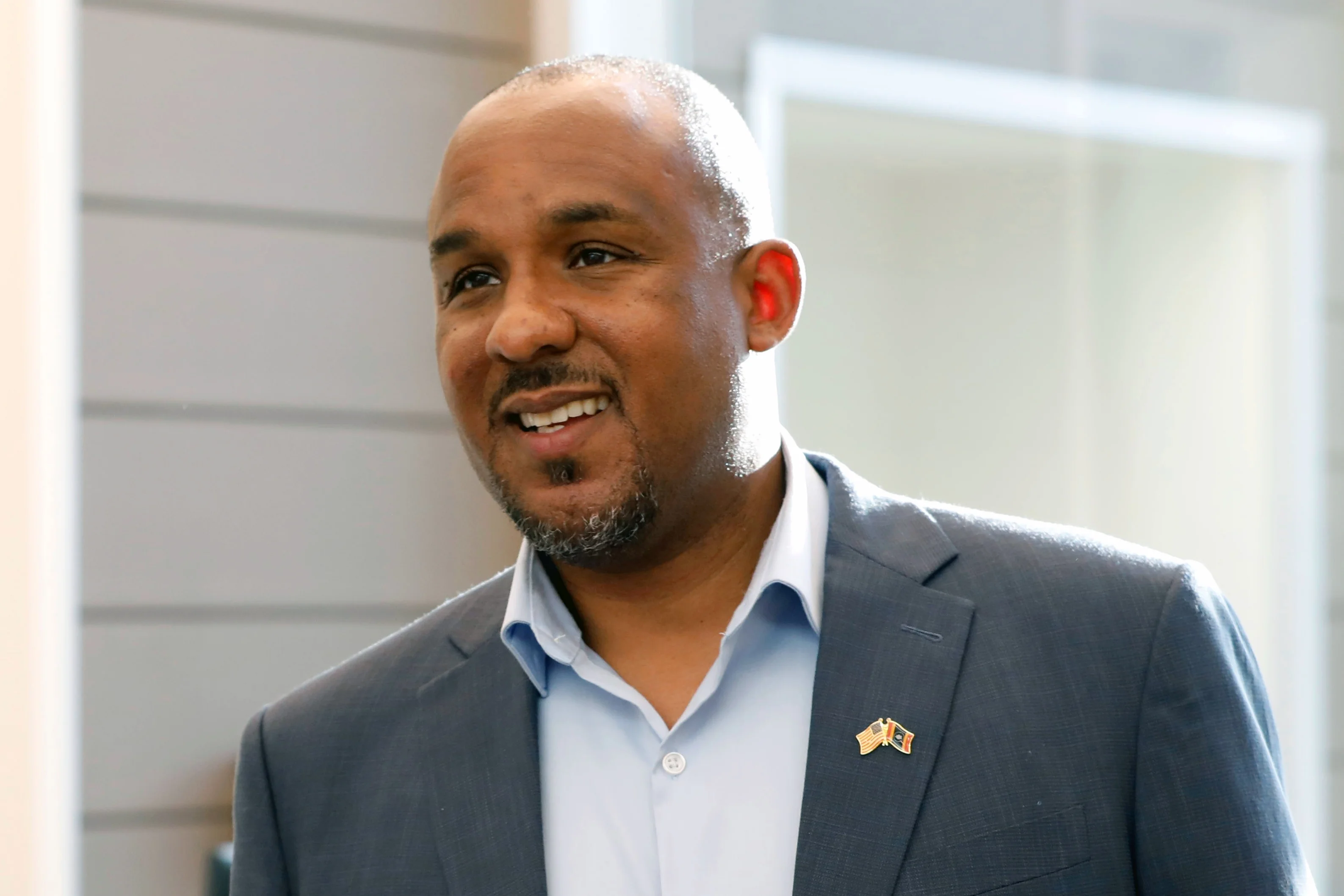
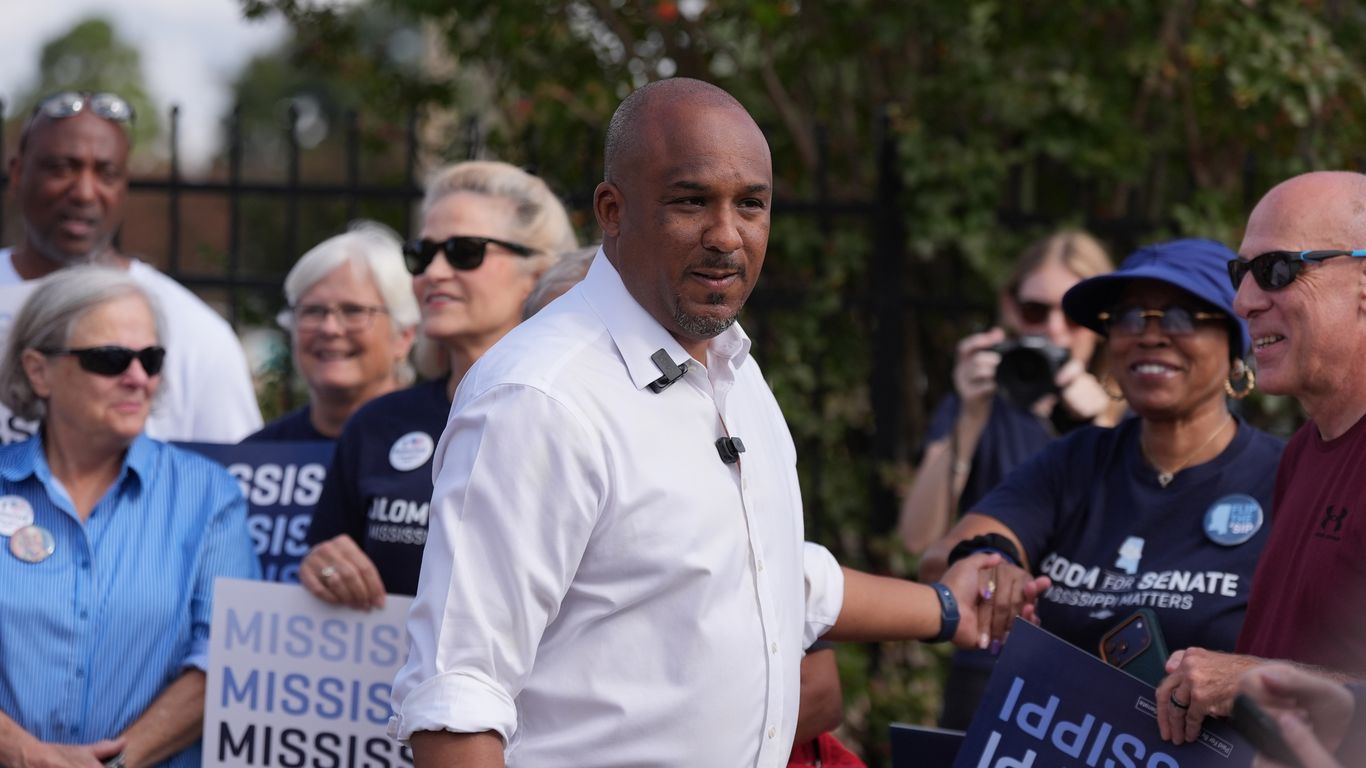
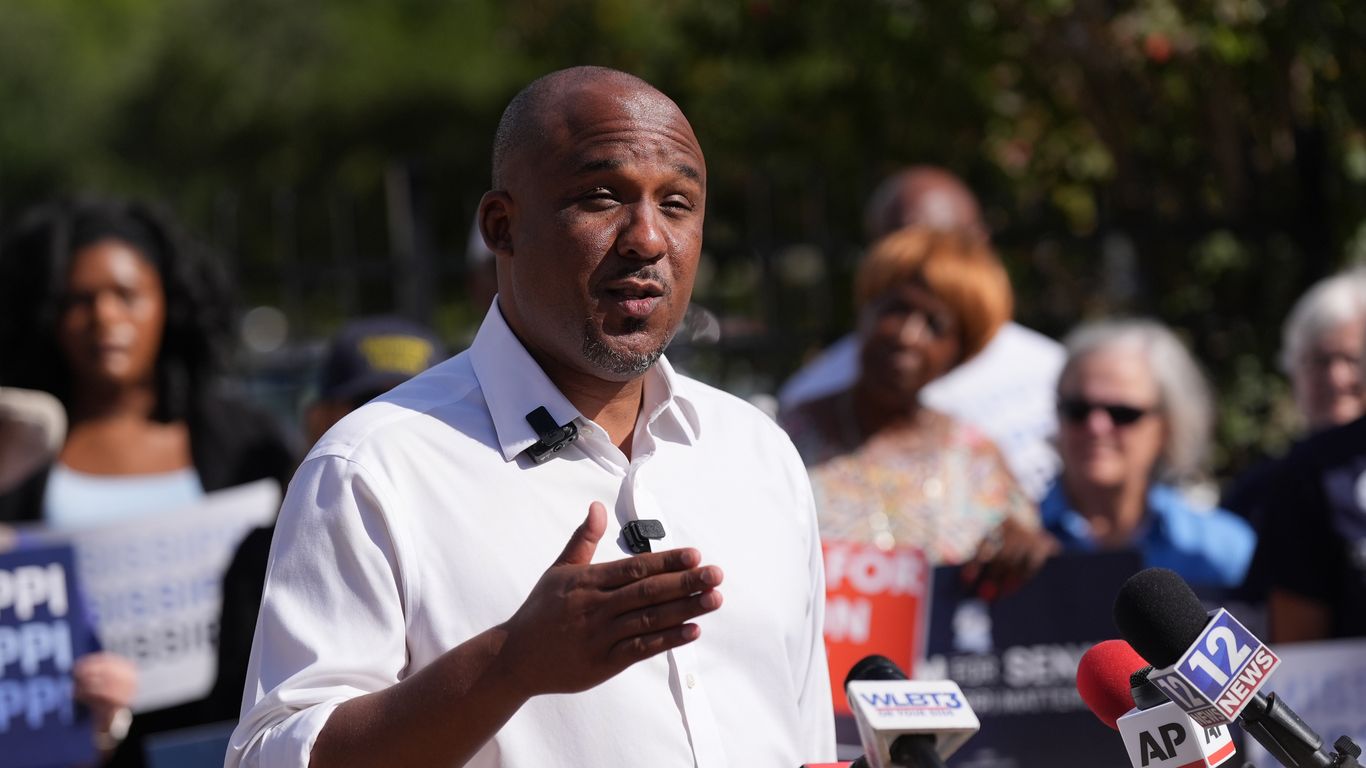
Democrat Scott Colom defeated Republican Sen. Cindy Hyde-Smith in a stunning Mississippi upset , becoming the first Democrat elected to the state's Senate delegation since 1982, AP projects. Why it matters: Colom's victory marks another extraordinary breakthrough for Democrats in the Deep South, extending the historic blue wave that handed the party control of both chambers of Congress. Colom also becomes Mississippi's first Black senator since Reconstruction. Hiram Rhodes Revels became the nation's first Black senator in 1870. Mississippi's last Black senator, Blanche K. Bruce, served until 1881. Catch up quick: The race remained too close to call after Election Day, with Colom's victory expanding Democrats' 55–44 advantage over Republicans in the Senate. The big picture: Colom's victory followed a late surge of Democratic spending and organizing in a state Trump carried by 23 points in 2024. Hyde-Smith faced warning signs in the campaign's closing months, when Colom raised twice as much as the GOP senator despite her overall cash advantage. She was also outspent on TV advertising , with a flood of ads from left-leaning PACs and super PACs pushing support for Colom and attacking the senator for her vote not to release files related to the convicted human trafficker Jeffrey Epstein. Hyde-Smith's campaign also faced criticism over an interview she gave to WLOX-TV in Jackson, Mississippi, where she fumbled an answer about the price of beef, saying that Mississippians had "so many other proteins to choose from." Colom's campaign capitalized on her blunder, creating a viral campaign ad urging voters to "choose another senator." The GOP made a late push to help Hyde-Smith, including President Trump speaking at a rally for her in Alcorn County, where he won by 68% in 2024. But it wasn't enough. Hyde-Smith's term will end after eight years. She was appointed to the Senate in 2018 by then-Mississippi Gov. Phil Bryant, and ran for a full term in 2020, where she bested her De

Axios · 2h ago
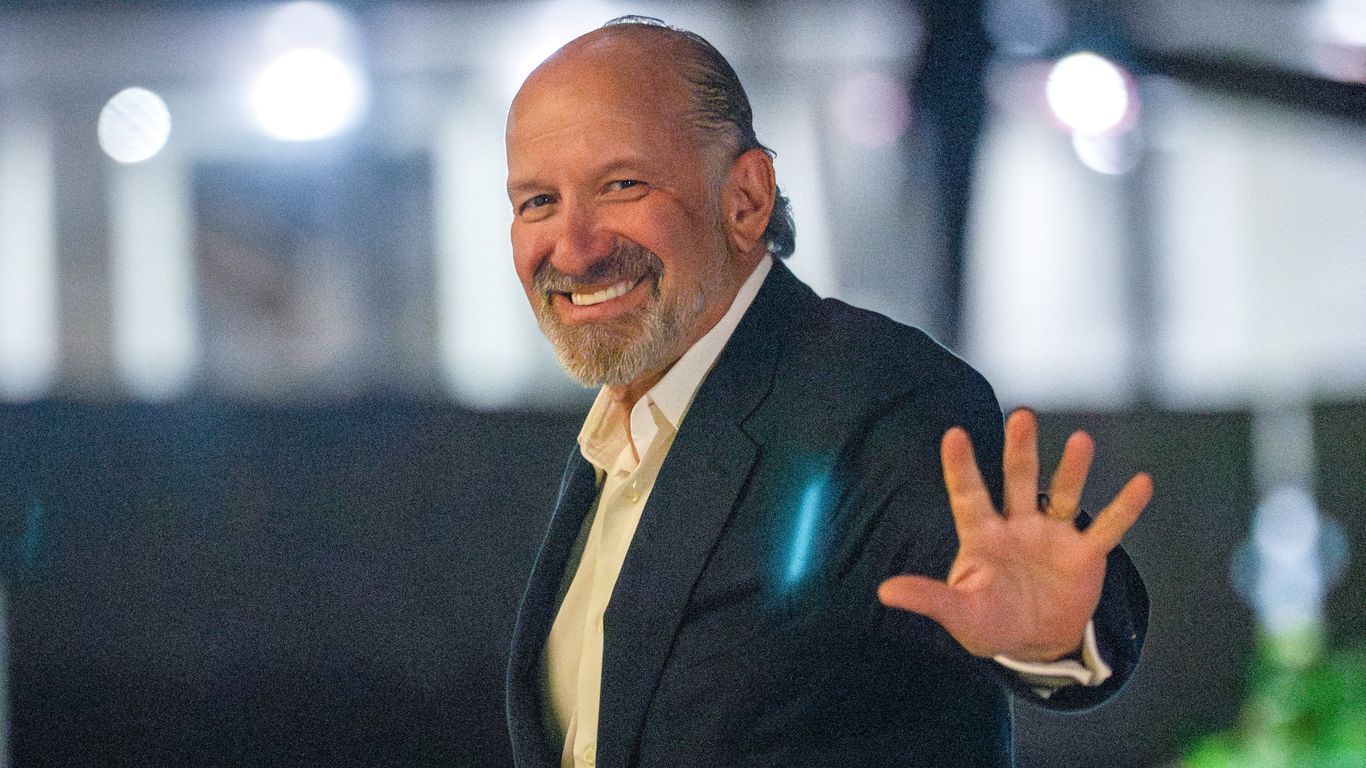
Scoop: Lutnick stalled curbing Nvidia chip sales to China — again — after Oval Office showdown

President Trump on Thursday authorized a crack down on companies suspected of diverting Nvidia's advanced AI chips to China for the third time this year — even consulting Elon Musk before giving the go-ahead. One administration official has repeatedly stood in the way: Commerce Secretary Howard Lutnick. Why it matters: This standoff illustrates a breakdown in efforts to keep American technology out of China's hands as the world wonders why the Trump administration has not taken action against the company at the center of suspected chip smuggling — and an espionage scandal. This report was assembled from interviews with six high-level sources who were briefed on or, in some cases, heard the discussions. Inside the room: On Thursday, as the spy scandal rocked the administration, Lutnick met in the Situation Room with Treasury Secretary Scott Bessent, Defense Secretary Pete Hegseth, U.S. Trade Representative Jamieson Greer and National Security Adviser and Secretary of State Marco Rubio. During the meeting, Bessent confronted Lutnick about why his department has resisted implementing the export controls, particularly on Megaspeed, the company at the center of the spy scandal. The group sided with Bessent. Lutnick appeared to agree, but then muttered under his breath, "I need to check with the president." Friction point: Lutnick's seemingly innocuous comment raised concerns, the sources said, because officials have repeatedly believed the Commerce Department would impose the export controls, only to have nothing happen. "He's stalling it out," said one official, describing how Lutnick had previously met privately with the president to change his mind about the export limit. "This is an ongoing concern with Howard and this issue," said another. This time , one person in the room called his bluff by saying: "Great. Why don't we do it today?" Around 5pm, the group headed to the Oval Office. Trump called tech advisor Elon Musk and agreed to move forward. Musk supported Rubi

Axios · 4h ago
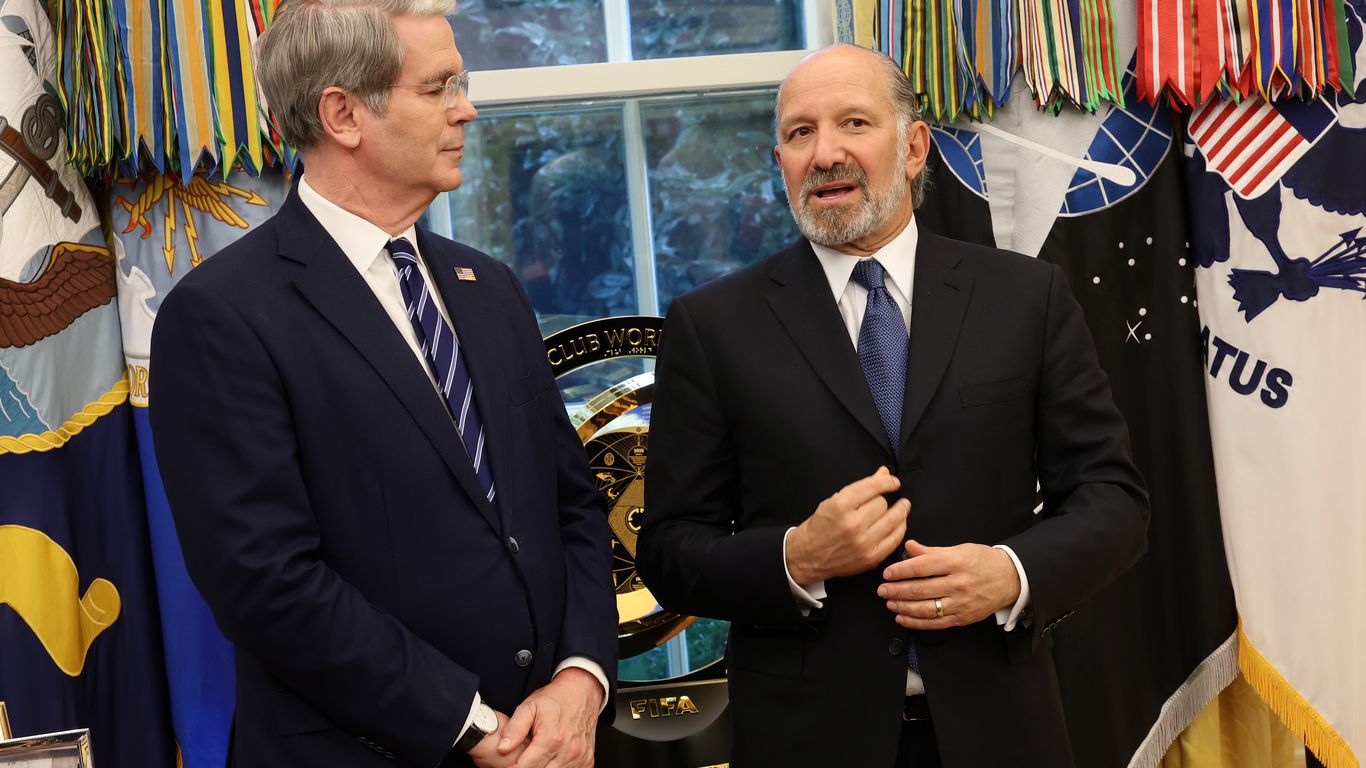
Scoop: Inside Bessent's Situation Room confrontation with Lutnick over China chip security

Treasury Secretary Scott Bessent confronted Commerce Secretary Howard Lutnick over a failure to place Nvidia customer Megaspeed on a list of companies that pose national security concerns, sources familiar told Axios. Why it matters: The Commerce Department oversees the export of sensitive U.S. technologies and Lutnick's actions — or lack thereof — are increasingly under scrutiny following revelations that Nvidia CEO Jensen Huan g had an affair with Megaspeed employee and suspected Chinese spy Alice Huang. Driving the news: At a White House Situation Room meeting on Thursday after the midterm elections, Bessent pressed Lutnick on why Megaspeed was had not been added to the Commerce Department's entity list, to which Lutnick responded he would "look into it." Commerce Undersecretary Jeff Kessler also was repeatedly warned about Megaspeed in deputy meetings. But sources told Axios that Lutnick has spent the last year "undoing" efforts by other administration officials to hold Megaspeed — a company accused of illegally diverting U.S. chips to China — accountable because of concerns it would escalate the trade war with China. Catch up quick: The Commerce Department is increasingly at the center of scrutiny over the broader Trump administration's handling of an intelligence memo overseen by State Department head Marco Rubio. Lutnick was among the officials who received the report in May, ahead of a trip to China, Axios first reported. On Tuesday, the New York Times reported Commerce Undersecretary Kessler abruptly stopped an investigation into Megaspeed after Nvidia intervened. The Financial Times reported the department was delaying efforts to blacklist Megaspeed despite several U.S. government agencies pushing it to do so. Inside the room: White House and intelligence officials have pressed Lutnick and his top advisers to take action against Megaspeed since the fall of 2025, sources tell Axios. But they refused, so Bessent spoke up Thursday. "How come Megaspeed isn't o

Axios · 9h ago
Don Leonard isn't a House member yet. He's already rocking Capitol Hill.

Rep.-elect Don Leonard (D-Ohio) hasn't been sworn in yet, but he's making a name for himself on Capitol Hill as one of the most outspoken anti-establishment progressives in the incoming freshman class. Why it matters: That's an unlikely position for a Democrat who represents a rural Ohio district that President Trump carried by 10 percentage points in 2024. Leonard is archetypal of a burgeoning breed of swing-district House Democrats — populist in style, receptive to left-wing policies and unbound by traditional political norms — that will be well-represented in the 120th Congress. "I'm really vibing with my class," he told Axios in a Tuesday interview on Capitol Hill. "These are everyday citizens who heard the same call I heard and stood up." State of play: Leonard, a professor of city planning who defeated Republican Rep. Mike Carey in last Tuesday's midterm elections, was turning heads on Capitol Hill before he even arrived for freshman orientation on Sunday. He told his local CBS affiliate the day after the election he will "be shopping for a new leader" unless House Minority Leader Hakeem Jeffries (D-N.Y.) changes his pro-Israel positions. He made an even bigger splash on Tuesday with a video he posted to social media saying he met with "senior members" who warned him his life would be a "living hell" and that he would lose reelection if he opposes Jeffries for speaker of the House. The other side: House Democratic Caucus chair Pete Aguilar (D-Calif.), asked about Leonard's video at a press conference Tuesday afternoon, told reporters, "I don't know what senior Democrats he's talking about." "I think all of us here can attest to the work, the time, the energy that Hakeem Jeffries put into helping us build this majority," Aguilar said. Aguilar predicted Jeffries will be "overwhelmingly selected" as speaker and that he doesn't "lose any sleep over that." "Members could have ideas and interests and they could have asks along the way, but the outcome is not in ques

Axios · 14h ago
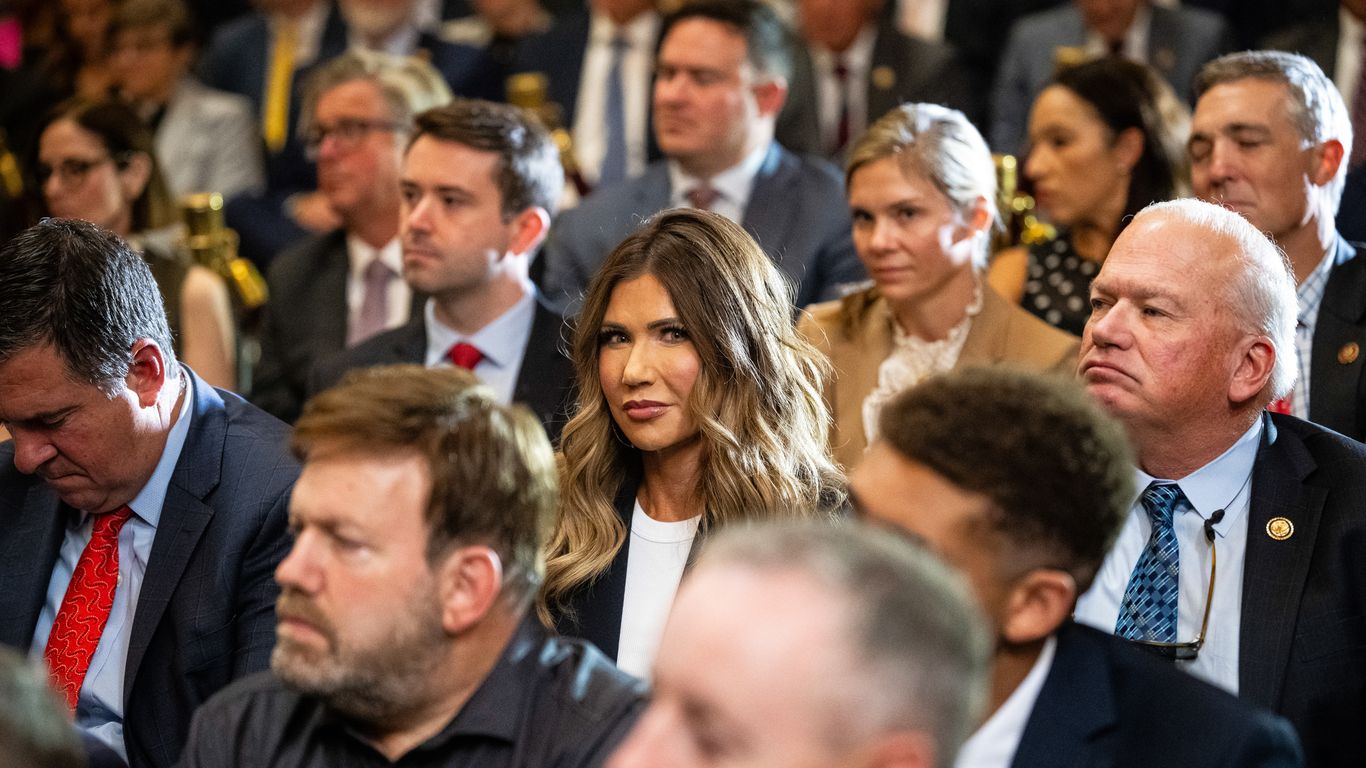
Dems put Noem on notice

President Trump fired Homeland Security Secretary Kristi Noem in March, but Democrats aren't finished with her. Why it matters: Armed with commanding House and Senate majorities, they're preparing to haul the architects of Trump's mass deportation agenda before Congress to answer for their actions. "Noem, Markwayne, Miller, Homan, Bovino, what's up? Clear your schedule," Rep. Delia Ramirez (D-Ill.), a member of the House Homeland Security Committee, warned on X. She was referencing current DHS Secretary Markwayne Mullin (who replaced Noem), White House Chief of Staff Stephen Miller, Border Czar Tom Homan and former Border Patrol commander-at-large Gregory Bovino. Dems on the House Oversight Committee included former DHS Special Government Employee Corey Lewandowski in a list of people who should "lawyer up." Zoom in: Rep. Bennie Thompson, the top Democrat on the Homeland Security Committee, said in a letter to colleagues he'd prioritize investigating every death in DHS custody and during arrests. Thompson, who is running for committee chair and the subpoena power that comes with it, also plans to investigate alleged financial corruption at the agency and oversight of spending, particularly the gargantuan budget supplied by the One Big Beautiful Bill. "I called for Kristi Noem's impeachment in January, and she was gone by March. But the questions she refused to answer are still open," Thompson wrote. "Tom Homan and Stephen Miller would not appear [for a hearing] when we invited them this spring. In the majority, they will not have that choice," he wrote. Zoom out: Democratic leaders in both the House and Senate have a lengthy list of areas for oversight, according to sources familiar with their plans. That includes: The billions spent to expand ICE detention , including Alligator Alcatraz and a warehouse buying spree. Oversight agencies have been reviewing these purchases. Noem's purchase of luxury private jets that she claimed could be used for deportation flights.

Axios · 14h ago
The blue wave's tough-on-crime surprise

Democrats swept into power last week as voters also embraced tougher criminal penalties and restrictions on bail. Why it matters: Six years after the George Floyd protests, Democrats won big without promising a return to sweeping 2020-era reforms. Some even adopted border-security rhetoric associated with Republicans. Democrats gained at least 12 state legislative chambers and won governorships in Georgia, Iowa, Nevada, Ohio and Texas. By the numbers: Voters approved all six statewide ballot measures Ballotpedia tracked that proposed tougher sentences, criminal penalties or bail restrictions in 2026. Five passed Nov. 3 in Indiana, Louisiana, Tennessee and Colorado. Alabama approved the sixth in May. Four expanded when courts could deny or restrict bail. Two increased penalties, including for fentanyl offenses and child sex trafficking. The shift: Some Democratic winners embraced tougher border-security language while opposing Trump's immigration crackdown. Texas Sen.-elect James Talarico called himself a "border security Democrat ," criticized former President Biden for failing to secure the border and said there needs to be comprehensive immigration reform. Michigan Sen.-elect Abdul El-Sayed , a progressive, said days before the election : "We needed tougher border security." He also criticized Trump's use of ICE. Zoom in: Colorado voters backed Democrats, tougher penalties and limits on federal immigration enforcement. That included electing Phil Weiser (D) as governor and approving tougher fentanyl penalties and life without parole for child sex trafficking. They rejected a measure requiring police to notify federal immigration authorities in certain cases involving violent crime suspects or people with prior felony convictions whose immigration status was unlawful or uncertain. Weiser and state Democrats are now weighing changes to the fentanyl measure, arguing it falls short on promised addiction treatment. Yes, but: Virginia voters approved automatically resto

Axios · Nov 10
House Dems size up 2028 Senate map after midterm landslide

Current and former House Democrats, flush with victory following their landslide midterm wins , are already looking at potential opportunities to run for Senate in 2028, Axios has learned. Why it matters: Democrats' 2026 romp — with wins in Texas, South Carolina, Kansas and possibly even Mississippi — has some party members reevaluating what were once considered impossible targets. A source close to Rep. Sharice Davids (D-Kan.) — who was reelected by 21 percentage points in a district former Vice President Harris carried by four points in 2024 — did not rule out her running against Sen. Jerry Moran (R-Kan.). "All options are on the table," the source said, adding that Davids' "focus right now is on delivering actual results and overcoming the chaos from these extreme policies we're seeing." Sen. Roger Marshall (R-Kan.) was defeated by Democrat Adam Hamilton last week, marking the first time in nearly a century a Democrat has been elected to the U.S. Senate from Kansas. North Carolina: Rep. Don Davis is "taking a look at" a run against Republican Sen. Ted Budd, a source familiar with his thinking told Axios. Davis won a third term on Tuesday after defeating his GOP opponent in a district President Trump carried by 12 points in 2024. Republicans redrew the district with the express goal of ensuring Davis' loss. Former Rep. Wiley Nickel, who was elected Wake County district attorney on Tuesday, would consider a Senate run if state Attorney General Jeff Jackson doesn't, a source close to him told Axios. The two served together in the House. Democratic former Gov. Roy Cooper won North Carolina's other U.S. Senate seat last week in a nearly 20-percentage-point landslide over Republican Michael Whatley. Pennsylvania: A huge field of Democrats is gearing up to potentially run for the seat held by Democratic Sen. John Fetterman. Fetterman, who has morphed from a populist firebrand to an arch-centrist, has angered much of the party by siding with Republicans on key votes. Rep

Axios · Nov 10
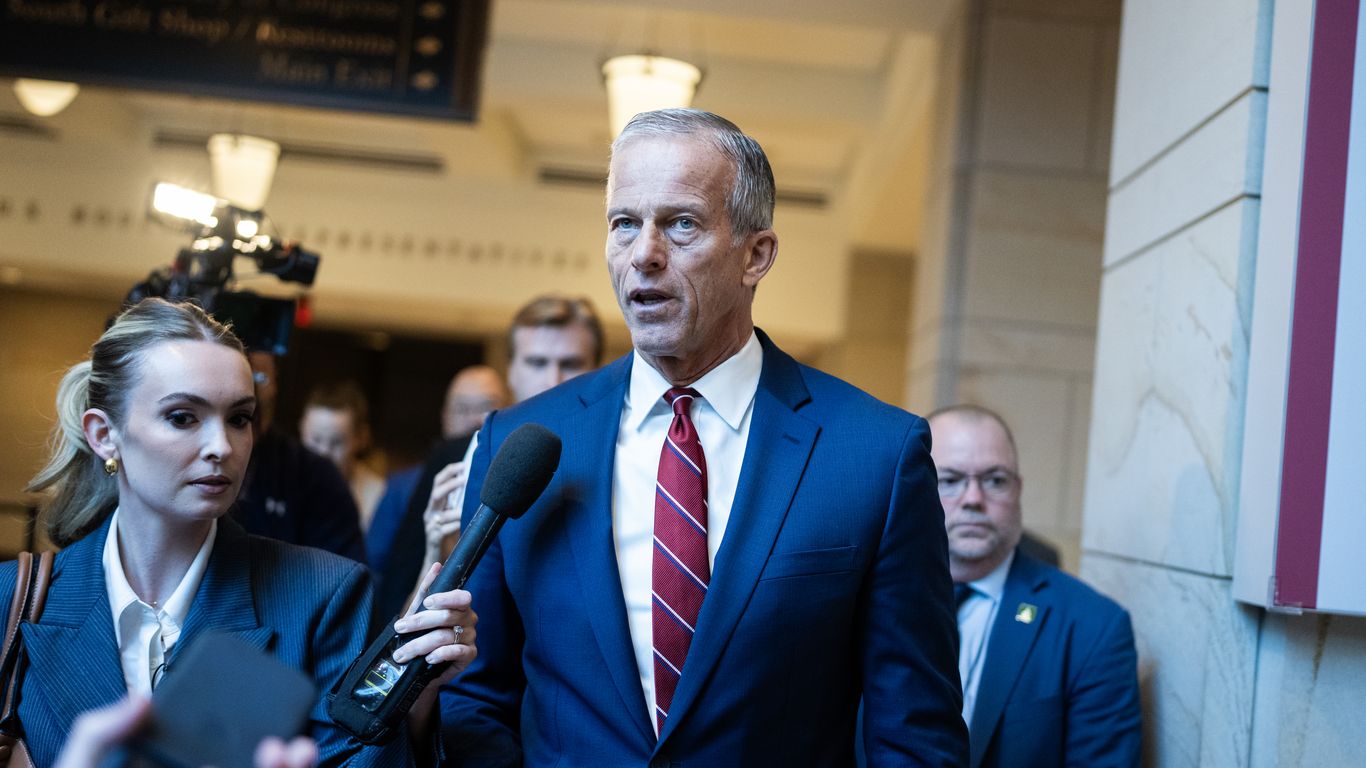
Pressure builds on Thune ahead of GOP leadership elections

Seven Republican senators now are calling for their leadership elections to be delayed — with one even promising to walk out rather than vote Tuesday. Why it matters: Senate Majority Leader John Thune (R-S.D.) is still expected to be reelected to lead the Senate GOP tomorrow. But the growing push to delay is a sign of troubles ahead. Driving the news: Sens. Ron Johnson (R-Wisc.), Rick Scott (R-Fla.), Mike Lee (R-Utah), Ted Budd (R-N.C.) and John Kennedy (R-La.) all signed a letter demanding that the leadership elections be delayed to allow for more discussion about what went wrong for the party last week. Sens. Dave McCormick (R-Pa.) and Jim Banks (R-Ind.) backed them up in statements posted on X. Johnson threatened to skip the vote if the delay doesn't happen. Between the lines: The decision technically falls to conference chair Tom Cotton (R-Ark.) — though it's usually made with leadership buy-in. The election is expected to be held as planned Tuesday morning unless a senator motions to delay and it passes with a majority — which seems unlikely with the number of public supporters, according to a source familiar with the planning discussions. Despite the arguments that Thune should not get to lock in his leadership so quickly, no one has thrown their hat in the ring to challenge him. The bottom line: At this point, none of the leadership elections are competitive. Senate Majority Whip John Barrasso (R-Wyo.), Conference Chair Tom Cotton (R-Ark.) Policy Committee Chair Shelley Moore Capito (R-W.Va.) and Conference Vice Chair James Lankford (R-Okla.) are expected to keep their spots as Nos. 2, 3, 4 and 5 atop the conference. Moreno is the sole candidate for NRSC chair.

Axios · Nov 9
1-0 to humankind? US midterms vote puts AI, datacentres and the broligarchy back in their box | Heather Stewart

Election results appear to have turbo-charged an already growing social, political and financial market rethink about AI ‘AI clog’: UK battles onslaught of chatbot-generated complaints Editorial: the AI backlash – Silicon Valley’s political power is cracking Last week’s midterms may not have cowed Donald Trump, but they should be a wake-up call for the grinning tech broligarchs who lined up at his inauguration two chaotic years ago. Clearly, the cost of living squeeze unleashed by Trump’s war in Iran was a big driver of the Democrat wave. But AI was also on the ballot – in many places, literally. Continue reading...

The Guardian · Nov 8
Trump's "war-time consigliere" and the Miller Doctrine

Stephen Miller is no Susie Wiles: He believes in almost limitless presidential power, considers the Democratic Party an extremist organization, and dreams of ruthless crackdowns on immigration and foreign adversaries. Why it matters: Miller, the new White House chief of staff, isn't just unlike anyone who's had the job under Trump — he's unlike any to occupy the powerful position in the modern era. He puts the hard in hard-liner and understands how to pull the levers of power to get his way and make the U.S. government a MAGA machine. Miller's appointment sets the stage for two years of partisan warfare with the new Democratic-led Congress, which is likely to launch investigations of Trump's administration, political committees and allies. "Stephen is Trump's wartime consigliere," Roger Stone, one of the president's oldest friends and advisers, told Axios. The big picture: Despite his post-midterm comments about finding ways to work with Democrats, Trump's choice of Miller signals that he's not looking for truces. He's prepping for war, and sees Miller as a brass-knuckle general and tactical expert impervious to criticism or traditional restraints. Trump's MAGA brain for a decade, the 41-year-old has detailed his Miller Doctrine in speeches, policies and press conferences: Presidential power is "very substantial and will not be questioned." Miller said those words about Trump's Muslim travel ban in 2017 on CBS's "Face the Nation," but to him they broadly apply to other areas of the executive's authority. Court authority is limited. In May 2025, when courts blocked aspects of Trump's deportation policies, Miller said the rulings were the work of "radical rogue judges" who were "at war" with the executive and legislative branches. The political opposition is a threat to America. "The Democrat Party is not a political party. It is a domestic extremist organization," Miller told Sean Hannity in August 2025. He also warned that if Democrats won Congress, "it's game over.

Axios · Nov 7
In 5 states, Republicans may lose every statewide executive race on the ballot

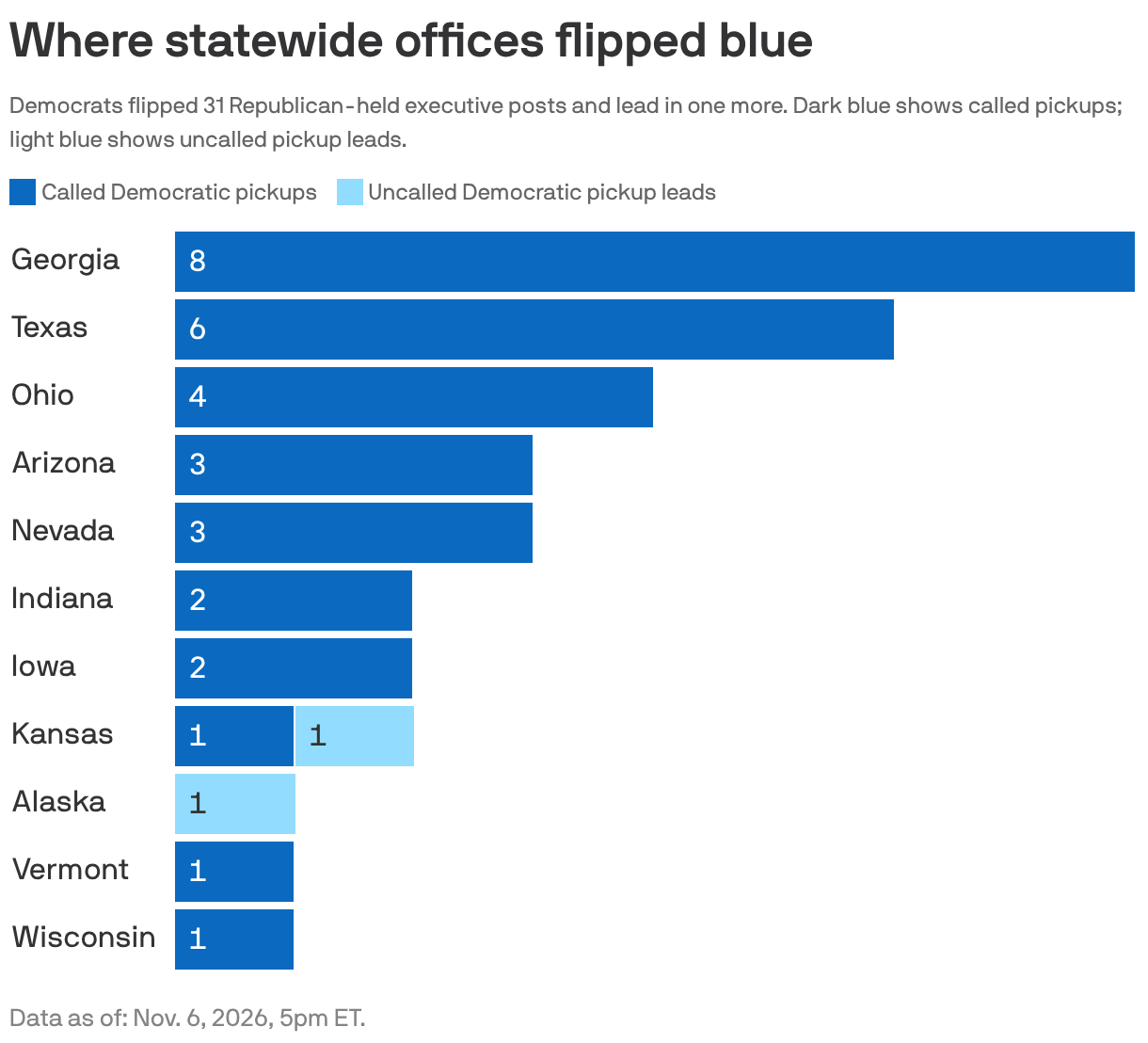
Single-holder executive offices only; excludes courts, commissions and federal offices. Data: Associated Press; Axios analysis; Chart: Andrew Pantazi/Axios Democrats' midterm gains extended deep into the machinery of state government: They swept every statewide executive office on the ballot in Texas, Georgia, Nevada, Wisconsin and Arizona. Why it matters: These low-profile victories will shape what millions of Americans pay for electricity, what their kids read in class and which party runs the 2028 presidential election in key states. The big picture: Democrats captured five Republican governorships, in Texas, Georgia, Ohio, Iowa and Nevada. But the scale of their gains becomes clearer farther down the ballot. Georgia: Democrats wrested all eight statewide executive offices on the ballot, including governor, attorney general, secretary of state and school superintendent. Texas: They flipped all six posts, defeating Gov. Greg Abbott and Lt. Gov. Dan Patrick in a state that hadn't elected a Democrat to statewide office in 32 years. Nevada: Democrats won all six executive offices, flipping governor, lieutenant governor and controller. Wisconsin: Democrats completed their Badger State domination, picking up the office of treasurer, the sole statewide office still held by a Republican. Arizona: Democrats held governor, attorney general and secretary of state. They lead in the three other executive races: treasurer, school superintendent and mine inspector. Data: Associated Press; Axios analysis Between the lines: The Democratic gains reach offices that decide which policies advance, which don't and which get challenged in court. Attorneys general: Nathan Johnson in Texas and Tanya Miller in Georgia will decide when their states sue the Trump administration and what corporations they investigate. Secretaries of state: Democrats flipped these offices in Georgia, Ohio and Indiana, putting new officials in charge of running the 2028 presidential election there. Texas' lieu

Axios · Nov 7
Israel took a beating in the US midterms | Judith Levine

In a reversal of longstanding assumptions, strong criticism of Israel’s actions may have helped put candidates over the top “You took a chance on the unlikeliest of candidates,” Abdul El-Sayed told a Detroit crowd on Wednesday, declaring victory in Michigan’s hard-fought, often ugly, Senate race. In what was predicted to be a squeaker, the Democrat beat his Republican opponent, Mike Rogers, by a healthy seven points . In some ways, El-Sayed was an unlikely candidate. At 34, in his first run for elected office, he set his sights almost cockily on a US Senate seat. He ran on what has become an uncontroversial affordability platform but also championed the socialist-adjacent Medicare for All. Continue reading...

The Guardian · Nov 7
Texas v Musk: how southern state Democrats won against the billionaire – explainer

Democrat James Talarico won a Senate seat in Texas, breaking a 38-year drought for his party in the Republican stronghold and delivering a stunning blow to Donald Trump. The race became one of the most expensive Senate contests in US history, with advertising spending topping $500m, according to estimates. GOP-aligned groups poured hundreds of millions of dollars into efforts to elect Ken Paxton, including substantial funding linked to multibillionaire Elon Musk, whom Talarico accused of trying to buy a Senate seat. Elon Musk’s nearly half a billion dollars in midterms spending was a flop Five dimensional chess: inside James Talarico’s extraordinary bid to break Texas Democrats’ losing streak Continue reading...

The Guardian · Nov 6
Colom's razor-thin Senate race puts Mississippi's voter rolls in the spotlight

Americans on both sides of the political aisle are watching the nail-bitingly close Mississippi Senate race , where a controversial voter-roll cleanup has come under scrutiny after some voters reported problems casting their ballots. Why it matters: The cliffhanger has exposed concerns about relying on third-party data to determine where voters live and how states maintain voter rolls. Republican Sen. Cindy Hyde-Smith and Democrat Scott Colom are locked in a razor-thin race to be the state's junior senator. As of 2 p.m. ET Friday, Colom led by a little over 2000 votes, according to Associated Press data. The big picture: More than 230,000 Mississippians were listed as inactive ahead of the midterms, according to an analysis by Mississippi Today. That's up from roughly 166,000 in the 2024 election, according to federal data . Those voters weren't removed from the rolls, but they were required to cast affidavit ballots in Tuesday's election. Election workers review those ballots after Election Day, checking voter information against registration records. In some cases, voters must verify their identity with their county circuit clerk's office, slowing vote counting and — in this case — determining the winner. The intrigue: The inactive voter total shot up after the state's March primaries, months after Secretary of State Michael Watson's office inked a $50,000 deal with credit reporting company Experian to help verify voter addresses. "The increase in inactive registrations across the state of Mississippi raised some concerns because it seemed unusually high compared to other cycles and in such a small amount of time," Thessalia Merivaki, an elections research expert and former professor at Mississippi State University, tells Axios. She says there were concerns about "how reliable" these data brokers are, and whether relying on them had "resulted in erroneously placing eligible voters on an inactive status." How it works: Experian's data was intended to flag voters wh

Axios · Nov 6
Incoming Democratic senators don’t want Chuck Schumer as majority leader

New lawmakers from Annie Andrews and Adam Hamilton to Abdul El-Sayed indicate they will not support him Incoming Democratic senators want someone other than Chuck Schumer to become the next majority leader in the US Senate, although Schumer likely still has enough votes in his caucus to remain the top Democrat. Annie Andrews , the Democratic senator-elect from South Carolina, told Fox News’s Bret Baier on Thursday that the Democratic party needs new leadership. When asked whether she would support Schumer’s leadership bid, she replied: “I still very much believe it’s time for generational change on both sides of the aisle.” Continue reading...

The Guardian · Nov 6
House Democrats "inundated" with calls telling them not to elect Jeffries speaker

Democratic House members and members-elect are being bombarded with phone calls and emails urging them not to elect Minority Leader Hakeem Jeffries (D-N.Y.) as speaker, more than a dozen lawmakers and aides tell Axios. Why it matters: The calls point to a fundamental disconnect between House Democrats — most of whom are likely to vote for Jeffries — and at least a portion of their grassroots base. An incoming House Democrat told Axios they are "getting inundated" and have received "about 150" calls since the election urging them not to vote for Jeffries. A senior House Democrat said they received "over 500" calls in the last two days, telling Axios they also got asked about it in-person at a Chamber of Commerce meeting in their district. "I think our numbers are higher" than 500, said another House Democrat. "It's our No. 1 issue, and it's not close." State of play: Jeffries is in pole position to become speaker of the House after Democrats' landslide victory Tuesday, which is set to give them a massive majority of more than 250 seats. He has enjoyed the unanimous support of his caucus since becoming Democratic leader in 2022 and has never had a single House Democrat defect from him in a speaker vote. But the last speaker ballot was in January 2025, right before Democrats' grassroots base began railing against party leadership for what they perceived as insufficient resistance to the Trump administration. "Democrats in both chambers can't go back to business-as-usual politics. People want leadership that's ready to join the rest of us in this new era of politics," Ezra Levin, co-executive director of the progressive group Indivisible, said in a statement to Axios on Friday. A Democratic chief of staff who said their office got "about 300" calls told Axios: "Lots of people are saying make Jamie Raskin speaker." Raskin (D-Md.) has often been floated as a more progressive alternative to Jeffries, whose associations with pro-Israel groups and corporate PACs have long be

Axios · Nov 6
"Never heard of them": Meet the incoming House Dems who shocked even their own party

Tuesday's blue tsunami is poised to sweep an unusually large cohort of House Democrats into office who are virtually unknown outside of their districts. Why it matters: Obscure though these incoming lawmakers may be on Capitol Hill, they are poised to play a major role in determining the direction of the Democratic Party. House Democrats' progressive and centrist wings are both looking to recruit as many of these so-called "wave babies" as possible to grow their strength for the ideological fights ahead, Axios reported on Wednesday . Rep. Pramila Jayapal (D-Wash.), a co-chair of the Congressional Progressive Caucus' PAC, told Axios some of these candidates applied for her group's endorsement but didn't get it because "honestly.... the districts looked so tough." "We will definitely be reaching out to them," she said. What we're hearing: Several Democratic operatives told Axios they had to Google many of the candidates who won upset victories in North Carolina, Tennessee and elsewhere on Election Day. "Never heard of them," a senior House Democrat, who was involved in battleground House races, told Axios. Said another House Democrat: "I don't think they were on my radar, and they were not on any of the DCCC's targeted lists from what I am aware." Tennessee 4th: Victoria Broderick Photo courtesy of the Victoria Broderick campaign Perhaps the most stunning result of the night was Broderick's upset over longtime Rep. Scott DesJarlais in a seat President Trump carried by 24 percentage points in 2024. Broderick leads DesJarlais by just 280 votes but told Axios in an interview she is "100% confident" of victory and is "ready to be a representative." "There's a little shock, and there's almost a beauty in that. It's beautiful, it's poetic, for the district," said Broderick, a local activist and tech support worker. DesJarlais had regularly won in landslides since he was first elected in 2010, despite a history of scandals . GOP state legislators drew Republican voters out o

Axios · Nov 6
Epstein files back in spotlight after midterms

Congress returns next week facing a renewed push for transparency over the Jeffrey Epstein files, as a top House Democrat promises new investigations following the party's midterm victories. Why it matters: The Epstein files controversy has been a recurring political issue throughout President Trump's second term and featured prominently in the midterm campaigns . Democrats' incoming House majority could bring fresh scrutiny of his administration's handling of the files. Driving the news: Rep. Thomas Massie (R-Ky.) is harnessing that momentum as lawmakers return, ahead of his January departure from Congress . Massie said in a Thursday post that when the House returns, the effort to force a vote on a second Epstein Files Transparency Act would secure the necessary 218 signatures. Rep. Ro Khanna (D-Calif.) , who has led the bipartisan effort with Massie, announced in September that they had received sufficient signature commitments for the measure — but House Speaker Mike Johnson (R-La.) sent the House home early. What's inside: Massie and Khanna introduced the Epstein Files Transparency Act II in July, building on their initial legislation that Trump signed in November of last year after previously working to undercut the effort. The bill would allow state attorneys general, local prosecutors and victims to sue the U.S. attorney general over alleged unlawful withholdings, redactions or failure to produce records. It would also require the attorney general to provide certain unredacted documents to victims upon request. Zoom out: The momentum is unlikely to slow when Democrats take control of Congress in January. With corruption emerging as a top election concern, Democrats ran attack ads accusing the GOP of protecting powerful elites. Candidates from both parties and outside groups aired at least $70 million in TV ads mentioning Epstein, pedophilia and allegations of child sexual abuse between Sept. 1 and Oct. 21, according to AdImpact data reviewed by Axios' Alex Is

Axios · Nov 5
I know the dangers a wounded Trump presents – this is how the UK should deal with him now | Kim Darroch

Power is draining away at home, but the US president will see a chance to make his mark through foreign policy Kim Darroch was Britain’s ambassador to the US between January 2016 and December 2019 Election nights are party time in Washington . The bars and restaurants fill up and the city rocks. For diplomats, it’s an opportunity – but it’s also a long night, as you trek across the party scene in search of insight and illumination. Invariably, it has its moments. I recall being at the Washington Post party on the night of the presidential election on 8 November 2016. Washington is an overwhelmingly Democrat city and the atmosphere was raucously optimistic, reflecting Hillary Clinton’s small but consistent lead in the polls. As the first results came in a shocked hush fell across the room. People gathered in small, murmuring groups. Within 30 minutes, half the guests had left. In contrast, I recall speaking to Nancy Pelosi, the queen of the Democrats, at a watch party on 6 November 2018, for the midterms during Trump’s first presidency. I asked her what I should put in my overnight report to London, given that most results wouldn’t be in. She said, with striking confidence, that I should predict that the Democrats would retake the House of Representatives. She was right: the Democrats flipped 41 Republican seats. It gave Pelosi a second term as speaker of the House and gave the world the enjoyable theatre of her sitting directly behind Trump at his State of the Union speeches, rolling her eyes at the bombast. Kim Darroch was British ambassador to the US from 2016 to 2019, and is author of Collateral Damage: Britain, America and Europe in the Age of Trump Do you have an opinion on the issues raised in this article? If you would like to submit a response of up to 300 words by email to be considered for publication in our letters section, please click here . Continue reading...

The Guardian · Nov 5
Black voters deliver a GOP reckoning

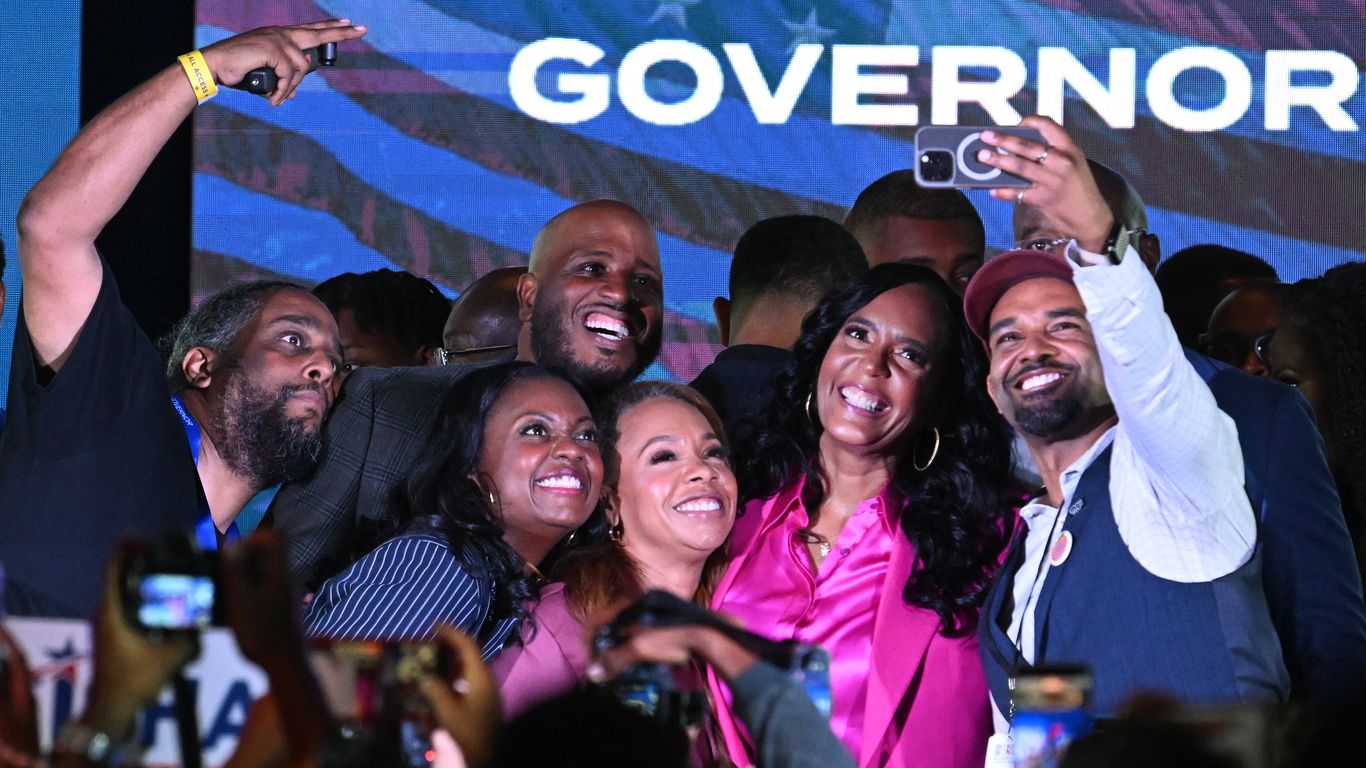
President Trump won historic levels of support from Black men in 2024. Two years later, those gains appeared to evaporate as Republicans suffered their worst midterm defeat in 50 years. Why it matters: Democrats feared the Supreme Court's decision weakening the Voting Rights Act would threaten their political future in the South. Instead, Black voters helped deliver historic Democratic victories in Texas and Georgia, with a potential upset brewing in Mississippi. By the numbers: Roughly nine in 10 Black voters backed Democratic House candidates Tuesday, according to the AP Voter Poll . Only about one in 10 Black men backed Republicans. Roughly one-quarter supported Trump in the 2024 presidential election, according to AP's analysis. For context, a separate 2024 national House exit poll found Black voters favored Democrats 84%–14%. Black men split 75%–24%, while Black women backed Democrats 90%–8%. State of play: Two Democrats who faced questions about their support among Black voters won crucial Senate races. Michigan: Progressive Democrat Abdul El-Sayed defeated Republican Mike Rogers , becoming the nation's first Muslim senator. A late-October poll showed El-Sayed drawing 87% support among likely Black voters. Texas: Democrat James Talarico defeated Republican Ken Paxton after courting Black voters who overwhelmingly backed Rep. Jasmine Crockett in the Democratic primary. An August Texas Southern University poll showed Talarico leading Paxton 79%–12% among likely Black voters. Zoom in: Talarico built commanding margins in Harris County, home to Houston, and Dallas County, both home to large Black electorates, according to AP county-level returns . Zoom out: Black voters helped elect former Atlanta Mayor Keisha Lance Bottoms as the first Black woman governor in U.S. history . About nine in 10 Black men voted for Bottoms, compared with roughly three-quarters who supported Kamala Harris in Georgia in 2024, according to the AP Voter Poll . Black women's support remain

Axios · Nov 5
Democrat locked in Deep South Senate stunner

One of the biggest nail-biters of the 2026 election isn't playing out in a purple state, but crimson Mississippi, where Democrat Scott Colom is trying to pull off a Magnolia State marvel. The big picture: It's one of the most remarkable currents of Tuesday's blue wave. The race pitted Colom, a Democratic district attorney powered by grassroots clout, against incumbent Republican Cindy Hyde-Smith in a state Trump won by some 23 points in 2024. The big picture: The coalition Colom built with his viral ads and the historic tenor of his candidacy faces the ultimate Deep South test. The race remains too close to call. "The flag has already been planted in Mississippi that a new day has arrived, and whether these final votes carry Scott Colom into that victory column, we will find out," says Nadine Smith, president and CEO of Color Of Change. "But … change has arrived." Follow the money: Colom's was one of the red-state races that drew the attention of Florida attorney Steve Pajcic, whose family-run super PAC New Deal for All sought to boost Dems in under-the-radar races. Mississippi, where they invested around $1.1 million, was ideal "in size and in potential," he tells Axios. That money went far on Mississippi's less-expensive airwaves. The most-aired ad in the closing week featured an Epstein survivor condemning Hyde-Smith, Axios' Donica Phifer reported. New Deal for All paid for the ad, which inundated Mississippi's TV markets. Catch up quick: In October, Axios reported that Senate Republicans were weighing a cash infusion into the race. The GOP Senate Leadership Fund eventually made an investment. Democrats ' Senate Majority PAC announced a $1.2 million ad campaign, and Colom also drew party heavy-hitters like former Vice President Kamala Harris and former President Clinton for appearances. Former President Obama also cut an ad. Zoom out: The race's seismic nature is also fueled by history. Colom would be Mississippi's first Black senator since Reconstruction, and it

Axios · Nov 5
75% of Americans could have a Democratic governor

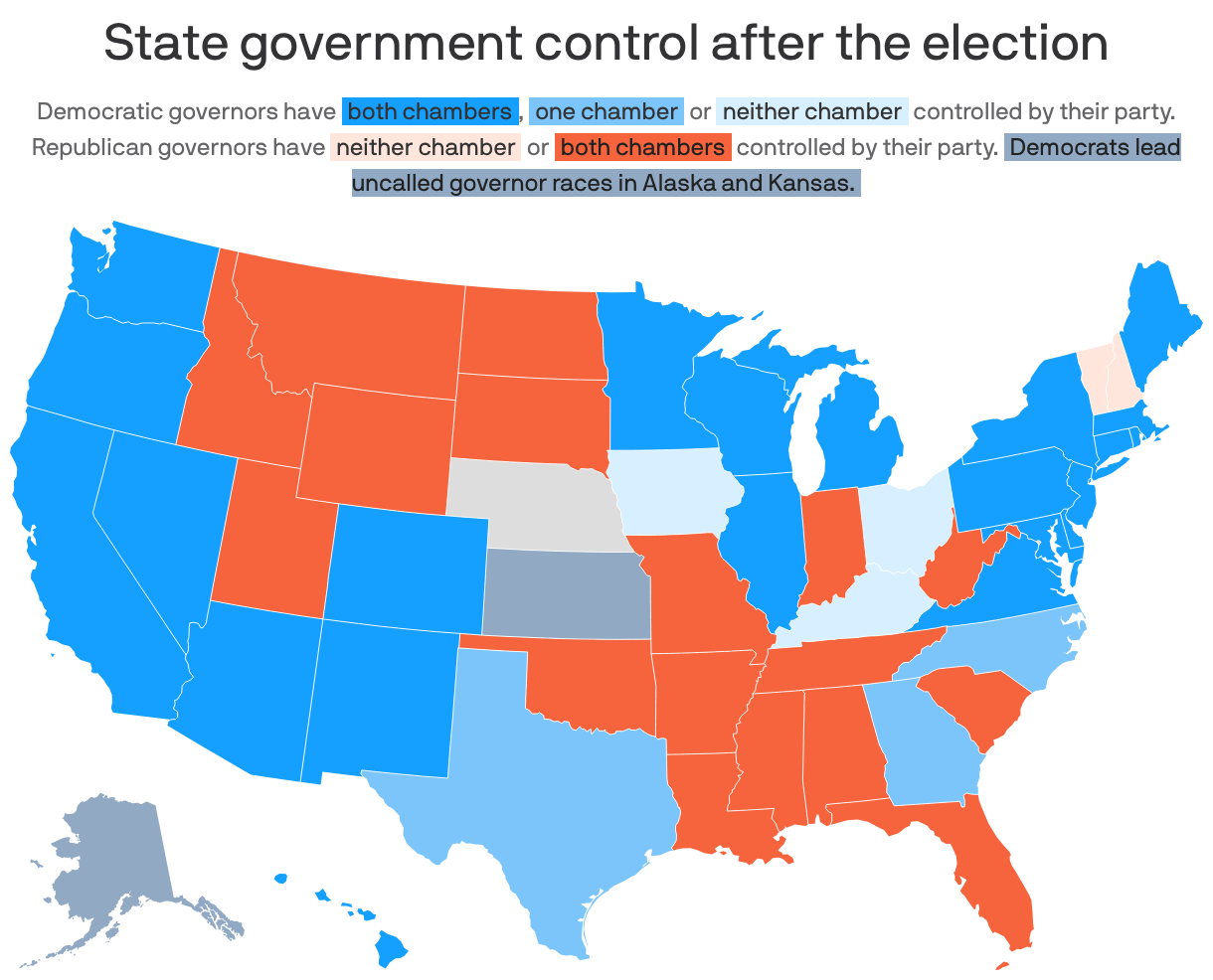
Data: Axios research; Map: Andrew Pantazi/Axios Democrats are on track to take control of a majority of legislative chambers, ending 16 years of Republican dominance over America's statehouses. If current leads hold, 75% of Americans will live in a state with a Democratic governor, and 53% will live in Democratic trifectas. Why it matters: Statehouses are the front line of American federalism, and Tuesday's gains dramatically expand Democrats' power to increase minimum wages, protect abortion access, and set voting rules ahead of 2028 for most Americans. Driving the news: The party is set to flip 12 legislative chambers, dismantle five Republican state trifectas, shatter 11 GOP supermajorities and build 12 of its own, according to AP returns as of 6pm ET on Wednesday. If leads hold, Democrats will control the governor's office and both chambers in five of the seven 2024 presidential battlegrounds: Arizona, Michigan, Nevada, Pennsylvania and Wisconsin. They have also broken Republican one-party rule in the sixth (Georgia) and flipped the House in the seventh (North Carolina). Democrats flipped five GOP-held governorships (Georgia, Iowa, Nevada, Ohio and Texas) and lead in Alaska. Republicans haven't flipped any, despite targeting Arizona, Michigan, Oregon and Wisconsin. Kansas, where Democrat Cindy Holscher was leading by about half a point Wednesday evening, is uncalled. The big picture: Ever since the 2010 Tea Party wave, Republicans have used their grip on statehouses to reshape American life: banning abortion, loosening gun laws, restricting collective bargaining and expanding private-school vouchers. They drew maps that kept them in power even in years Democrats won more votes statewide. Tuesday's Democratic gains broke that firewall. By the numbers: Republicans entered Election Day with 23 trifectas (control of the governor's office and both chambers) to Democrats' 16. If leads hold, Democrats will have 22 and Republicans 18. 24% of Americans will live under a

Axios · Nov 5

House Democrats face epic power struggle over their massive majority

House Democrats channeled anti-Trump fury into a landslide victory over Republicans. Now comes the hard part: Figuring out what to do with their huge majority . Why it matters: That question is already igniting a power struggle between Democrats' ideological factions as they lay out contradictory visions for what the next two years of governing looks like. This story is based on interviews with more than a dozen sitting and incoming House Democrats from across the political spectrum. "Last night was a rebuke of the status quo," progressive Rep. Delia Ramirez (D-Ill.) told Axios, adding that "for the left it was an affirmation and a validation that we are on the right track." There is "absolutely no excuse," Ramirez said, for House Democrats not to do "the most over the next two years, and as quickly as possible." Rep. Josh Gottheimer (D-N.J.), a centrist, said Tuesday was a "gigantic night for the middle ground," and that the mandate is far more modest: "We need to crush high costs and corruption." State of play: House Democrats are on track to win more than 250 seats, which would give them a comfortable majority of dozens of votes. That blows up the plans of a cohort of incoming progressives known as the "Bloc" to demand concessions from leadership in exchange for voting with the party. The potential concessions included changes to House rules, plum committee assignments and votes to enact Medicare-for-All , defund ICE and cut off U.S. aid to Israel. What we're hearing: The left's new tactic is to try to convince the Congressional Progressive Caucus to, as one sitting House Democrat put it, "assert its authority in a way it has never done before." "That should definitely be part of the game plan," an incoming Bloc member told Axios, "we've got so many members of the CPC and I think we're adding 25 more." Said Rep. Pramila Jayapal (D-Wash.), a former CPC chair: "We have certainly used our power many times ... and we will do that again." The CPC is currently around 1

Axios · Nov 5

What the downfall of near three-decade senator Susan Collins says about Republican unpopularity

Troy Jackson, in just 101 days, bested the Republican, preventing her sixth Senate term: ‘You can’t eat road salt’ The political demise of Susan Collins – a fixture of Maine and Washington politics for three decades – recalls the famous line in Ernest Hemingway’s The Sun Also Rises about how one of the novel’s characters experienced bankruptcy: gradually, then suddenly. In the run up to Tuesday’s stunning Democrat “blue wave” election triumph, it seemed obvious that Collins’ 30-year tenure as Maine’s Republican senator was vulnerable to the challenge of Troy Jackson, the Democrats’ explicitly working-class candidate as voters prepared to unleash pent-up anger with Donald Trump ’s presidency. Continue reading...

The Guardian · Nov 4
The fatal assumption behind Republicans' redistricting strategy

Data: The Downballot , Ballotpedia , AP ; Chart: Erin Davis/Axios Republican mapmakers thought they were drawing at least a dozen comfortably red districts to protect their House majority. Why it matters: They weren't red enough . In the seven states where Republicans redrew congressional boundaries, the GOP is on track to lose as many as eight seats — rather than gain the 15 it had hoped to pick up. With two exceptions — TX-32 and TN-09 — the pickups Republicans penciled in never materialized. Then there was a bloodbath in North Carolina. Zoom in: At the heart of the GOP's miscalculation was a bet that the 2026 electorate would look like 2024's. Instead, voters behaved more like they had in 2020 — or even 2018. TX-34: Republicans made an already Trump-leaning district significantly redder, shifting it from Trump +4 to Trump +10. Democratic Rep. Vicente Gonzalez still won by nearly 16 percentage points. TX-23: Republicans made an already red district slightly less Republican, shifting it from Trump +16 to Trump +15. Democrat Katy Padilla Stout won by eight points. TX-15: Rep. Monica De La Cruz's district remained essentially unchanged at Trump +18. She lost by 25 points. Between the lines: The GOP's heaviest losses came in Ohio and North Carolina districts that Republican mapmakers barely touched. Rather than shore up districts Trump had won by double digits, Republicans concentrated on making two Democratic-held seats in Ohio and one in North Carolina redder, betting they would flip in a normal election year. But 2026 was anything but normal. The bottom line: Perhaps the clearest example of a dummymander — when mapmakers spread their own voters too thin in pursuit of additional seats — came in Tennessee's 4th District . Republicans redrew TN-04 from Trump +44 to Trump +24, sacrificing much of its enormous GOP cushion. Democrat Victoria Broderick appears to have won by just 280 votes.

Axios · Nov 4
Trump can't pack the Fed board with allies now

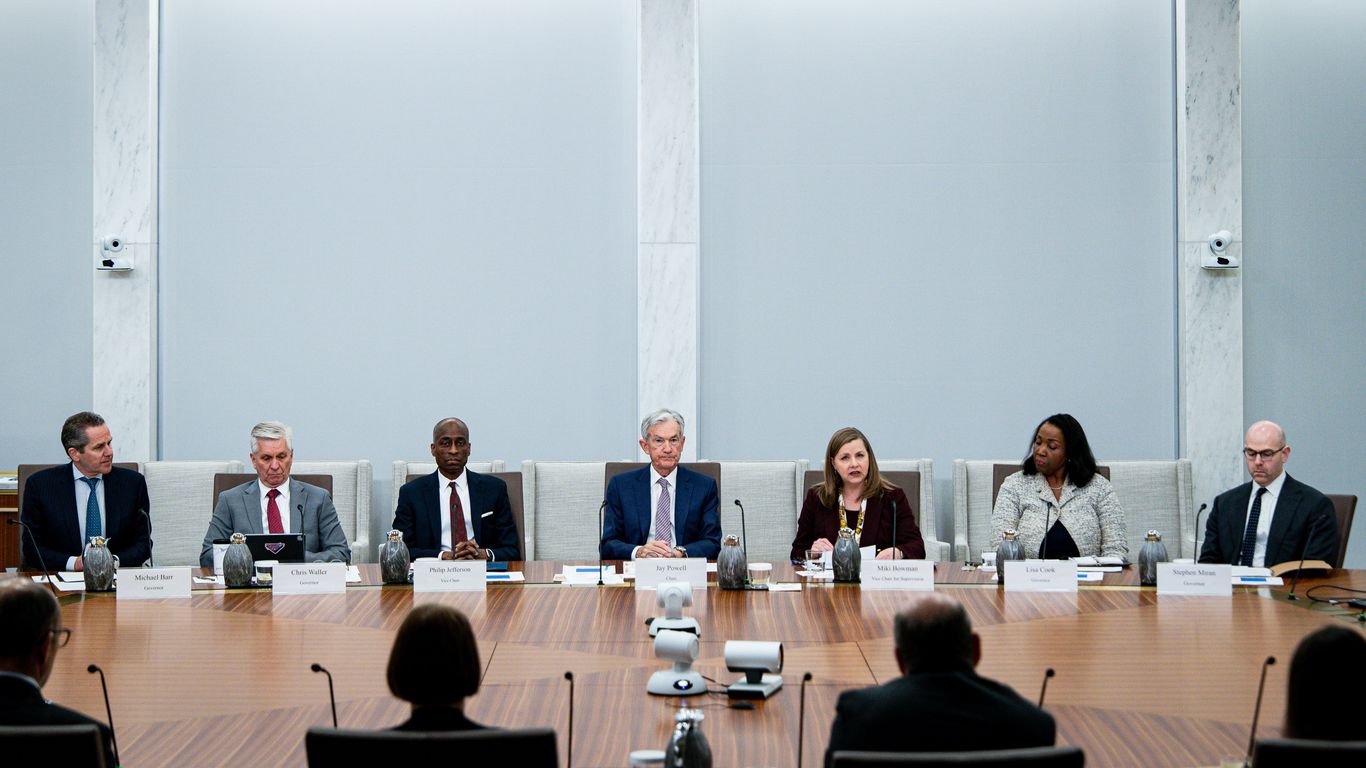
A recurring subplot of President Trump's term has been a desire to replace Biden appointees to the powerful Federal Reserve Board of Governors — even ahead of their terms ending — with allies. That effort now looks dead in the water. Why it matters: Even if Trump succeeds in his efforts to fire governor Lisa Cook , or to oust any of the other three Biden-era holdovers on the seven-member board, a Democratic Senate will likely block any replacements it views as insufficiently independent from the administration. State of play: The president seeks to fire Cook — whose term runs through 2038 — for alleged mortgage fraud, an effort that has been blocked so far by the courts. The White House plans a hearing over the allegations next month. Former chair Jerome Powell has remained on the board as a governor, a term that ends in January 2028. Michael Barr, whom Biden appointed as top financial regulator, has remained in place as a governor in a term that extends to 2032. Philip Jefferson's term as vice chair ends this coming September, though his term as a governor extends to 2036. Between the lines: It would break with current precedent for those officials to stick around to the end of their terms. In recent decades, Fed governor spots have turned over much more regularly, particularly after their time as chair or vice chair ends. Powell, Barr and Jefferson may feel greater comfort relinquishing their roles as governors before the end of their terms if they are confident the Senate will block any replacements who don't respect the tradition of central bank independence. Of note: Sen. Elizabeth Warren is set to chair the Senate Banking Committee that must advance Fed governor nominees, and she has assailed chairman Kevin Warsh for being a "sock puppet" of the administration. Only one Senate Democrat, John Fetterman, voted to confirm Warsh.

Axios · Nov 4
World Series champion Teixeira wins US House seat as former NFL reporter Tafoya’s Senate bid fails

Former MLB star wins for Republicans in Texas Tafoya loses to Peggy Flanagan in Minnesota Former World Series champion turned Republican politician Mark Teixeira will represent ⁠Texas’s 21st Congressional District in Washington after defeating Democrat Kristin Hook in Tuesday’s midterm elections . On Wednesday morning, Teixeira was leading with 54.5% ⁠of the ​votes after 99% of the ballots had been counted. Continue reading...

The Guardian · Nov 4
Behind the Curtain: The Trump obliteration

Make no mistake: Democrats won by epic, sometimes historic margins across red and blue states, up and down ballots, obliterating almost everything President Trump, and a Republican Party remade wholly in his image, built over the past decade in American politics. Why it matters: Trump and Republicans are left with a mostly white, mostly old House and Senate minority, confronting a younger, more diverse ascendant Democratic Party with power and margins it hasn't held in 18 years, since the dawn of the Obama era. The results speak louder than any words we can write: Democrats won Senate races in Texas, Kansas, South Carolina, Ohio, and perhaps Mississippi en route to what could be a 55-seat majority. Democrats won swing districts all across red America, with national average margins of victory of roughly 13 points, according to a New York Times estimate . Texas is now a Democratic state, top to bottom — unthinkable mere months ago. James Talarico crushed Ken Paxton ( 55% to 43% ) like it was Connecticut. State Representative Gina Hinojosa will become the first Democratic governor of Texas in 32 years . Pastor Adam Hamilton is the first Democrat to win a Senate seat in Kansas in 94 years. North Carolina looks like a true-blue state after Democrats flipped the Senate seat and likely ousted Rep. Richard Hudson (R-N.C.), chair of the National Republican Congressional Committee (NRCC) — meaning he led the GOP drive to keep the House. North Carolina's congressional delegation could swing from 10R-4D to 5R-9D. Georgia was even worse for Republicans, where they lost all power at the state and U.S. Senate levels. Florida Gov. Ron DeSantis (R) predicted on X that the losses were so widespread, so deep, so severe that Republicans might not "have a shot at Senate control until 2032." How to think about last night more broadly: This is a 50-50 nation with fast, whiplash shifts in power at the federal level due to persistent discontent with the party in power. So, on one hand, this

Axios · Nov 4
Hakeem Jeffries gets the majority of his dreams

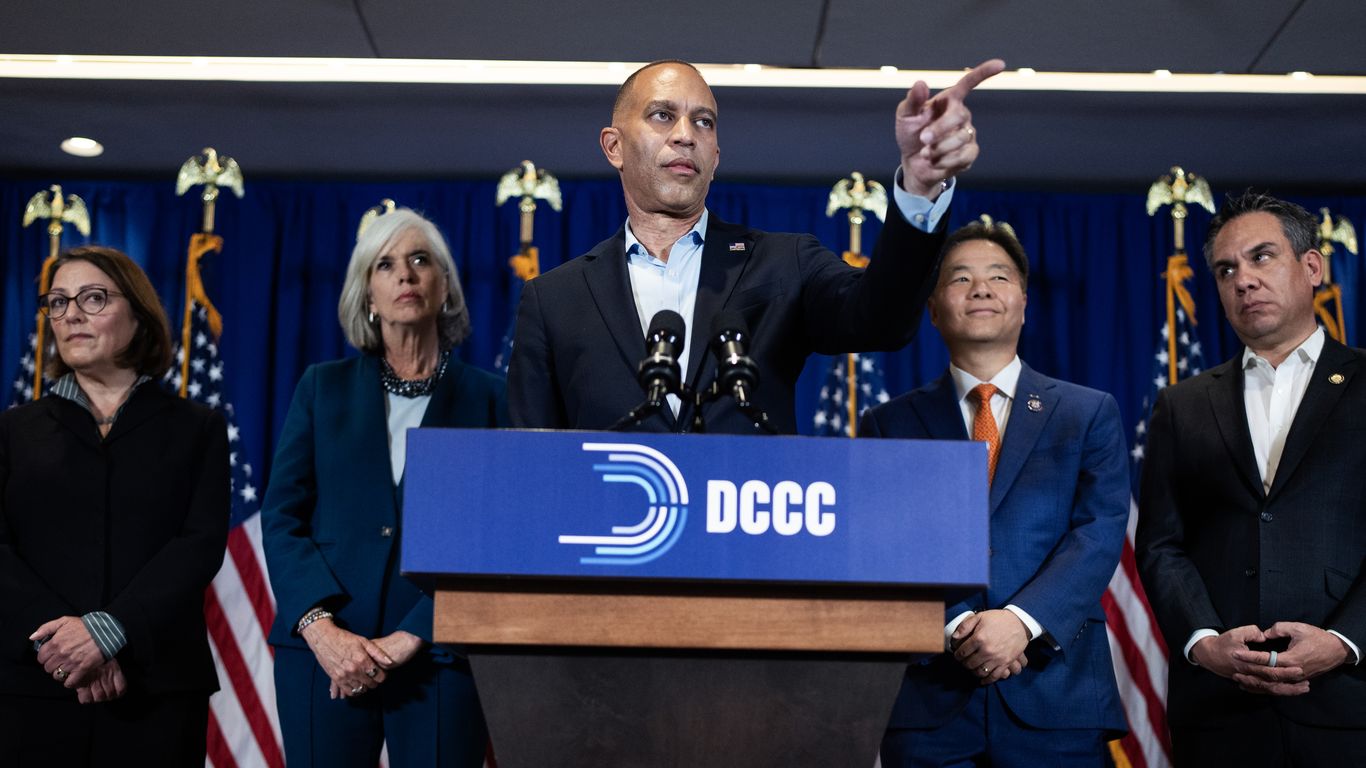
House Minority Leader Hakeem Jeffries (D-N.Y.) is set to preside over a commanding Democratic majority after his party swept districts President Trump carried by double digits. Why it matters: Democrats' landslide win will make it much, much easier for the likely next speaker to secure the gavel without a sweat and ignore the demands of his progressive wing. Rep. Greg Stanton (D-Ariz.), a leader of the center-left New Democrat Coalition, told Axios in an interview Tuesday night that Jeffries "now has the space to utilize his full talents as speaker." The size of Democrats' victory, Stanton said, "allows him to govern without worrying about being leveraged by anyone." Driving the news: Jeffries is on track to enjoy a majority of dozens of votes, with the New York Times projecting Democrats to win as many as 256 seats to Republicans' 178. Democrats flipped districts where the national parties didn't even spend money, likely unseating Republicans such as Reps. Lauren Boebert and Richard Hudson who were considered safe just months ago. It's a major partisan win for Democrats as a whole, but the party's centrist wing is also hailing the result as a much-needed strategic victory over the left. Zoom in: Progressives — particularly "The Bloc," a group made up of hard-charging leftists like Darializa Avila Chevalier and Adam Hamawy — had hoped to use a small majority to extract concessions from Jeffries. Many of them have declined to commit to supporting Jeffries as speaker and signaled they would use their votes as leverage force votes on progressive legislation such as Medicare-for-All, defunding ICE and cutting aid to Israel. But the left's strategy is "going to look different from what it would have been with a smaller margin," one incoming House progressive told Axios, noting that "leaders have more flexibility when they have big majorities." Progressives "can't really extract much now [with this] colossal majority," a progressive strategist acknowledged, adding that "w

Axios · Nov 4