
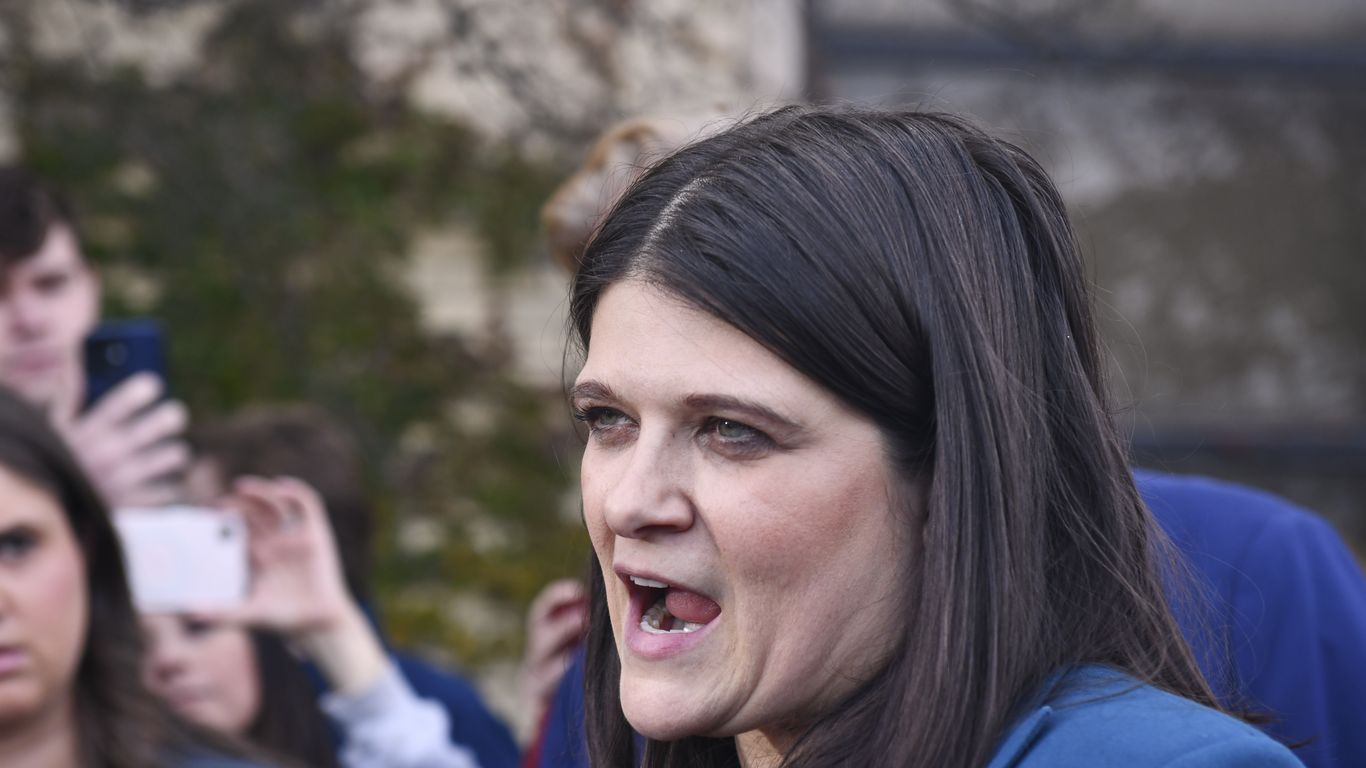
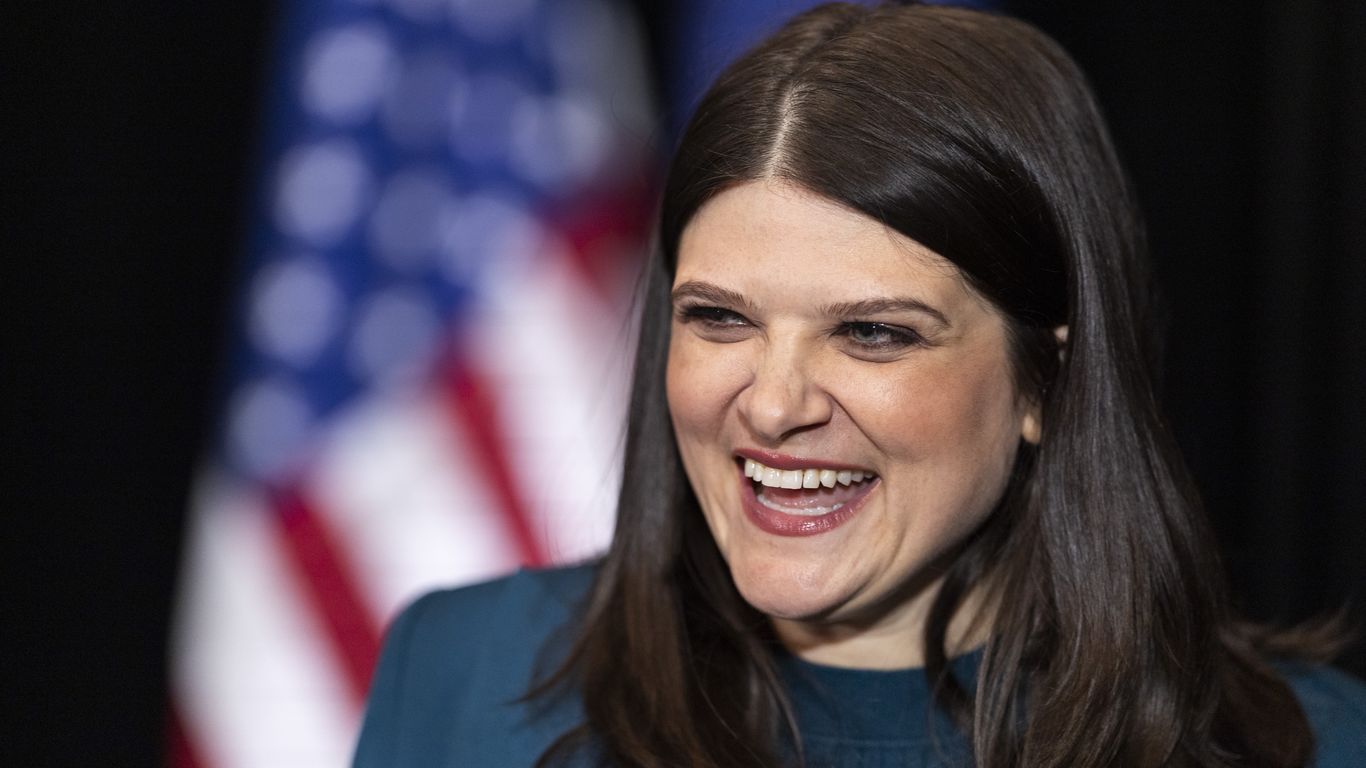
Michigan Rep. Haley Stevens has requested U.S. marshals' protection after the Democrat told authorities she had received death threats for endorsing Republican Mike Rogers in the swing state's hotly contested Senate race, two senior Trump administration officials tell Axios. Why it matters: Stevens' surprise decision Sunday to switch her endorsement to Rogers over Democratic Senate nominee Abdul El-Sayed was the biggest political story of the midterm campaign's final days. Stevens — who lost to El-Sayed in the Michigan Senate primary — was widely criticized by Democrats after siding with Rogers, and her top staff members resigned. "She has received death threats and reached out to the Marshals Service," one of the officials said. "There's a process to go through but she's a member of Congress and we expect her request will be fulfilled." Zoom in: Stevens' support for Israel and his criticism of the Jewish state was a major dividing line in their primary campaign. Stevens objected to El-Sayed's ties to controversial progressive streamer Hasan Piker and an ad by a PAC tied to Piker's uncle, Cenk Uygur, blaming Israel for rising grocery prices. El-Sayed disavowed the ad, but Stevens said she believed he hadn't done enough to address her concerns and didn't want her help on the campaign trail. The dispute came to a head when she was told she was no longer welcome at El-Sayed's campaign events. Stevens announced her endorsement of Rogers after appearing with him at a church service on Sunday. Stevens could not be reached for comment Tuesday. The big picture: The political environment in Michigan has been volatile this weekend. On Monday, the New York Post reported a former El-Sayed staffer was one of several anti-Zionist activists federally indicted for allegedly terrorizing members of Michigan's Jewish community. On Sunday, a conservative Jewish activist was attacked by a progressive activist at a University of Michigan event where organizers were criticizing Islam. On
Results for “israel”

Prediction markets like Kalshi and Polymarket officially don't care which side of a bet wins. There is no "house." They get their cut either way. It's a business model that's attracted billions of VC dollars. Yes, but: Kalshi and Polymarket should be pulling hard for Democrats in today's midterm elections. Even if that feels counterintuitive. Catch up quick: Prediction markets burst into the public consciousness two years ago, when their users correctly "picked" Donald Trump to beat Kamala Harris. It bestowed credibility at a time when public trust in traditional polling had cratered. Fast forward: More recently, however, they had electoral misses in Brazil and Israel. Three would be a trend. Both platforms currently have markets on Democrats sweeping Congress, with "yes" at around 75%. If that's how today plays out, it would further cement prediction market legitimacy. A Republican win in either chamber, however, would dump them into the same pot as pollsters — even if 75% probability includes a sizable improbability. Zoom in: Democrats are often more hostile to prediction markets than are Republicans, but companies like Kalshi and Polymarket don't have too much to fear from a Democrat-controlled Congress. Yes, there would probably be an uncomfortable hearing or two. But neither chamber would have veto-proof majorities, and the Trump administration has been very sympathetic to the industry. The real constraints, if any, are more likely to come via the Supreme Court. The bottom line: Political predictions generate much less revenue for Kalshi and Polymarket than do sports predictions, but they have a much longer tail.
Stevens’ decision sparked fierce backlash from members of the party, while Donald Trump praised the sudden switch Michigan Democrat Haley Stevens’ shocking last-minute endorsement of Mike Rogers, a Republican Senate candidate, has sparked fierce backlash from members of her party. Stevens, who narrowly lost in the Democratic primary for Senate to Abdul El-Sayed, announced her support for Rogers after a feud with the El-Sayed campaign over an outside group’s campaign ad that blamed the high cost of living on US support for Israel. Continue reading...
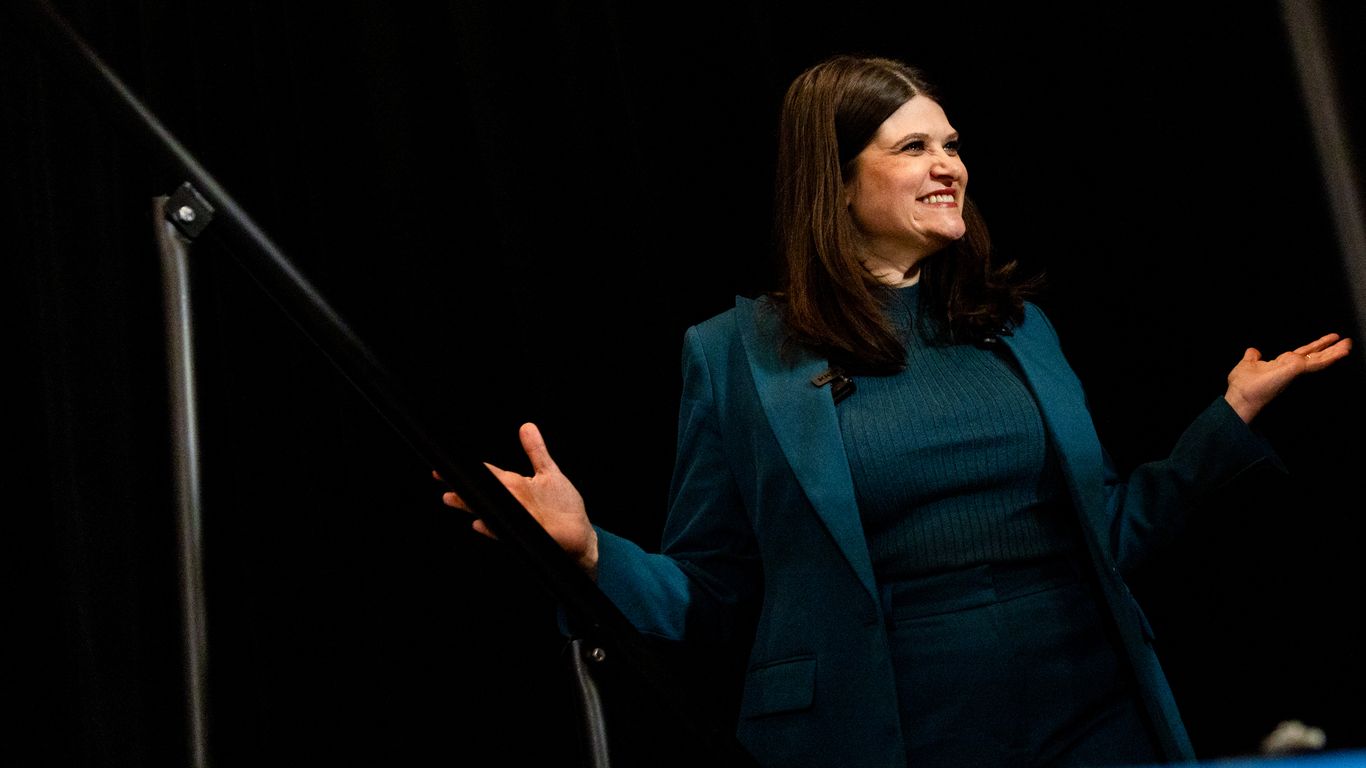
Some House Democrats want Rep. Haley Stevens (D-Mich.) expelled from their caucus after she crossed party lines to endorse Republican Mike Rogers for Senate on Sunday. Why it matters: It would be an extraordinary step that reflects the deep internal resentment towards Stevens within her own party. "I hope she doesn't return to work on Tuesday," Rep. Lateefah Simon (D-Calif.) told Axios, saying Stevens should be removed from the caucus. "Agreed," Rep. Marc Veasey (D-Texas) told Axios, arguing the endorsement "doesn't accomplish anything except hurt[ing] Haley" and that "she got bad advice." "I'd support that," Rep. Emily Randall (D-Wash.) said of removing Stevens from the caucus. Driving the news: Stevens infuriated colleagues on Sunday by endorsing Rogers over Democratic candidate Abdul El-Sayed, who defeated Stevens in the Senate primary in August. Stevens, a pro-Israel moderate, had been urging the more left-leaning El-Sayed to more forcefully denounce a super PAC ad partially blaming U.S. aid to Israel for rising prices. Stevens said the ad claimed "Jews are responsible for America's economic woes." El-Sayed pushed back in a statement saying Stevens "seems intent on relitigating a primary that ended three months ago." Stevens attended church with Rogers on Sunday and released a video to social media endorsing him. The two also held a joint press conference. What we're hearing: There has been private discussion about moving to oust Stevens, a senior House Democrat said, telling Axios, "That's what people want." Stevens was also removed from several House Democratic text chains, the senior lawmaker said. A second House Democrat told Axios: "I've heard people invoking the rule about not endorsing against Democrats." "Endorsing a Republican in a tipping point state is ridiculous, especially from a Democrat ... She should be removed from our caucus altogether," a third House Democrat said. Yes, but: Not everyone is on board with the idea — even those frustrated at Ste
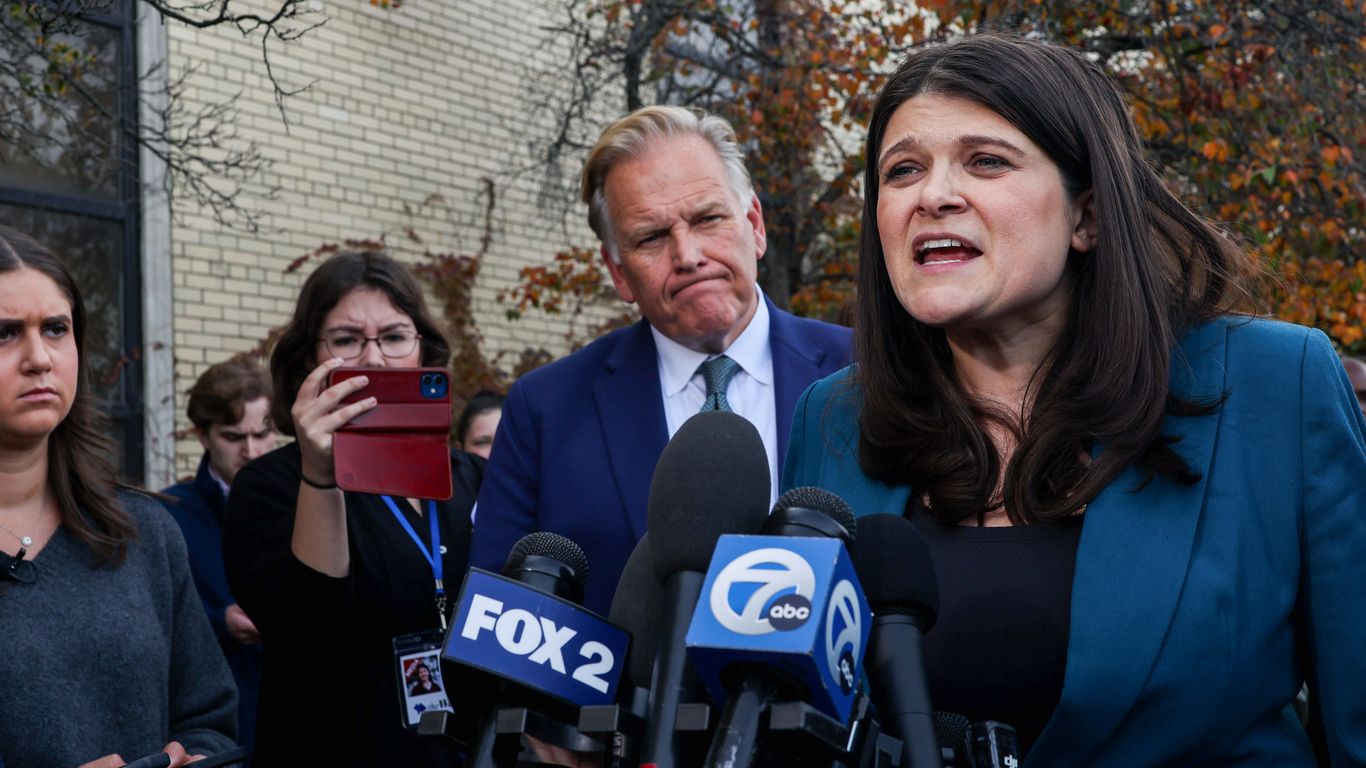
Rep. Haley Stevens (D-Mich.) faced fierce backlash from fellow Democrats, party officials and her own staffers after endorsing Republican Mike Rogers for U.S. Senate on Sunday. Why it matters: It's a stunning reversal in standing for Stevens, who came within a few percentage points of being her party's nominee for Senate in Michigan just months earlier. "Pathetic, petty, selfish, unhinged," Rep. Jared Huffman (D-Calif.) told Axios of her endorsement of Rogers. "You run out of words." Rep. Sam Liccardo (D-Calif.) said of the video Stevens posted to social media announcing her endorsement and her joint press conference with Rogers: "I've seen more pleasant self-immolations." State of play: Stevens' endorsement of Rogers came after her long-running feud with Democratic nominee Abdul El-Sayed reached a boiling point over the weekend. El-Sayed, a leftist who narrowly defeated the more moderate Stevens in the Senate primary in August, said in a statement on Friday that Stevens "seems intent on relitigating a primary that ended three months ago." Stevens had been pressing El-Sayed to more forcefully condemn an ad from an outside super PAC that suggested U.S. aid to Israel was partly to blame for rising prices. Stevens, in her video endorsing Rogers, said that El-Sayed "said that I was no longer welcome in his campaign, and that I should stay away," adding, "He's right. ... I don't belong in Abdul's campaign." What they're saying: Stevens' Democratic colleagues met her endorsement with shock and fury. "I am lost for words," Rep. Lateefah Simon (D-Calif.) told Axios. Rep. Glenn Ivey (D-Md.) said in a text to Axios: "WTF!!??" "I JUST SAW THIS BULLSHIT," Rep. Emily Randall (D-Wash.) texted. "There is too much on the line for BS like this." "What the fuck is she doing?" another House Democrat said. "This election is not about her, and this will not age well." Zoom in: "I'm dumbfounded that Haley told me one thing last night and changed her mind today," said Rep. Jamie Raskin (D
Rep. Haley Stevens (D-Mich.) appeared Sunday at Detroit's Perfecting Church alongside Republican Senate candidate Mike Rogers , praising his support for Black-owned businesses just two days before he faces the Democratic nominee she previously endorsed. Stevens then tweeted an endorsement for Rogers. Why it matters: The appearance gives Rogers a striking moment as his party tries to peel away Black and Jewish voters in a tight race that could determine control of the Senate. Driving the news: Stevens' appearance with Rogers came after plans for her to attend a Detroit church service alongside Democratic nominee Abdul El-Sayed and Rep. Jim Clyburn (D-S.C.) collapsed. Her appearance with Rogers was arranged at the last minute after the two spoke this morning, per a person familiar. The intrigue: A video posted by Detroit journalist Sam Robinson showed Stevens entering the church and praising Rogers . Rep. Debbie Dingell (D-Mich.), who helped organize the original planned appearance with El-Sayed, told CNN she asked Stevens not to attend because the dispute had become distracting. Stevens narrowly lost the August Democratic primary to El-Sayed but endorsed him afterward. Catch up quick: The bitter primary rivalry erupted again last week when Stevens' fiancé, Jason Turkish, announced he would vote for Rogers, citing concerns about El-Sayed's rhetoric on Israel. Stevens subsequently demanded that El-Sayed condemn an outside group's ad linking U.S. support for Israel to higher grocery prices, and remove a campaign ad featuring Tucker Carlson. El-Sayed accused Stevens of re-litigating the primary. On Saturday, he explicitly rejected the outside ad's contents, prompting Stevens to welcome his remarks. What we're watching: Michigan voters choose between Rogers and El-Sayed on Tuesday, with Democrats facing a crucial test of whether they can reunite their coalition.

With affordability a major election issue, the incumbent is trying to ward off her democratic socialist challenger At the end of 2022, the four largest US cities – New York, Los Angeles, Chicago and Houston – all had Black mayors. It was a historic alignment made possible by the aftereffects of the Black Lives Matter civil rights movement and the unprecedented wave of protests following the killing of George Floyd in 2020. Six years on, only one of those mayors remains: the embattled Karen Bass of Los Angeles , who is facing a strong challenge from a younger, even more progressive challenger. Bass’s opponent is Nithya Raman, a member of the Democratic Socialists of America, although the group is considering rescinding its endorsement over her refusal to explicitly embrace the Boycott, Divestment and Sanctions movement against Israel. Continue reading...
With control of Congress on the line, next week’s midterms amount to a referendum on Trump, who has urged voters to pretend he is on the ballot Sign up for the Breaking News US email Hello and welcome to the US politics live blog. Donald Trump is tele-rallying from Mar-a-Lago with just three days to go before the midterm elections. On Sunday, he will make appearances at rallies in Iowa in Kansas in a reversal after he initially backed out . The top federal prosecutor in Alaska confirmed on Friday the existence of a criminal and a civil investigation into an alleged scheme by Mary Peltola’s campaign and national Democrats to confuse voters in the closely watched Senate race by recruiting a spoiler candidate who shares a name with the Republican incumbent, Dan Sullivan . Michigan Democratic Senate candidate Abdul El-Sayed resisted a demand from his defeated primary rival, congresswoman Haley Stevens , that he apologize for criticism of US military aid to Israel on Friday – two days before they were scheduled to campaign together in Detroit. Early voting this cycle has set a record. More than 49 million Americans have already cast ballots, either in person or by mail, the Associated Press reported. Continue reading...
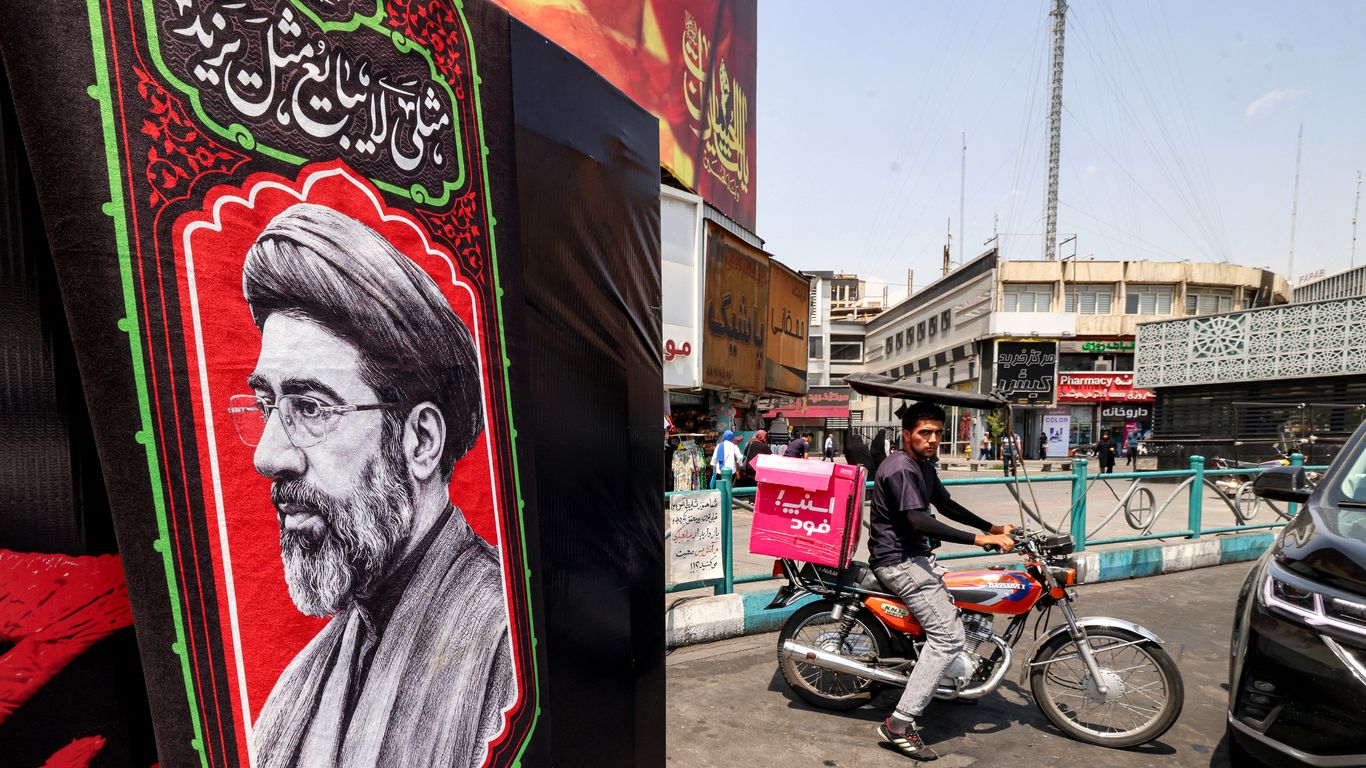
Iran's Supreme Leader Mojtaba Khamenei told the country's top three military commanders that a renewed attack by the U.S. and Israel ״must be met with an immediate and effective response, without geographical limitations״ in order to achieve "maximum deterrence," according to a statement from his office. Why it matters: This is the first publicly disclosed meeting between Khamenei and all the top commanders of Iran's armed forces since the war began. It comes as President Trump weighs major strikes on Iran after the midterm elections. Khamenei hasn't been seen or heard in public since he was wounded in an Israeli strike on the first day of the war. He has only issued written statements, which raised questions about his condition. The unusual apparent meeting took place a day after Qatari mediators held talks in Tehran for more than 12 hours in an effort to reach a deal to restart direct negotiations between the U.S. and Iran and avoid an outbreak of war after the midterms. The discussions continued in Doha, Qatar, on Saturday. What he's saying: "If the enemies once again launch military or terrorist attacks, it will be the Islamic Republic of Iran's Armed Forces and the Iranian nation that determine when and under what conditions those hostilities will end," Khamenei told the commanders, according to the statement. Zoom in: According to the statement, the meeting included armed forces chief of staff Gen. Ali Abdollahi, army commander Maj. Gen. Amir Hatami and Islamic Revolutionary Guard Corps commander Maj. Gen. Ahmad Vahidi. The commanders briefed Khamenei on the state of military readiness along the Gulf coastline and around the Strait of Hormuz, the Gulf of Oman, and Iran's northwestern and southeastern borders. They also reported "a several-fold increase" in production of various types of ammunition and reconnaissance, support, and combat weapons. Khamenei instructed the commanders that the "target bank" must be updated "so that all types of the American-Zionist
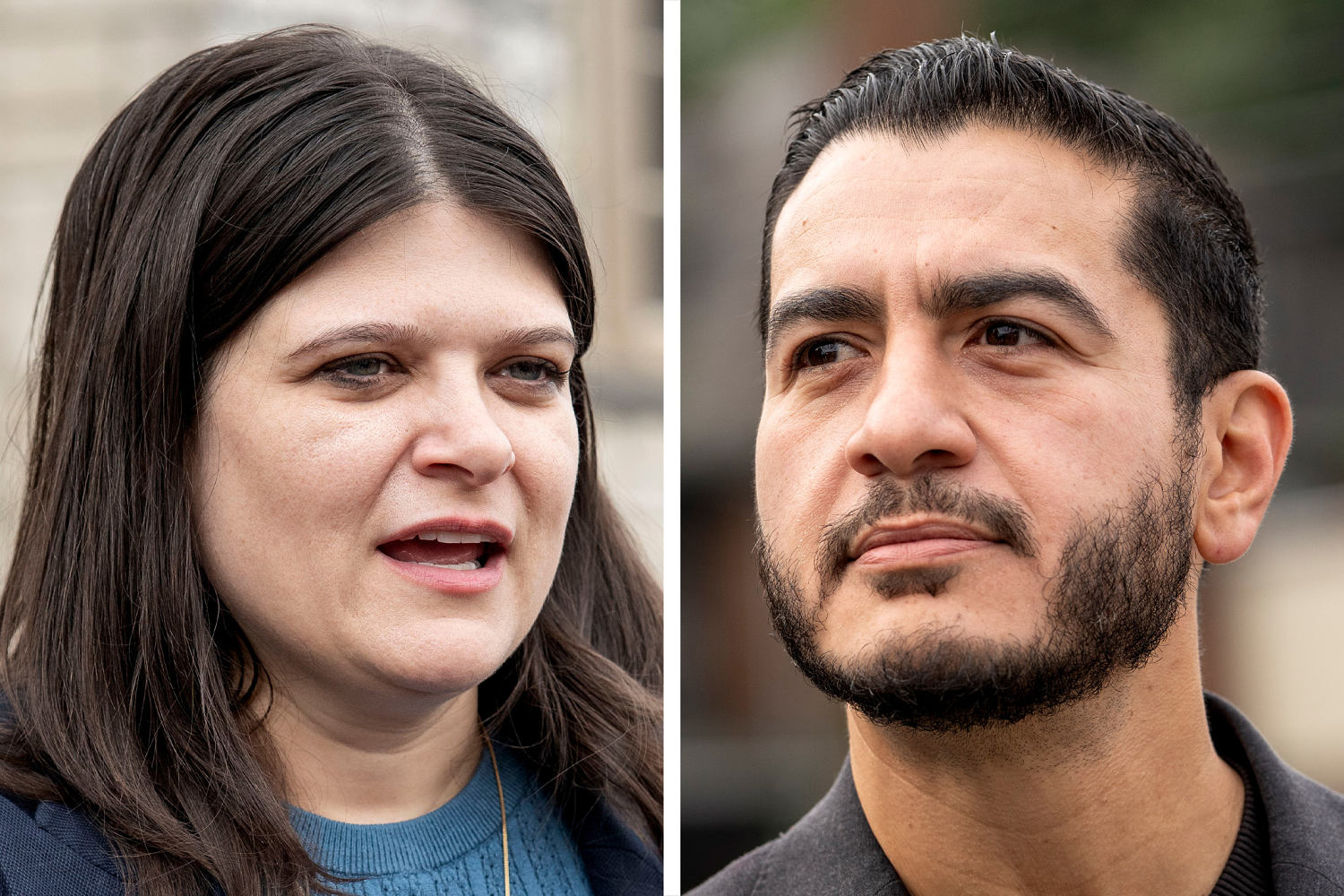
The tensions between the former Democratic primary candidates have drawn in other Michigan Democrats as the party hopes to secure a critical Senate seat.
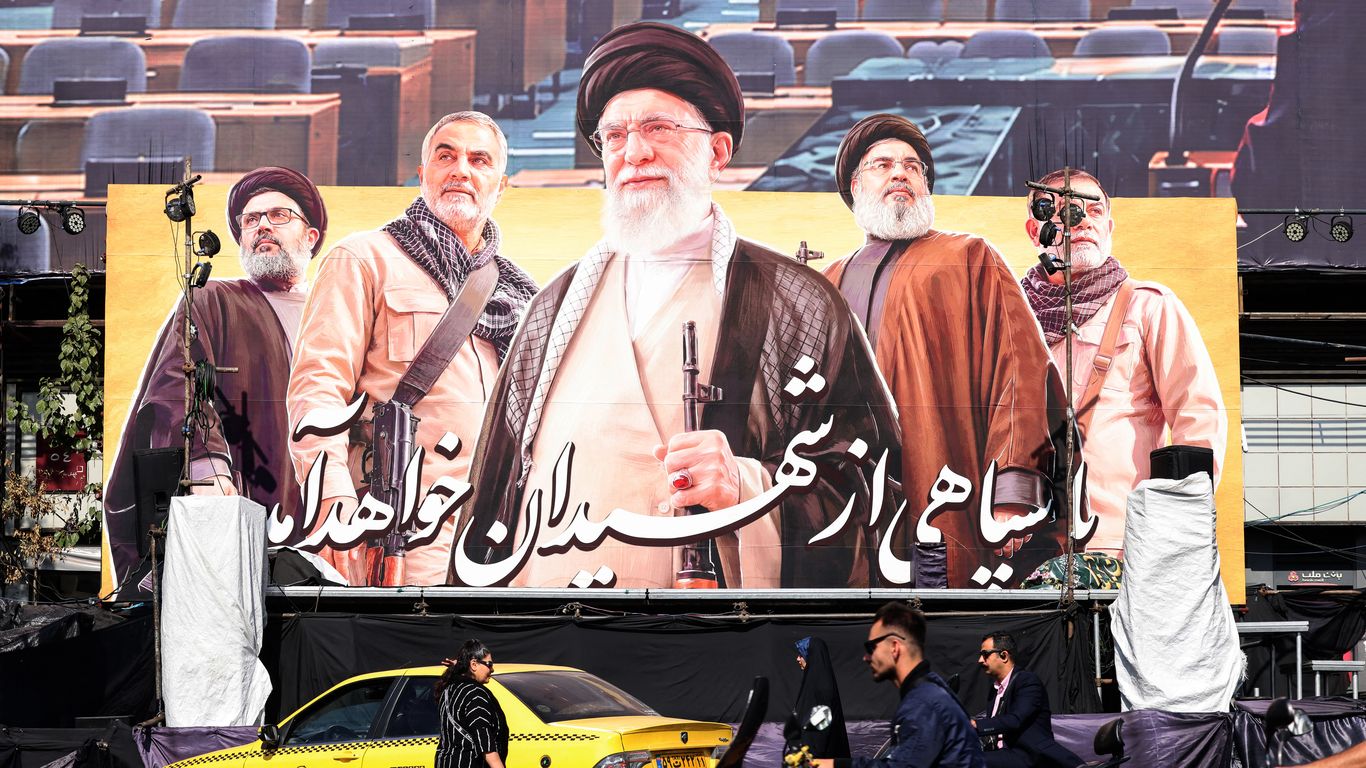
Qatari mediators held talks in Tehran for more than 12 hours on Friday in an effort to reach a deal to restart direct negotiations between the U.S. and Iran and avoid an outbreak of war after the midterms, according to diplomatic sources. The discussions will continue in Doha, Qatar, on Saturday. Why it matters: The U.S. is now just days away from a possible military operation that would inflict enormous damage on Iran and likely lead to retaliatory strikes against Israel and a host of Gulf countries. Driving the news: A diplomatic source said Qatari mediators were in regular contact with the White House during Friday's daylong session. "There was positive progress. Talks are still ongoing in an effort to unlock a deal between the U.S. and Iran," the source said. The Qataris are prodding the U.S. and Iran to agree on a set of reciprocal steps that would be implemented over a few days and get the parties back to direct talks on the Iranian nuclear program and other issues. A U.S. official said two competing demands have stymied the talks so far: the Trump administration's insistence that Iran make nuclear concessions as part of resuming talks, and Iran's stipulation that the U.S. first lift its naval blockade, release frozen funds and allow it to sell oil. The Qataris are trying to convince Iran to allow U.N. inspectors to visit its bombed nuclear sites as a confidence-building measure that the U.S. would respond to with some sanctions relief. The intrigue: Inside Trump's inner circle, there are different opinions on what he should do. Defense Secretary Pete Hegseth and Secretary of State Marco Rubio are highly skeptical that any nuclear agreement can be reached with the current Iranian regime. They think Trump's legacy should be to weaken the regime even more, including with further strikes, a U.S. official said. The person said that while Vice President Vance and Trump envoys Steve Witkoff and Jared Kushner want to resume negotiations, Trump is skeptical Iran will

In a podcast interview, she asserted that criticism of Israel from some prominent Democrats did not reflect the views of the party itself.
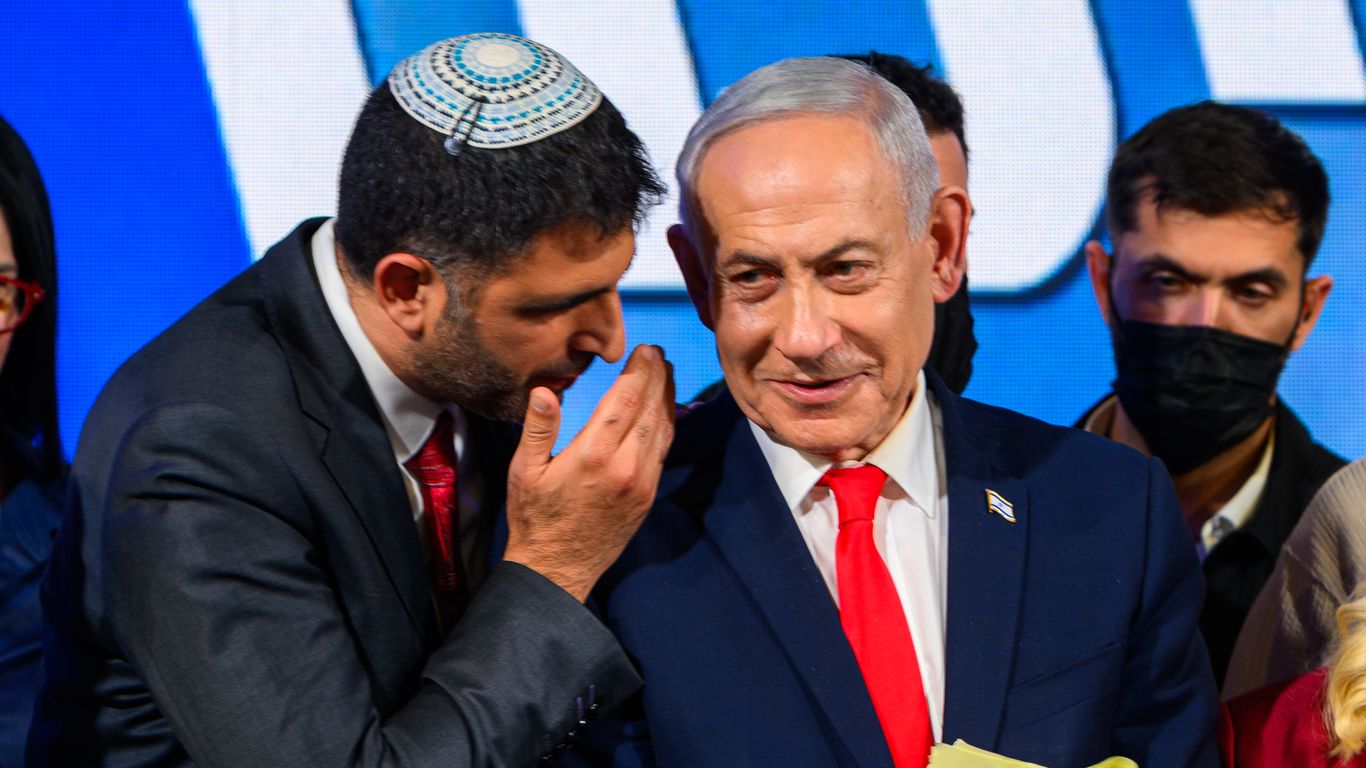
After his far-right coalition lost 11 seats in the election, Israeli Prime Minister Benjamin Netanyahu is trying to discredit the results by claiming there was mass voting fraud in Arab communities. Why it matters: Netanyahu appears to be trying to spook the opposition bloc out of cooperating with Arab parties to form a new government. But the opposition is concerned he has an even more ambitious goal: To prevent the results from being certified at all. That would block the swearing in of a new parliament, in which he would lose his majority. Driving the news: Netanyahu and his Likud party started the campaign to delegitimize the Arab vote days before the elections. Half of Netanyahu's social media posts on Election Day cast suspicion on the unprecedented turnout in Arab communities, an apparent attempt to drive his supporters to the polls. Arab voters cast ballots in historic numbers, winning 19 seats between their two parties. On Wednesday, Netanyahu's Likud party issued a statement claiming the "elections were stolen" by the Arab parties through bribes and fraud. Its claims were based on the arrest of three activists from the Arab Ra'am party who were suspected of paying a small number of voters in one of the Arab cities. The Israeli police said there was no evidence to support Likud's claims of a "stolen" election. Behind the scenes: The situation escalated dramatically on Thursday when a letter sent to the director of the Shin Bet domestic security agency was leaked to Israel's Channel 12. It was written by the supreme court judge who heads the Central Elections Committee. The judge ordered the Shin Bet director to immediately investigate suspicions of election interference by foreign countries and submit conclusions within a week. Shortly after the letter leaked, Israeli media outlets identified Qatar as the country in question. The allegation is that it funneled money to one of the Arab parties to propel turnout in their communities. Over the past year, sever

House progressives are planning to use their growing power to force votes next year on their most sweeping and divisive policies, including Medicare for All, abolishing ICE and cutting aid to Israel. Why it matters: The ultimate goal is to get these policies on the front burner for a Democratic president in 2029, even if that means forcing House Democrats into tough decisions. Rep. Pramila Jayapal (D-Wash.) told Axios the left wants mark-ups and votes on bills such as Medicare for All "so that we can prepare for when we have the trifecta and so that we can really build the support we need." "Forcing the vote is important so we can see where everyone is at, I think that's really key for 2028 and 2029," said Mai Vang, a progressive House candidate in California. The big picture: Here is what progressives most want to see go to a House vote in 2027, according to lawmakers, candidates and operatives who spoke to Axios: 1) Medicare for All The Medicare for All Act introduced by Rep. Pramila Jayapal (D-Wash.) has 118 co-sponsors — more than half the House Democratic caucus. The left wants to force the issue onto the floor and make their Democratic colleagues reckon with the policy's popularity in public opinion polls . Ultimately, they aim to ensure support for Medicare for All is a must-have for any 2028 presidential candidate to win the primary. "Years ago I negotiated with [former House Speaker Nancy] Pelosi to get the hearings , but we have not had a markup," Jayapal, a former Progressive Caucus chair, said in an interview with Axios. Jayapal pointed to the bill she and Rep. Pat Ryan (D-N.Y.) unveiled last week, which would lower the Medicare age from 65 to 50, as a potential compromise measure that could get caucus-wide support next year. Yes, but: A Democratic wave could bring in a bloc of members from red-leaning districts who could be sensitive to being tagged as wanting to end private insurance. Jayapal told Axios there's an "opening we've never seen before" with
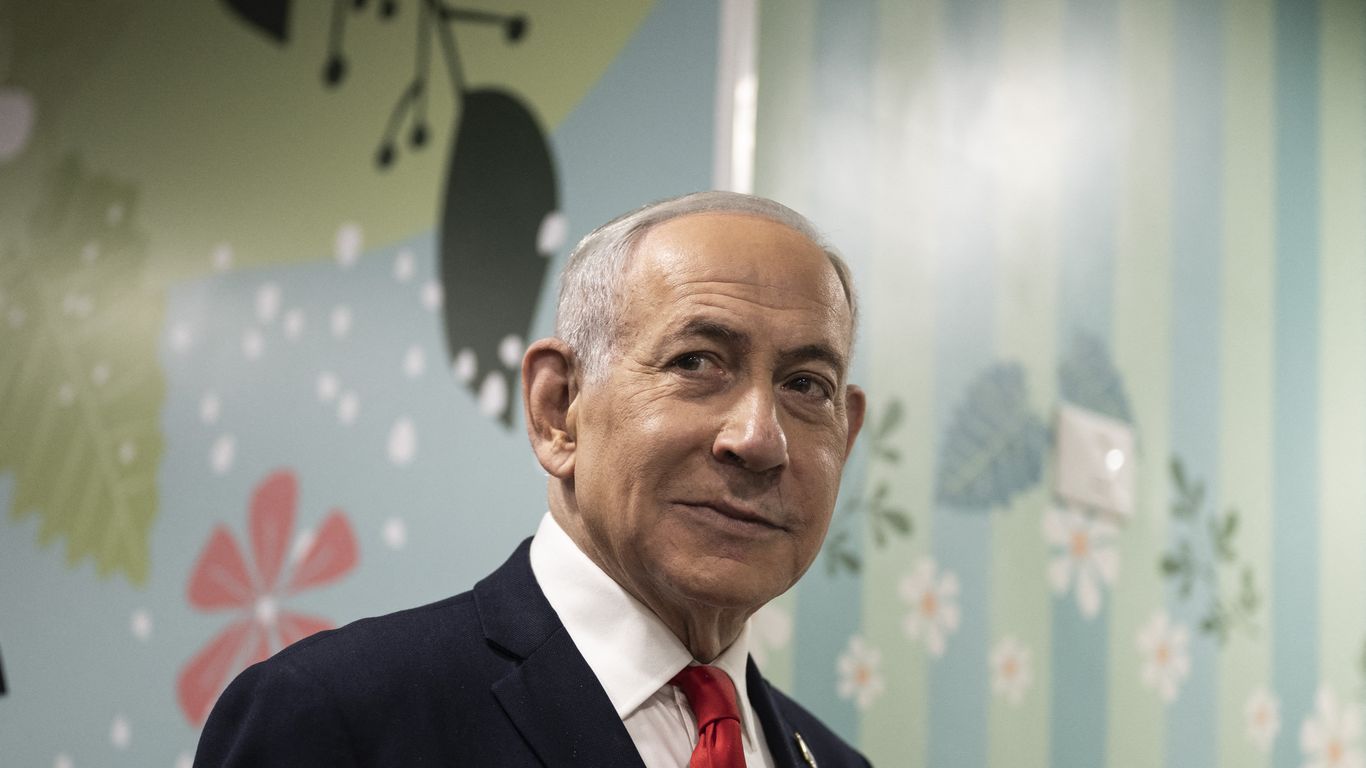
TEL AVIV, Israel — Israeli Prime Minister Benjamin Netanyahu's electoral coalition opened a sizable lead over Gadi Eisenkot's opposition bloc with 85 percent of the vote counted. But while Netanyahu outperformed exit polls, which had Eisenkot's opposition coalition ahead, neither bloc will clear a 61-seat majority. That sets the stage for weeks of wrangling over the country's next government. Why it matters: Netanyahu will emerge from the election down but not out. His bloc is on pace to secure 53 seats — 11 fewer than he currently commands. But Eisenkot's bloc trails with 48 seats, leaving both men without a clear mandate to lead a government. While Eisenkot could theoretically swear in a government with the support of Arab parties — which are on track to secure a record-breaking 19 seats — such a scenario is highly unlikely. The intrigue: The actual vote count significantly boosted Netanyahu's standing compared to initial exit polls, which showed Eisenkot's bloc ahead. President Trump told Axios in a brief interview Wednesday that at first he received "horror reports" about Netanyahu's prospects. But "he's in pretty good shape now," Trump said. "I heard my endorsement made a big difference for Bibi," he added. Asked whether he is going to get involved in an effort to form a Netanyahu-led unity government, Trump said he hadn't thought about it. "I will take a look," he said. State of play: There are 500,000 votes left to be counted, from soldiers, diplomats, prisoners and others who voted outside their designated area. These votes could slightly shift the blocs' seat totals or the allotment of seats within each bloc. But they are unlikely to change the overall balance of power. Driving the news: Israeli President Isaac Herzog will begin consulting next week with the different parties before issuing a mandate to either Netanyahu or Eisenkot to form a government. "We must do everything possible, especially after yesterday, to avoid another round of elections. So I ex
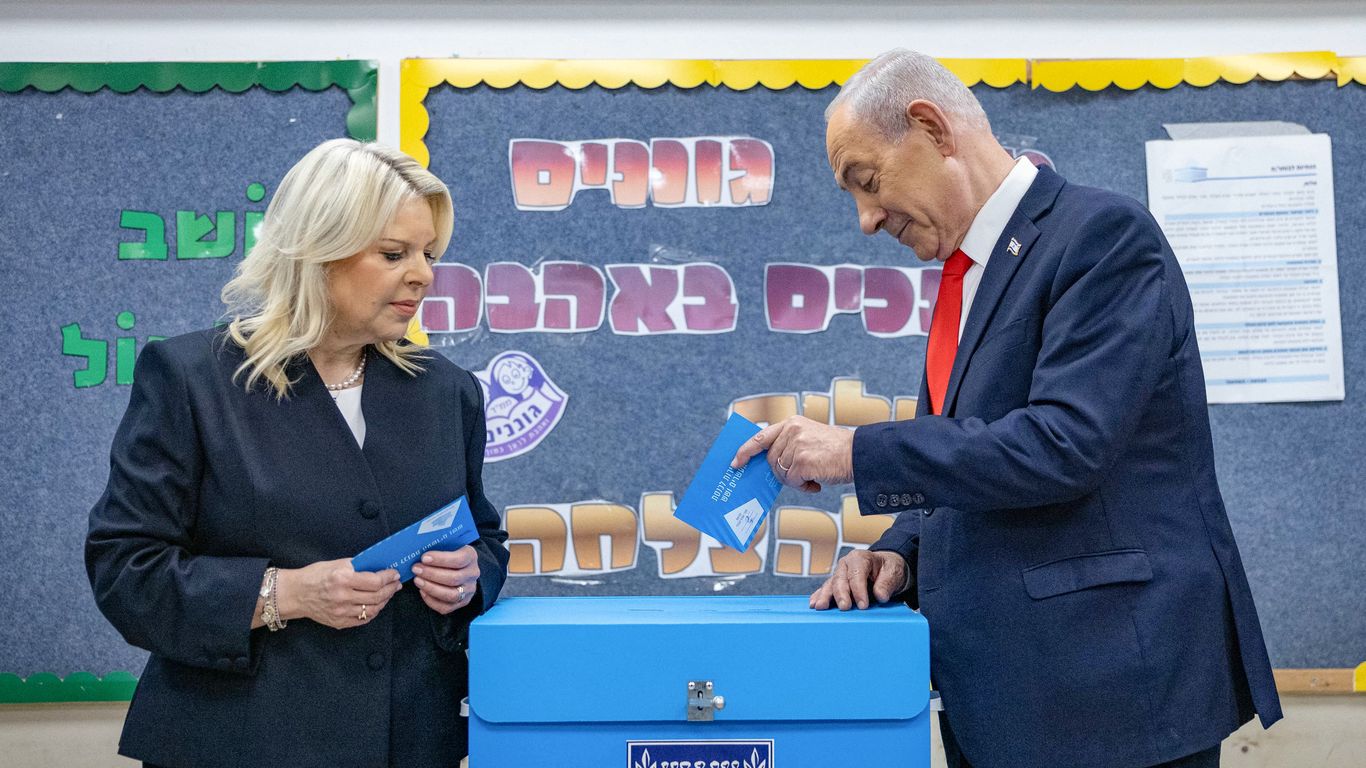
TEL AVIV, Israel — Prime Minister Benjamin Netanyahu's far-right coalition is running nearly even with Gadi Eisenkot's opposition bloc in Tuesday's historic election — but both are short of a 61-seat majority, according to Israeli exit polls. Why it matters: Political stalemate is the most likely outcome of the election, with Netanyahu weakened but neither side having a clear path to forming a coalition government. Arab parties are poised to win 18 to 19 seats in what would be an unprecedented electoral achievement. While theoretically Eisenkot's bloc could try to swear in a minority government supported by the two Arab parties, that scenario looks unlikely. The numbers: Eisenkot's bloc emerged with a small lead in early exit polls, but Netanyahu's coalition closed the gap as the night wore on. The exit polls show Netanyahu's bloc with 51-52 seats and Eisenkot's bloc with 49-51 seats. Netanyahu's Likud party is projected to win 27 seats versus 21 seats for Eisenkot's Yashar party. State of play: A close outcome could leave the country in a state of limbo, with Netanyahu likely staying on as a caretaker prime minister at the helm of the executive branch and the opposition led by Eisenkot controlling the Knesset. That scenario could last until new elections are held as early as April. The two sides could try to break the deadlock by forming a unity government between Netanyahu and Eisenkot. But such a scenario is also improbable considering that none of the opposition parties will agree to sit in a Netanyahu-led government. What they're saying: Eisenkot claimed victory in a speech after midnight Israeli time. He said if Netanyahu was a "decent leader," he would exit the political stage after the public voted for change. During the speech, Eisenkot alluded to the possibility that the prime minister would launch military action before a new government is seated. "Netanyahu: don't dare use Israel's security for your political needs," Eisenkot said. He emphasized that the
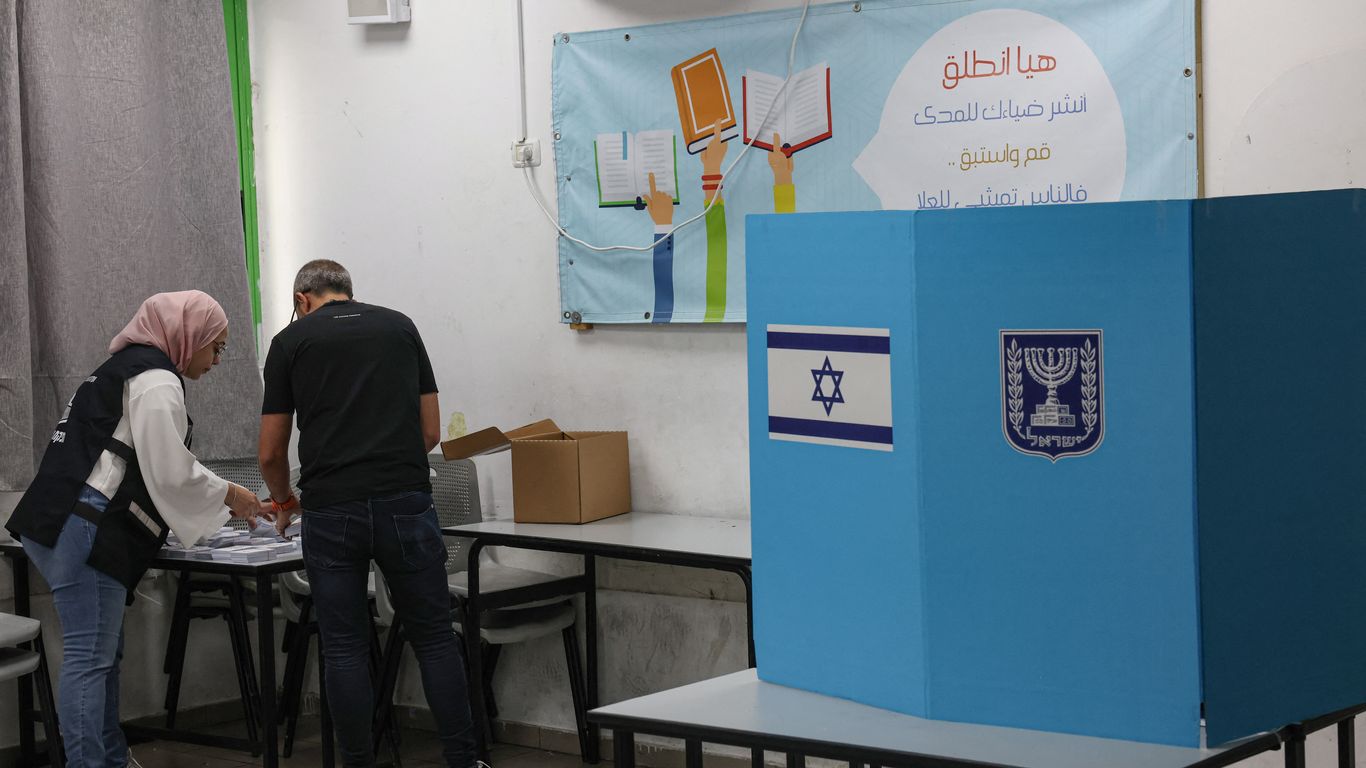
TEL AVIV, Israel — More than three-quarters of Israeli voters cast ballots in Tuesday's historic referendum on Benjamin Netanyahu — the highest level since 1999. Why it matters: This looks like bad news for the incumbent prime minister. Higher voter turnout will likely push several of the parties in his bloc below the electoral threshold — making it harder for the prime minister to reach a 61-seat majority in parliament. An increase in turnout among Arab minority communities could lead to a record number of seats in parliament for them. As in previous elections, Netanyahu has tried to energize his voters by making false claims about "Muslim Brotherhood supporters" of his opponents who are "stealing the elections." State of play: After multiple reports of long lines at many polling stations across the country, the Central Elections Commission issued orders to expedite the voting process and clarified that any voter who arrives at a polling station by 10 pm local time will be allowed to vote. Polls close at 10 pm local time (4pm ET) and exit polls will be published simultaneously by Israel's three TV networks. Driving the news: This is one of the most consequential elections in the country's history — with rival camps warning that victory for the other would put Israel's future in jeopardy. The elections are a referendum on the path Netanyahu has taken the country down over the past four years. It's Israeli voters' first chance to hold Netanyahu accountable for the security failures that led to the Hamas-led October 7 attacks — or to reward him for what he claims were unprecedented military successes in the three years of war since.
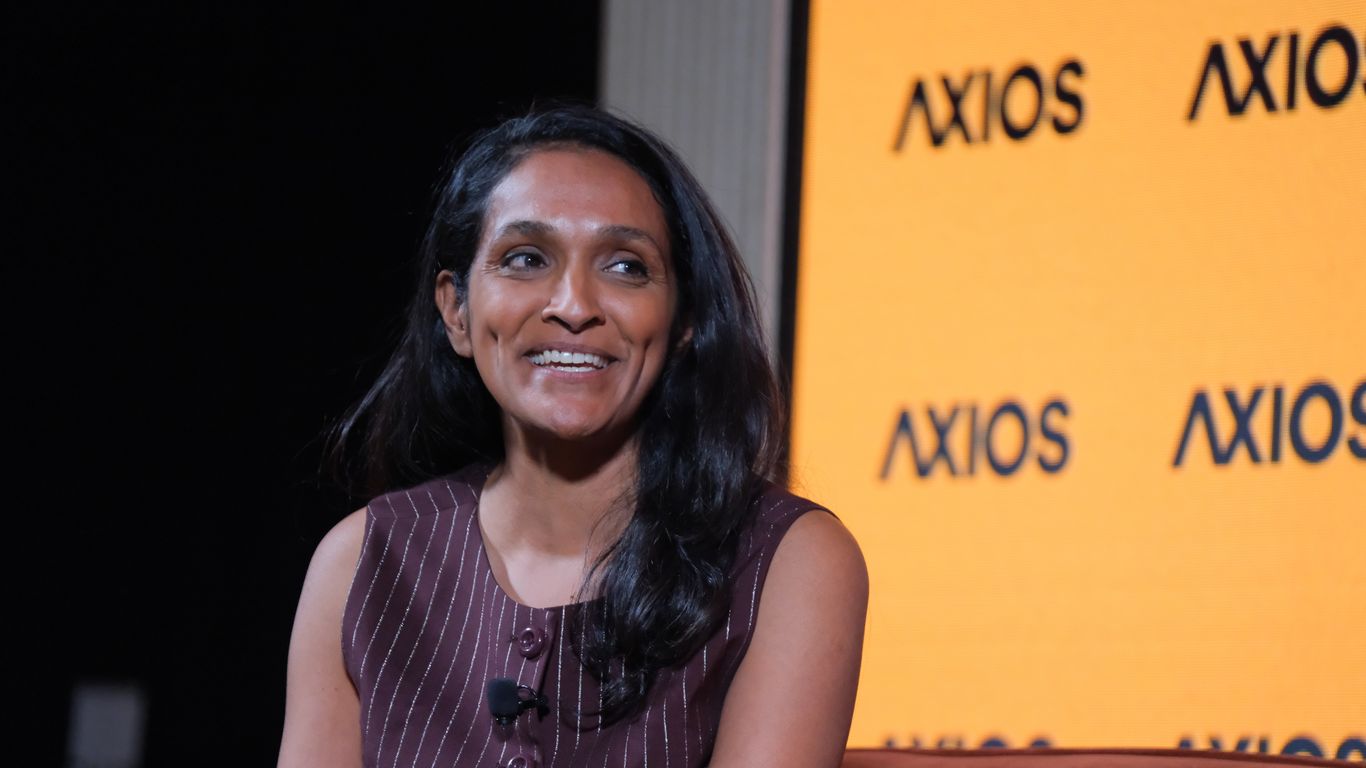
A fight over Israel is fracturing the socialist movement just as it stands within reach of capturing the Los Angeles mayor's office . Why it matters: The same socialist movement celebrating its ascendancy through New York City Mayor Zohran Mamdani is now debating whether to disown Nithya Raman before Los Angeles voters can even weigh in. National Democratic Socialists of America (DSA) leaders face demands to overturn the local chapter's endorsement of Raman over her position on the Boycott, Divestment and Sanctions (BDS) movement against Israel. The Los Angeles chapter of DSA still enthusiastically endorses Raman , arguing Angelenos deserve a functioning city government. The mayoral race has been defined by homelessness, affordability and public safety. By the numbers: Raman leads incumbent Mayor Karen Bass in recent polls ahead of the Nov. 3 election, though many voters remain undecided. Overall : A September Berkeley IGS/L.A. Times poll put Raman ahead 39%-28%, with 33% undecided. A more recent Manhattan Institute poll showed Raman leading 38%-32%, with 30% undecided. Among likely Latino voters: Raman led 45%-21%, with 34% undecided in the Berkeley poll. Among socialists: DSA's Los Angeles chapter endorsed Raman in a 937-484 vote, with 52 abstentions. State of play: On Oct. 4, DSA's National Political Committee found that the chapter violated endorsement rules by failing to ask Raman about BDS, but stopped short of invalidating its support. National leaders have considered proposals to revoke the endorsement and bar the chapter from using resources to campaign for her, per Vanity Fair . A DSA faction has called for questioning Raman about her views on Palestine, with possible expulsion if national leaders find her positions incompatible with the group's principles. Sticking point: The Democratic Socialists of America's published endorsement requirements say candidates must actively support BDS and avoid affiliations with the Israeli government or "Zionist lobbying
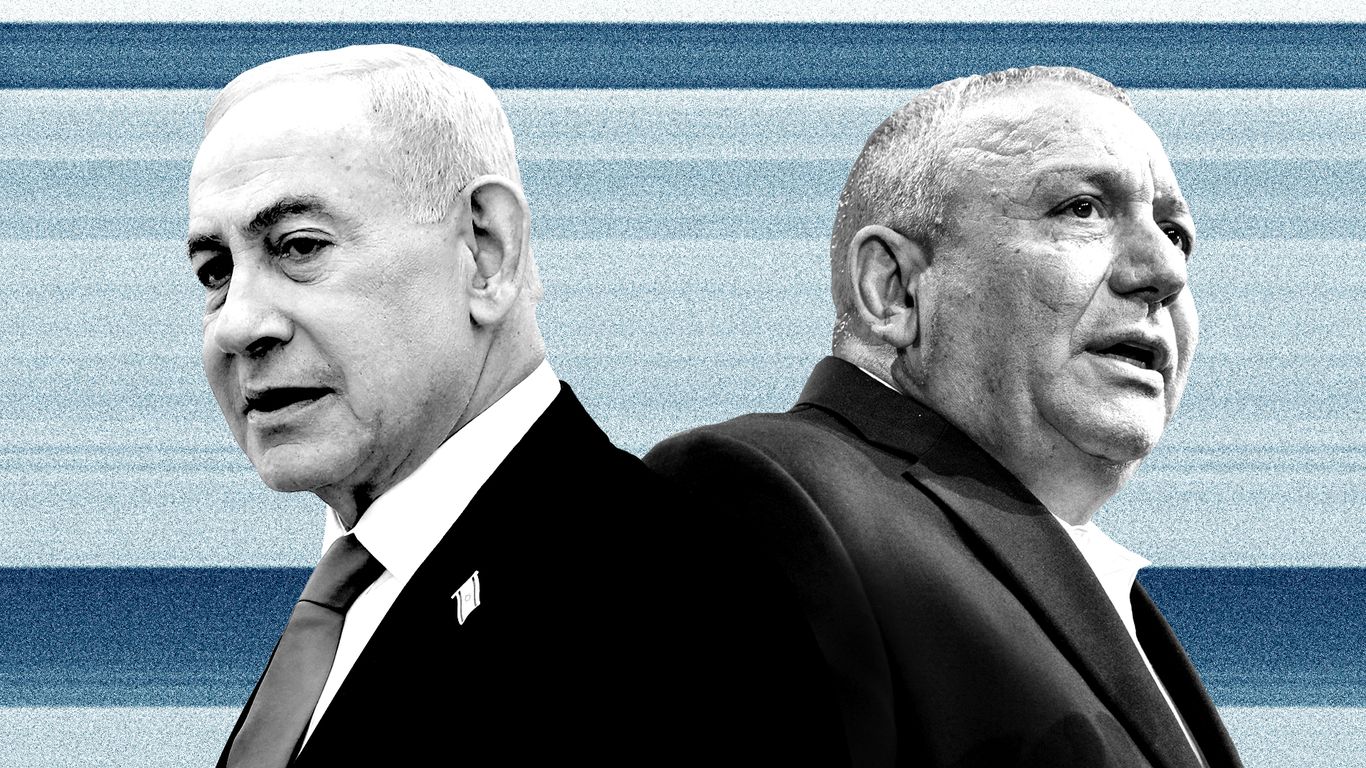
Israelis head to the polls today for one of the most consequential elections in the country's history — with rival camps warning that victory for the other would put Israel's future in jeopardy. Why it matters: The elections are yet another referendum on Benjamin Netanyahu's leadership and the path he's taken the country down over the past four years. It's Israeli voters' first chance to hold Netanyahu accountable for the security failures that led to the Hamas-led October 7 attacks — or to reward him for what he claims were unprecedented military successes in the three years of war since. If Netanyahu and his far-right coalition win, they're likely to renew the war with Iran in an effort to topple its regime, intensify their crackdown on Israel's democratic institutions and move to end Netanyahu's corruption trial. Driving the news: Netanyahu's campaign was totally focused on the war with Iran. After two military campaigns over the last 18 months in which he claimed that Israel destroyed Iran's nuclear program, Netanyahu's main talking point was that Iran is moving closer to a nuclear bomb. Earlier this week, Netanyahu went as far as posting an AI-generated image of Tel Aviv being destroyed by an Iranian nuclear bomb — implying that's what will happen if he loses. Behind the scenes: Netanyahu spent weeks trying to persuade President Trump to give him a green light to strike Iran ahead of the elections. Trump did not go along. In the 72 hours before the elections, Netanyahu tried to order the Israel Defense Forces to take steps to lay the ground for a potential new military strike or take actions short of an overt attack, Israeli officials say. IDF chief of staff General Eyal Zamir refused to abide. He warned that such a strike could lead to a miscalculation that quickly escalated hostilities and potentially forced the elections to be called off, the officials said. The Israeli officials said Zamir insisted there was no operational urgency in taking these steps ahea

TEL AVIV, Israel — Gadi Eisenkot is as low-key as Benjamin Netanyahu is bombastic. He's a political novice up against the longest-serving, most politically savvy prime minister in Israel's history. And yet, on the eve of Tuesday's elections , Eisenkot poses the most serious threat to Netanyahu's hold on power in years. Why it matters: A victory by the Yashar party leader would upend Israeli politics and could reset the country's strained relationships abroad. The intrigue: The contrast between the two top contenders could hardly be sharper. Their roots: Eisenkot, the son of Moroccan Jewish immigrants, grew up in Eilat, Israel's southernmost city. If he wins, Eisenkot will be the first prime minister of Moroccan descent in Israel's history. Their military backgrounds: Netanyahu served in the Israel Defense Forces' elite special forces unit "Sayeret Matkal" and later went into business and politics. Eisenkot joined the IDF Golani infantry brigade and rose through its ranks as a combat commander until becoming IDF chief of staff. He arrived at his rally on Sunday to the tune of the Golani brigade song from 1974. Their ties to America: Netanyahu is better versed in American politics — and more articulate in English — than many American politicians. Eisenkot is not an "American" politician at all, let alone a professional one. He speaks English with a heavy Israeli accent and doesn't deliver catchy soundbites. He does not enjoy being on TV. At his final campaign rally Sunday before about 1,000 supporters, Eisenkot was visibly uncomfortable being in the spotlight, even when the crowd cheered him on. Their trustworthiness: Netanyahu's credibility with the Israeli public has been battered by his long-running corruption trial, his political tactics, his refusal to take responsibility for the failures that led to October 7 and accusations of duplicity in his handling of the Iran war. Eisenkot is seen as a straight shooter, even among many of his opponents. Zoom in: The failur
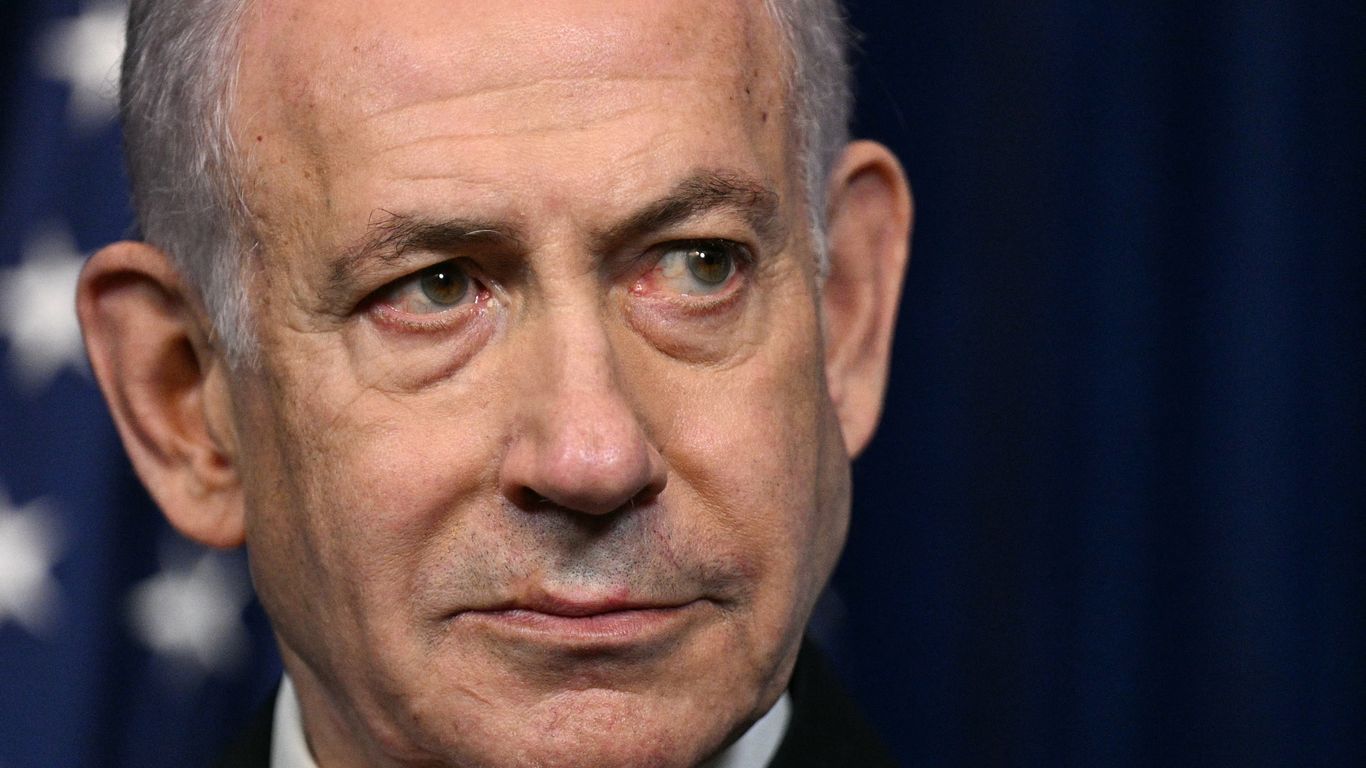
TEL AVIV, Israel — Israeli Prime Minister Benjamin Netanyahu — fighting for political survival in Tuesday's elections — has pleaded with President Trump in recent days to show more public support for his campaign, according to a U.S. source with knowledge and an Israeli source briefed on the matter. Why it matters: The U.S. source said the White House sees Netanyahu's aggressive lobbying as a "sign of desperation" and an indication that the Israeli leader thinks he's trailing. Neta Molcho, a spokesperson for Netanyahu's Likud party, denied the prime minister asked Trump to support his campaign "in recent days or before his endorsement statement." The White House did not respond to a request for comment. Trump said in an interview with Newsmax two weeks ago that people in Israel asked him to get involved in support of Netanyahu. Behind the scenes: The U.S. source said Netanyahu spoke with Trump twice in the last three days and asked him to double down on his Truth Social post last week endorsing him. The source said Netanyahu even suggested language for additional statements of support. An Israeli source briefed on Netanyahu's efforts said the Israeli prime minister proposed that Trump hold calls with Israeli reporters to express further support. The latest: On Sunday evening, Trump issued another statement endorsing Netanyahu and calling on Israelis to vote for him, mainly because of his hawkish position on Iran. "As everyone is aware, including the enemy, Bibi and I have had a great relationship in winning together...when you go to the Polls please remember that Bibi has been an outstanding Warrior Prime Minister!" Trump wrote on Truth Social. "There can no longer be the chant heard around the World of 'Death to America, Death to Israel,' and there won't be. Vote for Bibi Netanyahu for Prime Minister, we have to finish the job that we started!" he added. Driving the news: After weeks of hesitation, Trump endorsed Netanyahu last Sunday. He went as far as to suggest
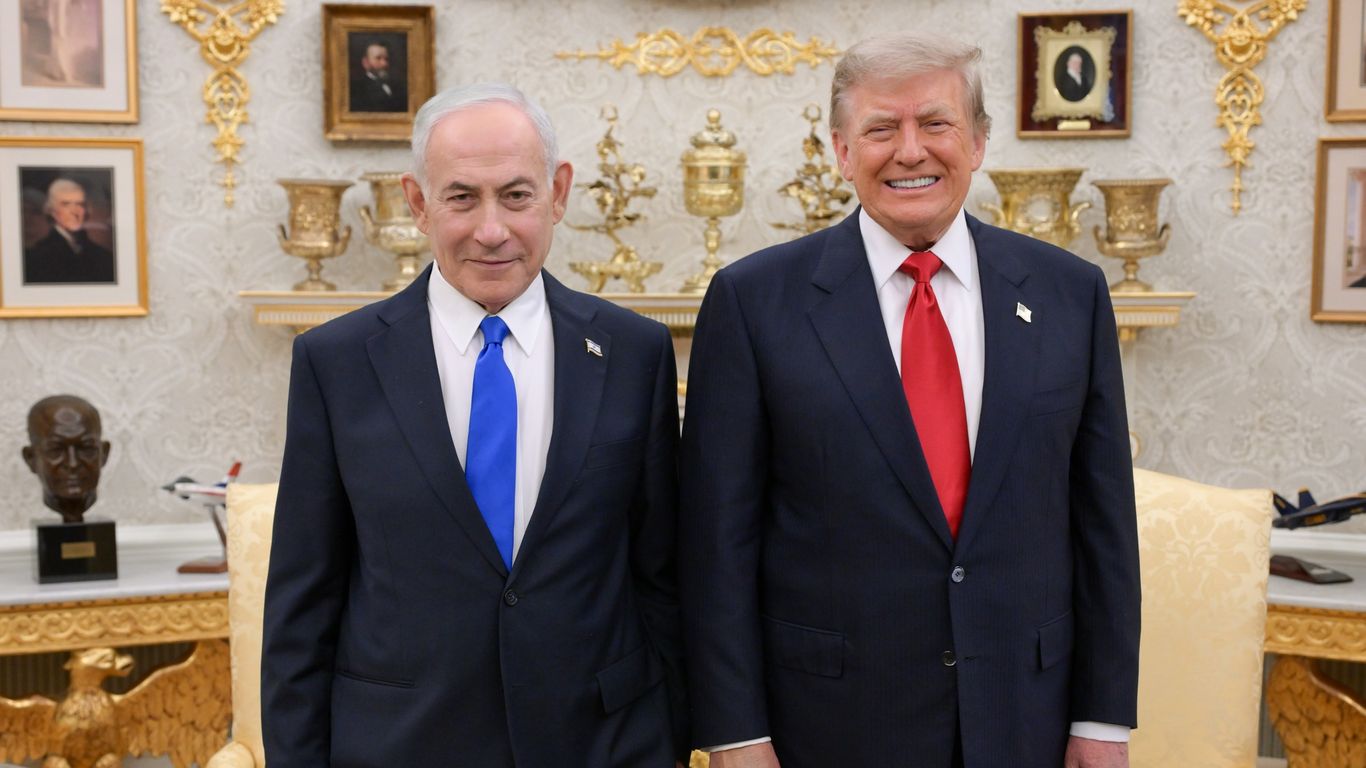
President Trump has endorsed Benjamin Netanyahu in Tuesday's Israeli election, but some of his advisers see opportunity for his Middle East agenda in a government led by someone else, U.S. officials tell Axios. Why it matters: Trump has never worked with an Israeli prime minister other than Netanyahu, and doesn't personally know any of the other candidates. The two have forged a close but often turbulent relationship. "He's the devil he knows," one Trump adviser said, describing the president's view of Netanyahu. Driving the news: After weeks of hesitation, Trump endorsed Netanyahu on Sunday — and even suggested his defeat would have consequences for U.S.-Israel relations. One U.S. official described the endorsement as a win-win for Trump, regardless of the outcome. If Netanyahu wins — or remains in power as caretaker prime minister — Trump could claim credit for rescuing him politically and use that leverage to press for concessions. If Netanyahu loses and his opponents form a government, Israel's new leaders would still have every incentive to cultivate good relations with Trump. His endorsement of their rival would quickly become a footnote. Behind the scenes: Many of Trump's closest advisers opposed his decision to endorse Netanyahu, believing the president should stay out of the Israeli election, according to sources familiar with the discussions. Vice President Vance notably declined to follow Trump's lead when asked about the election this week, amid growing hostility toward Netanyahu in parts of the MAGA movement. "I'm not attacking Bibi Netanyahu. I'm not endorsing Bibi Netanyahu. I think the president's endorsement is ultimately what matters," Vance told reporters. Zoom in: Vance, who endorsed former Hungarian Prime Minister Viktor Orbán days before his election defeat in April , said he would no longer get involved in foreign elections. The vice president is among the senior Trump officials who became disillusioned with Netanyahu during the war with Iran,